Barry Jones Libri


"Uno spettro si aggira per l'immaginario collettivo, e questo spettro si chiama Frankenstein. Mary Shelley ha indubbiamente creato un capolavoro, ma anche una sorta di icona pop, divenuta proverbiale e versatile, tale da essere evocata nelle situazioni più impensate. [...] Da un lato Frankenstein suscita interesse come ipotesi sulla possibilità di un mortale di sostituirsi a Dio, o alla Natura, mentre dall'altro riporta alla luce ogni sentimento di orrore e di repulsione radicato nei più profondi recessi dell'animo umano. Sotto questo punto di vista, l'impatto dell'opera sul lettore è duplice, stimolandone allo stesso modo l'interesse così come le più cupe emozioni; il ritmo serrato dell'inseguimento assieme ai crimini perpetrati dal mostro contribuiscono ulteriormente a tenere alta la tensione, mentre il pericolo della cosiddetta "hideous progeny" - a cui la creatura potrebbe dare origine se dotata di una compagna della stessa specie - provoca le stesse paure generate dal dilagare di una pestilenza". (Dall'introduzione di Giorgio Borroni)
Dracula. Edizione integrale
- 384pagine
- 14 ore di lettura
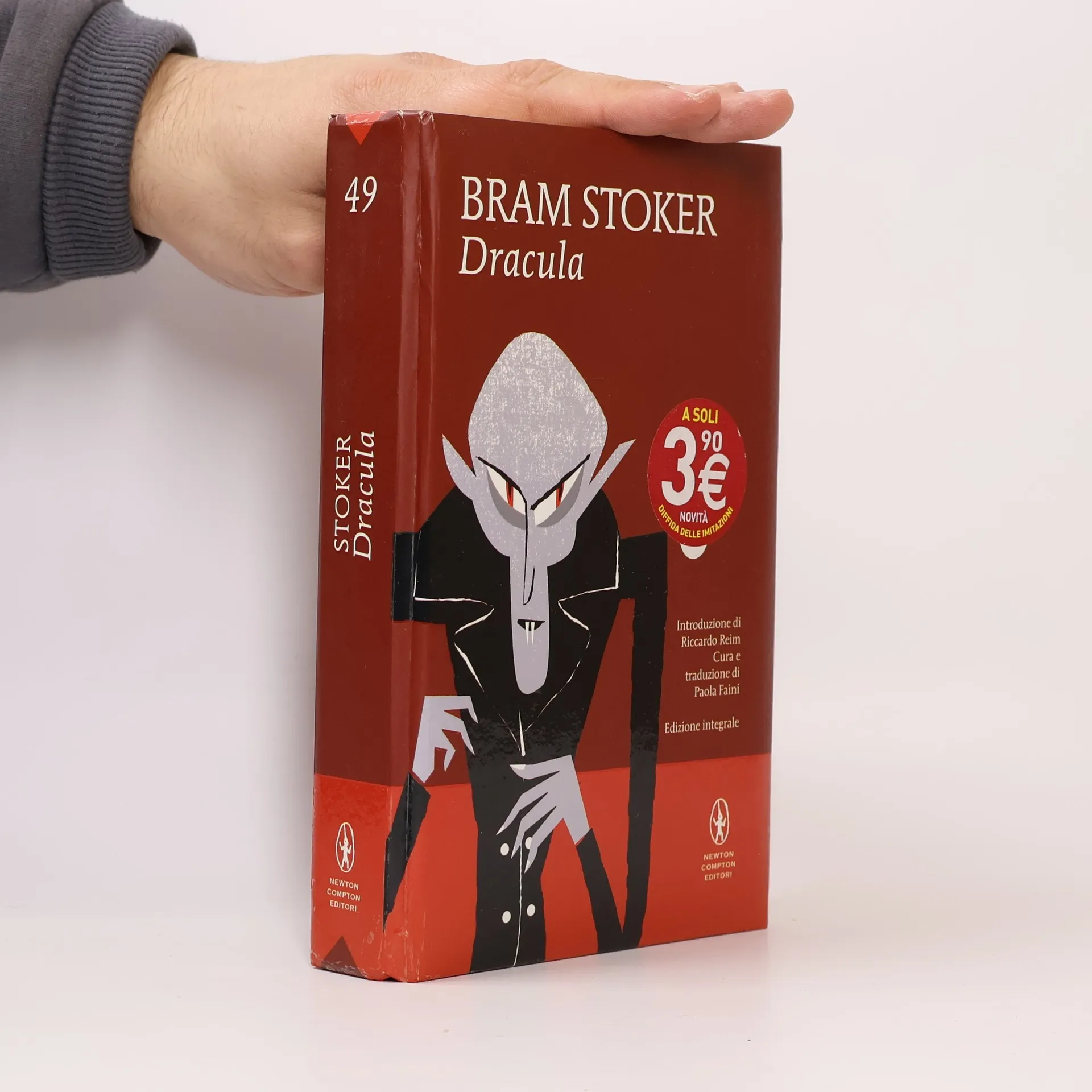
Accompagnato da ininterrotta fortuna, riconfermata dal successo del film di Francis Ford Coppola, Dracula di Bram Stoker è l’ultimo grande romanzo gotico e al tempo stesso, forse, il più famoso: spettrale, altero, spietato e sottilmente erotico, il pallido Conte (il cui nome è ormai sinonimo di vampiro) appartiene a quei pochi personaggi che entrano a far parte dell’immaginario collettivo, impongono un genere, divengono un simbolo. «Una figura», notava Thomas Wolf, «che costringe a confrontarci con misteri primordiali: la morte, il sangue, l’amore e i loro reciproci legami», cosicché «il risultato cui Stoker perviene è questo: ci fa comprendere, attraverso la nostra esperienza, perché si dice che il vampiro sia invisibile allo specchio. Egli c’è, ma noi non lo riconosciamo, dal momento che il nostro stesso viso lo cela».
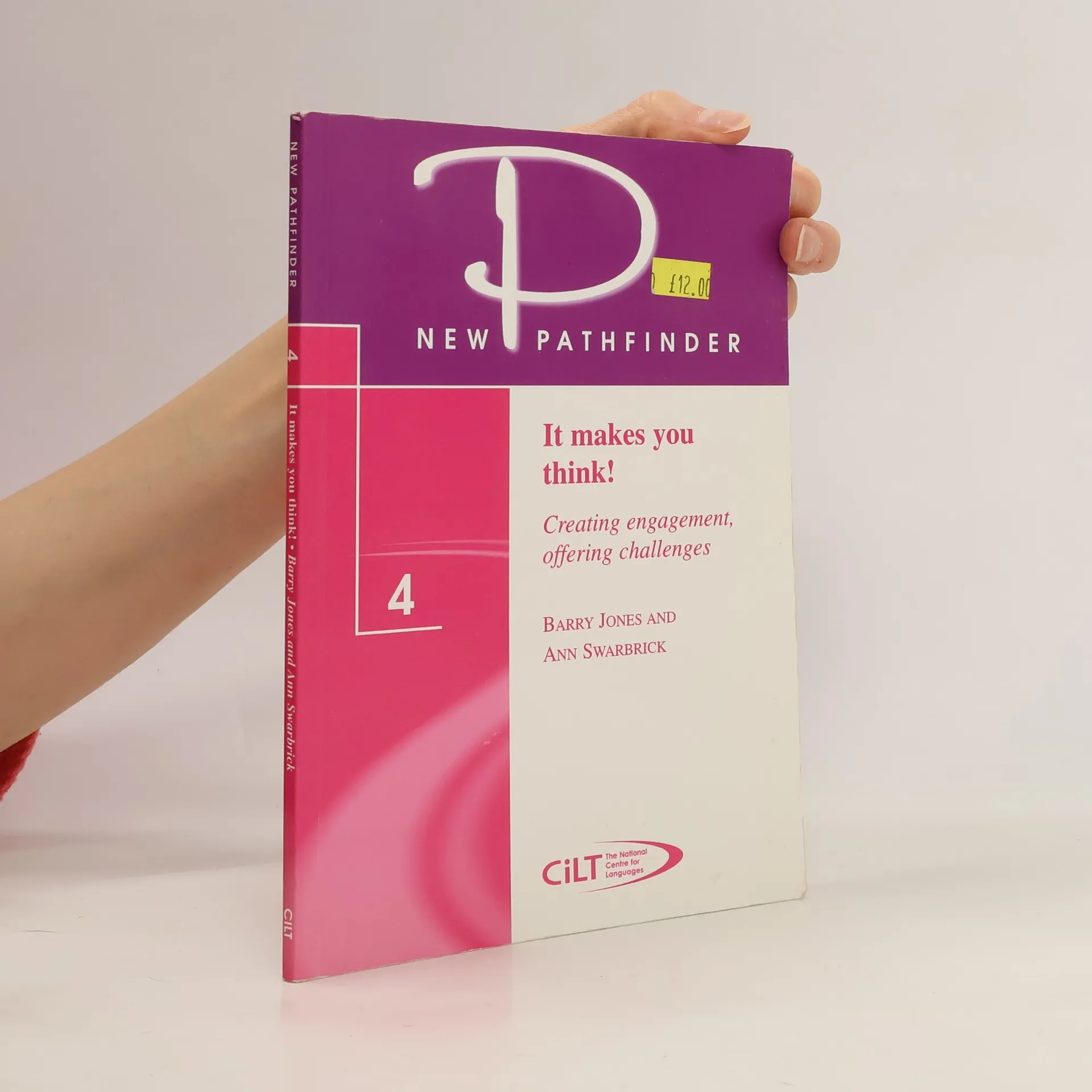
This title is based on two of CILT's earliest and most influential Pathfinders. It shows how it is possible to develop an ethos of communication in the target language involving teacher to pupil, pupil to teacher, and pupil to pupil interaction. The material has been updated and written, where appropriate, to take account of current curriculum initiatives and research.
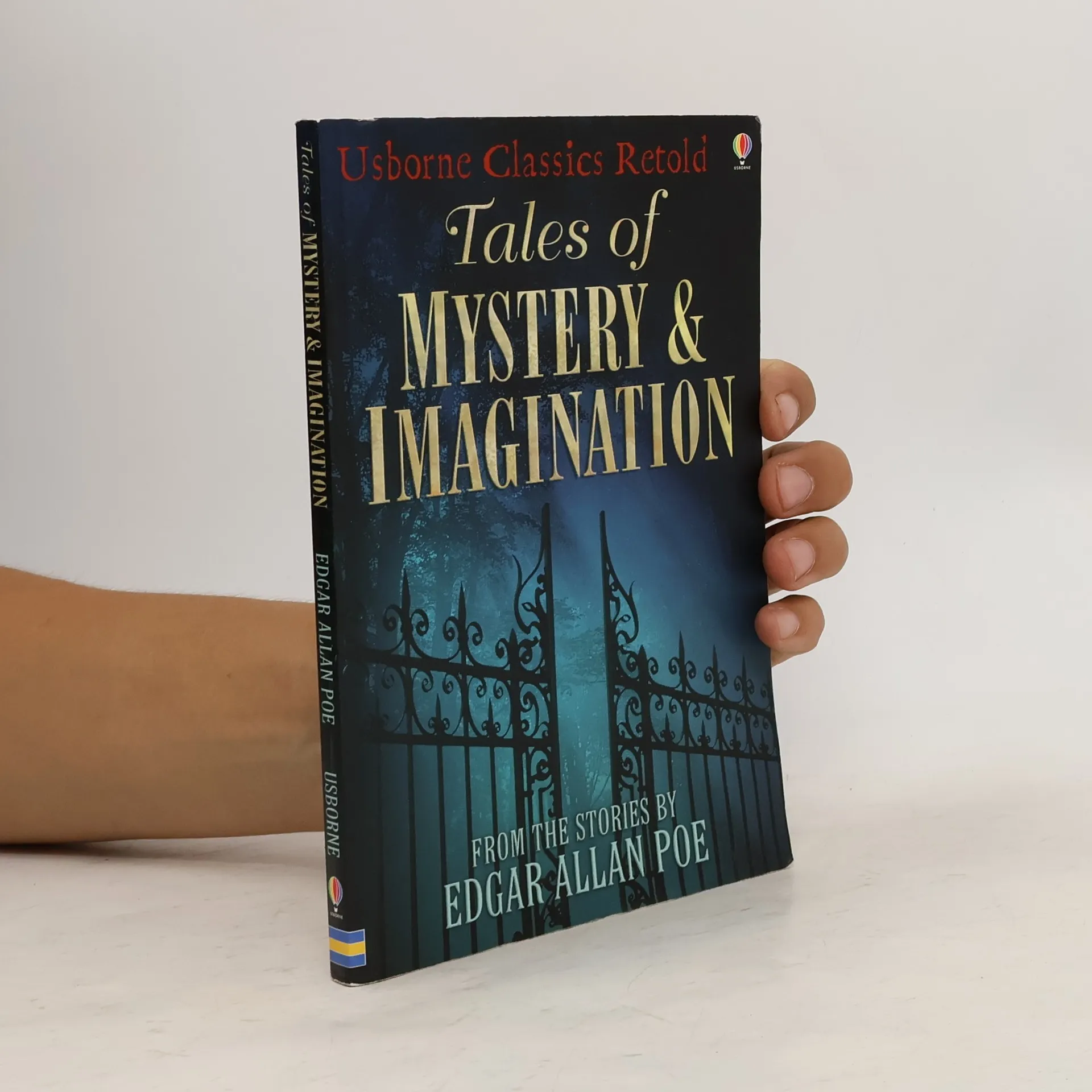
These simplified and shortened retellings make great literary classics accessible. Each remains faithful to the original text in the treatment of the story.Ages 8+196x130mm160pp
Exploring the evolution of information technologies and their societal implications, this follow-up to a groundbreaking 1982 bestseller delves deeper into the emergence of a post-industrial society. The author revisits key themes and predictions, providing insights into how these technologies shape our lives and futures, making it a timely reflection on contemporary challenges and opportunities.
The Instruction Manual For The Mind
- 226pagine
- 8 ore di lettura
Barry Jones, a skilled hypnotherapist, NLP practitioner, and life coach, operates from Harley Street in London, renowned for its medical excellence. His expertise combines therapeutic techniques to help clients overcome challenges and achieve personal growth, making him a sought-after professional in the field of mental wellness.
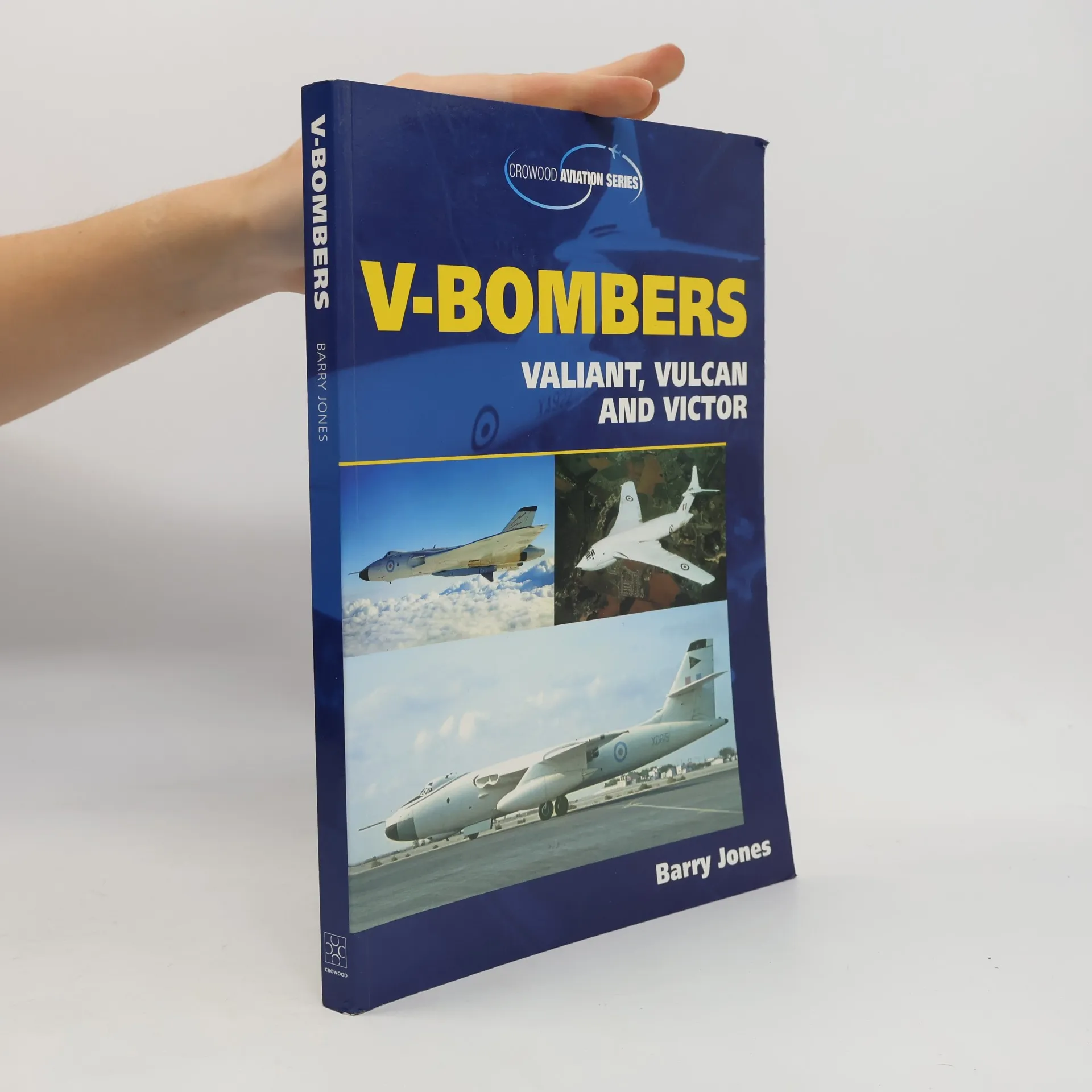
V-Bombers tells of the design, development and operational careers of three of Britains finest post-war aeronautical products. The Vickers-Armstrongs Valiant, Avro Vulcan and Handley Page Victor captured the imagination of a generation, as the V-Force, for between them they were the British nuclear deterrent in those difficult, early Cold-War days. Barry Jones tells the complete story here, from inception and design, through their operational service, to their retirement and preservation. He also covers the Short Sperrin, which provided much research information for the three bombers.
European Portfolio for Student Teachers of Languages
A Reflection Tool for Language Teacher Education
- 89pagine
- 4 ore di lettura
The European Portfolio for Student Teachers of Languages (EPOSTL) is a document intended for students undergoing their initial teacher education which encourages them to reflect on the didactic knowledge and skills necessary to teach languages, helps them to assess their own didactic competences and enables them to monitor their progress and to record their experiences of teaching during the course of their teacher education. It was developed for the European Centre for Modern Languages of the Council of Europe by a team of teacher educators from Armenia, Austria, Norway, Poland and UK, assisted by student teachers and teacher educators from all 33 member states of the ECML. Building on insights from the Common European Framework of Reference and the European Language Portfolio as well as the European Commission-financed project European Profile for Language Teacher Education - A Frame of Reference (Profile), it seeks to help prepare students for their future profession in a variety of teaching contexts. Further, the EPOSTL can facilitate discussion of aims and curricula between teacher educators working within different national or European contexts.