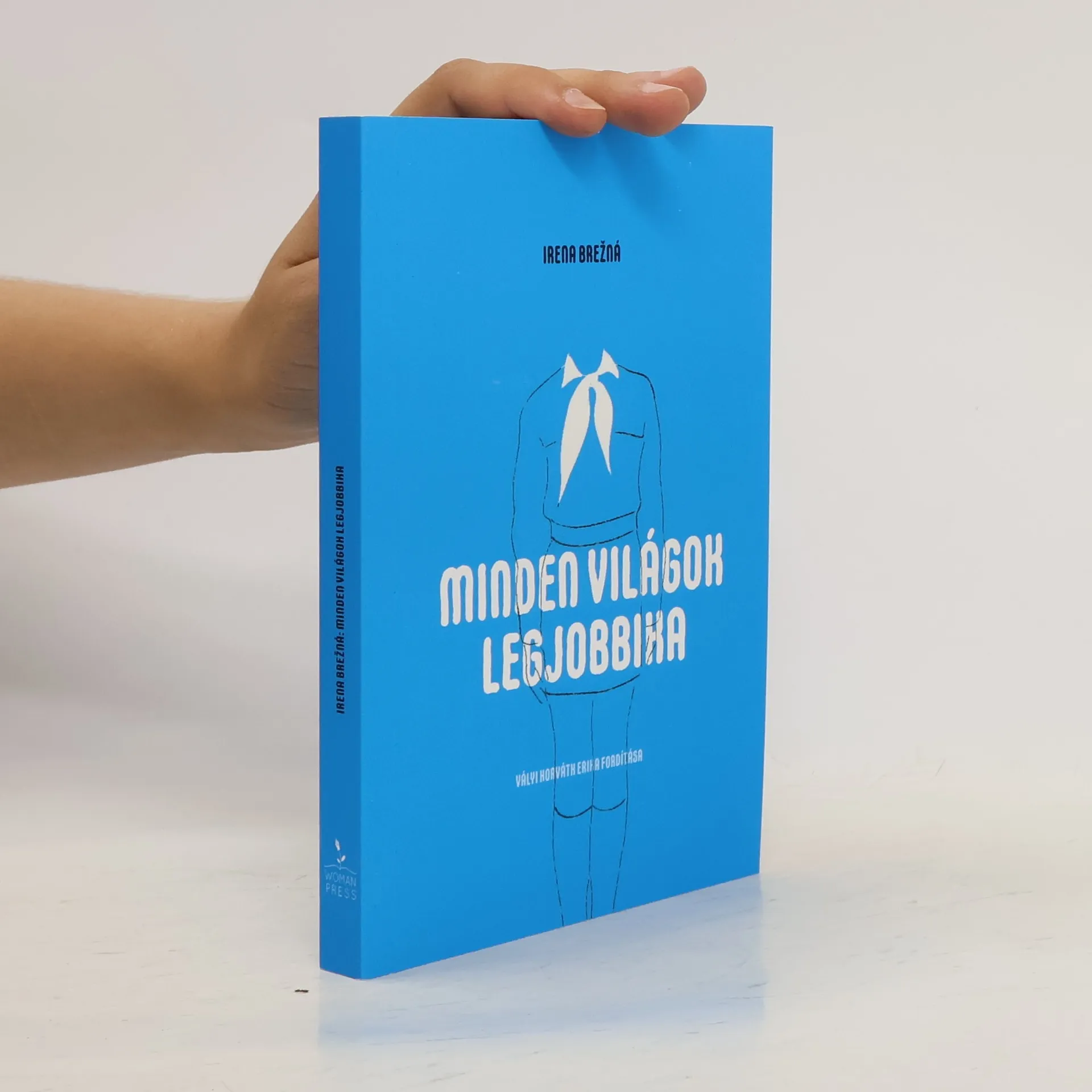
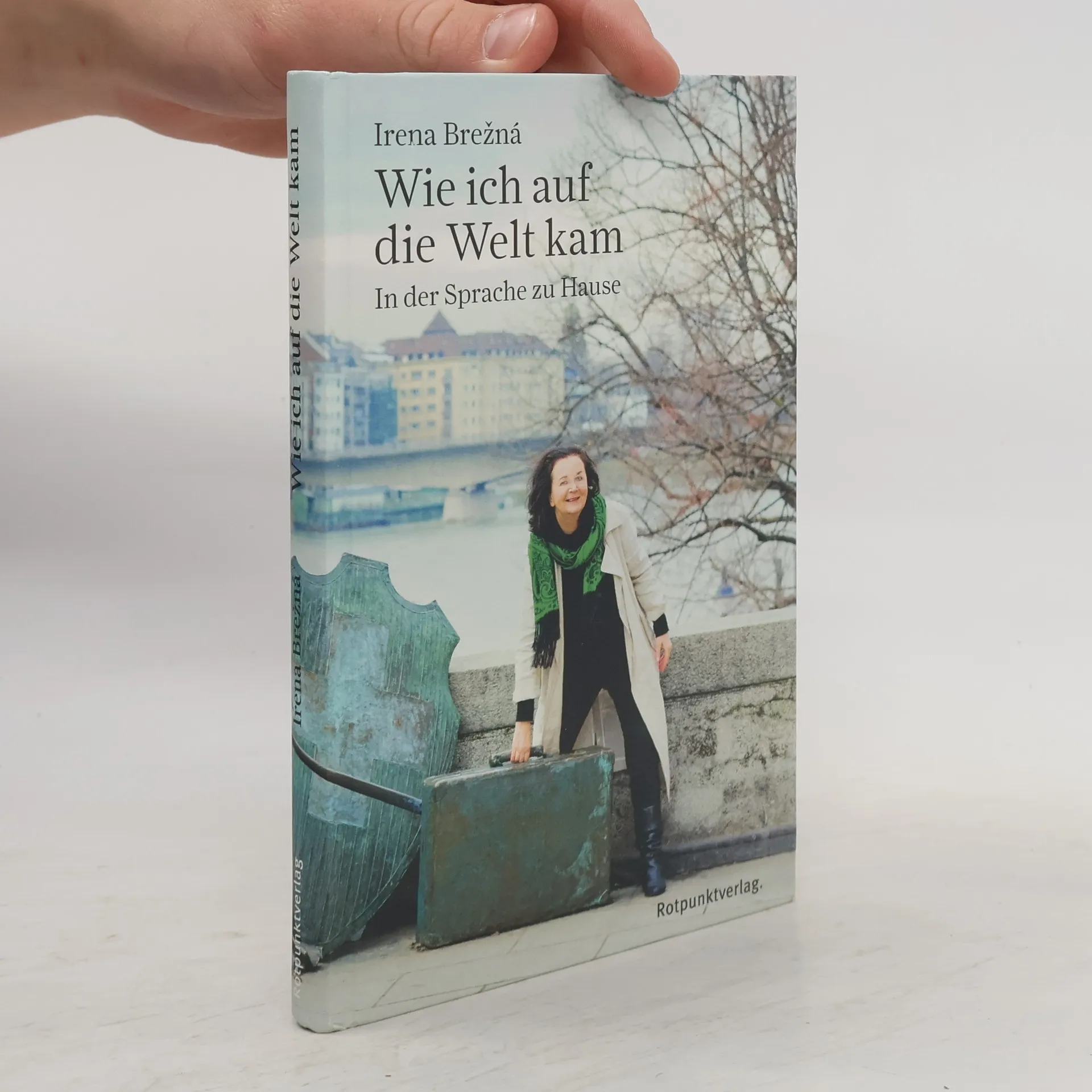
Irena Brežná Ordine dei libri (cronologico)
La scrittura di Irena Brežná esplora temi come l'esilio, la perdita della patria e la ricerca dell'identità in contesti sconosciuti. Il suo lavoro è intriso di una profonda comprensione della sofferenza umana, in particolare nel contesto di conflitti politici e oppressione. Con un occhio attento ai dettagli e un approccio profondamente empatico, illumina le complesse vite di individui emarginati dalle circostanze. Brežná fonde magistralmente le sue intuizioni linguistiche e psicologiche per creare narrazioni avvincenti e stimolanti.

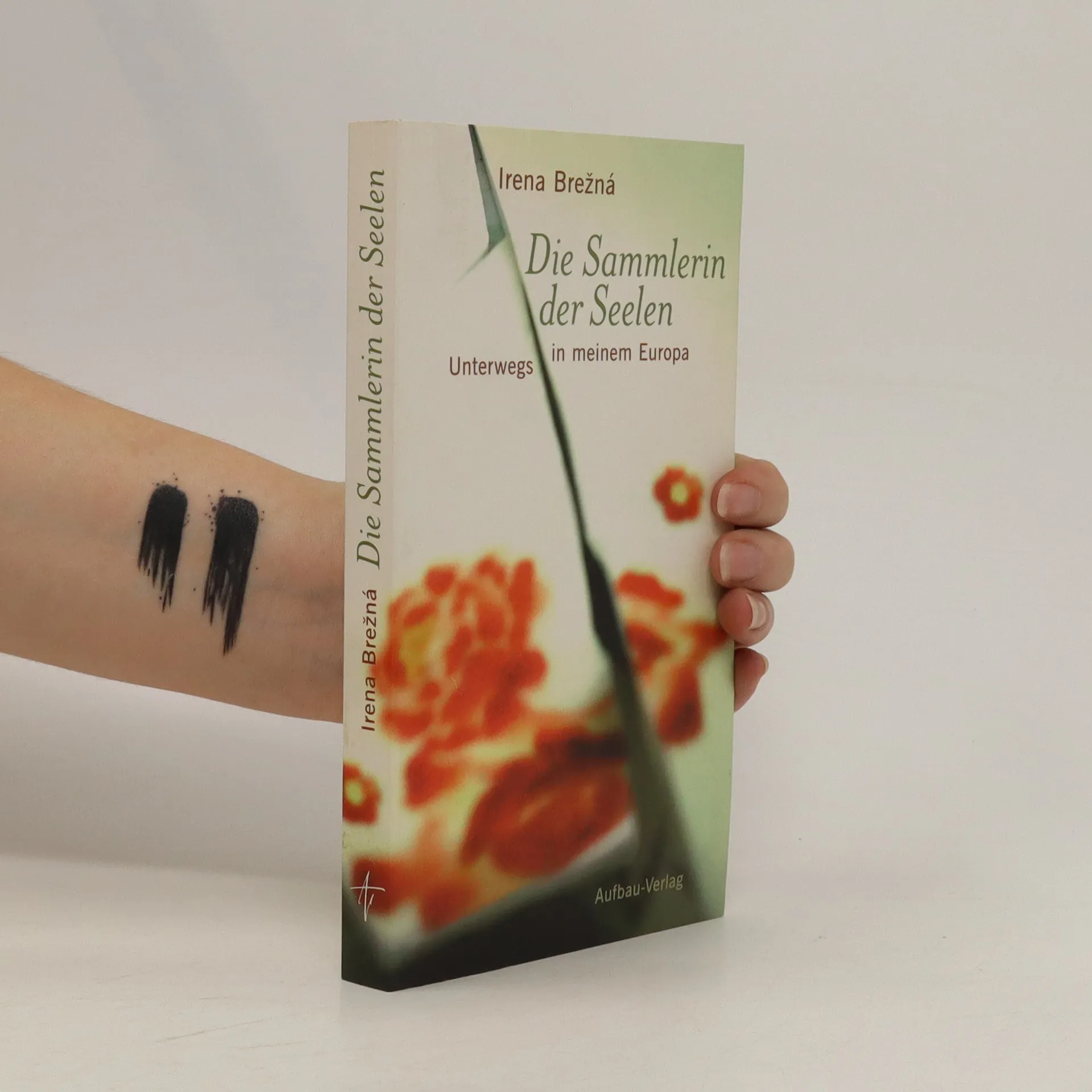
»Denke, was du willst, aber sag es nicht.« Das mütterliche Verbot machte aus Irena Brežná eine Schreibende. Bis heute betrachtet die engagierte Autorin ihre Texte als ein »Aufbäumen gegen das Gebot des Schweigens und des Nichthandelns«. Nach der Niederschlagung des Prager Frühlings flüchtete die Achtzehnjährige aus Bratislava in die Schweiz. Es war das Jahr 1968, für die junge Frau eine wichtige Weichenstellung. Im Exil fand sie bald Zuflucht in der neuen Sprache, entdeckte das kritische Denken. Die Teilnahme am öffentlichen Diskurs ließ sie sich fortan nie mehr verbieten, weder als Einwanderin noch als Frau. Vielmehr fand sie darin Identität und Haltung. Irena Brežná ist da zu Hause, wo sie schreiben kann. Davon zeugen die Essays und Reportagen in diesem Buch. Sie erzählen vom Roten Platz, wo der Dissident Viktor Fainberg sämtliche Zähne verlor, und von Friedrich Dürrenmatt, der so wohltuend kompromisslos war. Von der Männerwelt der russischen Mafia, tschetschenischen Friedensfrauen und dem Überwinden der Angst. Aber auch vom organisierten Widerstand gegen das Fällen einer Pappel in einem Basler Hinterhof.
oh si mon rêve atteignait le rêve du voisin au moins la porte de sa maison au moins la buée qui se détache de sa lampe
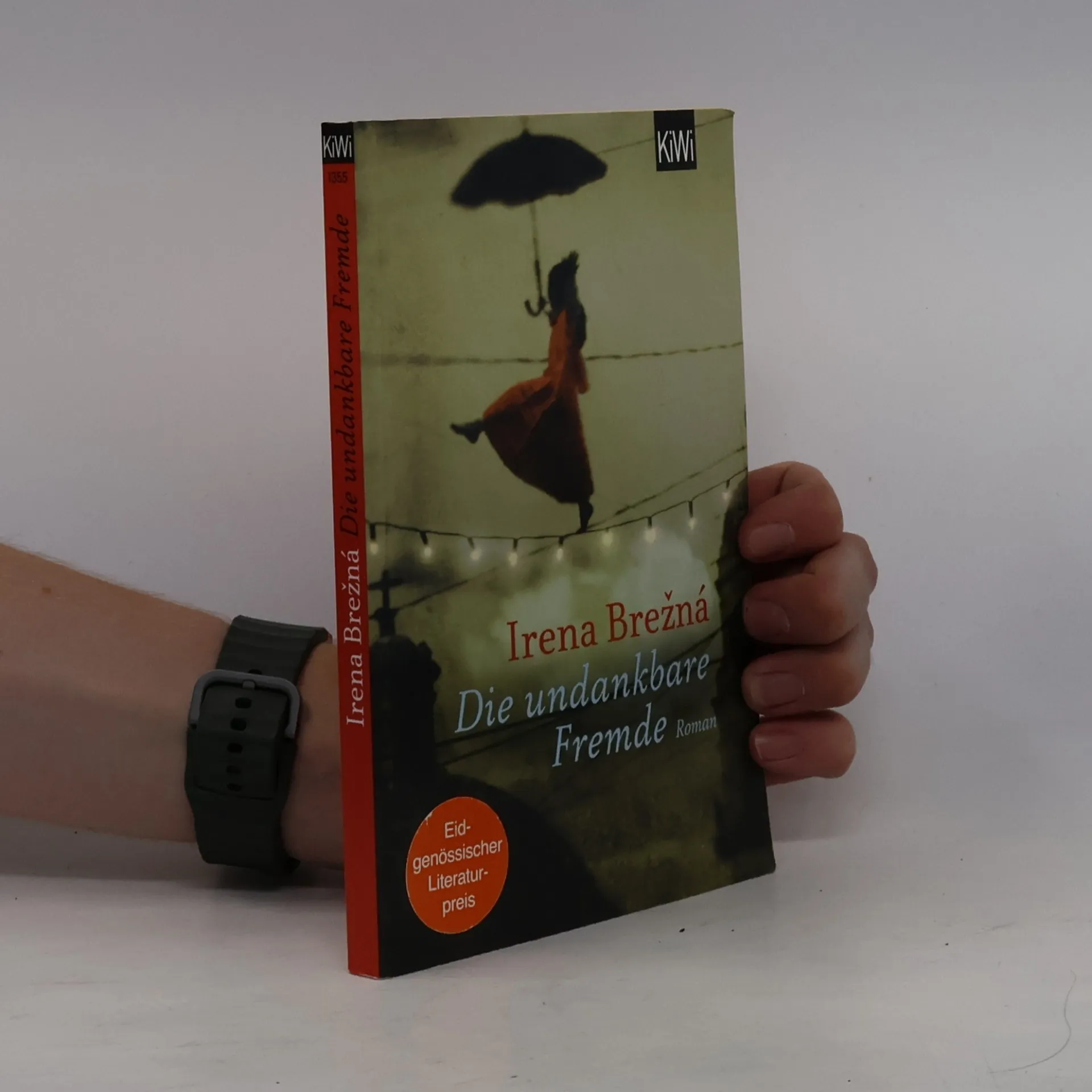
»Amüsant, temperamentvoll und wunderbar ungerecht« Die Zeit Auf der Suche nach einer besseren Welt verschlägt es 1968 eine Jugendliche in die Schweiz, das Land des harten Käses, wo sie, so lernt sie im Sprachkurs, dennoch keinen Käse reden soll. Zuhause ist da, wo man motzen darf, hier aber soll sie dankbar sein. Die neue Umgebung scheint ihr sperrig, distanziert, sie rebelliert gegen das Gastland, das sie unter seine Regeln zwingt und sie nicht sie selbst sein lässt. Aber sie trifft auch auf viele andere Gestrandete, die hoffen, etwas aus ihrem Leben machen zu können: kleine Diebe, Depressive, Schlawiner, Kriegsflüchtlinge, Ausgebeutete, Überangepasste und Naive. Und sie lernt, Exil und Fremdheit als Reichtum zu erfahren, sie wird Brückenbauerin zwischen den Kulturen.
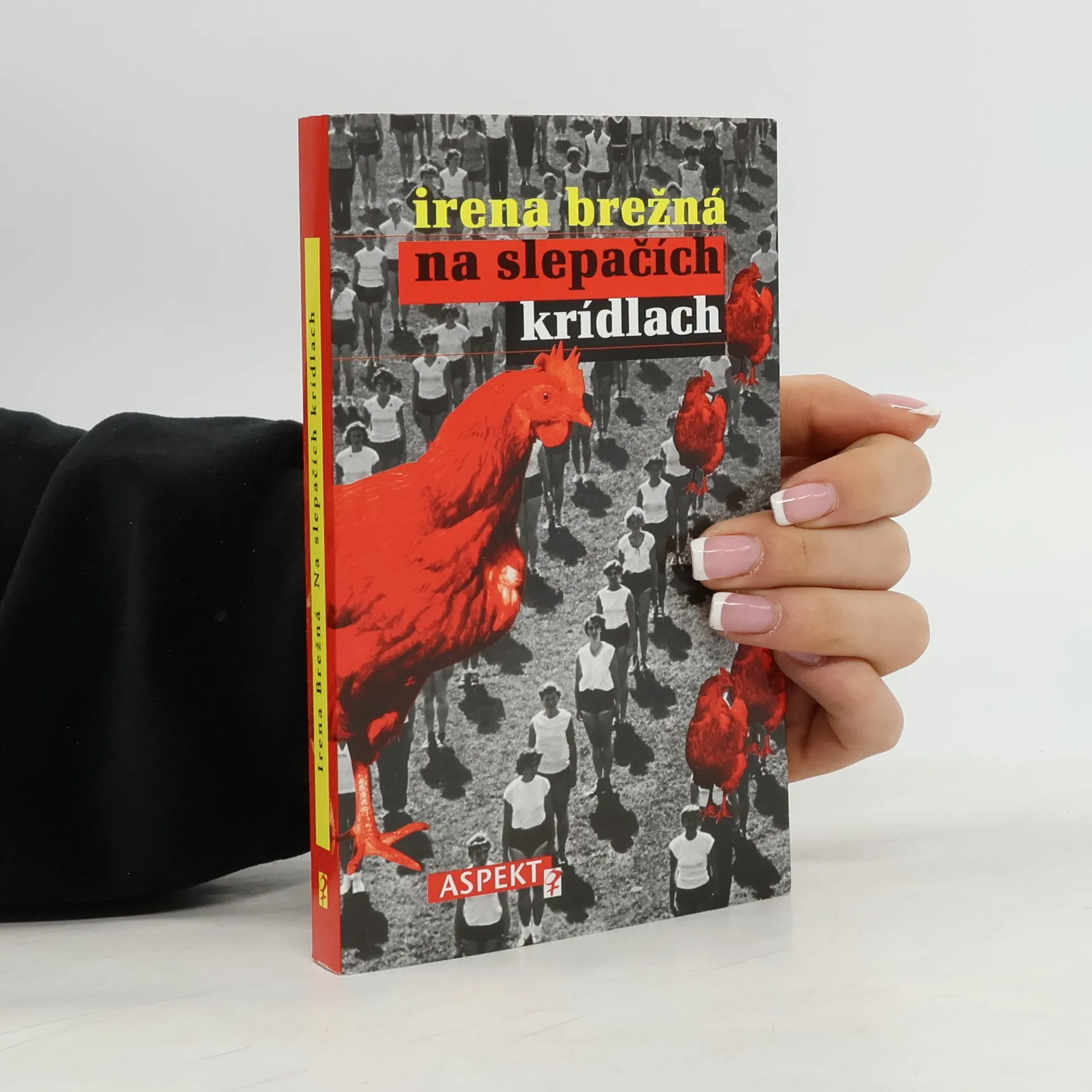
Na slepačích krídlach
- 220pagine
- 8 ore di lettura
Autorka žijúca vo Švajčiarsku píše svoje súkromné dejiny z Trenčína päťdesiatych rokov. Spomienky na detstvo filtruje cez poučene naivistický pohľad, rafinovane zarámovaný kontextom životnej skúsenosti zrelej ženy, ktorej nechýba zmysel pre humor, ba až satiru. „Páči sa mi ostať ležať a byť mŕtva, keď som sa obetovala za druhých. Škoda, že je už po vojne aj po Veľkej revolúcii a naši proletári sú slobodní. Všetko dôležité je vykonané, teraz už len musíme byť šťastní, a to je strašne ťažké.“
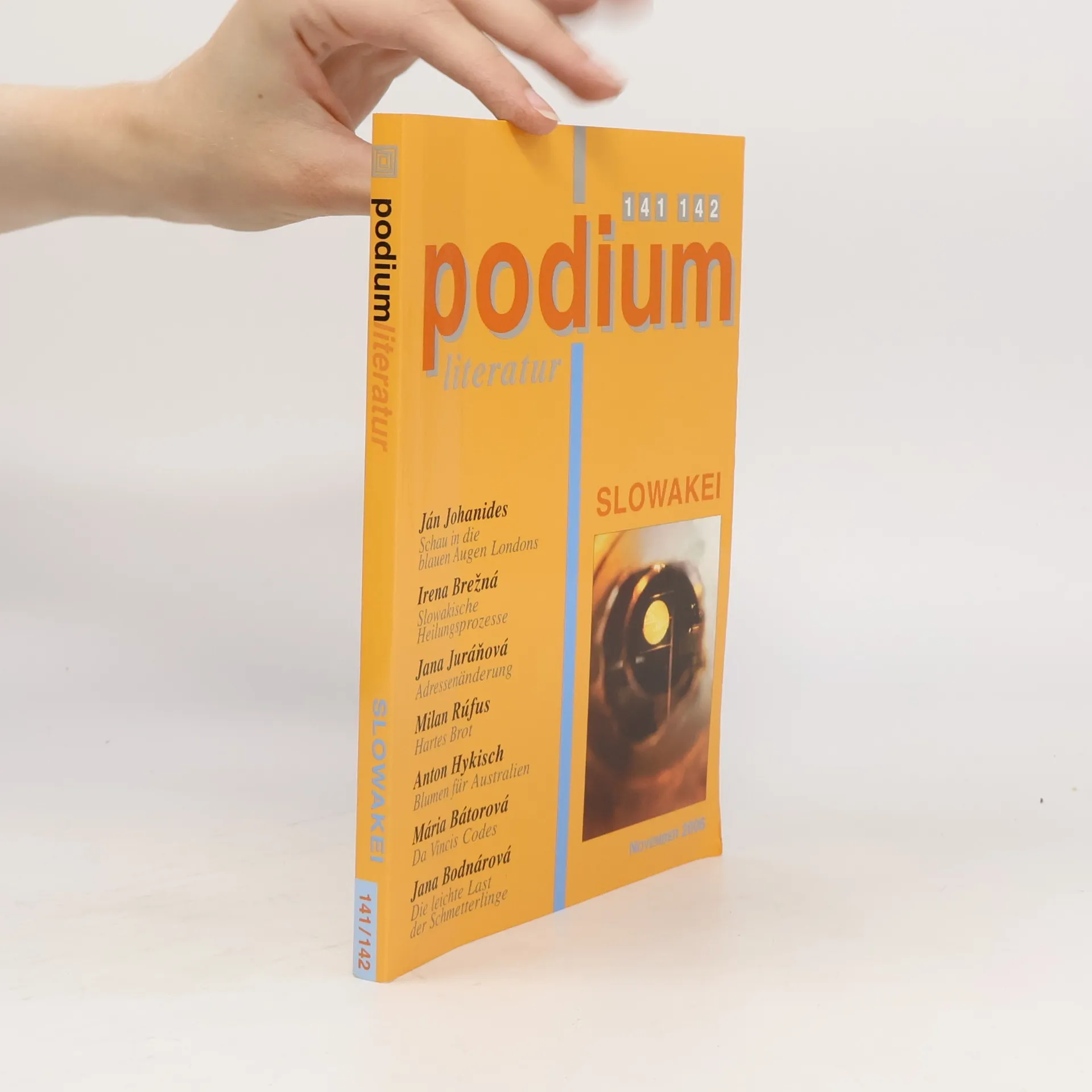
Podium Literatur - 141/142: Slowakei
- 119pagine
- 5 ore di lettura
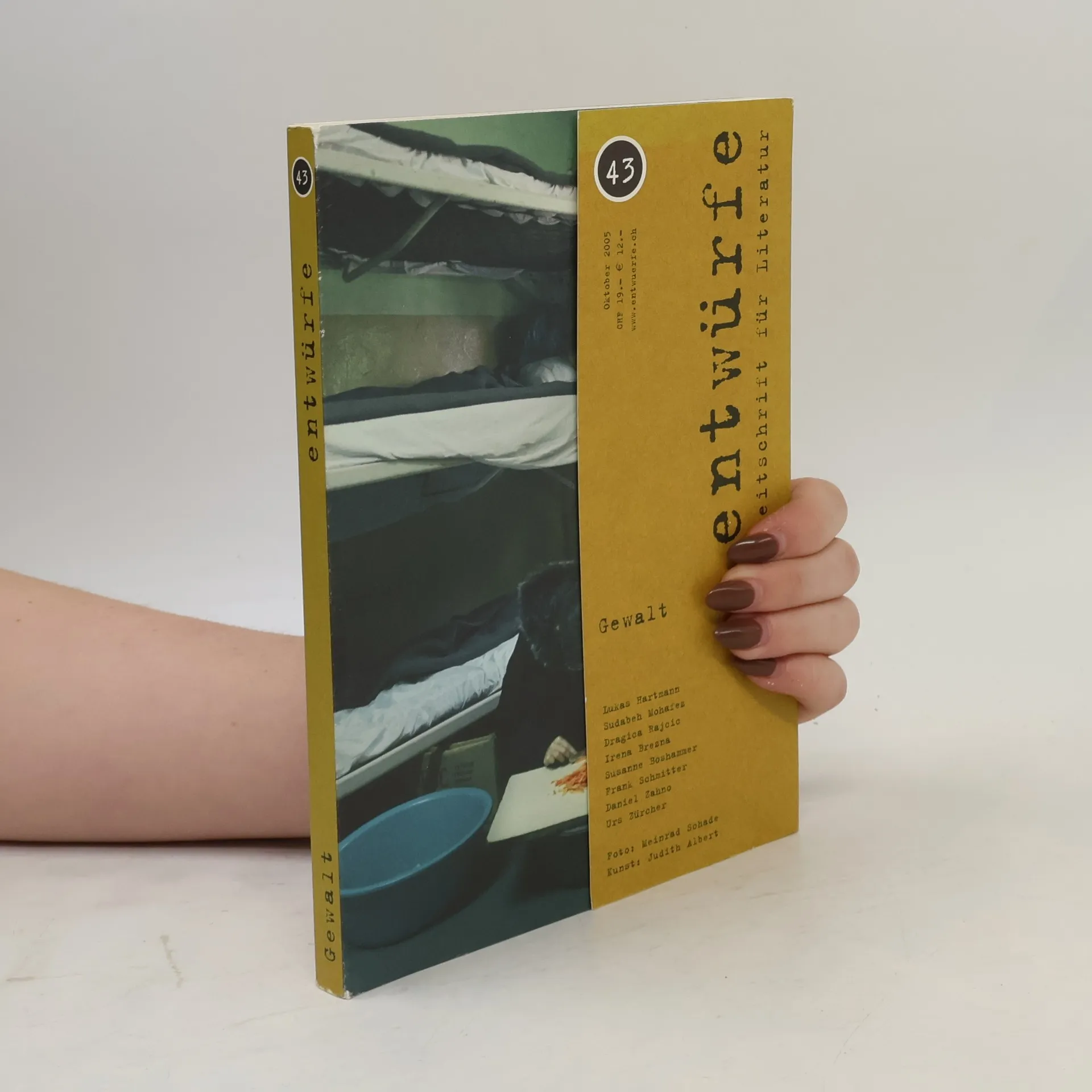
Gewalt
- 160pagine
- 6 ore di lettura
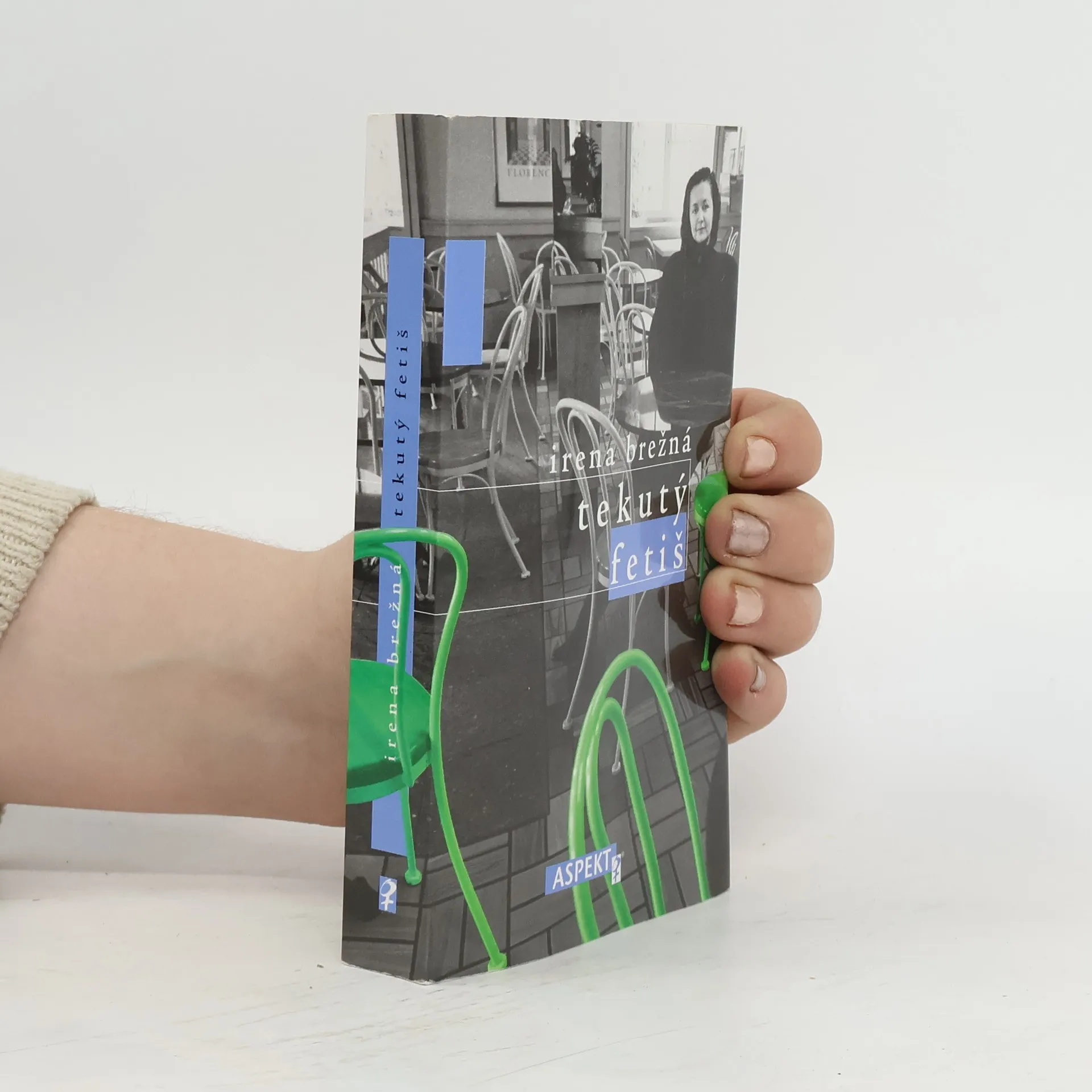
Tekutý fetiš
- 313pagine
- 11 ore di lettura
Výber textov od autorkinej (nar. 1950) prvotiny z roku 1981 až po dnes. Kniha obsahuje vecné texty - literárne reportáže o vojnových konfliktoch a umelecky ladené prózy.
Die Sammlerin der Seelen. Unterwegs in meinem Europa
- 207pagine
- 8 ore di lettura
Irena Brezná gibt Menschen eine Stimme, die entwurzelt sind, sich an Traditionen klammern oder mit ihnen brechen, ihr Leben meistern oder darum bangen müssen. Im Porträt einer Tschetschenin, die den Westen aufrütteln will, in den Reportagen über eine polnische Goralenhochzeit, über Bauern und Nonnen in Siebenbürgen oder Moldawien und über Flüchtlinge aus dem Kosovo, in grotesken Skizzen und Tagebuchnotizen variiert sie ihr Grundthema Heimat und Fremde. Ihre faktenreichen und wahrhaftigen Texte, die über den Realismus der Details und des Alltags hinausweisen, erschließen die Fülle und Vielfalt der Dinge und ermutigen zu Freiheit und Menschlichkeit. Ein lebenbejahendes Buch.
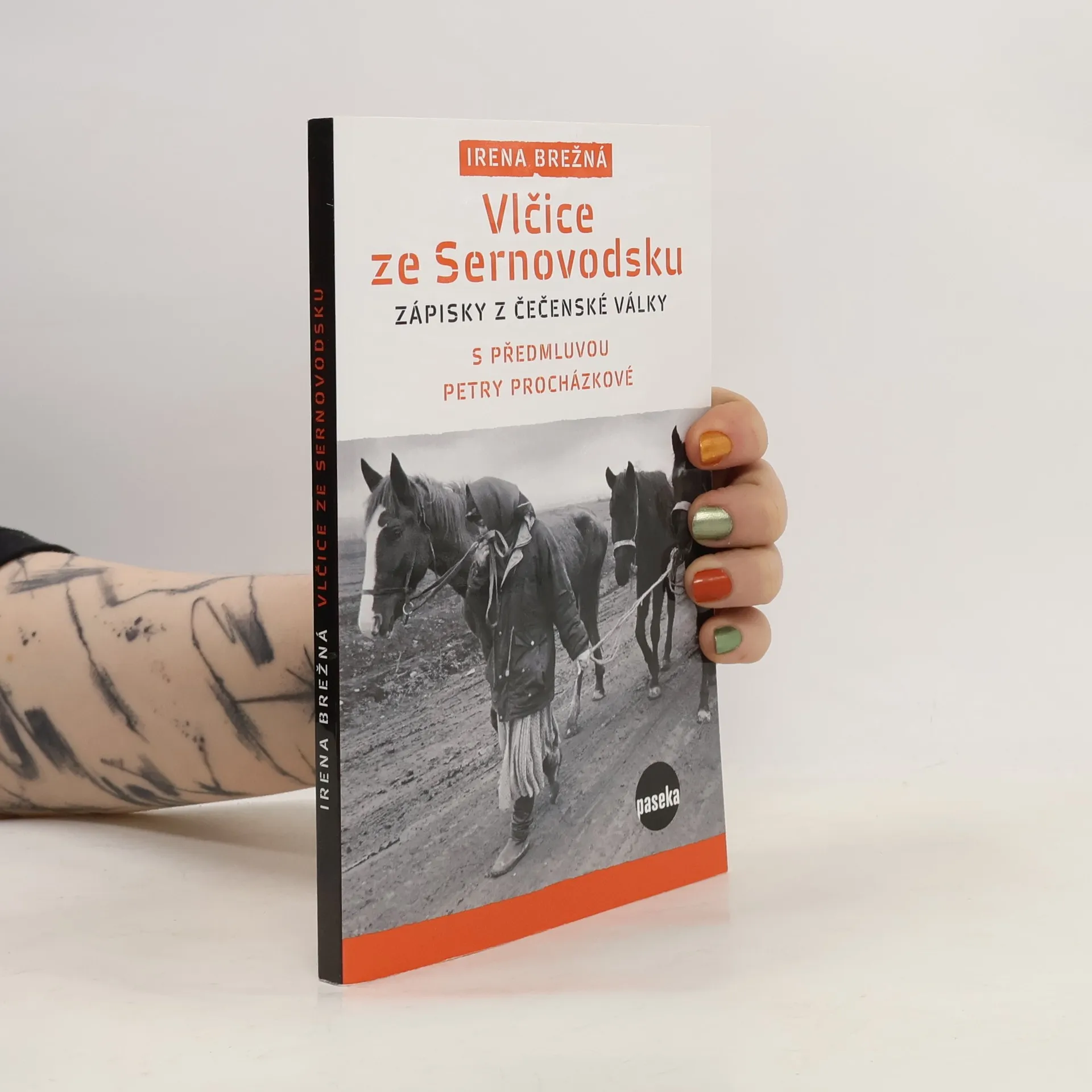
Irena Brežná se opakovaně zúčastnila jako válečná reportérka švýcarského listu Tageseinziger Zürich Magazin první čečenské války (1995–1996) a v přestrojení za čečenskou ženu navštívila zničené vesnice, později jako novinářka i města a tábory severního Kavkazu. Ve svých reportážích se však nezaměřovala na průběh bojů ani na příběhy partyzánů, teroristů, politiků a vojáků, ale především na osudy čečenských žen, kterých se válka dotkla možná ještě krutěji než válčících mužů. V reportážích popisuje s velkým smyslem pro detail a sugestivním jazykem nejrůznější situace každodenního života za války, nesmyslné krutosti ruské armády i čečenských teroristů. Svoji zkušenost z války reflektuje ve svých esejích, kde se snaží dopátrat příčin onoho zla. Soubor reportáží a esejů z čečenské války doplňují texty Ireny Brežné věnované gulagu, mafii, ruské povaze i každodenním problémům Ruska. Zápisky z čečenské války s předmluvou Petry Procházkové
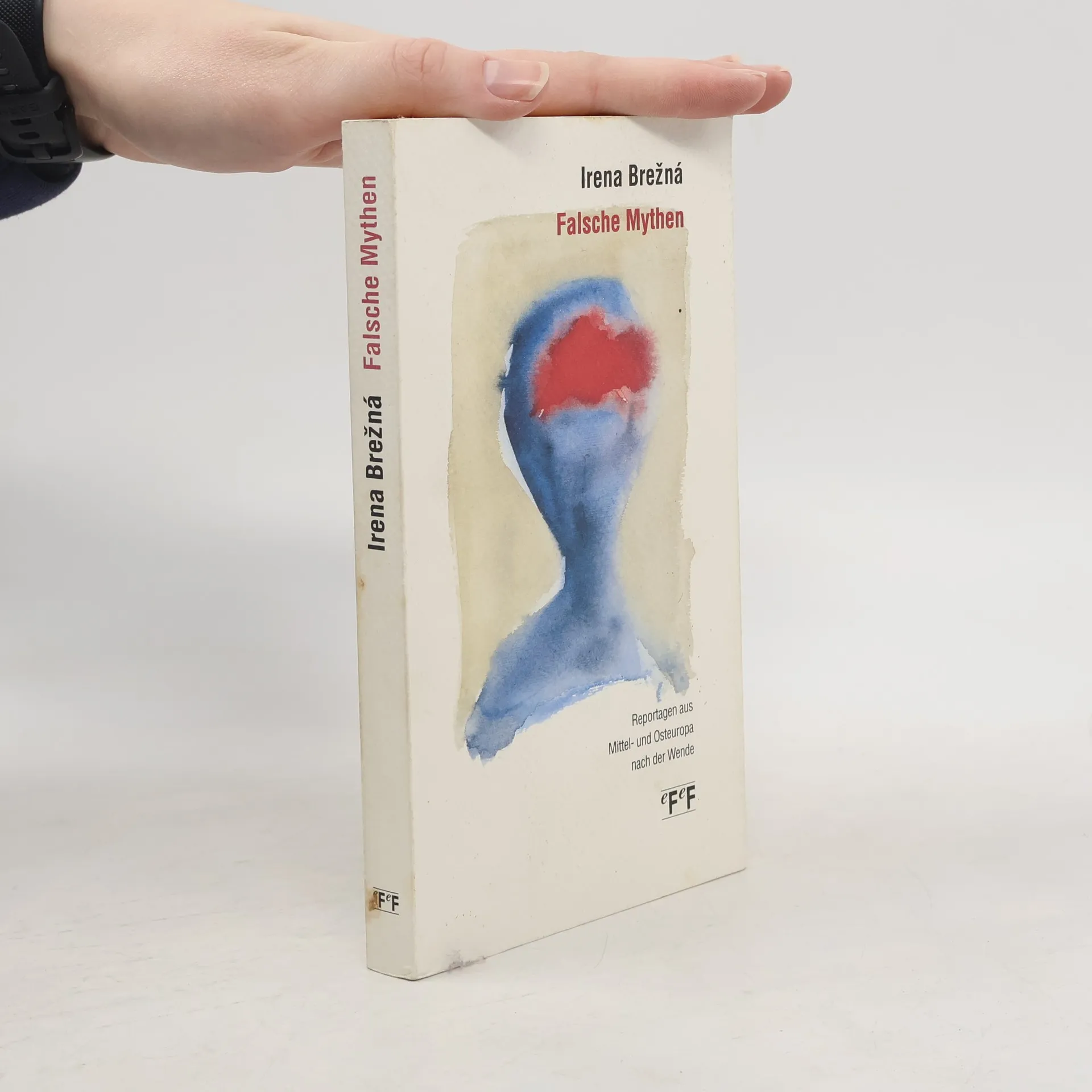
Falsche Mythen : Reportagen aus Mittel- und Osteuropa nach der Wende
- 190pagine
- 7 ore di lettura
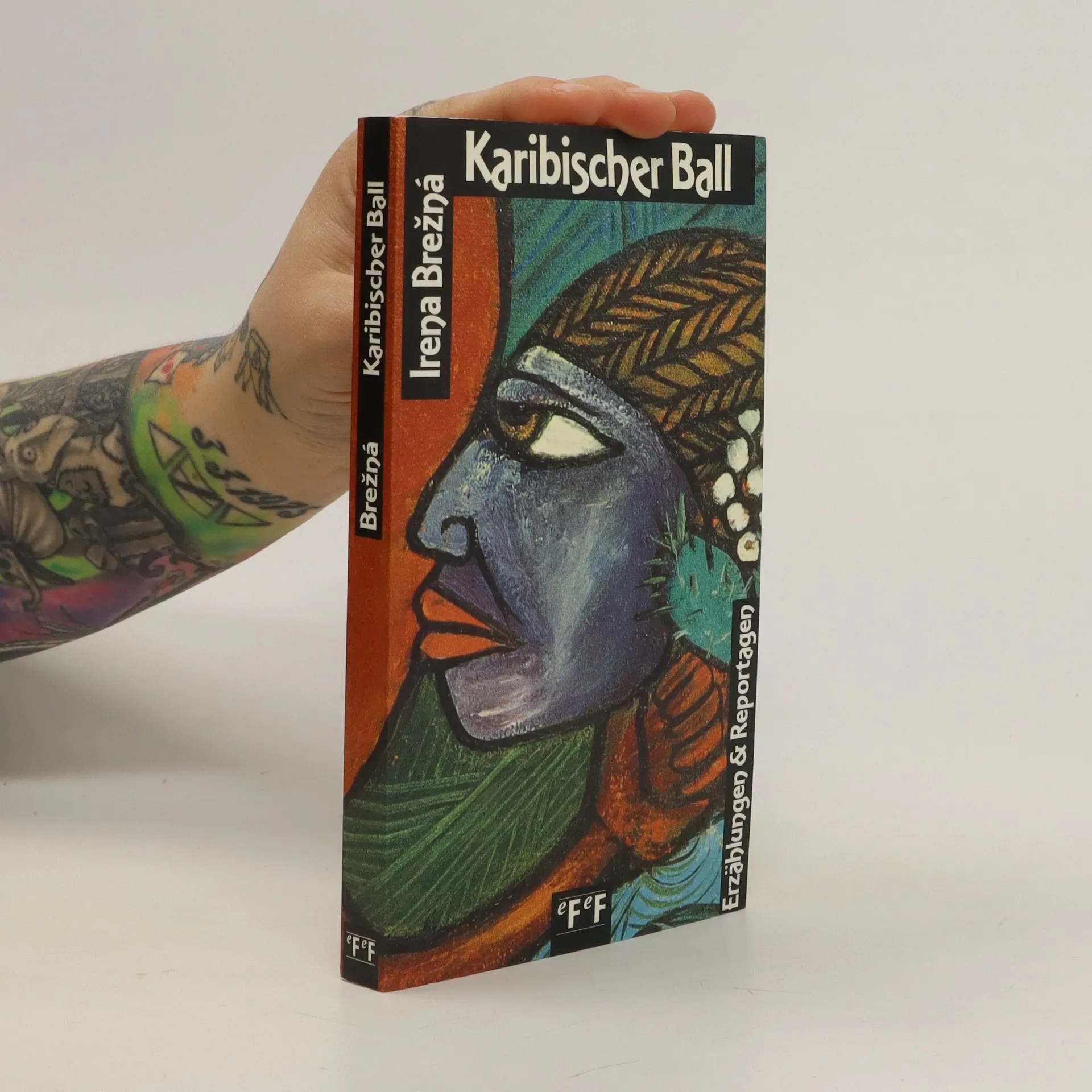
Karibischer Ball : Erzählungen und Reportagen
- 197pagine
- 7 ore di lettura
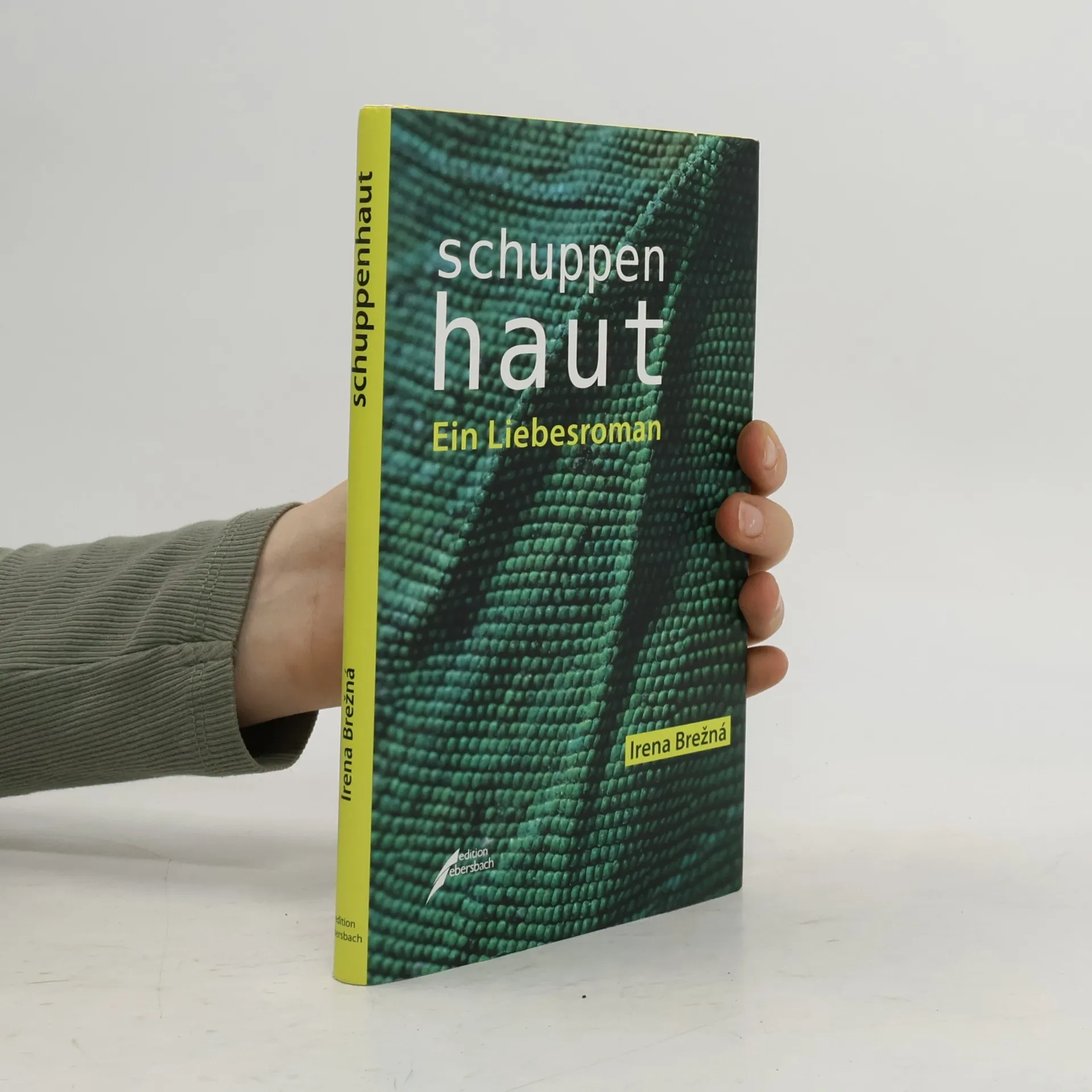
Schuppenhaut : ein Liebesroman
- 111pagine
- 4 ore di lettura
In einer bildhaften und poetischen Sprache e rzählt Irena Brežná – im Wechsel zwischen Nähe und Distanz – von einer aufwühlenden, radikalen Liebe
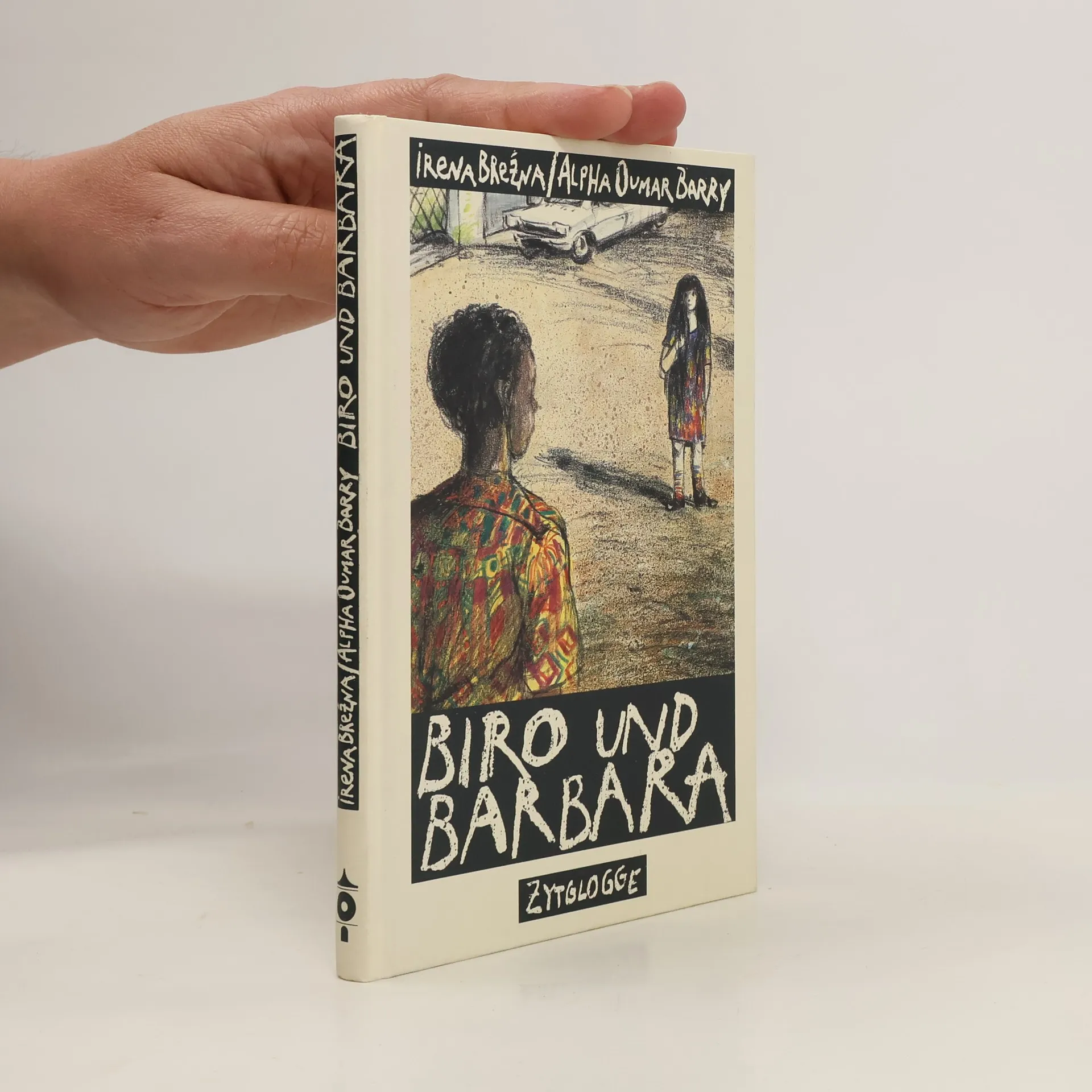
Biro und Barbara
- 96pagine
- 4 ore di lettura