


10 libri per 10 euro qui
Bookbot

Steven Johnson

    6 giugno 1968

    Steven Johnson esplora i paesaggi affascinanti dell'innovazione, dell'invenzione e i modi intricati in cui idee e tecnologie plasmano il nostro mondo. Il suo lavoro approfondisce le traiettorie inaspettate di nuovi concetti e le complesse correnti storiche che portano a scoperte rivoluzionarie. Lo stile accessibile e coinvolgente di Johnson rende comprensibili idee complesse, intrecciando eventi apparentemente disparati per rivelare schemi sottostanti. Invita i lettori a contemplare le dinamiche del progresso e come il passato illumina il nostro presente e futuro.

    Steven Johnson
    Extra Life
    Extra Life (Young Readers Adaptation)
    How We Got to Now
    Wash your Hands: Wash your Hands
    Mercury Rapids
    Tutto quello che fa male ti fa bene
    • Tutto quello che fa male ti fa bene

      Perché la televisione, i videogiochi e il cinema ci rendono intelligenti

      • 203pagine
      • 8 ore di lettura

      Esistono alcuni luoghi comuni molto duri a morire, come ad esempio quello che afferma che la televisione e i videogiochi farebbero male ai figli. Eppure, fatto strano, è un dato di fatto che il quoziente di intelligenza delle nuove generazioni è molto più alto di quello che si registrava solo venticinque anni fa. Come dimostra Steven Johnson l'effetto che i videogiochi e alcune serie televisive hanno sul cervello di chi ne fruisce è estremamente positivo. Ricorrendo infatti alle neuroscienze, all'economia e alla teoria dei media, Johnson prova che quella che si è sempre considerata come 'spazzatura', è in grado di potenziare la vivacità dell'intelligenza dei bambini.
      Tutto quello che fa male ti fa bene
    • Mercury Rapids

      The Mountains of Tomorrow

      • 152pagine
      • 6 ore di lettura

      In a race against time, humanity faces a new and imminent threat to Earth. As tensions rise and the clock ticks down, characters must confront formidable challenges and unite to avert disaster. The narrative explores themes of resilience, teamwork, and the fragility of existence, all set against a backdrop of high-stakes action and suspense. The urgency of the situation propels the story forward, keeping readers on the edge of their seats as they navigate this gripping tale of survival.

      Mercury Rapids
    • Wash your hands, with Captain SuperSoap a fun and practical book for young children, he will guide children on what to do in certain situations, and how to protect themselves and others from harmful germs. Learning to keep safe with Captain SuperSoap is family fun!

      Wash your Hands: Wash your Hands
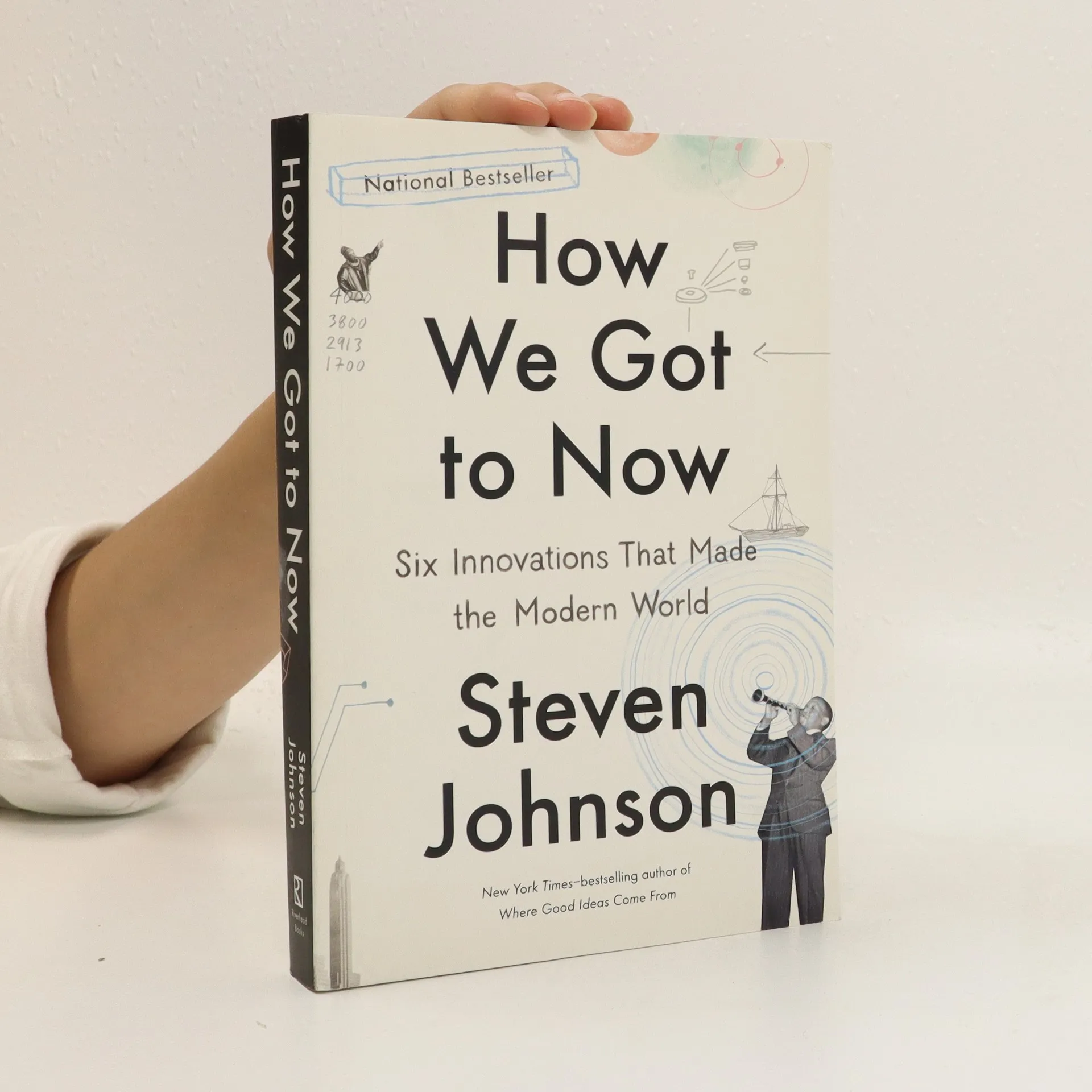
    • How We Got to Now

      • 320pagine
      • 12 ore di lettura

      This book is a celebration of ideas: how they happen and their sometimes unintended results. Johnson shows how simple scientific breakthroughs have driven other discoveries through the network of ideas and innovations that made each finding possible. He traces important inventions through ancient and contemporary history, unlocking tales of unsung heroes and radical revolutions that changed the world and the way we live in it

      How We Got to Now
    • A young readers adaptation of Steven Johnson's Extra Life, the story of how humans have doubled our lifespan in less than a century--and what to do with the extra life we now have.Humans live longer now than they ever have in their more than three hundred thousand years of existence on earth. And most (if not all) of the advances that have permitted the human lifespan to double have happened in living memory.Extra Life looks at vaccines, seat belts, pesticides, and more, and how each of our scientific advancements have prolonged human life. This book is a deep dive into the sciences--perfect for younger readers who enjoy modern history as well as scientific advances.

      Extra Life (Young Readers Adaptation)
    • Extra Life

      • 336pagine
      • 12 ore di lettura

      "As a species, humans have doubled their life expectancy in one hundred years. Medical breakthroughs, public health institutions, rising standards of living, and the other advances of modern life have given each person about 20,000 extra days on average. This book attempts to help the reader understand where that progress came from and what forces keep people alive longer. The author also considers how to avoid decreases in life expectancy as public health systems face unprecedented challenges, and what current technologies or interventions could reduce the impact of future crises. This work illuminates the power of common goals and public resources; the work of activists struggling for reform, and of scientists sharing their findings open-source-style; and of non-profit agencies spreading innovations around the world"-- Provided by publisher

      Extra Life
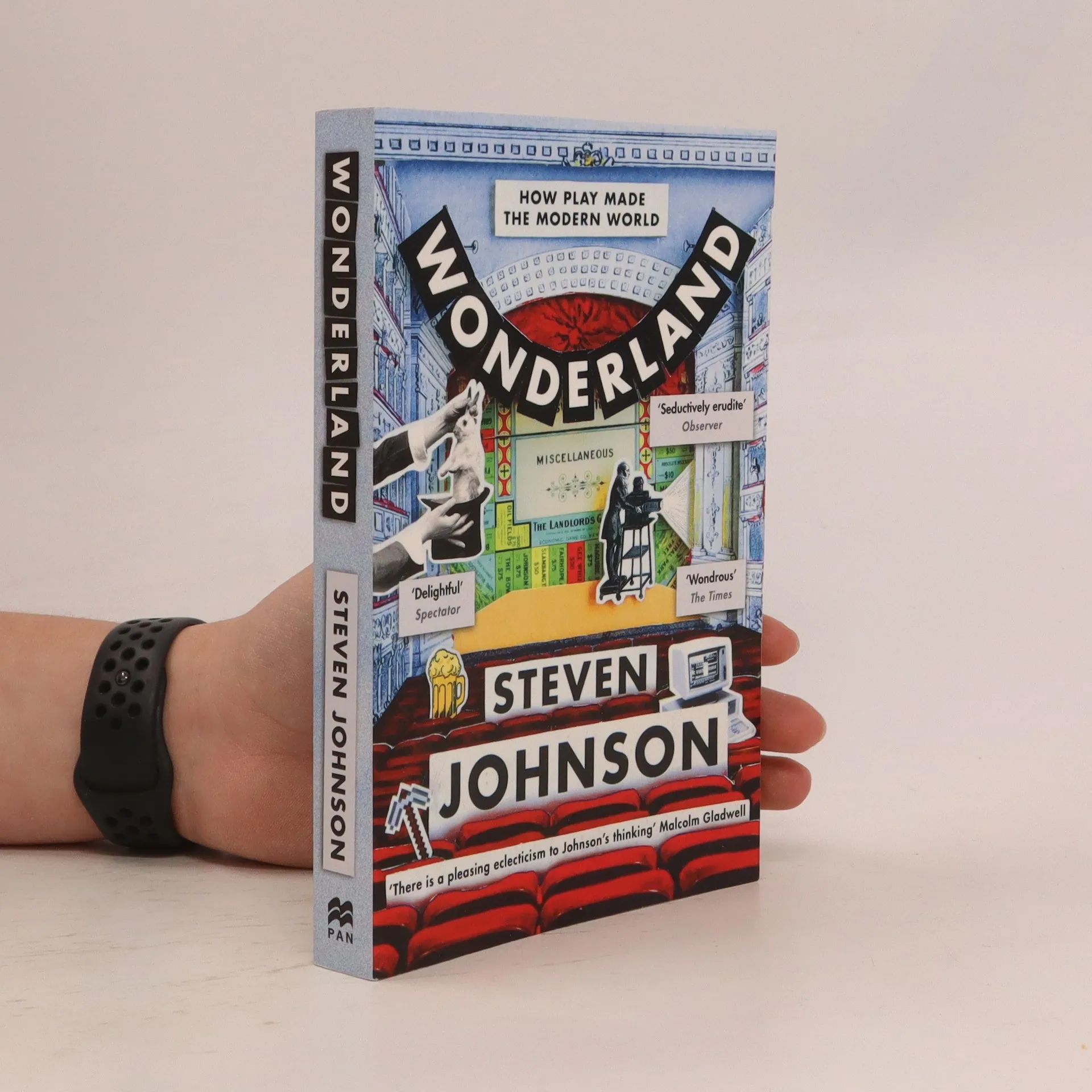
    • Wonderland

      • 320pagine
      • 12 ore di lettura

      'The book is a house of wonders' The New York Times'Steven Johnson is the Darwin of technology' Walter Issacson, author of Steve JobsWhat connects Paleolithic bone flutes to the invention of computer software? Or the Murex sea snail to the death of the great American city? How does the bag of crisps you hold in your hand help tell the story of humanity itself? In his brilliant new work on the history of innovation, international bestseller Steven Johnson argues that the pursuit of novelty and wonder has always been a powerful driver of world-shaping technological change. He finds that that throughout history, the cutting edge of innovation lies wherever people are working the hardest to keep themselves and others amused. Johnson's storytelling is just as delightful as the inventions he describes, full of surprising stops along the journey from simple concepts to complex modern systems. He introduces us to the colourful innovators of leisure: the explorers, proprietors, showmen, and artists who changed the trajectory of history with their luxurious wares, exotic meals, taverns, gambling tables, and magic shows.Johnson compellingly argues that observers of technological and social trends should be looking for clues in novel amusements. You'll find the future wherever people are having the most fun.

      Wonderland
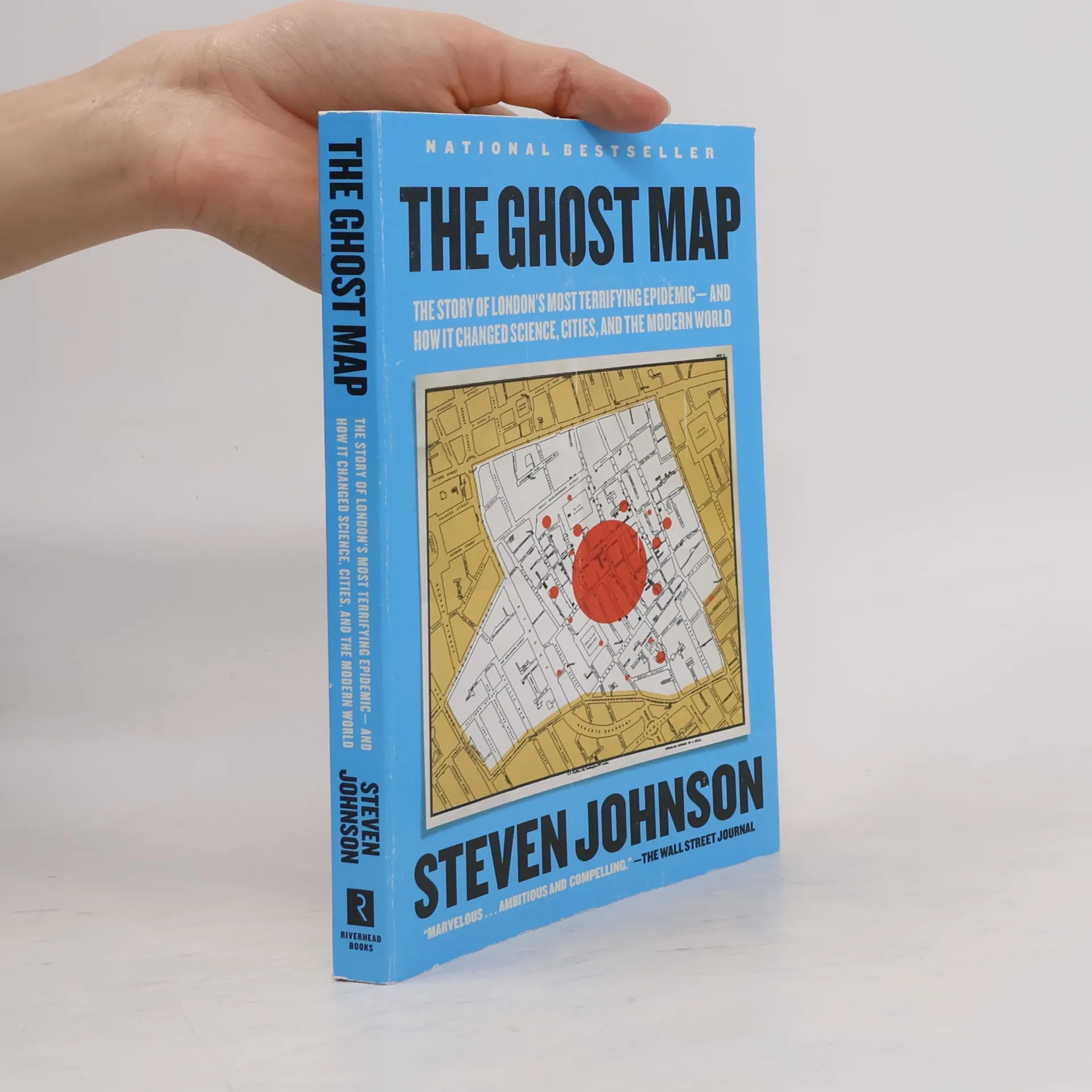
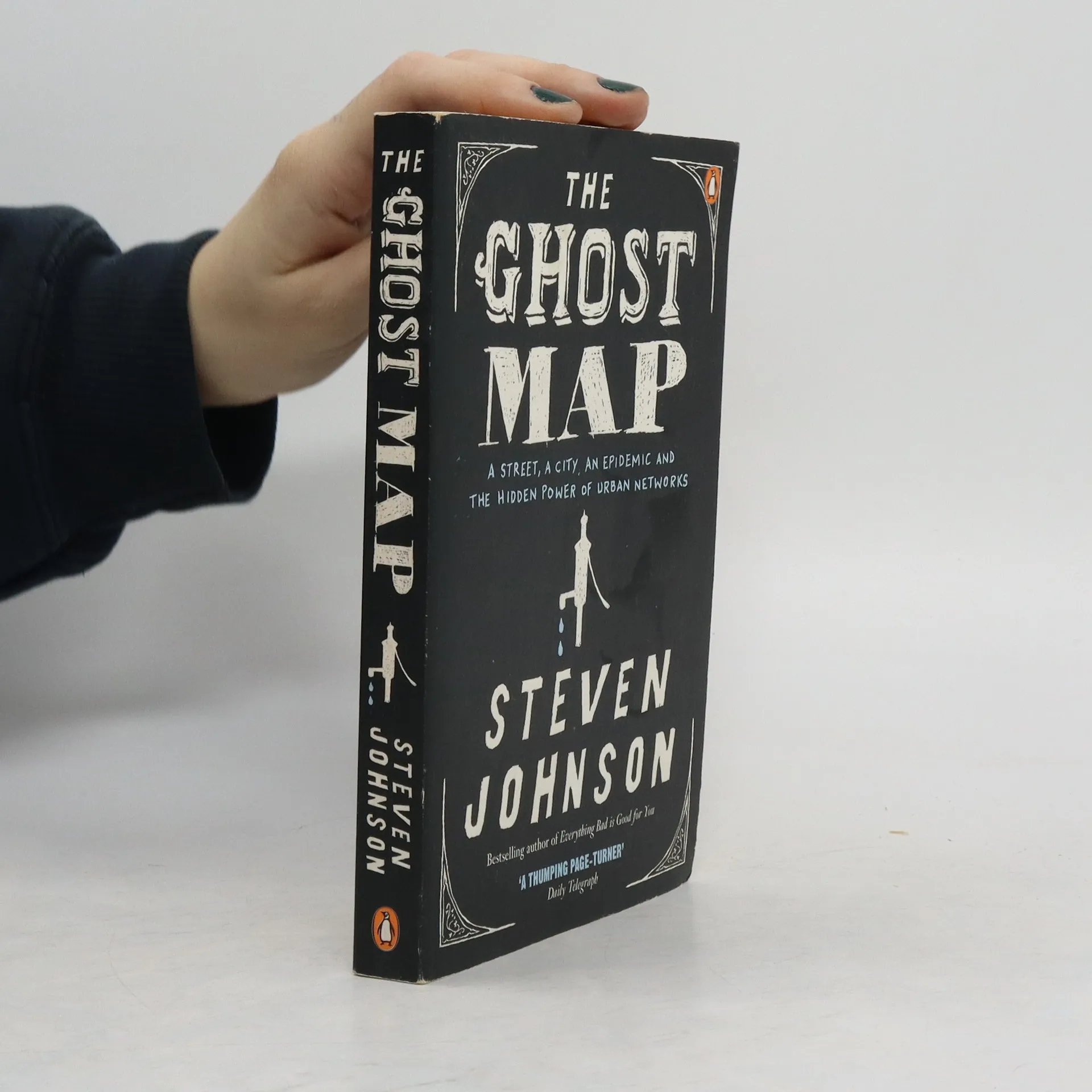
    • The Ghost Map

      • 320pagine
      • 12 ore di lettura

      Tells the story of the terrifying cholera epidemic that engulfed London in 1854, and the two unlikely heroes - anesthetist Doctor John Snow and affable clergyman Reverend Henry Whitehead - who defeated the disease through a combination of local knowledge, scientific research and map-making.

      The Ghost Map
    • In this compelling exploration, Steven Johnson examines the transformative impact of self-organising systems on our world. He delves into questions such as why people form neighborhoods, how internet communities emerge spontaneously, and the nature of consciousness in the brain. The key concept is emergence: a bottom-up process where individual elements interact and organize, leading to collective intelligence without central control. This phenomenon, observable in various aspects of life, promises to reshape our understanding of the world. The book has been praised for its exhilarating insights, offering a dizzying journey through diverse fields like urban planning, computer-game design, and neurology. It is described as mind-expanding, intelligent, and thought-provoking, making it a rare gem in popular science literature. Johnson, an accomplished author and journalist, has written extensively for major publications and serves as a Distinguished Writer In Residence at NYU's School of Journalism, as well as a Contributing Editor to Wired. His work encourages readers to rethink the future through the lens of emergence and interconnectedness.

      Emergence: The Connected Lives of Ants, Brains, Cities and Software