

Bookbot

Hayden V. White

    12 luglio 1928 – 5 marzo 2018

    Hayden White, uno storico che operava nella tradizione della critica letteraria, è rinomato per la sua opera fondamentale sull'immaginazione storica. Ha analizzato meticolosamente le narrazioni di storici e filosofi del XIX e XX secolo, proponendo che il discorso storico sia una forma di finzione classificabile in base alla sua struttura e all'uso linguistico. White ha sfidato la nozione di resoconti storici oggettivi, sostenendo che gli storici impiegano presupposti non articolati nella selezione e interpretazione degli eventi. Il suo lavoro ha alterato fondamentalmente la teoria della storia applicando tropi retorici al discorso narrativo, rivelando una comprensione più profonda degli atteggiamenti dell'autore e dei contesti storici.

    Hayden V. White
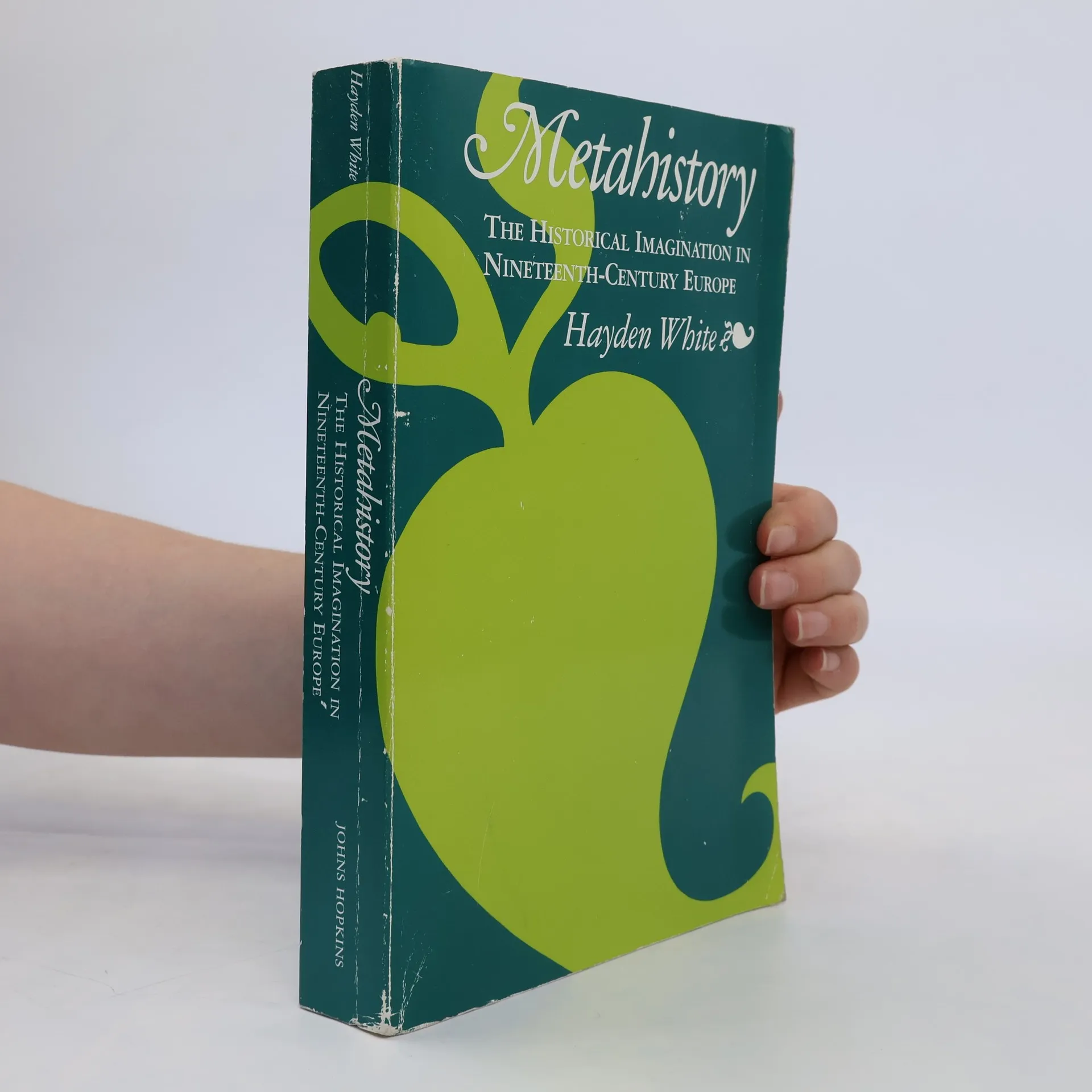
    Metahistory
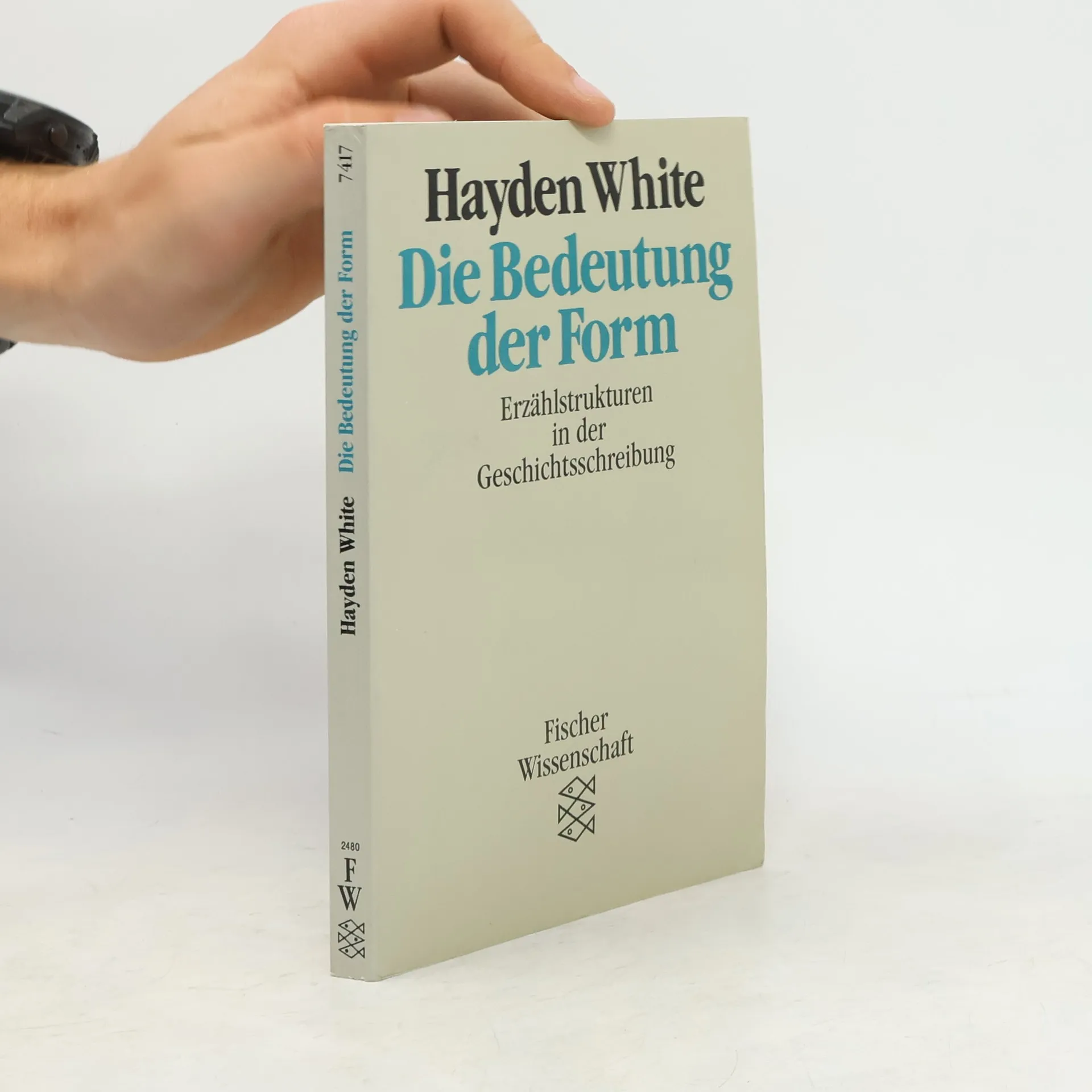
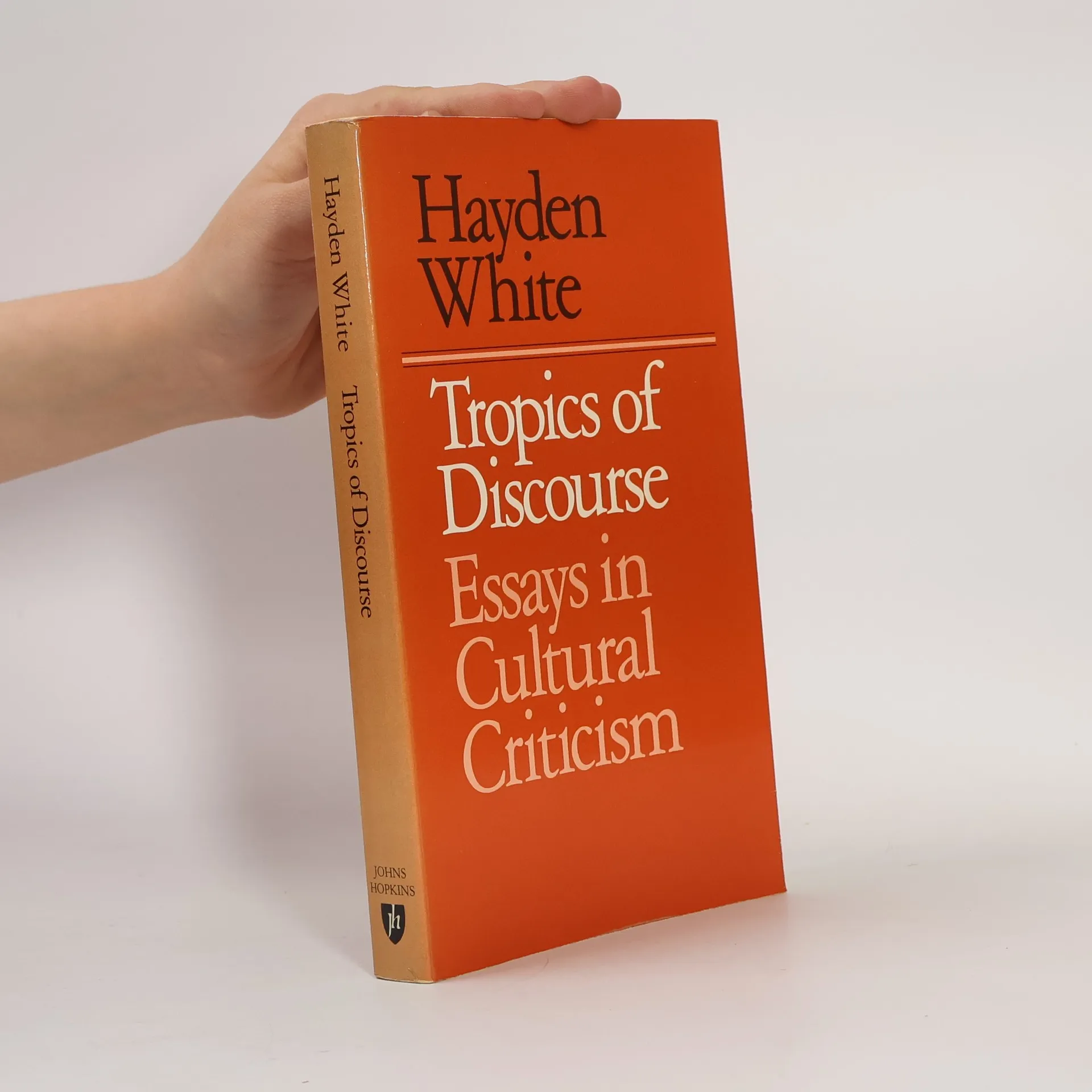
    Tropika diskursu : kulturně kritické eseje
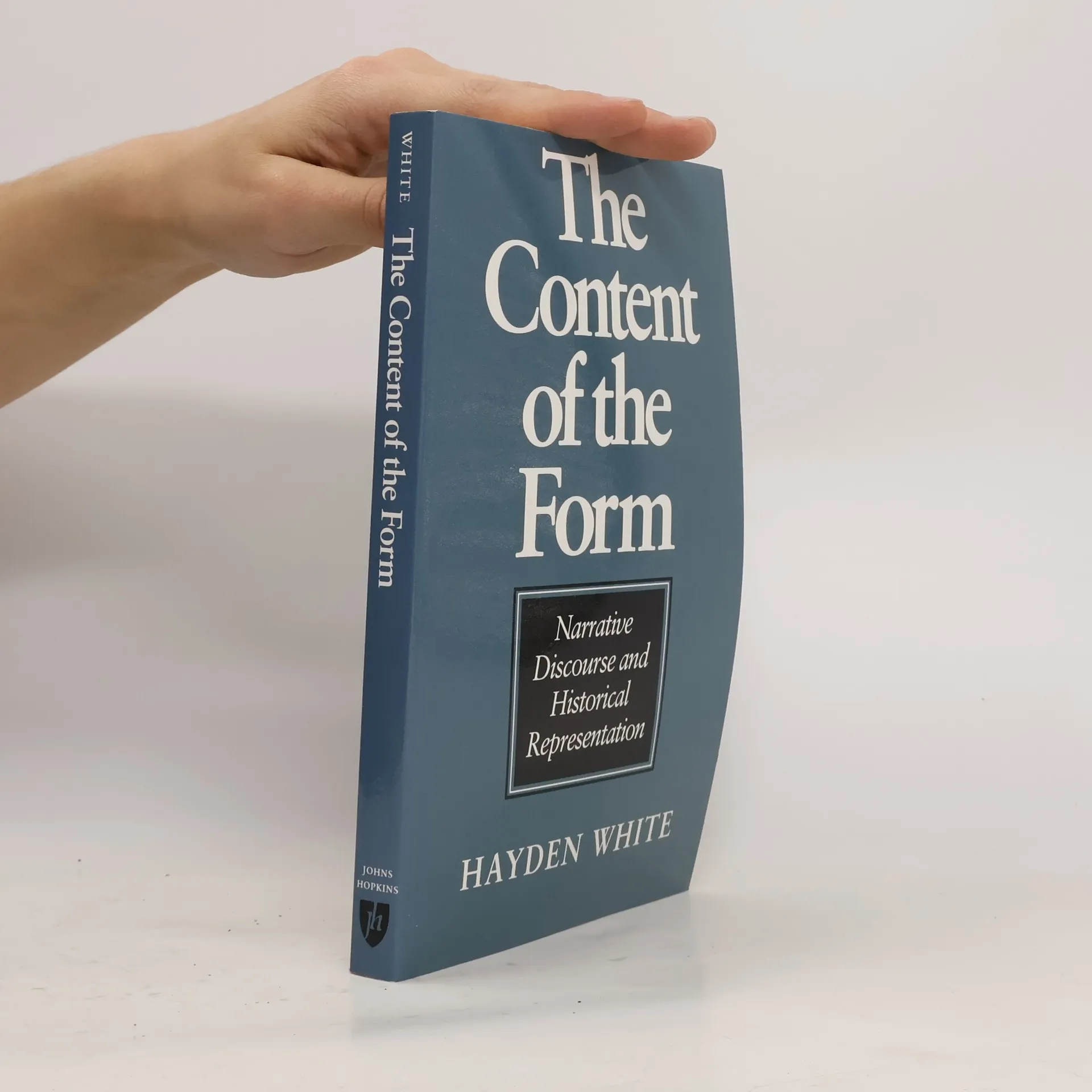
    The Content of the Form
    The Ethics of Narrative
    Figural Realism
    Metahistory
    • 2022

      The second volume of The Ethics of Narrative completes the project of bringing together nearly all of Hayden White's uncollected essays from the last two decades of his life, including articles, essays, and previously unpublished lectures. As in the first volume, volume two features White's trenchant articulations of his influential theories, as well as his explorations of a wide range of ideas and authors at the frontiers of critical theory, literature, and historical studies. These include the concept of utopia in history, modernism and postmodernism, constructivism, the conceptualization of historical periods such as "the Sixties" and "the Enlightenment," the representation of the Holocaust in scholarly and literary writing, as well as essays on Frank Kermode, Saul Friedländer, and Krzysztof Pomian.

      The Ethics of Narrative
    • 2020

      Figural Realism

      • 222pagine
      • 8 ore di lettura

      It is because historical discourse is actualized in its culturally significant form as a specific kind of writing that we may consider the relevance of literary theory to both the theory and the practice of historiography.

      Figural Realism
    • 2010

      Kniha Tropika diskursu Haydena Whitea, který je znám svým pojetím "metahistorie", jež klade důraz na narativní povahu historického diskursu, patří v humanitních vědách již ke klasickým dílům. Jde svým způsobem o autorovu originální "rozpravu o metodě", teorii toho, co by bylo možné nazvat tropologickým rozuměním. Její význam se ani zdaleka neomezuje na techniku literárního rozboru či interpretaci historie, jejím základem je filosoficky fundované, syntetické pojetí kognitivního vztahu k realitě, prostředkované právě "diskursem". V tomto smyslu je Whiteova kniha svébytnou a důležitou alternativou jak k tradiční i moderní hermeneutice (H. G. Gadamer), tak například k Ricoeurově narativnímu porozumění. Tropus podle Whitea není ani ozdoba řeči, ani technika omezující se na umělecký jazyk, nýbrž nástroj, jehož funkcí je snaha o adekvátnější uchopení popisované skutečnosti. Interpretace historických, literárních či teoretických textů se pak neukazuje jako (subjektivní) omezení, nýbrž jako obecná podmínka kulturní racionality.

      Tropika diskursu : kulturně kritické eseje
    • 1991

      Metahistory

      Die historische Einbildungskraft im 19. Jahrhundert in Europa

      Ausgehend von seiner Untersuchung der großen Historiographen des 19. Jahrhunderts entwirft Hayden White eine formale Theorie der Arbeit des Historikers, die den unvermeidlich poetischen Charakter der Geschichtsschreibung herausarbeitet. Die Debatte, die mit diesem großen Buch angestoßen wurde, wirkt bis heute nach.

      Metahistory
    • 1987

      The Content of the Form

      Narrative Discourse and Historical Representation

      • 264pagine
      • 10 ore di lettura

      "[White] has clearly made significant advances in laying a foundation for a better understanding of the intricate interaction between narrative representation and what it purports to represent in both history and literature."--American Historical Review.

      The Content of the Form