Back in the Day
- 416pagine
- 15 ore di lettura
Melvyn Bragg's first ever memoir - an elegiac, intimate account of growing up in post-war Cumbria, which lyrically evokes a vanished world.


Melvyn Bragg è un prolifico autore inglese, forse più noto per il suo lavoro nel programma The South Bank Show. È uno scrittore versatile che ha contribuito con romanzi, opere di saggistica e sceneggiature, spesso collaborando a drammi biografici. La sua scrittura esplora temi legati alle arti e alla cultura, riflettendo il suo ampio coinvolgimento in queste aree. Molte delle sue narrazioni attingono all'esperienza personale, come si vede nel suo romanzo autobiografico del 2008.


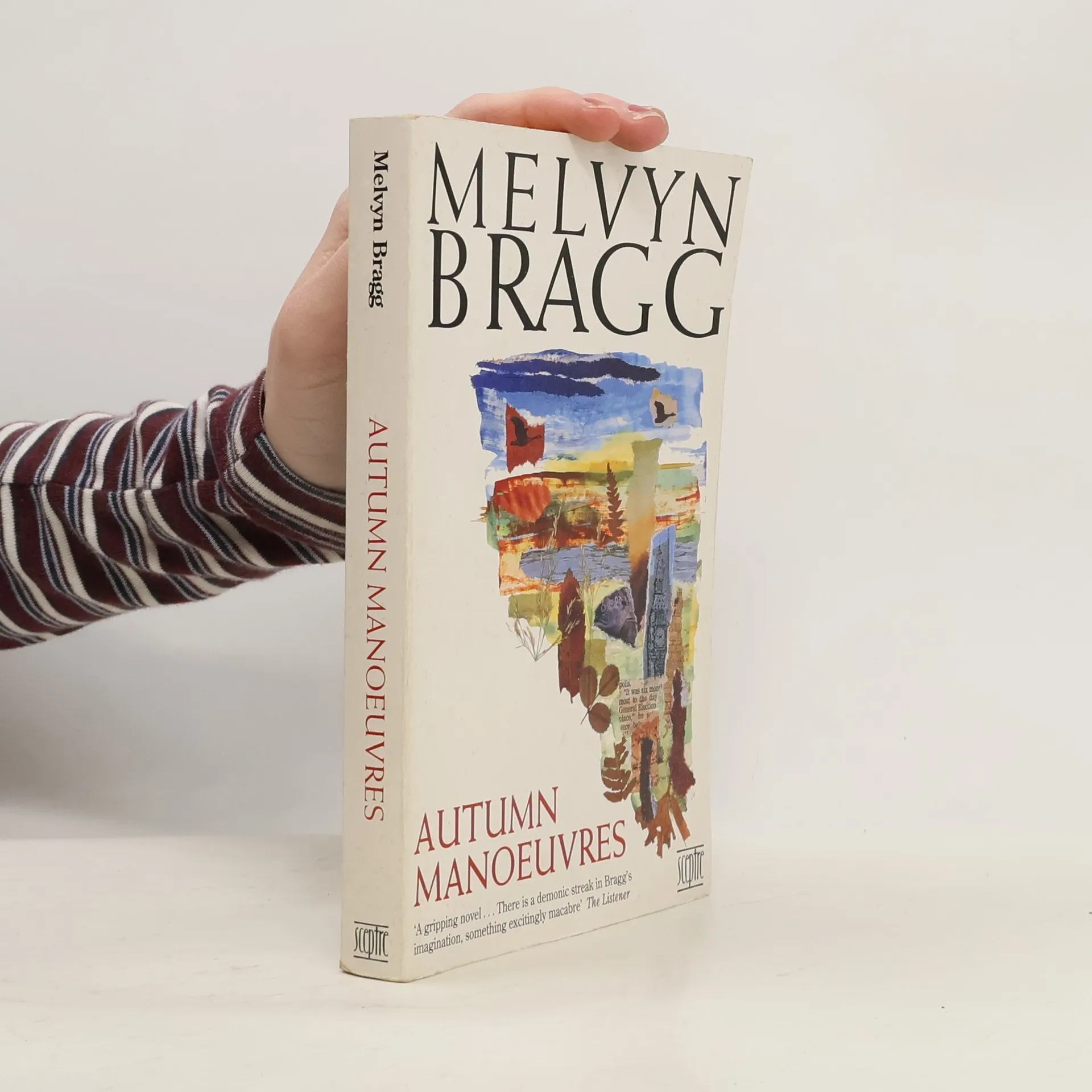
Melvyn Bragg's first ever memoir - an elegiac, intimate account of growing up in post-war Cumbria, which lyrically evokes a vanished world.
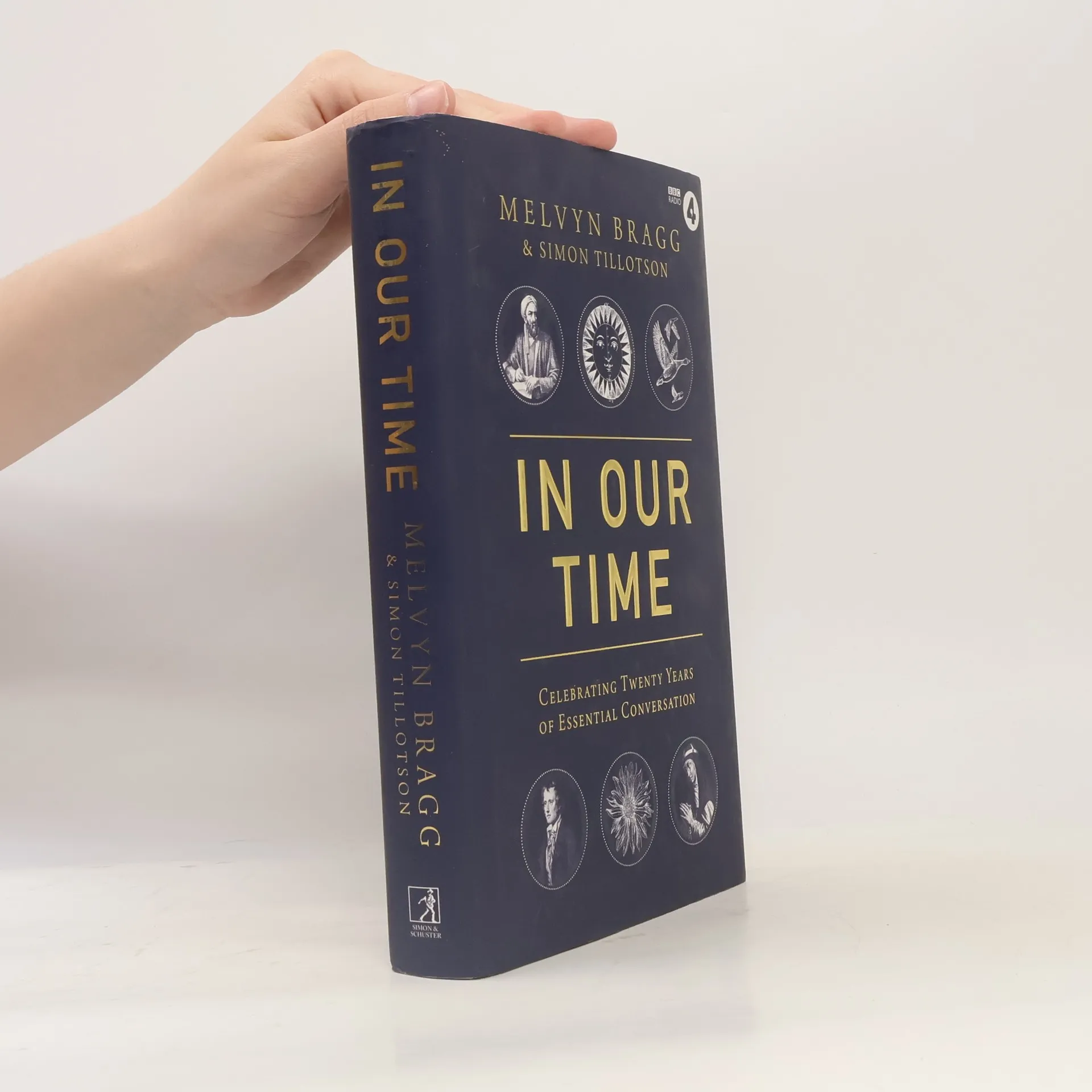
A fascinating insight to a selection of the show's best episodes, published to celebrate the 20th anniversary of the popular Radio 4 programme.
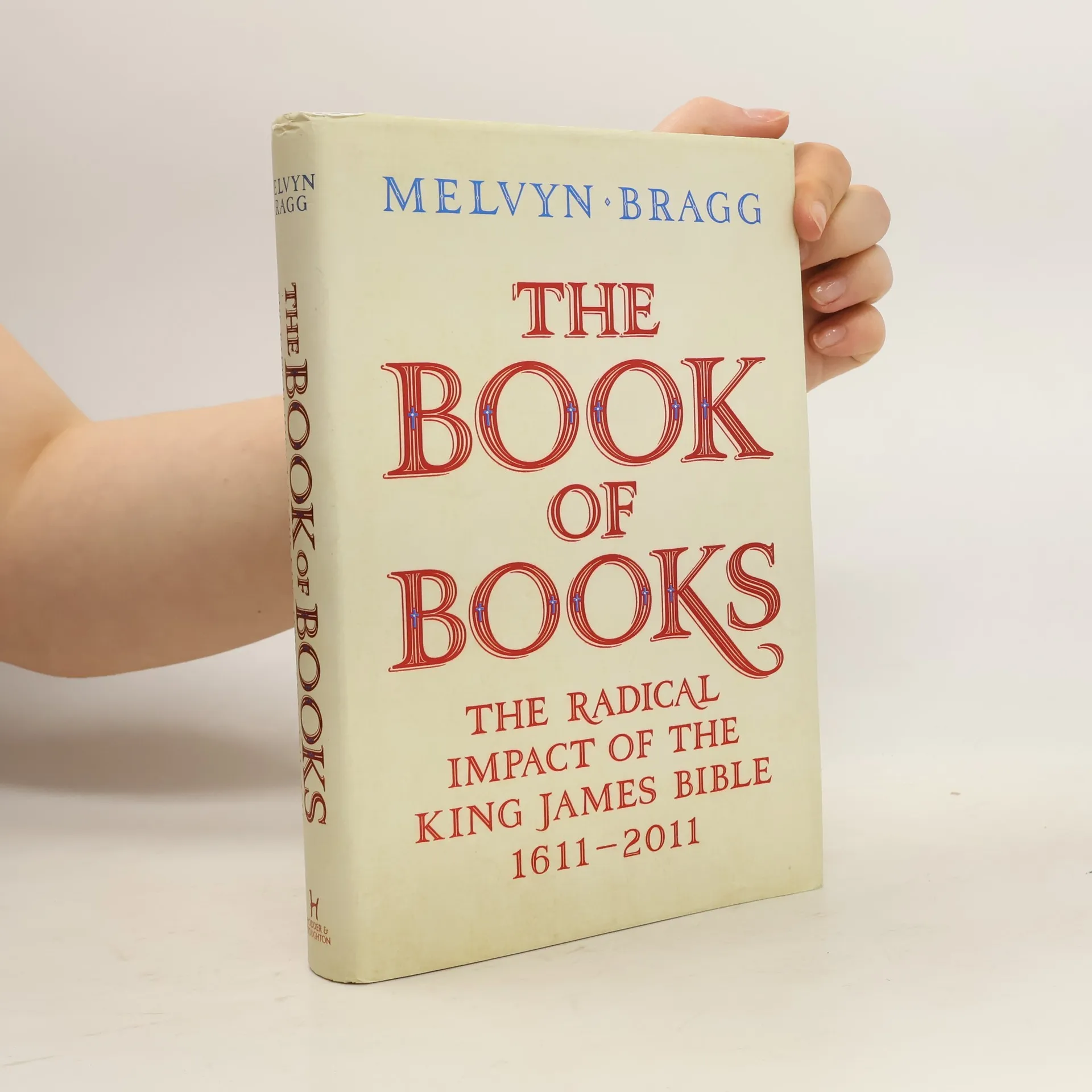
The book of books reveals the extraordinary and still-felt impact of a work created 400 years ago. --from publisher description.
The Seventh Seal is probably Bergman's best-known work and the film that most clearly bears the director's unmistakeable signature. The opening scene sets the tone: a stony beach under a leaden sky, the knight alone with his thoughts, then the approach of black-clad Death, whom the knight invites to play a game of chess. Bergman's medieval allegory of faith and doubt is dark with the horrors of witch-burnings and the plague. But it is also shot through with bright flashes of peace and joy, symbolised in the milk and wild strawberries offered to the knight by an innocent family of actors. In his compelling appreciation, Melvyn Bragg describes his own first encounter as a student with this extraordinary film, and how it revealed to him another cinema, quite different from the Hollywood he had grown up with. He recounts too his later meeting with Bergman himself, and how the marks of the director's powerful personality are everywhere in this troubling and inspiring masterpiece.
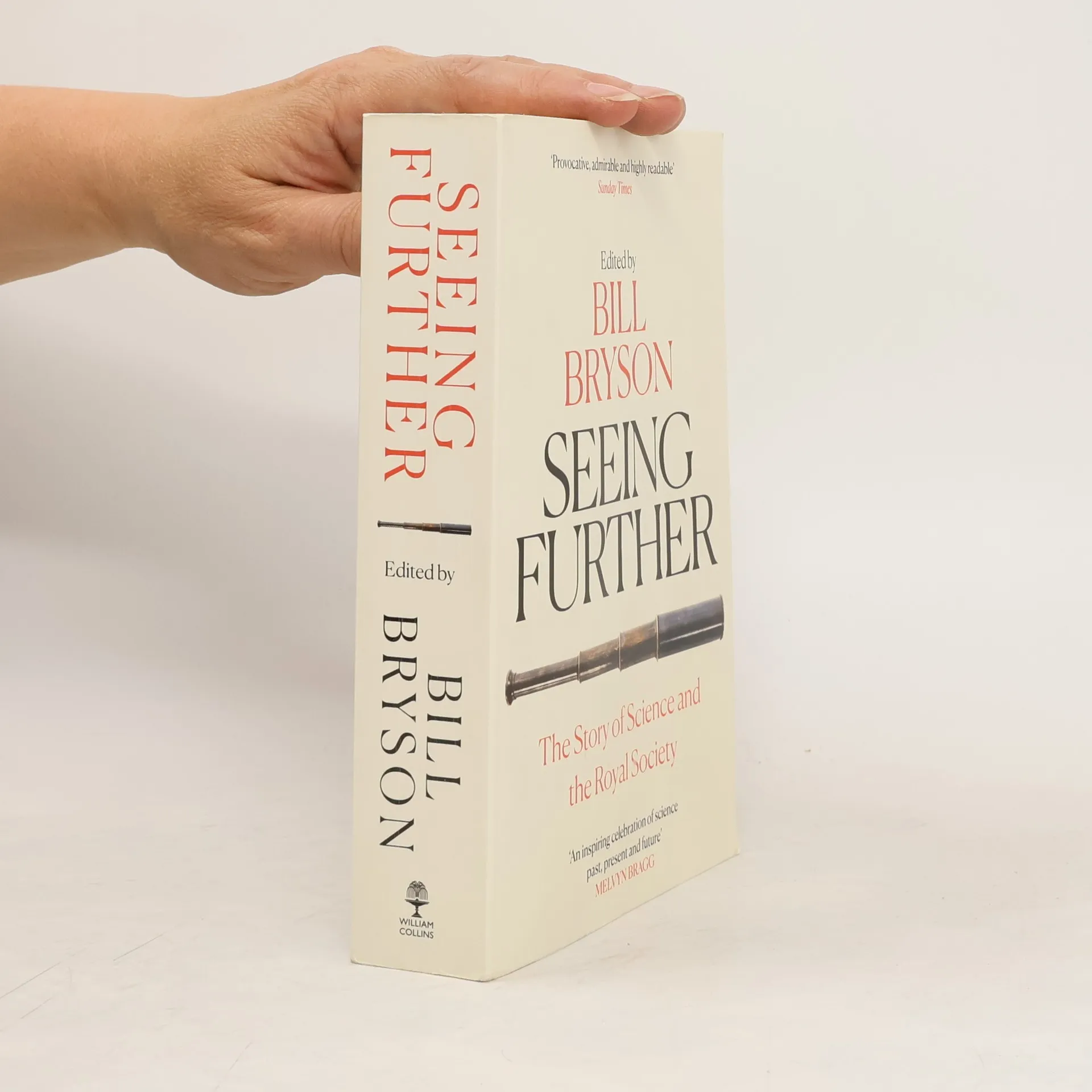
Edited and introduced by Bill Bryson, with contributions from Richard Dawkins, Margaret Atwood, Richard Holmes, Martin Rees, Richard Fortey, Steve Jones, James Gleick and Neal Stephenson amongst others, this beautiful, lavishly illustrated book tells the story of science and the Royal Society, from 1660 to the present.
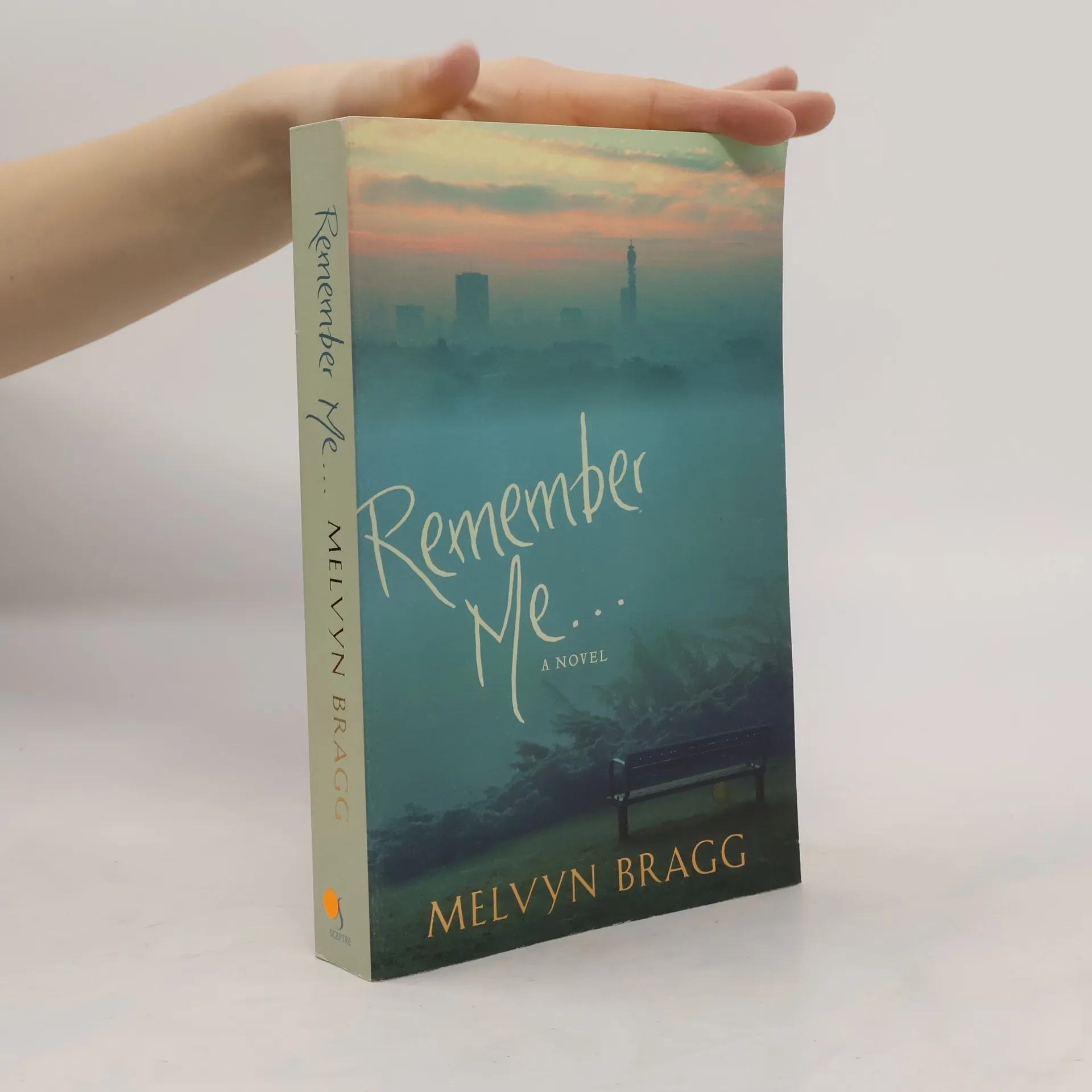
A passionate but ultimately tragic love affair starts when two students - one French, one English - meet at university at the beginning of the 1960s. From its tentative, unpromising early stages, the relationship develops into a life-changing one, whose profound impact continues to reverberate 40 years later. 'Remember Me' takes one of the oldest stories in the world and gives it renewed, visceral force. Here are characters brought to vivid life with exceptional empathy and insight. And here, captured in intimate, telling detail, are the emotions that bind two people together, and the subtle shifts in thought and feeling that can prise them apart. This is a novel of great emotional intensity, which leaves an unforgettable impression. The story of a love affair that ends in tragedy - a classic theme given fresh and powerful new life by an author 'cementing his place among the aristocrats of English fiction' (Sunday Telegraph).
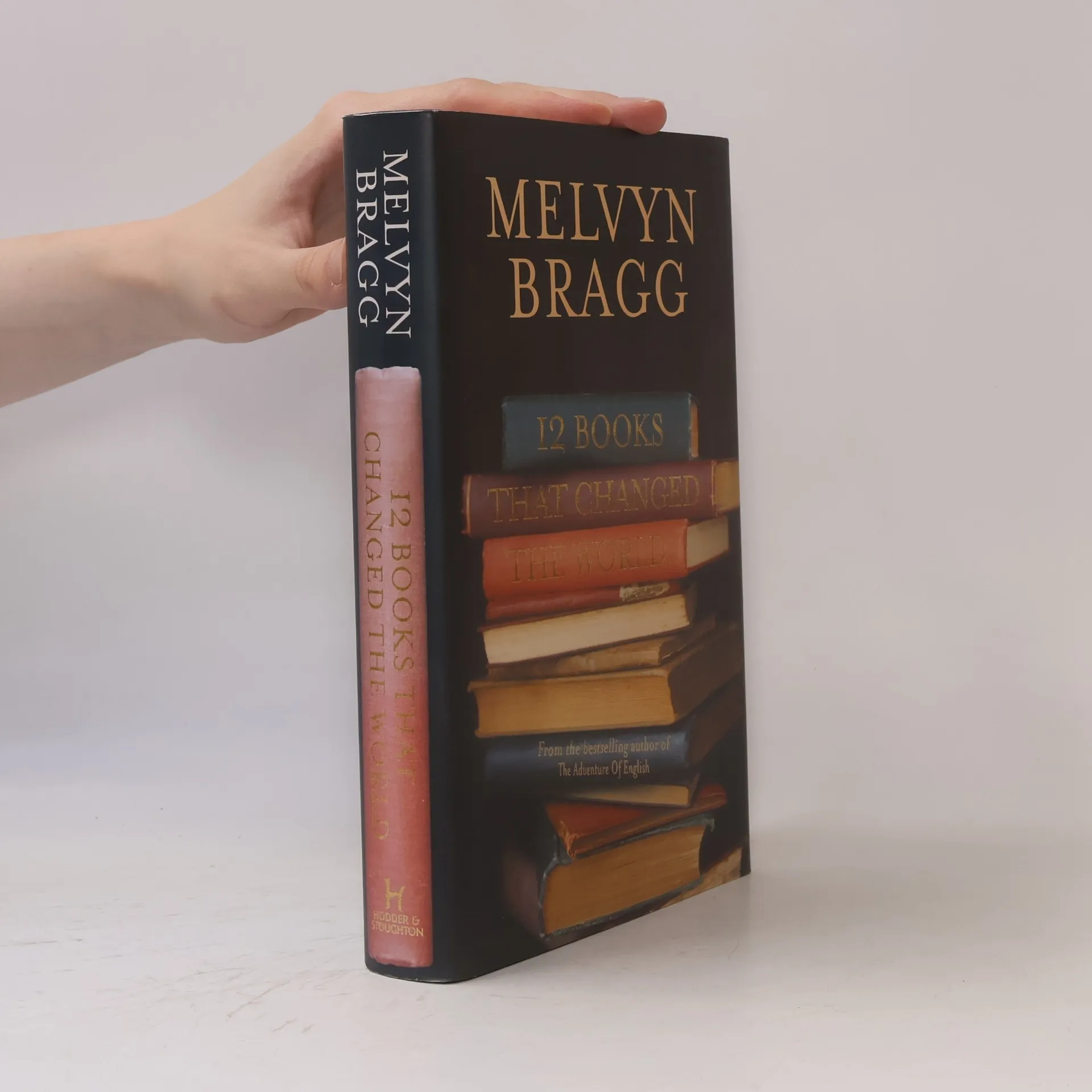
When we think of great events in the history of the world, we tend to think of war, revolution, political upheaval or natural catastrophe. But throughout history there have been moments of vital importance that have taken place not on the battlefield, or in the palaces of power, or even in the violence of nature, but between the pages of a book. In our digitised age of instant information it is easy to underestimate the power of the printed word. In his fascinating new book accompanying the ITV series, Melvyn Bragg presents a vivid reminder of the book as agent of social, political and personal revolution. Twelve Books that Changed the World presents a rich variety of human endeavour and a great diversity of characters. There are also surprises. Here are famous books by Darwin, Newton and Shakespeare -- but we also discover the stories behind some less well-known works, such as Marie Stopes' Married Love, the original radical feminist Mary Wollstonecraft's A Vindication of the Rights of Woman -- and even the rules to an obscure ball game that became the most popular sport in the world ...
The much-praised third part of 'a monumental series' (Sunday Times) by an 'aristocrat of English fiction' (Sunday Telegraph)
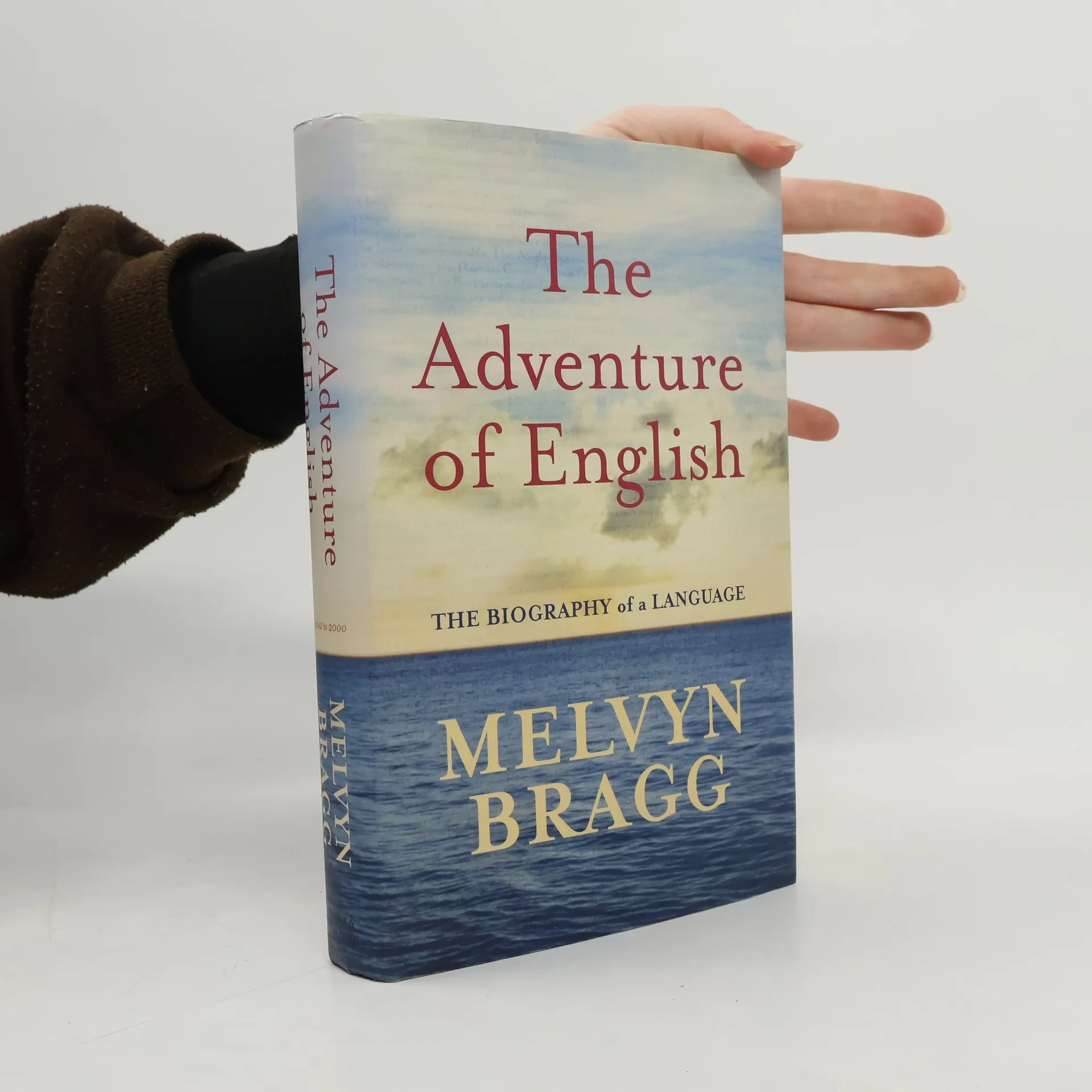
English is understood by around two thousand million people across the world. Yet it was very nearly wiped out in its early years. Melvyn Bragg explores the story of the English language - from its beginnings as a minor Germanic dialect to its position today as a truly established global language.
Longlisted for the Booker Prize After the upheavals of the Second World War, the Richardson family - Sam, Ellen and their young son Joe - settle back to working-class life in the Cumbrian town of Wigton. Yet for them, as for so many, life will never be the same again. As the old order begins to be challenged and new vistas open, Sam and Ellen forge their future together with differing needs and desires - and conflicting expectations of Joe, who grows up with his own demons to confront.
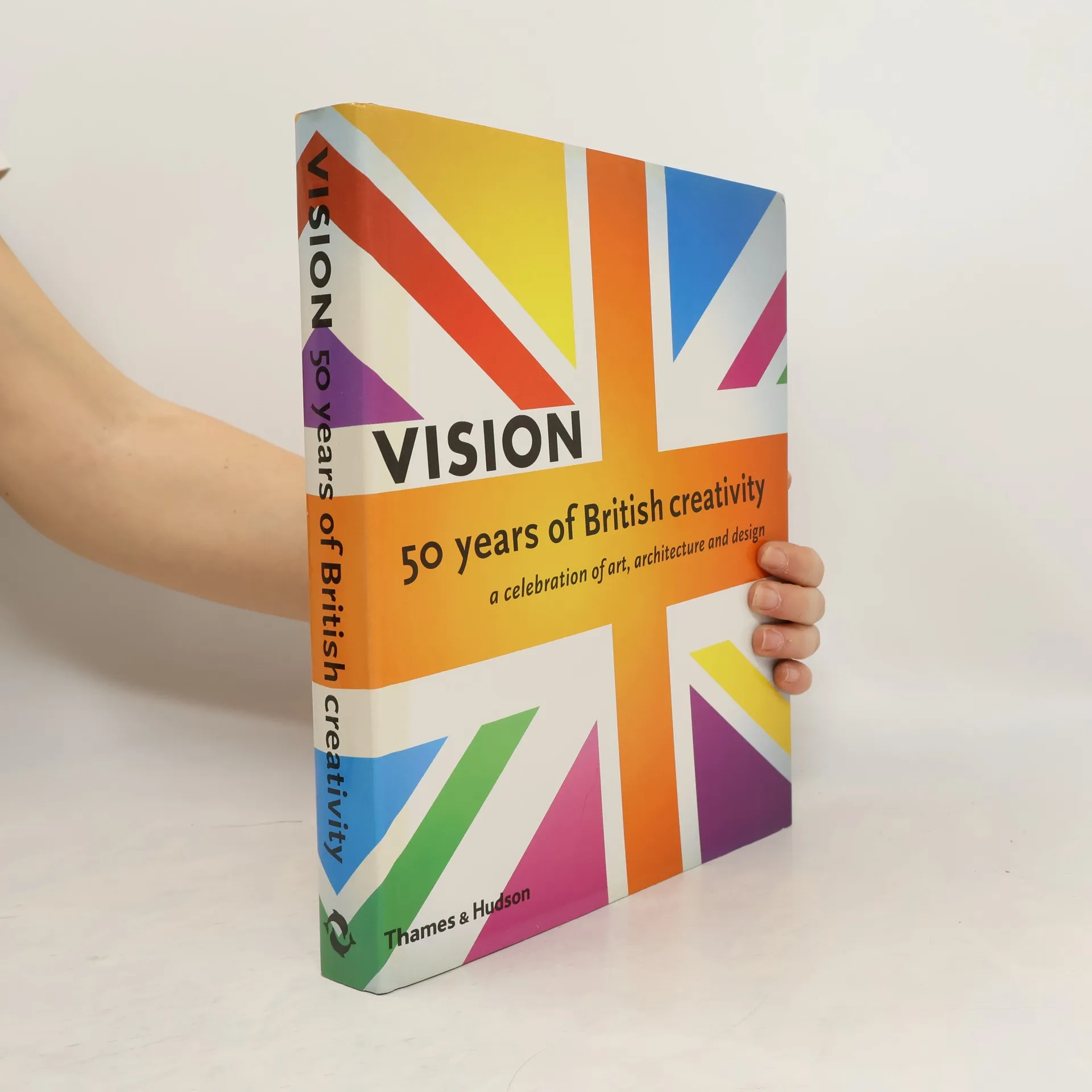
50 Years of British Creativity, A Celebration of Art, Architecture and Design
The latter half of the twentieth century witnessed British artists, architects, and designers rising to prominence globally. In the post-war reconstruction era, youth began to challenge established artistic norms, drawing inspiration from popular culture. This iconoclasm, rooted in the Pop movement, remains a vital aspect of British art. The book provides a year-by-year account, juxtaposing emerging talents with established figures, highlighting connections and contradictions across various visual disciplines, including architecture, interior design, and graphic art. Through images and text, it delves into the factors shaping British art's unique character, such as the distinctive art school teaching system, fashion, pop music, and political influences. Artists' responses to these elements have consistently been original and thought-provoking, paving the way for future innovation. Organized by decade, the book showcases achievements accompanied by insights from notable artists, designers, collectors, and critics who have significantly impacted each era. The creative landscape has thrived on encouragement, challenge, and opposition, enabling talents to transcend shifting tastes. Featuring over 250 artists, including Henry Moore, David Hockney, and Damien Hirst, this publication also commemorates the first fifty years of Thames and Hudson, founded by Walter Neurath in 1949, and its role in public education and arts support.
England, 1802: Die Geschichte einer abenteuerlichen und tragischen Liebe eines Hochstaplers, dem seine Leidenschaft für ein schönes Mädchen zum Verhängnis wird.
12 Wissenschaftler und ihre bahnbrechenden Entdeckungen
Was macht ein Genie zum Genie und warum sind diese Genies so wichtig für die Entwicklung der Menschheit gewesen? Melvyn Bragg und ein Team von Fachleuten analysieren das Leben und Wirken von zwölf Wissenschaftlern von Archimedes im alten Griechenland bis hin zu Crick und Watson, die erst in jüngerer Vergangenheit die DNS, die grundlegende Strukturierung unseres Erbguts, entschlüsselt haben. Gespickt mit vielen Anekdoten aus dem Leben der einzelnen Persönlichkeiten, ist das Buch in Form aufgezeichneter Radiosendungen geschrieben, in der vielerlei Ansichten zu den jeweiligen Wissenschaftsgebieten diskutiert und dargestellt werden. Den Anspruch, die Wissenschaft für Laien verständlich zu machen, erfüllt es nicht. Bragg zeigt aber auf, wie sehr im Grunde doch die einzelnen Wissenschaften miteinander verknüpft sind, und dass die Ergebnisse des einen ohne die Vorarbeiten von anderen oft nicht möglich gewesen wären. getAbstract empfiehlt das Buch allen Lesern, die ihr Allgemeinwissen über Wissenschaftsgeschichte auffrischen oder einen Blick in die bahnbrechenden Epochen der Weltgeschichte werfen wollen
'Unsentimental, truthful and wonderful' Beryl Bainbridge, Independent Books of the Year When Sam Richardson returns in 1946 from the 'Forgotten War' in Burma to Wigton in Cumbria, he finds the town little changed. But the war has changed him, broadening his horizons as well as leaving him with traumatic memories. In addition, his six-year-old son now barely remembers him, and his wife has gained a sense of independence from her wartime jobs. As all three strive to adjust, the bonds of loyalty and love are stretched to breaking point in this taut, and profoundly moving novel. 'An outstandingly good novel...utterly credible, utterly compelling, and very enjoyable' Allan Massie, Scotsman 'Deeply felt, beautifully realised' John Sutherland, Sunday Times 'The first Great War came alive in Faulks's Birdsong; the second Great War, and in particular the Burma campaign, comes very much alive in Melvyn Bragg's The Soldier's Return - wholly absorbing' John Bayley, Evening Standard 'Sympathetic, touching, infinitely believable...This is a highly accomplished novel' D.J. Taylor, Literary Review
Great Scientists and Their Discoveries, From Archimedes to DNA
Bragg's bestselling account of the greatest figures and discoveries in the history of science from Archimedes to DNA
Britannien im 7. Jahrhundert. Bega, eine junge irische Prinzessin, tritt in ein Nonnenkloster ein, obwohl sie Padric liebt, einen keltischen Prinzen. Sie wird Äbtissin, und als sich ihr Ruf, Wunder vollbringen zu können, verbreitet, wird ihr Kloster zum Zufluchtsort verfolgter Kelten - auch Padric verschlägt es schließlich dorthin.
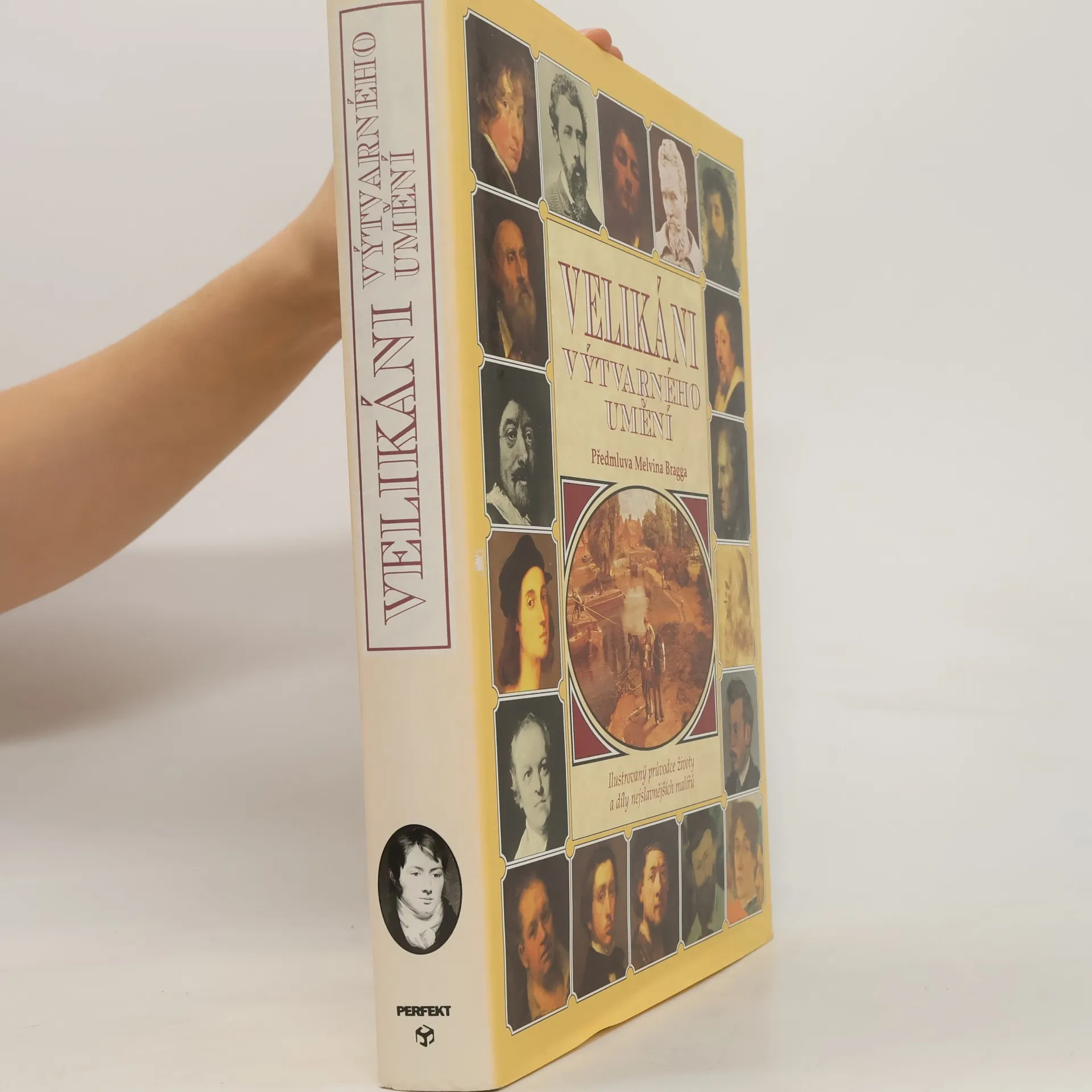
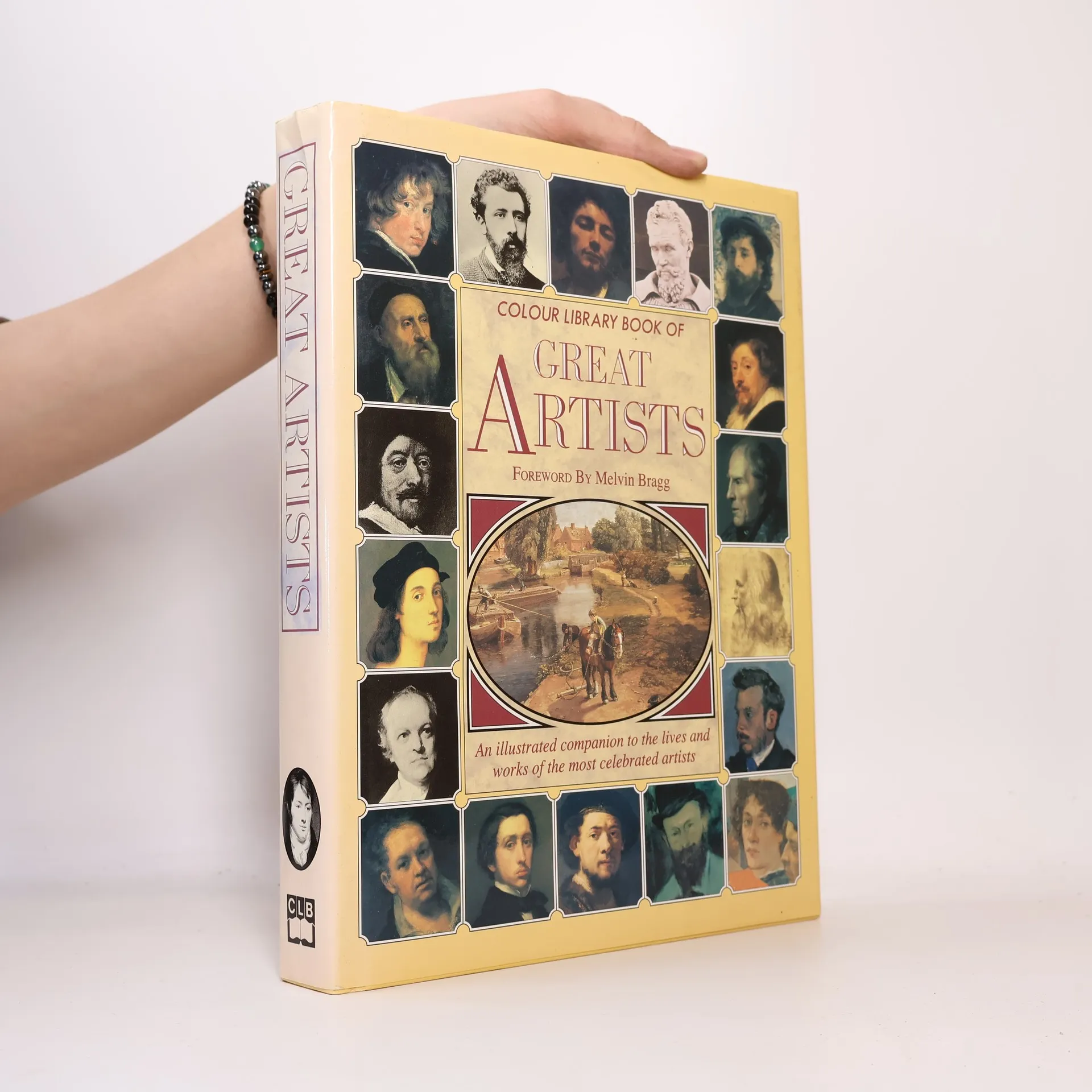
Ilustrovaný průvodce životy a díly nejslavnějších malířů. Sandro Botticelli Leonardo da Vinci Michelangelo Buonarroti Raffael Tizian Peter Paul Rubens Frans Hals Anthonis van Dyck Rembrandt van Rijn Johannes Vermeer Francisco de Goya William Blake Caspar David Friedrich J. M. W. Turner John Constable Edouard Manet Edgar Degas Claude Monet Pierre Auguste Renoir Georges Seurat
Jimmie Johnston first became a Labour MP in Cumbria when there was a brave new post-war world to build. Now, in the late 70s, another general election looms but he is no longer so optimistic. And as he fights to keep his seat, his family begins to fracture around him and scandal threatens. In this absorbing and fast-paced novel, Melvyn Bragg's portrait of the mood and politics of the era remains as pertinent today as on its original publication.
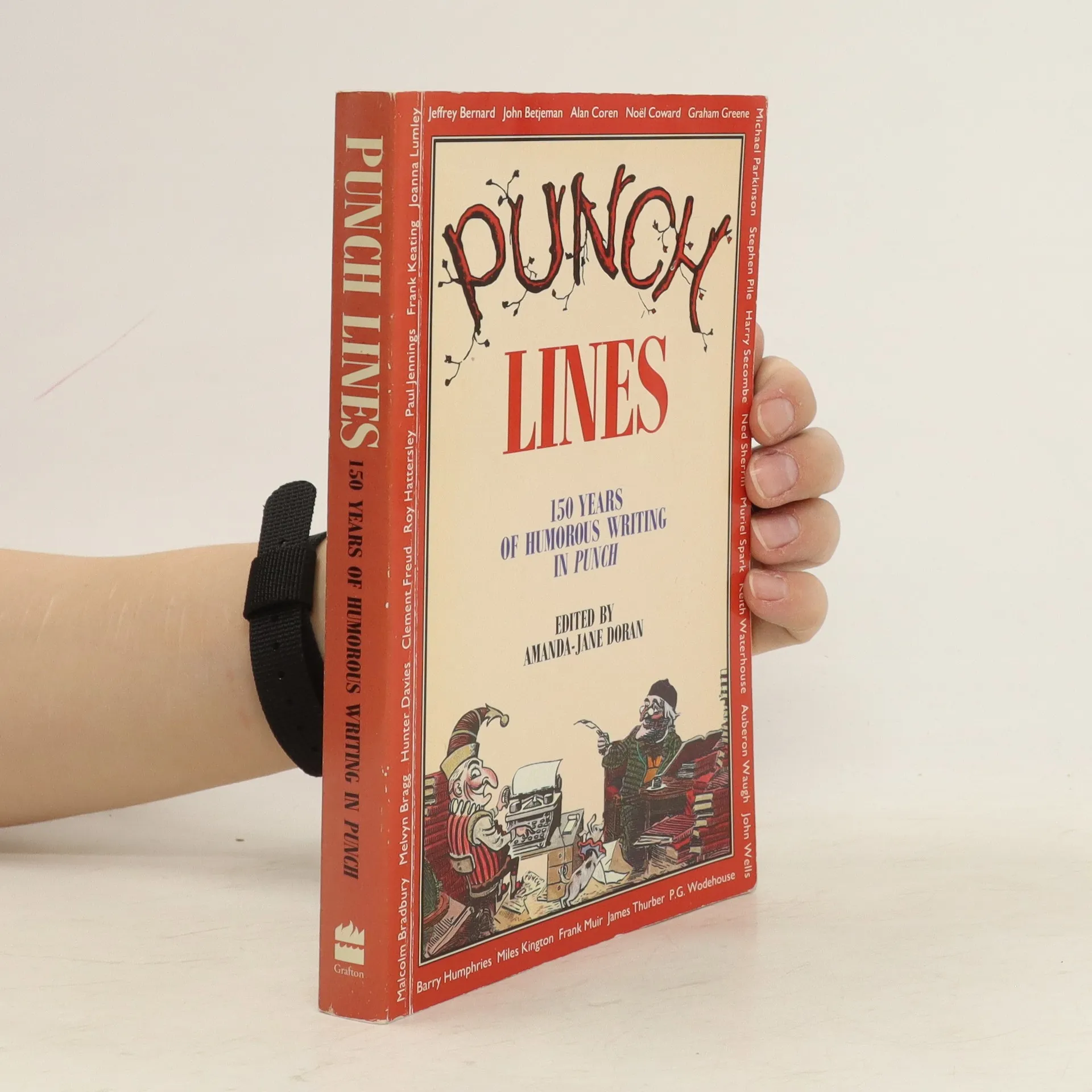
An anthology of the best comic writing in Punch from 1841 to 1991.
A lifetime of restraint and placid affection erupts when a retired bank manager falls for a young girl, as far removed from him in background and experience as in age. Set in Cumbria, this is an intensely moving evocation of an overwhelming passion and its destructive kernel of jealousy.
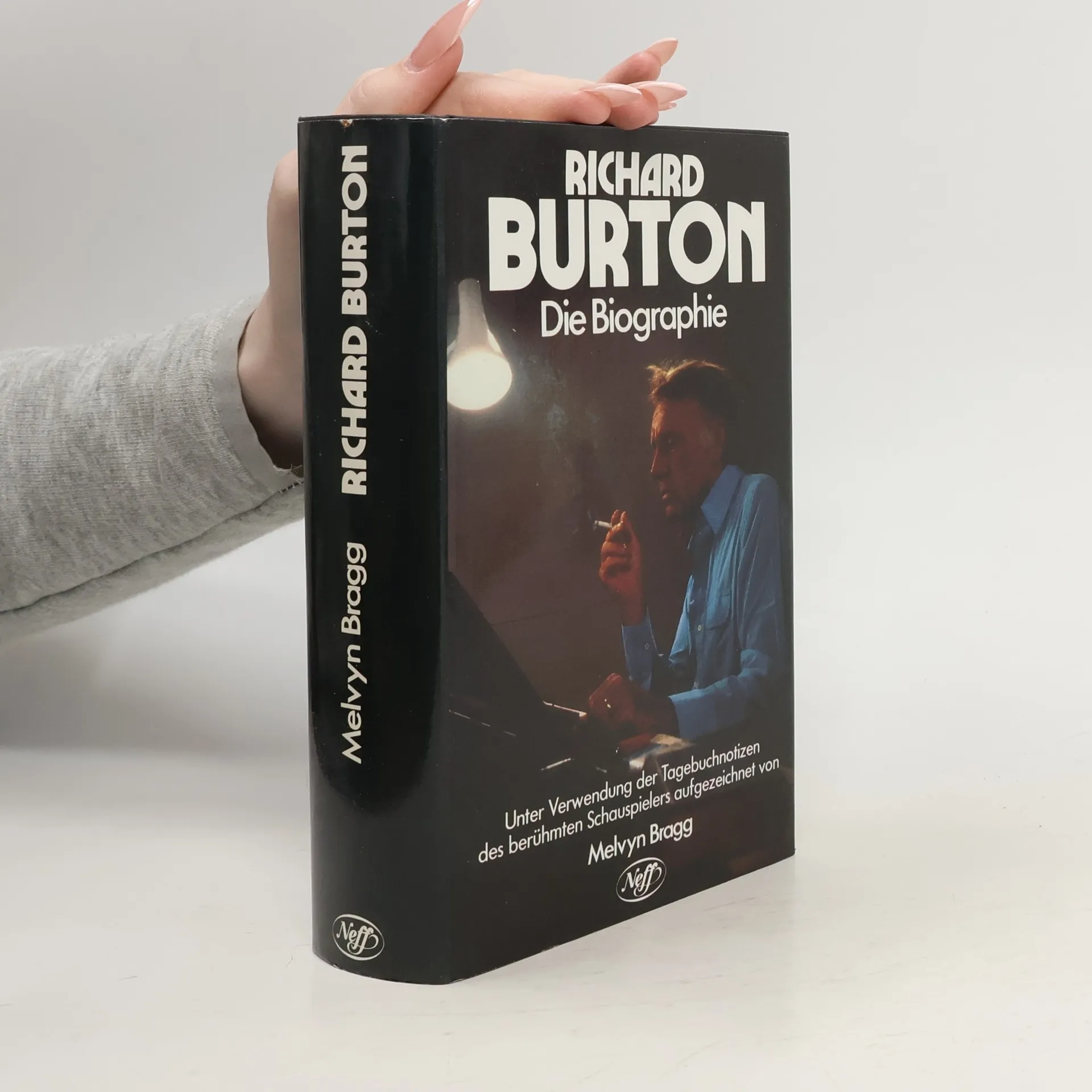
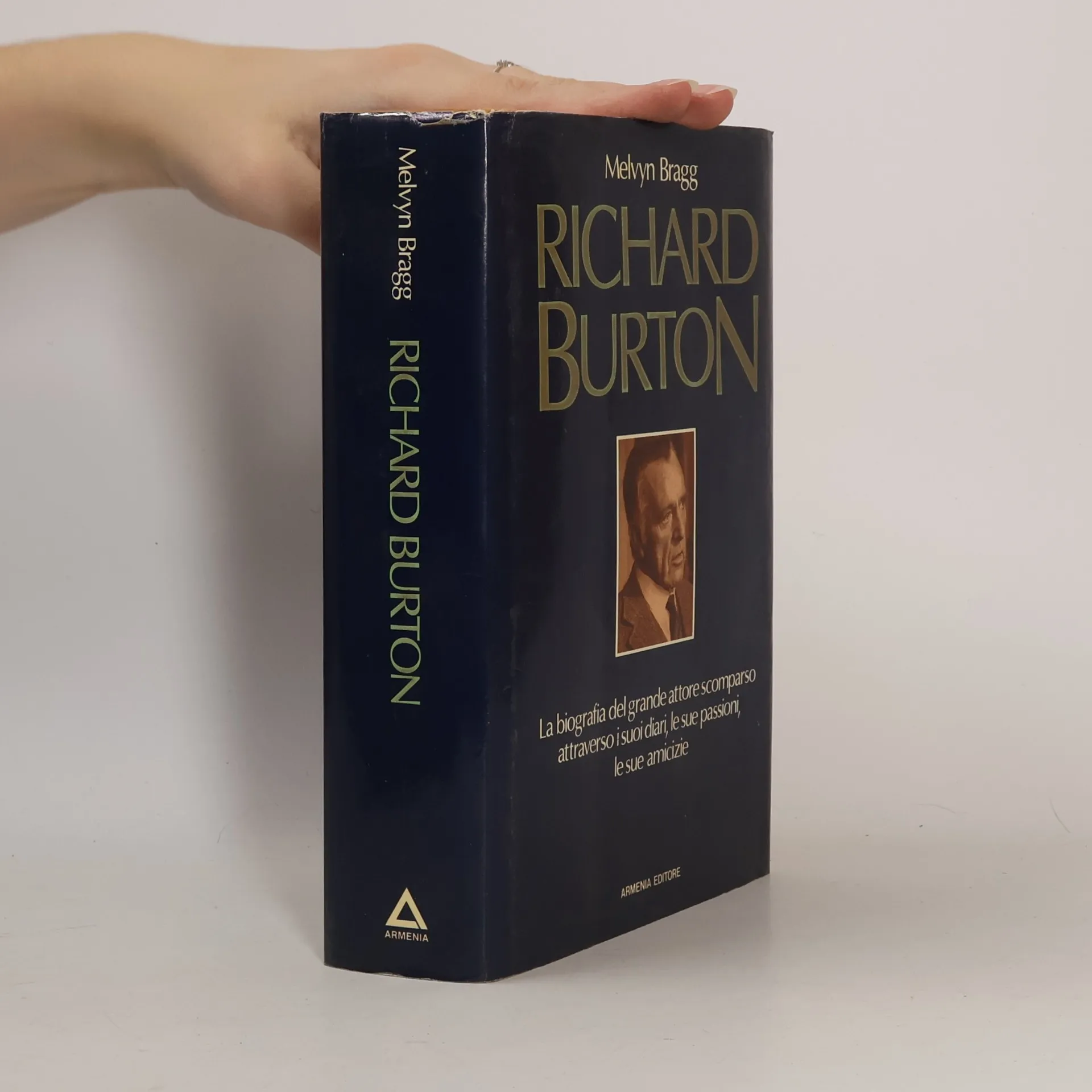
La biografia del grande attore scomparso attraverso i suoi diari, le sue passioni, le sue amicizie
Published in hardcover. Covered in Mylar by the previous owner. There are minor markings on the jacket. The boards are in excellent condition. There is a small amount of scuffing on the spine head. The pages in the main body remain clean and in excellent condition. GE
Melvyn Bragg's highly-acclaimed bestselling historical novel, the story behind one of the 19th century's greatest scandals.
Eine Biografie von Richard Burton, die seine eigenen Worte enthält, dank der Zusammenarbeit von Familienmitgliedern, die Bragg verschiedene Tagebücher und Briefe zur Verfügung stellten. Es gibt auch neue Einblicke von Burtons Zeitgenossen, um einen offenen und intimen Bericht über sein Leben zu bieten.
COLOUR LIBRARY BOOK OF GREAT ARTISTS [Hardcover] Anon
Bragg's acclaimed story of one family's experience of the social and cultural upheaval of England as it moves into the twentieth century schovat popis