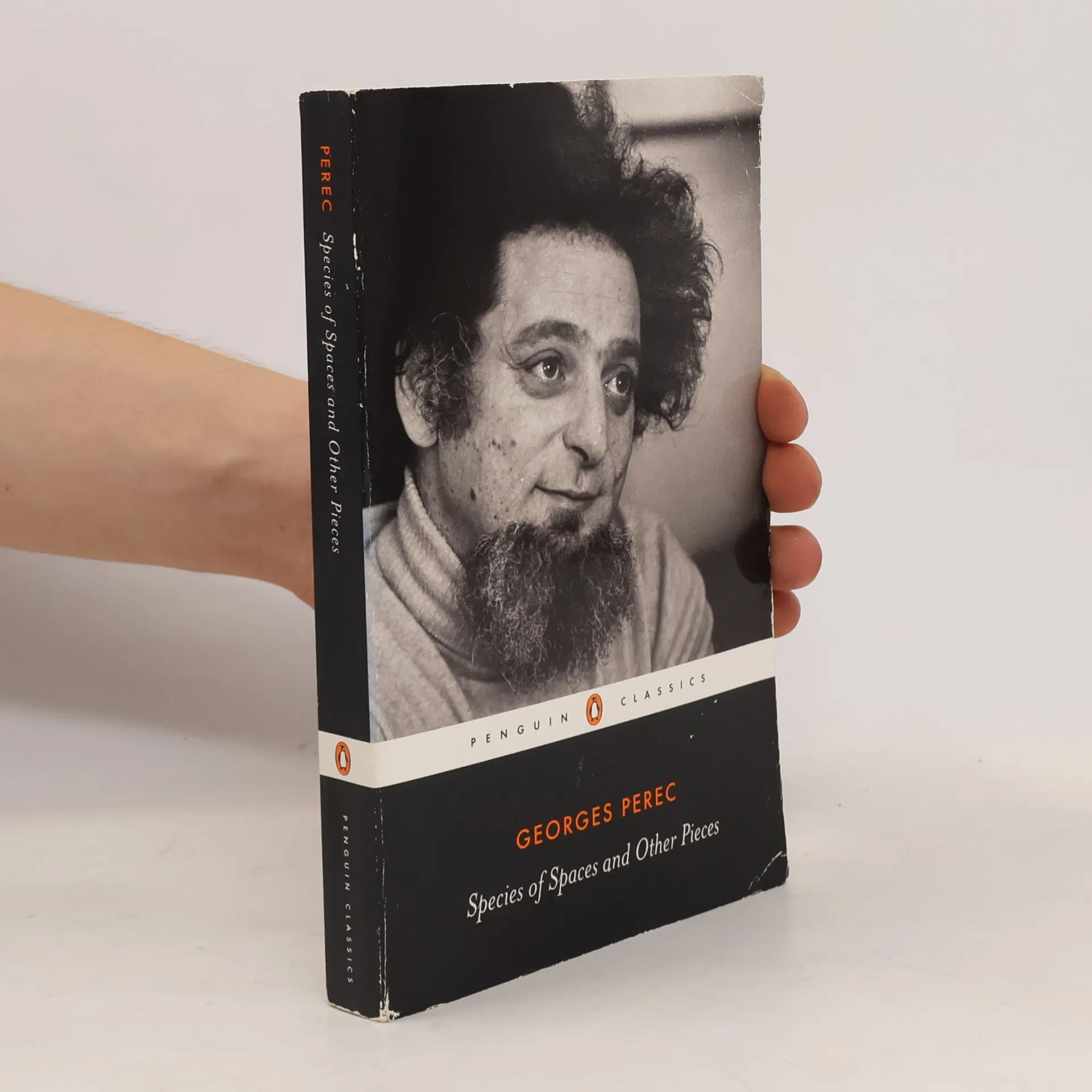
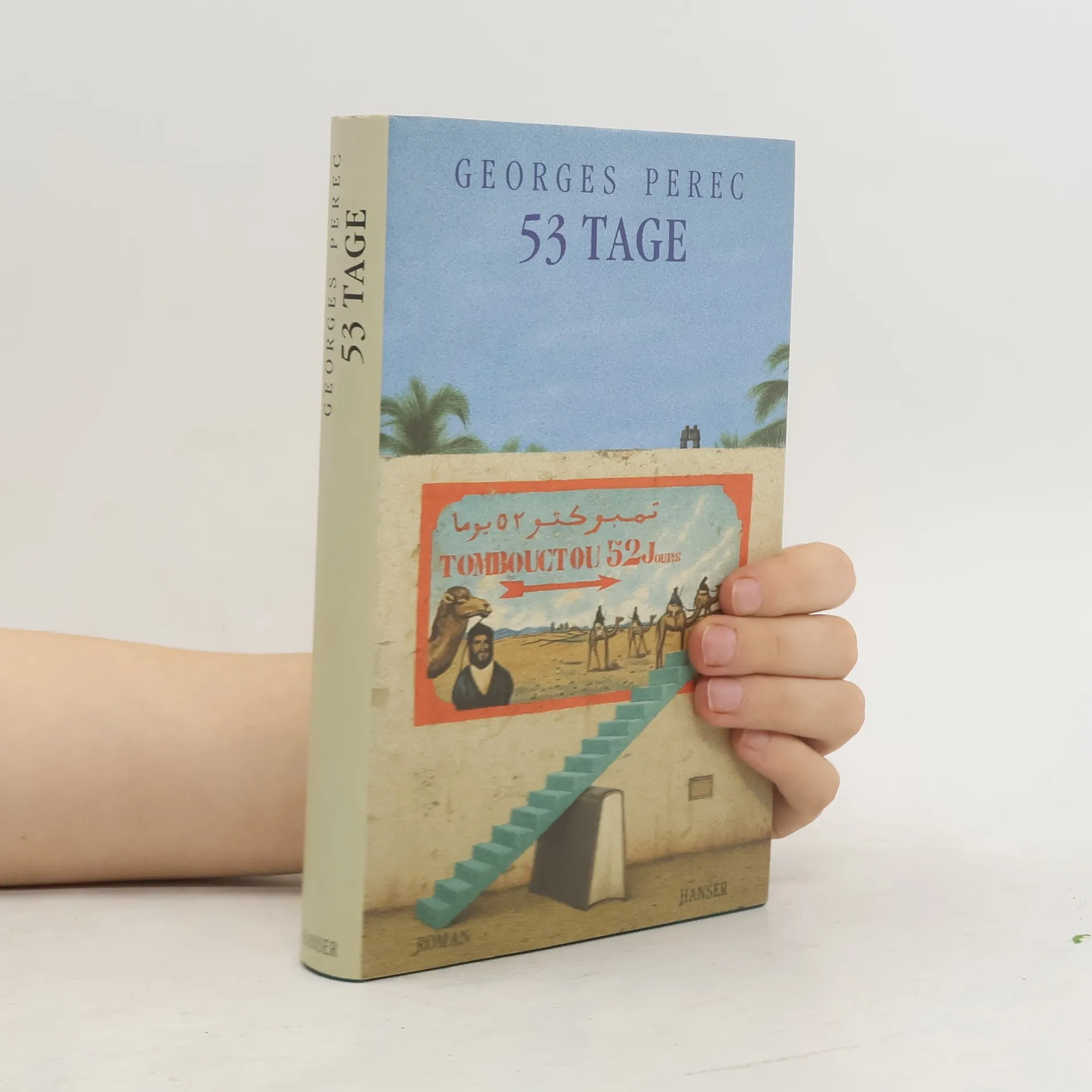
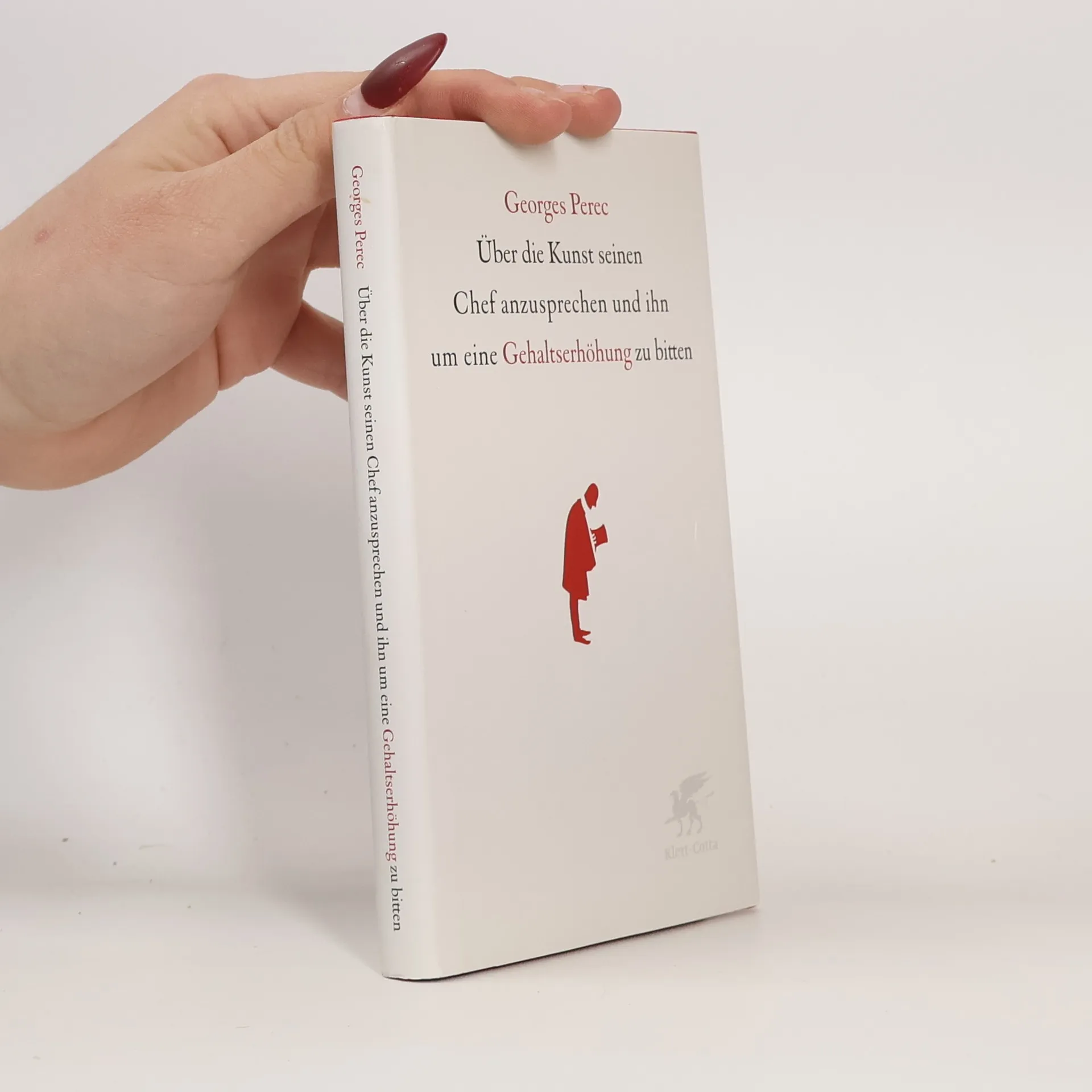
Georges Perec è stato un romanziere, regista e saggista francese, celebrato per il suo giocoso approccio al linguaggio e alla struttura. Membro del gruppo Oulipo, le sue opere presentano spesso giochi di parole sperimentali, elenchi e tentativi di classificazione, frequentemente intrisi di un senso di malinconia. La scrittura di Perec è caratterizzata da vincoli formali, come un romanzo scritto interamente senza la lettera 'e', che può servire come una potente metafora della sua esperienza ebraica durante la Seconda Guerra Mondiale. Ha esplorato temi di memoria, perdita e identità, intrecciando spesso finzione con elementi autobiografici per illuminare le complessità dell'esistenza umana.
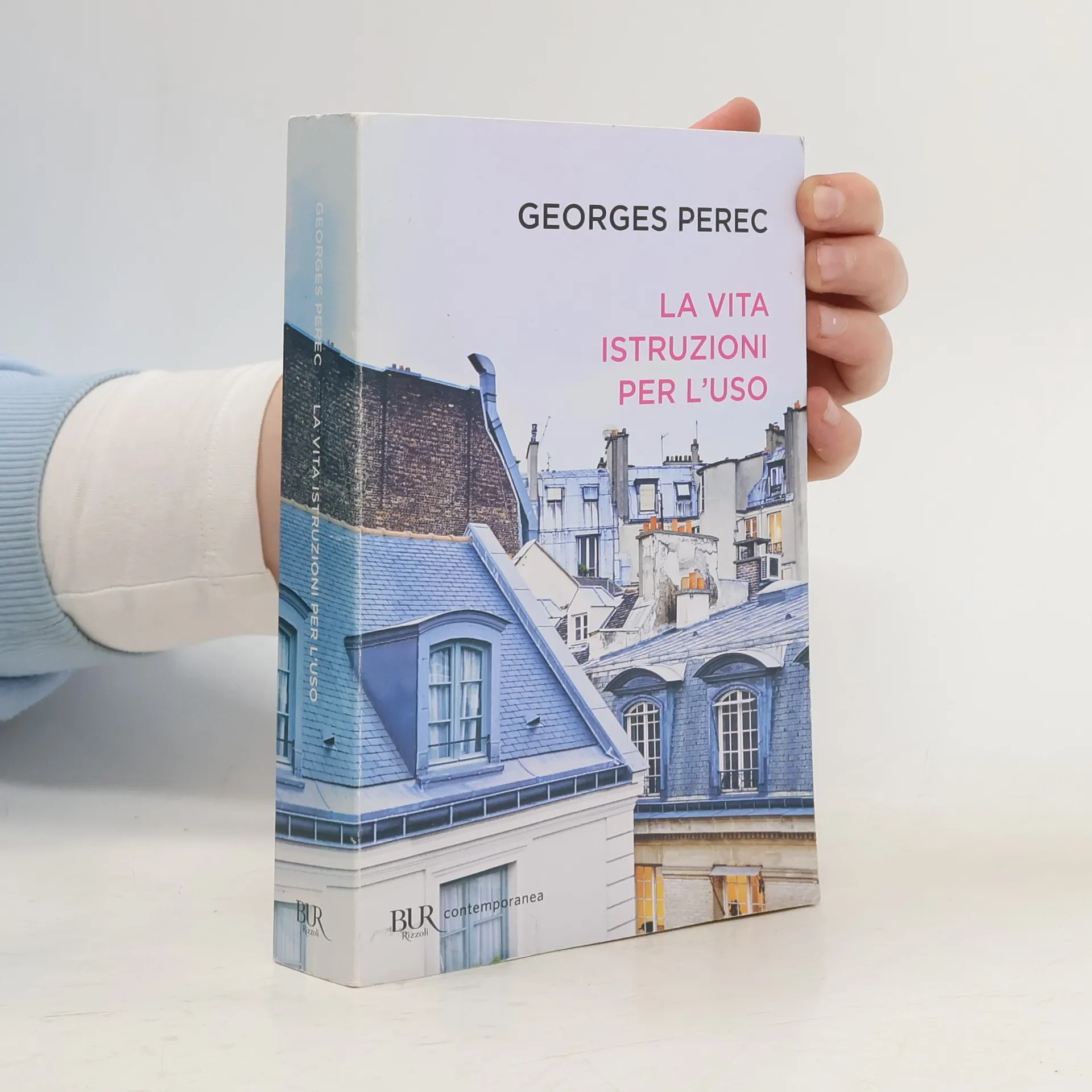
Un puzzle costruito intorno a una casa parigina, con i suoi inquilini, le sue stanze, gli oggetti, le azioni, i ricordi e le fantasticherie. Con un saggio di Italo Calvino e una conversazione di Georges Perec con Gabriel Simony.
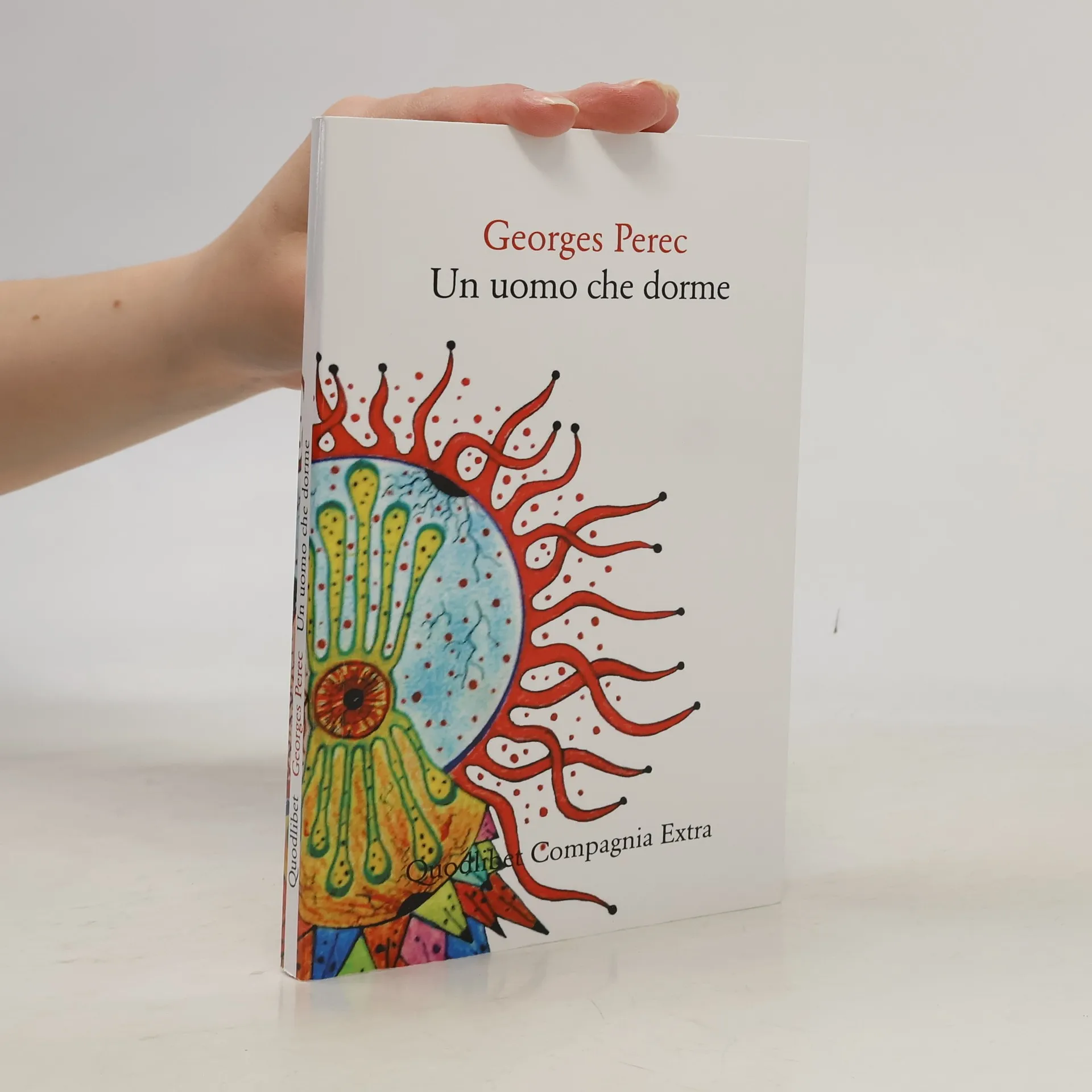
«Hai venticinque anni e ventinove denti, tre camicie e otto calzini, qualche libro che non leggi più e qualche disco che non ascolti più. Sei seduto e vuoi soltanto aspettare». Terzo romanzo di Georges Perec, Un uomo che dorme è la storia di uno studente che la mattina dell’esame, invece di alzarsi, lascia suonare la sveglia e richiude gli occhi. Segue il racconto della sua vita ordinaria, in cui giorno dopo giorno si educa all’indifferenza per tutto: non voler più niente, vagare, dormire, perdere tempo; tenersi lontano da ogni progetto e da ogni smania; essere senza desideri, senza risentimenti, senza ribellione; leggere «le Monde» dall’inizio alla fine, senza saltare una riga, annunci matrimoniali e necrologi compresi. Un uomo che dorme è un romanzo in cui chiunque, leggendolo, riconosce quell’oscuro desiderio di ritirarsi dal mondo senza scomparire del tutto; e fa spavento quanto sia facile e a portata di mano diventare indifferente a ogni cosa, un fantasma trasparente che, come il protagonista del libro, vaga per Parigi senza aprire bocca, senza desiderare più nulla, tra la folla dei Grands Boulevards, per i caffè, le panchine dei giardinetti, i lungosenna, i musei, i monumenti, sonnambulo turista in casa propria.
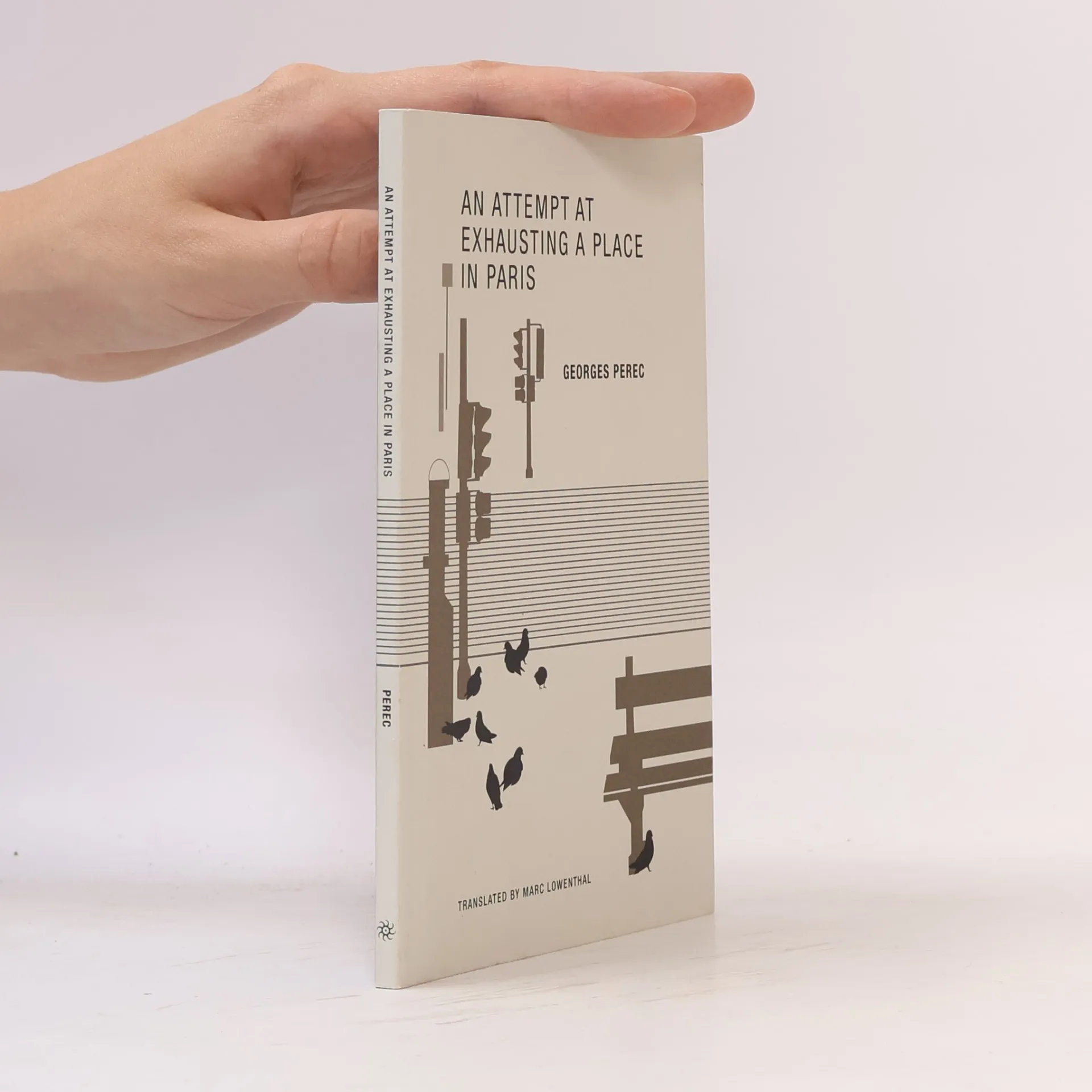
One overcast weekend in October 1974, Georges Perec set out in quest of the "infraordinary": the humdrum, the non-event, the everyday--"what happens," as he put it, "when nothing happens." His choice of locale was Place Saint-Sulpice, where, ensconced behind first one cafe window, then another, he spent three days recording everything to pass through his field of vision: the people walking by; the buses and driving-school cars caught in their routes; the pigeons moving suddenly en masse; a wedding (and then a funeral) at the church in the center of the square; the signs, symbols and slogans littering everything; and the darkness that finally absorbs it all. In An Attempt at Exhausting a Place in Paris , Perec compiled a melancholic, slightly eerie and oddly touching document in which existence boils down to rhythm, writing turns into time and the line between the empirical and the surreal grows surprisingly thin.
Through lyrical prose and reflective inventories, the narrative captures the experiences of sixteen million immigrants who arrived in America between 1890 and 1954. Drawing on his own tragic past, Perec explores themes of chance, exile, and identity, portraying Ellis Island as a symbol of displacement and longing for belonging. This work stands out as a poignant meditation on the immigrant experience, highlighting the struggles against intolerance and poverty that drive individuals from their homelands.
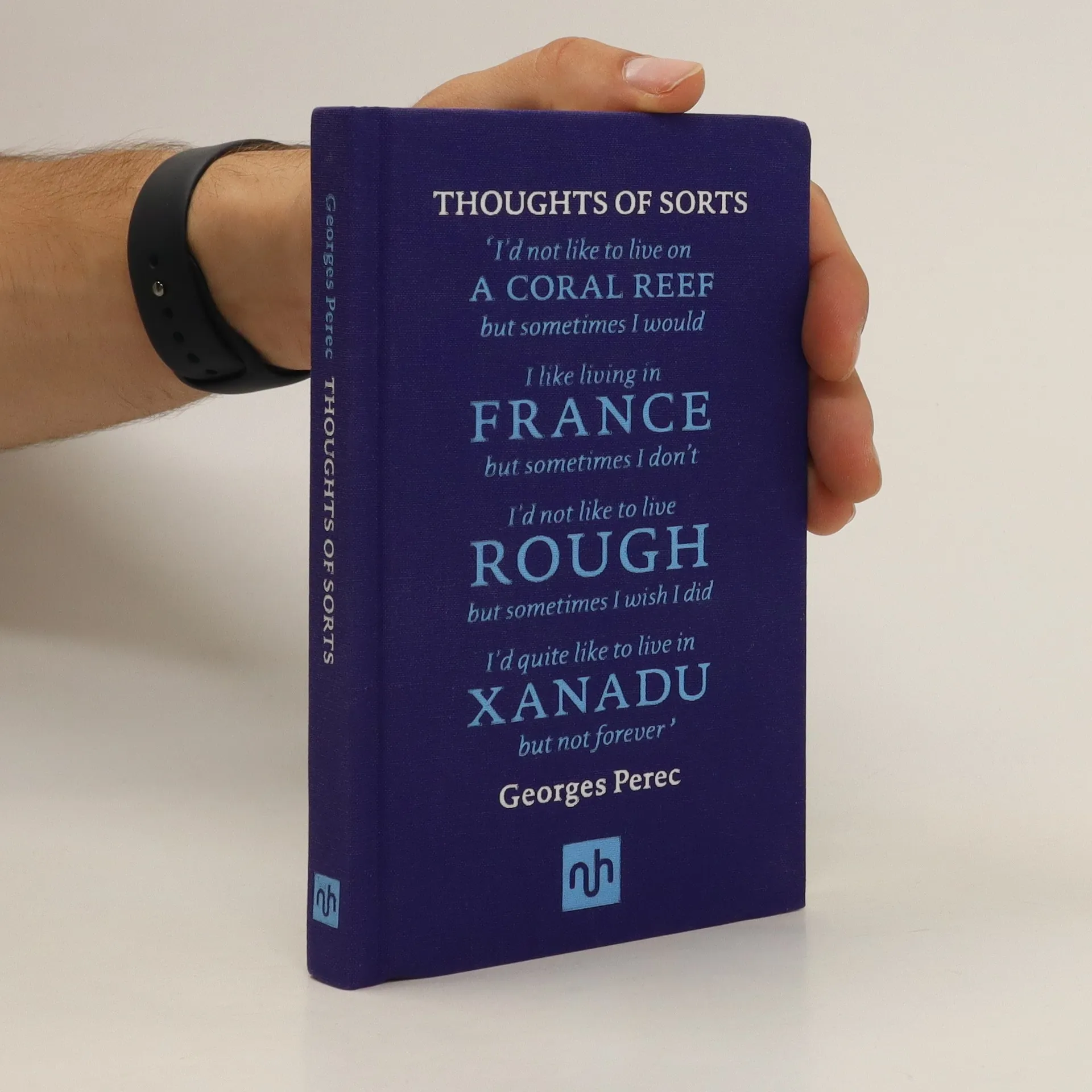
Perec was a leading exponent of French literary surrealism who found humour - and pathos - in the human need for classification. Thoughts of Sorts is itself unclassifiable, a unique collection of philosophical riffs on his obsession with lists, puzzles, catalogues, and taxonomies. Introduced by Margaret Drabble.
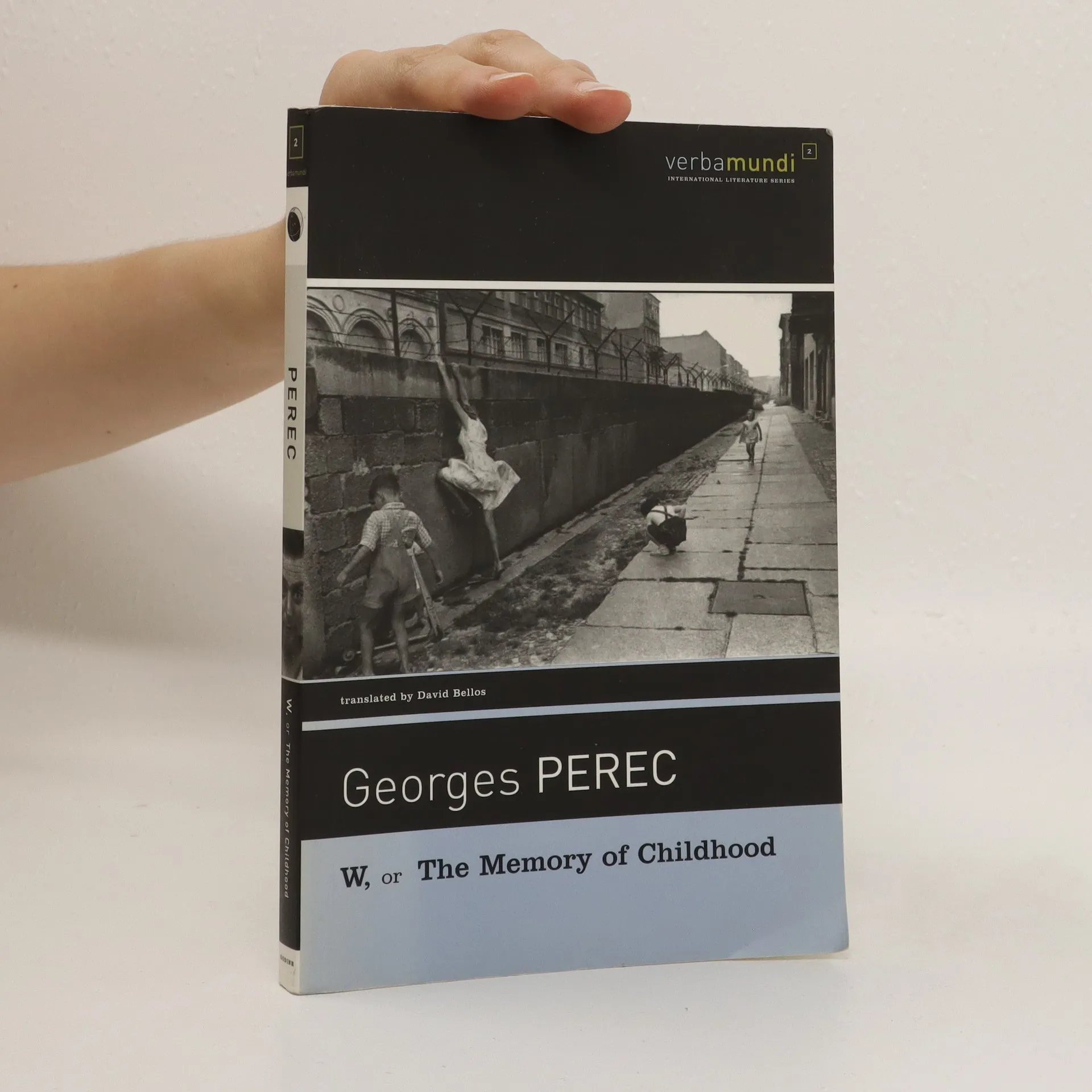
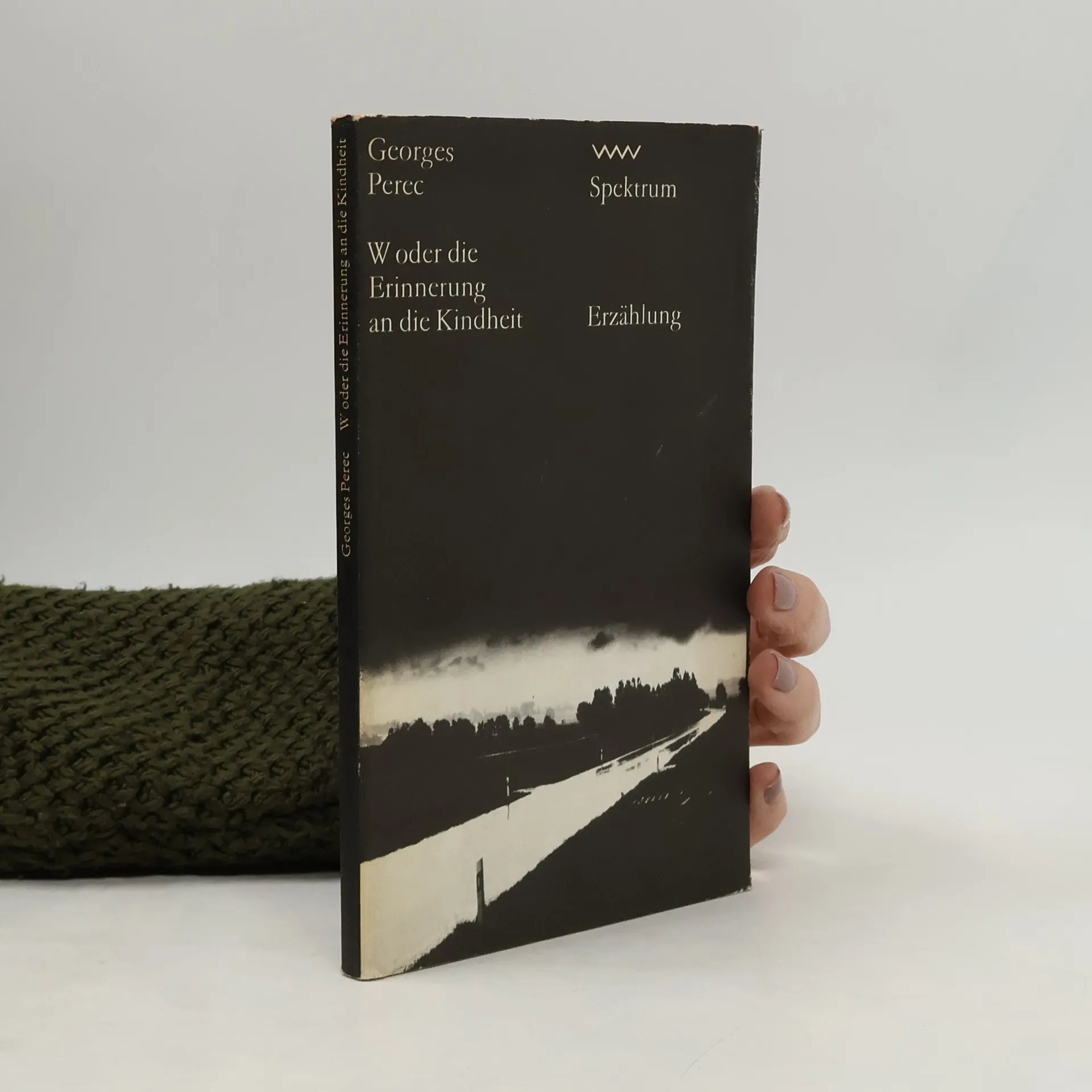
Combining inventive fiction and autobiography in a quite unprecedented way, Georges Perec leads the reader inexorably towards the horror that lies at the origin of the post-World War Two world, and at the crux of his own identity.
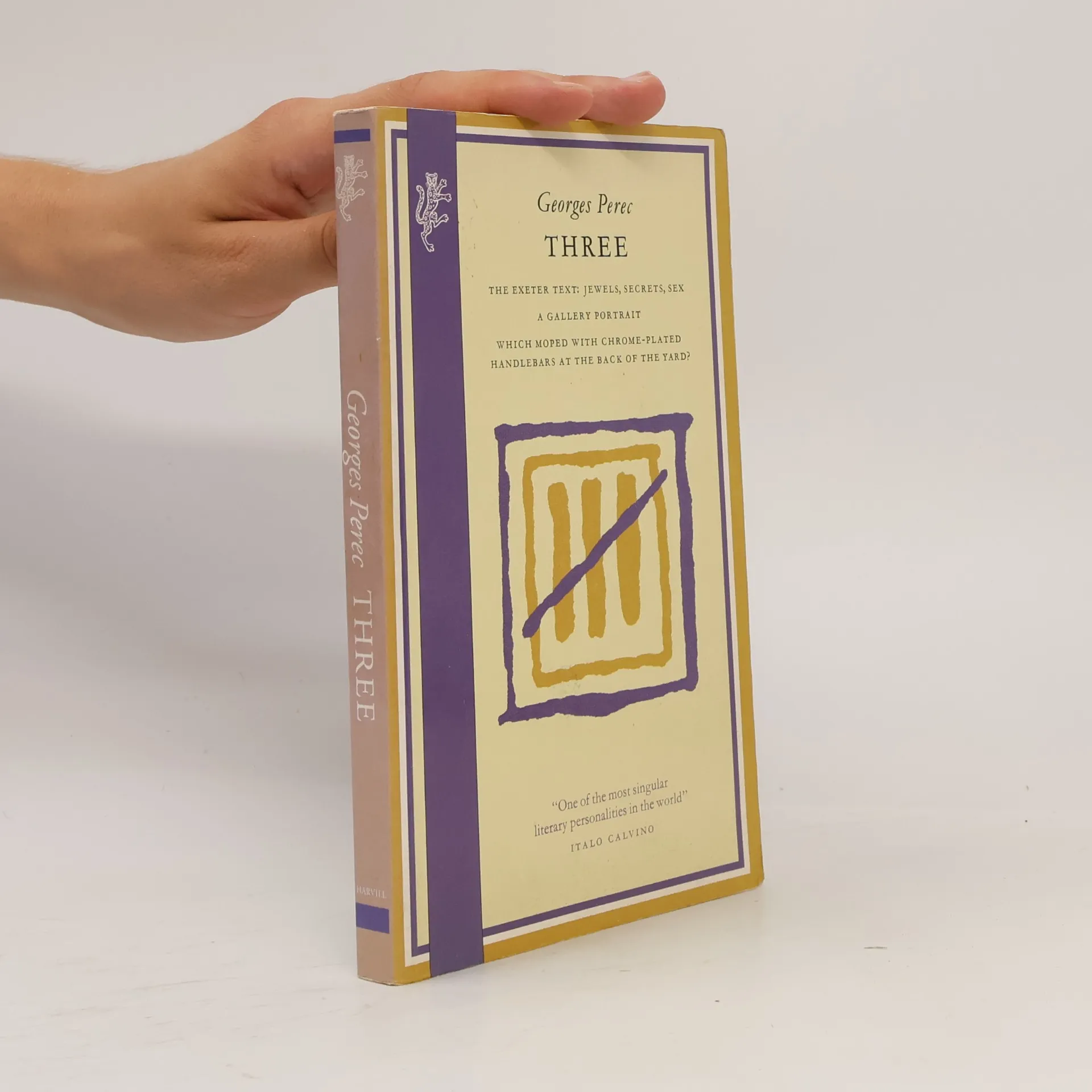
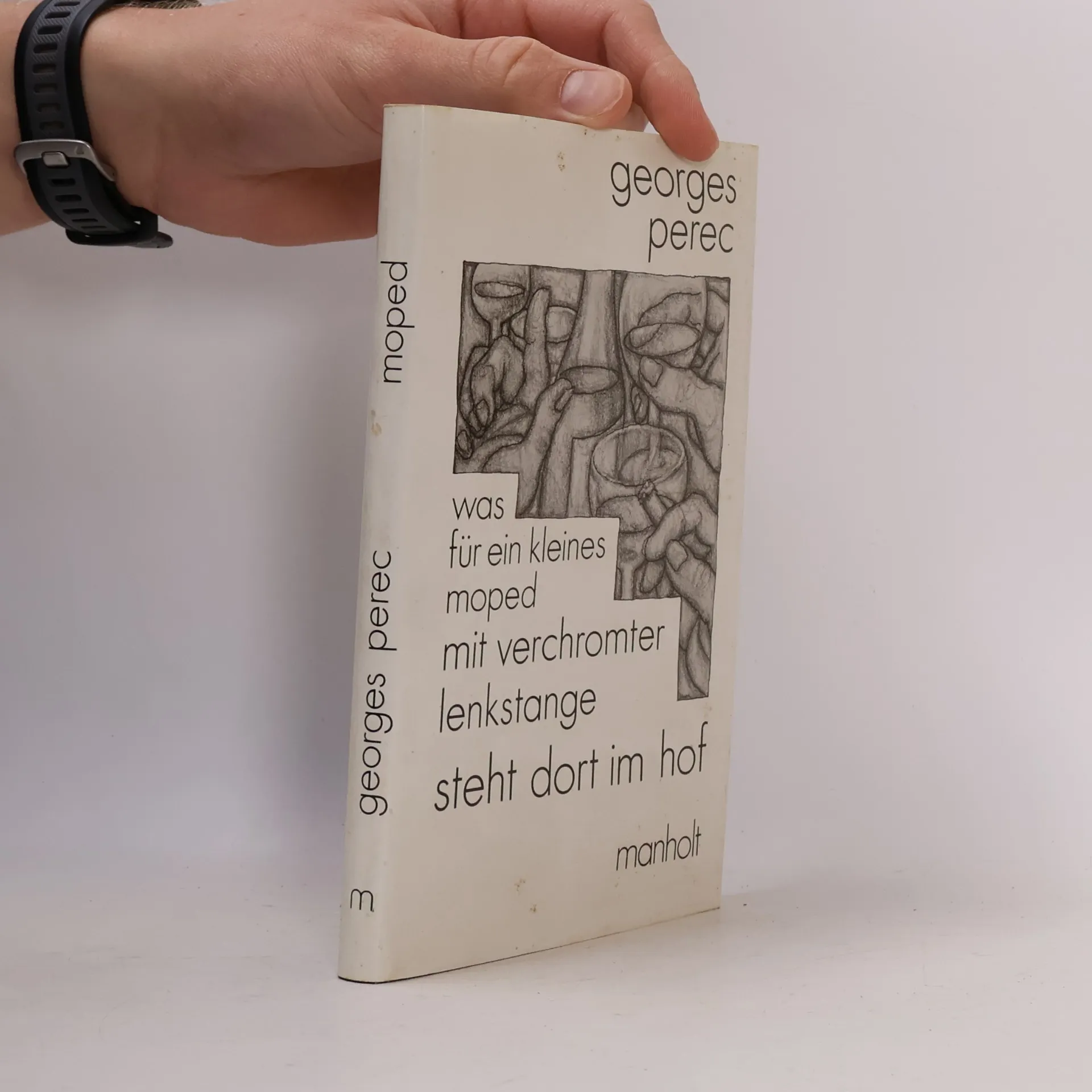
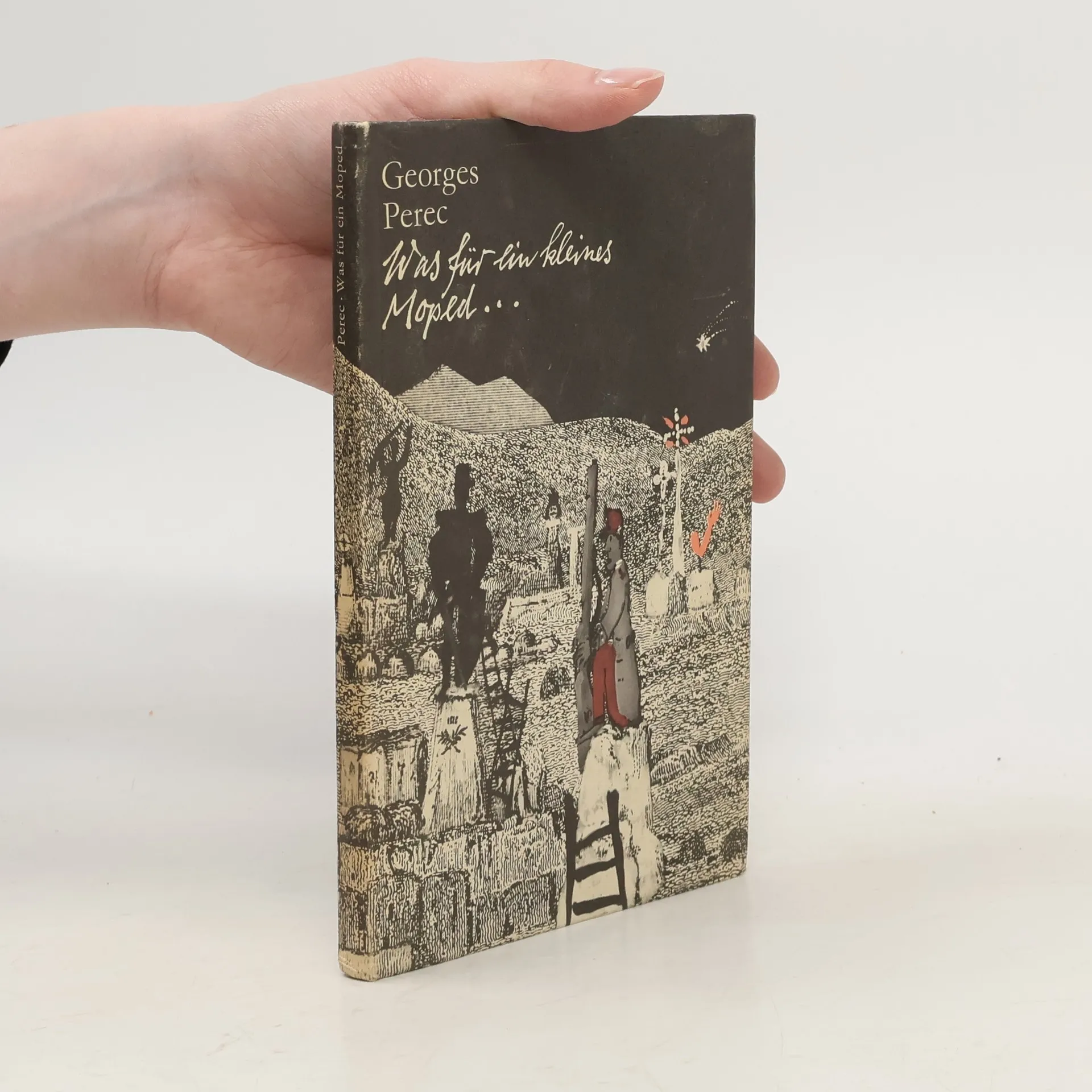
Perec has rightfully assumed his position in the pantheon of truly original writers of the past century. Godine has issued all but one of is his books in this country, including his masterpiece Life, A User's Manual. Here, in one volume, are three "easy pieces" by the master of the verbal firecracker and Gallic wit. The novella "The Exeter Text" contains all those e's that were omitted from A Void (Perec hated waste) and no other vowel (honest). In "Which Moped with Chrome-Plated Handlebars at the Back of the Yard?" we are introduced to Sergeant Henri Pollak and his vehicle (the aforementioned moped) that carried him between Vincennes and Montparnasse; in "A Gallery Portrait", the sensation of the 1913 exhibition in Pittsburgh depicts the artists' patron, beer baron Hermann Raffke, sitting in front of his huge art collection, which includes (of course) "A Gallery Portrait" of the baron sitting before "A Gallery Portrait," etc.
A slim volume featuring Georges Perec's writings on the simple task of arranging books and what it can reveal about lifeOne of the most singular and extravagant imaginations of the twentieth century, the novelist and essayist Georges Perec was a true original who delighted in wordplay, puzzles, taxonomies and seeing the extraordinary in the everyday. In these virtuoso writings about books and language, he discusses different ways of reading, a list of the things he really must do before he dies and the power of words to overcome the chaos of the world.Throughout history, some books have changed the world. They have transformed the way we see ourselves - and each other. They have inspired debate, dissent, war and revolution. They have enlightened, outraged, provoked and comforted. They have enriched lives--and upended them. Now Penguin brings you a new set of the acclaimed Great Ideas, a curated library of selections from the works of the great thinkers, pioneers, radicals and visionaries whose ideas shook civilization and helped make us who we are.
'Perec is serious fun' The Guardian Both an affectionate portrait of mid-century Paris and a daring memoir, Georges Perec's I Remember is now available in English to UK readers for the first time, with an introduction by David Bellos. In 480 numbered statements, all beginning identically with 'I remember', Perec records a stream of individual memories of a childhood in post-war France, while posing wider questions about memory and nostalgia. As playful and puzzling as the best of his novels, I Remember is an ode to life: the ordinary, the extraordinary, and the sometimes trivial, as seen through the eyes of the irreplaceable Georges Perec.
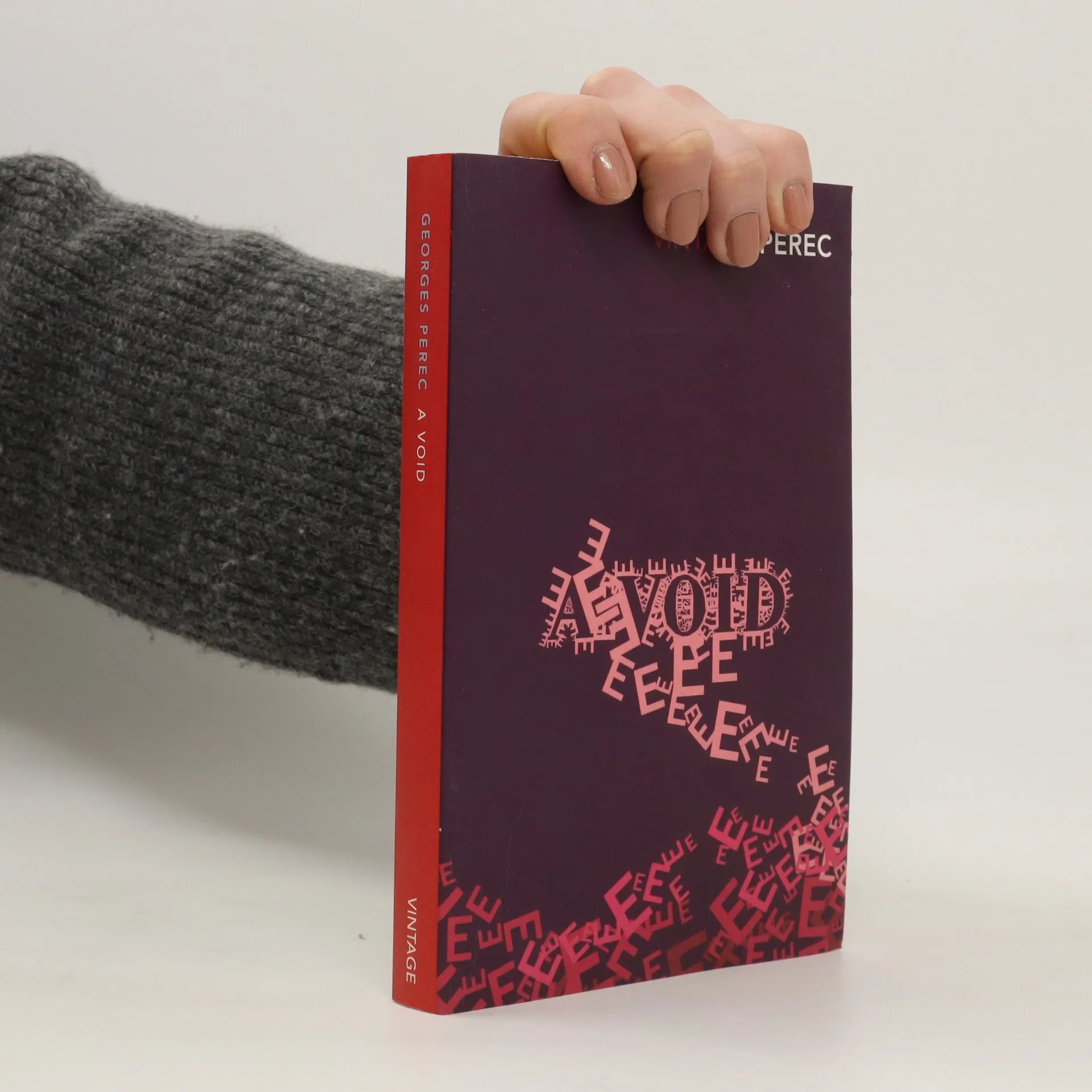
As much a masterpiece of translation as a novel, 'A Void' contains not one single letter e anywhere in the main body of the text. This clever and unusual novel is full of plots and sub-plots, of trails in pursuit of trails and linguistic conjuring tricks.
Als men Johann M. Kamps, den damaligen Hörspieldramaturgen beim Saarländischen Rundfunk, nach seinen Erinnerungen an die Arbeit im Studio fragt, antwortet er: „Man kann sich das heute kaum noch vorstellen: 1966, als Georges Perec uns die Idee für sein erstes Hörspiel vorlegte, hatten wir keine praktische Erfahrung im Umgang mit Computern, ja, Computer, wie wir sie mittlerweile bei der Arbeit oder auch zu Hause gewohnt sind, gab es damals einfach noch nicht.“ In Die Maschine geht es daher um eine Simulation der Funktionsweise eines Computers.
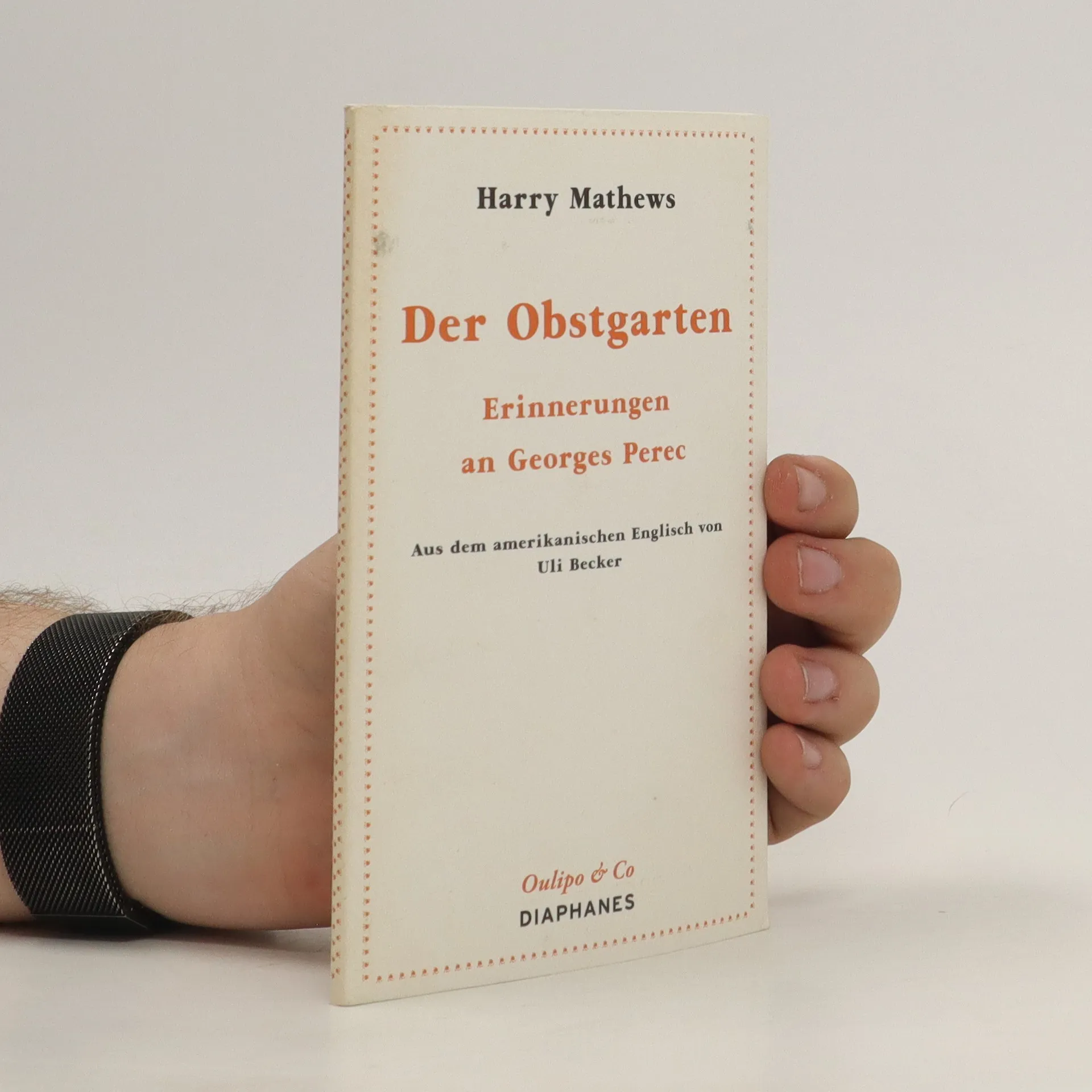
Den Stil von dessen Buch »Je me souviens« wählend erinnert sich Harry Mathews an seinen verstorbenen Freund Georges Perec und zeichnet ein zärtliches Bild gemeinsam erlebter Tage und Stunden. Die von großer Intimität getragene Trauerarbeit macht den Text zu einem literarischen Juwel, das nahe Einblicke in die Person des großen Autors und Freundes gewährt.
De toute part on accourt pour voir l'exposition de tableaux du riche collectionneur Hermann Raffke. La pièce maîtresse de la collection, 'Un cabinet d'amateur', est l'objet d'une intense fascination. Miroir tendu, reflet de la réalité, jusqu'au vertige l'œuvre intrigue et demeure énigmatique. Fauché par une mort brutale, Hermann Raffke emporte la toile dans sa tombe et avec elle son mystère.
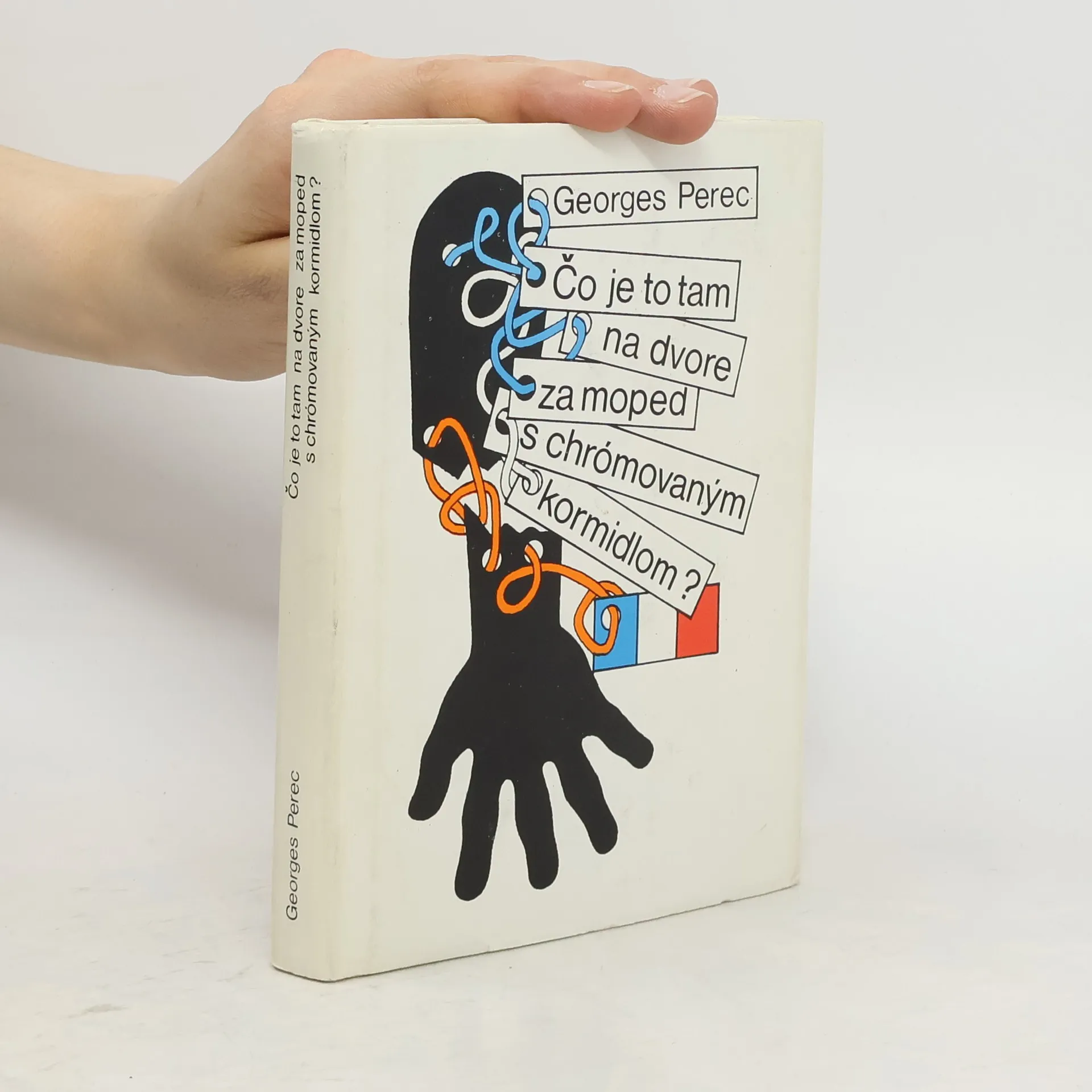
Tri novely Georgesa Pereca: Čo je to tam na dvore za moped s chrómovaným kormidlom? (1966) — Prieskum priestoru (1974) — Kabinet milovníka umenia (1979).
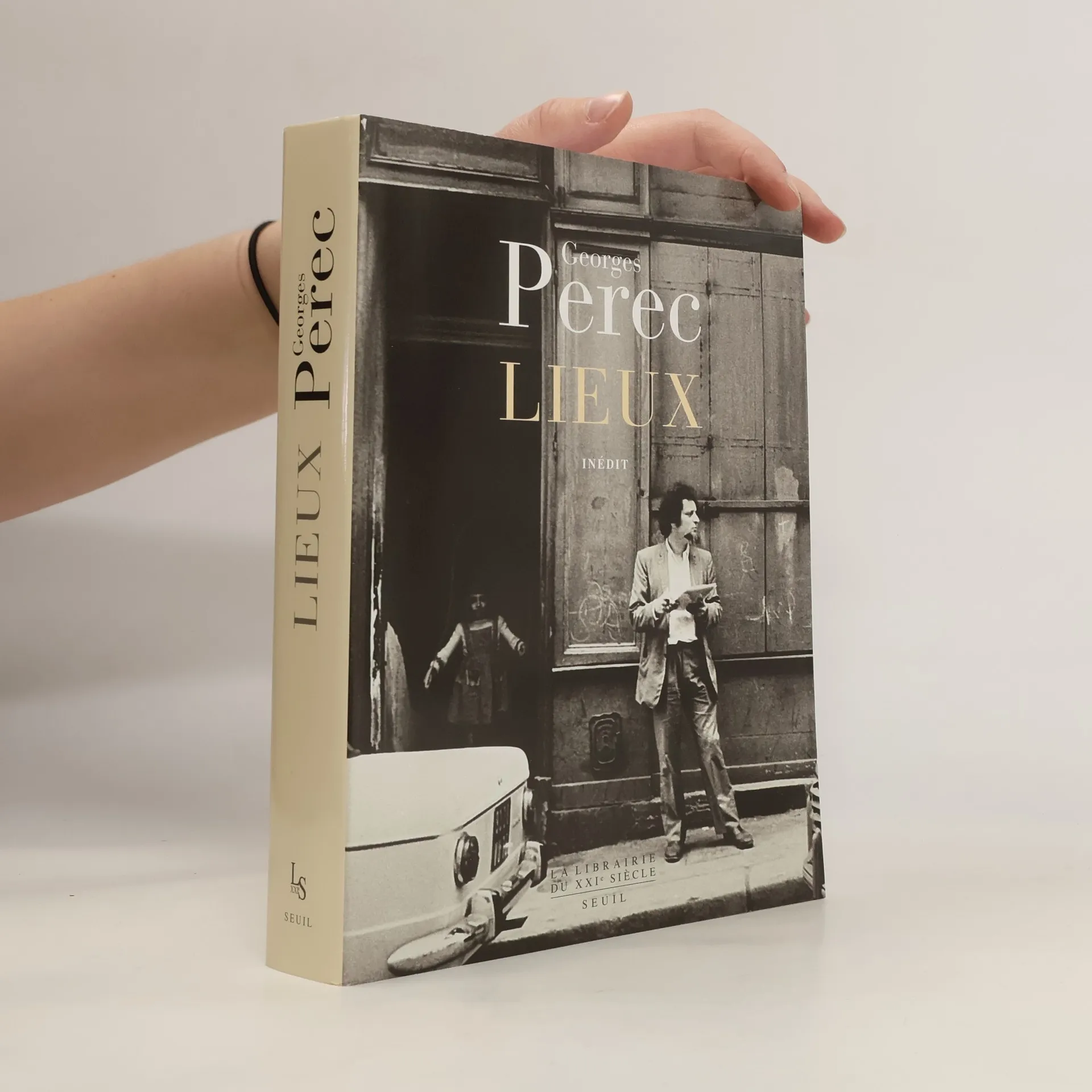
Ce livre explore une idée à la fois monstrueuse et exaltante. L'auteur a sélectionné à Paris douze lieux significatifs, chacun lié à des souvenirs ou événements marquants de sa vie. Chaque mois, il décrit deux de ces lieux : d'abord sur place, de manière neutre, en notant les magasins, l'architecture, et des micro-événements (comme une voiture de pompiers ou une dame attachant son chien), puis ailleurs, en évoquant les souvenirs et les personnes qui y sont associées. Chaque texte est ensuite enfermé dans une enveloppe scellée à la cire. Après un an, il aura décrit tous ses lieux deux fois, une fois en mémoire, une fois en observation réelle, et il poursuivra ce processus pendant douze ans, de janvier 1969 à décembre 1980. À la fin, il ouvrira les 288 enveloppes. Le résultat final, bien qu'incertain, devrait révéler le vieillissement des lieux, de son écriture et de ses souvenirs. Le temps, qui structure ce projet, devient essentiel, transformant l'écriture d'un temps mort en une mesure du temps qui s'écoule. Ce livre n'est pas simplement une restitution du passé, mais une réflexion profonde sur le temps et l'écriture.
In der Diktatur Grianta verschwindet der französische Kriminalschriftsteller Robert Serval. Der Konsul beauftragt Veyrand mit den Ermittlungen. Er hofft, im Manuskript von Servals letztem Roman Hinweise zum Verbrechen zu finden, entdeckt jedoch ein weiteres Todesopfer.
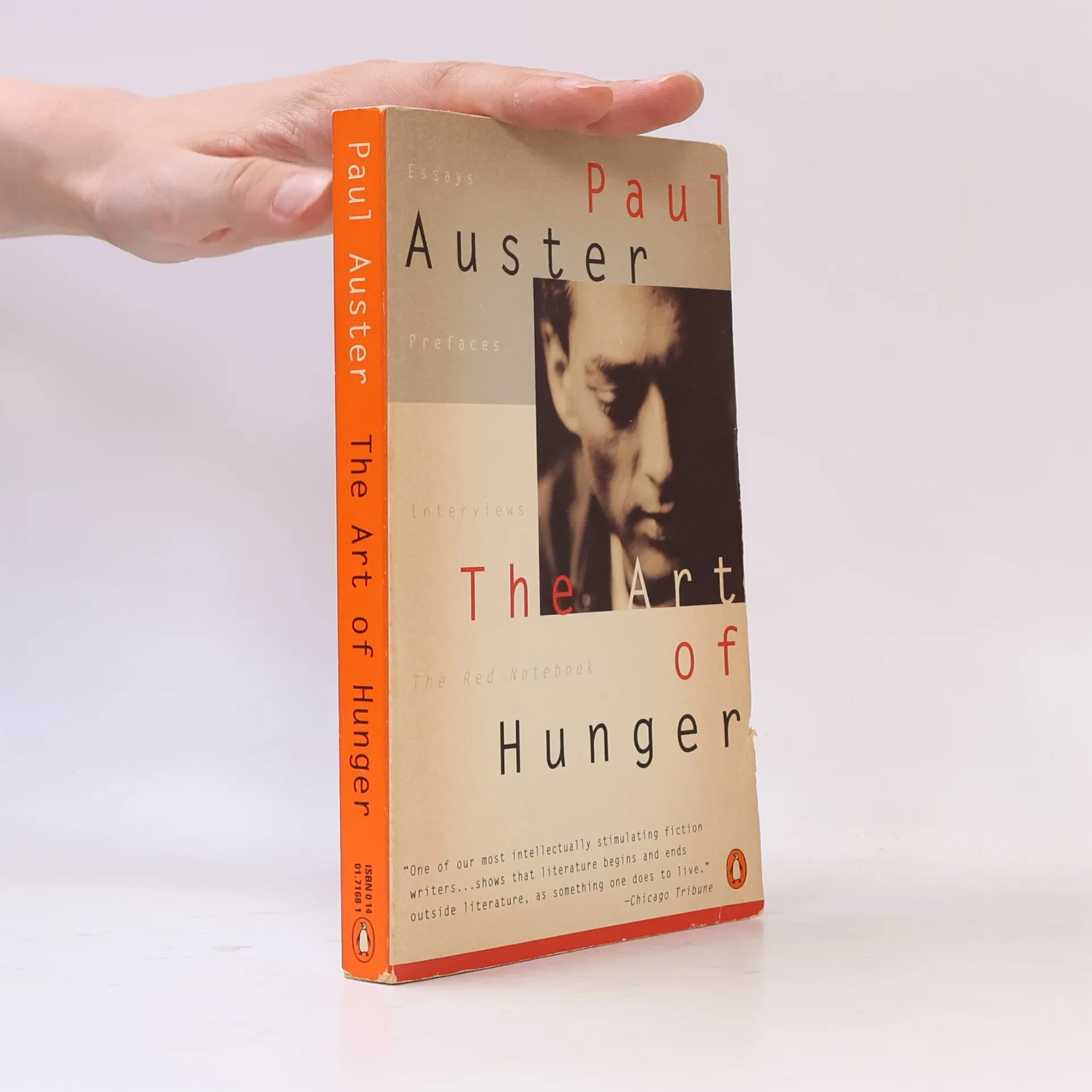
Now including The Red Notebook--a collection of autobiographical sketches on coincidence--The Art Of Hunger undermines our accepted notions about literature. Auster's meditations on writing and artists leads us to a better understanding of the toll of writing.
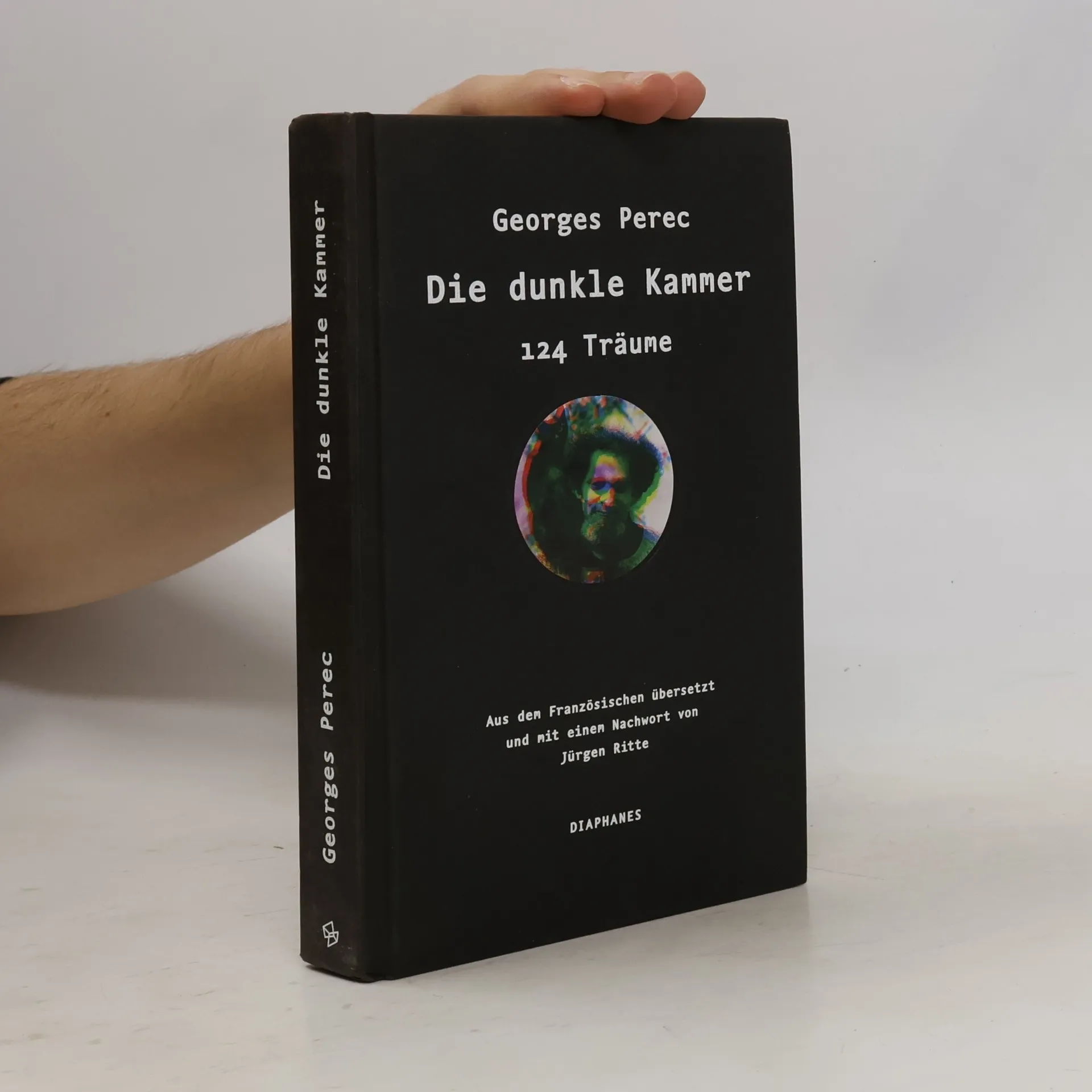
Georges Perecs erstaunlicherweise bislang nicht ins Deutsche übersetztes »Traumbuch«, das die höchst produktiven Jahre zwischen 1968 und 1972 umfasst, offenbart einen sehr direkten und zugleich neuen Zugang zu Literatur und Leben des französischen Kultautors. Mal lapidar und scheinbar unbedeutend, mal monströs und unergründlich, teils komisch und sonderbar faszinieren die Notate durch eine Vielfalt und Intensität kleiner Formen und unterstreichen einmal mehr die intime Komplizität von Literatur und Unbewusstem. Dabei entpuppen sich die aus nächtlicher Werkstatt zu Tage geförderten Fragmente in ihrer rätselhaften Konkretion, ihrem Witz und tragischem Spiel als reicher Vorrat kreativer Möglichkeitsformen: Drehbuchentwürfe, Skizzen für Erzählungen, veritable Romananfänge. Ergänzt durch ein Glossar des Autors sowie mit einem Nachwort von Jürgen Ritte ist das Buch nicht nur ein Vademecum für biografische Fährtenleser und Perec-Fans, sondern auch ein literarisches Kaleidoskop zwischen Traum und Wirklichkeit.
Das Moped gehört dem Unteroffizier Pollak Henri, der damit allabendlich von der Kaserne in den heimatlichen Montparnasse knattert, um sich durch Entledigung der Uniform in einen offenkundigen Zivilisten zu verwandeln und zu seinen Spezis zu stoßen, die bei reichlich Rotwein über Hegellius und Lukasch diskutieren. Da wird eines Tages sein Freund Kara- wie heißt er noch? Karasek? Karamalz? Karabambuli? in den Krieg nach Algerien einberufen - und will nicht. Was tun? Man tüftelt ein Drückebergerprogramm aus, das von der komplizierten Armfraktur über das Verrücktstellen bis zum vorgetäuschten Selbstmord reicht. Aber Karasowieso geht seine eigenen Wege. Ein fröhlicher Anarcho-Text, in dem unter Aufbietung von Perecs gesamtem Arsenal an rhetorischen (Quatsch-)Figuren dem Pazifismus gehuldigt wird. Die kongeniale, einzigartig komische Übersetzung von Eugen Helmlé macht die Lektüre zu einem besonderen Vergnügen.
Ein witziger und aktuell gebliebener Roman über den Konsum als Ersatzreligion
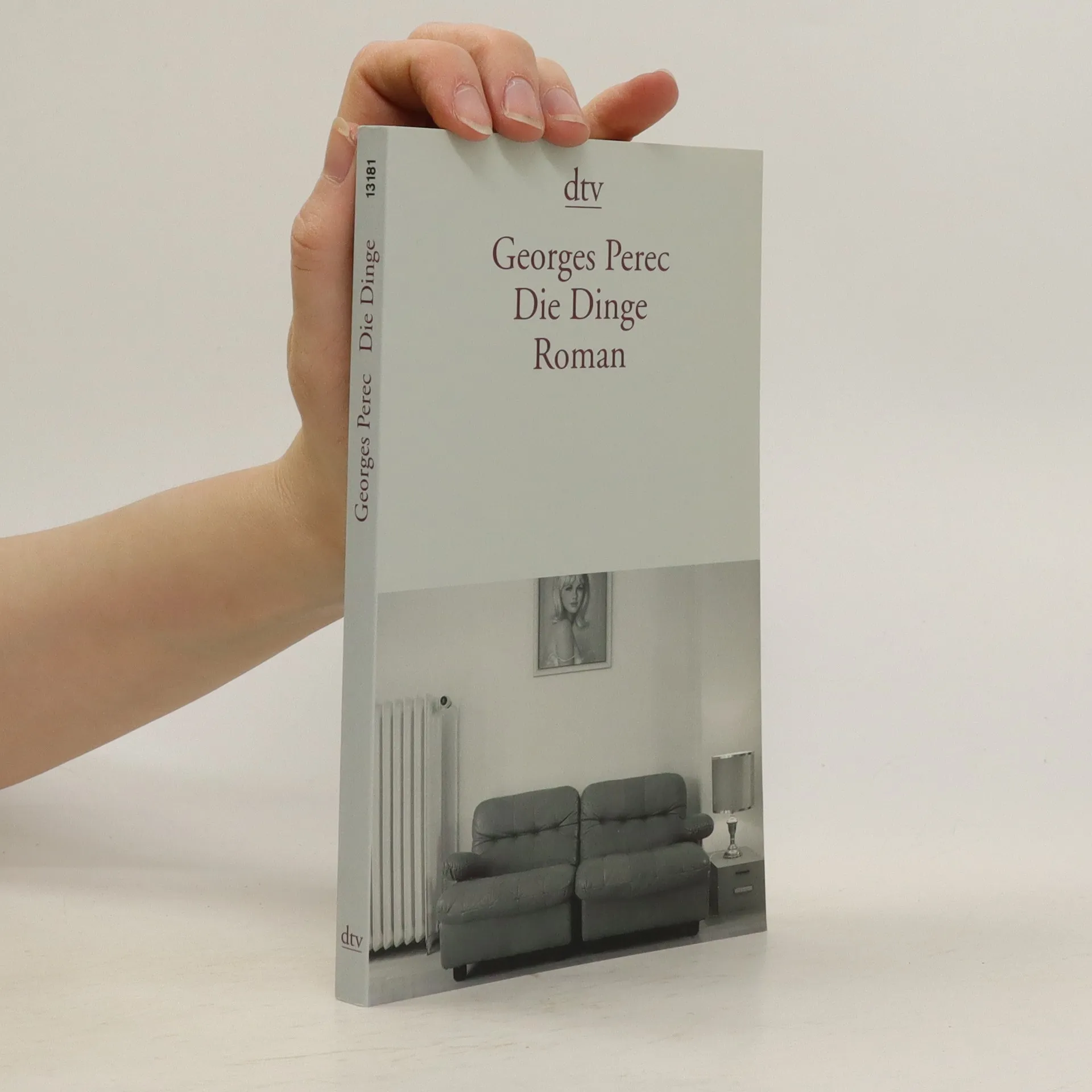
Das Ziel aller Wünsche, das Ende allen Begehrens präsentiert sich den Studenten Sylvie und Jérôme in folgender Gestalt: Eine Wohnung mit schwarzem Ledersofa, mit Bücherschränken aus heller Kirsche. Mit Nippes in einem Möbelstück aus rotem Lack, einem Tischchen mit Telefon, Abreißblock und – und, und.
Denn Sylvie und Jérôme sind Kinder ihrer Zeit, der sechziger Jahre. Ihre Welt ist eine Konsum- und Warenwelt, und entsprechend haben sie eine Passion, eine einzige: besser zu leben. Beide brechen sie ihr Studium ab, um mit Marktanalysen für Werbeagenturen das schnelle Geld zu gewinnen. Doch dieses Geld lässt auf sich warten. Enttäuscht von Stagnation und dem immer währenden Aufschub ihres Glücks gehen sie schließlich nach Tunesien. Dort erwartet sie eine staubige »leere« Welt, die ihren Konsumphantasien keine Anhaltspunkte bietet. Doch das Begehren bleibt lebendig.
»L'infra-ordinaire«, das unterhalb der Wahrnehmungsschwelle des Gewöhnlichen liegende: so lautet der Originaltitel dieser Sammlung an posthum veröffentlichten Texten Perecs. Nicht die Großereignisse, nicht die unerhörten Begebenheiten sind es, die das Leben ausmachen, sondern: ein toter Vogel. Beton, Ziegelstein, Glas. Eine Hausnummer. Wo jemand, den man flüchtig kannte, einmal gewohnt hat. Hintergrundgeräusche. Und aus den banalen Beobachtungen, belanglosen Niederschriften, pedantischen Bestandsaufnahmen kleinster Veränderungen sprießen und platzen wie stets bei Perec überraschende, schlagend allgemeine, tragikomische, poetische Wahrheiten hervor.
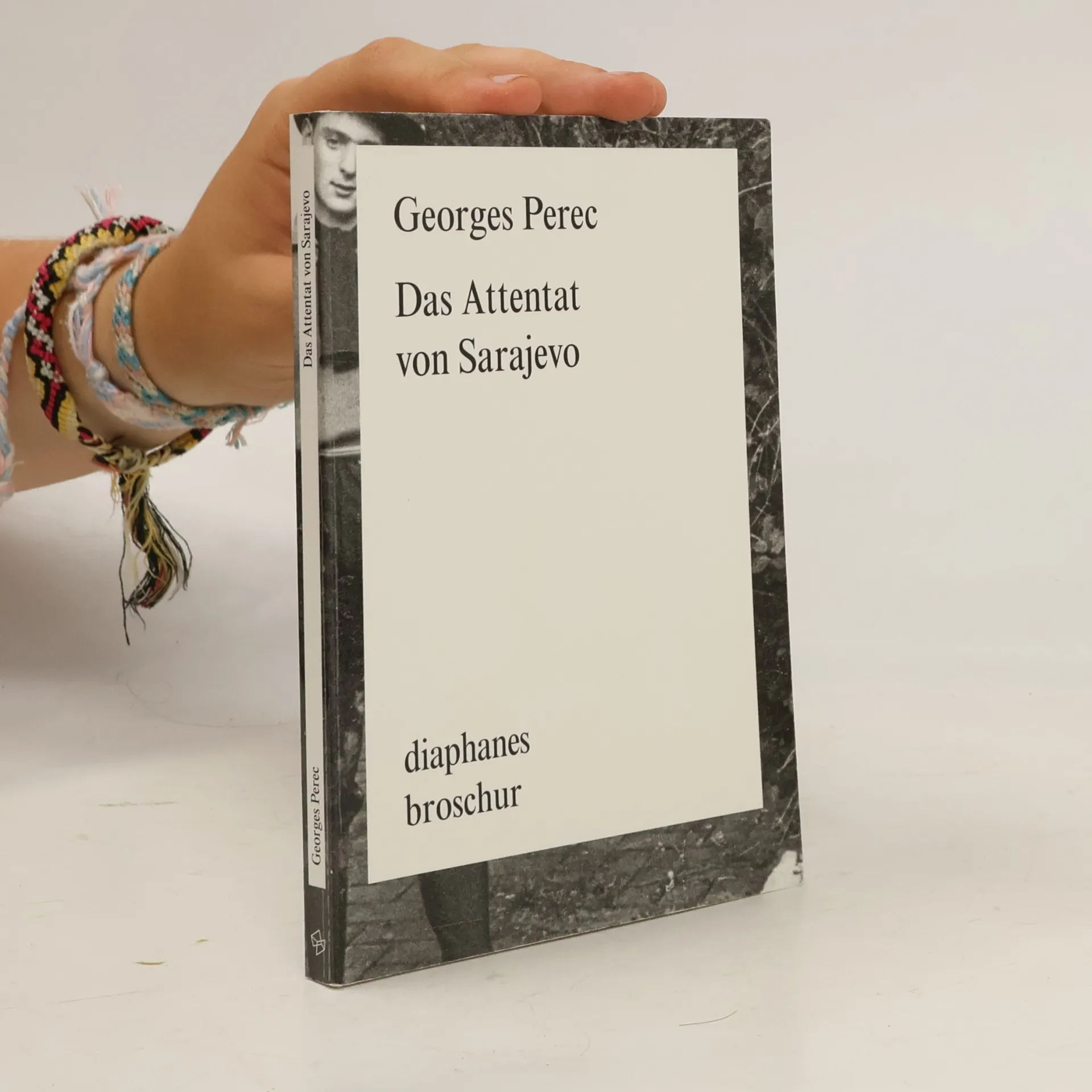
1957: Georges Perec ist einundzwanzig. Er ist eingeschrieben im Fach Geschichte, doch in die Vorlesungen geht er nicht mehr. Er will schreiben, doch er kommt kaum dazu. Im Sommer 1955 hat er sich an einem ersten Buch versucht, dessen Text bis heute verschollen ist, im Sommer 1956 eine Psychoanalyse begonnen. Im Sommer 1957 fährt er nach Jugoslawien, wo er in wenigen Wochen seinen zweiten größeren Text schreibt. Zurück in Paris, redigiert er in aller Eile das Manuskript, diktiert es einer Schulfreundin, schickt es an Verlage, die es aber allesamt ablehnen, sodass er es einem Belgrader Malerfreund überlässt. In dem schließlich wiedergefundenen und hier erstmals auf Deutsch publizierten Text begegnen wir einer Literatur zwischen jugendlichem Drang, ausgeprägtem Erzähltalent und reifendem Stilwillen: Ein amouröses Dreieck und weltgeschichtliche Katastrophe konvergieren in einer Erzählung, hinter der sich bereits die zentralen Motive von Perecs späterem Werk abzeichnen.
Spielanordnungen und Regelzwänge sind die herausragenden Merkmale der Literatengruppe Oulipo, die auch von seinem bekanntesten Mitglied, Georges Perec, in vielfältigster Weise angewandt wurden. Noch bevor er das Springerproblem bei seinem epochalen Werk Das Leben Gebrauchsanweisung in Einsatz brachte, fröhnte Perec gemeinsam mit seinen Kollegen dem chinesischen Brettspiel Go, gemeinhin deutlich komplexer eingeschätzt als Schach. Das hier vorgelegte Büchlein ist ein pointiertes Plädoyer für die unbedingten Vorzüge dieses Umzingelungsspiels und eine heitere Einführung in dessen Kunst.
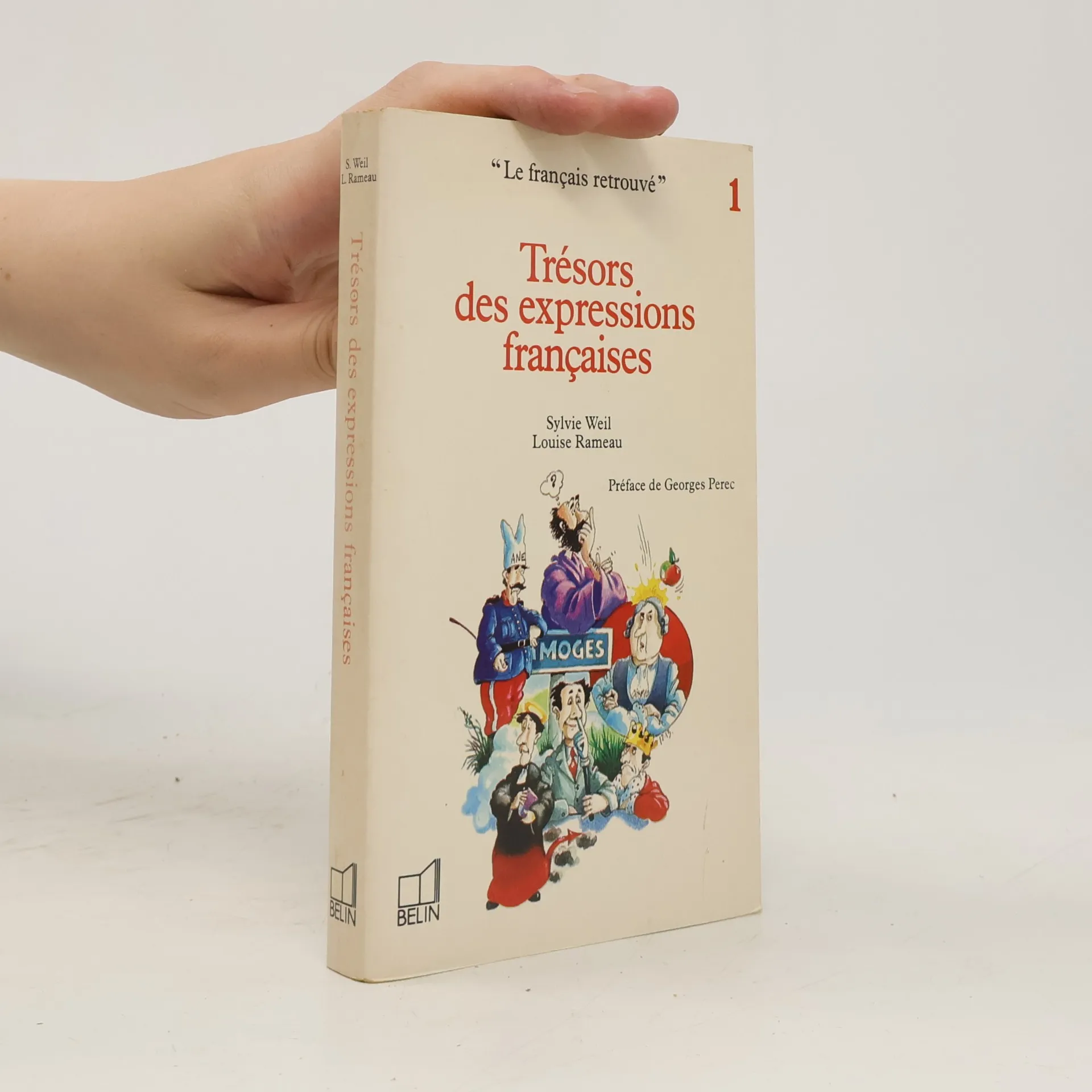
"Après moi le Déluge" , "aller à Canossa" , "la flèche du Parthe" le français regorge d'expressions issues d'une culture dans laquelle baignaient nos ancêtres. Nous en usons encore, sans trop savoir leur sens, bien souvent. Elles sont ici rassemblées, dans une moisson savante et drôle. Nos ancêtres possédaient une culture classique plutôt faramineuse ; il n'est que de lire ce livre pour, au fil des pages, se rendre compte que nos aïeux baignaient dans une familiarité quotidienne avec la Bible, l'Iliade et l'Odyssée, l'histoire grecque et romaine, les grands textes de l'antiquité, la mythologie... , Georges Perec, extraits de la préface. I1 était normal que la collection Le français retrouvé en quête des richesses qui sont les atouts de notre langue, présente ces Trésors des expressions françaises. Illustré avec humour par Blachon, agréable à feuilleter, ce livre est aussi un ouvrage de référence, grâce à son index alphabétique.
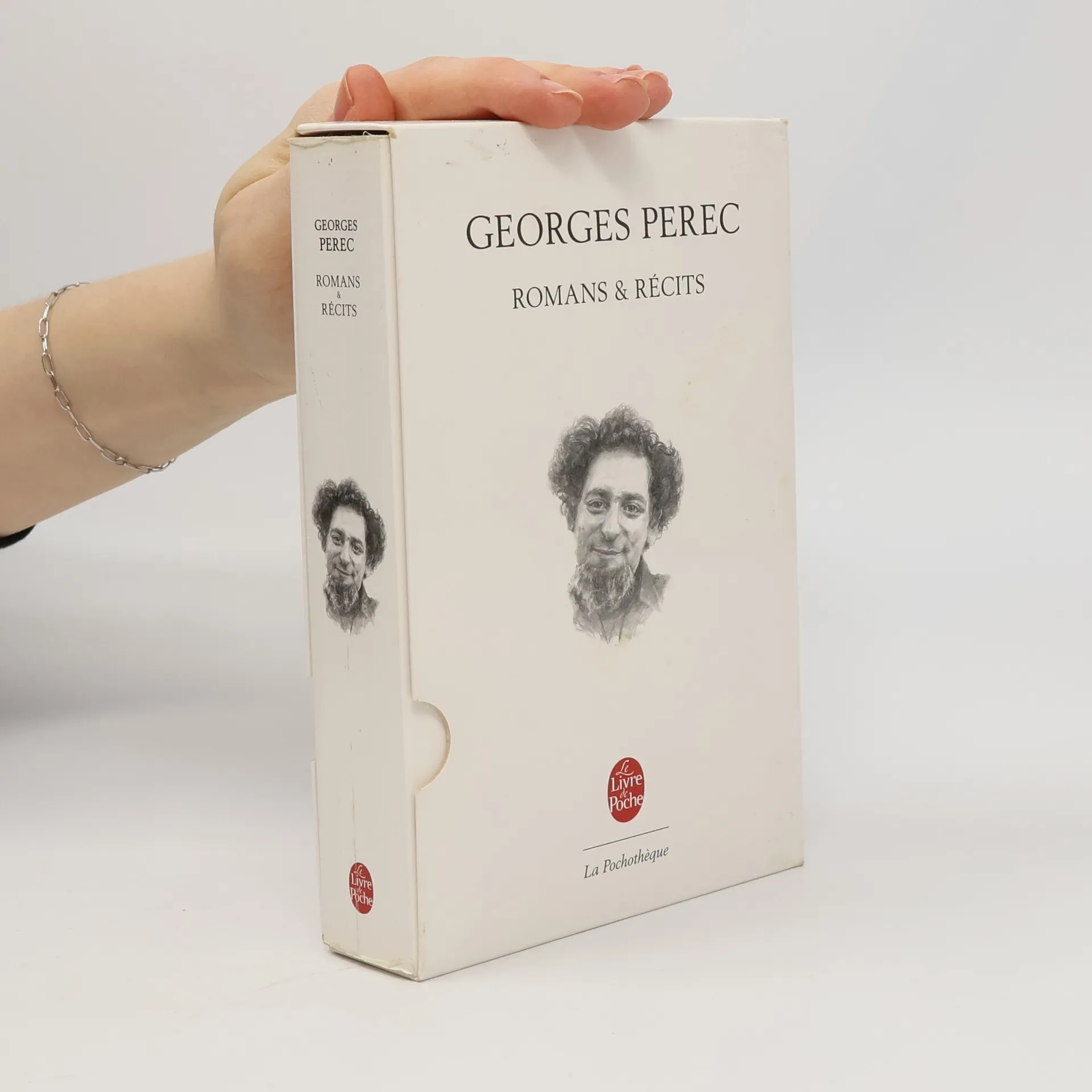
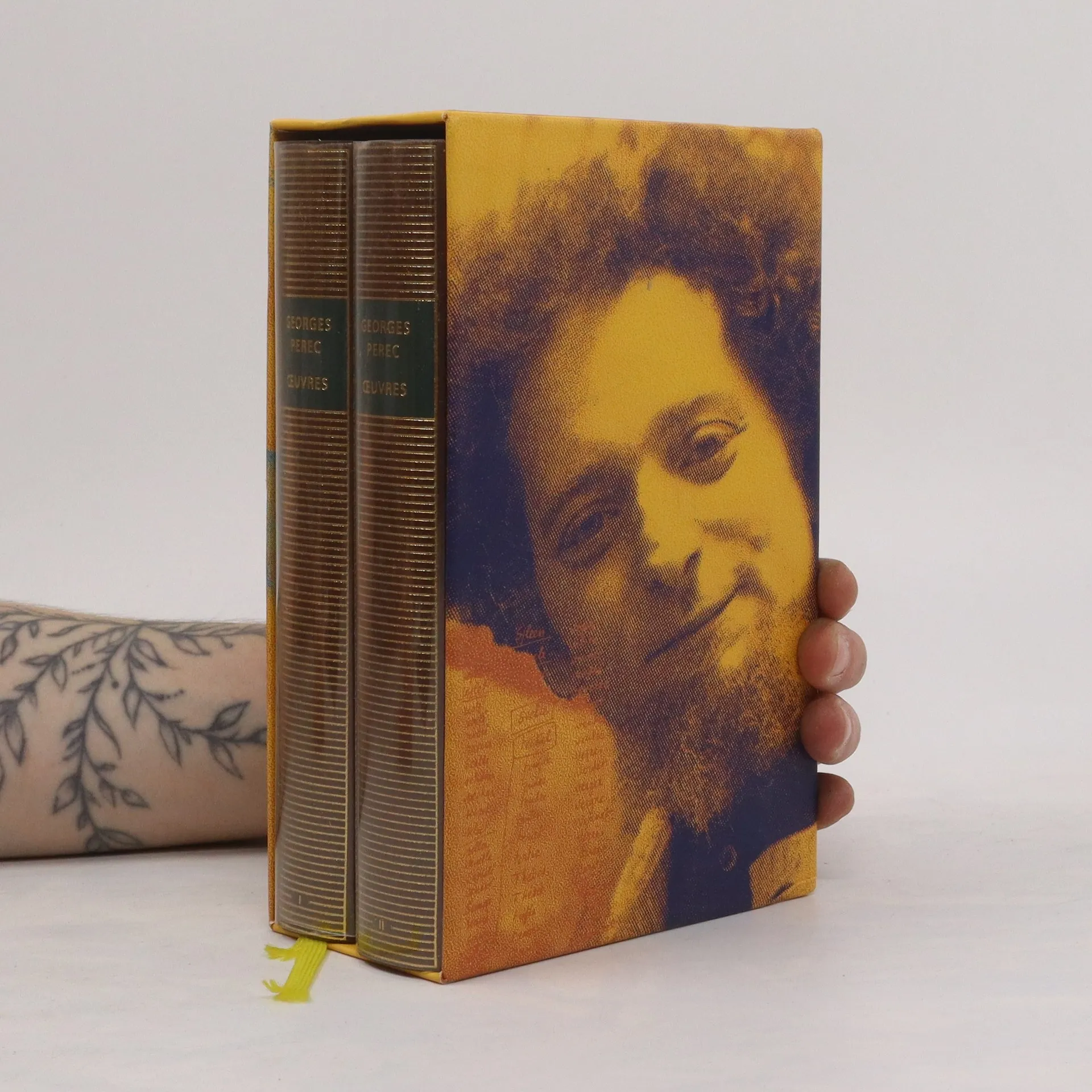
Les deux volumes de cette édition rassemblent les œuvres majeures de Georges Perec, un écrivain français reconnu pour son approche innovante et ludique du langage et de la narration. À travers ses textes, Perec explore des thèmes variés tels que la mémoire, l'identité, et la vie quotidienne, souvent en utilisant des structures formelles rigoureuses et des contraintes littéraires.
Parmi ses œuvres emblématiques, on trouve "La Vie mode d'emploi", qui dépeint la vie d'un immeuble parisien à travers les histoires entrelacées de ses habitants, illustrant la complexité des relations humaines et des récits individuels. "Les Choses" examine la consommation et le matérialisme à travers les yeux d'un couple, tandis que "W ou le souvenir d'enfance" mêle autobiographie et fiction en explorant les souvenirs d'enfance de l'auteur et une utopie dystopique.
Perec utilise souvent des jeux de mots, des listes et des descriptions minutieuses pour engager le lecteur dans une réflexion sur le quotidien et l'art de raconter. Cette collection offre une vue d'ensemble de son œuvre, mettant en lumière son style unique et son impact sur la littérature contemporaine.