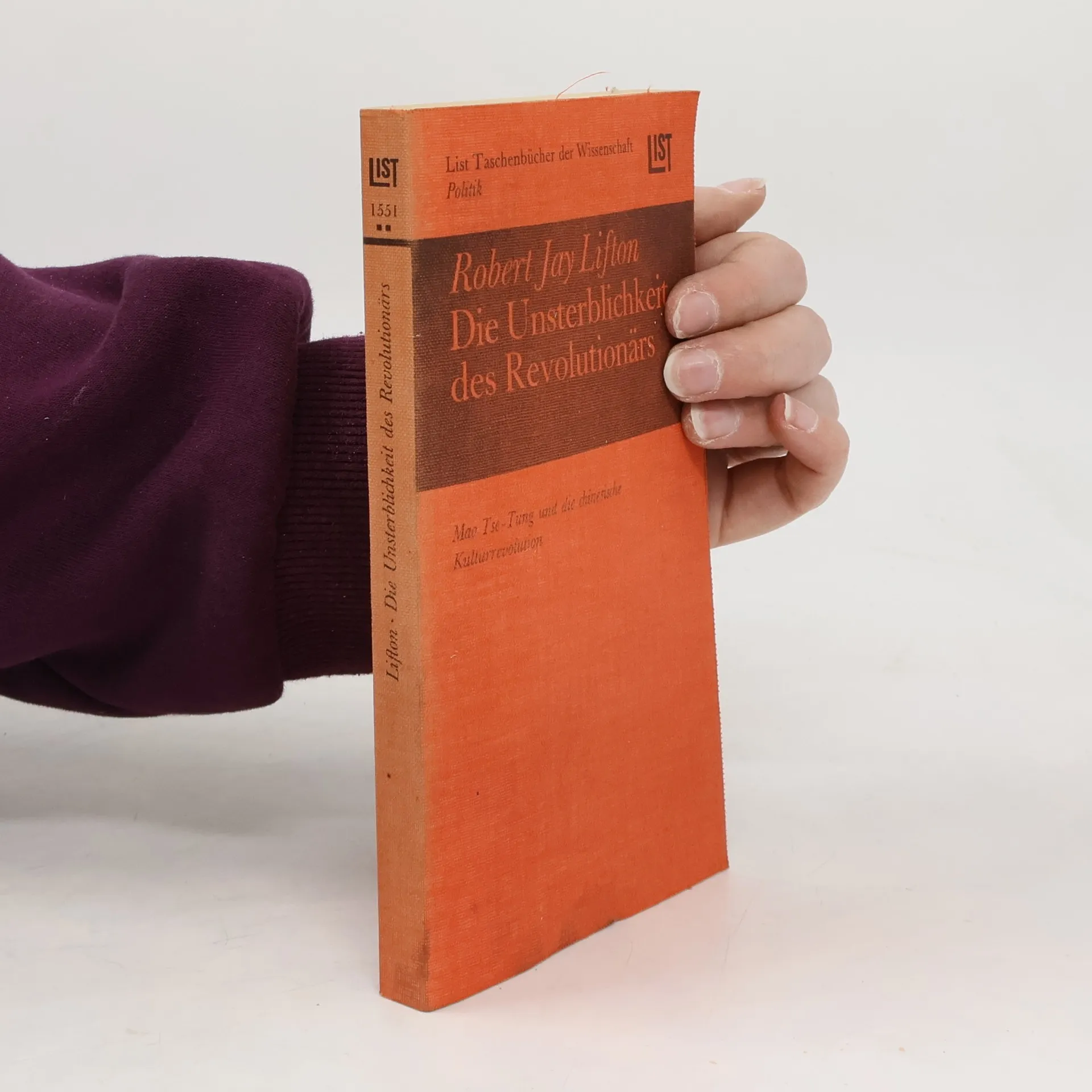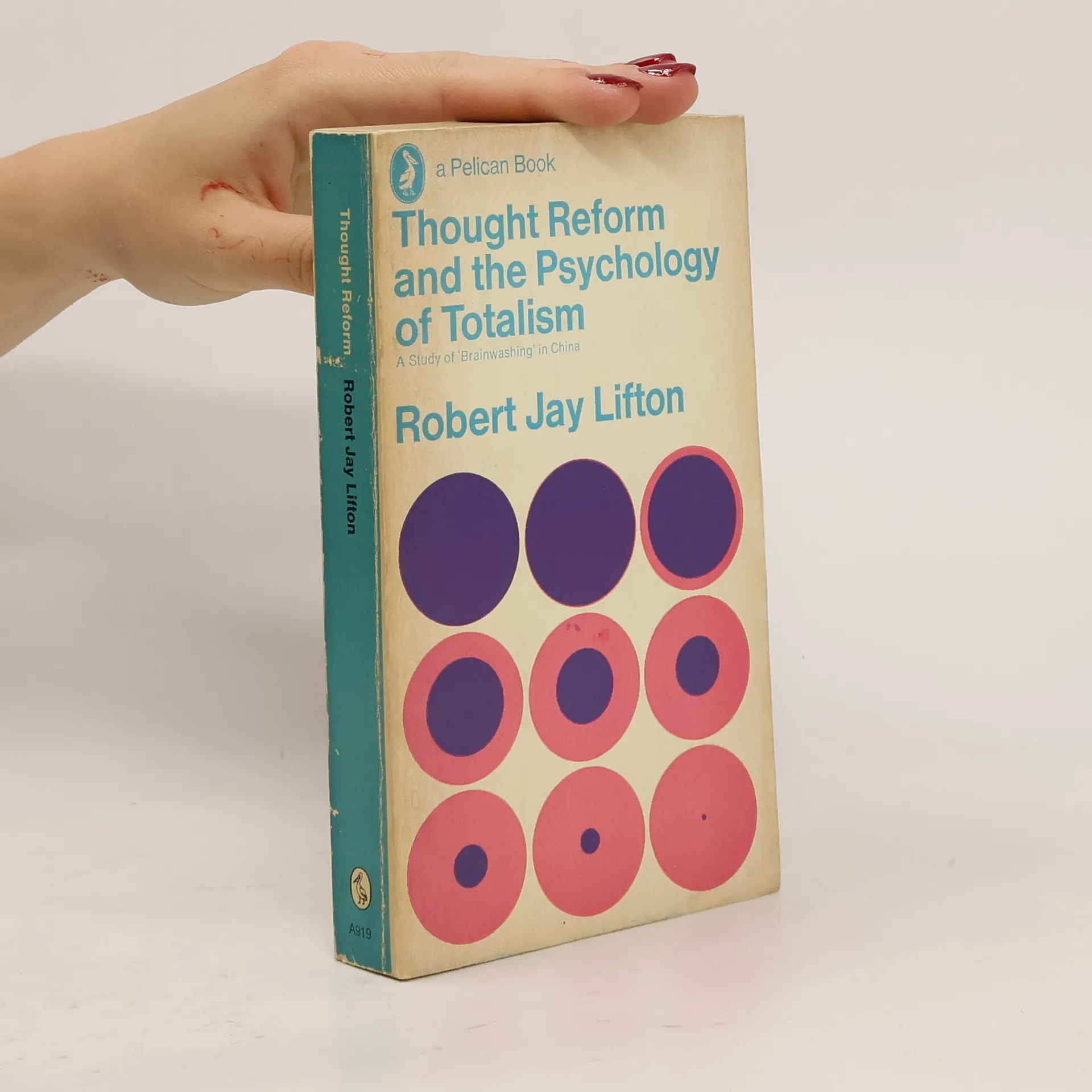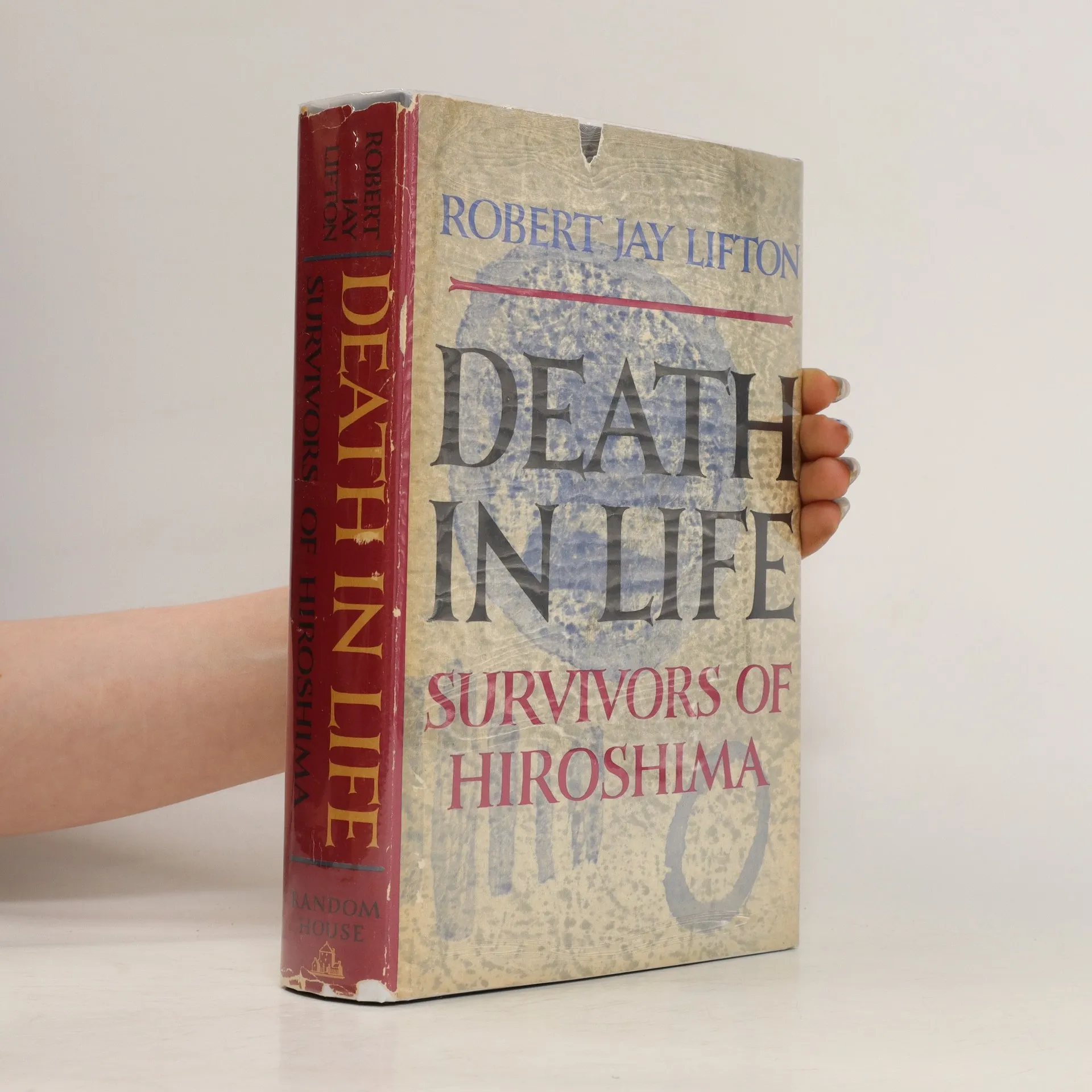
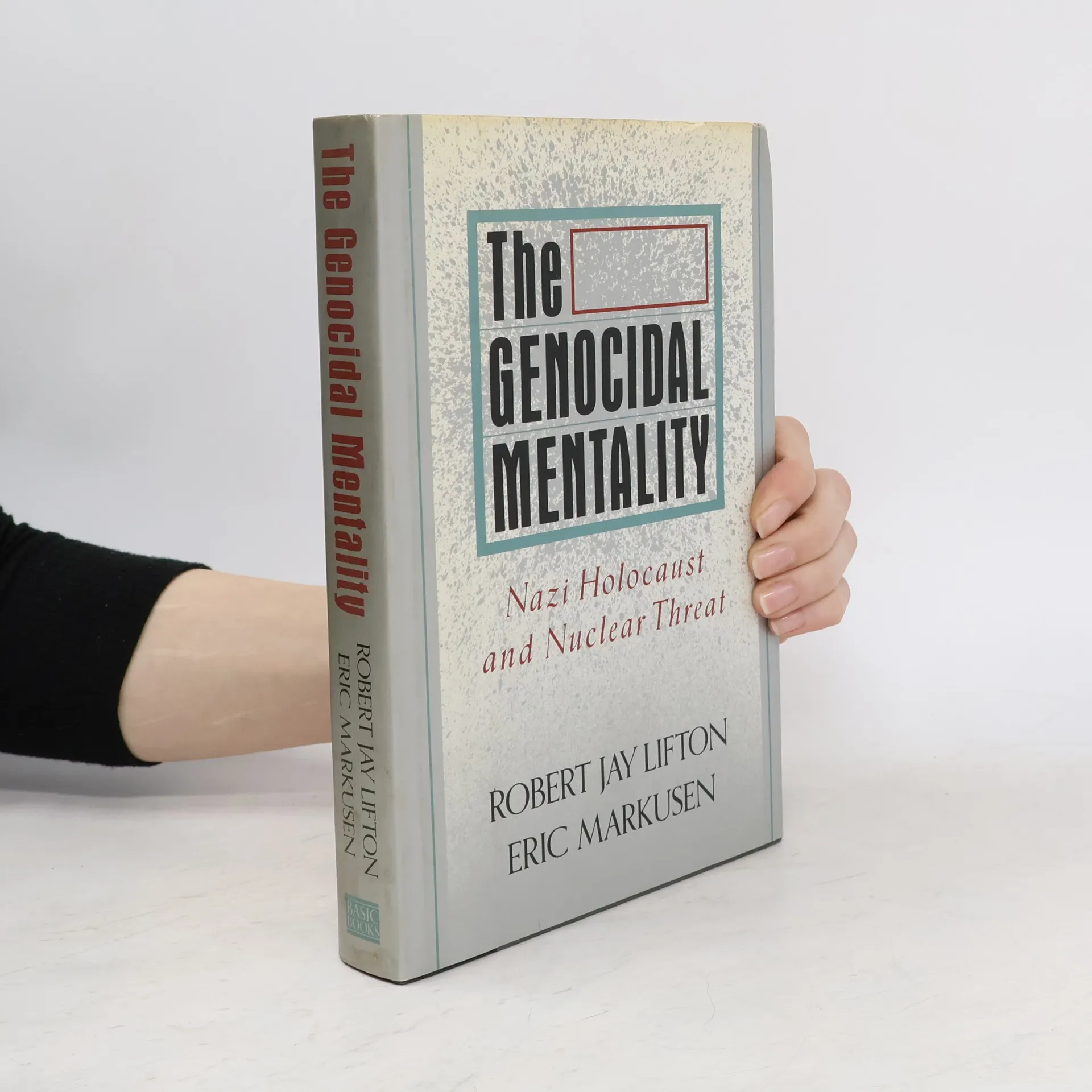
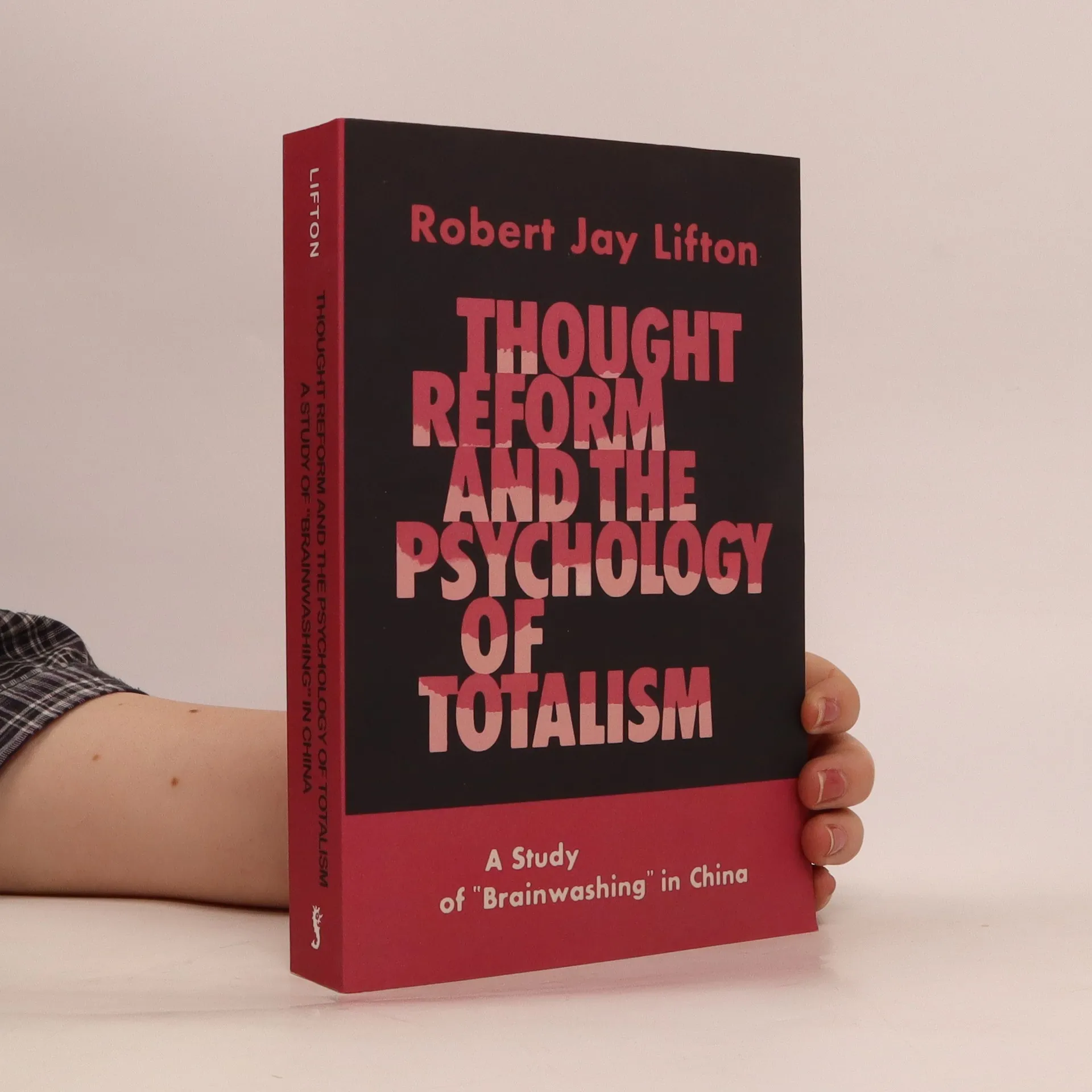
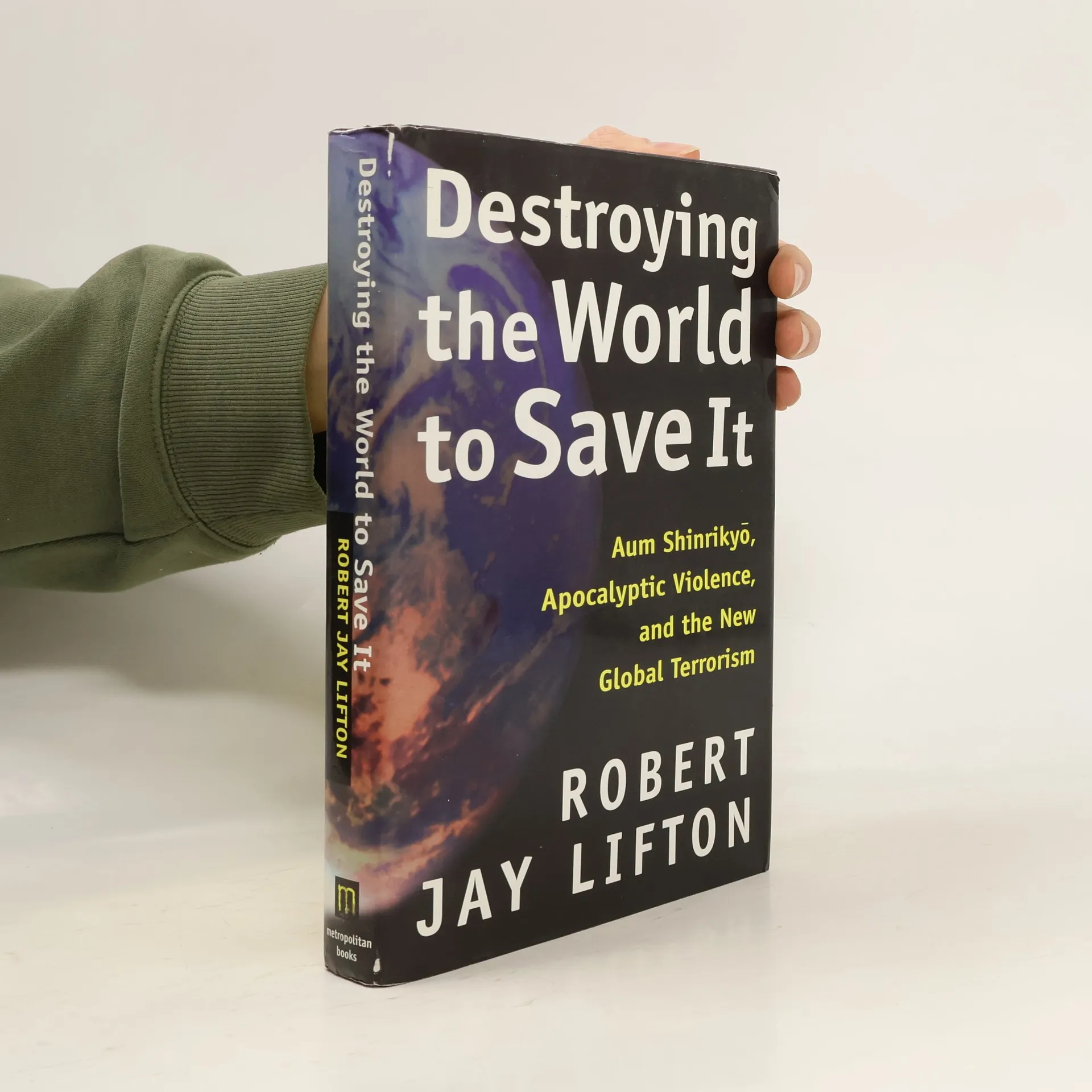
Robert Jay Lifton è uno psichiatra e autore americano, rinomato per i suoi studi sulle cause e le conseguenze psicologiche della guerra e della violenza politica, nonché per la sua teoria della riforma del pensiero. È stato uno dei primi sostenitori delle tecniche psicostoriche, esplorando gli aspetti più oscuri della psiche umana attraverso i suoi scritti influenti.
Resilience and Renewal from Hiroshima to the COVID-19 Pandemic
192pagine
7 ore di lettura
Focusing on the psychological aftermath of catastrophe, this work by Robert Jay Lifton explores how individuals and communities can cope with the lasting impacts of the COVID-19 pandemic. Drawing parallels with historical survivors of Hiroshima and Nazi death camps, Lifton emphasizes the concept of "survivor power" and advocates for a deep reckoning with the pandemic's effects. He presents a hopeful vision for renewal, suggesting that meaningful lives can emerge from tragedy and that confronting our collective experiences is essential for moving forward.
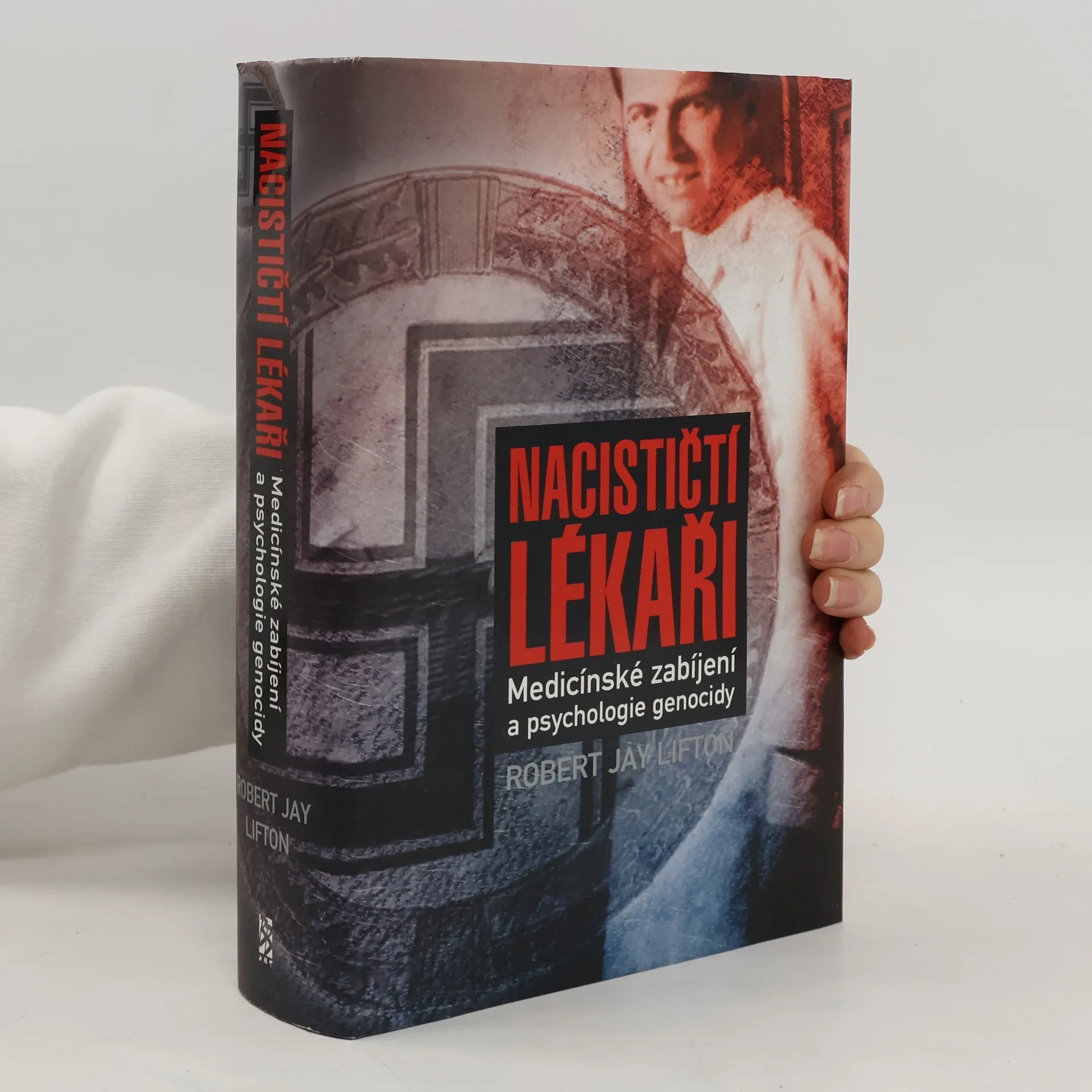
This is not only one of the most important works on medical ethics yet
written. It also breaks through the frontiers of historiography to provide a
convincing psychological interpretation of the Third Reich and the crimes of
National Socialism.-New York Review of Books
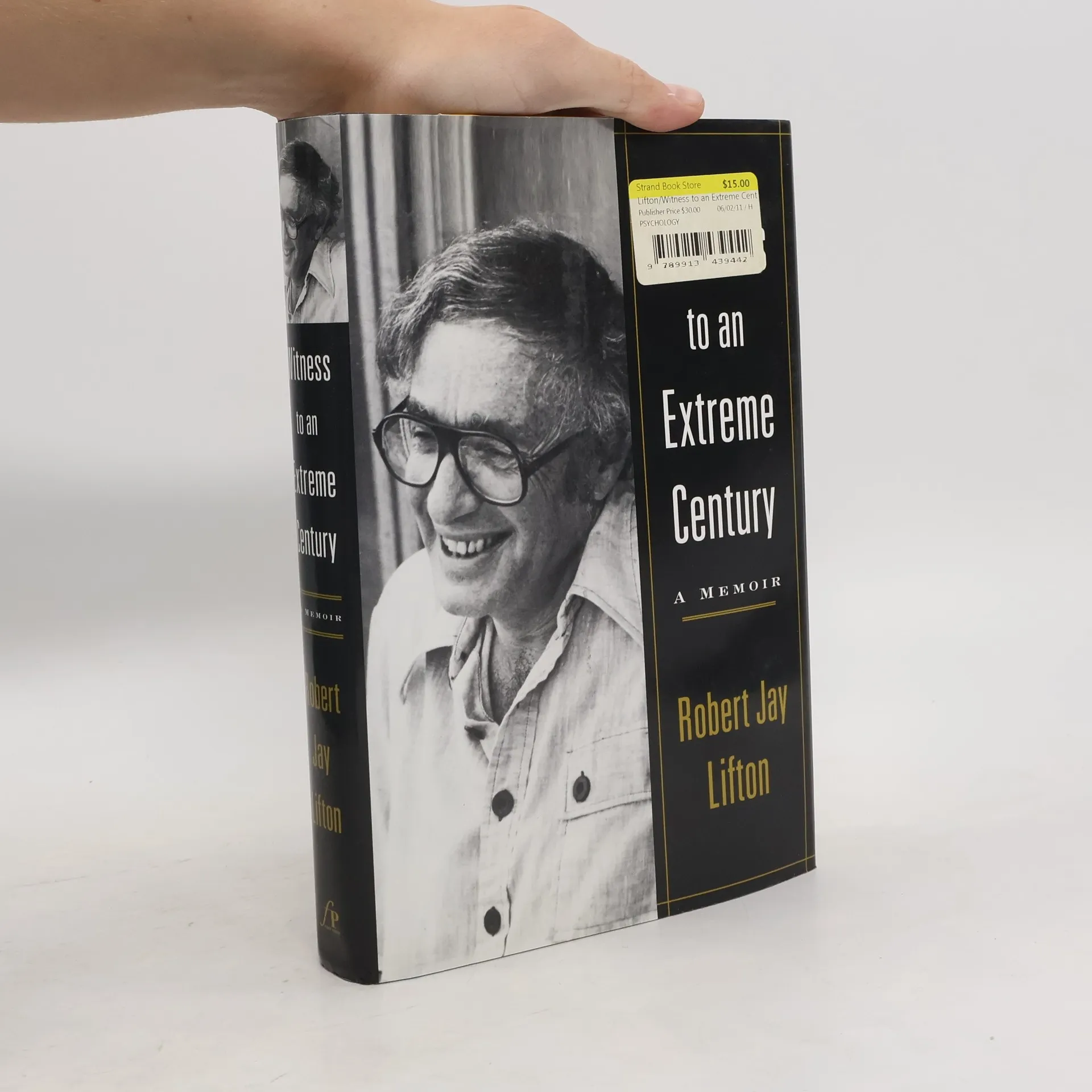
The memoir offers an introspective look at Robert Jay Lifton's life as an influential intellectual and political activist. It reflects on his journey through the tragedies of the twentieth century, emphasizing his role in founding psychohistory. Lifton shares his experiences as a hopeful witness, exploring the depths of human suffering while seeking to understand and transcend it.
On a fateful day in the spring of 1954 Robert Jay Lifton, a young American psychiatrist just discharged from service in the Korean War, decided to stay in Hong Kong rather than return home—changing his life plans entirely—so that he could continue work that had enthralled him, interviewing people subjected to Chinese thought reform. He had plunged into uncharted territory in probing the far reaches of the human psyche, as he would repeatedly in the years ahead, and his Hong Kong research provided the first understanding of the insidious process that came to be known as brainwashing.From that day in Hong Kong forward, Lifton has probed into some of the darkest episodes of human history, bearing his unique form of psychological witness to the sources and consequences of collective violence and trauma, as well as to our astonishing capacity for resilience.In this long-awaited memoir, Lifton charts the adventurous and constantly surprising course of his fascinating life journey, a journey that took him from what a friend of his called a “Jewish Huck Finn childhood” in Brooklyn to friendships with many of the most influential intellectuals, writers, and artists of our time—from Erik Erikson, David Riesman, and Margaret Mead, to Howard Zinn and Kurt Vonnegut, Stanley Kunitz, Kenzaburo Oe, and Norman Mailer.In his remarkable study of Hiroshima survivors, he explored the human consequences of nuclear weapons, and then went on to uncover dangerous forms of attraction to their power in the spiritual disease he calls nuclearism. During riveting face-to-face interviews with Nazi doctors, he illuminated the reversal of healing and killing in ordinary physicians who had been socialized to Nazi evil. With Vietnam veterans he helped create unprecedented “rap groups” in which much was revealed about what we now call post-traumatic stress disorder, helping veterans draw upon their experience for valuable, even prophetic, insights about atrocity and war. As a pioneer in psychohistory, Lifton’s encounters with the consequences of cruelty and destructiveness led him to become a passionate social activist, lending a powerful voice of conscience to the suppressed truths of the Vietnam War and the dangers of nuclear weapons.Written with the warmth of spirit—along with the humor and sense of absurdity—that have made Lifton a beloved friend and teacher to so many, Witness to an Extreme Century is a moving and deeply thought-provoking story of one man’s extraordinary commitment to looking into the abyss of evil in order to help us move beyond it.
Medicínské zabíjení a psychologie genocidy
Kniha významného newyorského profesora psychiatrie a psychologie je brilantním dílem o medicínské etice a zároveň záznamem hrůzných zločinů lékařů, kteří se aktivně podíleli na nacistické genocidě. Autor hovořil s mnoha medicínskými vrahy i jejich přeživšími obětmi a jedinečným způsobem analyzuje vliv totalitní ideologie na myšlení a skutky inteligentních a vzdělaných lidí, jejichž původním posláním bylo léčit a zachraňovat životy, nikoli je ničit.
Nejsilnější a nejdůležitější kniha renomovaného psychiatra je brilantní analýzou a historií rozhodující role, kterou němečtí lékaři sehráli při nacistické genocidě. V předmluvě k novému vydání Lifton uvažuje i o medikalizovaném zabíjení v průběhu nedávných masových vražd a o tom, jak se obyčejní lidé dokáží ztotožnit s genocidou.
Propheten und Gurus, die den Weltuntergang verkünden, hat es immer gegeben. Seit jüngstem sind es jedoch wahnsinnige Terroristen, die die Zerstörung der Welt planen, um eben diese Welt zu erlösen. Der amerikanische Psychologe Robert Jay Lifton, international bekannt durch seine Studien über die Psychogramme der Nazi-Ärzte, zeigt in Gesprächen mit den Tätern, kriminalistischen Recherchen und psychologischen Analysen, warum sich aus religiösen Visionen Terrorakte entwickeln und wie diese Sekten als Staat im Staat organisiert sind.
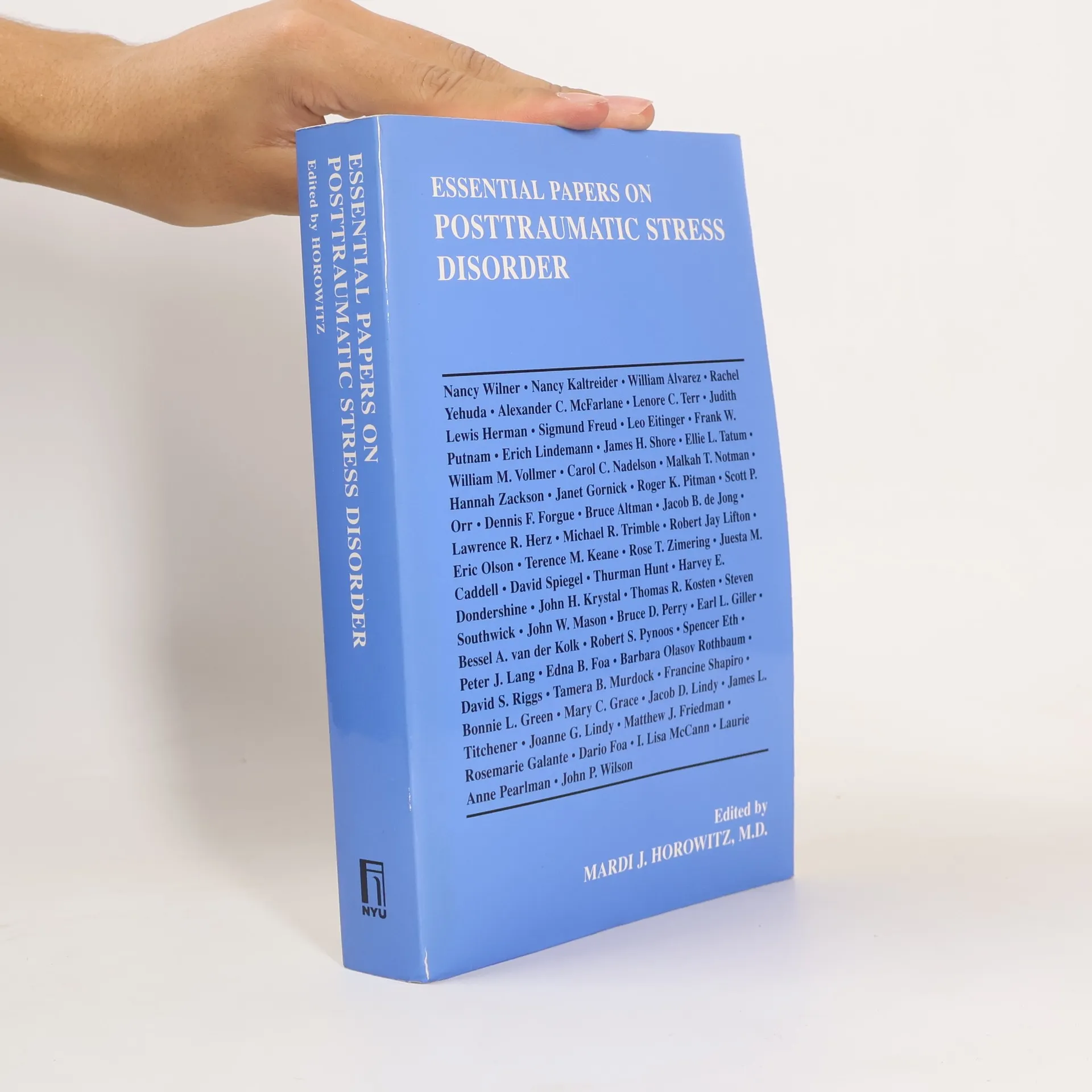
A collection of the most important writings on understanding and treating PTSDEssential Papers on Post Traumatic Stress Disorder collects the most important writings on the comprehension and treatment of Post Traumatic Stress Disorder. Editor Mardi J. Horowitz provides a concise and illuminating introductory essay on the evolution of our understanding of Post Traumatic Stress Disorder, and establishes the conceptual framework and terminology necessary to understand the disorder. The collected essays which follow provide a rich and comprehensive take on the complexity of Post Traumatic Stress Disorder, illuminating such issues as the variety of individual and cultural responses, the roles of pre- and post-traumatic causative forces, and the fluctuating complexities of diagnostic categories.Divided into sections addressing the broad topics of diagnosis, etiology, and treatment, Essential Papers on Post Traumatic Stress Disorder combines classic essays with more challenging and controversial approaches. Contributors include Sigmund Freud, Erich Lindemann, Leo Eitinger, Carol C. Nadelson, Malkah T. Notman, Hannah Zackson, Janet Gornick, Bonnie L. Green, Mary C. Grace, Jacob D. Lindy, James L. Titchener, Joanne G. Lindy, Lenore C. Terr, Rosemarie Galante, Dario Foa, Edna B. Foa, Barbara Olasov Rothbaum, David S. Riggs, Tamara B. Murdock, James H. Shore, Ellie L. Tatum, William M. Vollmer, Roger K. Pittman, Scott P. Orr, Dennis F. Forgue, Bruce Altman, Jacob B. de Jong, Lawrence R. Herz, Judith Lewis Herman, Rachel Yehuda, Alexander McFarlane, Frank W. Putnam, Robert Jay Lifton, Eric Olson, Nancy Wilner, Nancy Kaltrider, William Alvarez, Michael R. Trimble, Epstein, Terence M. Keane, Rose T. Zinering, Juesta M. Caddell, John H. Krystal, Thomas R. Kosten, Steven Southwick, John W. Mason, Bruce D. Perry, Earl L. Giller, David Spiegel, Thurman Hunt, Harvey E. Dondershire, Bessel A. van der Kolk, Peter J. Lang, Robert S. Pynoos, Spencer Eth, Matthew J. Friedman, Francine Shapiro, John P. Wilson, Jacob D. Lindy, I. Lisa McCann, and Laurie Anne Pearlman.