

Filosofo e teorico politico inglese, la cui opera si addentra nella filosofia della storia, della religione, dell'estetica e del diritto. Ampiamente considerato uno dei più importanti pensatori conservatori del XX secolo, sebbene a volte sia stato caratterizzato anche come pensatore liberale. Oakeshott fu sconvolto dalla deriva verso l'estremismo politico che ebbe luogo in Europa negli anni '30, e le sue lezioni superstiti di quel periodo rivelano un'avversione al nazionalsocialismo e al marxismo. Il suo lavoro è profondamente incentrato sulla natura della politica e sulla difesa della tradizione.
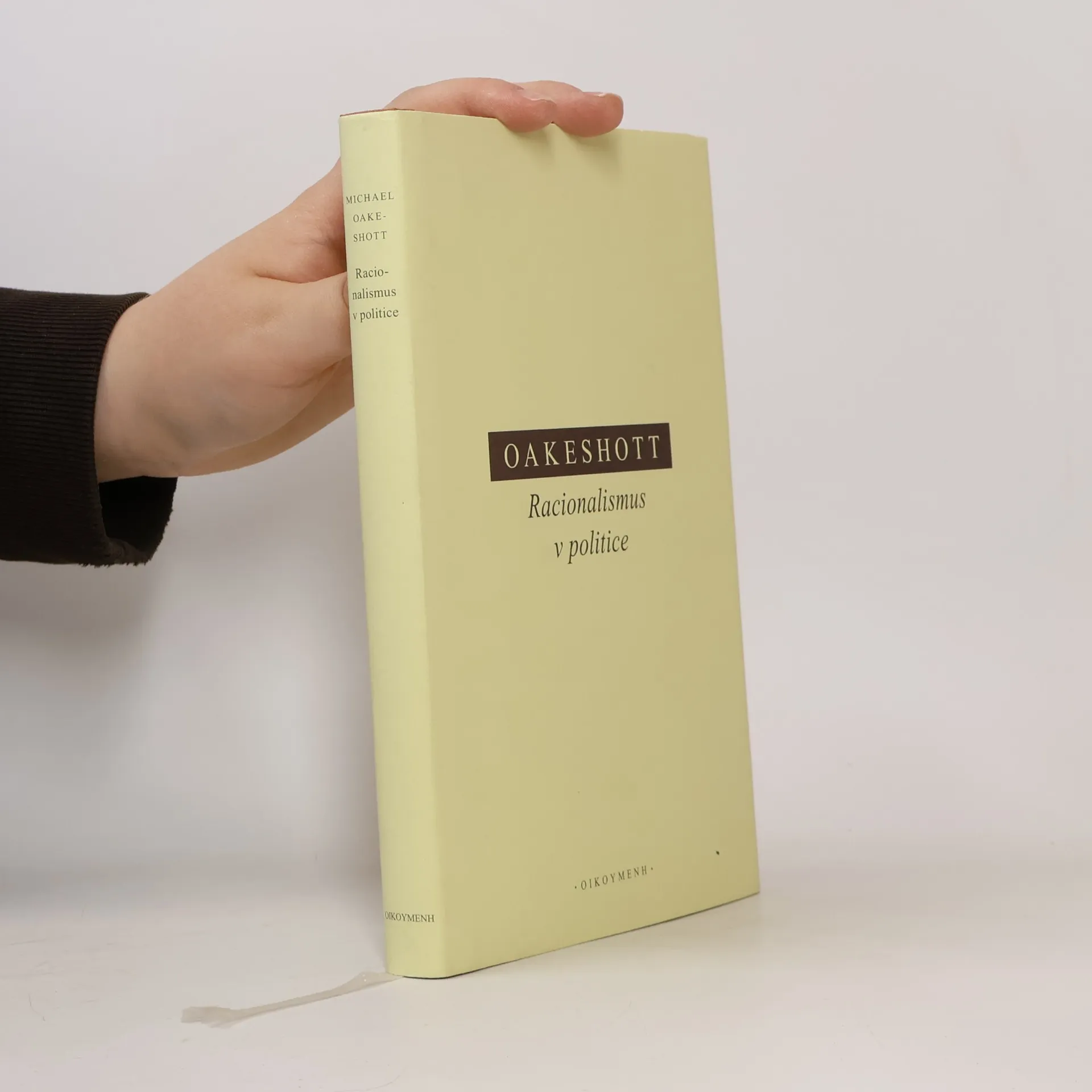
Oakeshottovo dílo je pojímáno jako zásadní příspěvek do konzervativní tradice. Vybrané eseje ho ukazují jako myslitele, který promýšlí otázky, jako jsou podstata politična, lidské přirozenosti, racionality, vztahu mezi politikou a hodnotami, času a historie, aj. Nabízený svazek, z velké části výběr z jeho poválečných článků, které vyšly v roce 1962 pod titulem Rationalism in Politics and Other Essays, podává obraz jeho politického myšlení.
Michael Oakeshott's classic discussion of modality and human experience in
relation to the practical, the historical and the scientific modes of
understanding is presented in a new series livery with a specially
commissioned preface, written by Paul Franco, for twenty-first-century
readers, in recognition of its enduring importance.
The sixth volume in the series Michael Oakeshott: Selected Writings. From the 1920s to the 1980s Oakeshott filled dozens of notebooks with his private reflections, both personal and intellectual. Their contents range from aphorisms to miniature essays, forming a unique record of his intellectual trajectory over his entire career.
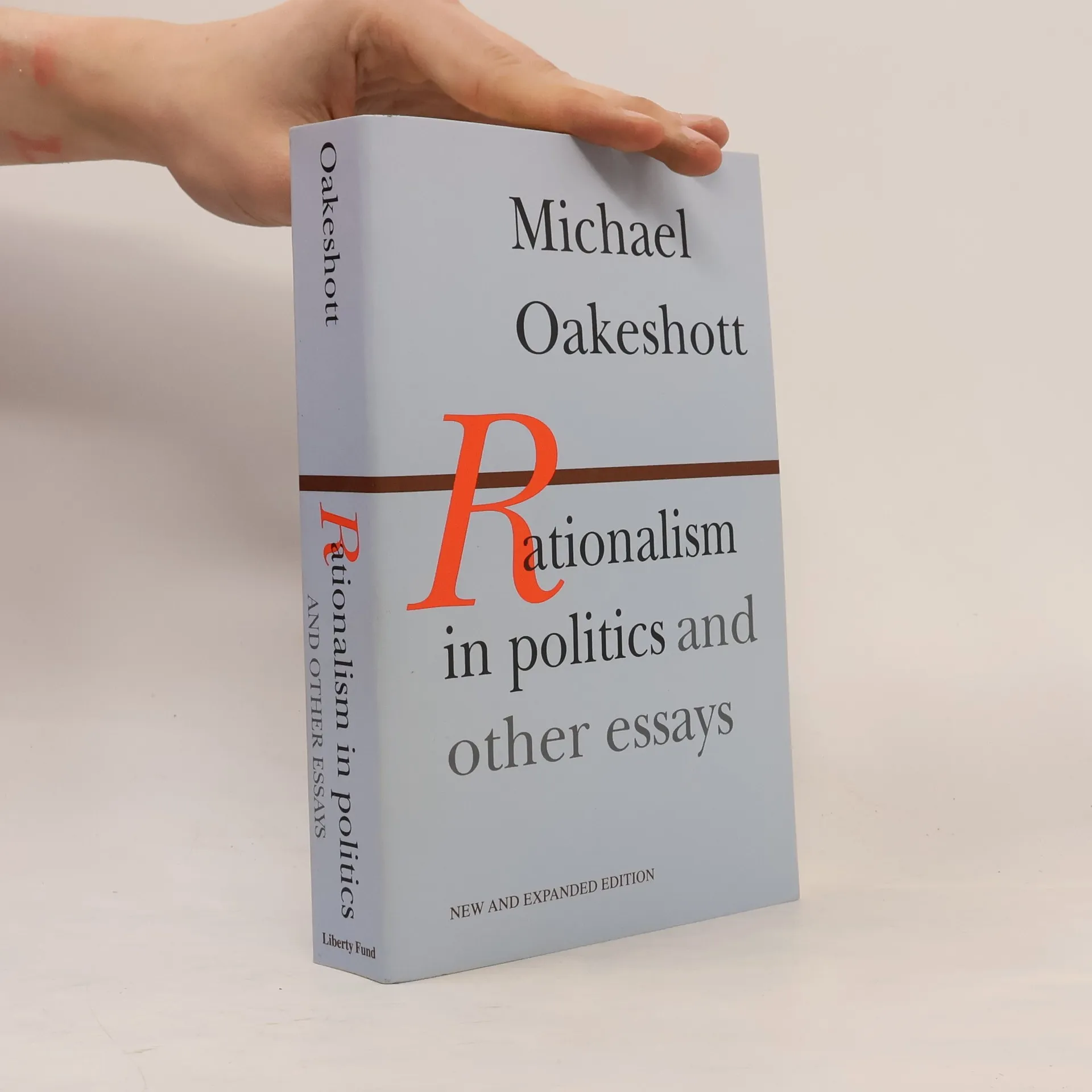
Rationalism in Politics, first published in 1962, has established the late Michael Oakeshott as the leading conservative political theorist in modern Britain. This expanded collection of essays astutely points out the limits of "reason" in rationalist politics.Oakeshott criticizes ideological schemes to reform society according to supposedly "scientific" or rationalistic principles that ignore the wealth and variety of human experience. "Rationalism in politics," says Oakeshott, "involves a misconception with regard to the nature of human knowledge." History has shown that it produces unexpected, often disastrous results. "Having cut himself off from the traditional knowledge of his society, and denied the value of any education more extensive than a training in a technique of analysis," the Rationalist succeeds only in undermining the institutions that hold civilized society together. In this regard, rationalism in politics is "a corruption of the mind."Timothy Fuller is Professor of Political Science and Dean of the College at Colorado College.