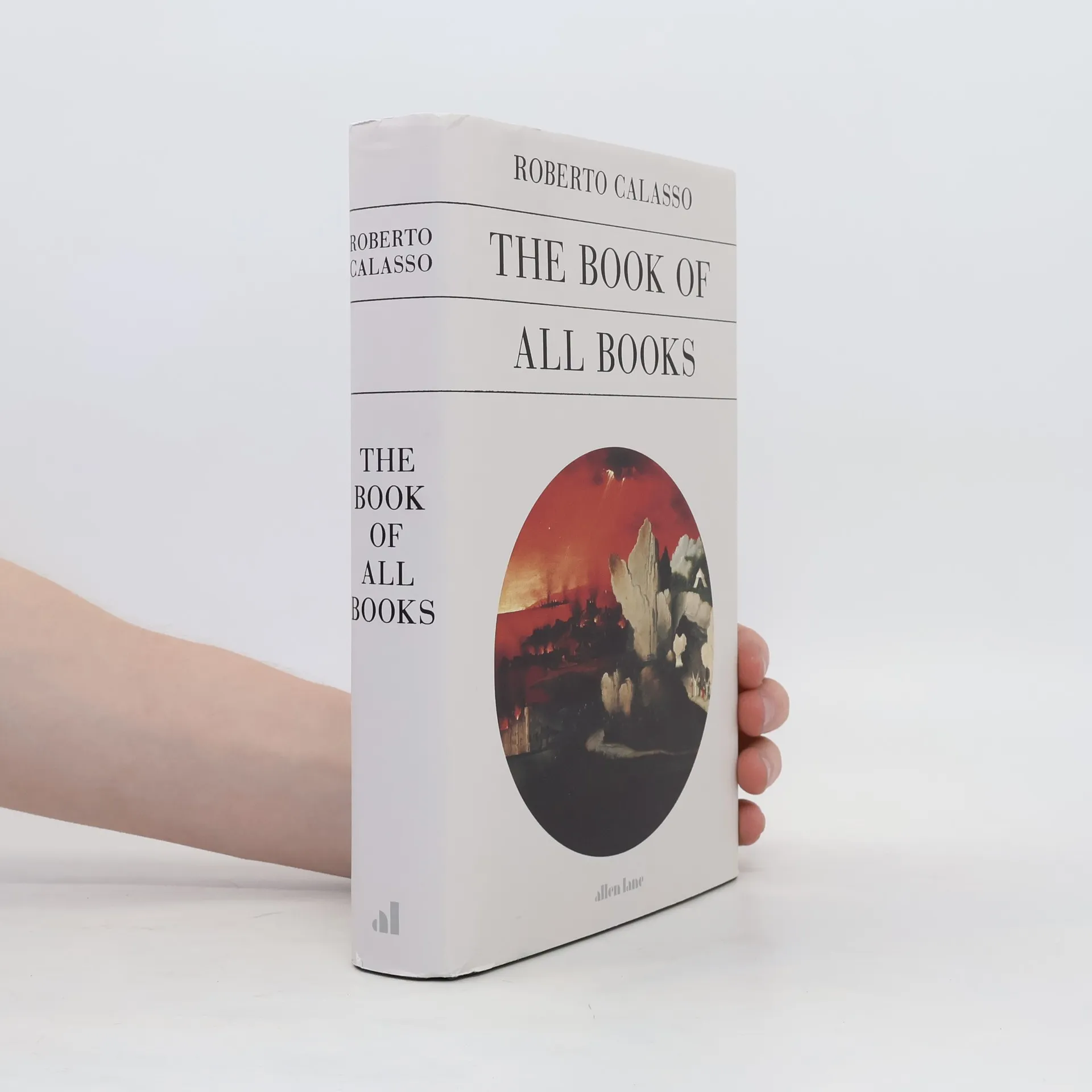
„Das Buch aller Bücher“ ist der zehnte Teil von Calassos monumentalem Werk, das sich mit der Bibel, insbesondere dem Alten Testament, beschäftigt. Der Autor bietet eine nüchterne Nacherzählung biblischer Geschichten und thematisiert das Opfer, während er die Rolle der Götter in der Kulturgeschichte des Nahen Ostens würdigt.
Roberto Calasso Ordine dei libri (cronologico)
30 maggio 1941 – 28 luglio 2021
Roberto Calasso è stato un editore e scrittore italiano le cui opere si sono addentrate nelle profondità della cultura e della mitologia europea. La sua scrittura, spesso ispirata da racconti classici e figure letterarie, esplora le connessioni tra il mondo antico e quello moderno. Calasso intreccia magistralmente temi complessi con uno stile saggistico unico che invita i lettori a riflettere sulla natura della modernità e sull'eredità della civiltà. La sua influenza sul panorama letterario e intellettuale è innegabile, rendendolo una figura cardine della saggistica contemporanea.

The Tablet of Destinies
- 128pagine
- 5 ore di lettura
A beguiling new reimagining of one of the most ancient and mysterious origin myths of human civilization 'The Flood didn't come suddenly as a big surprise. It came at the end of a long, tormented story. Men just went on multiplying and the noise they made was ever more irksome . . . I remember days of desperation.' A long time ago, the gods grew tired of humans and decided to send a flood to destroy them. But Ea, the god of fresh underground water, didn't agree. He advised one of his devotees, Utnapishtim, to build a quadrangular boat to house humans and animals, and saved these living creatures from the Flood. Rather than punish Utnapishtim for his disobedience, Enlil, King of the gods, granted the mortal eternal life and banished him to the island of Dilmun. Thousands of years later, when Sinbad the Sailor is shipwrecked and arrives on that very same island, the two begin a conversation about courage, loss, salvation and sacrifice. Following Calasso's masterful retelling of ancient Greek myths in The Marriage of Cadmus and Harmony and Indic myths in Ka, this richly imaginative work delves into the crucible of our collective consciousness to reimagine the origin stories of one of the earliest human civilizations.
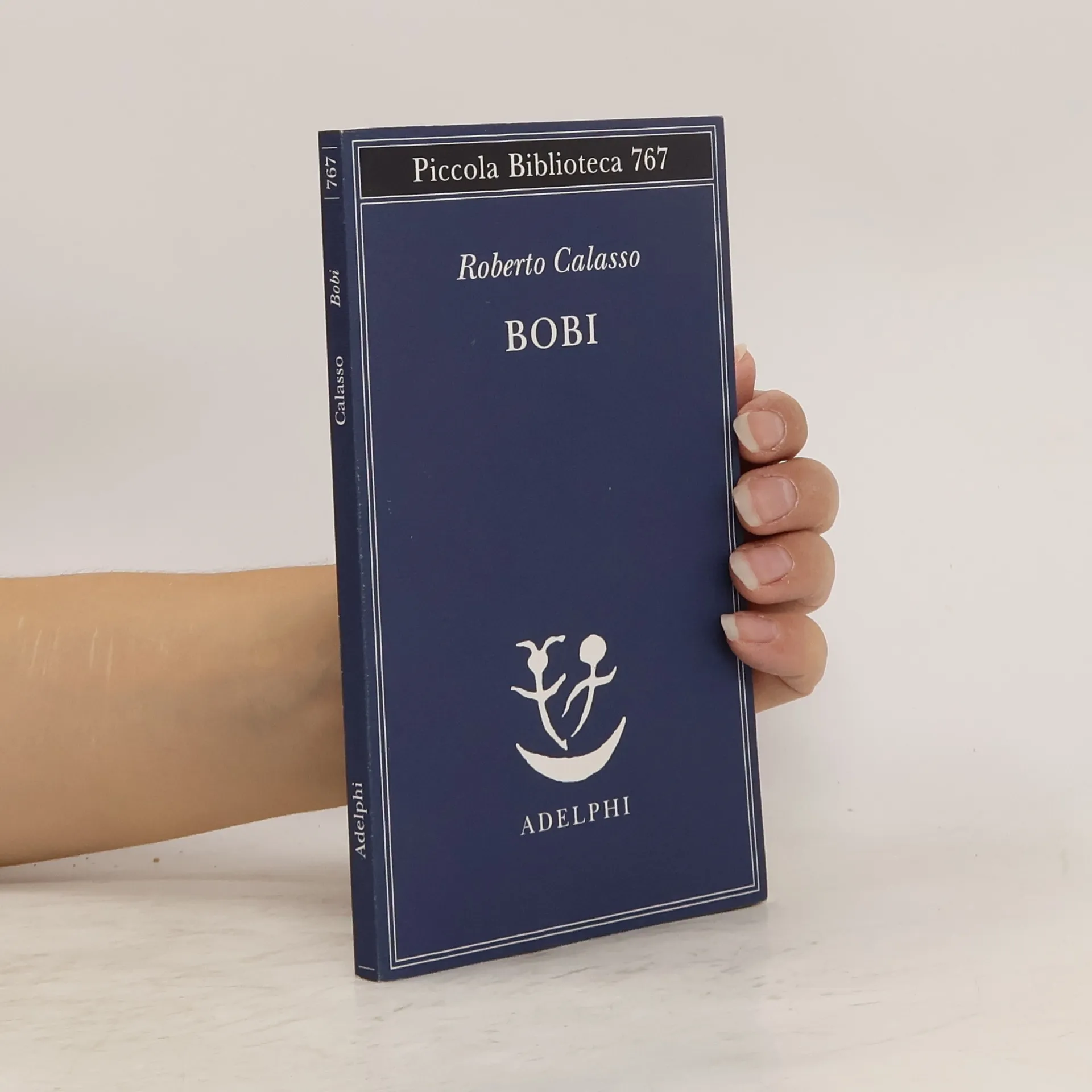
Piccola Biblioteca - 767: Bobi
- 97pagine
- 4 ore di lettura
Di Roberto Bazlen, universalmente noto come Bobi, non poco è stato scritto, ma il più rimane da dire e capire. Bazlen attraversò la prima parte del Novecento come un profilo di luce imprendibile. Nell’ultima fase della sua vita, fu l’ideatore di Adelphi, su cui riversò la sua sapienza, che non era solo quella – stupefacente – sui libri, ma investiva il tutto. L’idea e la fisionomia della casa editrice risalgono a lui. Quando Bazlen mi parlò per la prima volta di qualcosa che sarebbe stata Adelphi e non aveva ancora un nome mi disse: «Faremo solo i libri che ci piacciono molto».
A splendid reimagining of key stories from the Bible, by the author of The Marriage of Cadmus and Harmony. A man named Saul is sent to search for some lost donkeys and on the way is named king of his people. The queen of a remote African realm travels for three years with her multitudinous retinue to meet the king of Jerusalem and pose him a few riddles. A man named Abraham hears a divine voice speaking words that reverberate throughout the Bible: 'Go away from your land, from your kindred and from the house of your father toward the land that I will show you'. In The Book of All Books, Roberto Calasso weaves together stories of promise and separation from one of the founding texts of Western civilisation. These tales of grace and guilt, of the chosen and the damned, cast many Biblical figures and indeed the whole book in a light as astonishing as it is disquieting. The Book of All Books is part of a larger work which began with The Ruin of Kasch (1983) and includes The Marriage of Cadmus and Harmony, Ka, and The Celestial Hunter.
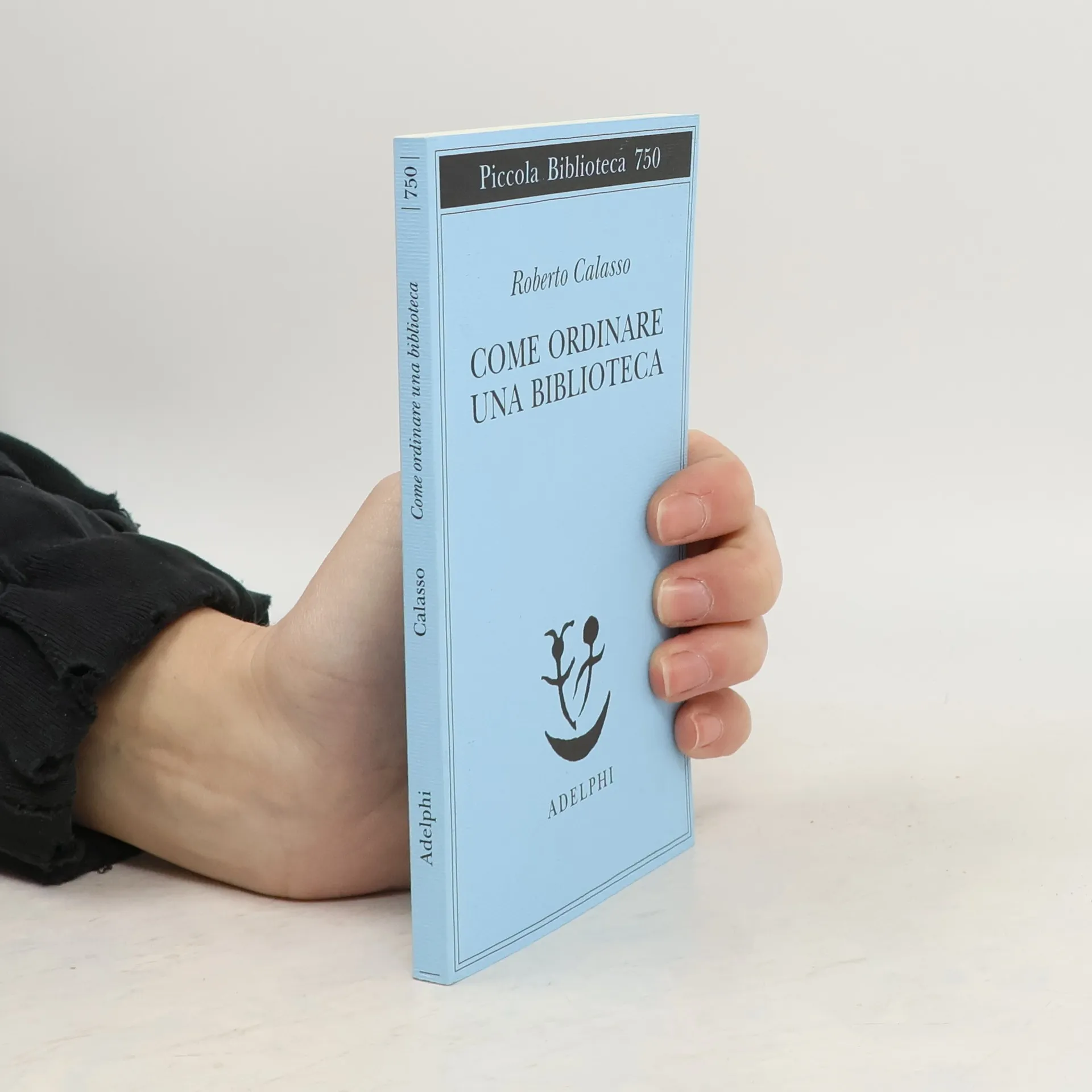
Come ordinare una biblioteca
- 127pagine
- 5 ore di lettura
Chi prova a dare un ordine ai propri libri deve al tempo stesso riconoscere e modificare una buona parte del suo paesaggio mentale. Impresa delicata, piena di sorprese e di scoperte, priva di soluzione. Molti l’hanno sperimentata, dal dotto seicentesco Gabriel Naudé ad Aby Warburg. Qui se ne raccontano vari episodi, mescolati a frammenti di una autobiografia involontaria. A cui fanno seguito un profilo del breve momento in cui certe riviste, fra 1920 e 1940, operavano come impollinatrici della letteratura e una cronaca dell’emblematica nascita della recensione, quando Madame de Sablé si trovò nella improba situazione di dar conto pubblicamente delle Massime del suo caro e suscettibile amico La Rochefoucauld. Finché il tema del dare ordine riappare alla fine, questa volta applicato alle librerie di oggi, per le quali è una questione vitale, che si pone ogni giorno.
'When hunting began, it was not a man who chased an animal. It was a being that chased another being. No one could say with certainty who each of them were.' Connecting Greek and Egyptian myth, the stories of poets, shamans and gods, Roberto Calasso takes us on a spellbinding voyage that traces the beginnings of our detachment from the animal world; from the landmark evolutionary moment in which humans became the hunter rather than the prey. Roaming through time and across cultures - from the Palaeolithic era to Turing's Machine - The Celestial Hunter delves into the crucible of all our stories- the source of human grief, guilt, resilience and redemption with which we have wrestled throughout history.
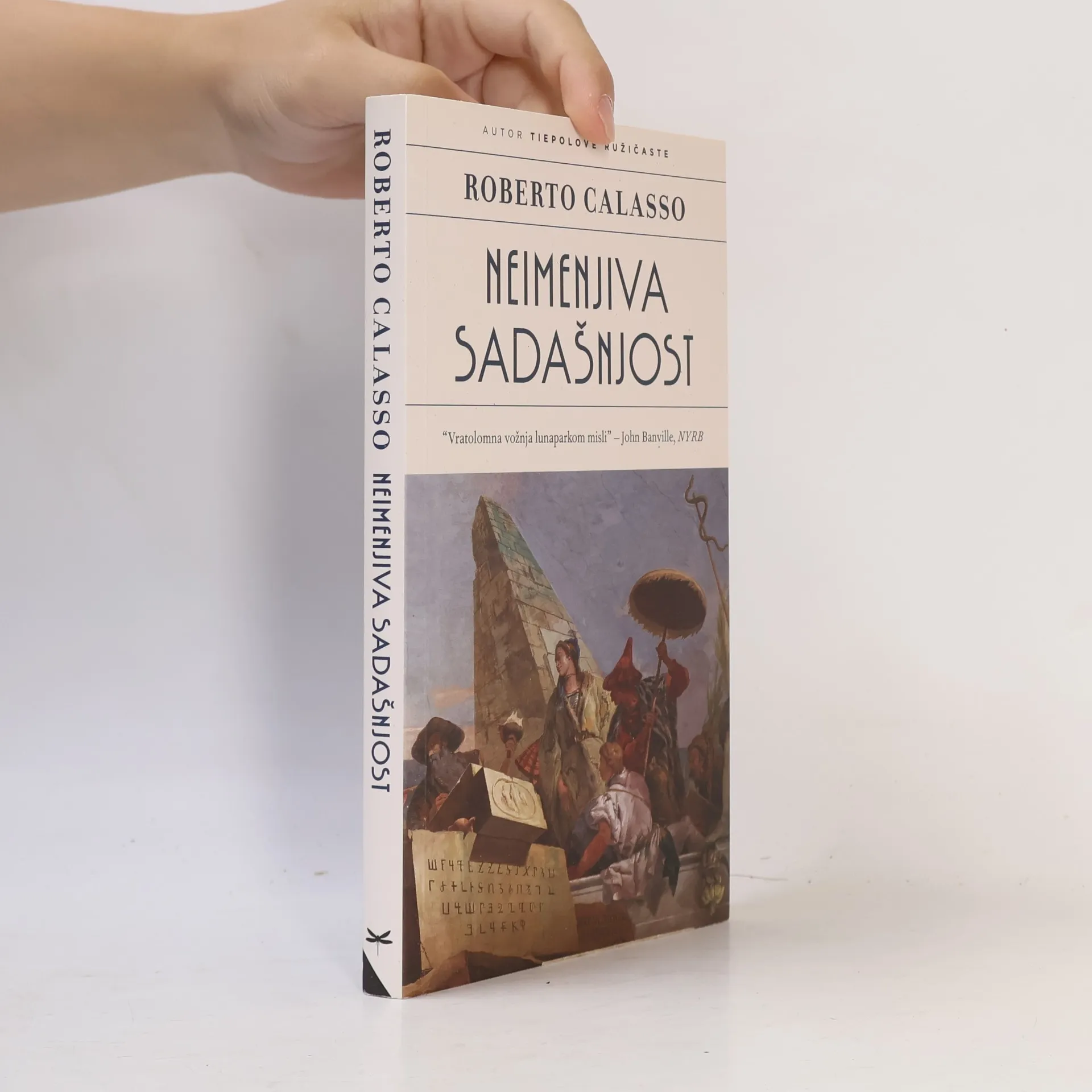
Neimenjiva sadašnjost
- 192pagine
- 7 ore di lettura
Il cacciatore celeste
- 507pagine
- 18 ore di lettura
Ci fu un'epoca in cui, se si incontravano altri esseri, non si sapeva con certezza se erano animali o dèi o signori di una specie o demoni o antenati. O semplicemente uomini. Un giorno, che durò molte migliaia di anni, Homo fece qualcosa che nessun altro ancora aveva tentato. Cominciò a imitare quegli stessi animali che lo perseguitavano: i predatori. E diventò cacciatore. Fu un processo lungo, sconvolgente e rapinoso, che lasciò tracce e cicatrici nei riti e nei miti, oltre che nei comportamenti, mescolandosi con qualcosa che nella Grecia antica fu chiamato «il divino», tò theîon , diverso ma presupposto dal sacro e dal santo e precedente perfino agli dèi. Numerose culture, distanti nello spazio e nel tempo, associarono alcune di queste vicende, drammatiche ed erotiche, a una certa zona del cielo, fra Sirio e Orione: il luogo del Cacciatore Celeste. Le sue storie sono intrecciate in questo libro e si diramano in molteplici direzioni, dal Paleolitico alla macchina di Turing, passando attraverso la Grecia antica e l'Egitto ed esplorando le connessioni latenti all'interno di uno stesso, non circoscrivibile territorio: la mente.
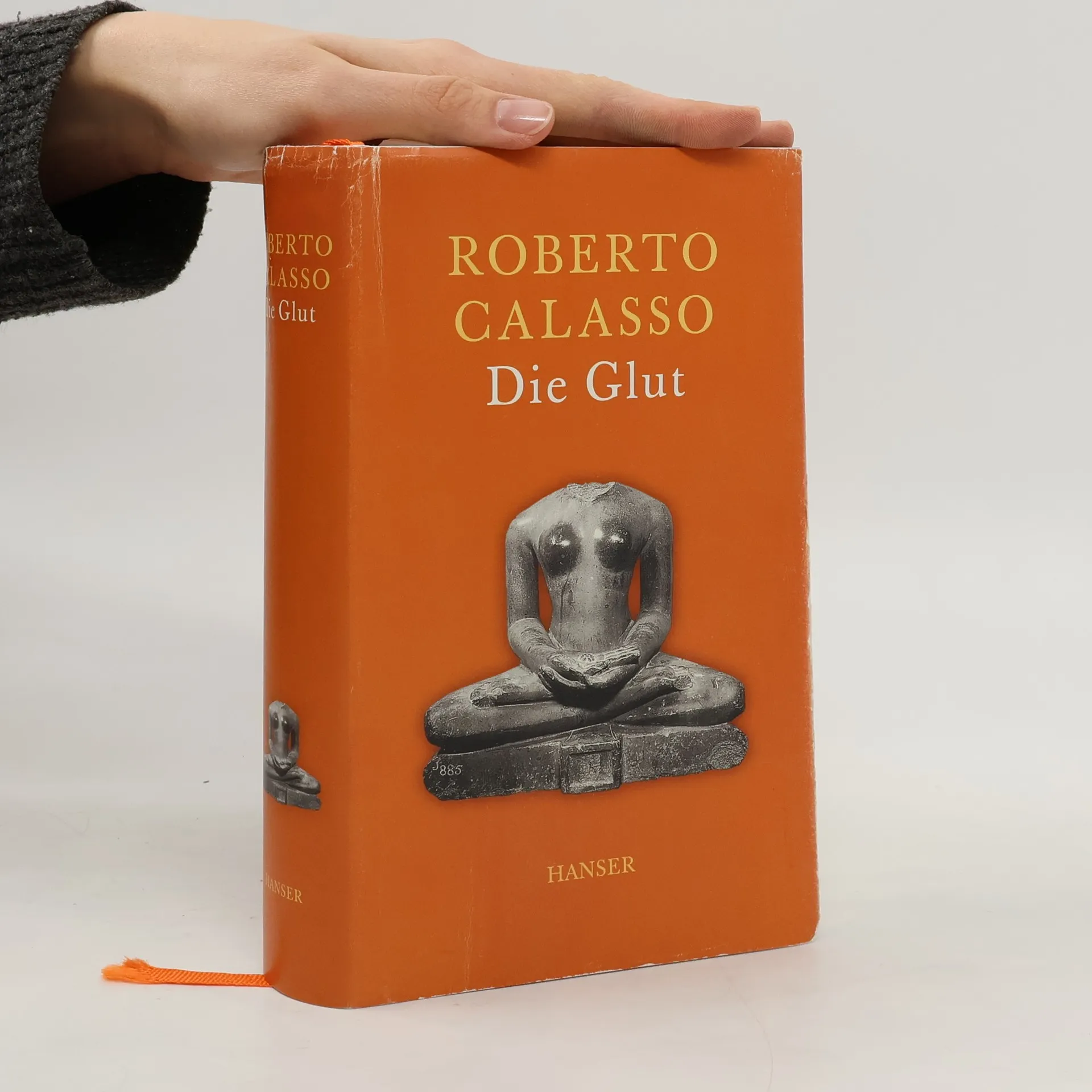
Die Glut
- 608pagine
- 22 ore di lettura
Vor mehr als 3000 Jahren entwickelte sich in Indien eine so rätselhafte wie faszinierende Kultur. Sie hinterließ keine Kunstwerke und keine Ruinen, wir kennen nur ihren geistigen Kosmos. Die Schriften der Veden kreisen, in Hymnen, Mythen und Anweisungen für komplizierte Rituale, um die einfache und geheimnisvolle Tatsache, dass wir ein Bewusstsein haben. Dieses Bewusstsein verbindet sich für die vedischen Seher mit einer "Glut", die im Geist und in der Welt wirkt. So entstehen die Götter – und am Ende auch die Menschen. Roberto Calasso führt durch die Labyrinthe der vedischen Welt – und wenn wir sie wieder verlassen haben, sehen wir unsere heutige säkulare Welt mit neuen Augen.
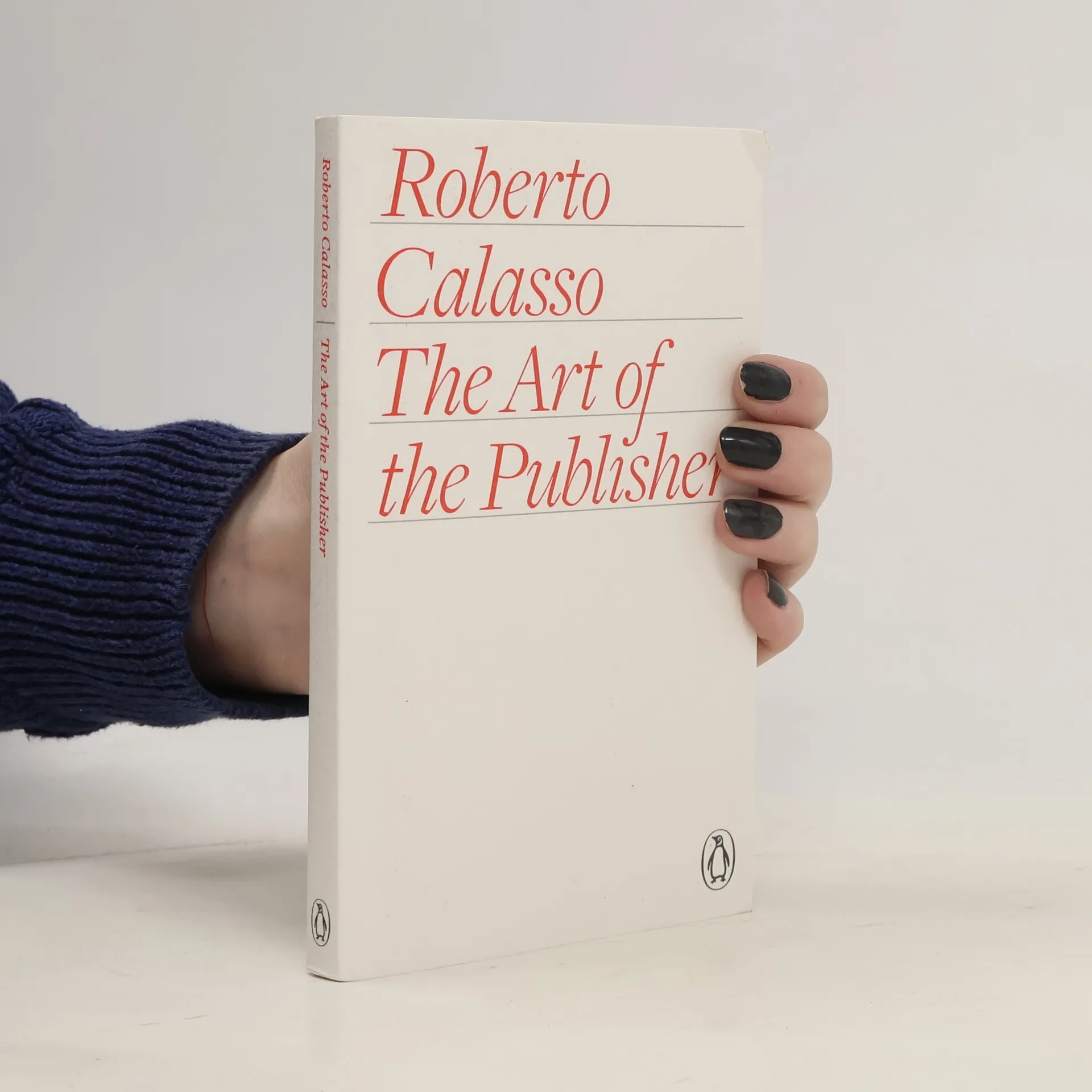
The Art of the Publisher
- 160pagine
- 6 ore di lettura
'All the books published by a certain publisher could be seen as links in a single chain' In this fascinating memoir and manifesto the author and publisher Roberto Calasso meditates on the art of book publishing. With his signature erudition and polemical flair, Calasso transcends Adelphi to look at the publishing industry as a whole, from the essential importance of graphics, jackets and cover flaps to the consequences of universal digitization. And he outlines what he describes as the 'most hazardous and ambitious' profile of what a publishing house can be: a book comprising many books, akin to that of other twentieth-century publishers, from Giulio Einaudi to Roger Straus, of whom the book offers brief portraits.
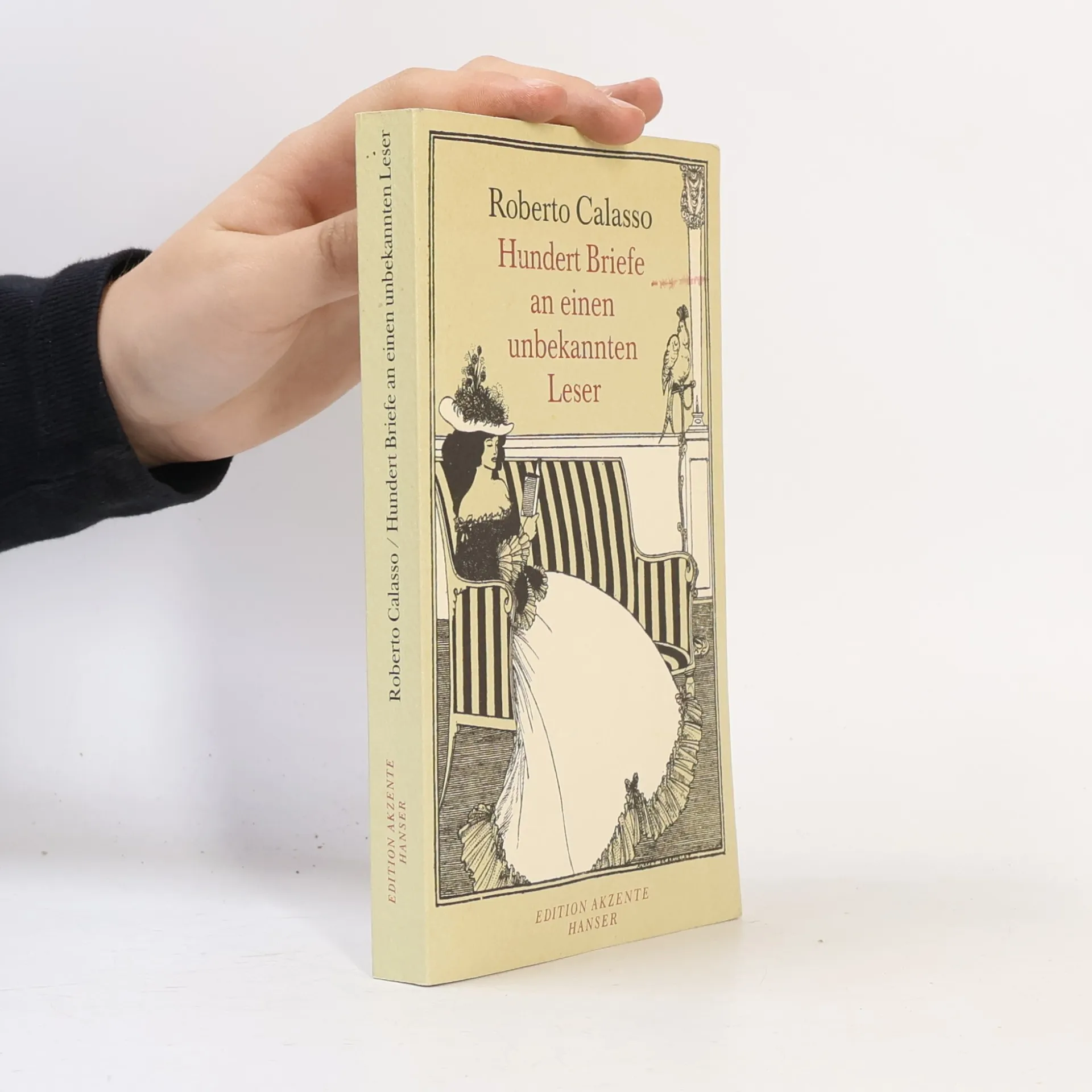
Hundert Briefe an einen unbekannten Leser
- 206pagine
- 8 ore di lettura
Mit hundert anregenden, scharfsinnigen Klappentexten macht der Schriftsteller und Verleger Roberto Calasso den »unbekannten Leser« auf hundert Bücher seiner Wahl aufmerksam: Romane und philosophische Werke, Dramen und Gedichte.
Il rosa Tiepolo
- 320pagine
- 12 ore di lettura
Nel suo capolavoro, Proust fa ripetuti riferimenti ai colori come il Rosa Tiepolo o il Rosso Tiepolo. Chi era esattamente l'artista che ha così memorabilmente trasformato il colore? Il pittore veneziano del XVIII secolo Giambattista Tiepolo trascorse la sua vita eseguendo commissioni in chiese, palazzi e ville, creando affreschi che sono tra le glorie dell'arte occidentale. La vita di un'epoca ruotava attorno a lui, ma sebbene i suoi contemporanei lo ammirassero, non lo comprendevano. Pochi hanno cercato di affrontare le serie di incisioni bizzarre e inquietanti di Tiepolo, ma Roberto Calasso accetta la sfida, interpretandole come capitoli di una narrazione oscura che contiene il segreto dell'arte di Tiepolo. Giovani fiorenti, saggi orientali, gufi, serpenti: li troveremo tutti tra le pagine di questo libro, insieme a Venere, il Tempo, Mosè, angeli, Cleopatra e Beatrice di Borgogna - una compagnia zingaresca sempre in movimento. Calasso chiarisce che Tiepolo era più di un abbagliante intermezzo nella storia della pittura; rappresentava un modo particolare di affrontare la sfida della forma, incarnando la virtù italiana della sprezzatura, l'arte di non sembrare arte.
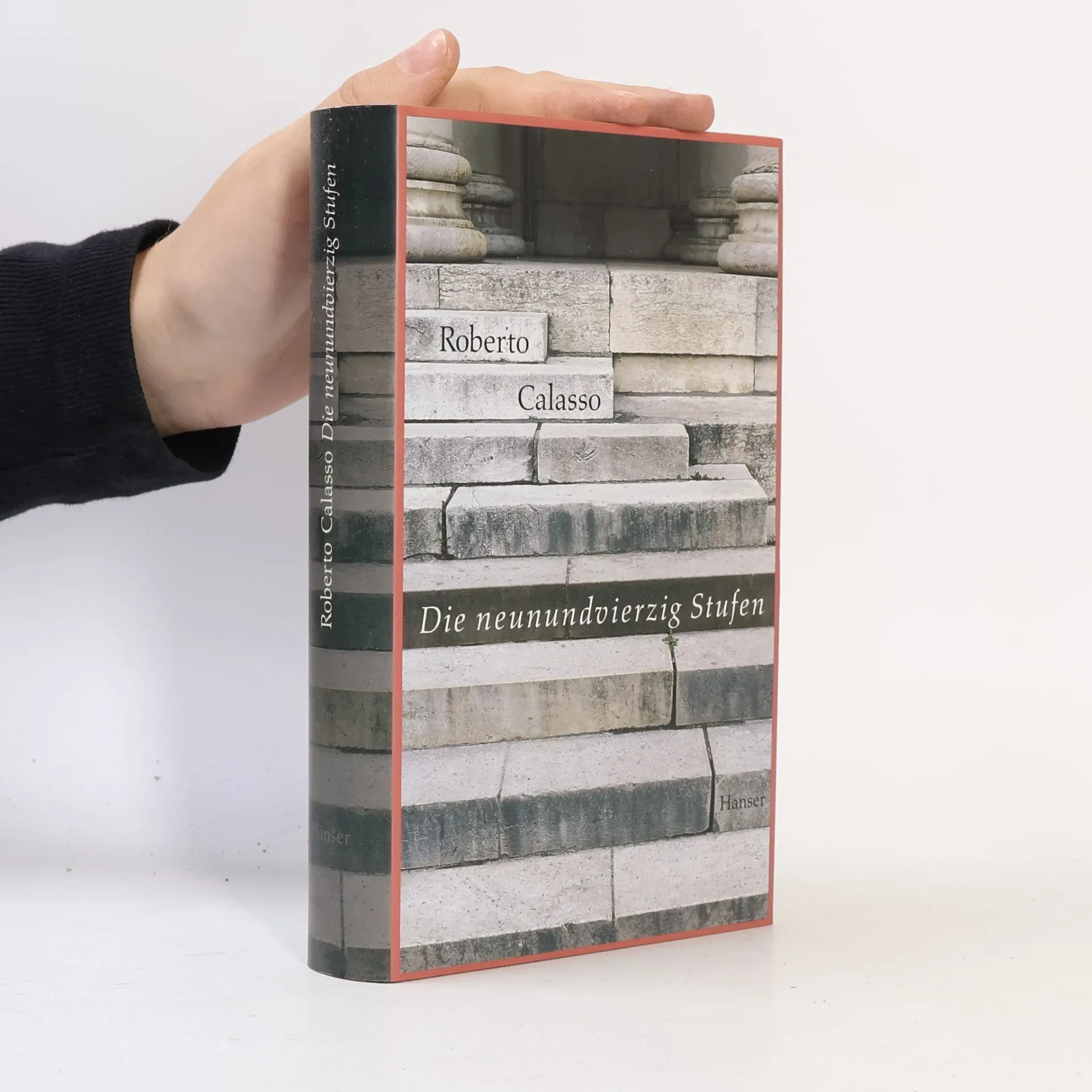
Die neunundvierzig Stufen
- 383pagine
- 14 ore di lettura
Die neunundvierzig Stufen, auf die sich der Titel bezieht, sind die der talmudischen Tradition, in der sie den Zugang zur Wahrheit symbolisieren. Sie zollen hier einem der bedeutendsten Denker der Moderne, Walter Benjamin, sowie Alfred Hitchcock, dem Meister des Spannungsaufbaus und dem geborenen Forscher der menschlichen Seele, Tribut. Nietzsche, gleichzeitig Schöpfer und Zerstörer, ist der erste der klaren Geister, die in diesen Seiten heraufbeschworen werden. Unter dem scharfen und gelehrten Blick von Roberto Calasso ziehen illustre Intellektuelle und Schriftsteller wie Freud, Kraus, Robert Walser, Adorno, Benjamin, Brecht, Wedekind, Hofmannsthal, Weininger, Bloy, Reich, Gottfried Benn, Marx, Heidegger, Bazlen, Schreber, Stirner, Michelet, Stendhal, Flaubert, Céline, Léautaud und Simone Weil vorbei, die alle zu den Gründern der zeitgenössischen europäischen Kultur zählen. Durch die in diesem Band versammelten Essays, die Calasso über mehr als zwanzig Jahre hinweg verfasst hat, zeichnet der Autor mit bewundernswerter Strenge und nicht weniger bewundernswerter Subtilität eine umfassende und anregende Karte des intellektuellen Fundaments, das unsere Gegenwart nährt.
K.
- 360pagine
- 13 ore di lettura
Roman o Francu Kafki, iz pera jednog od vodećih savremenih italijanskih pisaca. Knjiga prevedena na sve veće svetske jezike. Kafka kakvog znamo i Kafka kakvog ne poznajemo. Uzbudljiva i otkrivajuća priča o Kafki, njegovom životu i književnosti, o stvarnosti njegovog vremena, o njegovim junacima i o njegovim čitaocima. Jedinstven roman o velikom piscu, avanturistička potraga za tajnom Kafkinog života i Kafkine književnosti. Roberto Kalaso je na izuzetan način spojio nekoliko vanredno važnih književnh umeća: uzbudljivu priču i vrhunsku esejistiku, zavodljivost pričanja i lucidnost književnog istraživanja. Roman posle koga nam Kafka izgleda drugačiji. Priča o tome kako su nastajali kafkijanski procesi i košmari.
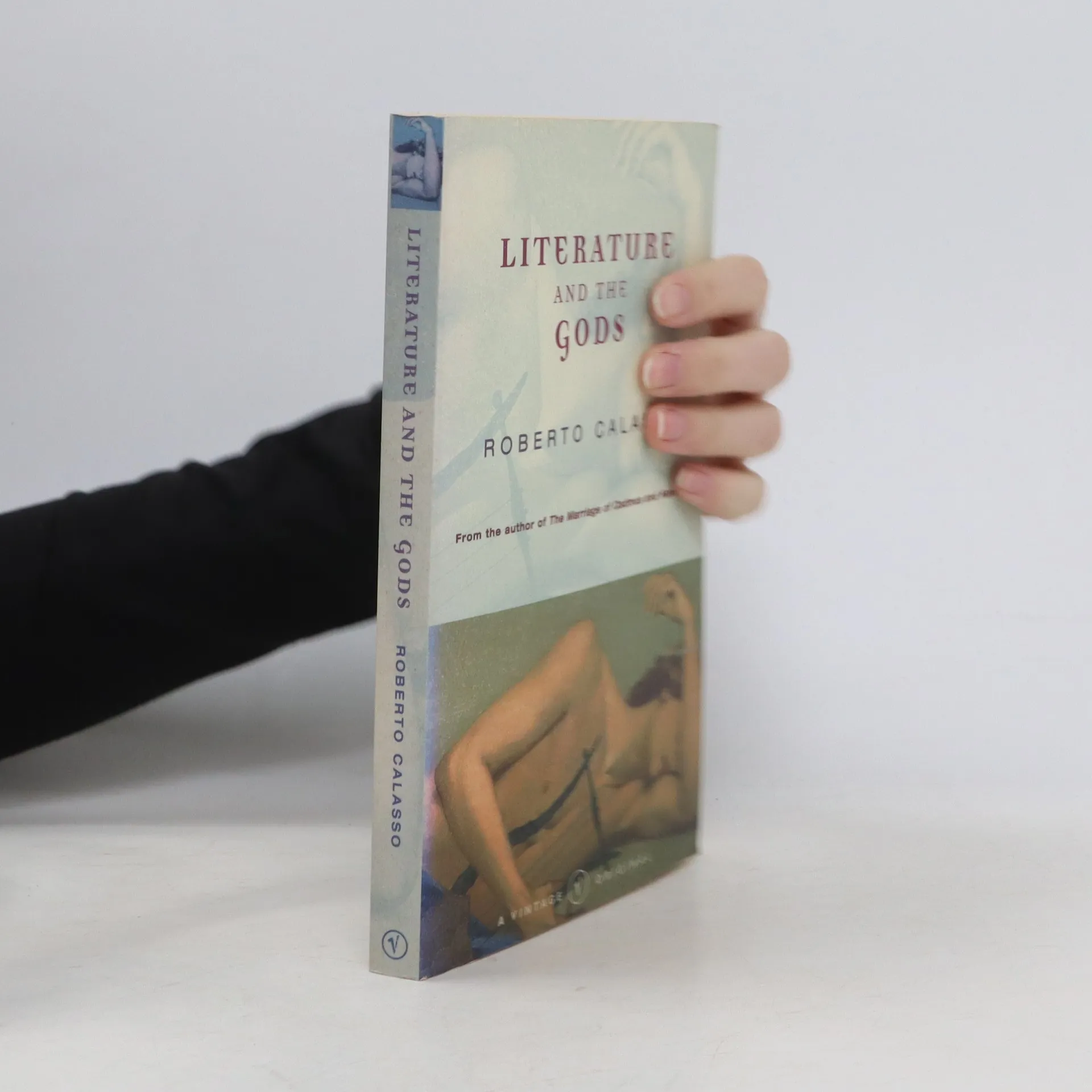
Literature and the Gods
- 224pagine
- 8 ore di lettura
This title traces the return of pagan divinities to Western literature from their first reappearance at the beginning of the modern era to their place in the literature of our own time. It seeks to deepen our understanding of our literary tradition.
Biblioteca Adelphi - 325: Ka
- 530pagine
- 19 ore di lettura
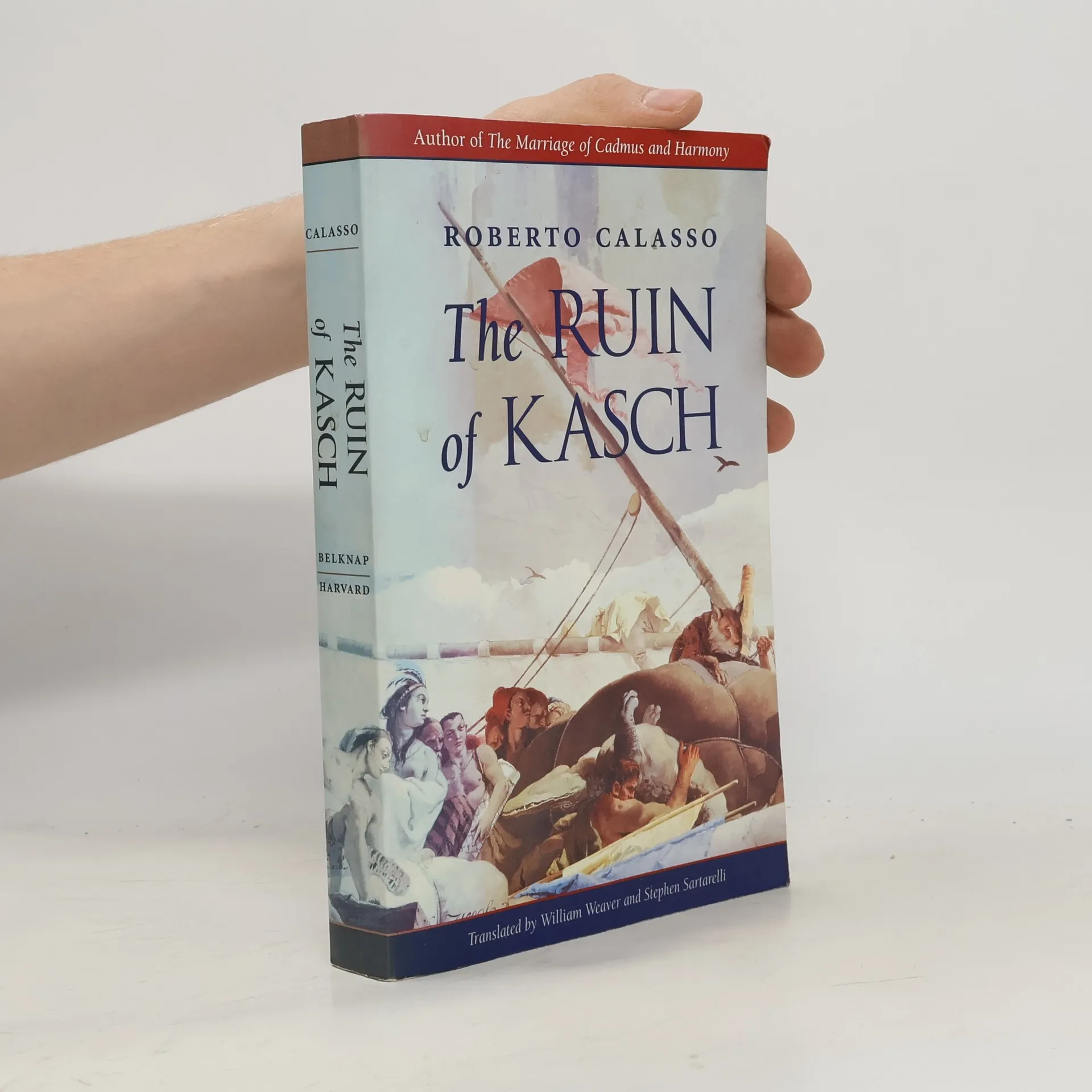
The Ruin of Kasch
- 400pagine
- 14 ore di lettura
In this brilliant work, Roberto Calasso cracks the code of what Baudelaire named the Modern--the increasingly murderous period from the French Revolution to the end of World War II. From Talleyrand's France and the legendary African city of Kasch, to Lenin's Russia and the killing fields of Cambodia, Calasso leads us along an enticing maze of mythology, literature, art, and science to the pulsing heart of civilization, where he deciphers the deepest secrets of history.
Le nozze di Cadmo e Armonia
- 464pagine
- 17 ore di lettura
Come Zeus, sotto forma di toro bianco, rapì la principessa Europa; come Teseo abbandonò Arianna; come Dioniso violò Aura; come Apollo fu servo di Admeto, per amore; come il simulacro di Elena si ritrovò, insieme a quello di Achille, nell'isola di Leukè; come Erigone si impiccò; come Coronis, incinta di Apollo, lo tradì con un mortale; come le Danaidi tagliarono la testa ai loro sposi; come Achille uccise Pentesilea e si congiunse con lei; come Oreste lottò con la follia; come Demetra vagò alla ricerca della figlia Core; come Core guardò Ade e si vide riflessa negli occhi di lui; come Giasone morì, colpito da una trave della nave Argo; come Fedra smaniò invano per Ippolito; come gli Olimpi scesero a Tebe per partecipare alle nozze di Cadmo e Armonia...
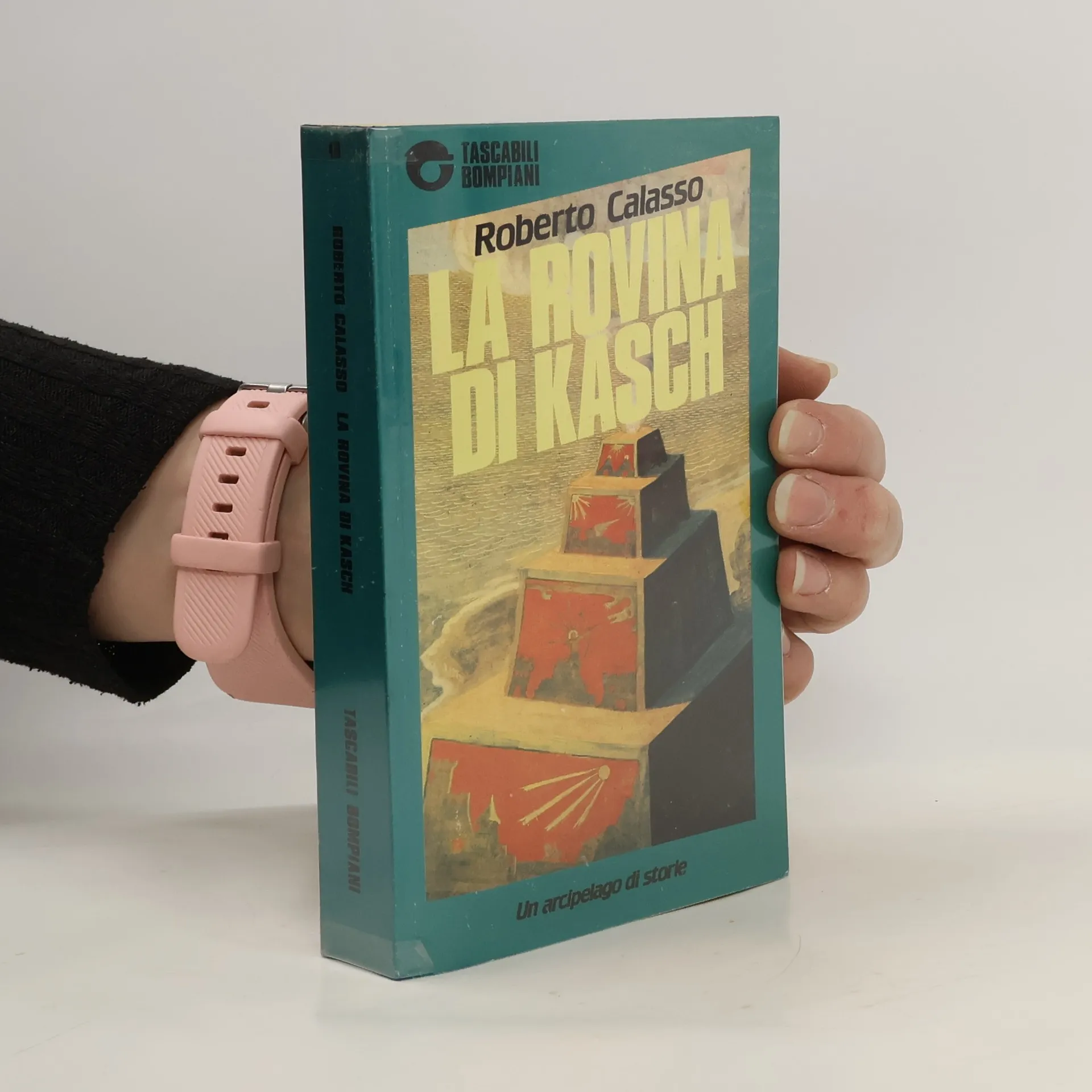
La rovina di Kasch
- 496pagine
- 18 ore di lettura
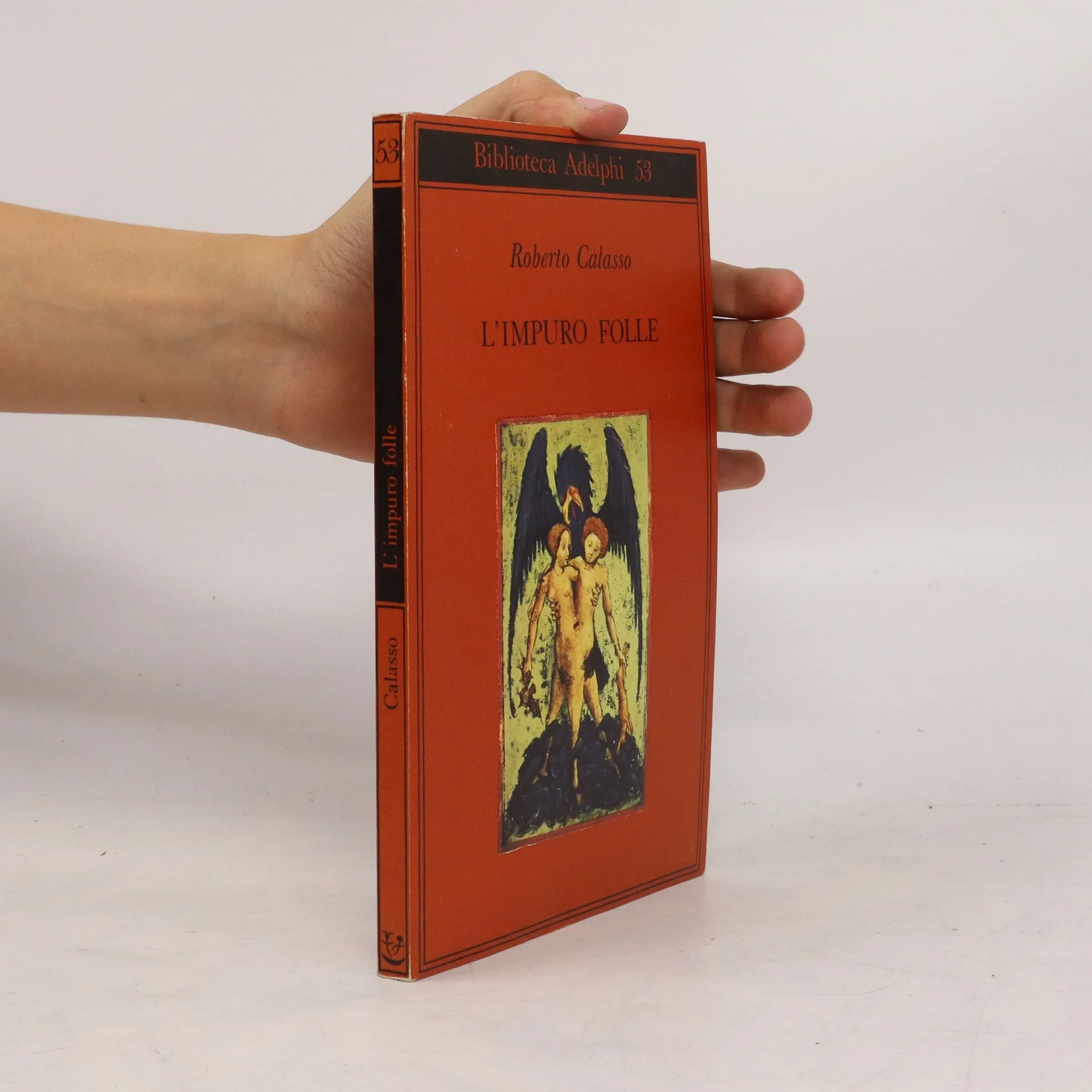
L'impuro folle
- 128pagine
- 5 ore di lettura
Quando Daniel Paul Schreber pubblicò nel 1903 le sue Memorie di un malato di nervi, non immaginava che il racconto del suo delirio avrebbe permesso a Freud di costruire l'intera teoria della paranoia; che avrebbe preso posto accanto a Dora, all'Uomo dei topi, all'Uomo dei lupi ... e, infine, che Roberto Calasso gli avrebbe dedicato un libro magnifico, L'impuro folle. Con abbagliante maestria, Calasso disseziona questo caso e lo irradia in ogni direzione: storia, psicologia, mitologia, correnti scientifiche, immagini e forme – tutto è contaminato dal delirio di Schreber, che finisce per apparirci un punto chiave del tessuto storico e sociale che ancora oggi ci avvolge e sorregge: il presidente Schreber è sempre fra noi. E noi? Limpida e dura come un diamante, nera e densa di una cultura mirabilmente padroneggiata, la scrittura di Calasso trasforma le Memorie del presidente Schreber in una prodigiosa testimonianza della nostra civiltà.