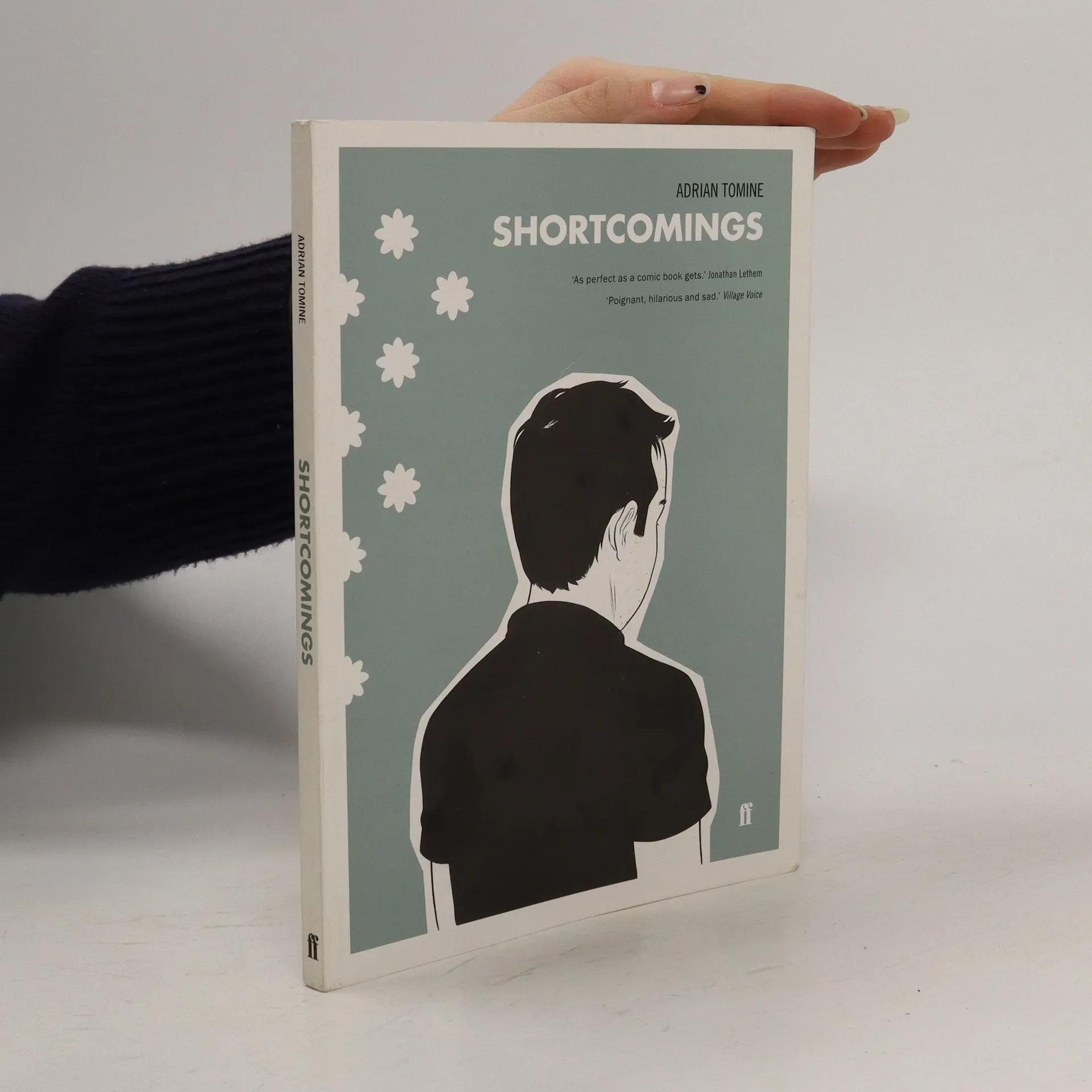
Shortcomings Screenplay
- 200pagine
- 7 ore di lettura


Adrian Tomine è un artista celebrato per il suo approccio distintivo alla narrazione visiva. Il suo lavoro approfondisce frequentemente le complessità della connessione umana e le vite interiori dei suoi personaggi. Lo stile di Tomine è caratterizzato dalla sua delicata linea e dalle acute osservazioni dell'esistenza quotidiana. Attraverso i suoi fumetti e romanzi grafici, offre ai lettori scorci toccanti e spesso inquietanti della condizione umana.




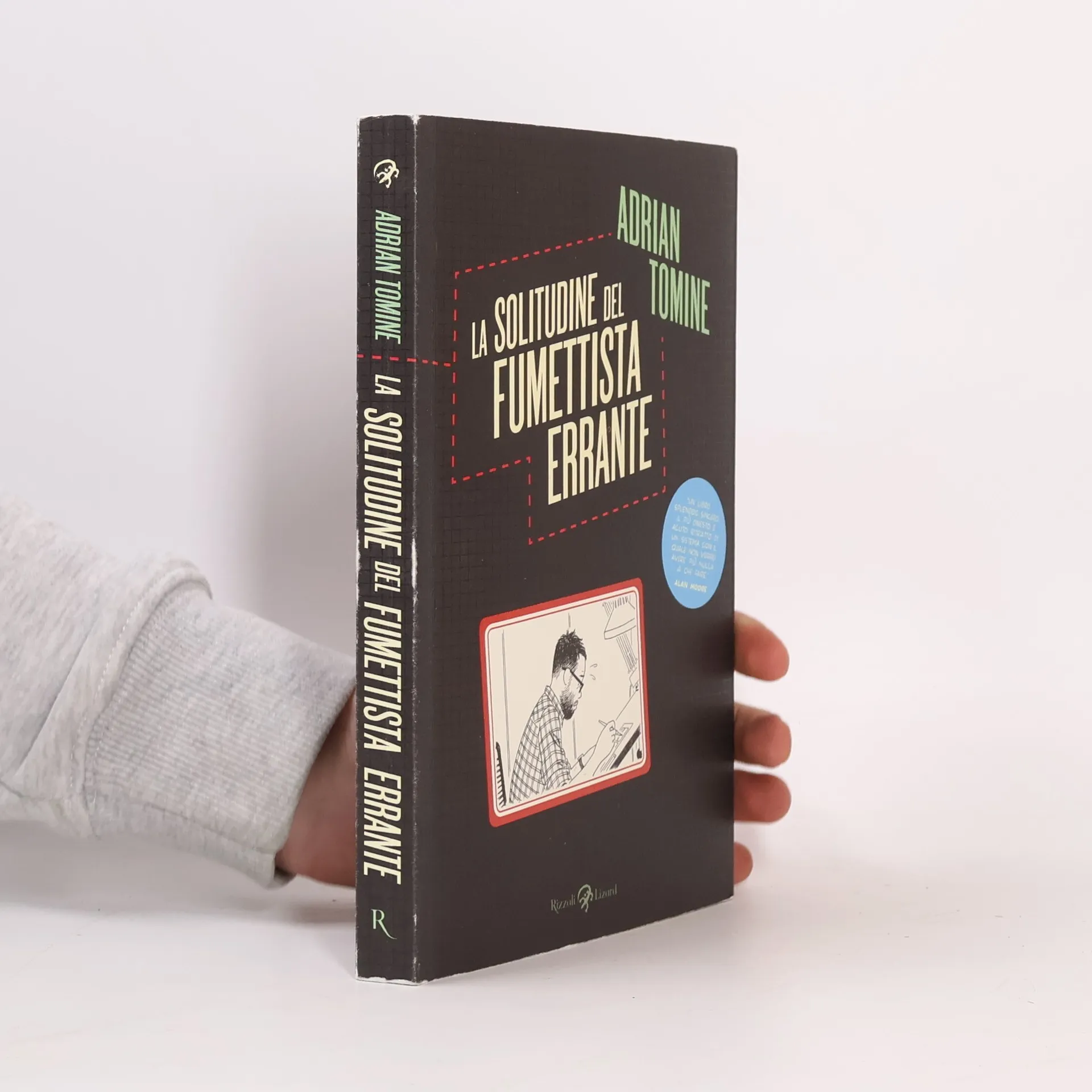
È strano quando la tua passione d’infanzia si trasforma in un lavoro. Così è andata a Adrian Tomine, che ha realizzato il sogno che si porta dietro dalle scuole elementari: Ora però deve fare i conti con gli aspetti più irritanti della sua “fama”. Perché, per quanto sia un autore molto rispettato dai suoi pari, la maggior parte dei lettori di fumetti si dividono tra manga e supereroi e non hanno idea di chi sia Adrian Tomine. E così, durante uno dei tanti festival in cui è invitato, è facile che un ragazzo dello staff lo scambi per Neil Gaiman o che per sbaglio si ritrovi seduto in uno stand al posto di Alan Moore (con grande dispiacere dei fan in fila per le dediche). In questo divertente diario dei suoi tour promozionali, Tomine ci fa rivivere interviste imbarazzanti, ridicoli incontri con lettori disinteressati o troppo invadenti, impietosi retroscena delle chiacchierate tra colleghi e una misera figuraccia con Frank Miller. E tra una gaffe e l’altra, Tomine cerca a fatica di concentrarsi sulle difficoltà della sua vita privata: l’essere genitore e gli alti e bassi del matrimonio. La solitudine del fumettista errante è un memoir agrodolce, nel quale l’epica dell’ambizione giovanile si schianta contro le noie dell’età adulta e si trasforma in un’irresistibile farsa.
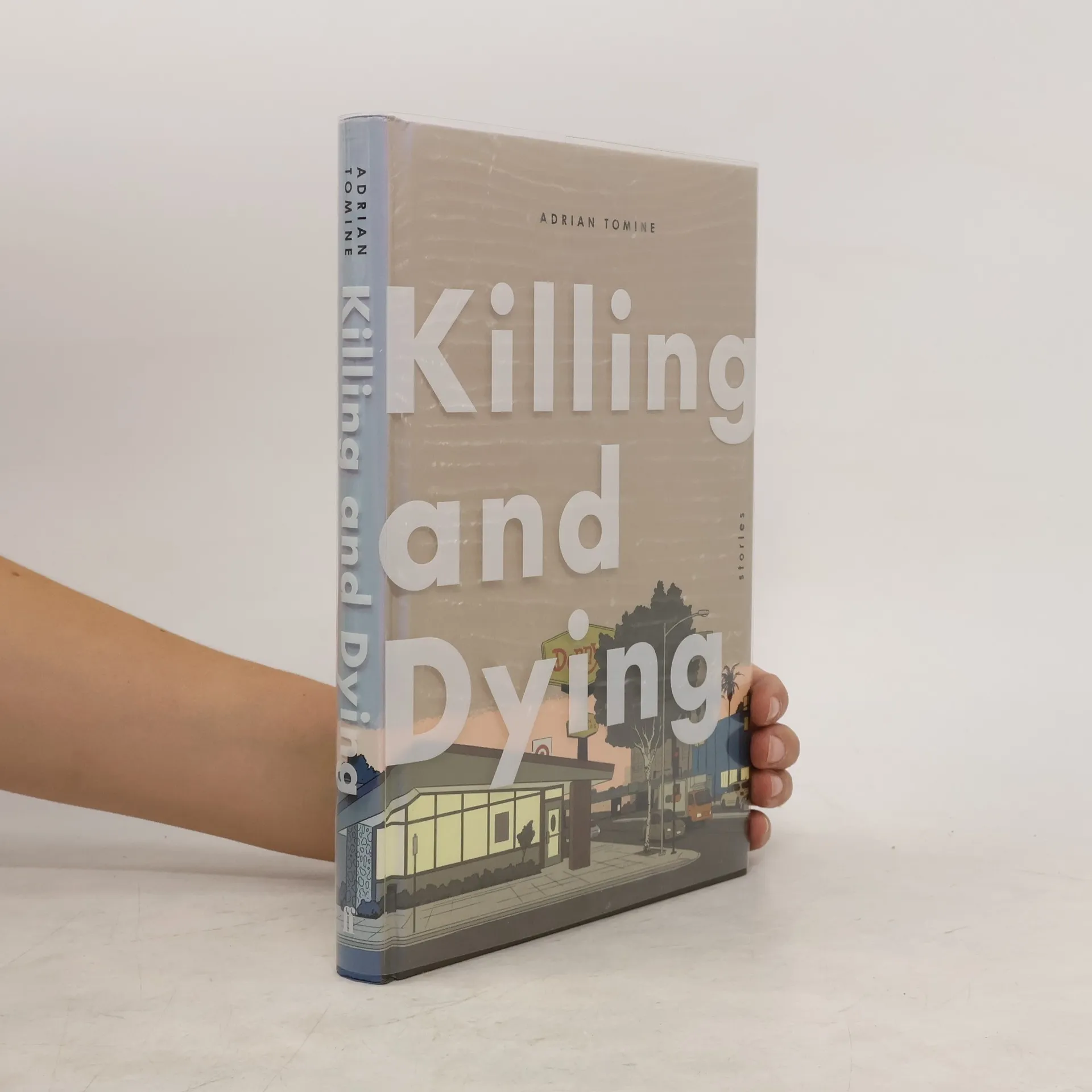
"One of the most gifted graphic novelists of our time." --"Wired" " " " Killing and Dying" is a stunning showcase of the possibilities of the graphic novel medium and a wry exploration of loss, creative ambition, identity, and family dynamics. With this work, Adrian Tomine ("Shortcomings," " Scenes from an Impending Marriage") reaffirms his place not only as one of the most significant creators of contemporary comics but as one of the great voices of modern American literature. His gift for capturing emotion and intellect resonates here: the weight of love and its absence, the pride and disappointment of family, the anxiety and hopefulness of being alive in the twenty-first century. "Amber Sweet" shows the disastrous impact of mistaken identity in a hyper-connected world; "A Brief History of the Art Form Known as Hortisculpture" details the invention and destruction of a vital new art form in short comic strips; "Translated, from the Japanese" is a lush, full-color display of storytelling through still images; the title story, "Killing and Dying," centers on parenthood, mortality, and stand-up comedy. In six interconnected, darkly funny stories, Tomine forms a quietly moving portrait of contemporary life. Tomine is a master of the small gesture, equally deft at signaling emotion via a subtle change of expression or writ large across landscapes illustrated in full color." Killing and Dying" is a fraught, realist masterpiece.
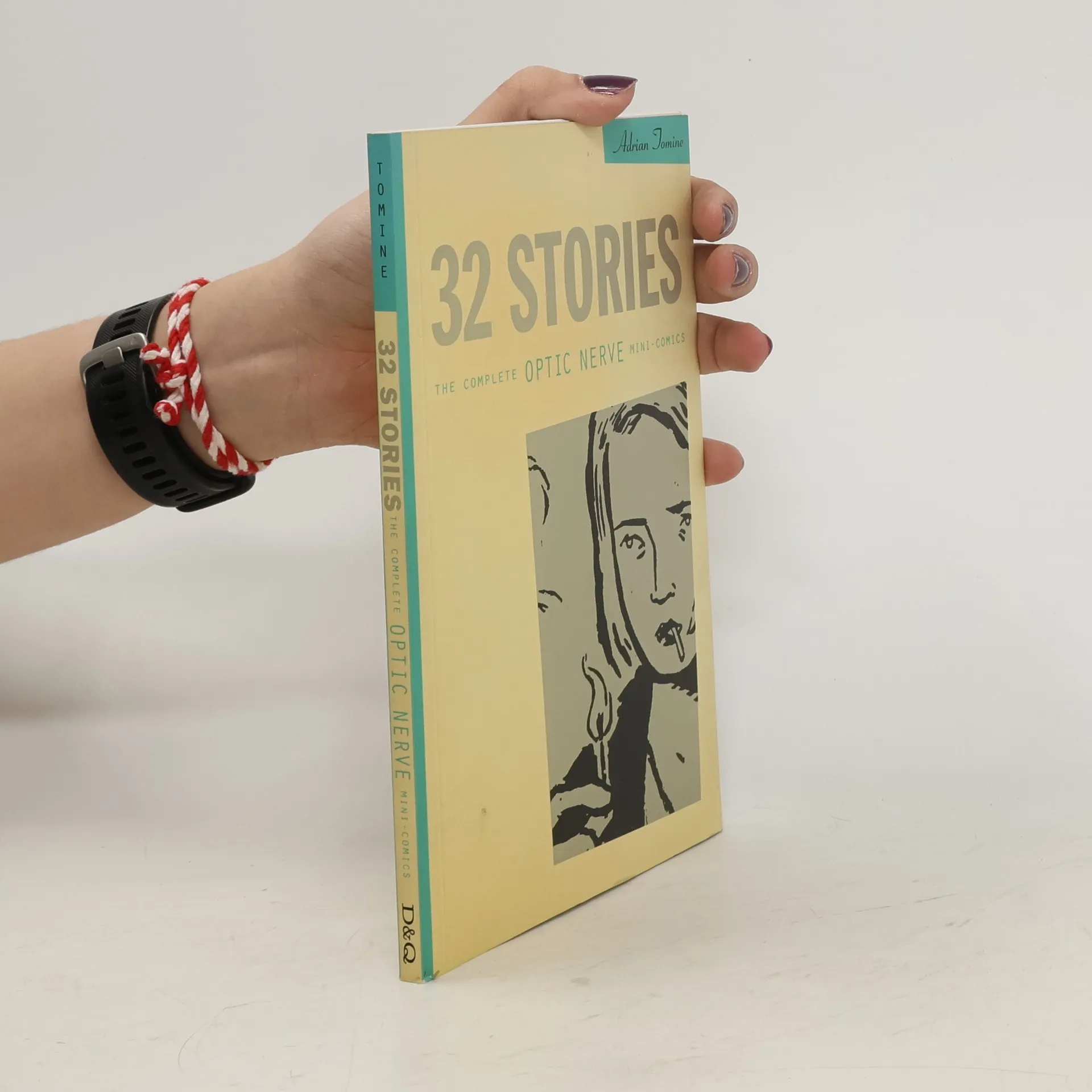
In 1991, Adrian Tomine self-published the first issue of Optic Nerve. Consisting of three xeroxed sheets of paper, and with a print run of twenty-five, it was a less-than-auspicious, largely unnoticed debut. In the following three years, though, Optic Nerve developed at a startlingly rapid pace: the artwork and writing evolved with each story, production quality improved, page counts increased, and by issue seven, sales had reached 6,000. In 1994, Drawn & Quarterly took over the publishing duties of Optic Nerve, and the original seven issues sold out and were left out of print. 32 stories presents these rare, early editions, collected for the first time in a single volume.
An old woman returns alone to the spot where as a young girl she used to meet her lover on his daily lunch break. A young guy misses his flight and returns to observe a kind of alternate version of his own life, one from which he seems to have vanished.
Tomines first long-form graphic novel is the story of Ben Tanaka, a confused, obsessive Japanese American male in his late 20s, and his cross-country search for contentment (or at least the perfect girl).
These four stories provide a peek into the lives of socially outcast young people, showing them dealing with bad attitudes, bad choices, and bad sex
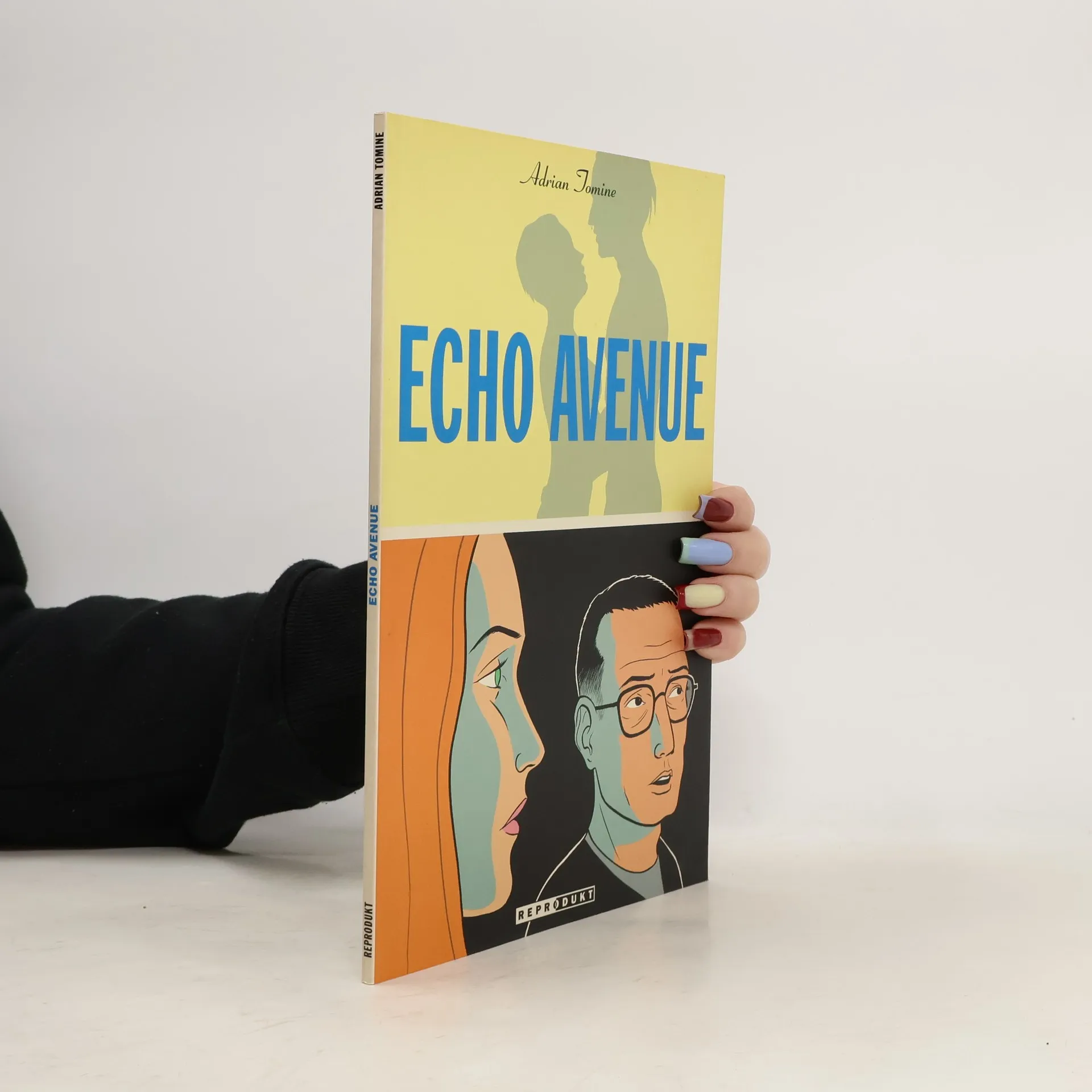
Adrian Tomine gilt als eines der grössten Talente der jungen amerikanischen Comic-Szene. „Echo Avenue“ präsentiert eine Auswahl seiner Geschichten aus der Heftreihe „Optic Nerve“. Mit seinem klaren, äshtetischen Stil schildert er Situationen, in denen der Alltag Risse und Sprünge bekommt. Die Erzählungen sind fein nuanciert, melancholisch und wunderschön.