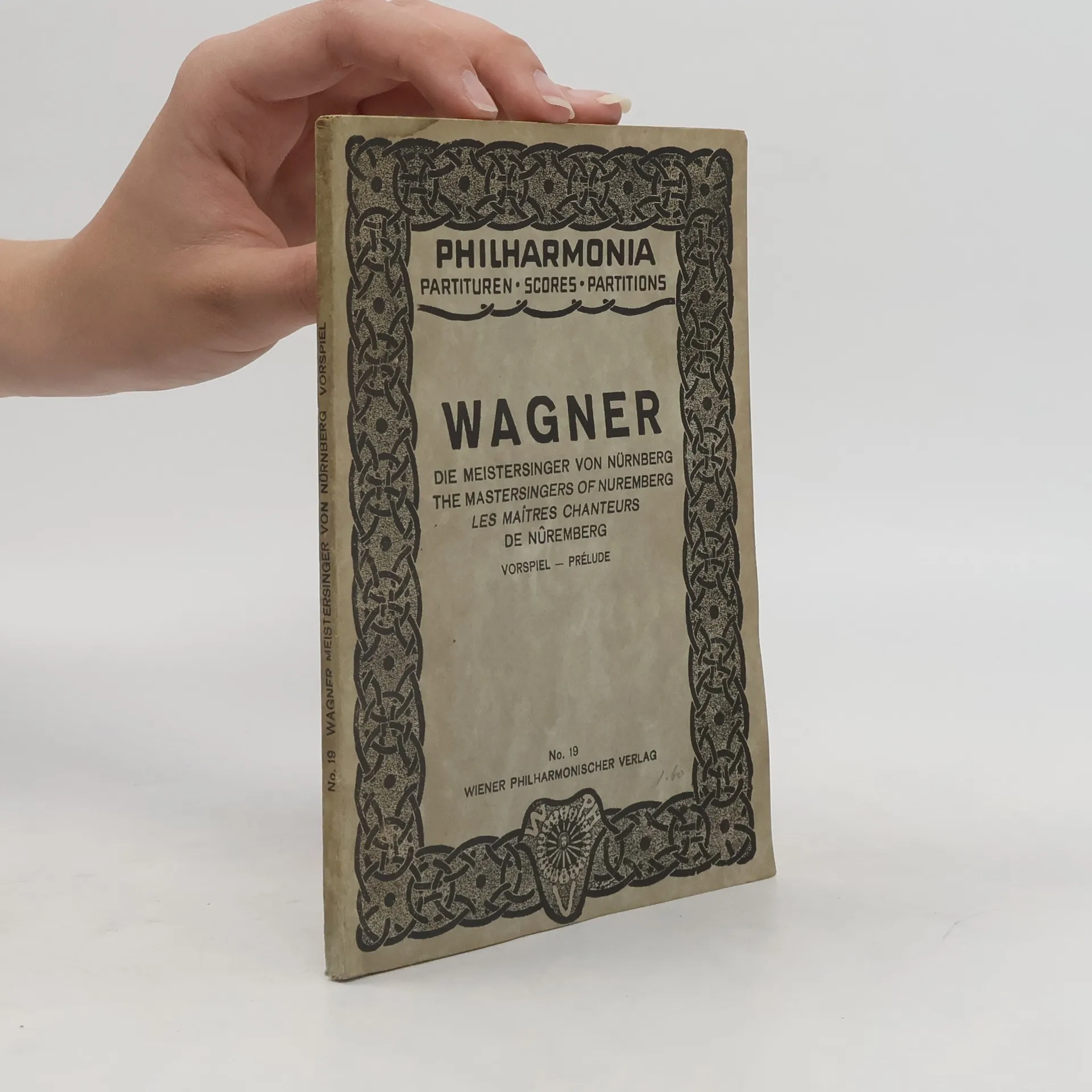
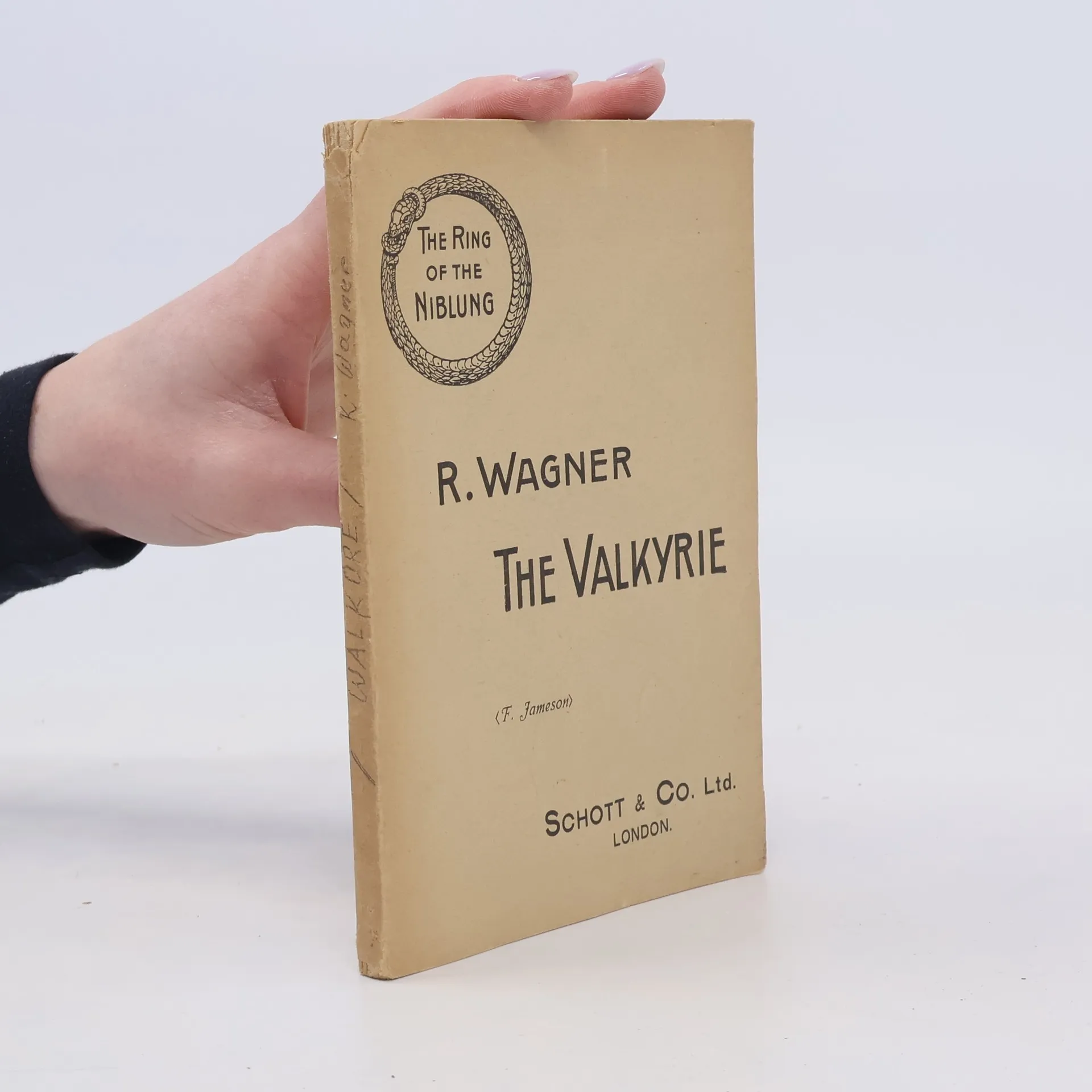
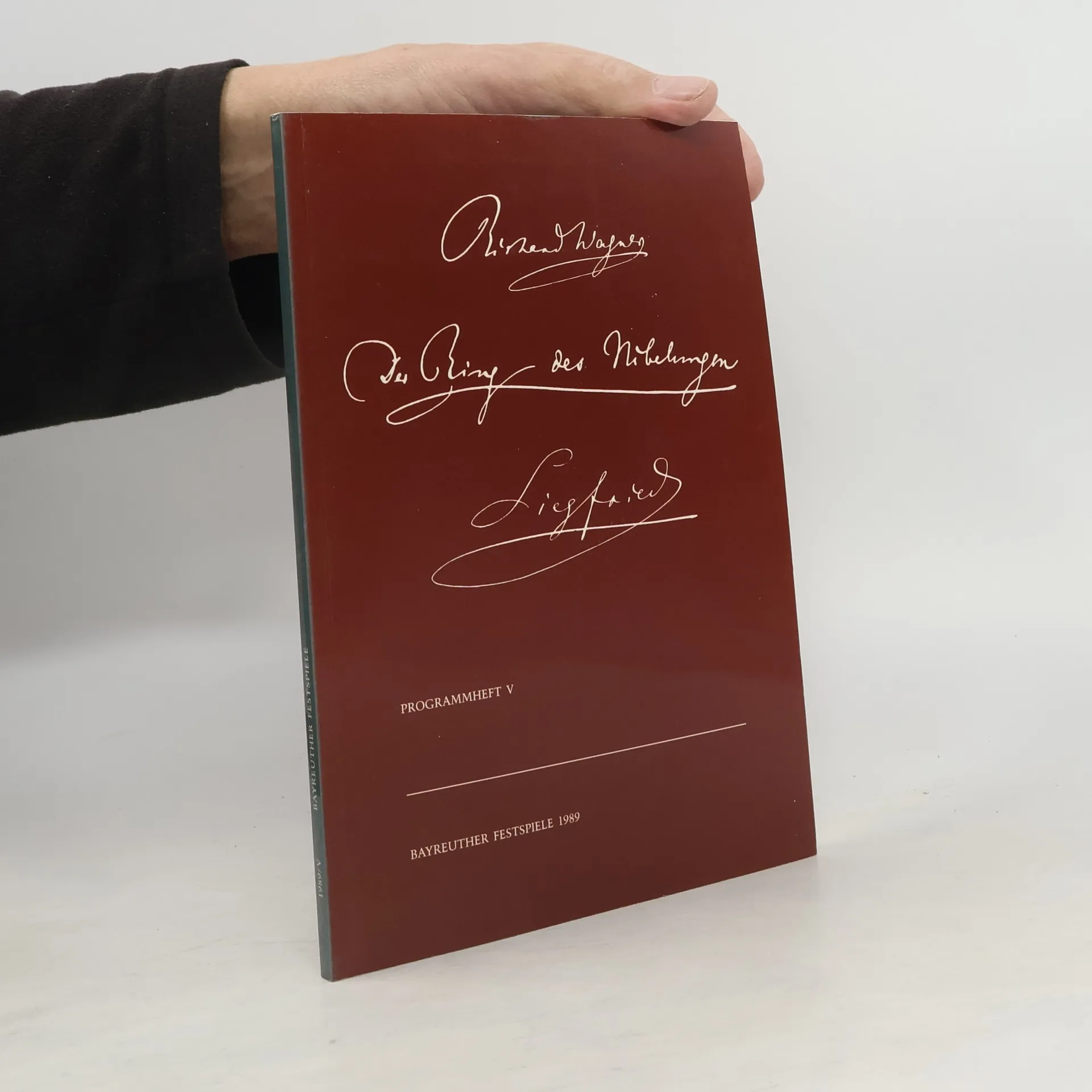
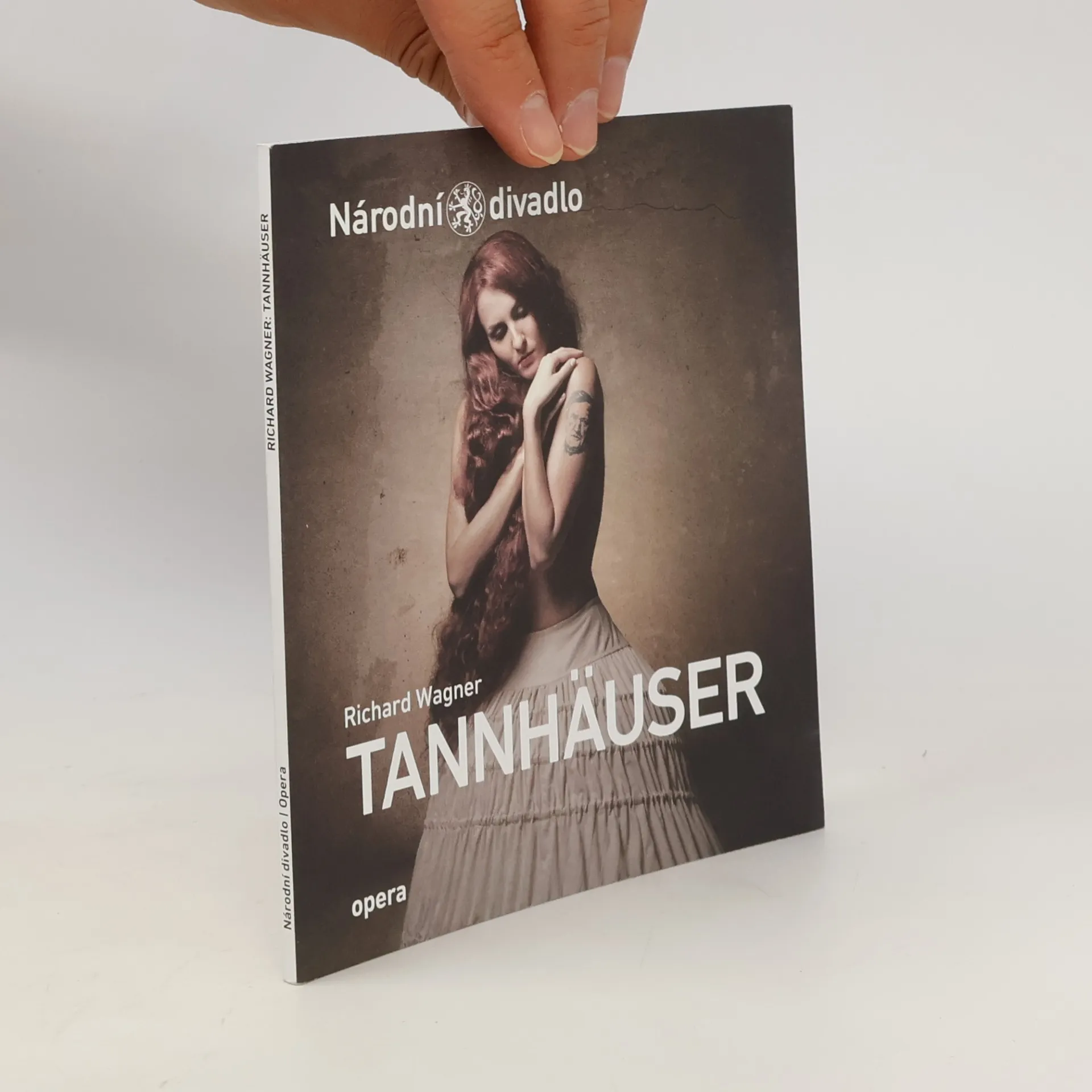
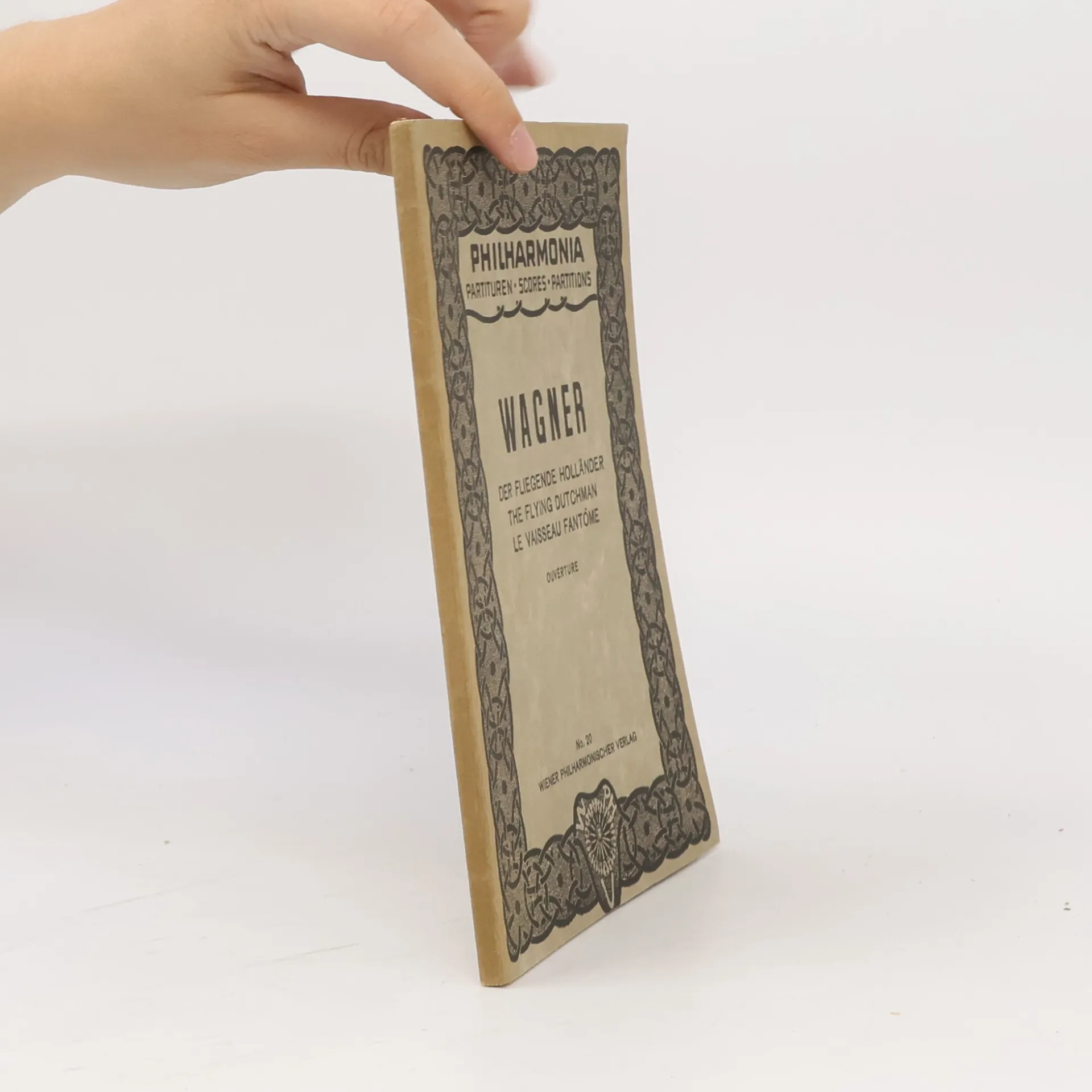
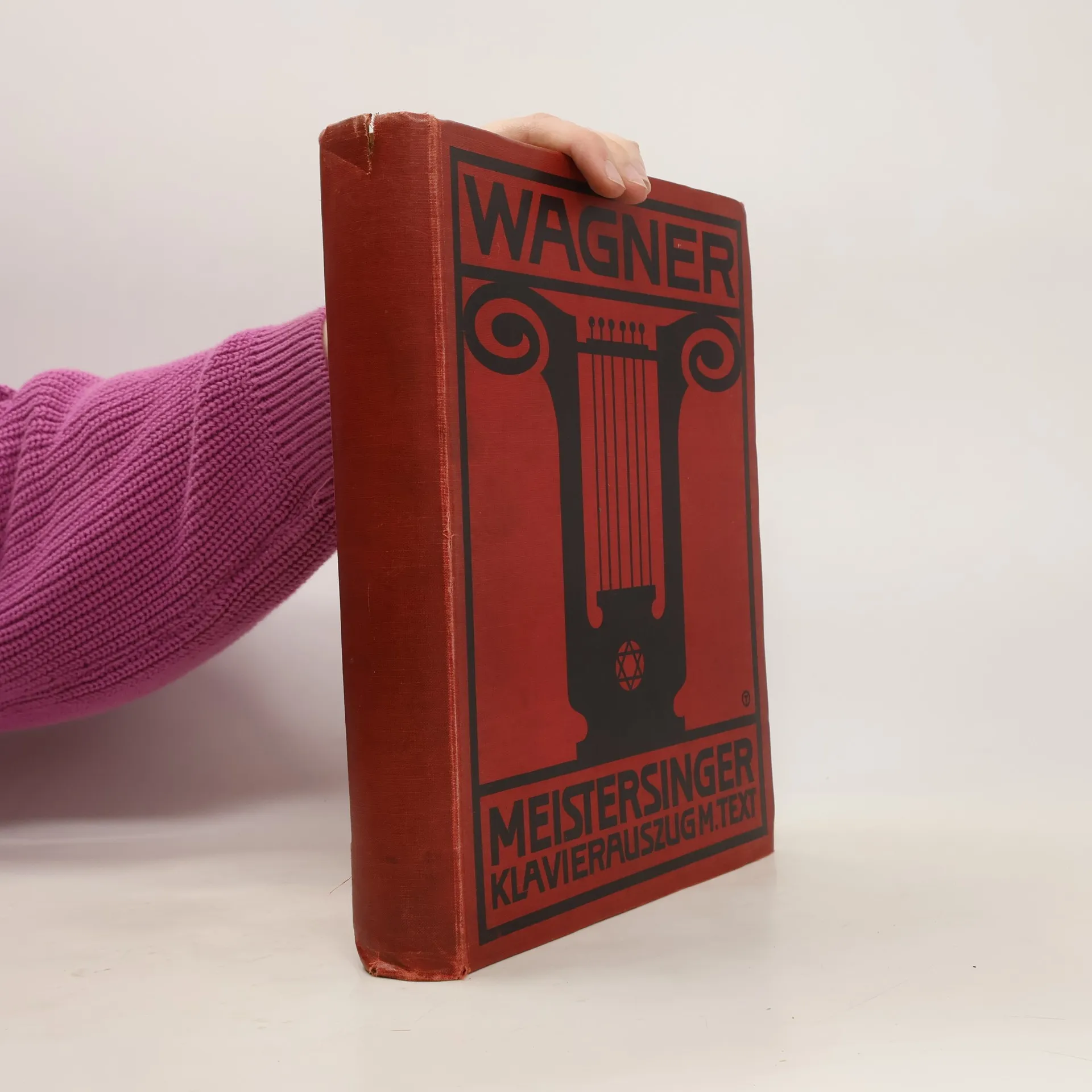
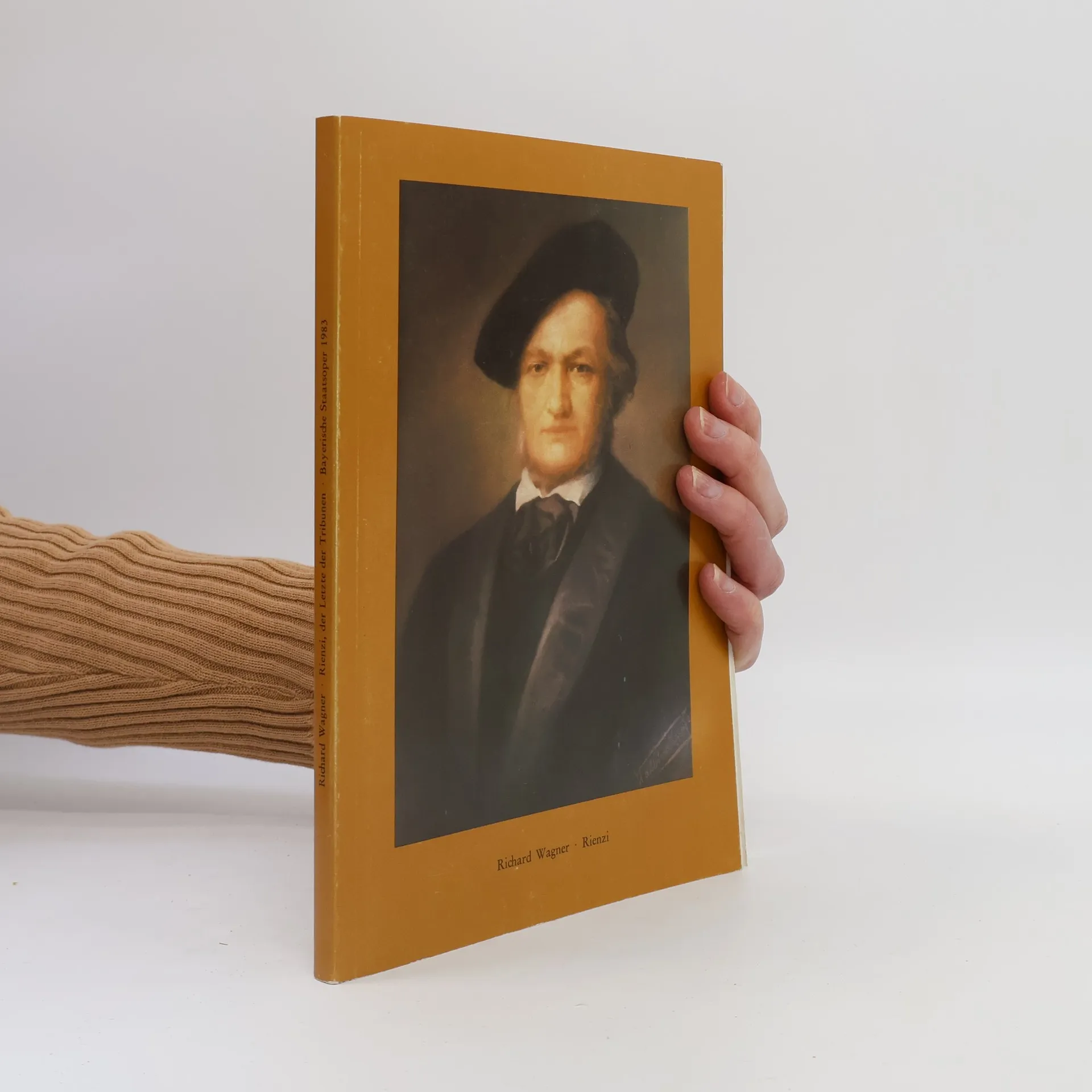
(Vocal Score). German/English. Translated by MacFarren.
Richard Wagner Libri
22 maggio 1813 – 13 febbraio 1883
Wilhelm Richard Wagner fu un compositore, direttore d'orchestra, regista teatrale e saggista tedesco, noto principalmente per le sue opere, che in seguito definì 'drammi musicali'. A differenza della maggior parte degli altri grandi compositori d'opera, Wagner scrisse sia le sceneggiature che i libretti per le sue opere. Questo controllo singolare su ogni aspetto delle sue creazioni infuse la sua produzione con una visione artistica profondamente personale e unificata.


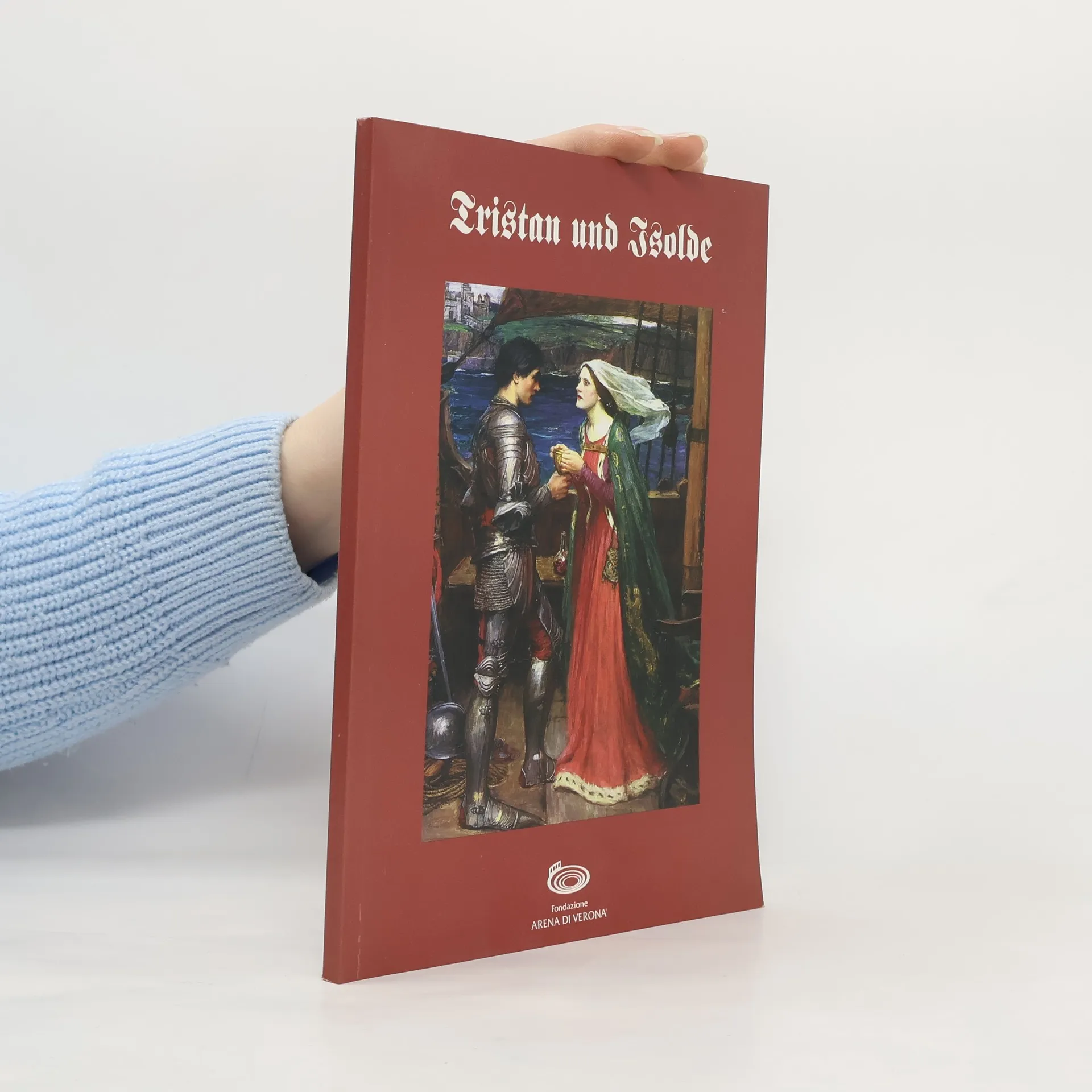
Richard Wagner: Tristan und Isolde. Oper in drei Aufzügen, entstanden 1854–1859. Die Uraufführung fand am 10.06.1865 im Königlichen Hof- und Nationaltheater in München statt. Richard Wagner, 1813 in Leipzig geboren, wurde eine prägende Figur der Musik des 19. Jahrhunderts. Sein bewegtes Leben führte ihn an verschiedene Orte wie Königsberg, Riga, London, Paris und die Schweiz, bis er schließlich in Bayreuth ankam, das untrennbar mit seinem Namen verbunden ist. Trotz finanzieller Schwierigkeiten betrachtete Wagner seine Schulden als »lächerlich« im Vergleich zu seinen »Aktiva«. Seine Wirkung auf die nachfolgende Musik ist einzigartig, doch bleibt er eine umstrittene Figur, insbesondere aufgrund seiner antisemitischen Schrift, die dem Nationalsozialismus Vorschub leistete. Die Oper erzählt die tragische Liebesgeschichte von Tristan und Isolde, die durch das Schicksal und die gesellschaftlichen Normen getrennt sind, und thematisiert die Konflikte zwischen Liebe, Ehre und Tod.
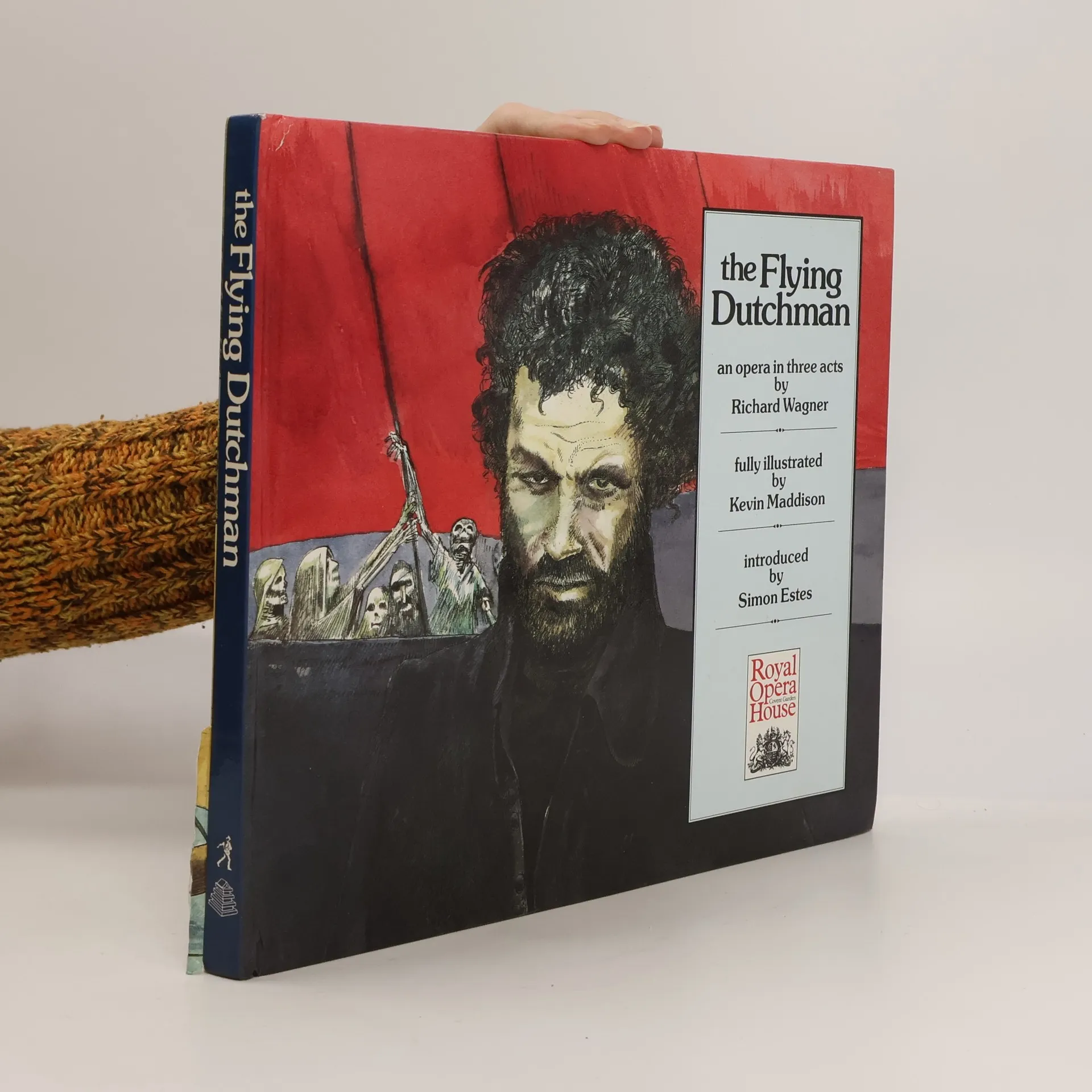
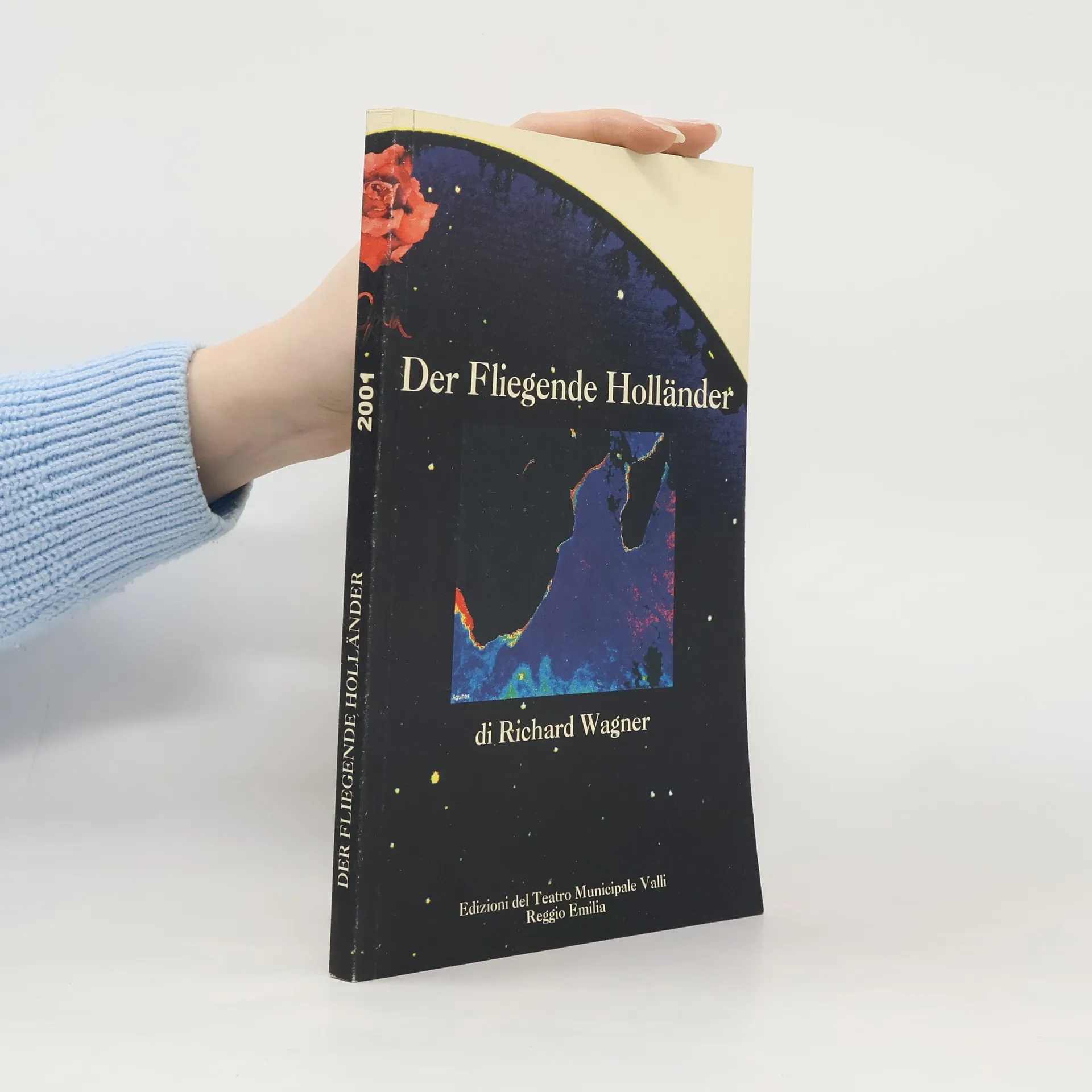
Wagners 1843 in Dresden uraufgeführte Oper lebt von starken Kontrasten: Vor dem Hintergrund aufwühlender Naturschilderungen prallen die dämonische Welt des Holländers und das Erlösungsthema der Senta aufeinander - in der tragischen Hoffnung, der zur ewigen Irrfahrt auf dem Meer Verdammte könne durch die Treue einer Frau erlöst werden.
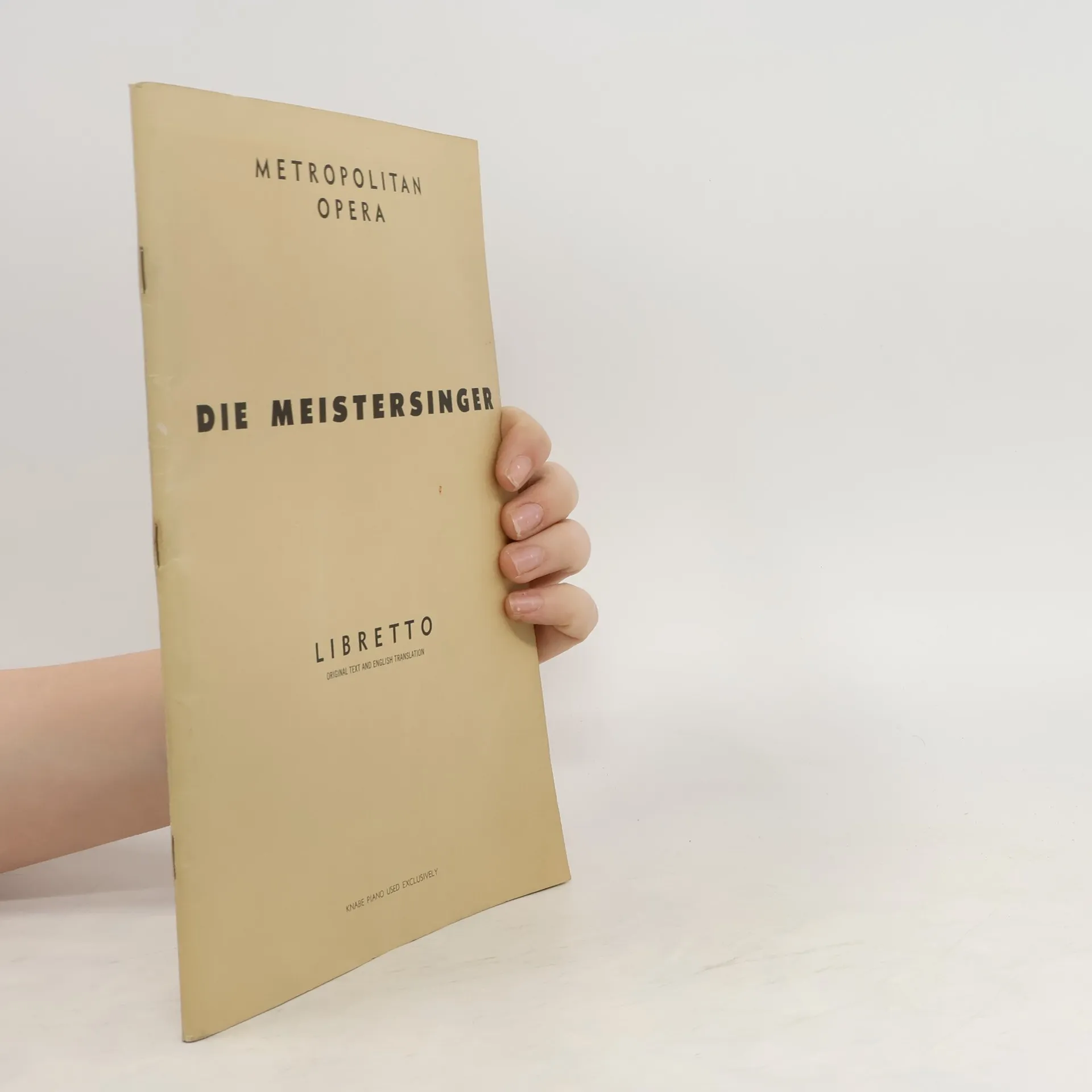
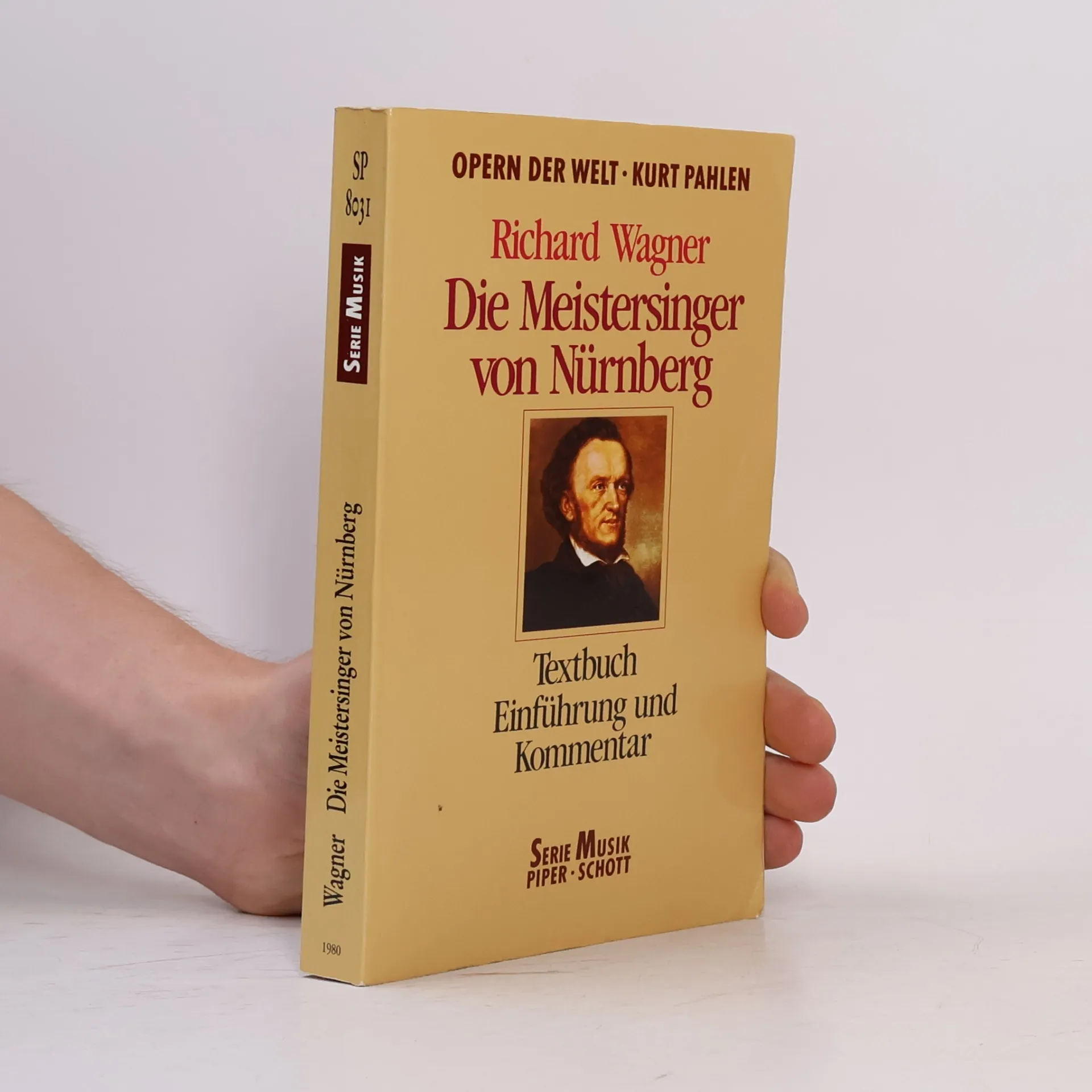
Die Meistersinger von Nürnberg
67. Maggio Musicale Fiorentino
The Case for Mars
- 368pagine
- 13 ore di lettura
Since the beginning of human history Mars has been an alluring dream--the stuff of legends, gods, and mystery. The planet most like ours, it has still been thought impossible to reach, let alone explore and inhabit.Now with the advent of a revolutionary new plan, all this has changed. leading space exploration authority Robert Zubrin has crafted a daring new blueprint, Mars Direct, presented here with illustrations, photographs, and engaging anecdotes.The Case for Mars is not a vision for the far future or one that will cost us impossible billions. It explains step-by-step how we can use present-day technology to send humans to Mars within ten years; actually produce fuel and oxygen on the planet's surface with Martian natural resources; how we can build bases and settlements; and how we can one day "terraform" Mars--a process that can alter the atmosphere of planets and pave the way for sustainable life.
"In the same period Wagner was deeply inspired by the works of Shakespeare, an influence that runs throughout this volume. The title essay, "Actors and Singers," is one of Wagner's most deliberate and philosophical writings. He wrote, "Art ceases, strictly speaking, to be Art from the moment it presents itself as Art to our reflecting consciousness. " He described how the unconsciousness of art, and thus art's power, connected natural genius to cultivate traditions.
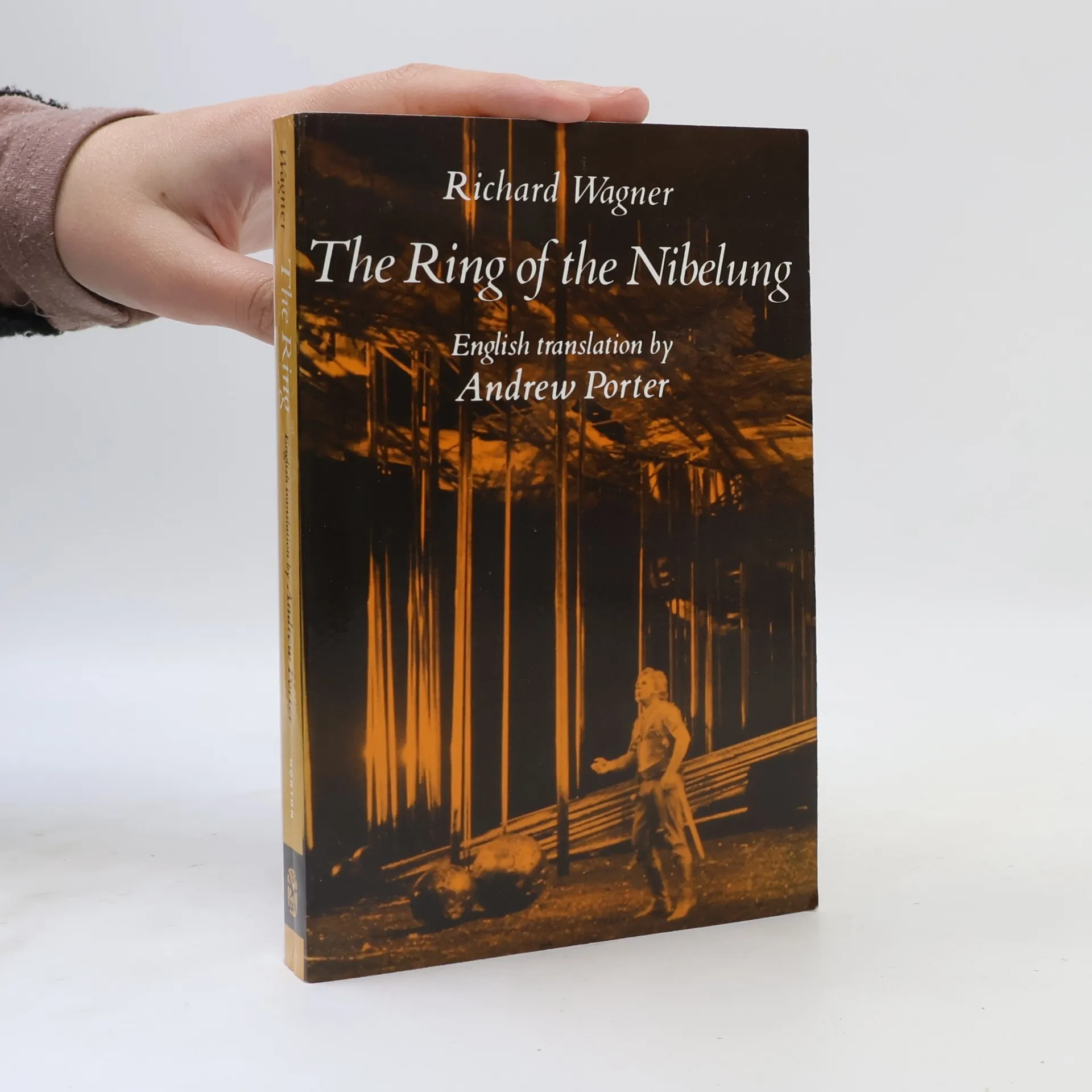
The Ring of the Nibelung
German Text with English Translation by Andrew Porter
- 340pagine
- 12 ore di lettura
Richard Wagner's vast Der Ring des Nibelungen cycle comprises four full-length operas ( Das Rheingold, Die Walkure, Siegfried and Gotterdammerung ) and is arguably the most extraordinary achievement in the history of opera. His own libretto to the operas, translated by Andrew Porter, is an intricate system of metric patterns, imaginative metaphors and alliteration, combining to produce the music in text. 'Andrew Porter's utterly natural, often poetic, faithfully rendered English text should be a revelation...The immediacy of instant comprehension gives the entire drama an added dimension.'--The New York Times
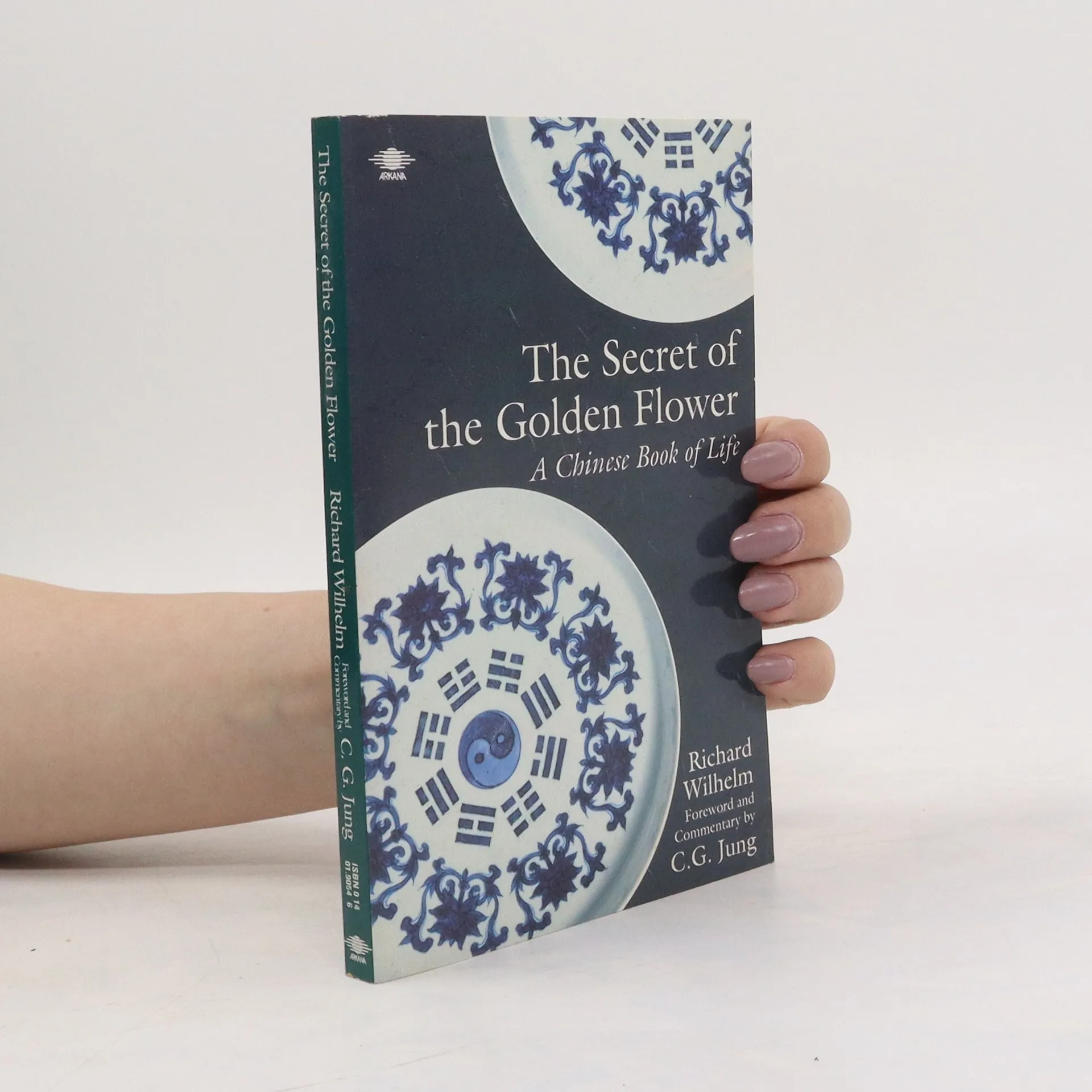
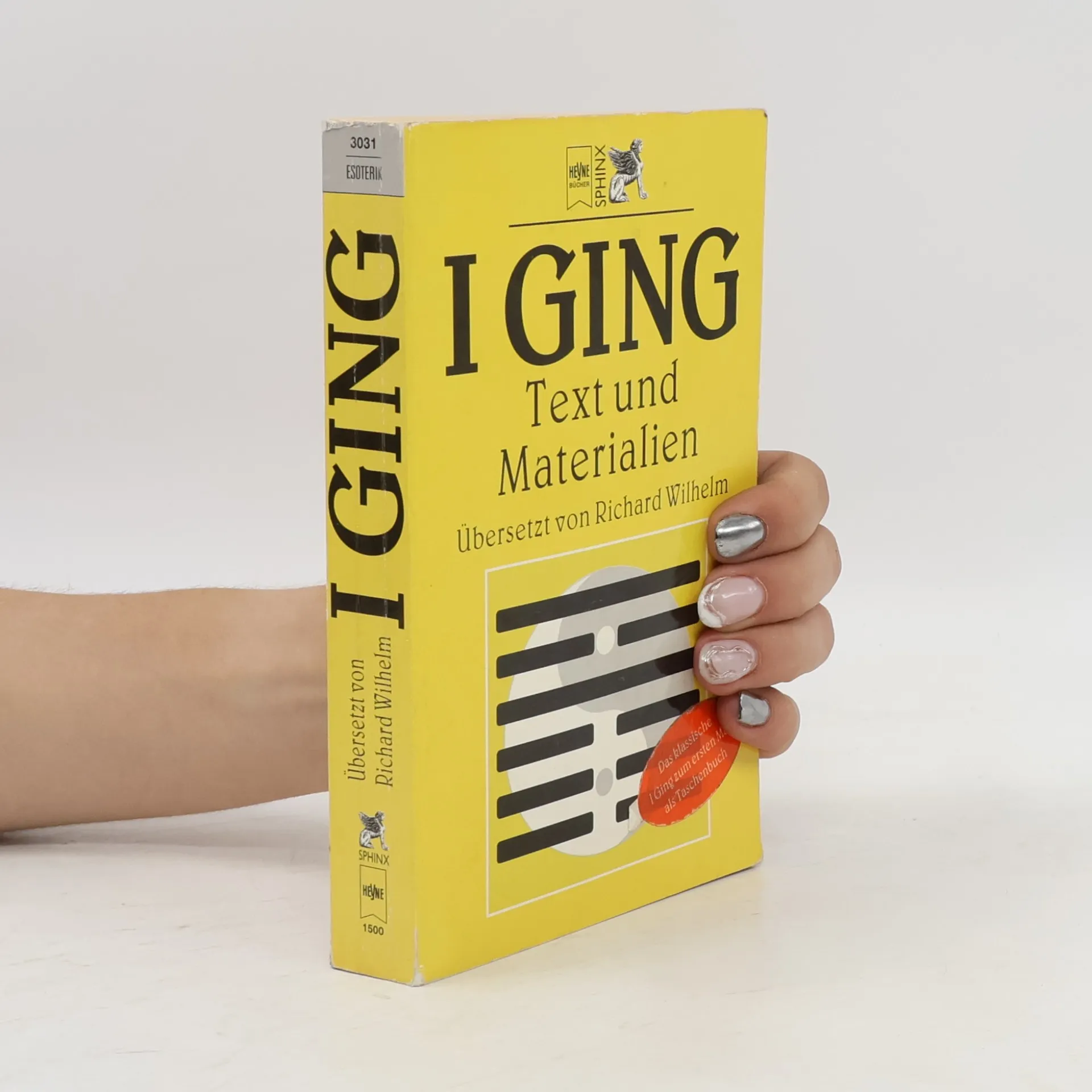
This ancient Chinese manual of spiritual alchemy was brought to the West in translation by missionary and theologian Richard Wilhelm who is assisted in this book by Carl Jung. Averse to the blind aping of oriental ways, Jung suggests that Eastern treasures are best used to enrich our understanding of the work we have to do on ourselves and our culture.
The second installment of Richard Wagner's renowned epic features a translation by Margaret Armour, complemented by Arthur Rackham's stunning illustrations. This volume delves deeper into the intricate themes and characters of the saga, enhancing the experience with visual artistry that brings the narrative to life.
Opera and Drama
- 320pagine
- 12 ore di lettura
Culturally significant, this work has been preserved from its original artifact to maintain authenticity. It includes original copyright references and library stamps, reflecting its historical importance and the role it has played in the knowledge base of civilization. This reproduction aims to honor the integrity of the original text while providing access to vital scholarly resources.
Retells the legend of the captain doomed to sail the seas unless he finds the love of a faithful girl.
My Life - Volume 1
- 420pagine
- 15 ore di lettura
The preservation of this classical work emphasizes its historical significance and relevance to future generations. Alpha Editions has republished it in a modern format, ensuring clarity and readability through reformatting and retyping, rather than relying on scanned copies. This effort highlights the importance of maintaining access to influential literature while enhancing the reading experience for contemporary audiences.
Die Walküre
- 198pagine
- 7 ore di lettura
A companion volume offering essays, surveys and summaries to inform and enlighten.
The Rhinegold
- 96pagine
- 4 ore di lettura
English National Opera Guides are ideal companions to the opera. They provide stimulating introductory articles together with the complete text of each opera in English and the original. The opening evening of Wagner's four-part cycle,The Ring of Nibelung, stands apart as more naive and picturesque than the others. But it immediately establishes the huge scale of the overall work, and the extraordinary musical language that will be displayed throughout. It is a miracle of musical history that Wagner's 1850 conception could be brought to completion, in an organic whole, some 25 years later. Stewart Spencer discusses the way in which Wagner fuses genuine mythology with his own invention and John Deathridge places The Rhinegold in the context of The Ring and its century.
Siegfried
- 230pagine
- 9 ore di lettura
A companion volume offering essays, surveys and summaries to inform and enlighten.
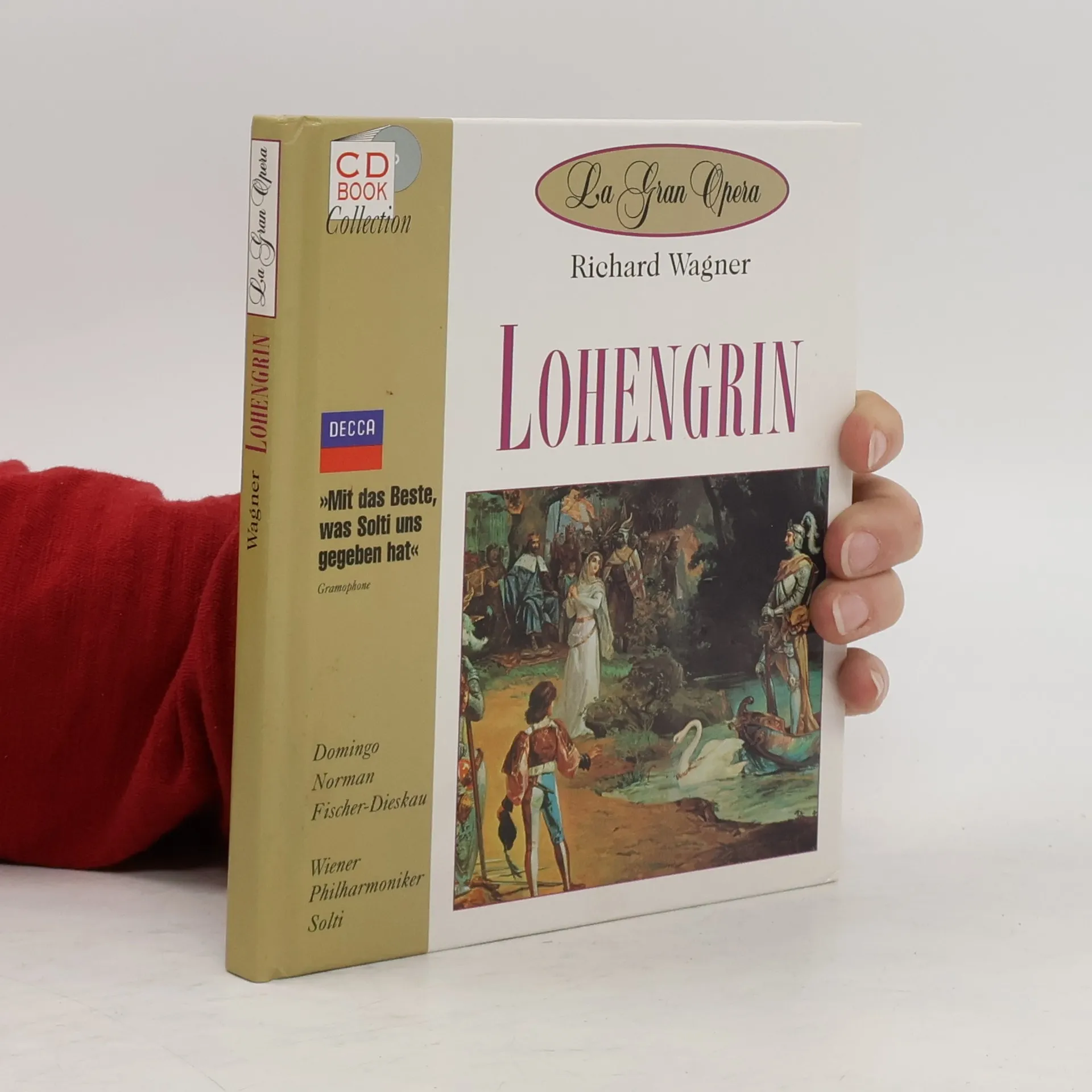
Lohengrin
- 72pagine
- 3 ore di lettura
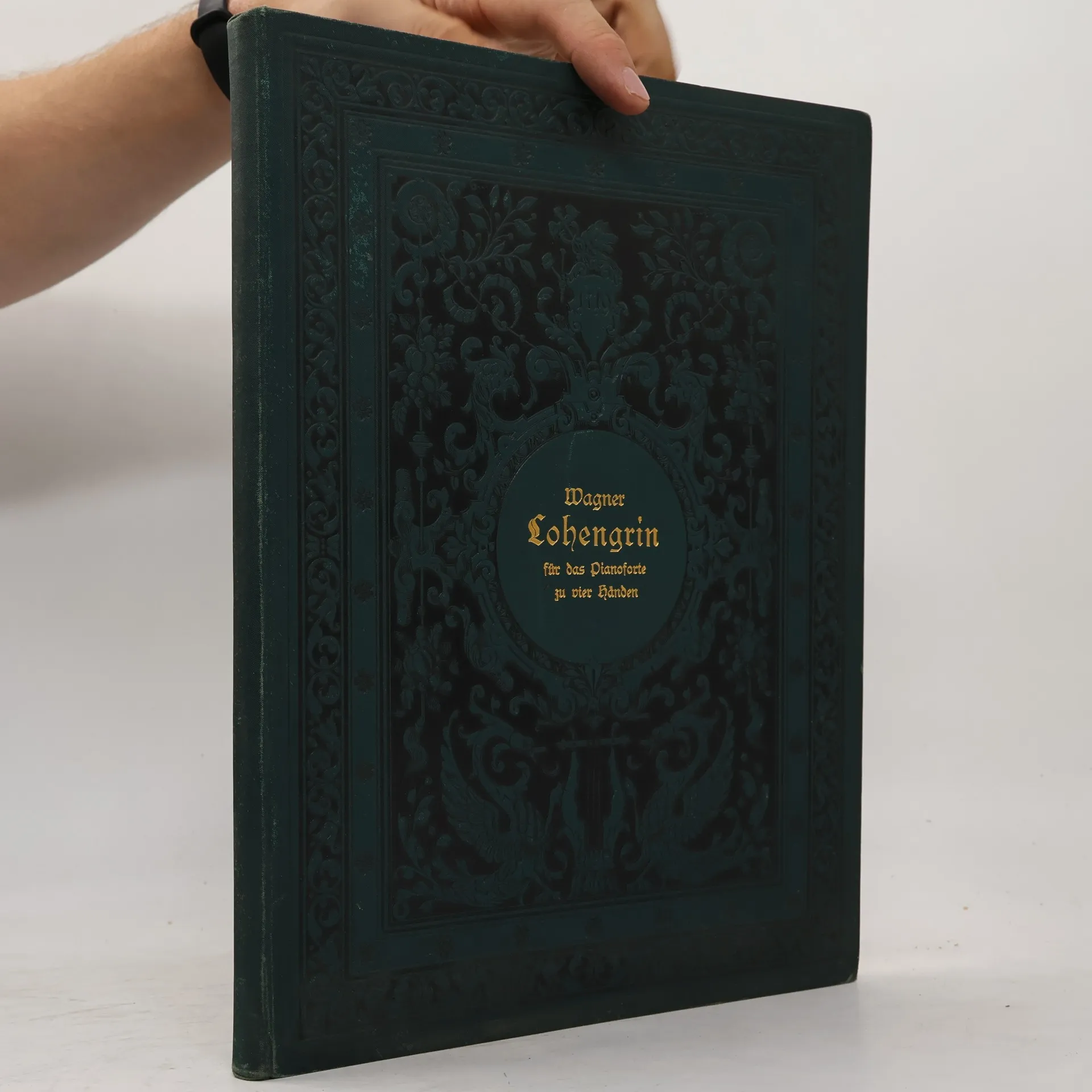
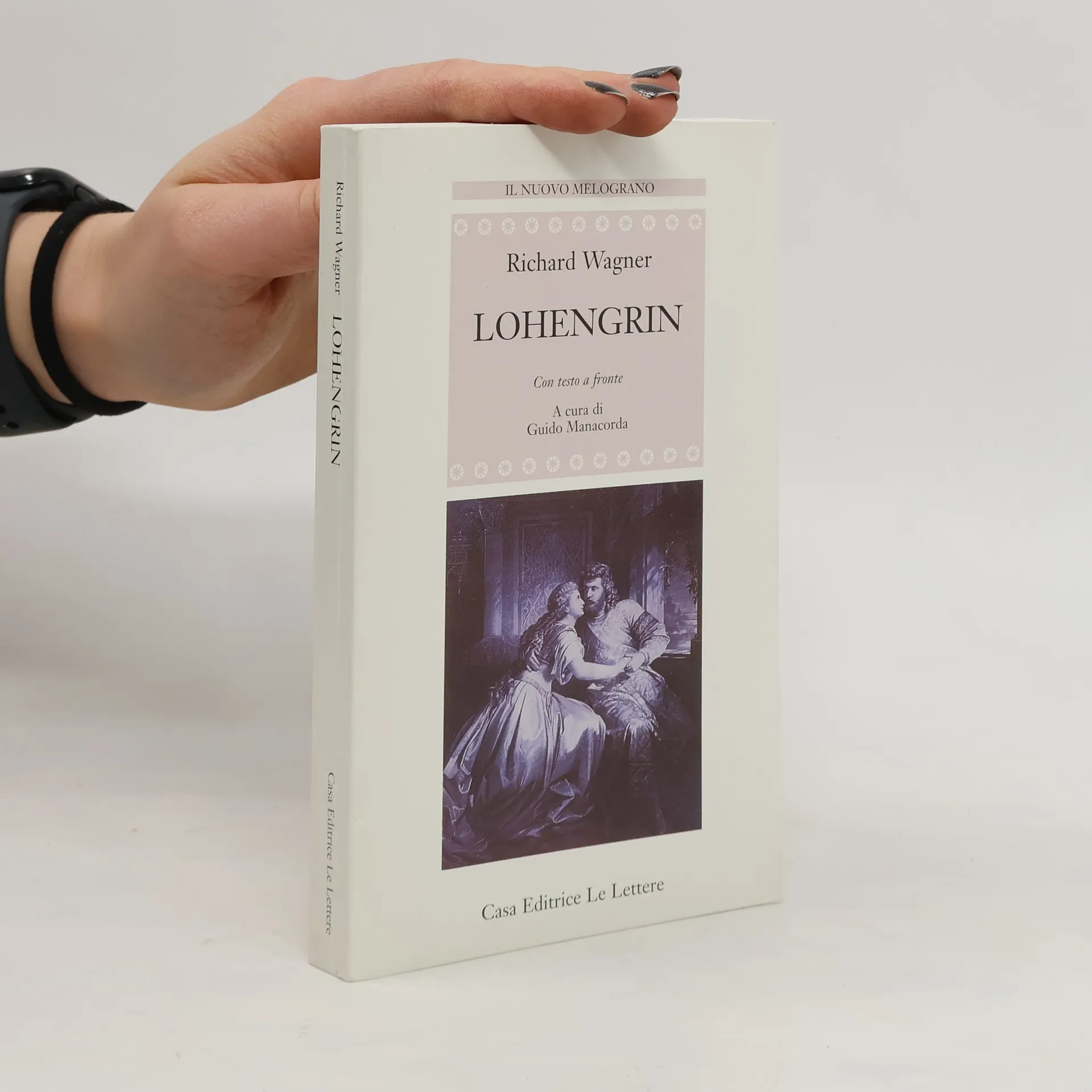
This comprehensive introduction to Wagner's opera "Lohengrin" includes the complete libretto along with numerous musical examples. Kurt Pahlen comments on the work with music-related notes and explanations of the internal and external action. A summary of the plot and an overview of the opera's history place "Lohengrin" in the context of the composer's overall oeuvre and biography, providing detailed, richly illustrated information about this opera.
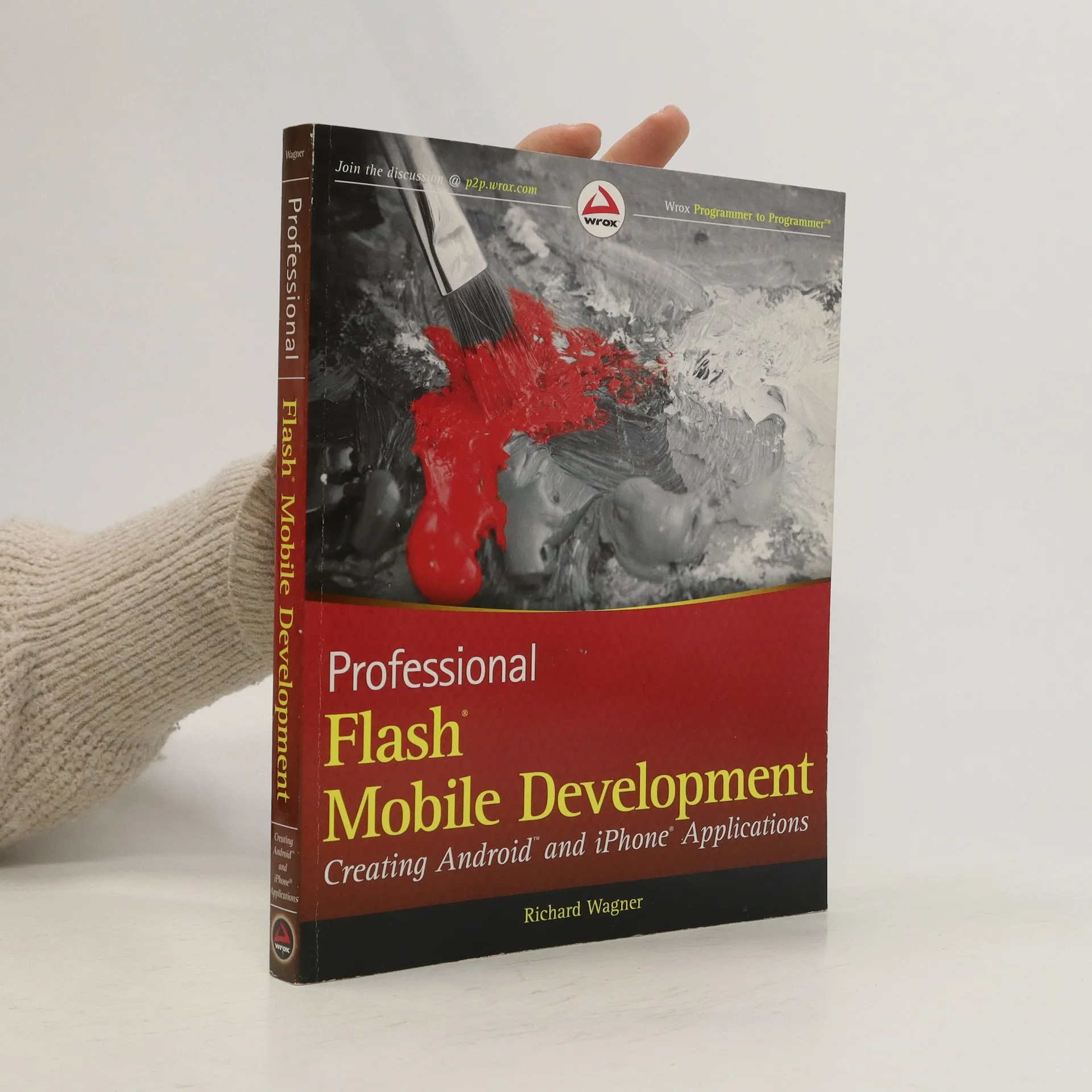
Professional Flash Mobile Development
- 318pagine
- 12 ore di lettura
Professional Flash Mobile Development: Creating Android and iPhone Applications Everything Flash developers need to know to create native Android and iPhone apps This Wrox guide shows Flash developers how to create native applications for Android and iPhone mobile devices using Flash. Packed with practical examples, it shows how to build a variety of apps and integrate them with core mobile services such as Accelerometer, GPS, Photo Library,and more.Professional Flash Mobile Development: Creating Android and iPhone Applications answers the demand for Flash-capable Android and iPhone apps.
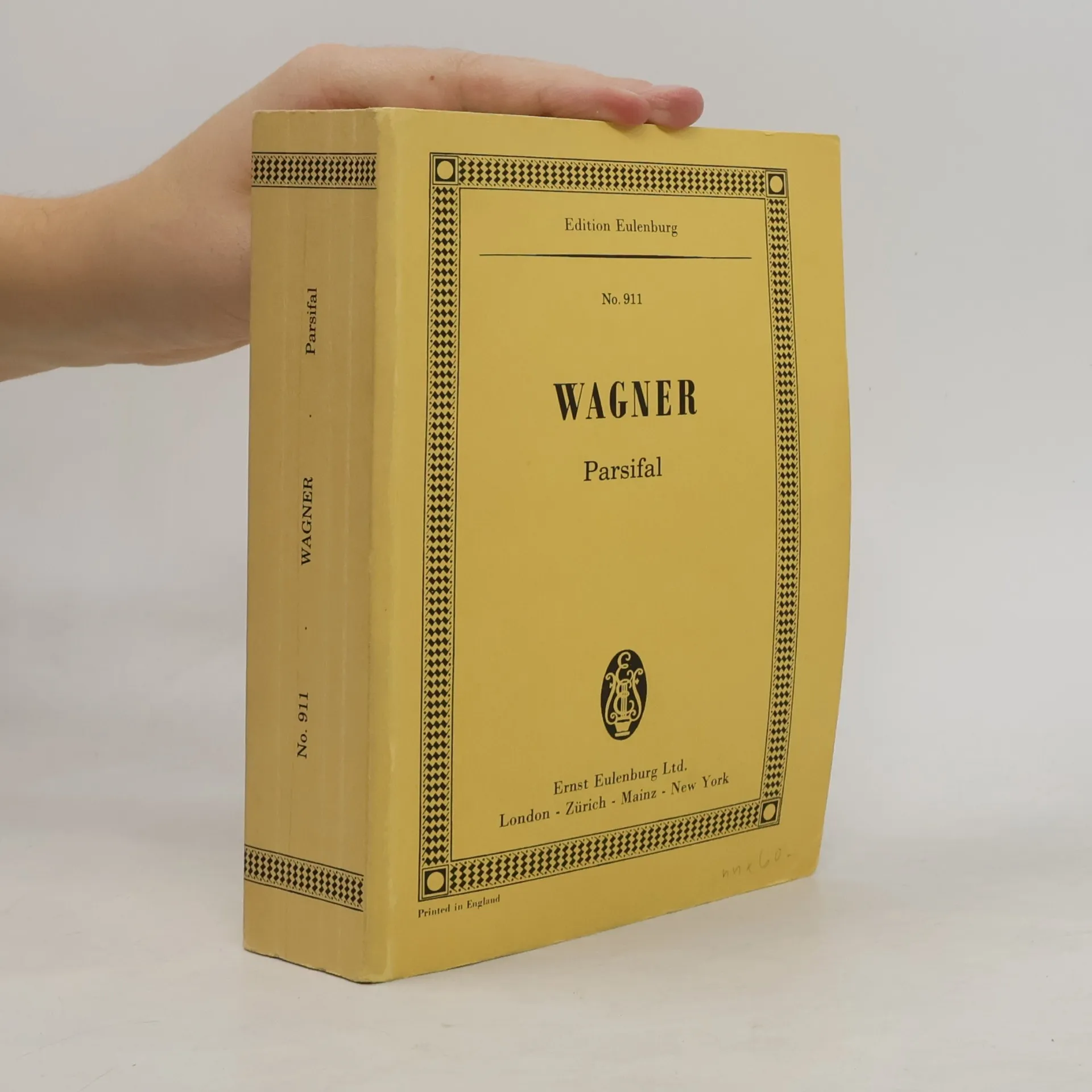
Richard Wagner's "Parsifal" is a profound exploration of themes such as redemption, compassion, and the quest for the Holy Grail. The narrative follows the journey of Parsifal, a naive young man who embarks on a transformative quest to discover his true self and understand the nature of suffering and salvation. Through encounters with various characters, including the wounded King Amfortas and the enigmatic sorceress Kundry, Parsifal learns the importance of empathy and selflessness. The work delves into the interplay between spirituality and humanity, reflecting Wagner's own philosophical and artistic ideals. Set against a backdrop of medieval legend, "Parsifal" combines rich symbolism with a deep moral message, ultimately presenting a vision of hope and renewal. This operatic libretto invites readers to contemplate the complexities of life, the power of love, and the possibility of redemption through understanding and compassion.
The setting is the interior of St. Catherine's Church, where the last rows of pews are outlined in the background. In the foreground is the open space before the choir, which will later be separated by a black curtain. In the last row sit Eva and Magdalene, while Walther von Stolzing leans against a column nearby, attentively observing Eva, who silently gestures towards him. The scene conveys an atmosphere of tension and unspoken desire between the characters.
On Conducting (Üeber Das Dirigiren); A Treatise on Style in the Execution of Classical Music
in large print
- 116pagine
- 5 ore di lettura
This work is a reproduction of a historical text, published by Megali, a company dedicated to making literature accessible for individuals with impaired vision through large print formats. The focus on accessibility highlights the importance of inclusivity in reading, ensuring that historical works can reach a wider audience.
The book is a reproduction of a historical work, presented in large print to enhance accessibility for individuals with impaired vision. Published by Megali, a house dedicated to making historical texts more readable, this edition aims to preserve the original content while ensuring it is easily legible for all readers.
Professional iPhone and iPod Touch Programming
Building Applications for Mobile Safari
- 284pagine
- 10 ore di lettura
The Safari-exclusive applications for iPhone and iPod touch assemble various elements, and this book shows you how to integrate these elements with key design concepts and principles in order to develop a highly usable interface for the touch screen. You’ll learn to use existing open-source libraries in your code, imitate the overall look and feel of built-in Apple applications, and migrate existing Web 2.0 apps and sites to this new mobile platform. By the end of the book, you’ll feel untouchable as you create a custom mobile application from scratch. CD-ROM/DVD and other supplementary materials are not included as part of eBook file.
Overtures and Preludes in Full Score
- 288pagine
- 11 ore di lettura
The orchestral overtures and preludes to Wagner's operas have long been concert favorites, even among music lovers who are less familiar with the operas themselves. The drama, romanticism, and sensuous intensity of these shorter works have earned them their own secure place in the orchestral repertoire. Now this outstanding edition brings together a rich selection of Wagner's greatest overtures and preludes in a single handsome and affordable volume. Included are Overture to Rienzi, Overture to The Flying Dutchman, Overture to Tannhäuser, Preludes to Acts I and III of Lohengrin, Prelude and Liebestod from Tristan und Isolde, Overture to Die Meistersinger, andPrelude to Parsifal.These well-known masterworks have been specially compiled for this unique edition from authoritative German editions, complete and unabridged.
C.S. Lewis And Narnia For Dummies
- 364pagine
- 13 ore di lettura
Explore C.S. Lewis's life, works, and the world of Narnia the fun and easy way. Curious about C.S. Lewis and The Chronicles of Narnia? This plain-English guide provides a friendly introduction to the master storyteller and Christian apologist, revealing the meanings behind The Chronicles of Narnia and The Screwtape Letters as well as his other works. You'll also discover why Lewis went from being a confirmed atheist to a committed Christian and how he addressed his beliefs in his writings. Discover* How his life influenced his writings* His friendship with Tolkien and the Inklings* The parallels between Narnia and Christianity* His use of allegory and symbolism* Resources for further exploration
Seit Jahrhunderten wird das I Ching als Orakel für spezifische Ratschläge oder allgemeine Orientierung konsultiert. Die Chinesen glauben, dass es hilft, Erfolg und Glück zu fördern und Balance sowie Perspektive in das Leben zu bringen.
Der Ring des Nibelungen
- 448pagine
- 16 ore di lettura
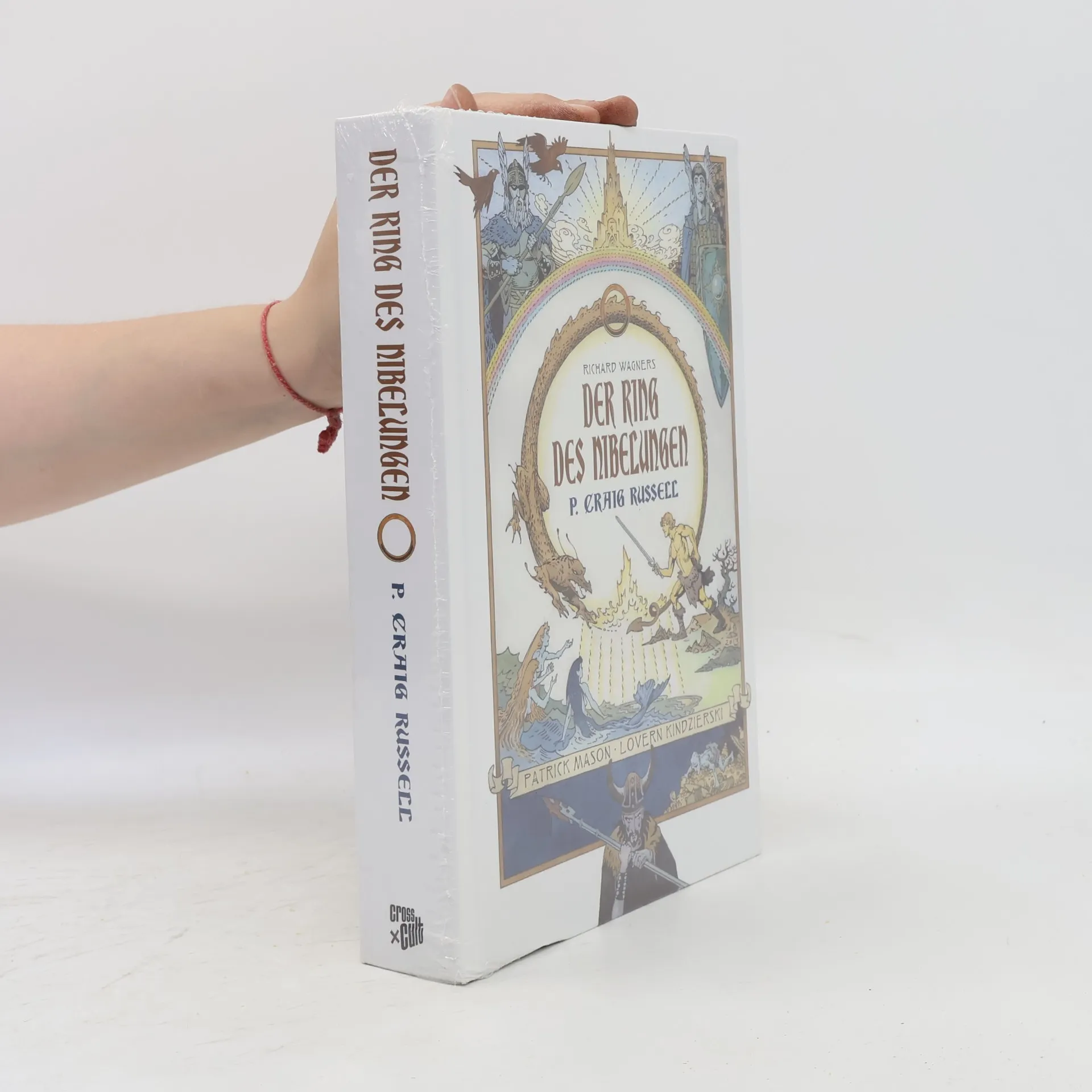
Von Gold- und Ränkeschmieden. In seinem bisher persönlichsten Werk präsentiert P. Craig Russel (HELLBOY, Coraline, Sandman) mit DER RING DES NIBELUNGEN eine Comic-Adaption von Richard Wagners Opernzyklus. Russell zeichnet damit auf eindrucksvolle Weise die Entwicklung der Figur des (Super-)Helden, wie wir sie heute kennen, nach. Er erinnert uns daran, warum die Kunstform des Comics ein Tor ist, durch das wir die Geschichten aus anderen Welten und der Mythologie betreten können, kurzum: ein Medium gleichermaßen geeignet für das Epos und die Oper. Seit ewigen Zeiten wachen die Rheintöchter über das magische Rheingold, das seinem Besitzer die Macht über die ganze Welt zu verleihen vermag. Sofern er denn der Liebe entsagt. Alberich, der Nibelungen-Zwerg, von seinem Volk verstoßen und von den Rheintöchtern verschmäht, verflucht die Liebe und schmiedet aus dem Rheingold eben jenen schicksalsträchtigen Ring. Dieser allein kann den Göttervater Wotan davor bewahren, Freia, Göttin der ewigen Jugend und Hüterin der goldenen Äpfel, den Riesen Fasolt und Fafnir zu überlassen. DER RING DES NIBELUNGEN erzählt eine Geschichte voller Wendungen und Magie, in der Riesen gegen Götter intrigieren, deren Spielball die Lieben und Leiden der Menschen und Zwerge sind. Diese Adaption von Wagners Epos ist ein Genuss für Opernenthusiasten wie Comic-Liebhaber.
Wagner's Ring in 1848
- 199pagine
- 7 ore di lettura
Wagners berühmte romantische Oper «Lohengrin» erzählt die schicksalhafte Geschichte der Elsa von Brabant und ihres «Schwanenritters» Lohengrin. Das Libretto, eindrucksvoll und poetisch mit 52 Abbildungen illustriert von den Arbeiten des Künstlerehepaares Neo Rauch und Rosa Loy, liest sich zusammen mit diesen Bildern wie ein modernes Märchen. Zwei mutige, starke Frauen: für Neo Rauch und Rosa Loy stehen Elsa und ihre Widersacherin Ortrud im Vordergrund. Jede kämpft auf ihre Art gegen die Heuchelei der männlich dominierten Brabanter Gesellschaft - beide befreien sich aus dieser Welt, ihrer inneren Stimme und dem eigenen Willen folgend. Ihre Männer, Lohengrin und Telramund, müssen sich dem Schicksal ergeben, das die beiden Frauen ihnen bescheren. Für die überzeitliche Aktualität dieses Dramas findet das Künstlerpaar eine starke Bildsprache, in der sich mehrere Zeitebenen miteinander verschränken: die Brabanter in Spitzenkragen und Turnschuhen vor einer neoromantischen Industrie-Architektur etwa oder eine Transformatorenstation, deren elektrische Leitungsbahnen die Musik durch alle Zeiten hindurch strömen lassen. Neo Rauchs und Rosa Loys bislang unveröffentlichte «Lohengrin»-Entwürfe illustrieren eindrucksvoll Wagners Libretto, das sich zusammen mit diesen Bildern wie ein modernes Märchen liest.
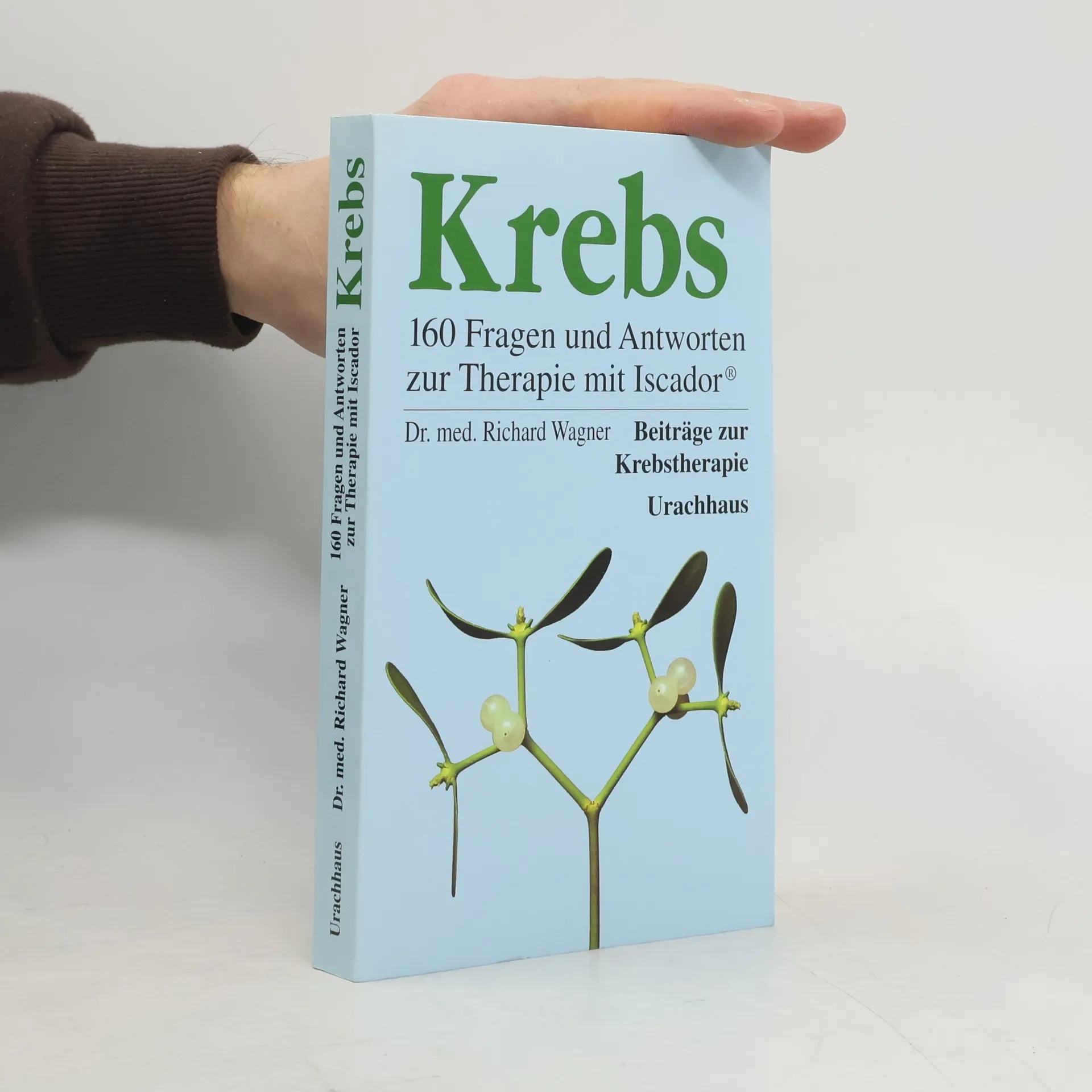
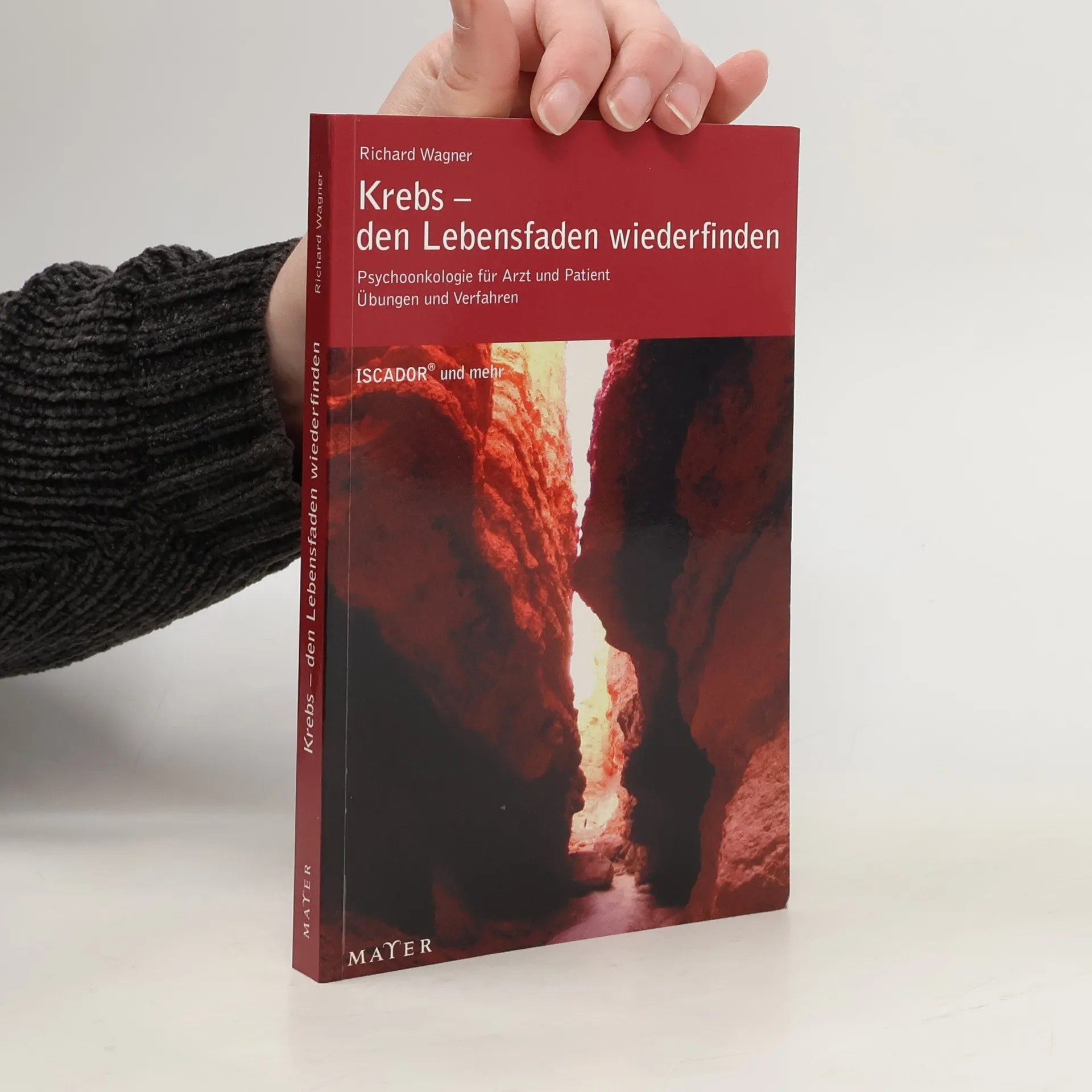
Krebs
- 228pagine
- 8 ore di lettura
InhaltsverzeichnisAllgemeine Fragen zur Krebskrankheit / Die Mistel als Arzneipflanze / Klinische Anwendung der Misteltherapie / Gesichtspunkte zur Immunologie / Erfolge der Iscador-Therapie / Begleittherapien / Sinnvolle Kombination mit der schulmedizinischen Therapie / Glossar
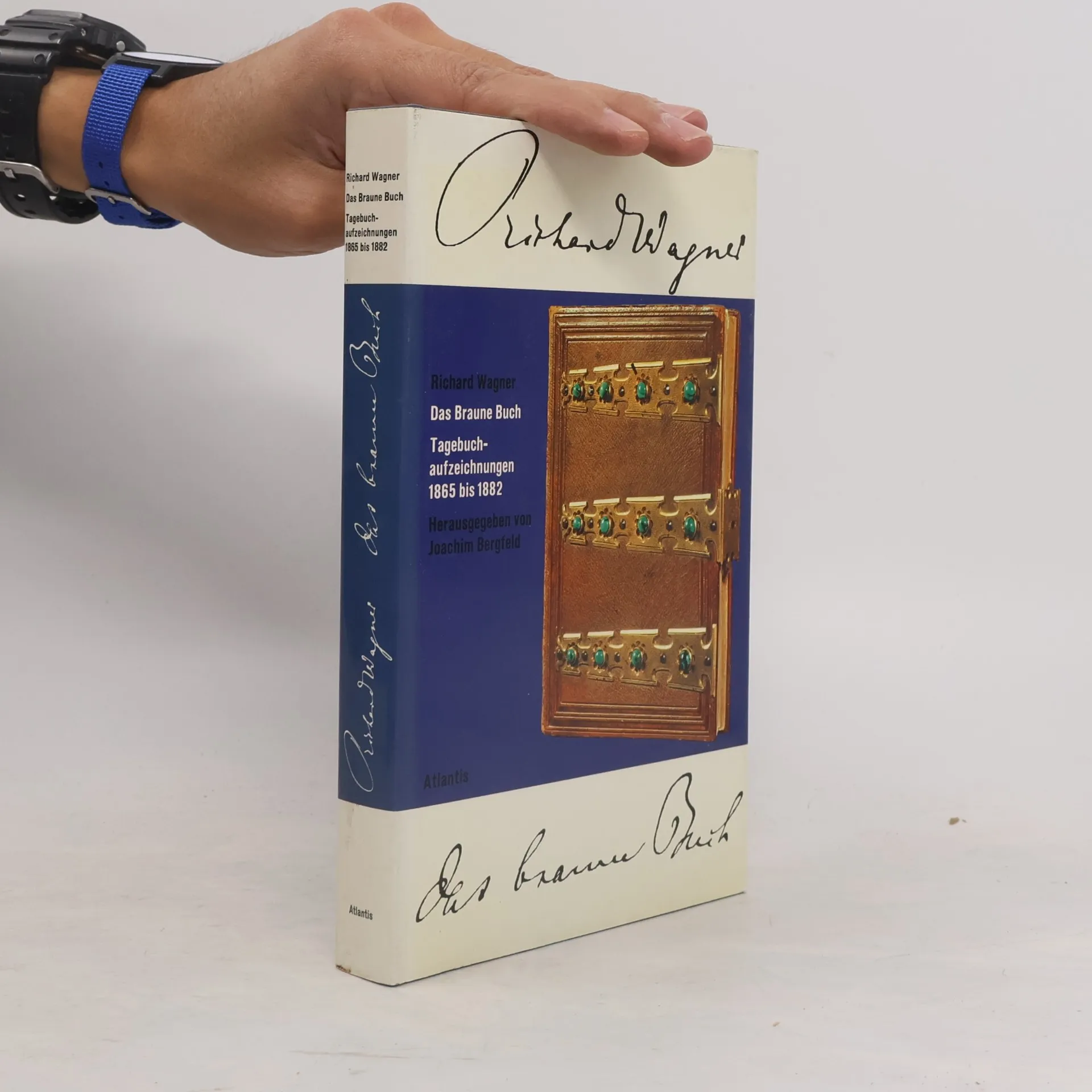
Das braune Buch
- 251pagine
- 9 ore di lettura
Krebs ist für jeden Patienten eine niederschmetternde Diagnose, die an die Grundfeste der Existenz rührt. Selbst wenn mit allem kämpferischen Mut Operation und Therapien angegangen werden, schwanken die Gefühle immer zwischen Hoffnung, Zweifeln und Angst: Die Patienten brauchen nicht nur medizinische Versorgung, sondern vor allem auch seelische Unterstützung. Dies ist Aufgabe der Psychoonkologie, die Krebspatienten in allen Phasen der Erkrankung optimale, gesundheitsfördernde Unterstützung und Beratung an die Seite stellen möchte. Der Autor stellt verschiedene psychoonkologische Verfahren vor, die sich nachweislich in der Praxis bewährt haben. Ihr Ziel ist es, die Lebensqualität der Patienten zu verbessern.
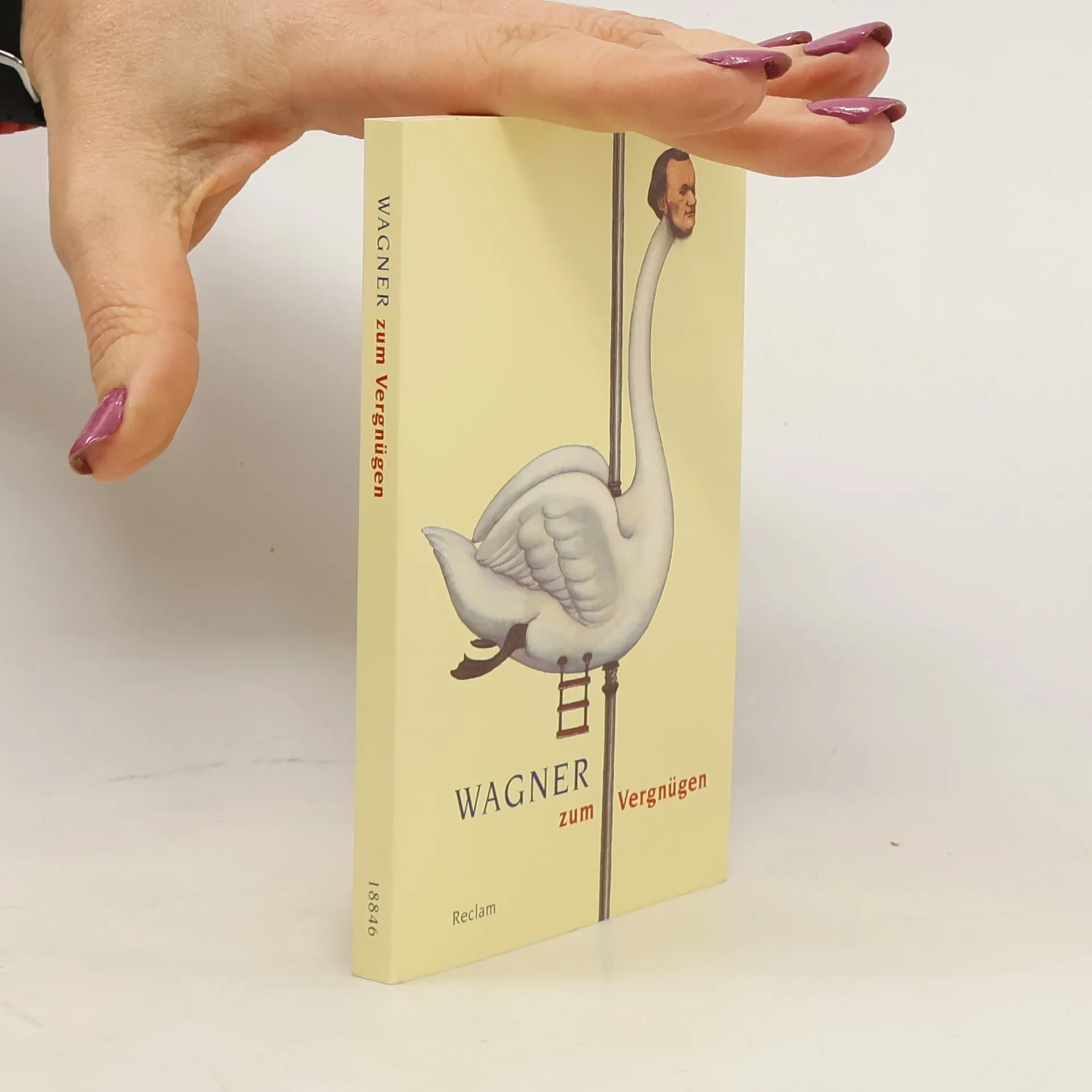
Eigentlich verbindet man mit Richard Wagner ja eher große Gefühle und Tragödien von Liebe, Tod und Untergang. Raum für Vergnügen scheint da höchstens im unfreiwillig Komischen von Stabreimereien wie »Wagalaweia« zu sein. Dabei ist wenig bekannt, dass Wagner selbst ein durchaus humorvoller Mensch war, der seine eigenen Inspirationen mitunter weniger ernst nahm als das hochverehrte Publikum. Da der »Fall Wagner« (Friedrich Nietzsche) zu den am heftigsten diskutierten und umstrittensten Phänomenen der abendländischen Kulturgeschichte gehört, enthält »Wagner zum Vergnügen« nicht nur Selbstzeugnisse, sondern auch Anekdoten, Karikaturen, Parodien und Polemiken.
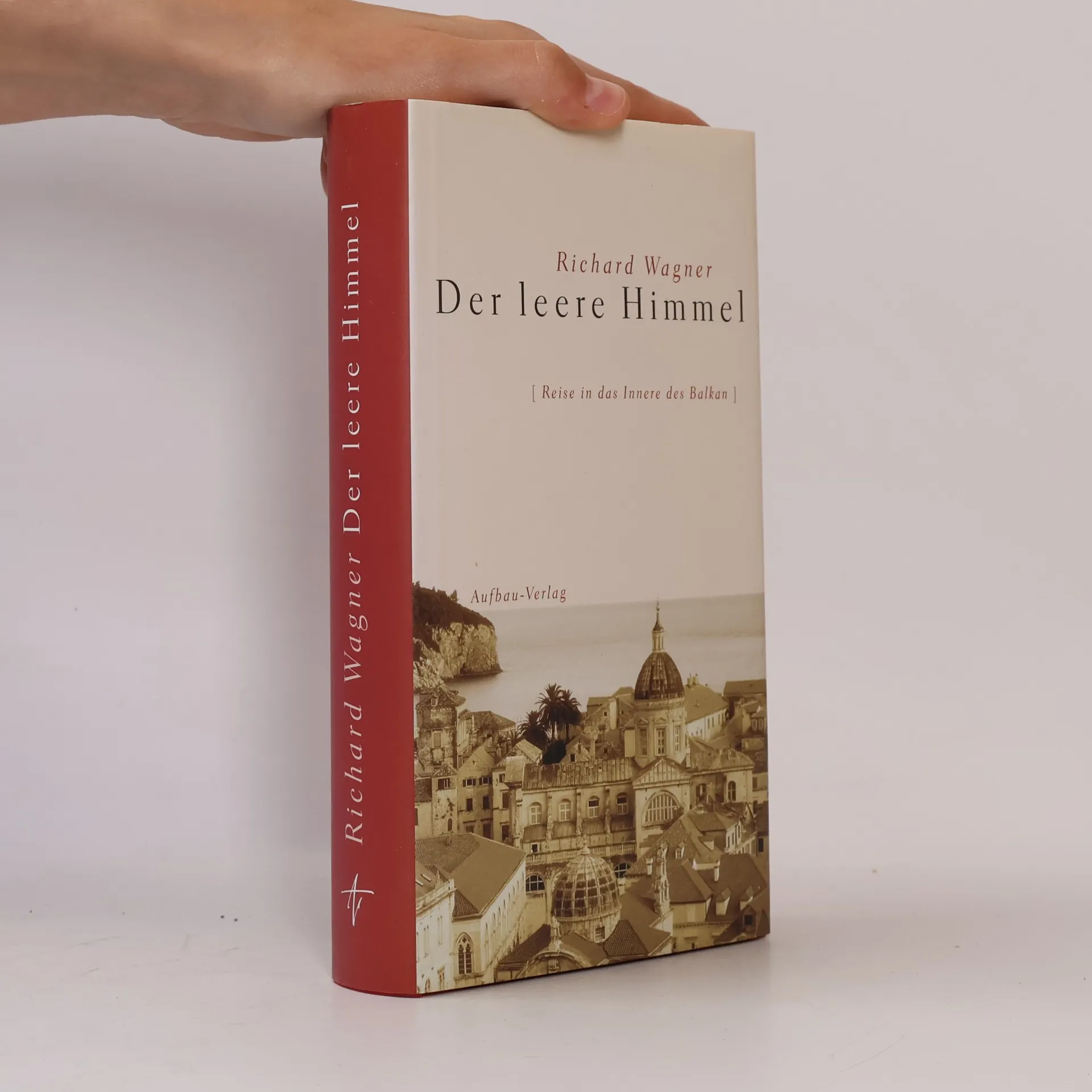
Der Balkan, ein oft übersehener Teil Europas, ist seit jeher ein Ort der Konflikte und Spannungen. Goethe und Bismarck erkannten die Komplexität dieser Region, die zwischen Okzident und Orient liegt, jedoch wurde sie häufig ignoriert. Das sprichwörtliche „Pulverfaß“ hat immer wieder gebrannt und die Flammen der Konflikte haben Europa erreicht. Historische Brücken zwischen den Völkern sind durch jahrzehntelangen Hass zertrümmert worden. Richard Wagners umfassendes Werk über den Balkan ist das Ergebnis jahrzehntelanger Auseinandersetzung mit dieser Region. Er untersucht die Hintergründe der jugoslawischen Katastrophe und beleuchtet die Kulturen, Religionen und Nationalitäten, die diesen komplexen Raum prägen. Durch persönliche Erlebnisse und Reisen in die Region vermittelt er ein eindringliches Bild des Balkans. Wagner zeigt, dass der Balkan mehr mit uns zu tun hat, als wir oft wahrhaben wollen. Seine Erzählungen reichen von Zigeunermusik über Gulags bis hin zu Klöstern und Mafiosi. Mit profundem Wissen und persönlicher Perspektive porträtiert er ein Land, das sowohl fern als auch nah ist und dessen Geschichte und Gegenwart uns alle betrifft.
Z Havlíčkova Brodu kousek do světa
- 100pagine
- 4 ore di lettura
Chcete se stát ve svém oboru úspěšnými? Nezáleží na tom, odkud pocházíte, důležitá je jen vaše píle a to, jaké úsilí na cestě k vrcholu vynaložíte. Přestože Havlíčkův Brod hrál nejlepší soutěž jen jednou, má napříč svou dosavadní historií celkem jednašedesát českých mistrů, dalších šestnáct držitelů titulů ze zahraničních vrcholných soutěží, deset mužů získalo zlatou medaili z mistrovství světa, další si potěžkal pohár pro vítěze Calder Cupu a jeden rodák z města v srdci republiky si domů přivezl i nejcennější hokejový triumf - Stanley Cup. Všech těchto velkých vítězství dosáhli brodští odchovanci právě díky tvrdé dřině a pevné vůli. Jen jejich vlastní odhodlání bylo tím pomyslným kouskem, který jim umožnil,aby se z Havlíčkova Brodu dostali do světa.
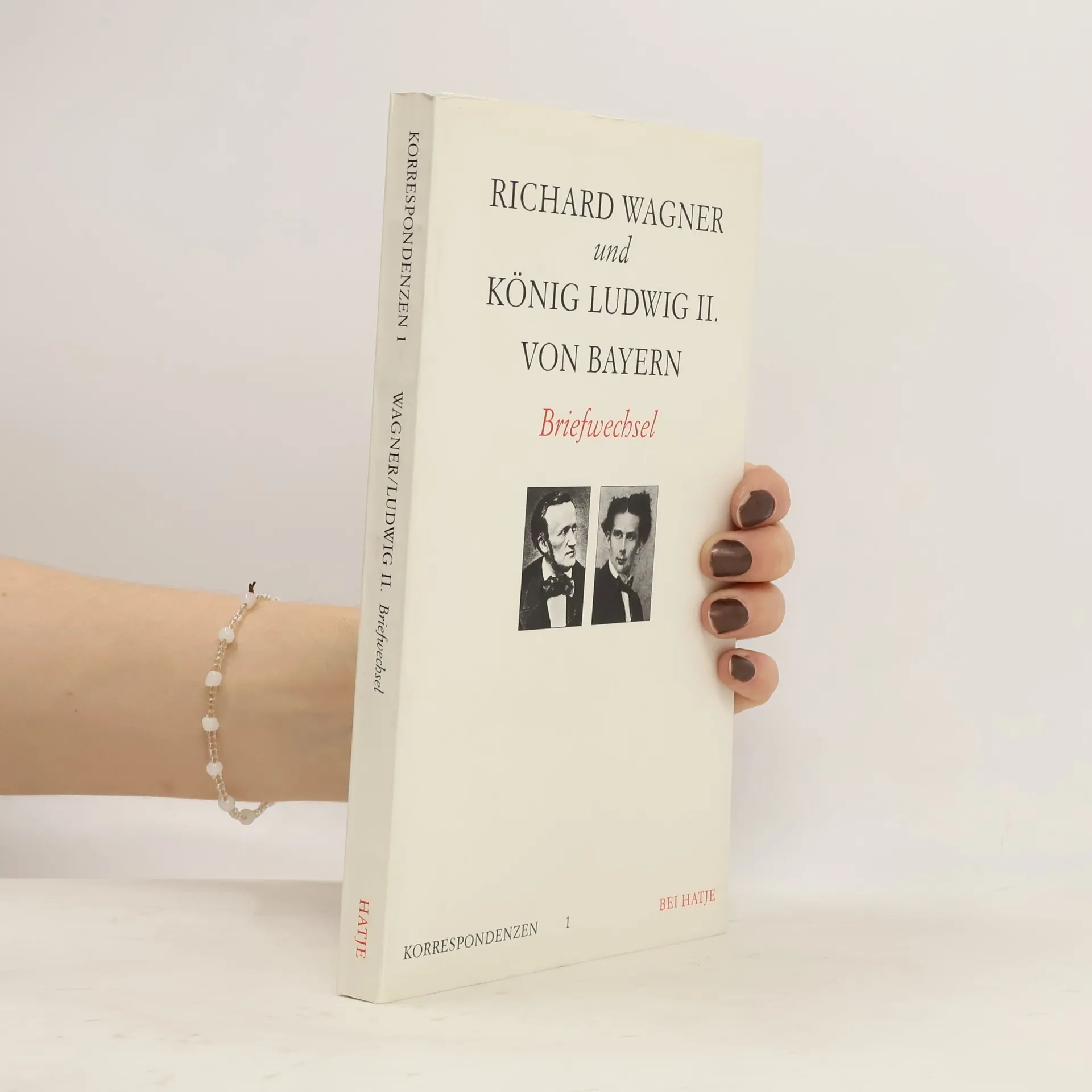
Briefwechsel
- 185pagine
- 7 ore di lettura
Wer als Meister ward geboren …
- 224pagine
- 8 ore di lettura
Richard Wagners Einfluss auf die europäische Kulturgeschichte ist unschätzbar, sein muskalisches Genie über jeden Zweifel erhaben. Und doch polarisiert Wagner als Denker wie als Künstler bis heute. Wer sich für den Menschen hinter dem unsterblichen Werk interessiert, kommt an der Lektüre der vorliegenden Auswahl seiner Briefe nicht vorbei. Wagner zeigt sich darin als leidenschaftlicher Liebhaber und sorgender Ehemann, Egomane und reflektierter Kritiker, als problematischer politischer Denker und einflussreicher Kunstphilosoph.
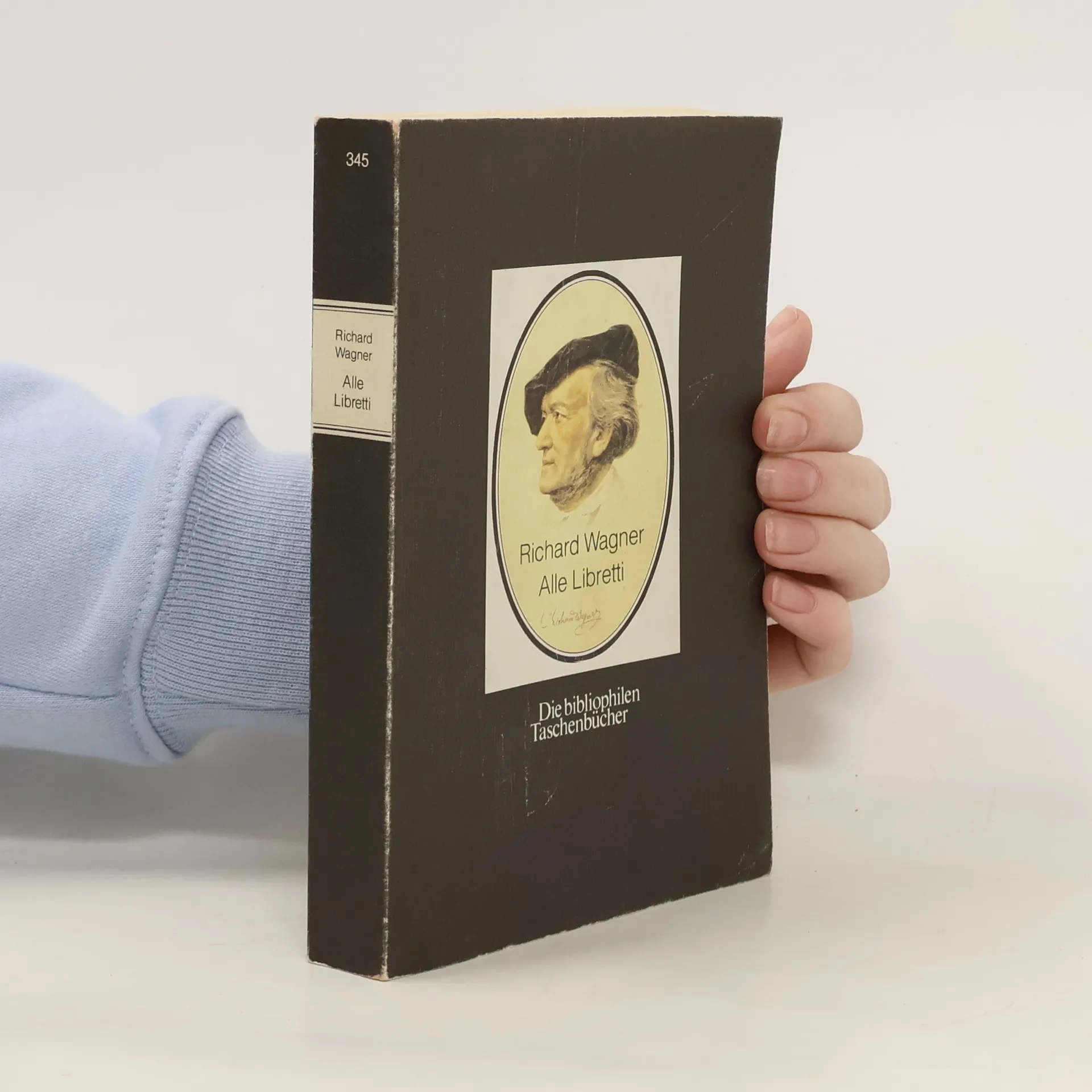
Alle Libretti
- 800pagine
- 28 ore di lettura
Vollständige Texte und Bilddokumente zu allen 13 Opern.
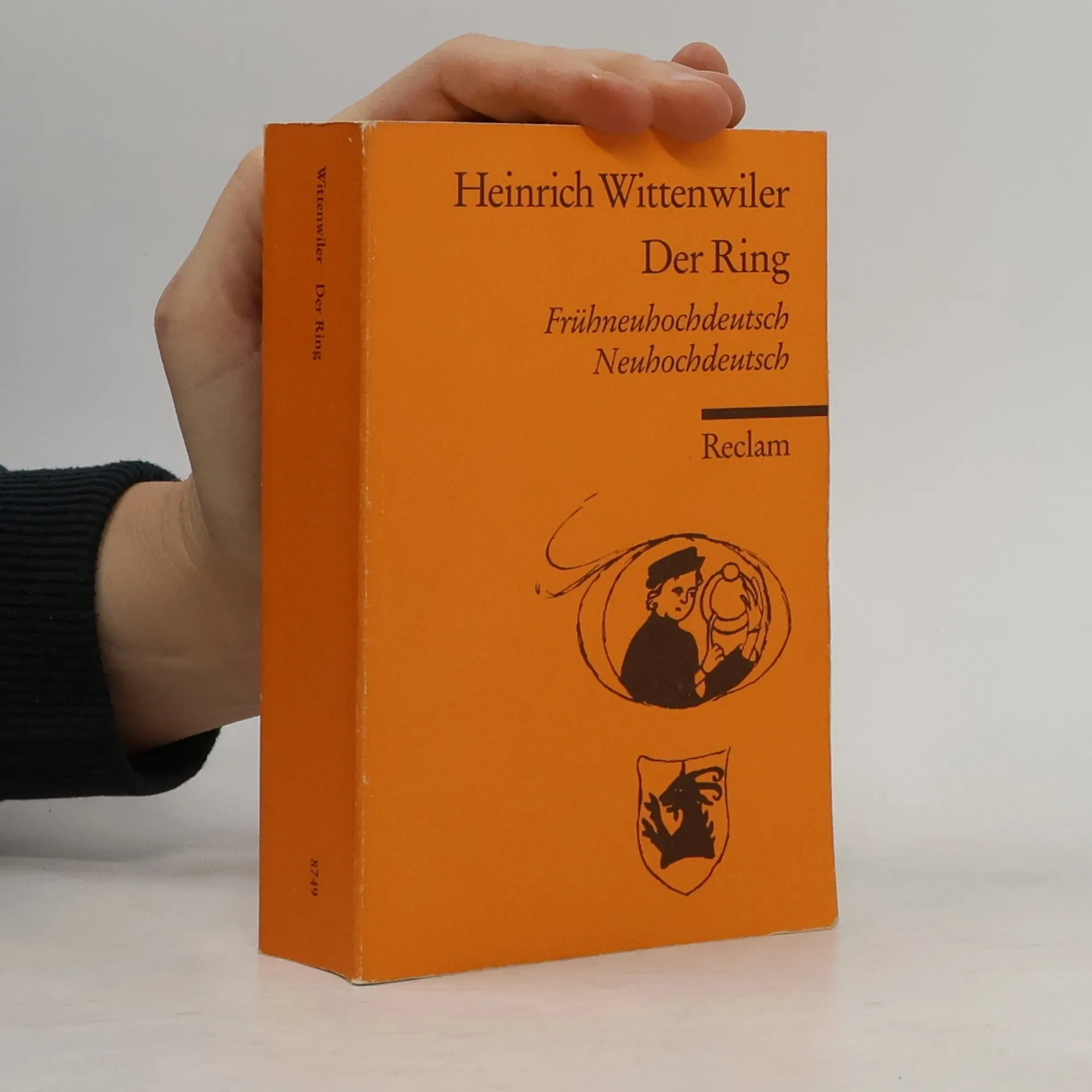
Reclams Universal-Bibliothek: Der Ring. Frühneuhochdeutsch/Neuhochdeutsch
- 696pagine
- 25 ore di lettura
Wittenwilers Ring stellt den merkwürdigen Versuch dar, im Rahmen eines dörflichen Liebes- und Hochzeitsschwankes eine Weltbeschreibung zu liefern, eine Enzyklopädie des Wissens und der Lebensführung. Das voluminöse spätmittelalterliche Werk ist ein Unikum und sowohl in künstlerischer wie in kulturgeschichtlicher Hinsicht von großer Bedeutung.
Das Kunstwerk der Zukunft
- 168pagine
- 6 ore di lettura
Richard Wagner: Das Kunstwerk der Zukunft Lesefreundlicher Großdruck in 16-pt-Schrift Großformat, 210 x 297 mm Berliner Ausgabe, 2020 Durchgesehener Neusatz bearbeitet und eingerichtet von Theodor Borken Entstanden zwischen 1849/50 im Zürcher Exil. Erstdruck Leipzig, Verlag von Otto Wigand, 1850. Hier nach: Richard Wagner: Sämtliche Schriften und Dichtungen. Band 3, Leipzig: Breitkopf und Härtel, o.J. [1911]. Die Eigentümlichkeit der Orthographie wurde bei der vorliegenden Ausgabe beibehalten. Umschlaggestaltung von Thomas Schultz-Overhage. Gesetzt aus der Minion Pro, 16 pt. Henricus Edition Deutsche Klassik UG (haftungsbeschränkt) Über den Autor: 1813 in Leipzig als das neunte Kind eines Polizisten geboren, wird Richard Wagner zu einer die Musik beherrschenden Persönlichkeit des 19. Jahrhunderts. Ein bewegtes Leben lässt ihn vor politischer Verfolgung wie auch vor seinen Gläubigern in zahlreichen Orten Zuflucht suchen. Nach Stationen u.a. in Königsberg, Riga, London, Paris, und in der Schweiz kommt Wagner schließlich in Bayreuth an, das bis heute untrennbar mit seinem Namen verbunden ist. Seine finanziellen Schwierigkeiten hat der selbstbewußte Mann von kleinem Wuchs als lächerliche Schulden empfunden, denen erheblich größere Aktiva gegenüberstünden. Und in der Tat ist seine Wirkungsmacht auf die ihm nachfolgende Musik wohl einzigartig.
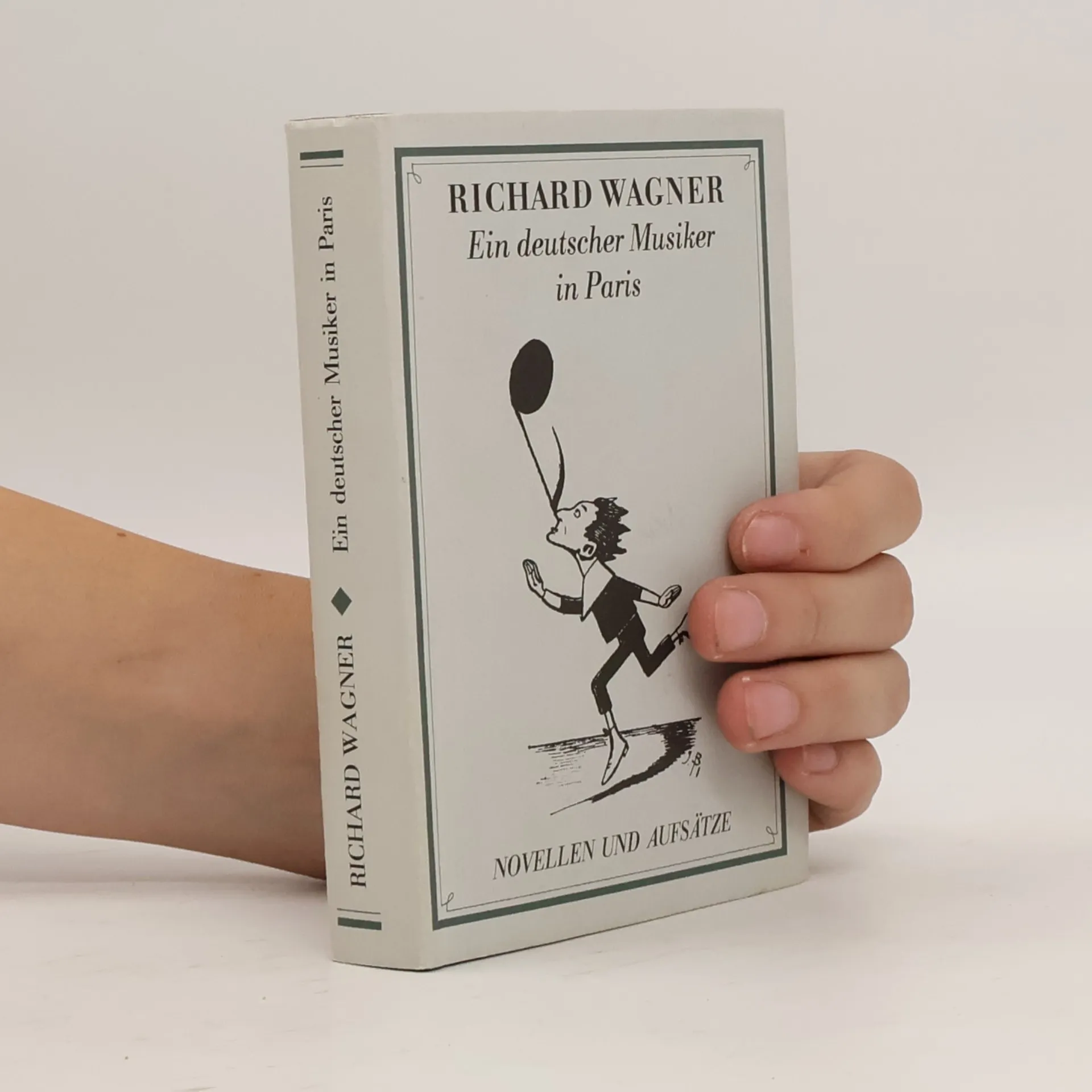
Ein deutscher Musiker in Paris
- 233pagine
- 9 ore di lettura
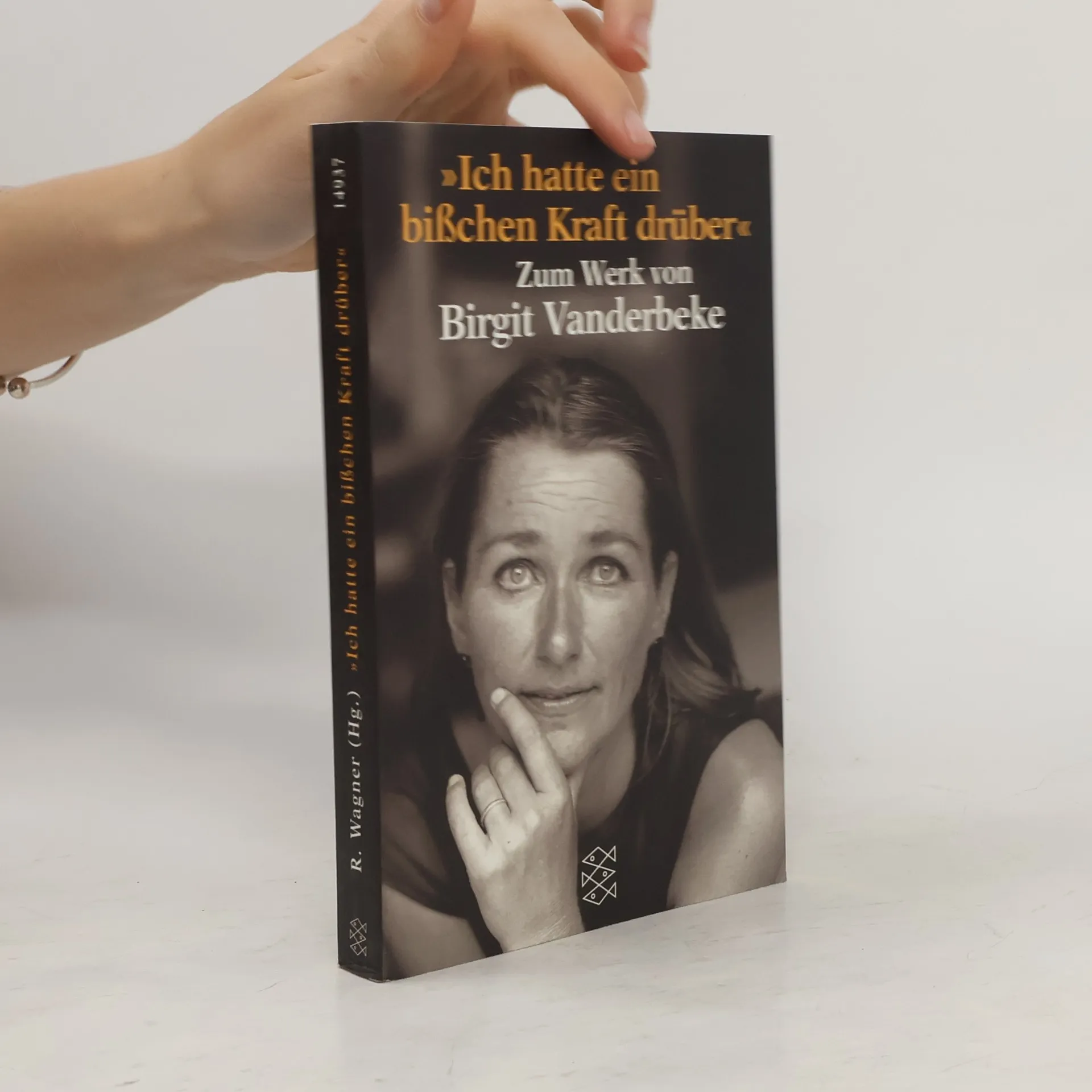
Ich hatte ein bisschen Kraft drüber
- 317pagine
- 12 ore di lettura
Im Grunde sind wir alle Sieger
- 175pagine
- 7 ore di lettura
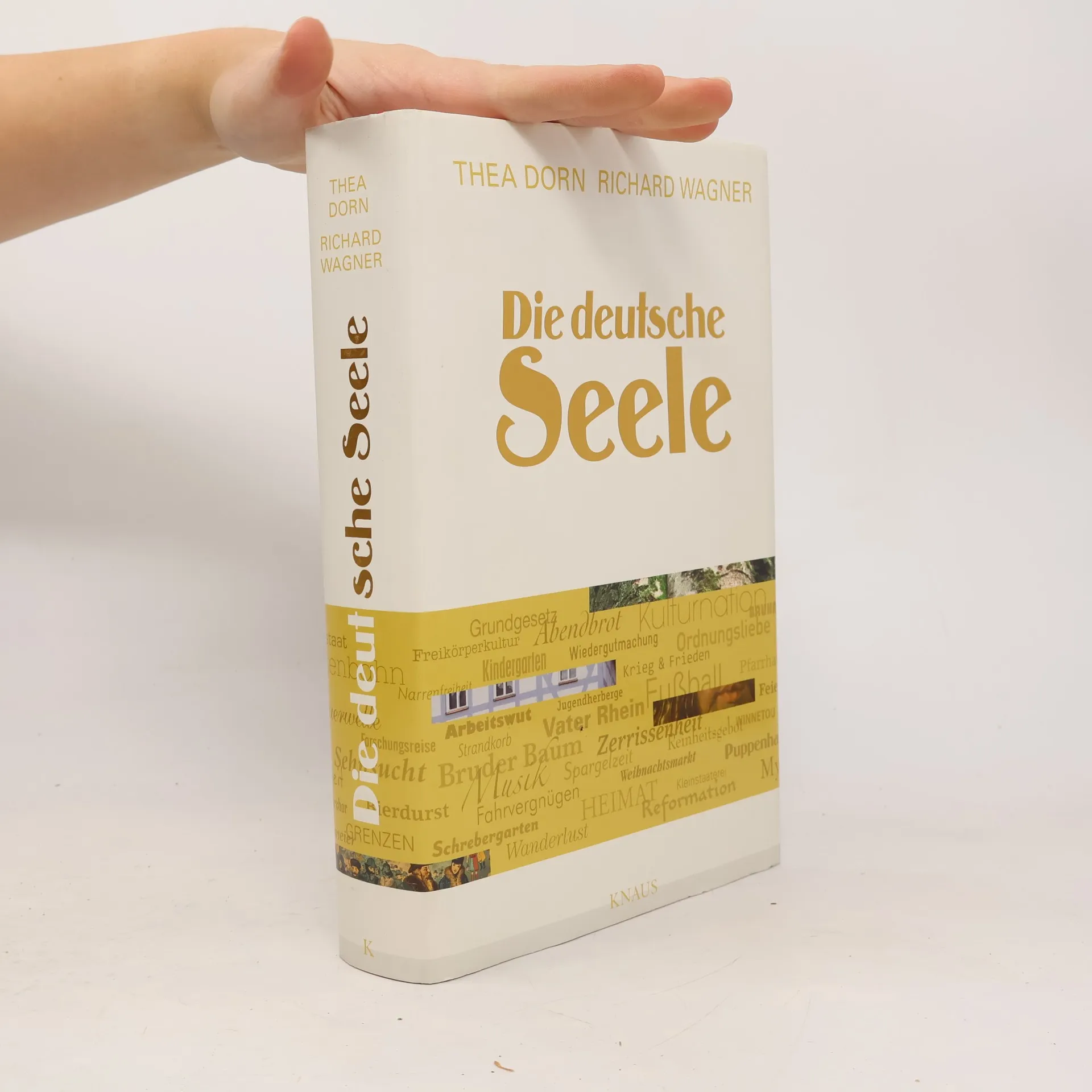
Die deutsche Seele
- 560pagine
- 20 ore di lettura
Zwei Autoren, die unterschiedlicher nicht sein könnten, erkunden liebevoll und kritisch die deutsche Seele. Sie beleuchten sie durch Begriffe wie „Abendbrot“, „Wanderlust“, „Männerchor“ und „Fahrvergnügen“ und schaffen in sechzig Kapiteln eine facettenreiche Kulturgeschichte. Die Diskussionen über Deutschland erreichen oft den gleichen Punkt: Darf man etwas als „deutsch“ bezeichnen? Können wir uns mit dem Deutschsein versöhnen? Thea Dorn und Richard Wagner glauben, dass es notwendig ist, das eigene Land wirklich kennenzulernen und machen eine Inventur der deutschen Seele. Ihr Werk ist eine erkenntnisreiche und unterhaltsame Reise zu den Wurzeln des nationalen Erbes. Obwohl es wie eine Enzyklopädie gelesen werden kann, sind die Texte nicht aus nüchterner Distanz verfasst. Sie bieten leidenschaftliche Plädoyers für bestimmte Merkmale des Deutschen und das damit verbundene Lebensgefühl. Diese „Liebeserklärung“ der Autoren ist ein sinnliches, reich bebildertes Werk, das die deutsche Seele anspricht, anstatt sie zu sezieren. Die Ausstattung umfasst durchgehend vierfarbige Seiten mit etwa 300 Abbildungen.
»Man muß sich darüber klar sein, daß ein Werk, wie ›Der Ring des Nibelungen‹, das Wagner nach dem ›Lohengrin‹ konzipierte, im Grunde gegen die ganze bürgerliche Kultur und Bildung gerichtet und gedichtet ist, wie sie seit der Renaissance herrschend gewesen war, daß es sich in seiner Mischung aus Urtümlichkeit und Zukünftigkeit an eine inexistente Welt klassenloser Volklichkeit wendet.« Thomas Mann In der neuen Ausgabe von Egon Voss, ediert nach den Original-Textbüchern, mit den Varianten der Partitur jeweils am Fuß der Seite, ergänzt um Nachwort und Literaturhinweise.
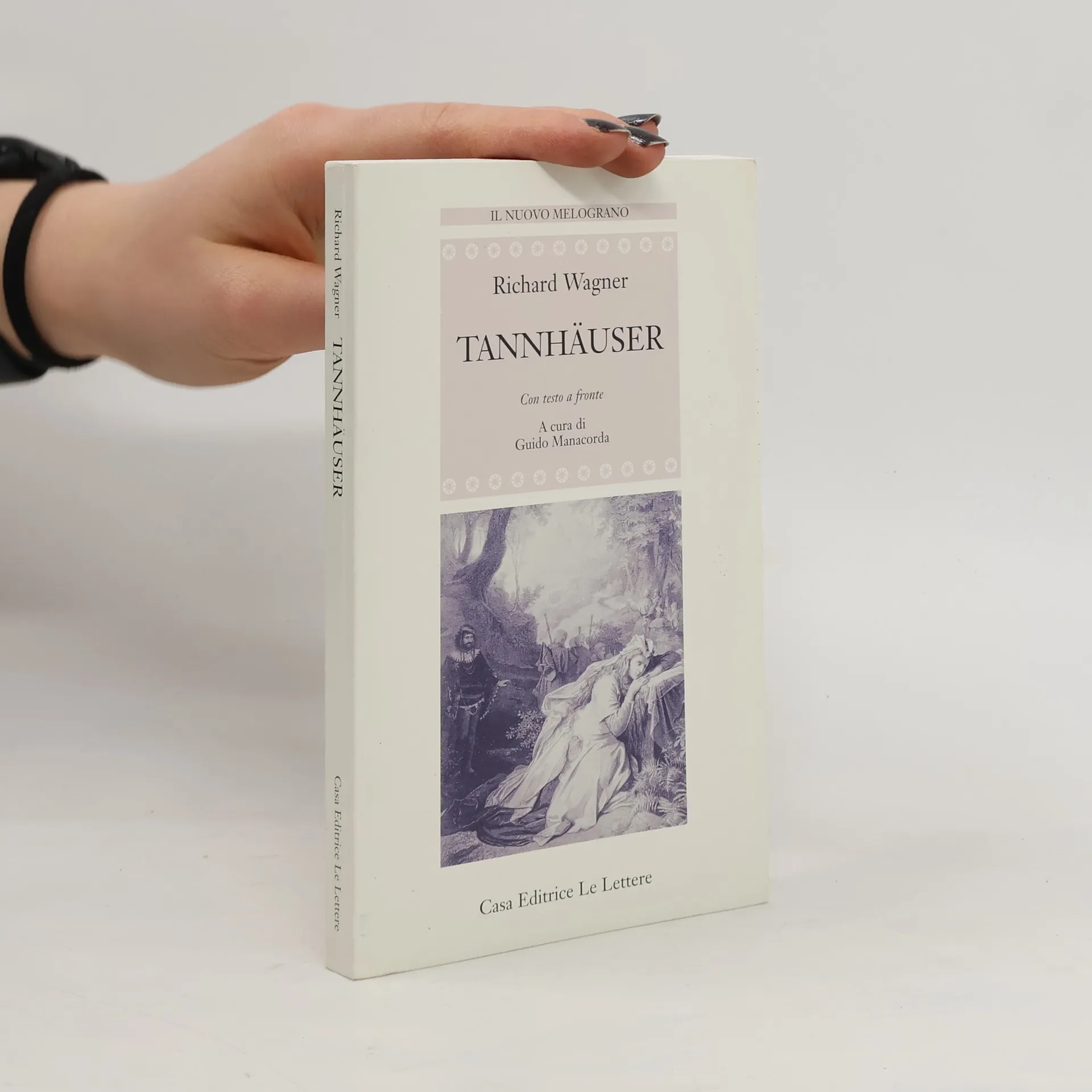
Tannhäuser
- 273pagine
- 10 ore di lettura
(Vocal Score). German/English. Translated by MacFarren.
Habseligkeiten
- 281pagine
- 10 ore di lettura
„Ein Heimatroman der besten Sorte.“ Berliner Zeitung Traumhafte Landschaften, Verrat und Liebe, Gestern und Heute. Generation für Generation geraten die Mitglieder einer Handwerkerfamilie aus dem rumänischen Banat in den Strudel der großen Geschichte. Mit „Habseligkeiten“ hat Richard Wagner ein bedeutendes Familienepos von großer Wärme und Klugheit geschaffen. „Für alle, denen Lesen ein Wirklichkeitsgewinn bedeutet. Ein im ursprünglichen Sinn spannendes Buch.“ Wiener Zeitung
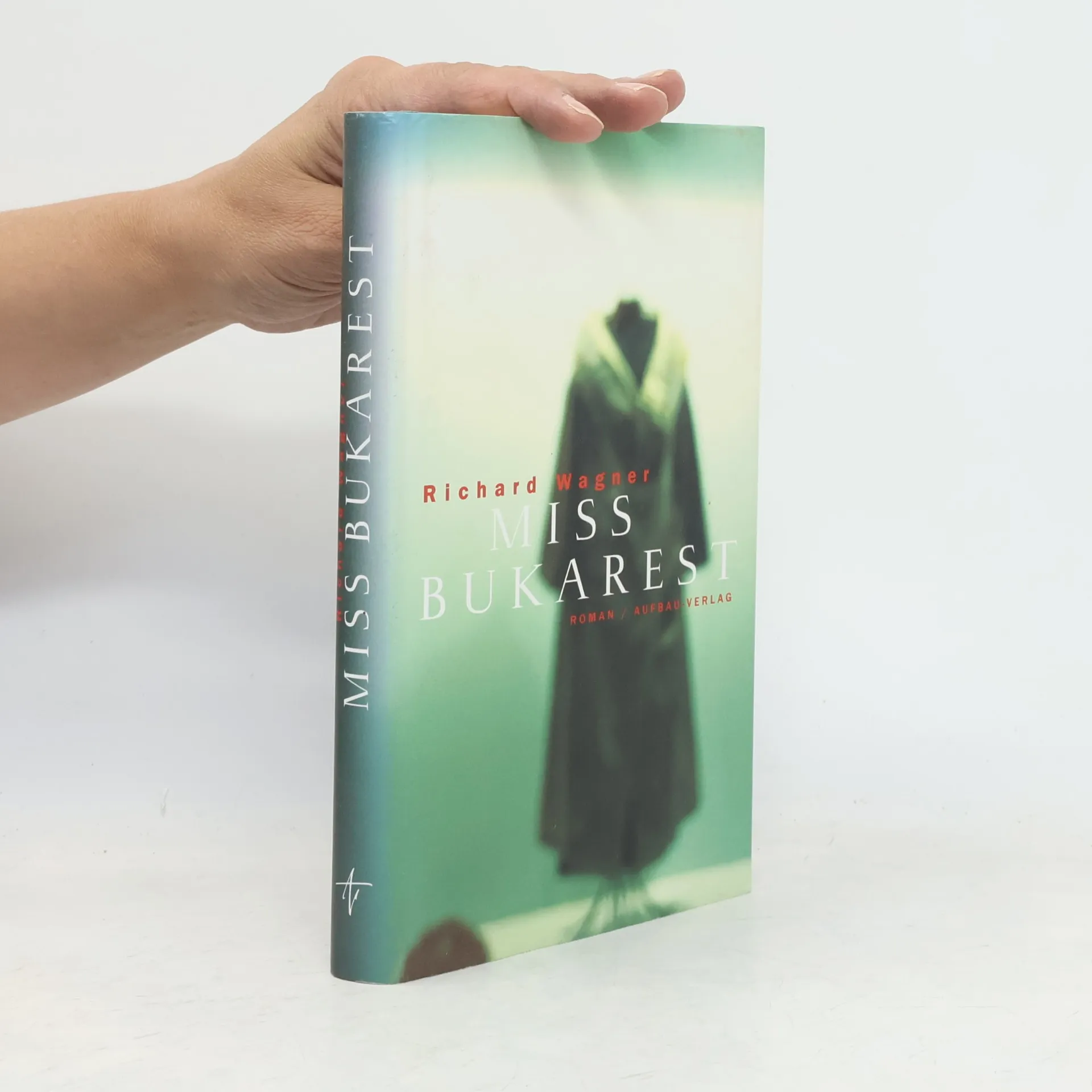
Miss Bukarest
- 190pagine
- 7 ore di lettura
Sie können ihrer Vergangenheit nicht entgehen: weder der ehemalige rumänische Geheimdienstoffizier Dino Schullerus, dem es gelingt, mit seiner Frau Lotte gerade rechtzeitig nach West-Berlin auszureisen, noch der von ihm seinerzeit auftragsgemäss bespitzelte rumäniendeutsche Autor, Dissident und Emigrant Klaus Richartz. Beide hatten in ihrer Ex-Heimat ein Verhältnis mit der attraktiven Erika Binder, deren plötzlicher Tod nicht nur Ermittlerinstinkte wachruft, sondern die Auseinandersetzung mit der eigenen fragwürdigen und problematischen Existenz in einer Diktatur herausfordert - eine Existenz, die im Gegensatz zu bewunderten, aber letztlich auch gnadenlos verfolgten Unabhängigkeit und Unbestechlichkeit dieser Miss Bukarest bzw. Erika Binder steht
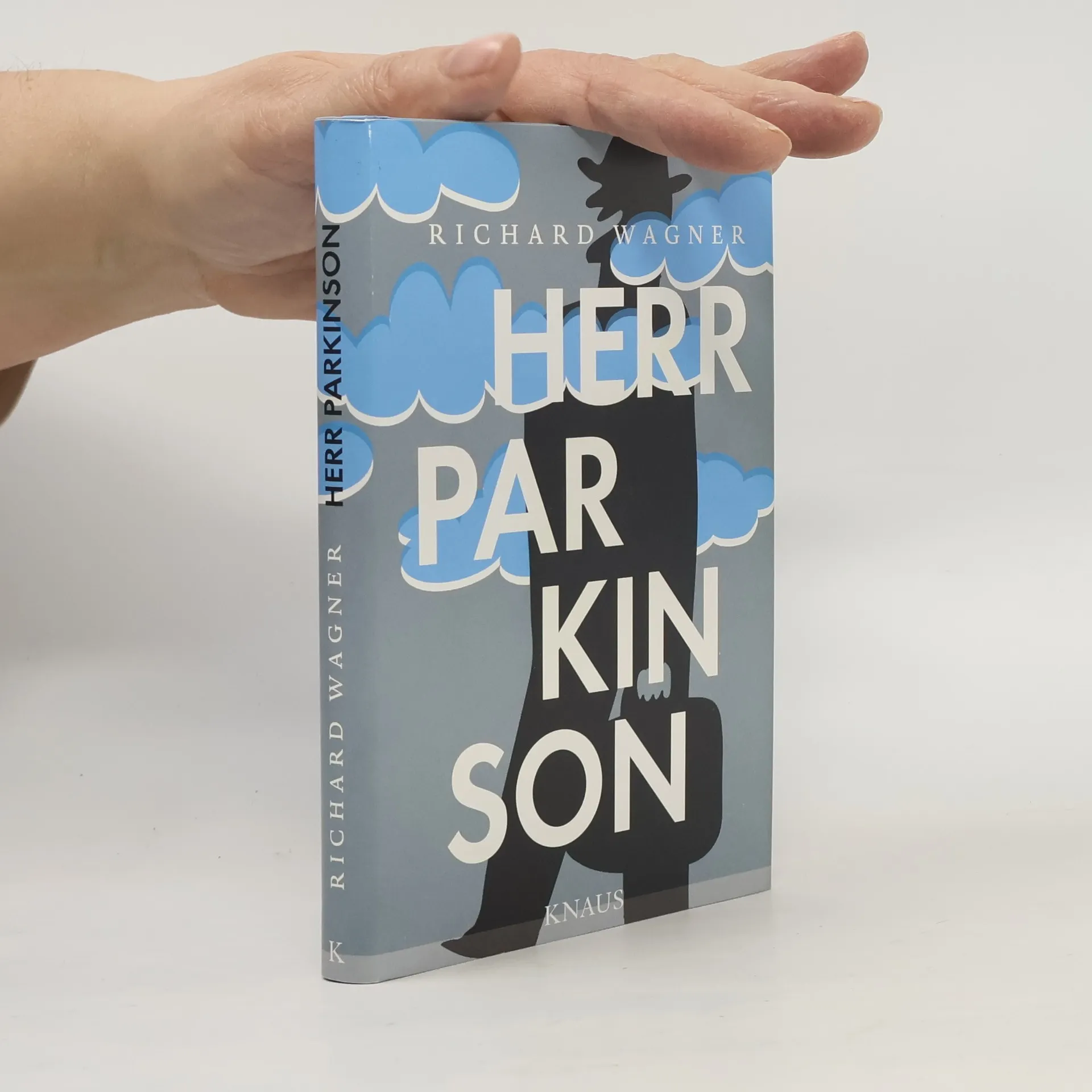
Herr Parkinson
- 144pagine
- 6 ore di lettura
Richard Wagners radikale Auseinandersetzung mit seiner ErkrankungWie lebt man mit einer Krankheit, die selbst die alltäglichsten Dinge sabotiert? Wie leben die anderen damit? Was bedeutet Krankheit überhaupt? Mit dem unbestechlichen Blick des Schriftstellers erzählt Richard Wagner von seiner Parkinson-Erkrankung. Zunächst ganz zurückhaltend wird dieser gelassene und unberechenbare Herr Parkinson über die Jahre zum schicksalhaften Gegenüber des Autors und erlangt immer mehr Macht über dessen Leben.
Tannhauser o El torneo de canto en el Wartburg
- 38pagine
- 2 ore di lettura
Barcelona. 20 cm. 38 p. Encuadernación en tapa blanda de editorial ilustrada. Wagner, Richard 1813-1883. De Richard Wagner. Texto en alemán y traducción en español. Traducción Tannhäuser. El torneo de canto en el Wartburg .. Este libro es de segunda mano y tiene o puede tener marcas y señales de su anterior propietario. 8439513585
Der Ring des Nibelungen. Dritter Tag: Götterdämmerung
Ein Bühnenfestspiel für drei Tage und einen Vorabend. Textbuch mit Varianten der Partitur – Neuausgabe des Opern-Klassikers zum 150-jährigen Jubiläum der Bayreuther Festspiele
- 142pagine
- 5 ore di lettura
Das Finale von Wagners berühmtem Opern-Zyklus Mit der Götterdämmerung beschließt Wagner seine monumentale Ring-Tetralogie. Hilflos sehen die Götter dem zerstörerischen Treiben der Menschen zu – bis zum Ende: Siegfried fällt durch eine Intrige Hagens Speer zum Opfer, Walhall brennt, Brünnhilde entzündet sich zusammen mit der Leiche ihres geliebten Siegfrieds auf dem Scheiterhaufen. Schließlich stirbt auch Hagen, Alberichs Sohn, der in der Gier nach dem Ring im Rhein ertrinkt. Doch dieser wird von den Fluten zurück zu den Rheintöchtern getragen: Die Ordnung ist wiederhergestellt.
Tannhäuser
Oper