Bookbot

Johann Wolfgang von Goethe

    28 agosto 1749 – 22 marzo 1832

    Johann Wolfgang von Goethe è stato un poeta, drammaturgo e pensatore tedesco che ha segnato profondamente la letteratura europea. Scriveva con uno stile che unisce lucidità intellettuale, immagini naturali molto concrete e una tensione emotiva sempre controllata. In opere come Faust trasforma il contrasto tra desiderio, ragione e responsabilità morale in un conflitto interiore potente, motivo per cui la sua voce continua a parlare ai lettori di oggi.

    Johann Wolfgang von Goethe
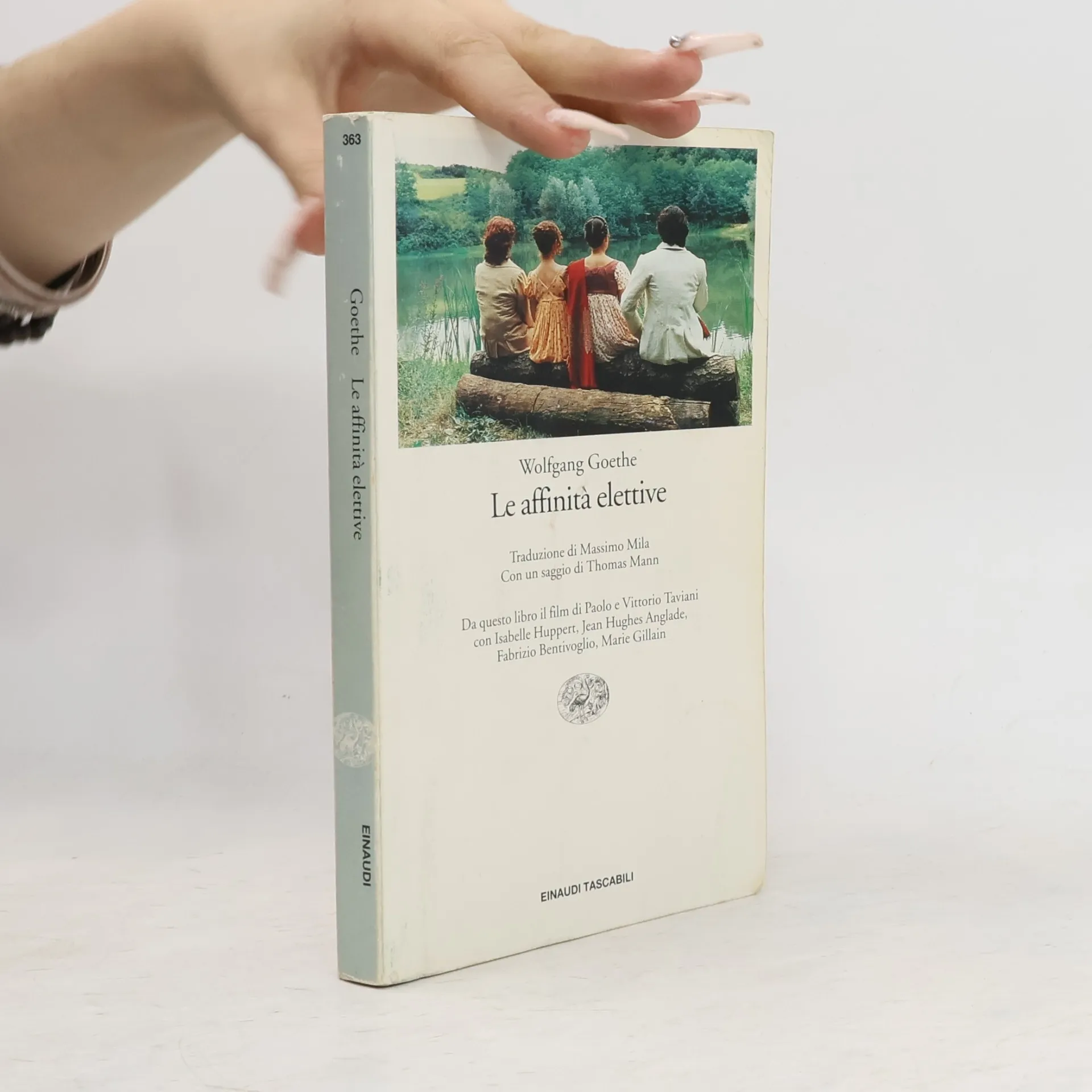
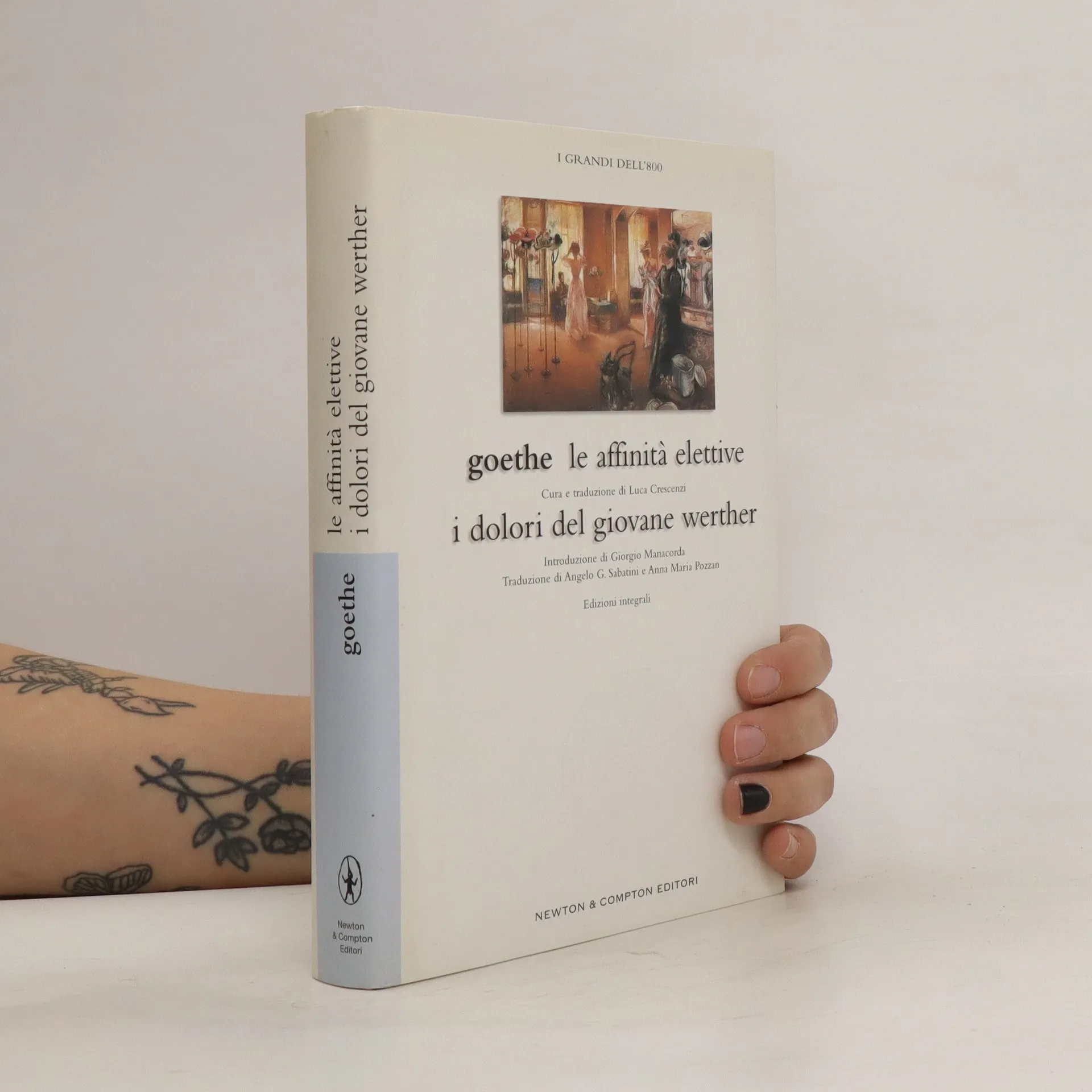
    Einaudi Tascabili - 363: Le affinità elettive
    Viaggio in Italia
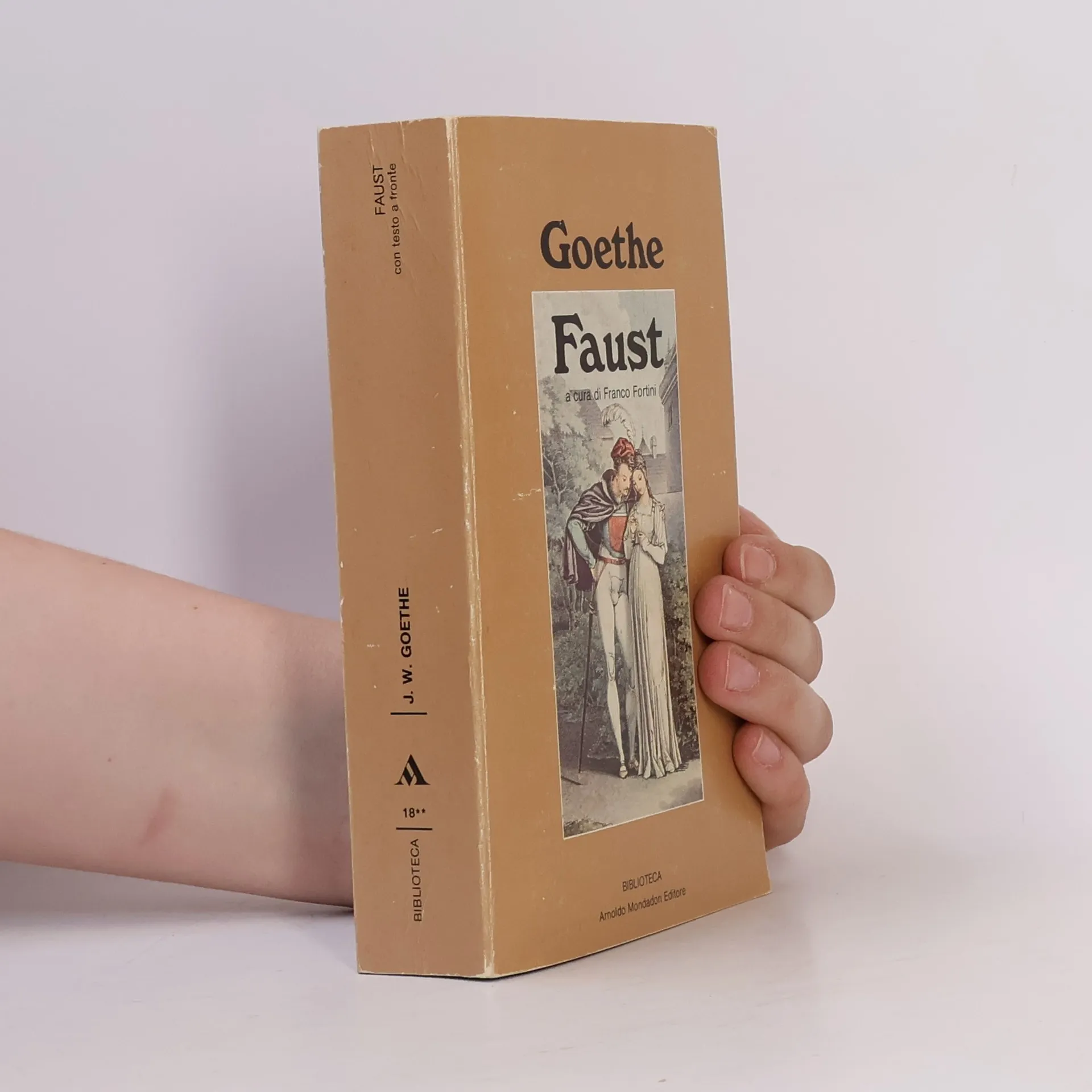
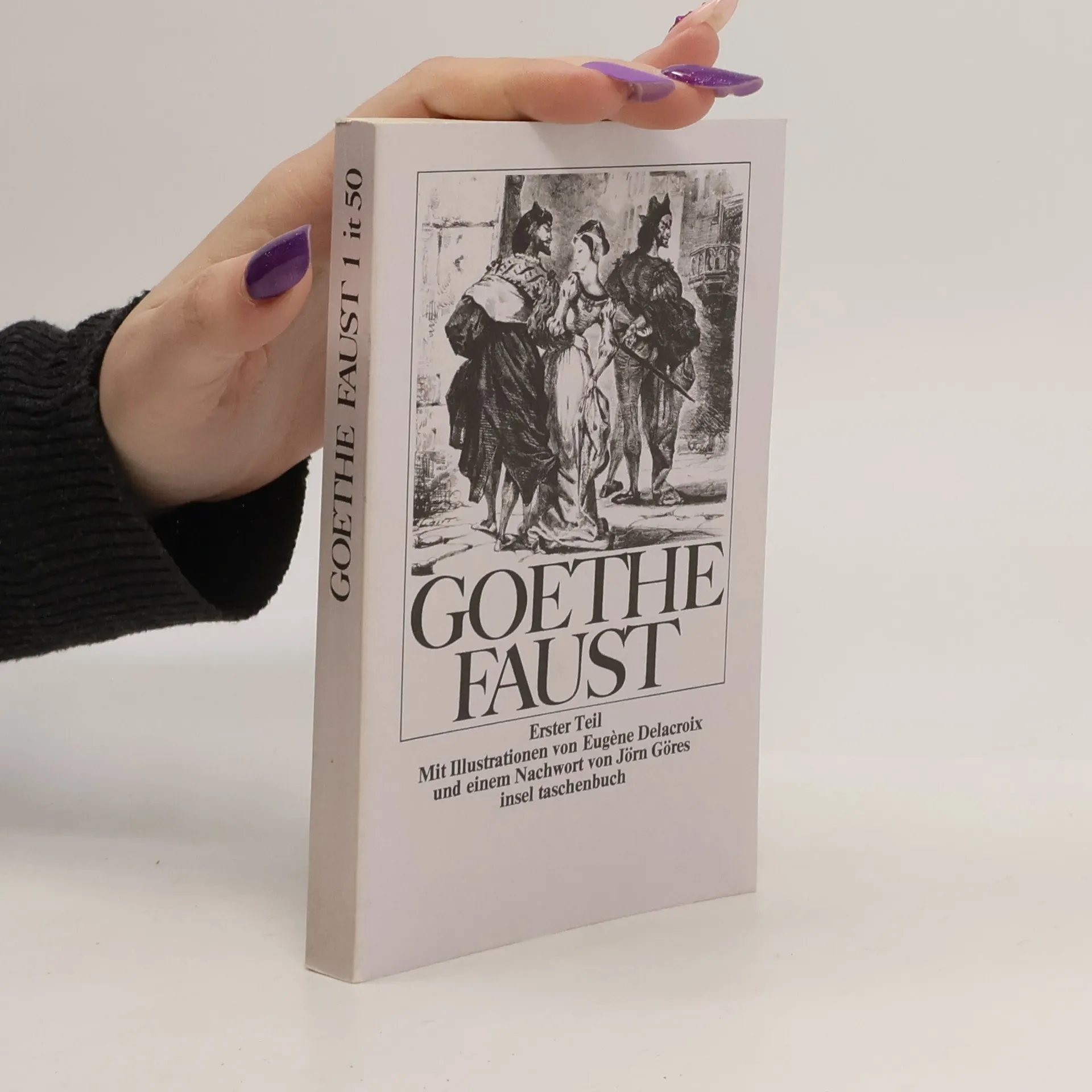
    Faust
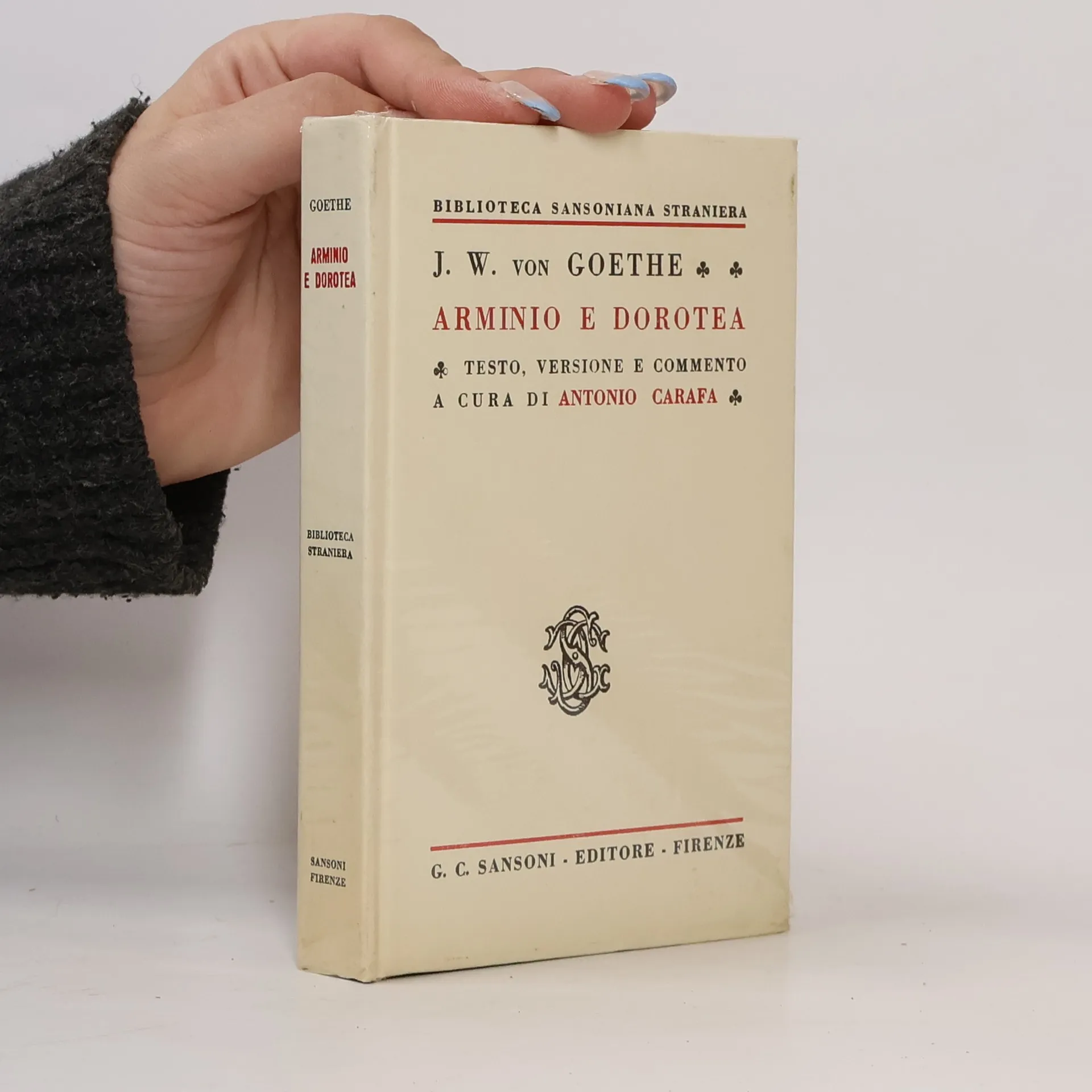
    Arminio e Dorotea
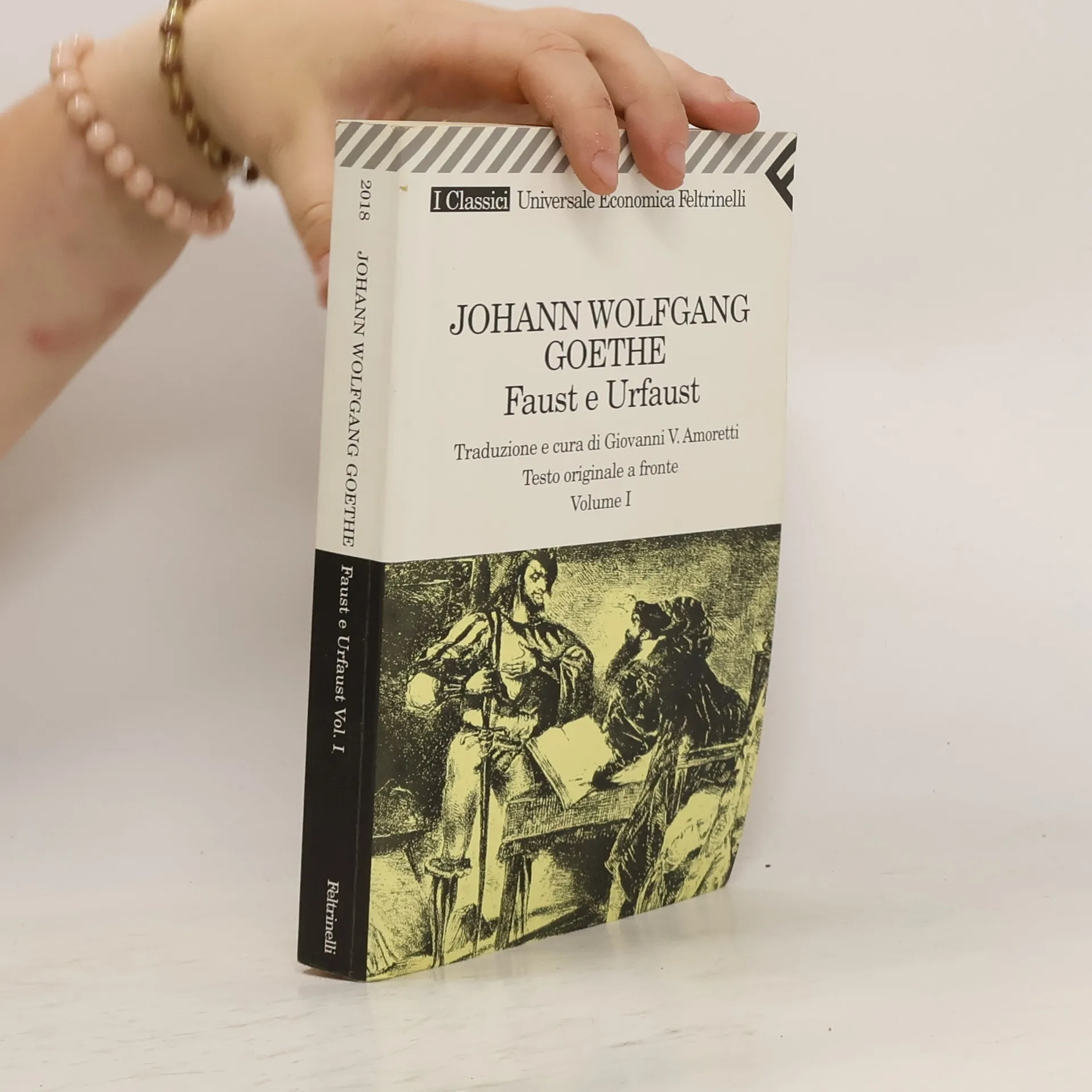
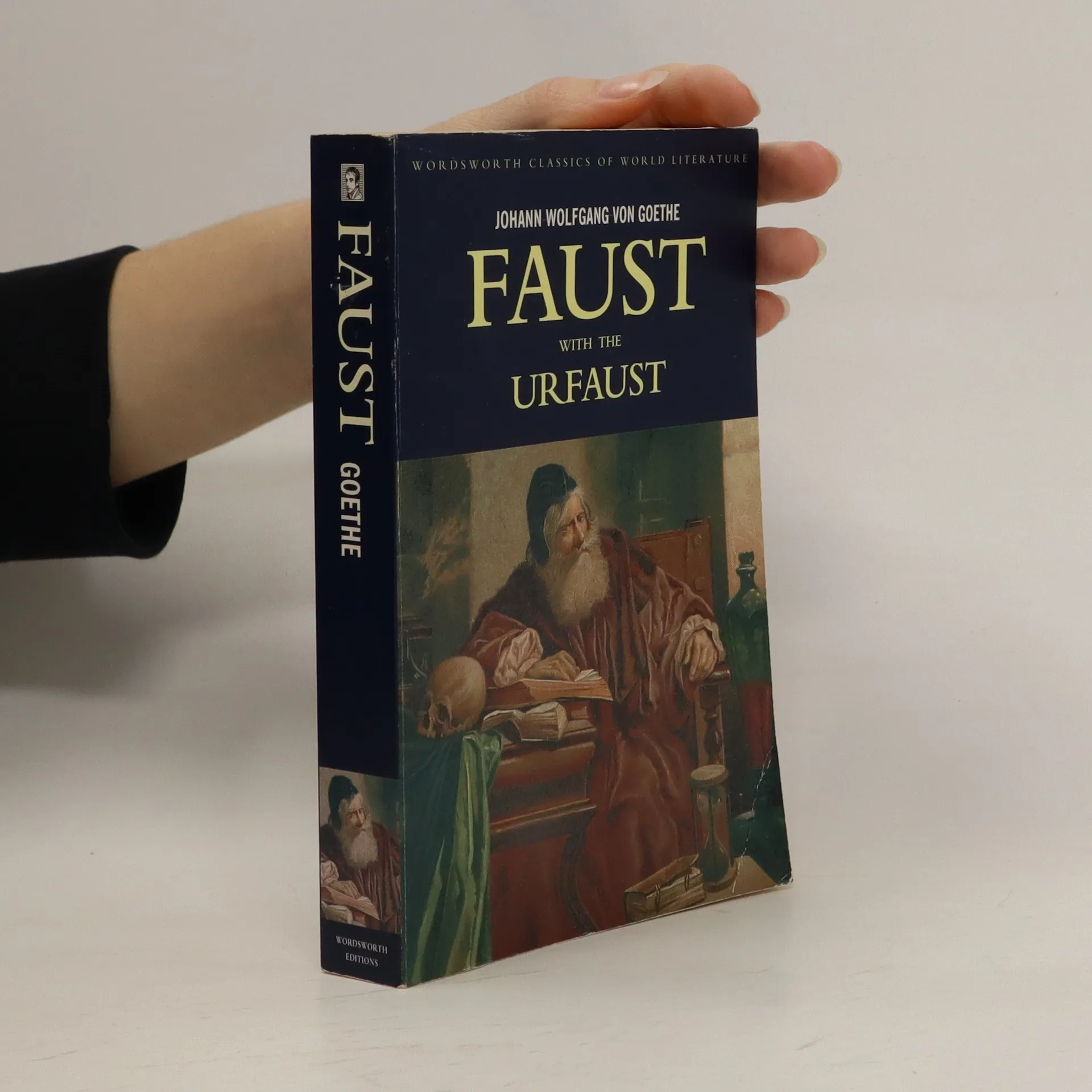
    Faust e Urfaust
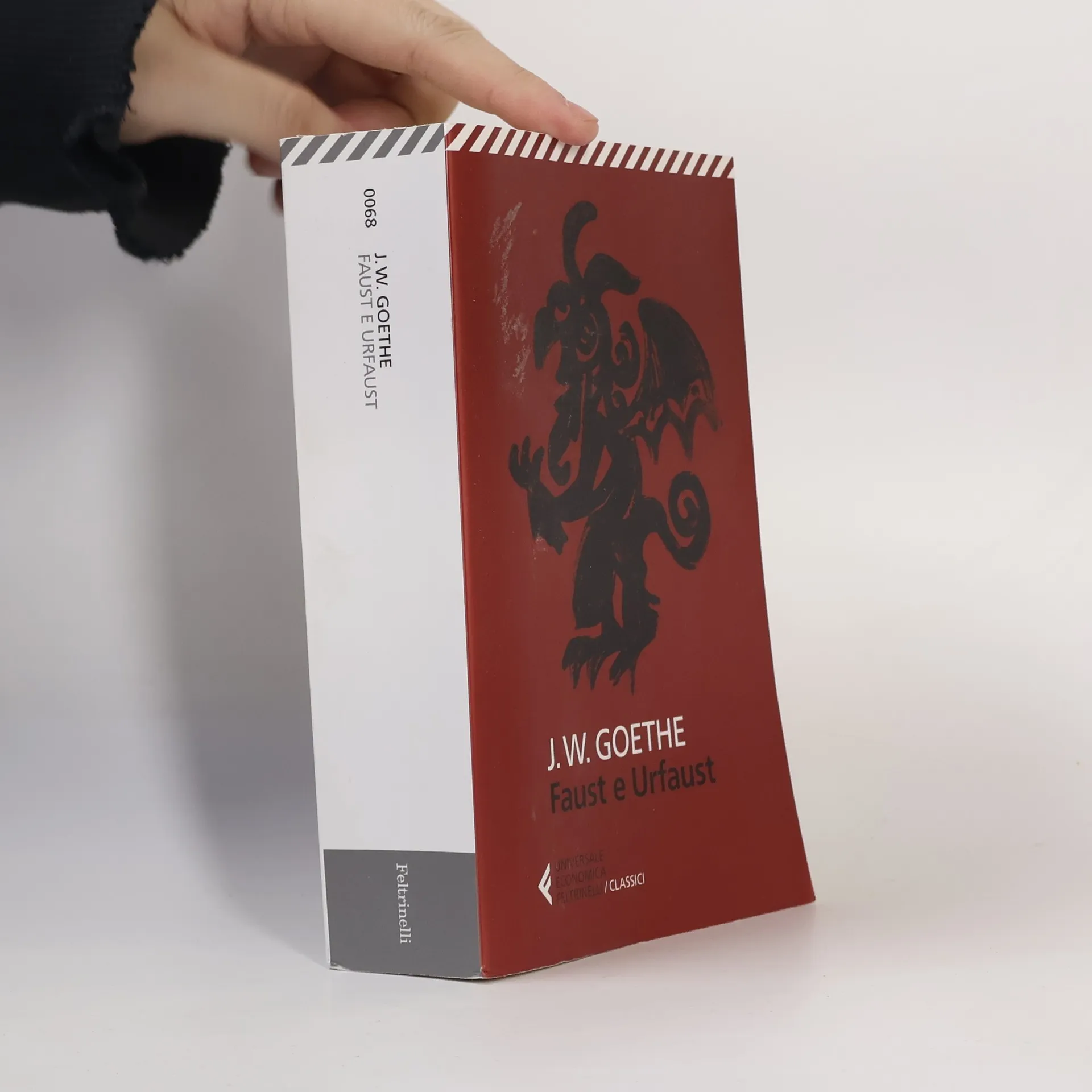
    Universale economica. I classici - 68: Faust e Urfaust
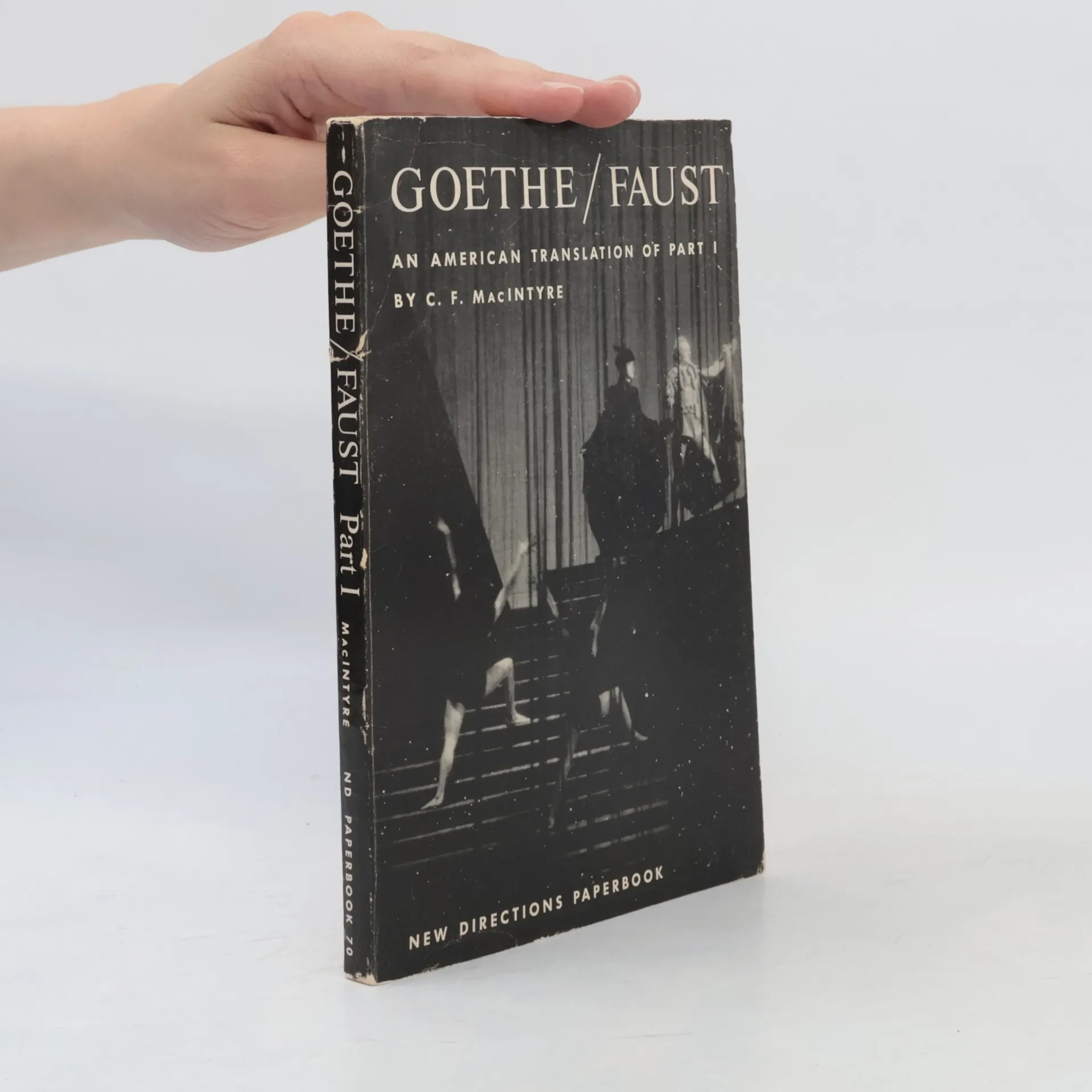
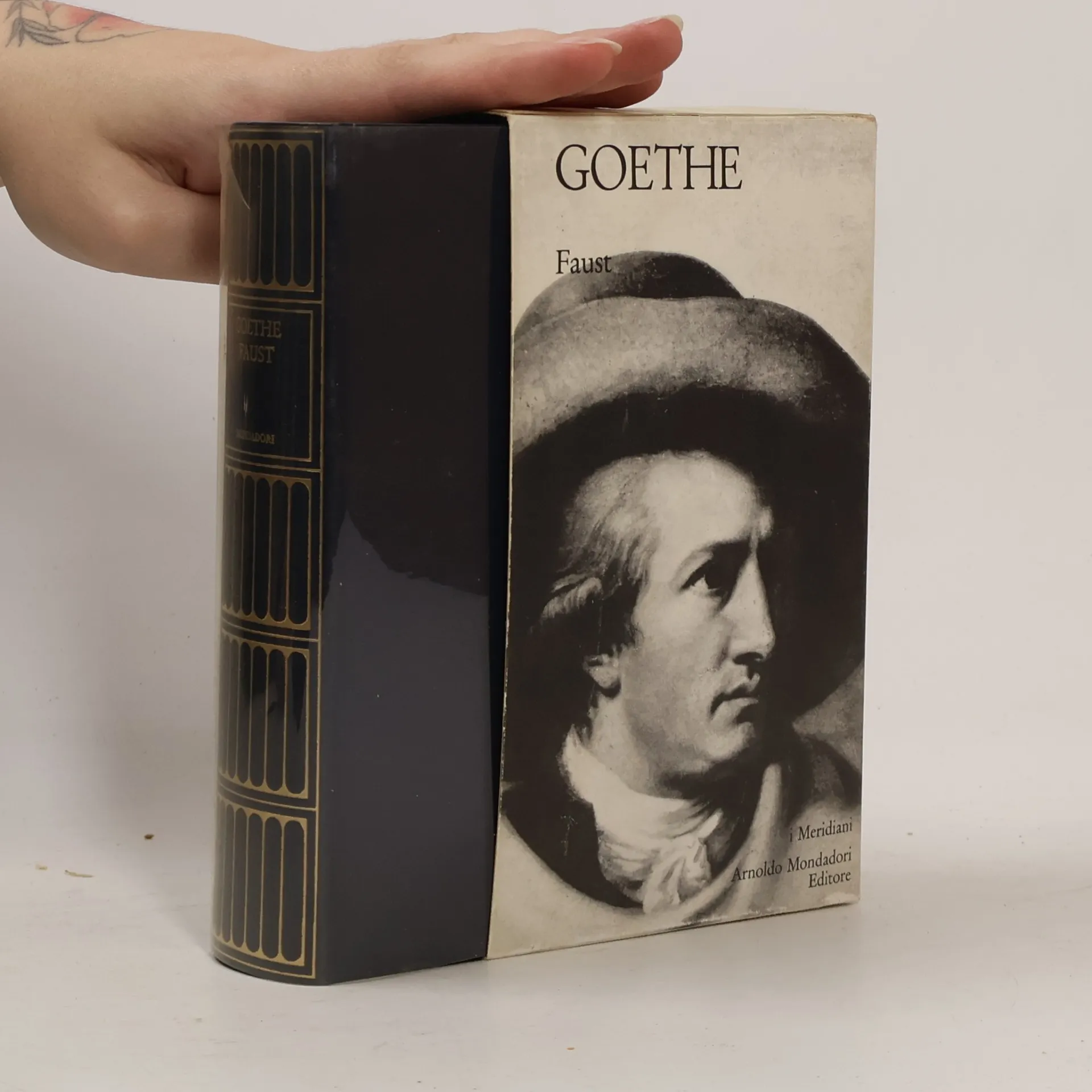
    • Scritto nell’arco di sessant’anni, il Faust rappresenta uno dei punti più alti della letteratura mondiale di ogni tempo. Ispirata dalla figura storica di un alchimista tedesco vissuto nel xvi secolo, la vicenda è incentrata sullo scellerato patto che un uomo sapientissimo, Faust, stipula con un rappresentante del diavolo, Mefistofele, al fine di poter accedere ai segreti più arcani del mondo. Mefistofele servirà Faust con le sue arti magiche, per poi ottenerne in punto di morte l’anima e consegnarla alla dannazione eterna. Diverse sono le scene rese immortali dalla penna di Goethe: la seduzione attraverso mille espedienti di Margherita, il sabba delle streghe nella notte di Valpurga, l’Imperatore tedesco alle prese con l’inflazione, la disperata difesa della propria casa di Filemone e Bauci… Nonostante i tanti misfatti e l’accordo sottoscritto con il Maligno, nel momento finale Faust verrà salvato grazie alla forza creatrice che muove l’universo: il principio femminile dell’Amore.
      Universale economica. I classici - 68: Faust e Urfaust
      4,1
    • Faust e Urfaust

      • 420pagine
      • 15 ore di lettura

      Questa edizione del "Faust" presenta, accanto al testo tedesco stabilito da E. Beutler, una moderna traduzione italiana, frutto del rigoroso impegno d'uno dei nostri maggiori germanisti. Oltre ad essere di valido aiuto a chi voglia gustare il "Faust" nella lingua in cui fu scritto, essa, nella sua aderenza al testo e nell'attenta resa d'ogni sua sfumatura, offre a chi non conosce il tedesco la via più diretta per la comprensione del capolavoro goethiano, un'opera senza la quale la conoscenza umana mancherebbe di una delle più alte espressioni. Testo tedesco a fronte.

      Faust e Urfaust
      4,2
    • La narrazione descrive una città abbandonata, in cui sono rimasti solo pochi abitanti. Le strade sono deserte e la curiosità spinge le persone a uscire per osservare il corteo funebre degli espulsi, costretti a lasciare la loro patria. Mentre la locandiera manda il figlio per aiutare i bisognosi, il locandiere riflette sulla miseria e sul destino dei rifugiati. La scena è caratterizzata da un'atmosfera malinconica e dall'osservazione del disuguaglianza sociale tra ricchi e poveri.

      Arminio e Dorotea
      2,0
    • Testo originale a fronte

      Faust
      4,0
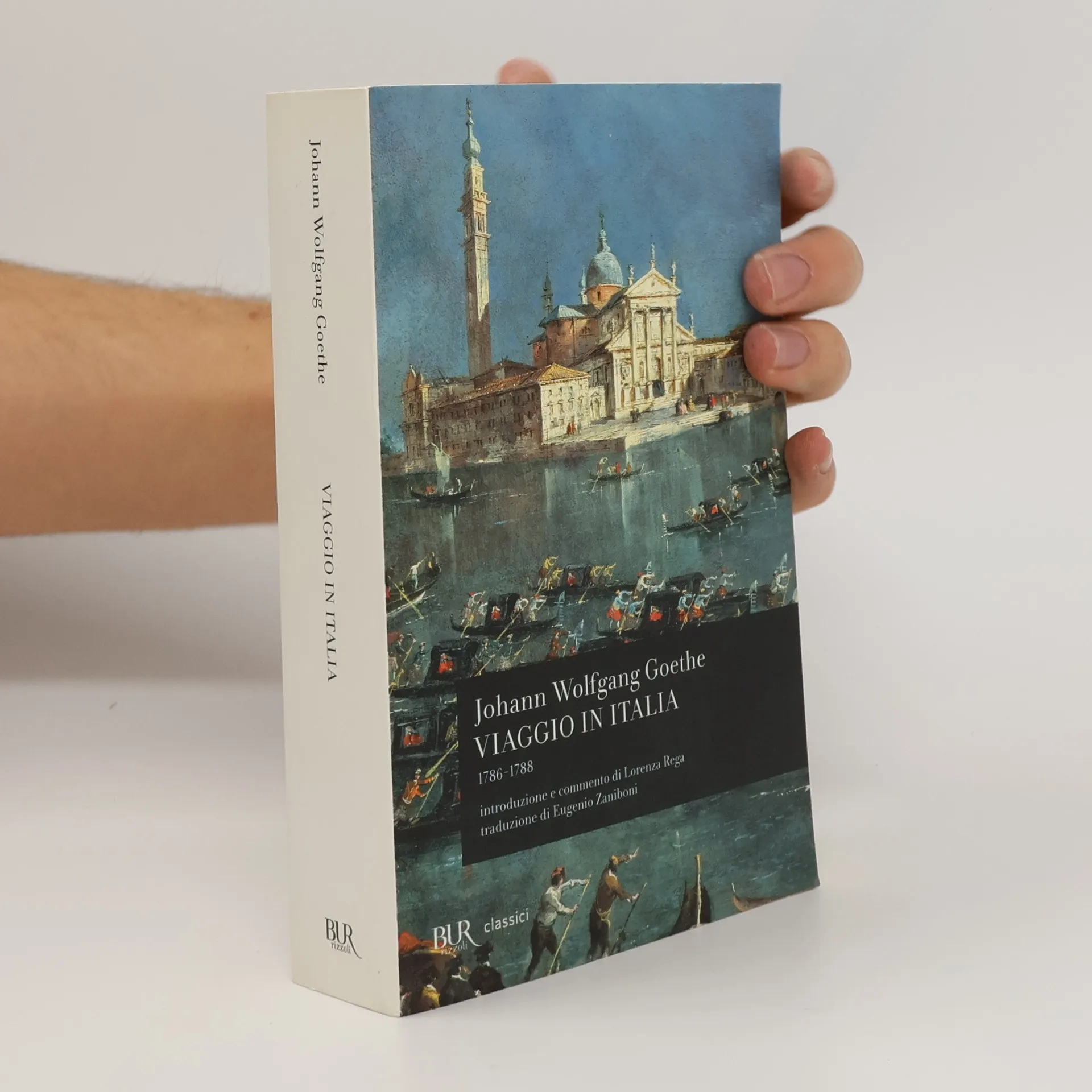
    • Viaggio in Italia

      1786 - 1788

      • 666pagine
      • 24 ore di lettura

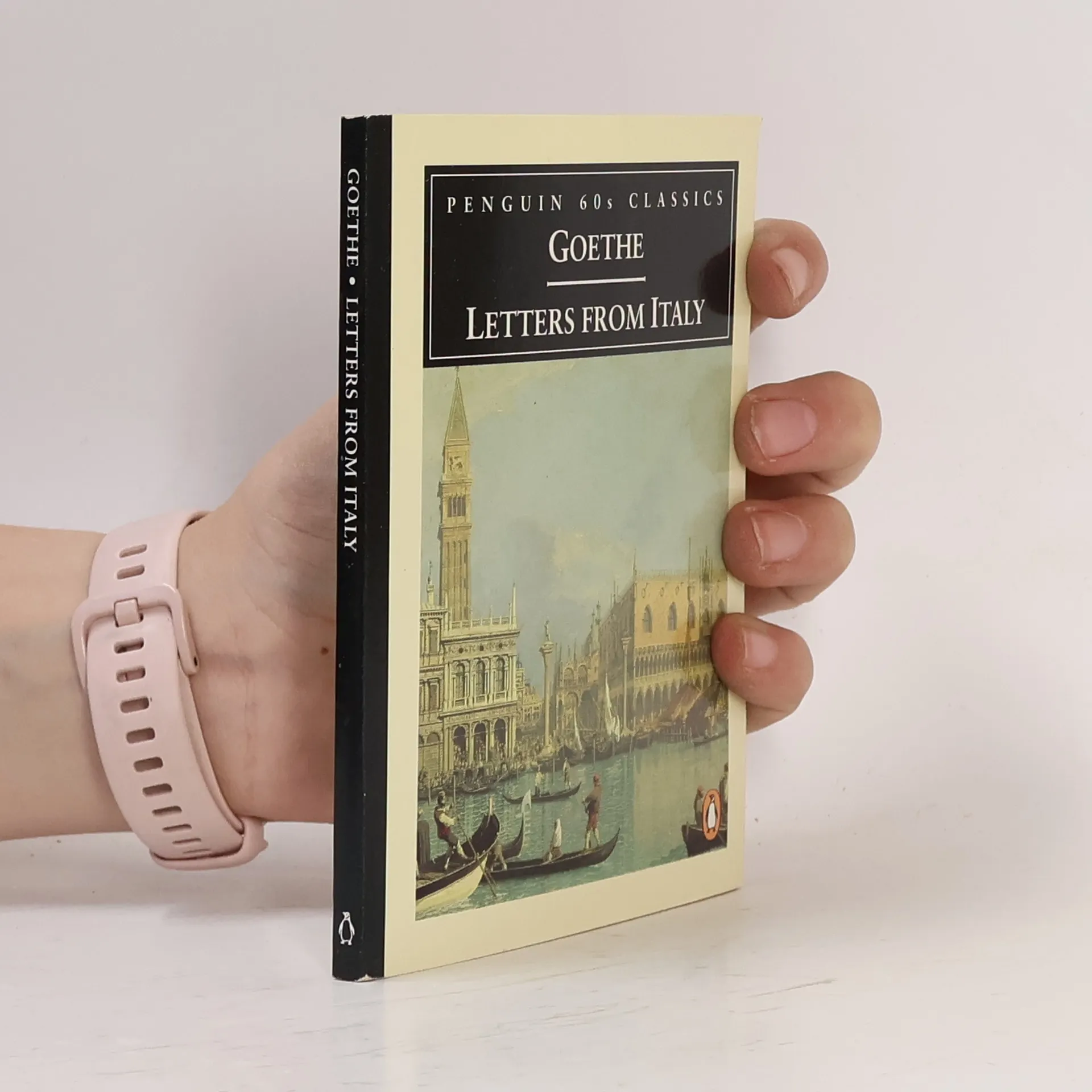
      [Trovi un'edizione con copertina alternativa per questo ISBN qui] Il 3 settembre 1786 Goethe partì improvvisamente dal Granducato di Weimar per l'Italia, dove si trattenne per circa un anno e mezzo. Pubblicato da Goethe in due riprese (1816-17 e 1829), il Viaggio si colloca tra l'autobiografia, il romanzo di formazione, il saggio e il diario di viaggio. Il tessuto narrativo dell'opera rimanda però a una struttura più profonda, a quei principi etici ed estetici che costituiscono la vera Bildung, che Goethe ottantenne ritiene ancora validi e che sono espressamente menzionati o mediati da episodi, sensazioni, descrizioni dei paesaggi, delle città, del patrimonio artistico italiano. L'introduzione di Lorenza Rega indaga le concezioni filosofiche ed estetiche che stanno alla base del Viaggio.

      Viaggio in Italia
      3,9
    • Einaudi Tascabili - 363: Le affinità elettive

      Traduzione di Massimo Mila - Con un saggio di Thomas Mann

      • 330pagine
      • 12 ore di lettura

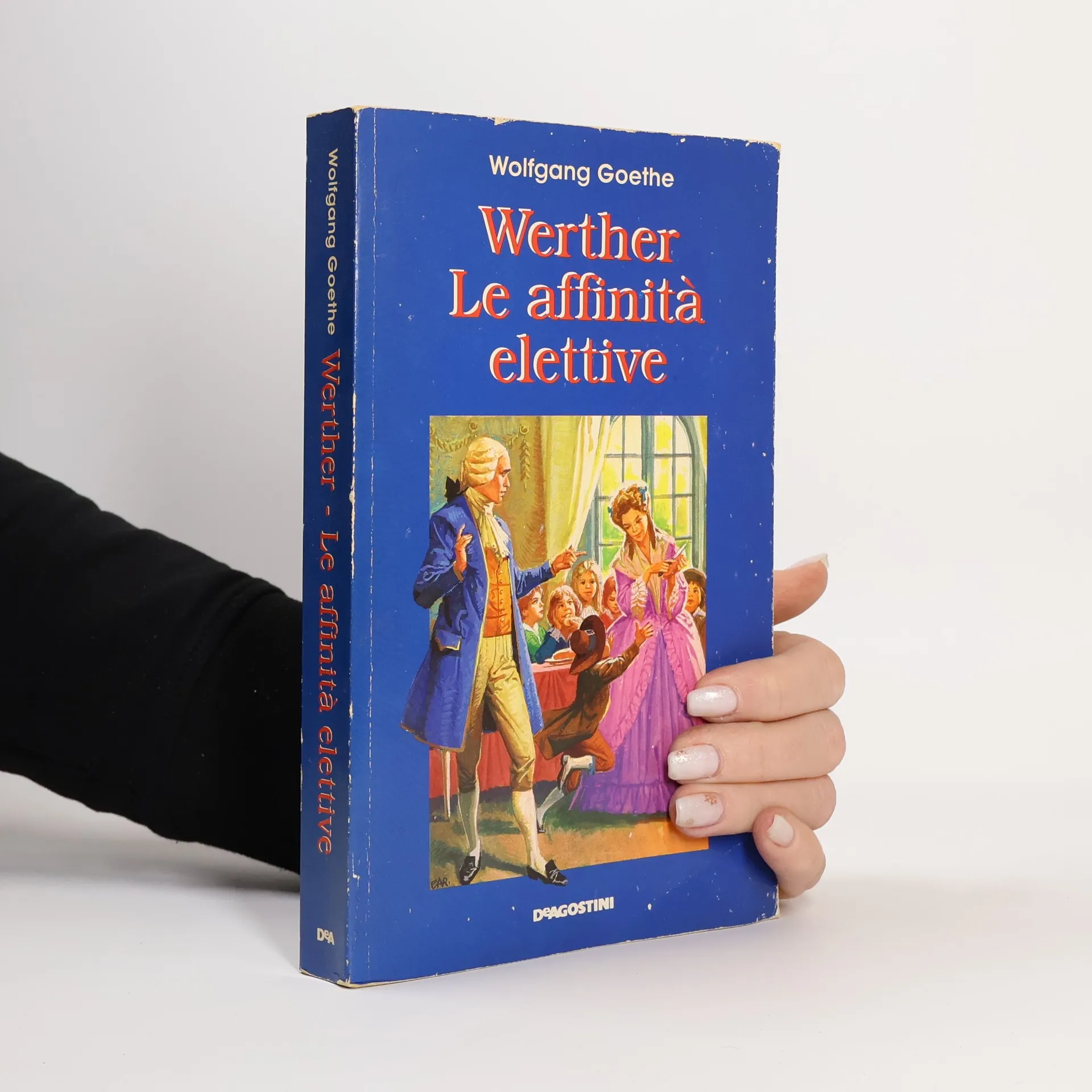
      Il solido matrimonio di Edoardo e Carlotta viene scosso dall'arrivo del Capitano e della giovanissima Ottilia. Ben presto le affinità elettive tendono a unire da una parte Edoardo e Ottilia e dall'altra Carlotta e il Capitano. Se Edoardo si abbandona alla passione, inebriato dai propri sentimenti per Ottilia, Carlotta cerca invece di frenarsi e far vincere la ragione, mentre Ottilia, «la più dolce figlia della natura che sia uscita dalle mani di un artista» (Thomas Mann), risponde alla legge dell'istinto con un sentimento totale ma rigoroso e castissimo. Un capolavoro della letteratura di tutti i tempi nell'eccezionale traduzione di Massimo Mila, che sottrae «al limbo dei così detti "classici" un'opera che può ben dirsi una delle sorprendenti "primizie" del romanzo moderno.»

      Einaudi Tascabili - 363: Le affinità elettive
      3,7
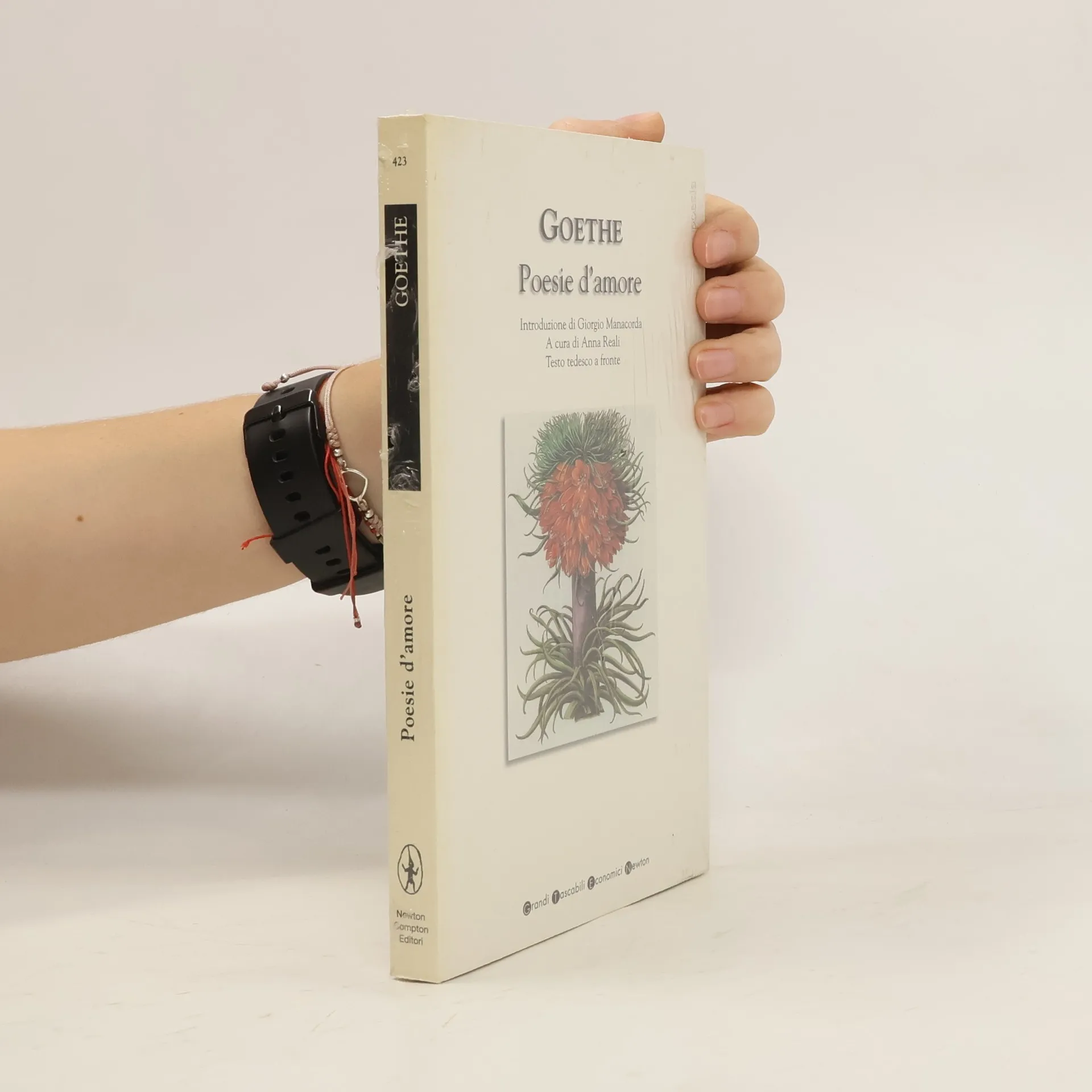
    • Poesie d'amore

      • 208pagine
      • 8 ore di lettura

      Alle gioie e ai tormenti dell'amore, al fascino ora intellettuale, ora puramente sensuale della donna, Goethe dedicò opere senza tempo. In questi versi emerge in modo diretto e intimamanete sentito la sua visione dell'amore e della figura femminile.

      Poesie d'amore
      3,6
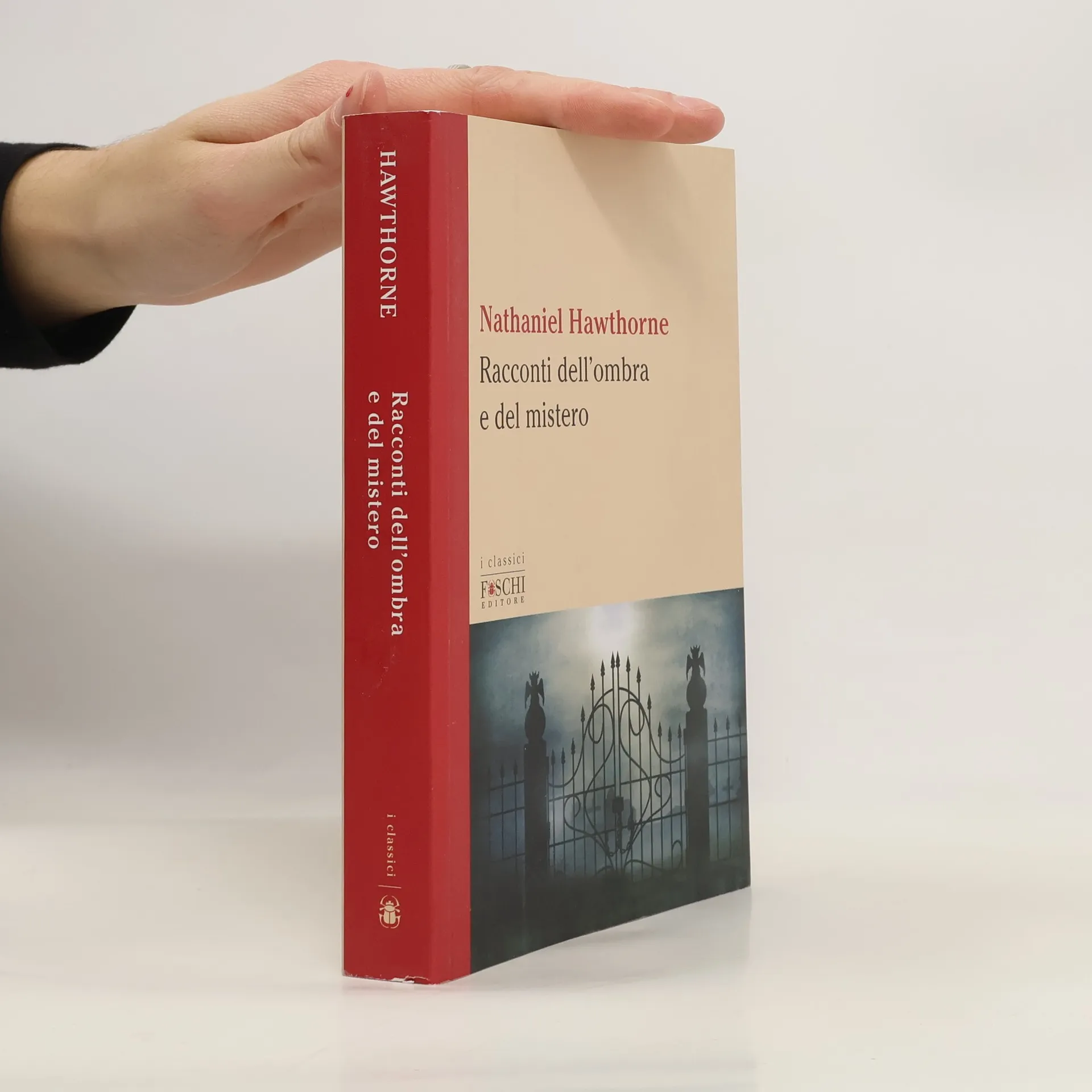
    • Come i rapporti fra sostanze chimiche, anche le relazioni amorose sono soggette a insondabili leggi di attrazione e repulsione, diventando instabili all’inserimento di un terzo elemento. Edoardo e Carlotta, innamorati sin da bambini, hanno sognato a lungo il matrimonio; ma ora la loro relazione è messa alla prova dall’ospitalità offerta al capitano, vecchio amico di Edoardo, e alla timida orfana Ottilia. Mentre la natura del parco che circonda la dimora viene man mano piegata alla volontà umana, le passioni non sono altrettanto malleabili, e come una furia lenta ma inarrestabile si accingono a travolgere i rapporti esistenti. Edoardo si lascia trascinare dal sentimento per Ottilia, distruggendo il matrimonio con Carlotta, a sua volta attratta dal più razionale capitano; mentre Otto, figlio di Edoardo e Carlotta, manifesta inspiegabilmente nel suo aspetto le passioni recondite dei genitori. Un classico del romanticismo, che mette in scena le passioni impetuose in un tranquillo salotto borghese.

      I classici: Racconti dell'ombra e del mistero
      3,8
    • Ballate

      • 236pagine
      • 9 ore di lettura

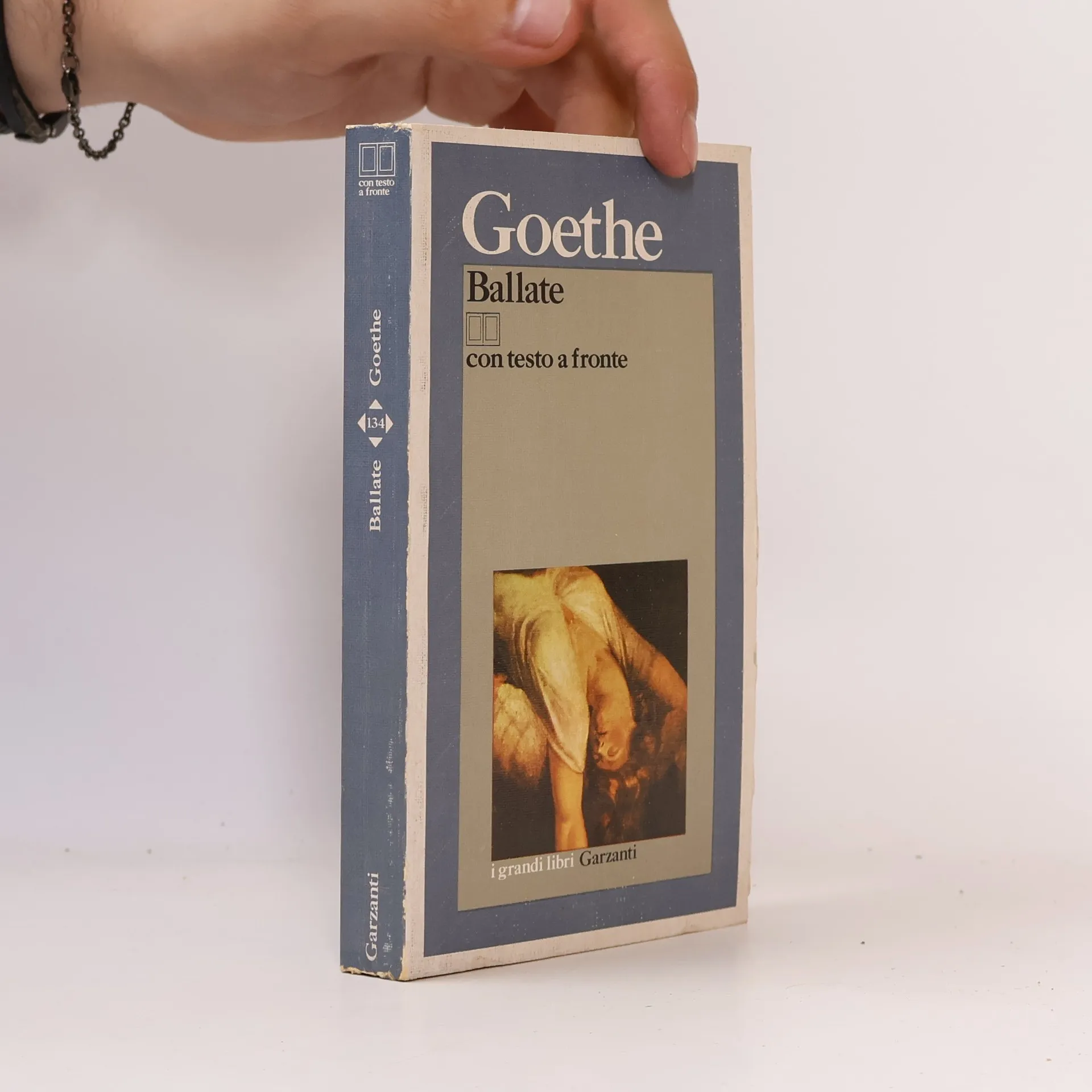
      Goethe ebbe qualche perplessità nel definire e catalogare queste poesie, raggruppate nelle edizioni del 1800 e 1806, sotto il titolo di "Balladen und Romanzen, mentre nel 1815, proprio per l'ambizione di distinzione di fondo, "romanzen" cadrà definitivamente e, da allora in poi, saranno tutte comprese sotto il nome definitivo di "Balladen". Il termine, di origine neolatina, designava una "canzone a ballo", ma passando da Provenza, Italia, Francia all'Inghilterra, il termine ballata acquisiva il significato di poesia popolare scaturita non dall'attività di un autore conosciuto, spesso di contenuto epico o leggendario.

      Ballate
      3,8
    • Oscar Classici: Le affinità elettive

      Con un saggio di Thomas Mann

      • 320pagine
      • 12 ore di lettura

      Il romanzo più famoso e più discusso di Goethe che disegna, attraverso l'intreccio di due storie d'amore nate dallo sfaldarsi di un legame matrimoniale, l'immagine di una società ambiguamente sospesa fra la salvaguardia della propria stabilità e la consapevolezza del proprio tramonto.

      Oscar Classici: Le affinità elettive
      3,7
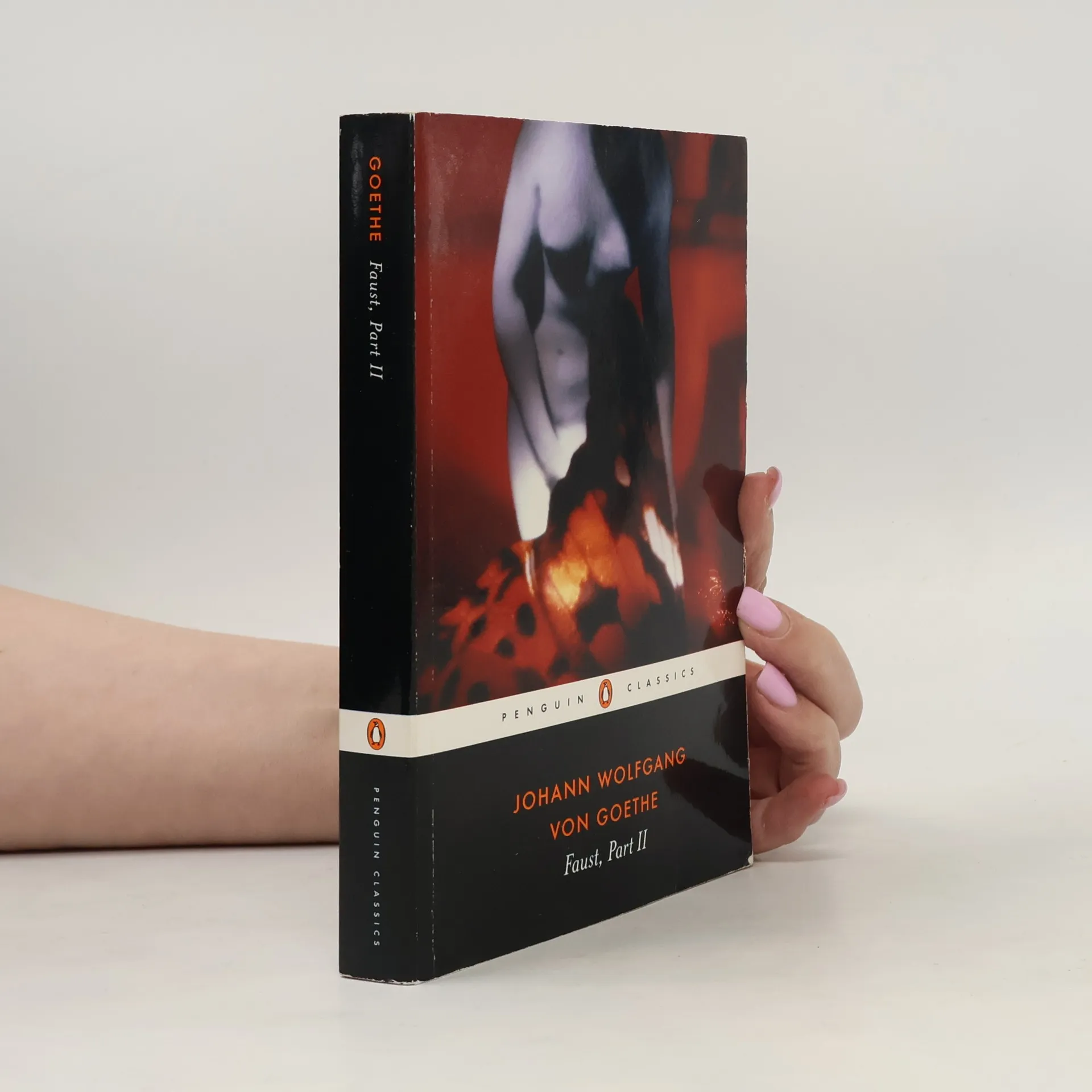
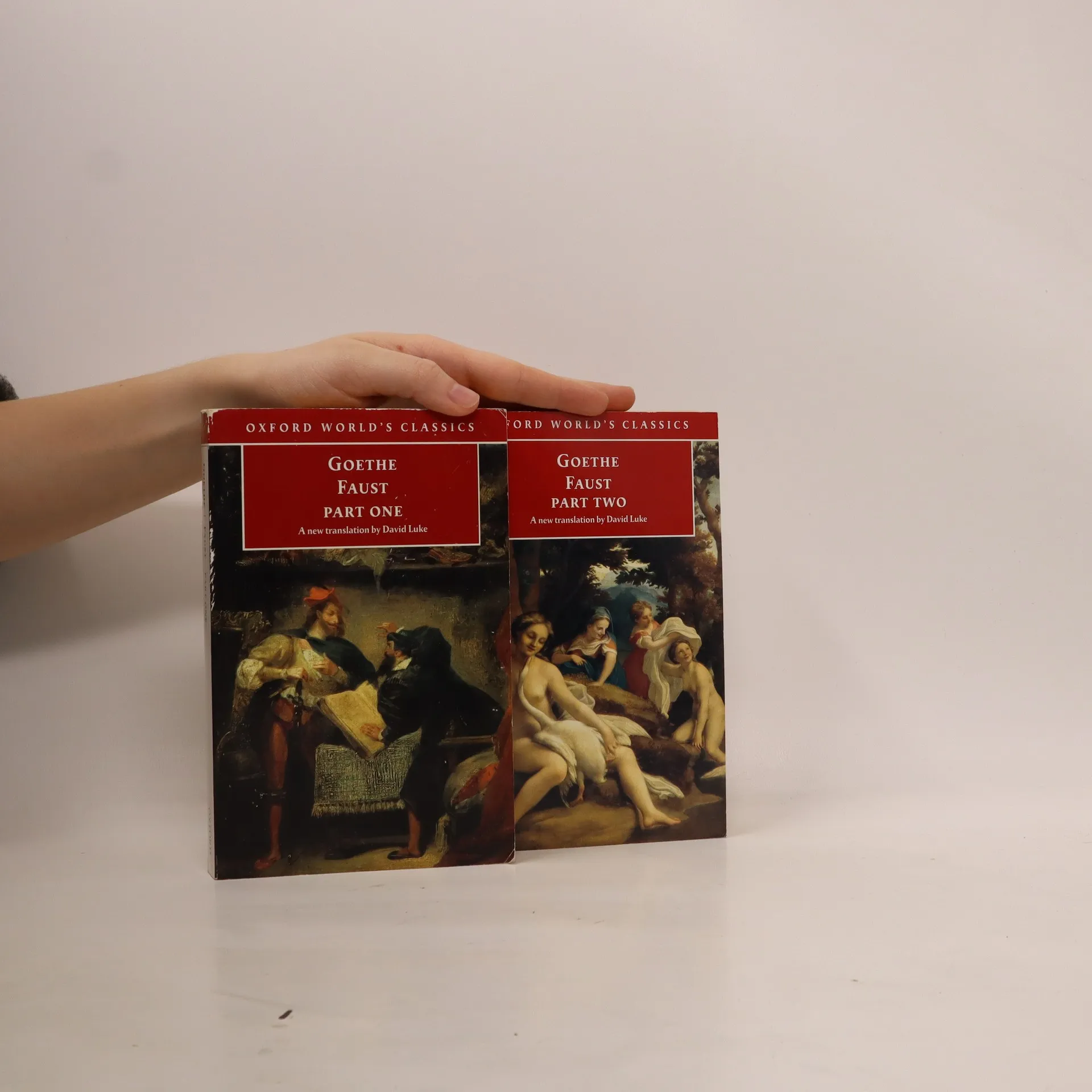
    • Goethe scrisse per oltre 60 anni il suo Faust, definendo "questi molto seri scherzi" il suo "principale affare". Ne derivò una delle opere più grandiose e complesse della letteratura mondiale, interpretata come tragedia umana, mistero religioso e, in particolare nel Secondo Parte, come una profetica avvertenza sui pericoli dei moderni processi economici. L'opera esplora temi come la ricerca del significato, il conflitto tra il bene e il male, e la tensione tra aspirazioni umane e limiti morali. Attraverso il patto di Faust con Mefistofele, Goethe affronta la questione della conoscenza e del potere, interrogandosi sulle conseguenze delle scelte umane. La narrazione si sviluppa in un contesto ricco di simbolismo e riferimenti culturali, rendendo il testo un'opera fondamentale per comprendere la condizione umana e le sfide del progresso.

      Faust 2
      3,7
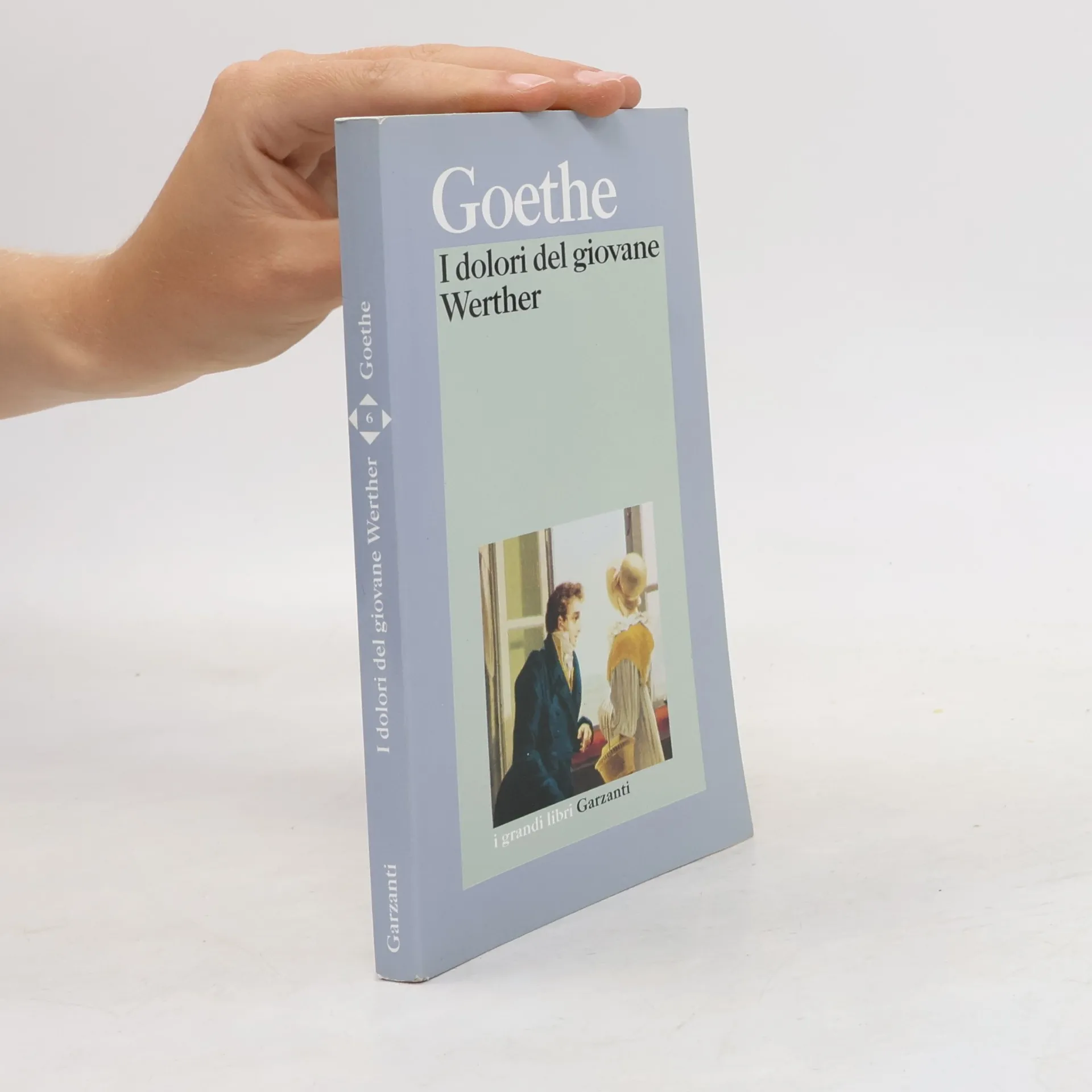
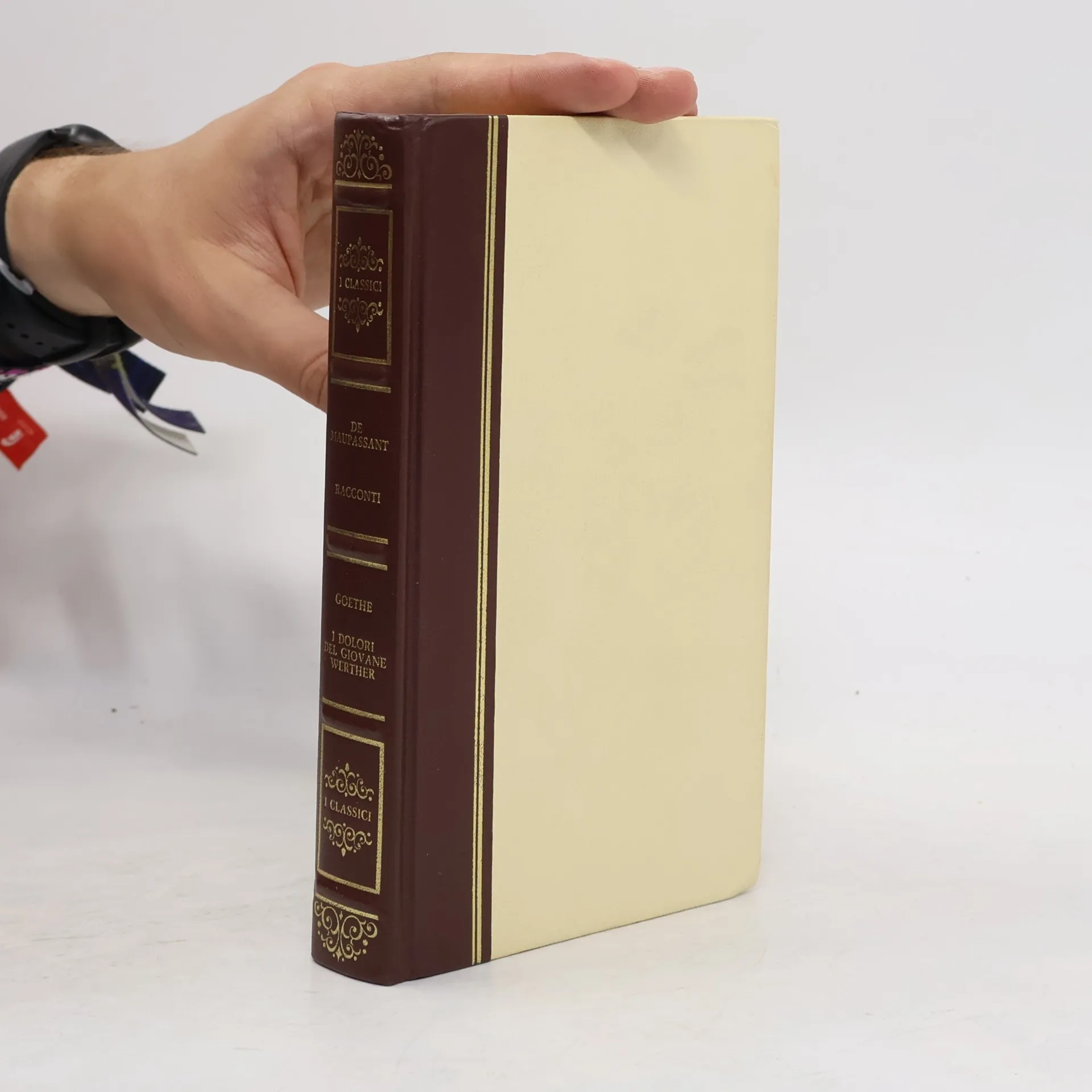
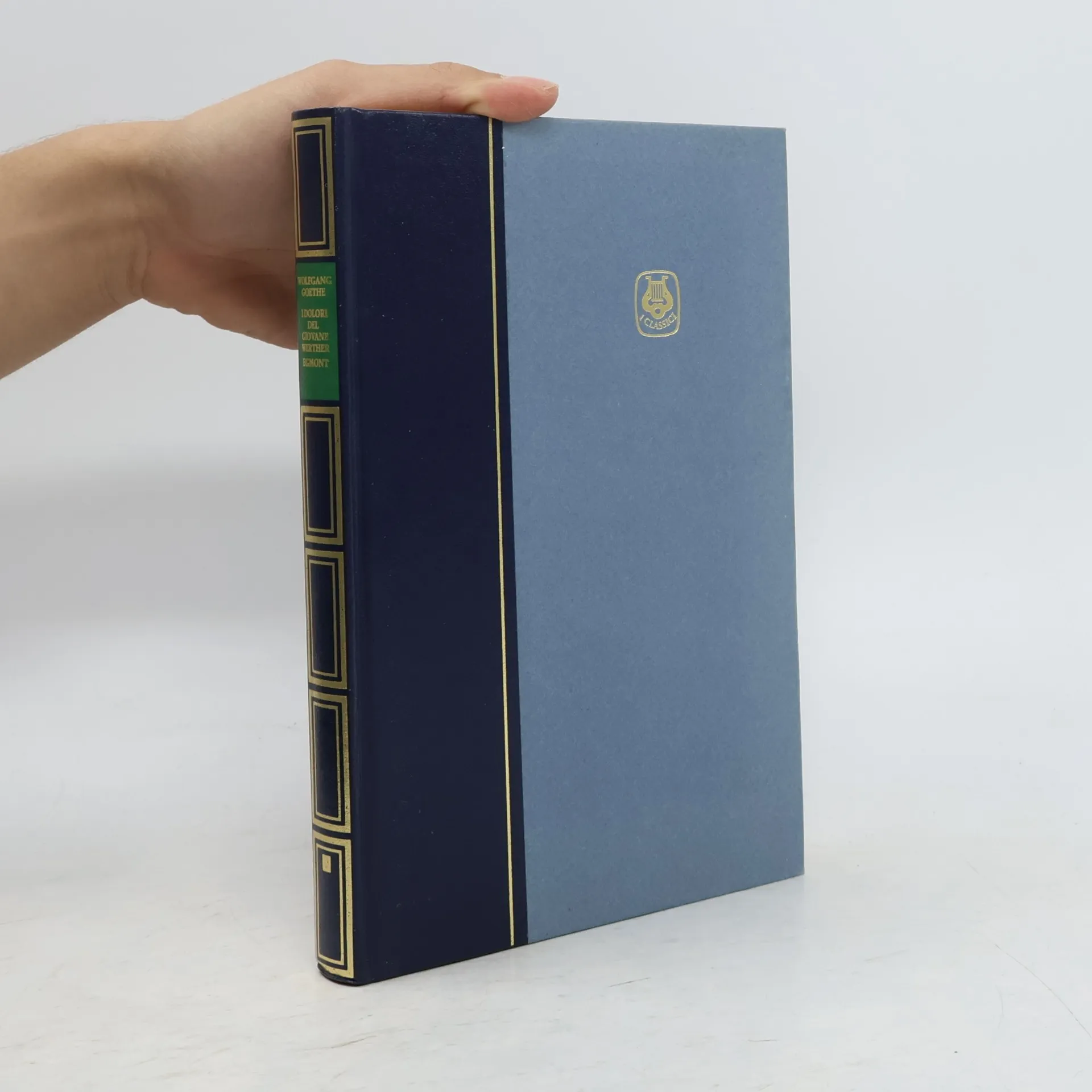
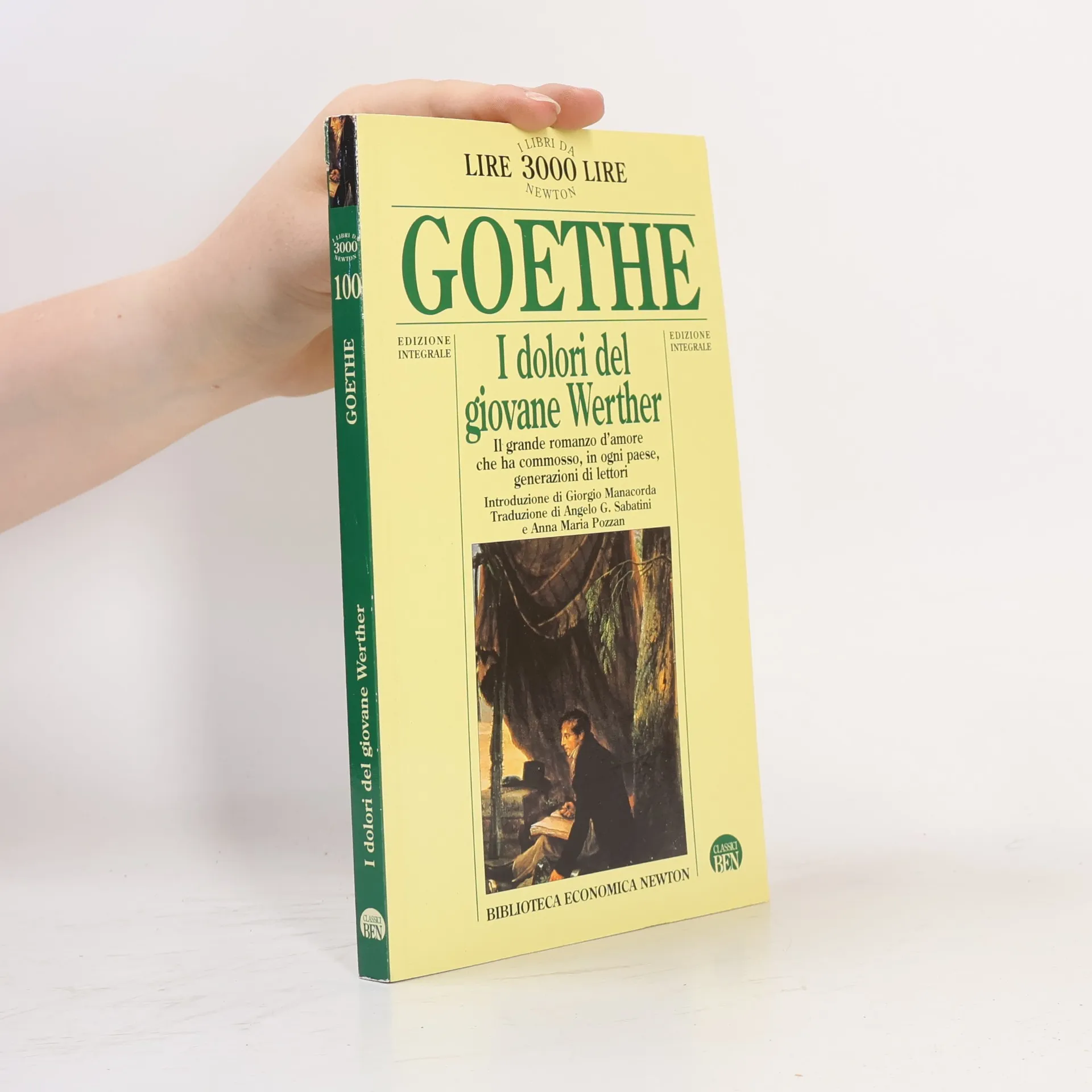
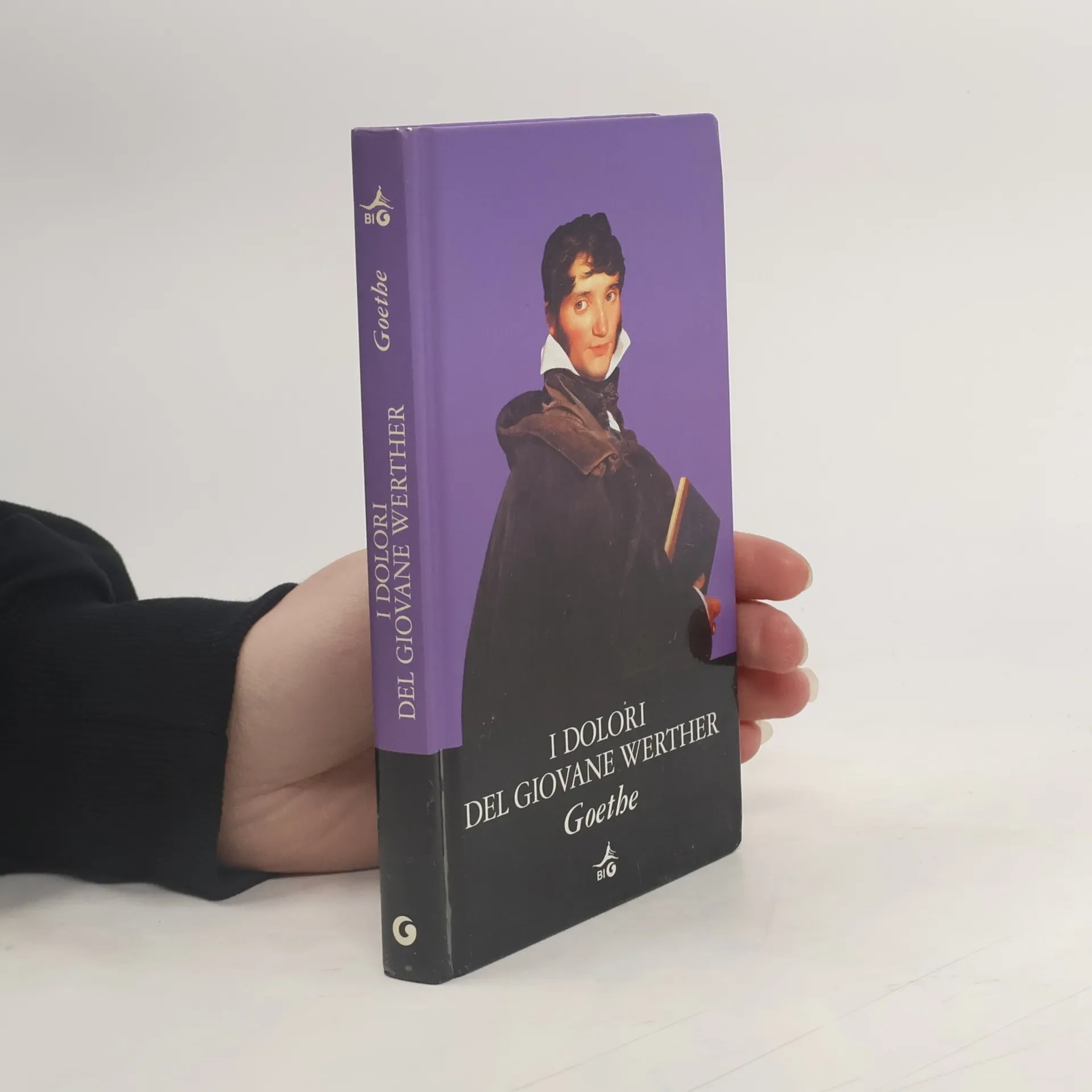
    • Il Werther è il più famoso romanzo d’amore della letteratura tedesca, tra i più letti e conosciuti della narrativa europea. Un’opera che non può essere chiusa in un genere o in una definizione: come se fosse animata da una forza misteriosa, spezza i confini della letteratura e diventa testo romantico, religioso, filosofico, sociale, persino politico. E così la storia vera dell’amore del giovane Goethe per Lotte Buff si trasforma nel dramma epistolare che narra di Werther e Carlotta: una passione tragica e assoluta, un capolavoro immortale.

      I dolori del giovane Werther
      3,7
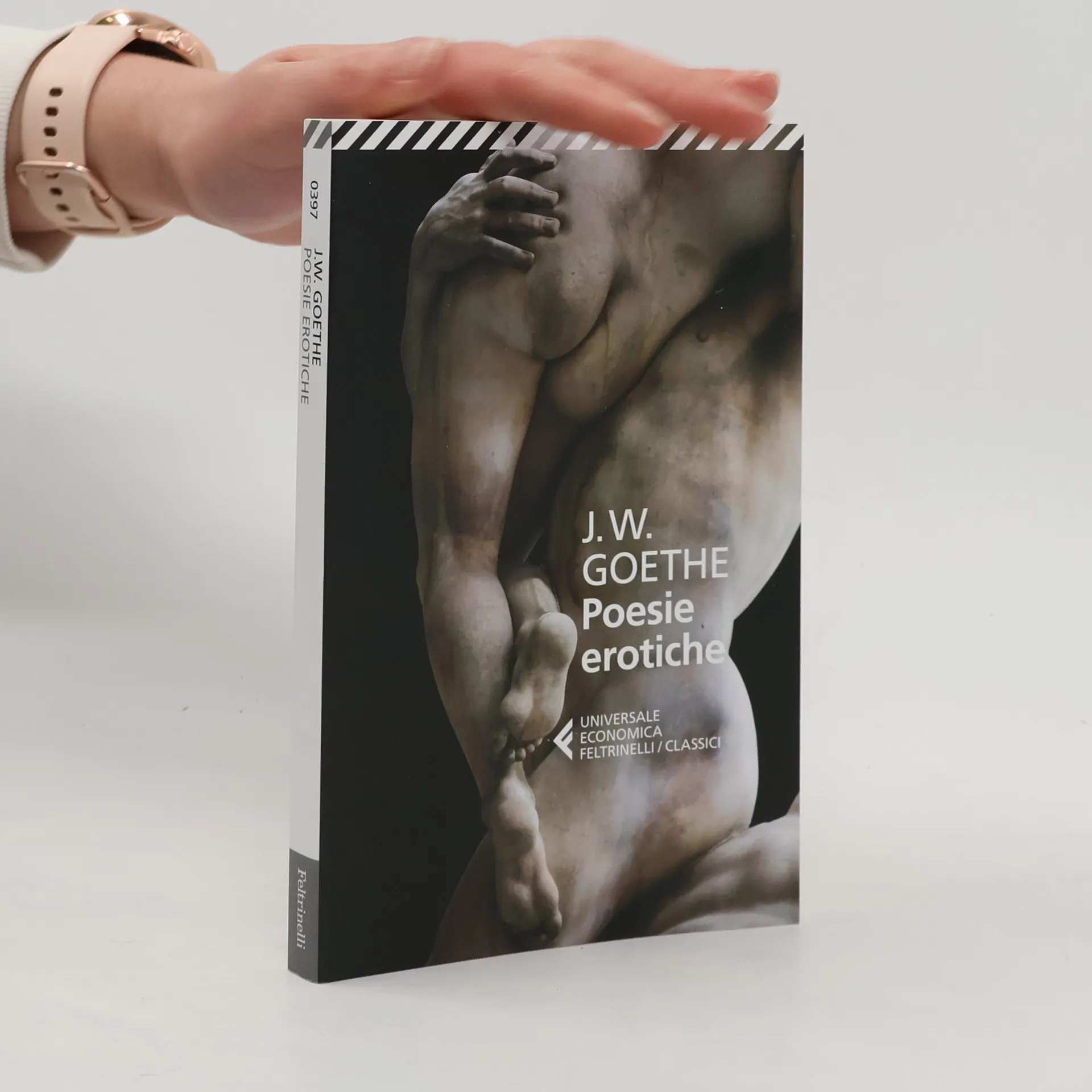
    • Questa edizione cerca di ricostruire l'«Opera Erotica» di Goethe a partire dalle note tramandate: schizzi erotici e confessioni, testi priapei, poesie sensuali, versioni gioiose e disinibite di noti testi goethiani come le Elegie Romane, gli Epigrammi Veneziani, la Notte di Walpurgis, oltre a parodie pungenti delle proprie opere (Werther come voyeur, Faust come Hanswurst) e riflessioni appassionate su classici erotici.

      Universale Economica Feltrinelli / Classici - 0397: Poesie erotiche
      3,5
    • Massime - Edizione integrale

      • 93pagine
      • 4 ore di lettura

      Maximen und Reflexionen è una raccolta postuma di pensieri e aforismi di Johann Wolfgang Goethe, che riflettono la sua profonda comprensione della vita, della natura e dell'arte. Questi scritti, pubblicati in diverse occasioni, offrono uno sguardo intimo sulla filosofia goethiana, esplorando temi come la bellezza, la conoscenza e l'esperienza umana. La raccolta include anche estratti dalla sua opera sulla teoria dei colori, arricchendo ulteriormente il panorama del pensiero goethiano. Attraverso una prosa incisiva e poetica, Goethe invita il lettore a riflettere sulle complessità dell'esistenza e sull'interconnessione tra l'individuo e il mondo circostante. Le sue massime, spesso aforistiche, sono un invito a una contemplazione profonda e a una ricerca di significato, rendendo quest'opera un importante contributo alla letteratura filosofica e poetica.

      Massime - Edizione integrale
      3,4
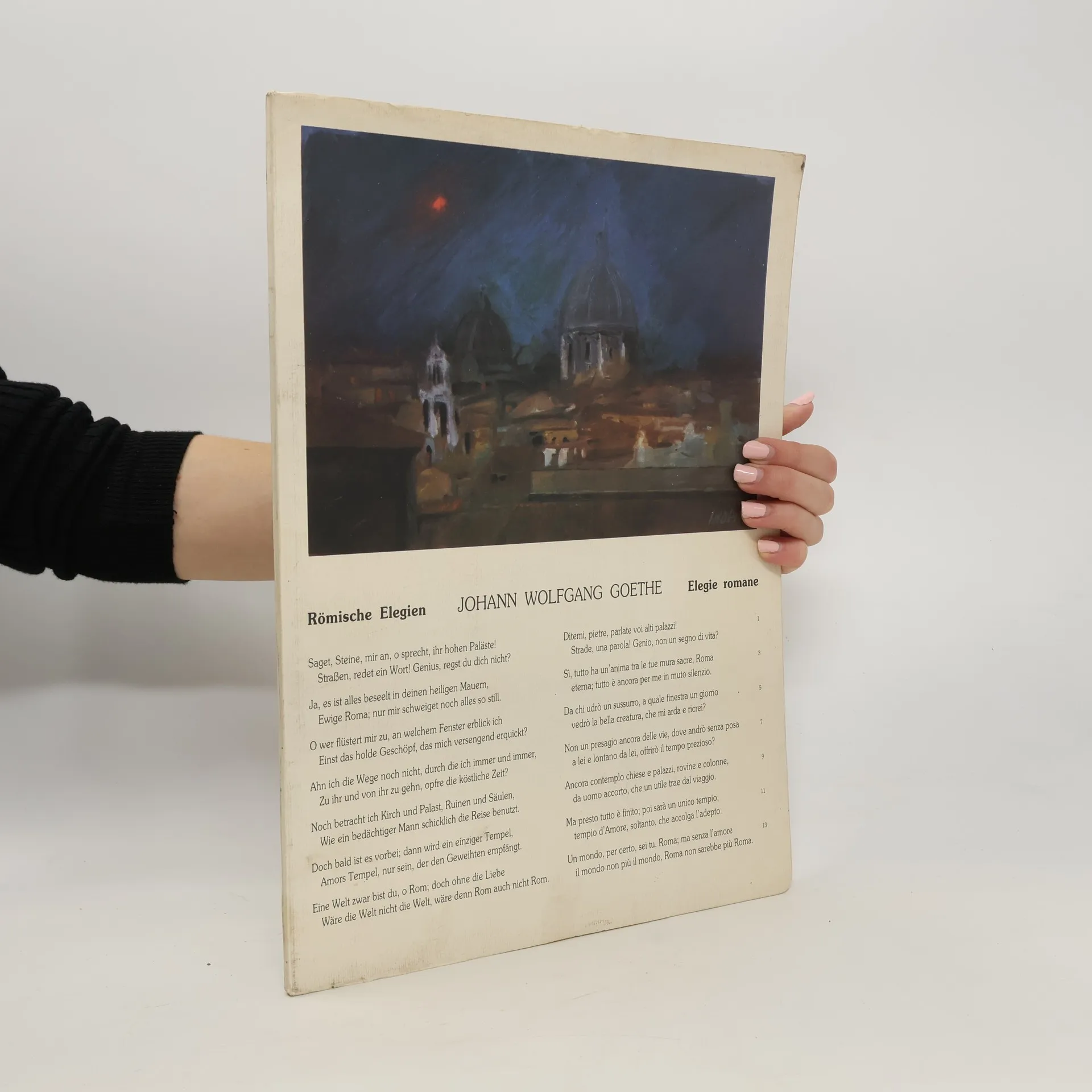
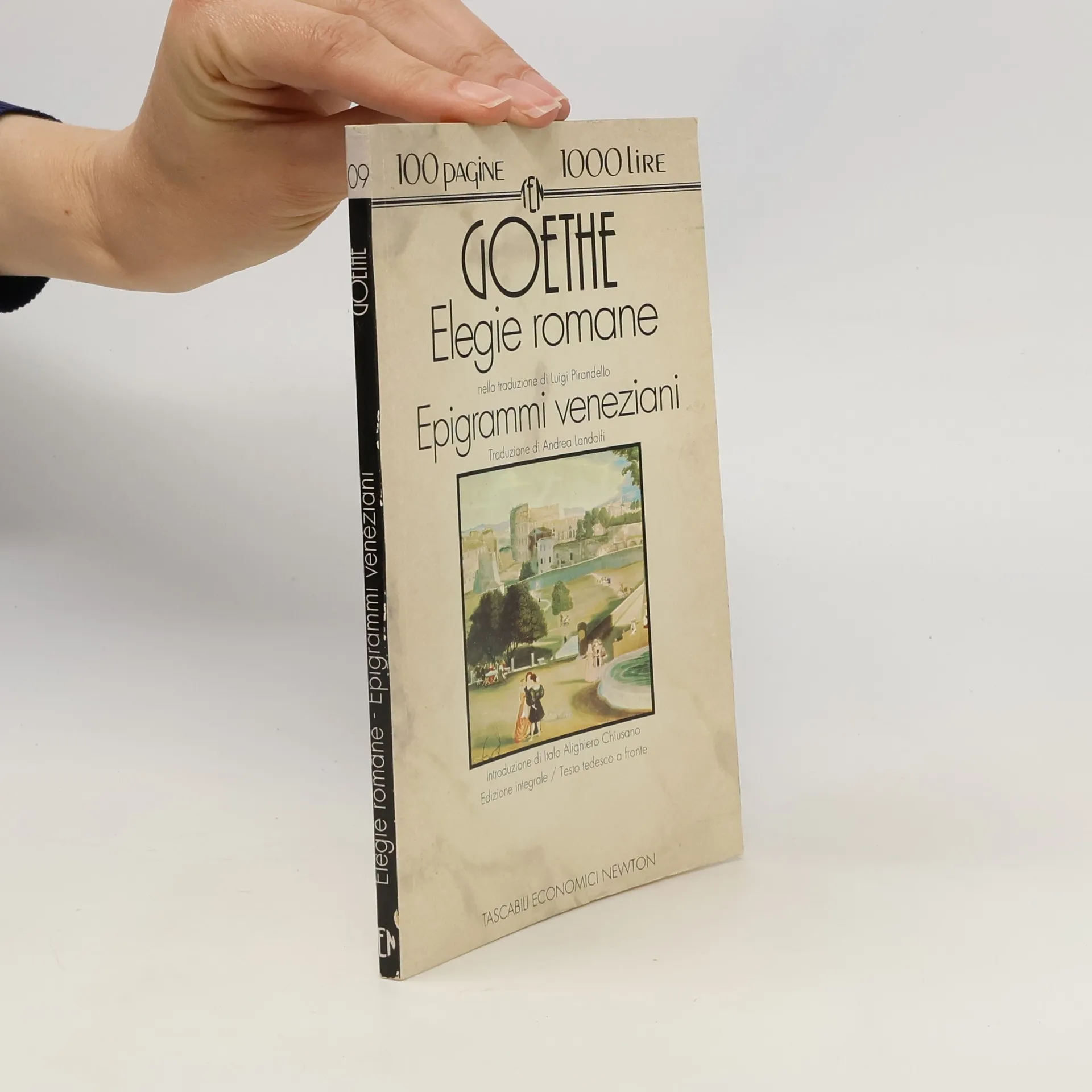
    • Goethe verfasste die „Römischen Elegien“ nach seiner Rückkehr von der Italienischen Reise zwischen 1788 und 1790. Die Gedichte thematisieren die Liebe, das Verlangen und die Schönheit, inspiriert von der italienischen Kultur und Landschaft. Sie sind geprägt von einer tiefen emotionalen Intensität und einer sensiblen Auseinandersetzung mit der menschlichen Natur. Die Elegien reflektieren Goethes persönliche Erfahrungen und seine philosophischen Überlegungen zur Kunst und zur Beziehung zwischen Mensch und Natur. Einige Gedichte wurden aufgrund ihrer erotischen Freizügigkeit zurückgehalten, was zu einer kontroversen Diskussion über die Grenzen der Dichtung führte. Goethe überarbeitete die Gedichte für die Ausgabe von 1800 in metrischer Hinsicht, wobei er Unterstützung von August Wilhelm Schlegel erhielt. Die „Römischen Elegien“ sind ein bedeutendes Werk der deutschen Literatur und zeigen Goethes Meisterschaft im Umgang mit Sprache und Form.

      Römische Elegien. Elegie romane
      3,5
    • Edoardo e Carlotta sono una coppia di coniugi non più giovani, dediti a una vita tranquilla e appartata, tra le gioie della lettura, della musica e del giardinaggio. La loro fragile felicità, però, è destinata a essere stravolta dall'arrivo, nel loro castello, del Capitano, un vecchio amico di Edoardo, e della giovane Ottilia. I coniugi assistono quindi impotenti al disfacimento della loro relazione e alla formazione di due nuove coppie accomunate dai rispettivi caratteri: Edoardo con Ottilia e Carlotta con il Capitano, fino ai tragici eventi finali. Il romanzo, pubblicato nel 1809, è incentrato proprio sul conflitto tra passione e dovere, tra felicità personale e rispetto delle convenzioni sociali. Goethe, appassionato di scienze naturali, aveva tratto l'ispirazione per quest'opera da un fenomeno chimico che conduce due elementi congiunti a dissociarsi a causa dell'azione di due elementi esterni, per poi congiungersi a questi altri due, formando due diverse coppie per reciproca attrazione, e dalle teorie di un chimico svedese che illustravano come tale fenomeno influenzasse anche i rapporti umani. Lo scrittore, però, non assume né il ruolo di difensore del matrimonio, né quello di oppositore, perché non spetta a lui decifrare le profonde verità dell'esistenza dell'uomo: ogni soluzione è possibile e il verdetto finale spetta al lettore.
      Grandi Classici: Le affinità elettive. Ediz. integrale. Con Segnalibro
      3,6
    • Torquato Tasso

      • 272pagine
      • 10 ore di lettura

      Iniziato a Weimar nel 1780, il "Torquato Tasso" è un'opera che Goethe elabora soprattutto durante il viaggio in Italia del 1786-1788. Da questa fondamentale esperienza il dramma riceve sostanzialmente l'impronta. Riflettendo sulla propria situazione personale e complessivamente sulla vicenda dell'arte della fine del Settecento, Goethe trasforma gli episodi della leggenda tassiana in un testo teatrale lucido e nello stesso tempo complesso, il cui dramma di un destino poetico è apparentemente risolto nella perfezione della forma. Testo tedesco a fronte.

      Torquato Tasso
      3,2
    • Götz di Berlichingen

      • 166pagine
      • 6 ore di lettura

      La nuova edizione del celebre dramma del 1773 di Johann Wolfgang von Goethe, basato sulle memorie del guerriero tedesco Gottfried "Götz" von Berlichingen (c.1480-1562).Con la storica traduzione italiana di Riccardo Ceroni.

      Götz di Berlichingen
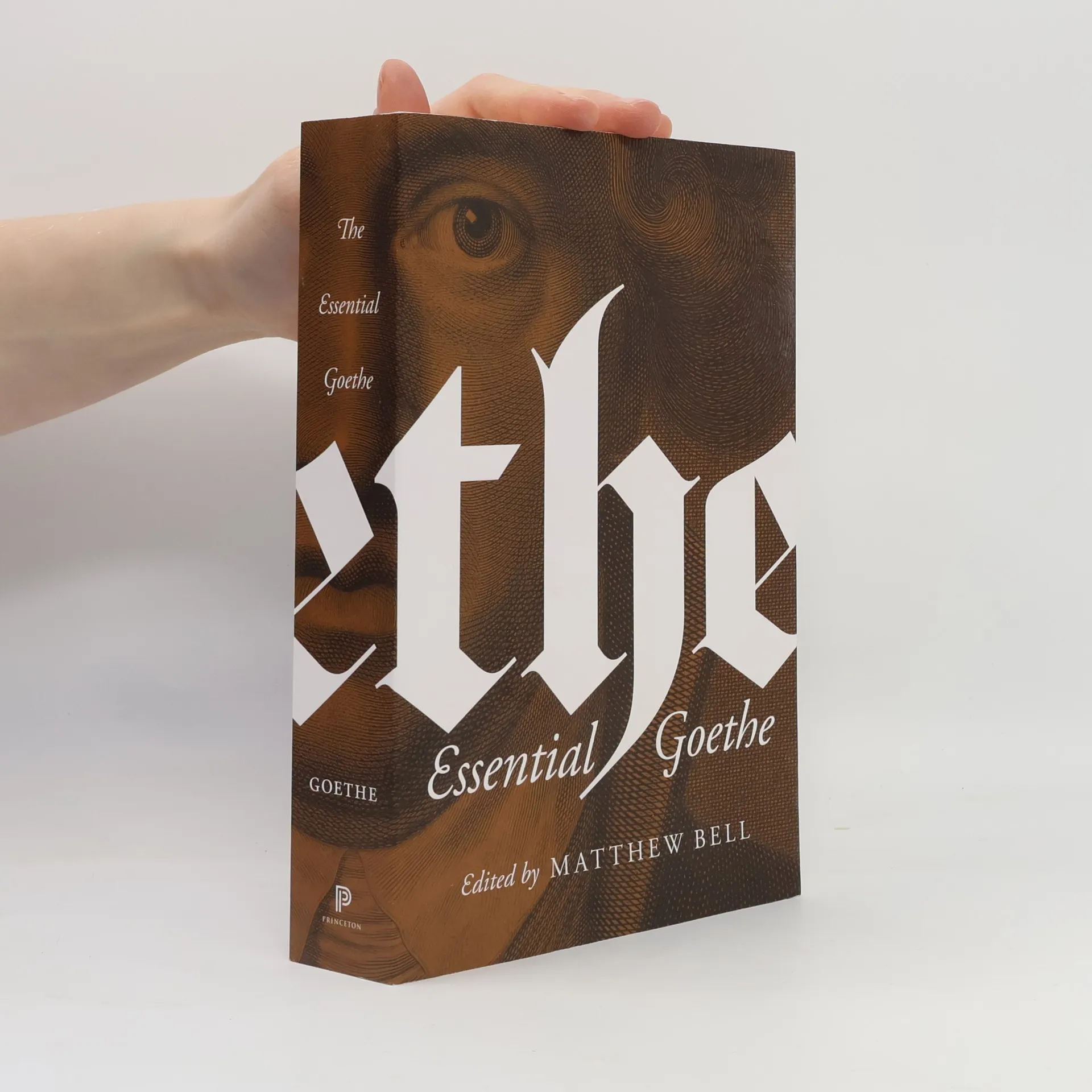
    • The Essential Goethe

      • 1056pagine
      • 37 ore di lettura

      The Essential Goethe is the most comprehensive and representative one-volume collection of Goethe's writings ever published in English. It provides English-language readers easier access than ever before to the widest range of work by one of the greatest writers in world history. Goethe's work as playwright, poet, novelist, and autobiographer is fully represented. The volume also offers a selection of Goethe's essays on the arts, philosophy, and science, which give access to the thought of a polymath unrivalled in the modern world. Primarily drawn from Princeton's authoritative twelve-volume Goethe edition, the translations are highly readable and reliable modern versions by scholars of Goethe. The volume also features an extensive introduction to Goethe's life and works by volume editor Matthew Bell.

      The Essential Goethe
      4,5
    • Faust, Part One

      • 264pagine
      • 10 ore di lettura

      This luminous, timely new translation by renowned co-translators Zsuzsanna Ozsvath and Frederick Turner, accompanied by original illustrations, brings Goethe's timeless classic to greater heights than ever before in the English language.

      Faust, Part One
      4,4
    • Goethe's early plays bear witness to his urgent desire to enliven German theater--an ambition that followed him to the National Theater in Weimar, where he was named director in the early 1790s. This volume contains eight of these plays, written between 1771 and 1787. Not only do they demonstrate Goethe's unprecedented versatility in experimenting with new forms of dramatic expression, but they also give insight into his development from Sturm und Drang to classicism. These works include prose plays (Goetz von Berlichingen with the Iron Hand and Egmont), tragedies and comedies (Clavigo, Stella, and Brother and Sister), and dramatic verse forms (Prometheus, Jery and Betty, and Proserpina).

      Early Verse Drama and Prose Plays
      4,0
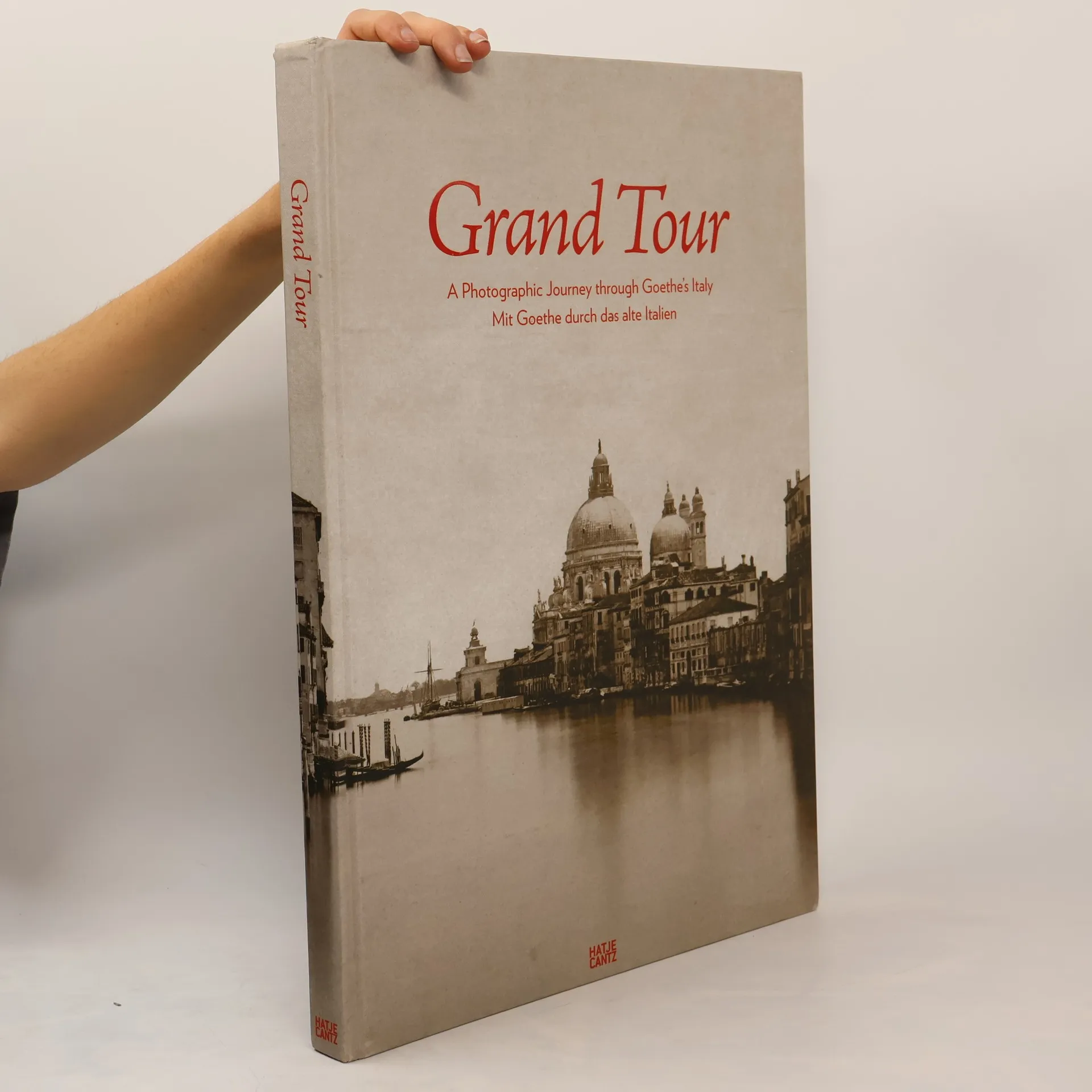
    • Grand tour

      • 144pagine
      • 6 ore di lettura

      »Kennst du das Land, wo die Zitronen blühn, im dunkeln Laub die Goldorangen glühn …« Eine Reise nach Italien galt im 17. und 18. Jahrhundert als unverzichtbarer Bestandteil der Erziehung junger Männer aus gutem Hause. Beschwerliche Kutschfahrten führten sie nach Florenz, Venedig, Rom und Neapel. Künstler folgten ihnen bald, und so führte 1786 bis 1788 auch Johann Wolfgang von Goethe die Sehnsucht gen Süden. Goethes Italienische Reise vermittelt sehr lebendig seine tiefe Begeisterung, schildert aber auch einen bereits gut organisierten frühen Tourismus. Nur siebzig Jahre später hielten erste Fotografen Stationen der Grand Tour auf silberbeschichteten Platten fest. Carlo Naya (1816–1882) oder dem, wie Goethe, aus Frankfurt am Main stammenden Giorgio Sommer (1834–1914) gelangen ungemein poetische Ansichten von Markusplatz, Kolosseum, Rauch spuckendem Vesuv und schönen Fischerinnen auf Capri. – Zeigen die träumerischen Bilder uns, was Goethe sah? Der Band im XL-Format stellt Goethe-Zitate den entsprechenden Fotografien gegenüber.

      Grand tour
      4,0
    • Goethe on science

      • 141pagine
      • 5 ore di lettura

      Johann Wolfgang von Goethe is most famous for his work on color theory, but he was also an accomplished all-round scientist, studying and writing on anatomy, geology, botany, zoology and meteorology. This book draws together, in Goethe's own words, his key ideas on nature, science and scientific method. Goethe believed that we should study our world and nature as people at home in it, rather than removedly, as if we were aliens from another planet. He adopted a qualitative approach to science at odds with Newton's quantitative methods that were so popular in his day. His is a sensitive science which does not ignore our relationship to nature. The extracts in this book are fascinating and essential reading for anyone who feels that we've lost our spiritual connection to nature.
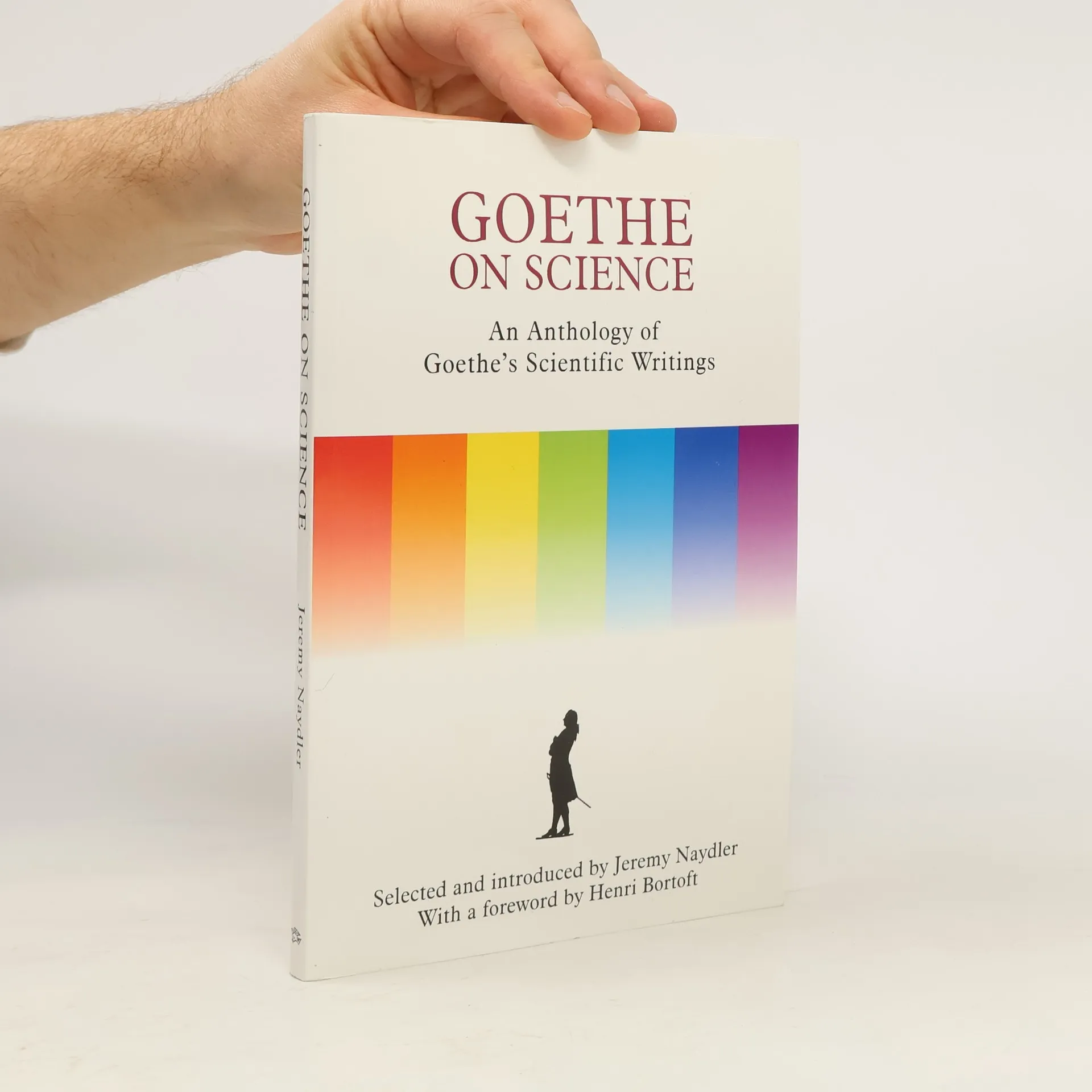
      Goethe on science
      4,1
    • The Metamorphosis of Plants

      • 156pagine
      • 6 ore di lettura

      Goethe’s influential text, newly illustrated with stunning color photographs. The Metamorphosis of Plants, published in 1790, was Goethe’s first major attempt to describe what he called in a letter to a friend “the truth about the how of the organism.” Inspired by the diversity of flora he found on a journey to Italy, Goethe sought a unity of form in diverse structures. He came to see in the leaf the germ of a plant’s metamorphosis—“the true Proteus who can hide or reveal himself in all vegetal forms”—from the root and stem leaves to the calyx and corolla, to pistil and stamens. With this short book—123 numbered paragraphs, in the manner of the great botanist Linnaeus—Goethe aimed to tell the story of botanical forms in process, to present, in effect, a motion picture of the metamorphosis of plants. This MIT Press edition of The Metamorphosis of Plants illustrates Goethe’s text (in an English translation by Douglas Miller) with a series of stunning and starkly beautiful color photographs as well as numerous line drawings. It is the most completely and colorfully illustrated edition of Goethe’s book ever published. It demonstrates vividly Goethe’s ideas of transformation and interdependence, as well as the systematic use of imagination in scientific research—which influenced thinkers ranging from Darwin to Thoreau and has much to teach us today about our relationship with nature.
      The Metamorphosis of Plants
      3,4
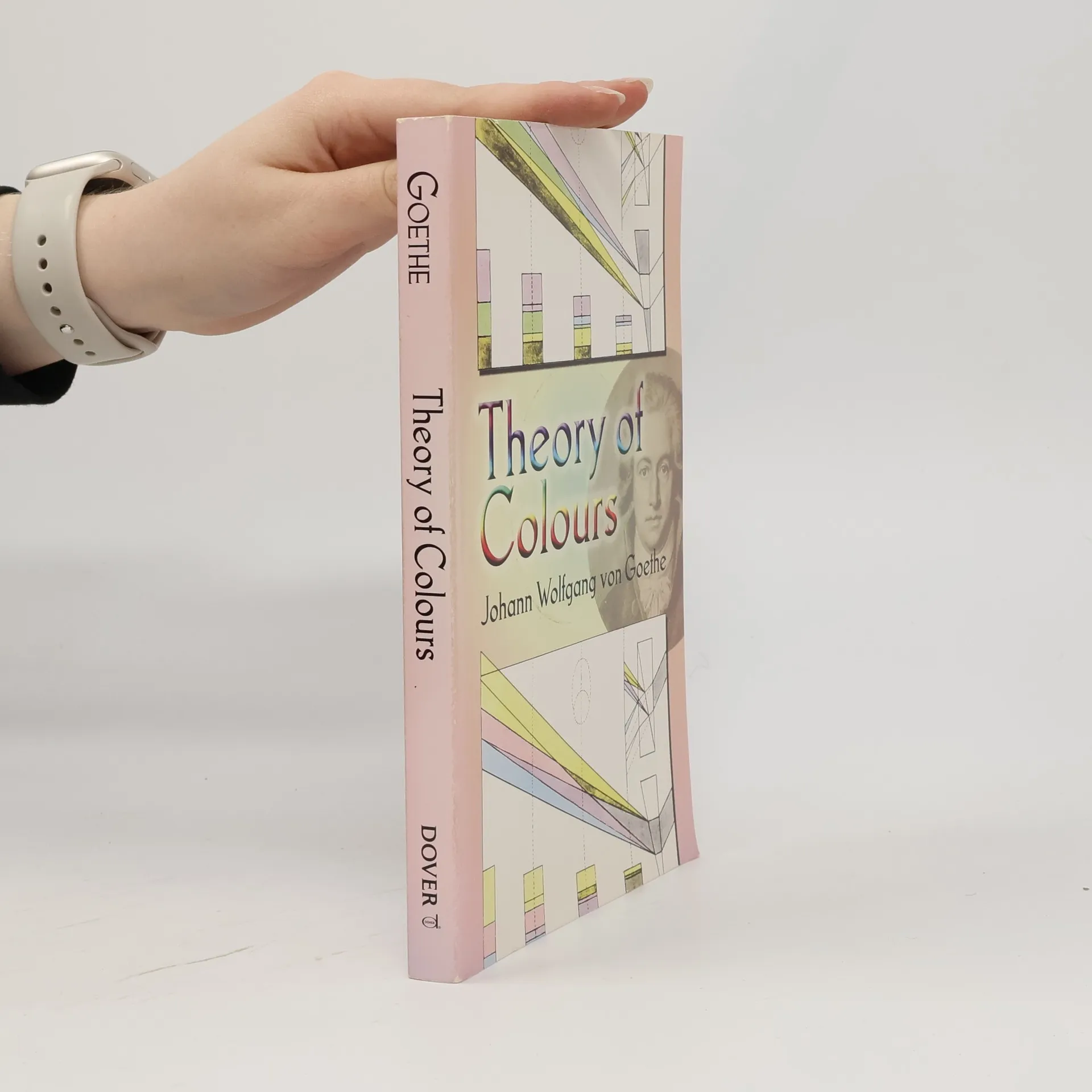
    • Theory of Colours

      • 288pagine
      • 11 ore di lettura

      In this classic of speculative science, Goethe, the author of Faust and one of the world's greatest thinkers, provides a unique perspective on the nature of color. While not scientifically correct in light of current knowledge, the book is invaluable in its exploration of color, art, aesthetics, and philosophy. Its inimitable prose and stimulating ideas have made it a longtime favorite with intelligent readers.

      Theory of Colours
      4,1
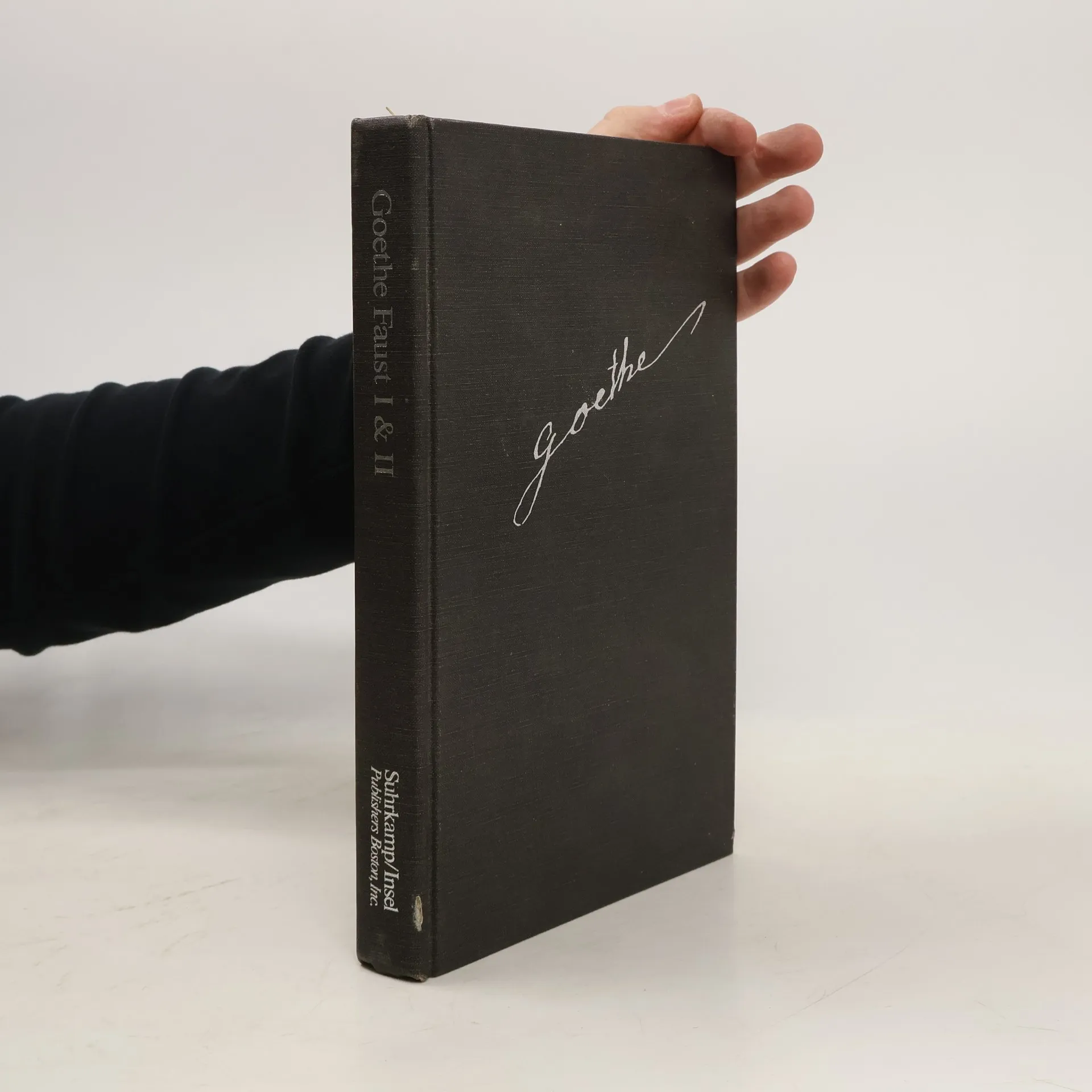
    • The Collected Works - 2: Faust I & II

      • 329pagine
      • 12 ore di lettura

      Goethe's most complex work, Faust, represents the culmination of his lifelong artistic journey, developed over sixty years. It serves as a testament to his moral and artistic evolution, drawing from a rich tapestry of cultural and historical influences. The drama encapsulates the relentless pursuit of progress by Western humanity. This new English translation captures the poem's diverse tones and poetic richness, employing contemporary language while preserving Goethe's formal and rhythmic variety. The translation effectively conveys the original's sense and tonal nuances without resorting to archaic expressions or excessive interpretation. Accompanying the text is a brief essay that sheds light on Goethe's reflections during the six decades of composition, alongside notes that clarify allusions and highlight significant metrical features for English readers. This work is part of a twelve-volume paperback series that aims to present a reliable translation of Goethe's extensive oeuvre, selected from over 140 German volumes. This edition stands as a new standard in English, encompassing poetry, drama, fiction, memoir, criticism, and scientific writing. The complete series is also available in hardcover through Princeton University Press.

      The Collected Works - 2: Faust I & II
      4,0
    • Love Letters of Great Men

      • 108pagine
      • 4 ore di lettura

      When Carrie Bradshaw in the "Sex and the City" movie began reading Love Letters of Great Men, millions of women wanted to get their hands on the book. Although the book Carrie was reading from was not real, the letters are-including the Beethoven one quoted by Mr. Big at their wedding ceremony. Here are the actual love letters for you to enjoy and treasure! "These letters express such heartfelt emotions and the bliss of new love... I finally realized how men experience love and it is especially beautiful!" - Rebecca of Amazon (Top 500 Reviewer) Featuring: A helpful background sketch for every writer and love letter Nearly 70 photographs of the letter authors and their lovers Most popular and best-selling Love Letters book-thousands of copies sold every year!!! Written by these Great Men: John Adams, Sullivan Ballou, Honor� de Balzac, Ludwig Van Beethoven Napoleon Bonaparte, Robert Browning, Robert Burns, Lord Byron, Winston Churchill John Constable, Alfred Duff Cooper, Pierre Curie, Scott F. Fitzgerald, Nathaniel Hawthorne Henry VI of France, Victor Hugo, James Joyce, Franz Liszt, Jack London, Mozart, Robert Peary Edgar Allen Poe, Sir Walter Raleigh, Sir Robert Schumann, Dylan Thomas, Mark Twain Vincent Van Gogh, Voltaire, Woodrow Wilson

      Love Letters of Great Men
      3,9
    • The Autobiography of Goethe

      • 566pagine
      • 20 ore di lettura

      The Autobiography of Goethe - Truth and poetry: from my own life. Translated from the German. Vol. 1 (Books I. - XIII.) is an unchanged, high-quality reprint of the original edition of 1881. Hansebooks is editor of the literature on different topic areas such as research and science, travel and expeditions, cooking and nutrition, medicine, and other genres. As a publisher we focus on the preservation of historical literature. Many works of historical writers and scientists are available today as antiques only. Hansebooks newly publishes these books and contributes to the preservation of literature which has become rare and historical knowledge for the future.

      The Autobiography of Goethe
      3,8
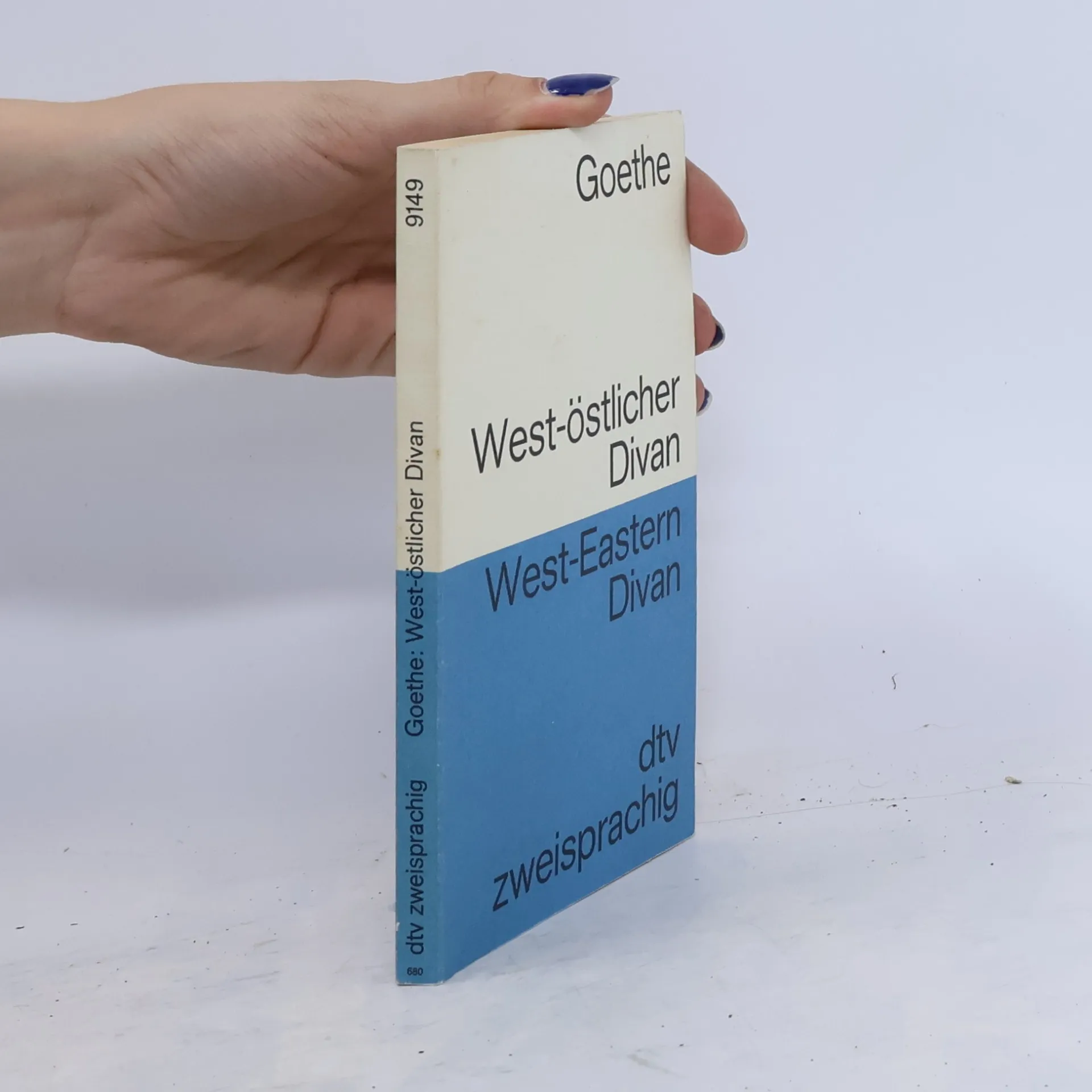
    • West-östlicher Divan

      • 203pagine
      • 8 ore di lettura

      The Persian poet Hafiz, a lover of language, embodies in his 14th-century Diwan the "bride of words," mystically celebrating God, wine, and love. Johann Wolfgang von Goethe adopted this image in 1814, presenting it as a motto for his work in the West-Eastern Divan, highlighting his homage to Hafiz. In his engagement with Hafiz, Goethe creates a sensual piece of world literature that encompasses the entire spectrum of literary possibilities. He marries everyday and elevated speech, euphoric and ironic tones, seeking the "intoxication of love, song, and wine" within the harem of words. Particularly in the book Suleika, a masterpiece dedicated to the 30-year-old Marianne von Willemer, the connection between work and creator becomes evident: "Loving each other will be the bliss of paradise." Marianne contributed some of the most beautiful poems to Suleika, intensifying the dialogue between the young Suleika and the aged Hatem. Goethe's poetry is a rapturous declaration of love for poetry, uniting East and West, spirit and humor, youth and age.

      West-östlicher Divan
      3,9
    • Johann Wolfgang von Goethe, Faust

      • 752pagine
      • 27 ore di lettura

      Walter Arndt's translation of Faust reproduces the sense of the German original and Goethe's enormously varied metrics and rhyme schemes.

      Johann Wolfgang von Goethe, Faust
      3,5
    • Märchen

      The Fairy Tale of the Green Snake and the Beautiful Lily – Bilingual

      Goethes Märchen ist eines der am wenigsten bekannten Werke Goethes und doch eines seiner geheimnisvollsten und bezauberndsten. Es erschien erstmals 1795 in der von Schiller herausgegebenen Zeitschrift »Die Horen«. Historischer Hintergrund ist die Französische Revolution, deren Wirkung auf Deutschland Schiller in einem Brief an Goethe als den “Schatten des Riesen” bezeichnete. Als reales Vorbild für den Schauplatz dieser rätselhaften Dichtung sehen einige Interpreten das antike Rom mit Fähre und Pantheon. Die englische Übersetzung von Thomas Carlyle erschien 1832. Goethe’s Fairy Tale is one of Goethe’s least known works and yet one of his most mysterious and enchanting. It first appeared in 1795 in the journal “Die Horen”, edited by Schiller. The historical background is the French Revolution, whose effect on Germany Schiller described in a letter to Goethe as the “shadow of the giant”. Some interpreters see ancient Rome with its ferry and Pantheon as the real-life model for the setting of this enigmatic poetry. The translation by Thomas Carlyle was first published in 1832.

      Märchen
      3,6
    • Egmont

      • 60pagine
      • 3 ore di lettura

      "Egmont" by Johann Wolfgang von Goethe is a play inspired by Shakespeare's tragedies, depicting a Dutch warrior's struggle against invasion and imprisonment. Blending drama and manifesto, it explores themes of liberty, free will, and fate, offering both entertainment and depth for readers.

      Egmont
      3,4
    • Wilhelm Meister's Apprenticeship

      • 416pagine
      • 15 ore di lettura

      An authoritative English translation of one of the most important works in the history of the novel Wilhelm Meister’s Apprenticeship (1795–1796), Goethe’s second novel, is a foundational work in the history of the genre—perhaps the first Bildungsroman, a coming-of-age story focusing on the growth and self-realization of the main character. The story centers on Wilhelm, a young man living in the mid-1700s who strives to break free from the restrictive bourgeois world of his upbringing and seek fulfillment as an actor and playwright. Goethe’s novel had a huge impact on the Romantics. Hegel, Schelling, Novalis, and Schopenhauer considered it one of the most important novels yet written. Schlegel famously called it one of the “three tendencies of the age,” along with the French Revolution and the philosophy of Fichte. And Beethoven, Schubert, and Schumann set poems from the novel to music. It also had a major influence on nineteenth-century British writers, including Thomas Carlyle, who was its first English translator, and George Eliot. Drawn from Princeton’s authoritative collected works of Goethe, and featuring a new introduction by David Wellbery, this is the definitive English version of a landmark of world literature.

      Wilhelm Meister's Apprenticeship
      3,3
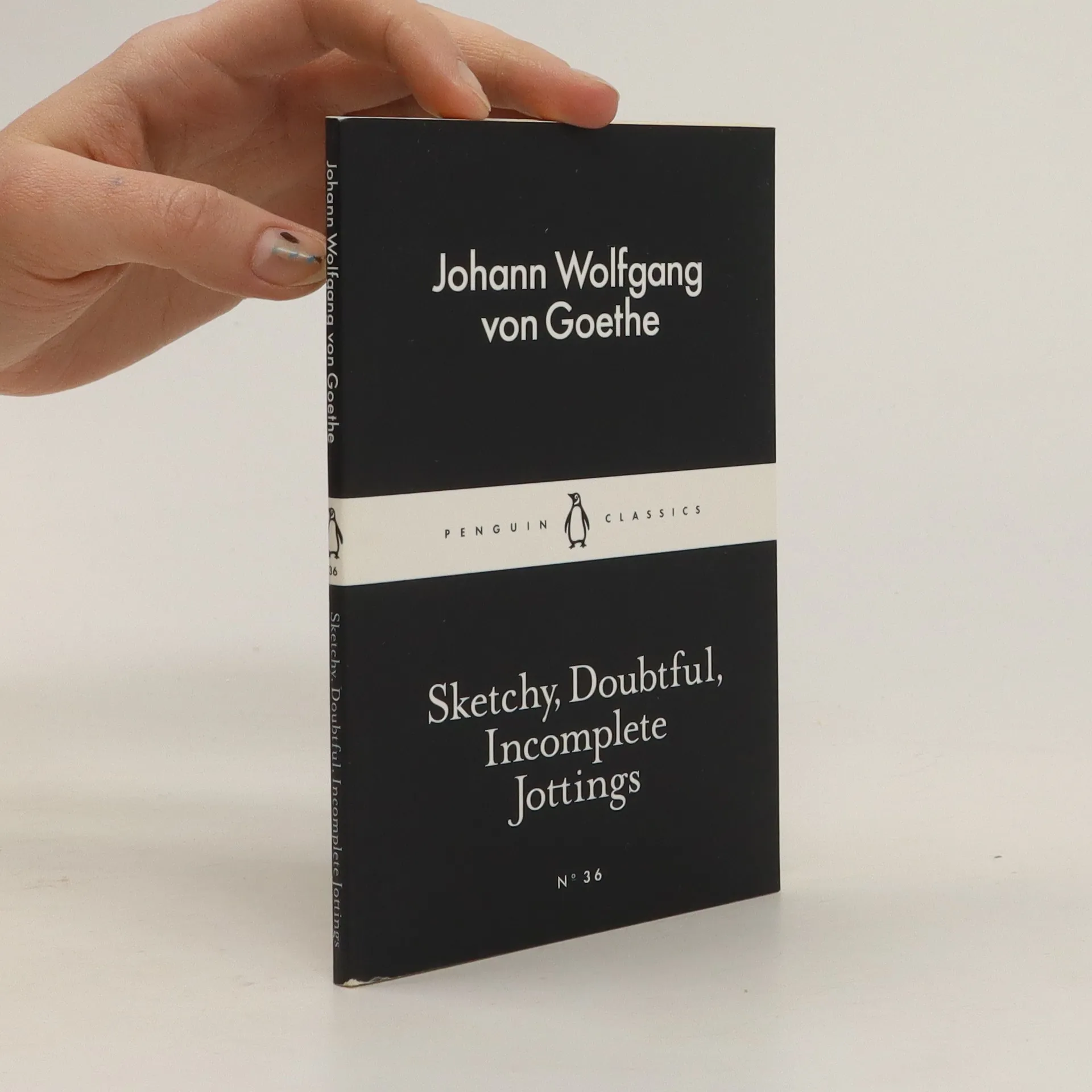
    • The great nineteenth-century German thinker's musings on self-deceit, superstition, art and ambition.

      Sketchy, doubtful, incomplete jottings
      3,1
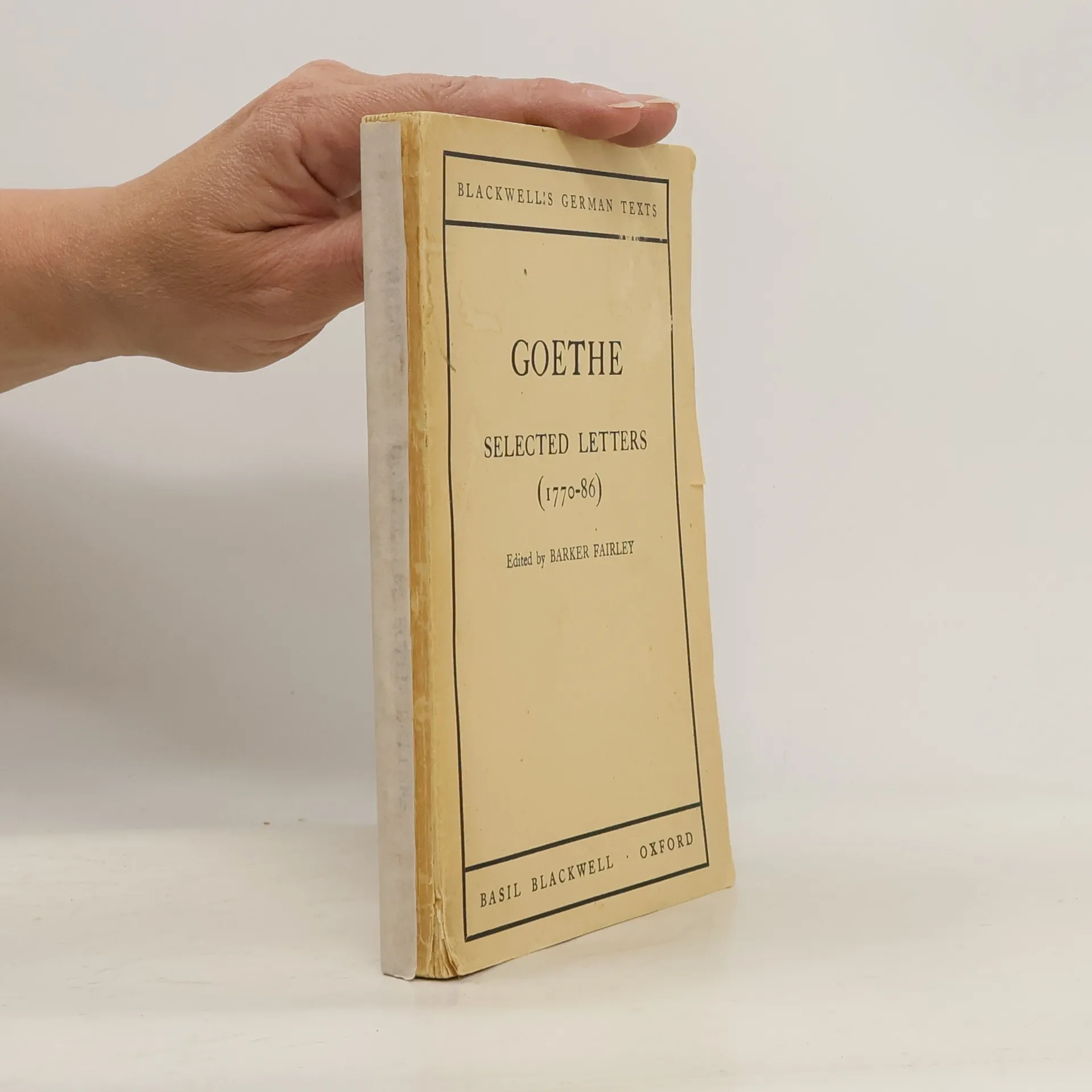
    • Goethe

      Selected letters. 1770-[17]86

      Goethe
    • The Works of J.W. von Goethe, Vol. XII (in 14 volumes)

      with His Life by George Henry Lewes: Letters from Switzerland, Letters from Italy

      • 476pagine
      • 17 ore di lettura

      The narrative explores the author's introspective journey, revealing a sense of discontent among those encountered along the way. Through reflections on personal interactions and the impact of these relationships, the book delves into themes of self-perception and the quest for acceptance. The author's candid examination of their experiences invites readers to consider the complexities of human connections and the often unspoken expectations that shape them.

      The Works of J.W. von Goethe, Vol. XII (in 14 volumes)
    • The Works of J.W. von Goethe, Vol. III (in 14 volumes)

      with His Life by George Henry Lewes : Wilhelm Meister's Travel's and The Recreations of the German Emigrants

      • 406pagine
      • 15 ore di lettura

      The narrative emphasizes the inevitability of change in life, reflecting on the journey of self-discovery and personal growth. It explores the challenges and transformations faced by characters as they navigate their experiences. The philosophical undertones suggest a deep connection between living fully and embracing the dynamic nature of existence, encouraging readers to reflect on their own lives and the changes they encounter along the way.

      The Works of J.W. von Goethe, Vol. III (in 14 volumes)
    • The transformative odyssey of Wilhelm Meister centers on a young man's quest for purpose and self-discovery amid a changing world. Goethe skillfully blends elements of the Bildungsroman with a rich exploration of human experiences, creating a narrative that captures the essence of personal growth and the complexities of life. This profound work invites readers to reflect on their own journeys through its intricate storytelling and philosophical insights.

      WILHELM MEISTER'S APPRENTICESHIP AND TRAVELS
    • The Works of J.W. von Goethe, Vol. IV (in 14 volumes)

      with His Life by George Henry Lewes: Truth and Fiction Relating to my Life Vol. I

      • 454pagine
      • 16 ore di lettura

      The book explores the profound idea that significant creative works arise from solitude, as articulated by Goethe. It delves into the relationship between isolation and artistic expression, examining how distance from societal distractions can enhance creativity. Through personal anecdotes and reflections, the author illustrates the transformative power of solitude in the creative process, inviting readers to consider the balance between connection and introspection in their own lives.

      The Works of J.W. von Goethe, Vol. IV (in 14 volumes)
    • Eckermann's Conversations With Goethe

      Extracts From The Author'S Preface Translated By John Oxenford

      • 62pagine
      • 3 ore di lettura

      The book features a collection of dialogues between Johann Wolfgang von Goethe and his friend Johann Peter Eckermann, providing insights into Goethe's thoughts on art, literature, and philosophy. Through these conversations, readers gain a deeper understanding of Goethe's creative process and his reflections on life and society. The translated extracts by John Oxenford capture the essence of Goethe's wisdom and the dynamic intellectual exchange, making it a valuable resource for those interested in German literature and the Romantic era.

      Eckermann's Conversations With Goethe
    • The Works of J.W. von Goethe, Vol. VII (in 14 volumes)

      with His Life by George Henry Lewes: Faust Vol. I

      • 420pagine
      • 15 ore di lettura

      The book explores the theme of how society perceives extraordinary individuals, often labeling them as mad or intoxicated due to their unconventional actions and ideas. Drawing inspiration from Goethe's insights in "Faust," it delves into the lives of remarkable figures who challenged norms and pushed boundaries, highlighting the tension between genius and societal acceptance. Through this lens, it examines the fine line between brilliance and madness, inviting readers to reconsider their judgments of those who dare to be different.

      The Works of J.W. von Goethe, Vol. VII (in 14 volumes)
    • The Works of J.W. von Goethe, Vol. X (in 14 volumes)

      with His Life by George Henry Lewes: Poems of Goethe Vol. II and Reynard the Fox

      • 442pagine
      • 16 ore di lettura

      Set in a vibrant arena, the narrative follows Reynard, a captivating figure whose presence commands attention. The story unfolds as he navigates the complexities of performance and perception, inviting the audience to witness his journey. Themes of identity and transformation are woven throughout, as Reynard's character reveals deeper layers beyond the spectacle of the ring. The exploration of human connection and the impact of public scrutiny adds depth to this compelling tale.

      The Works of J.W. von Goethe, Vol. X (in 14 volumes)
    • Hermann and Dorothea

      in large print

      • 140pagine
      • 5 ore di lettura

      The publishing house Megali focuses on making historical works accessible by reproducing them in large print, catering specifically to individuals with impaired vision. This initiative highlights a commitment to inclusivity in reading, ensuring that classic texts remain available to a wider audience.

      Hermann and Dorothea
    • Truth and Fiction Relating to My Life; The Autobiography

      Volume 1 - in large print

      • 600pagine
      • 21 ore di lettura

      This book is a reproduction of a historical work, published by Megali, a company dedicated to making literature accessible for individuals with impaired vision through large print formats. The focus on readability ensures that important historical texts can be enjoyed by a wider audience, emphasizing inclusivity in literature.

      Truth and Fiction Relating to My Life; The Autobiography
    • The Works of J.W. von Goethe, Vol. IX (in 14 volumes)

      with His Life by George Henry Lewes: Poems of Goethe, Vol. I

      • 406pagine
      • 15 ore di lettura

      Set against a picturesque meadow, the narrative explores themes of nature’s beauty and the simplicity of rural life. Characters navigate personal growth and relationships, finding solace and inspiration in their surroundings. The story captures the essence of tranquility and the profound connections formed within this serene landscape, inviting readers to reflect on their own experiences with nature and community.

      The Works of J.W. von Goethe, Vol. IX (in 14 volumes)
    • The Works of J.W. von Goethe, Vol. VIII (in 14 volumes)

      with His Life by George Henry Lewes: Faust Vol. II, Clavigo, Egmont, The Wayward Lover

      • 374pagine
      • 14 ore di lettura

      The book explores the idea that remarkable individuals, often celebrated for their extraordinary achievements, are frequently misunderstood or dismissed by society as eccentric or unstable. Drawing on Goethe's insights from "Faust," it delves into the tension between genius and societal perception, highlighting how history often overlooks the brilliance of those who challenge norms. Through various examples, it examines the fine line between madness and creativity, encouraging readers to reconsider the narratives surrounding visionary figures throughout time.

      The Works of J.W. von Goethe, Vol. VIII (in 14 volumes)
    • The Works of J.W. von Goethe, Vol. VI (in 14 volumes)

      with His Life by George Henry Lewes: The Sorrows of Young Werther, Elective Affinities, The Good Women and a Tale

      • 536pagine
      • 19 ore di lettura

      The book explores the theme of how society often misjudges extraordinary individuals, labeling them as mad or intoxicated for their remarkable achievements. It delves into the lives of these men, highlighting their struggles and the misconceptions they face. Through the lens of Goethe's insights, it reflects on the tension between genius and societal acceptance, prompting readers to reconsider the true nature of greatness and the price of innovation.

      The Works of J.W. von Goethe, Vol. VI (in 14 volumes)
    • Faust

      A Tragedy

      • 246pagine
      • 9 ore di lettura

      Ambition and the human condition are central themes in this iconic tragedy, where the protagonist, Faust, a disillusioned scholar, makes a fateful pact with the devil, Mephistopheles, seeking limitless knowledge and pleasure. Goethe intricately examines morality, the pursuit of power, and the repercussions of unbridled desires through Faust's tumultuous journey. The narrative is rich with poetic brilliance and philosophical depth, exploring passion, remorse, and the quest for redemption, making it a timeless exploration of human nature and the search for meaning.

      Faust
    • The Works of J.W. von Goethe, Vol. V (in 14 volumes)

      with His Life by George Henry Lewes: Truth and Fiction Relating to my Life Vol. II

      • 456pagine
      • 16 ore di lettura

      Isolation serves as a crucial theme in this exploration of the creative process, reflecting Goethe's belief that significant works emerge from solitude. The narrative delves into the interplay between truth and fiction in the author's life, highlighting the transformative power of introspection and the necessity of seclusion for genuine artistic expression. Through this lens, the book examines the relationship between personal experience and creativity, offering profound insights into the nature of inspiration and the solitary journey of the artist.

      The Works of J.W. von Goethe, Vol. V (in 14 volumes)
    • Erotica Romana

      in large print

      • 56pagine
      • 2 ore di lettura

      This book is a reproduction of a historical work, published in large print to enhance accessibility for individuals with impaired vision. Megali, the publishing house behind this edition, focuses on making classic texts more readable, ensuring that important historical content is available to a wider audience.

      Erotica Romana
    • Faust

      Part-1

      • 244pagine
      • 9 ore di lettura

      Exploring themes of ambition and the human condition, this monumental work follows the scholar Faust, who, in his quest for knowledge and worldly pleasures, strikes a pact with the devil, Mephistopheles. Divided into two parts, the narrative delves into the consequences of Faust's choices and the eternal struggle between good and evil, making it a profound reflection on the nature of desire and fulfillment.

      Faust
    • Egmont; A Tragedy In Five Acts

      in large print

      • 144pagine
      • 6 ore di lettura

      This book is a reproduction of a historical work, presented in large print to enhance accessibility for readers with impaired vision. Published by Megali, a company dedicated to making historical texts more readable, it aims to preserve the original content while catering to those who benefit from larger text formats.

      Egmont; A Tragedy In Five Acts
    • The Works of J.W. von Goethe, Vol. I (in 14 volumes)

      with His Life by George Henry Lewes: Wilhelm Meister's Apprenticeship Vol. I

      • 388pagine
      • 14 ore di lettura

      The book emphasizes the importance of daily engagement with art and culture, suggesting that listening to music, reading poetry, viewing art, and conversing meaningfully enriches life. Goethe's quote reflects a philosophy that values the aesthetic and intellectual nourishment found in these experiences, advocating for a balanced and fulfilling daily routine that includes appreciation for beauty and creativity.

      The Works of J.W. von Goethe, Vol. I (in 14 volumes)
    • Faust; A Tragedy

      in large print

      • 468pagine
      • 17 ore di lettura

      This work is a reproduction of an original text, emphasizing accessibility for readers with impaired vision through large print formatting. Published by Megali, a house dedicated to historical works, it aims to preserve and share important literature while ensuring readability for a wider audience.

      Faust; A Tragedy
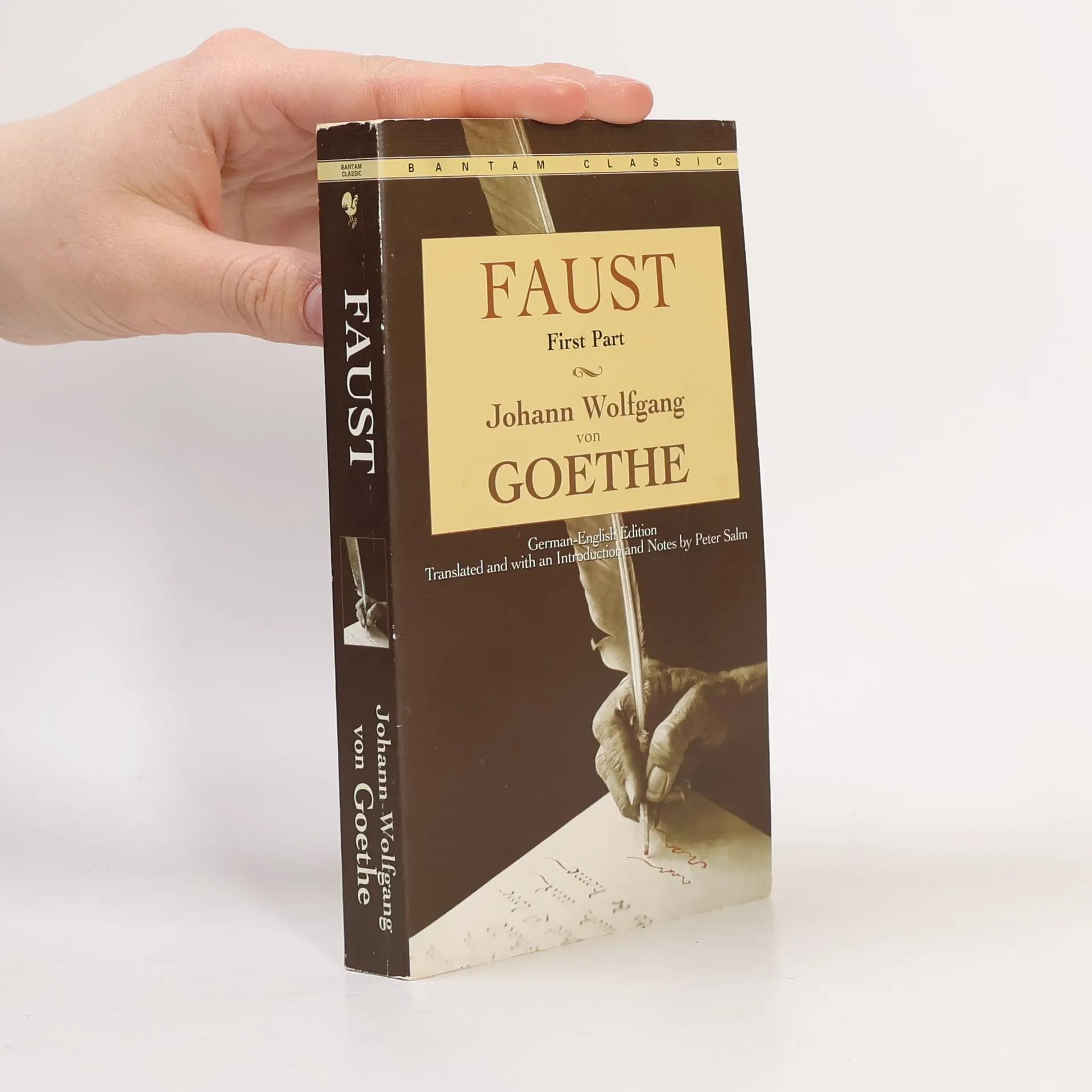
    • Based on the fable of a man who traded his soul for superhuman powers and knowledge, this text became the life work of Germany's greatest poet, Goethe. It is the dramatic poem that charts the life of a deeply flawed individual and his fight against despair and the nihilism of the Mephistopheles.

      Faust. With the unpublished scenarios for the Walpurgis Night and Urfaust
    • Selected Poems

      • 179pagine
      • 7 ore di lettura

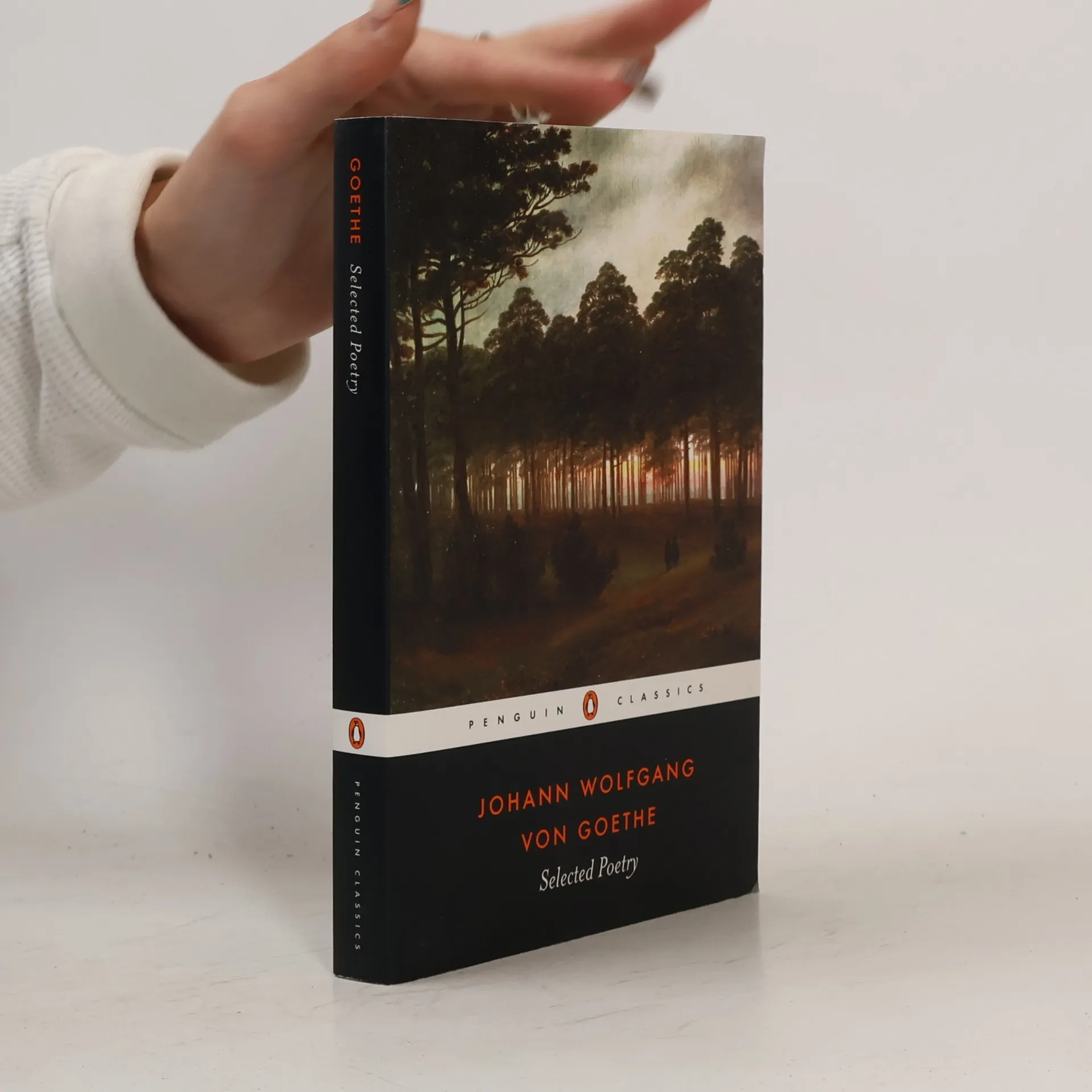
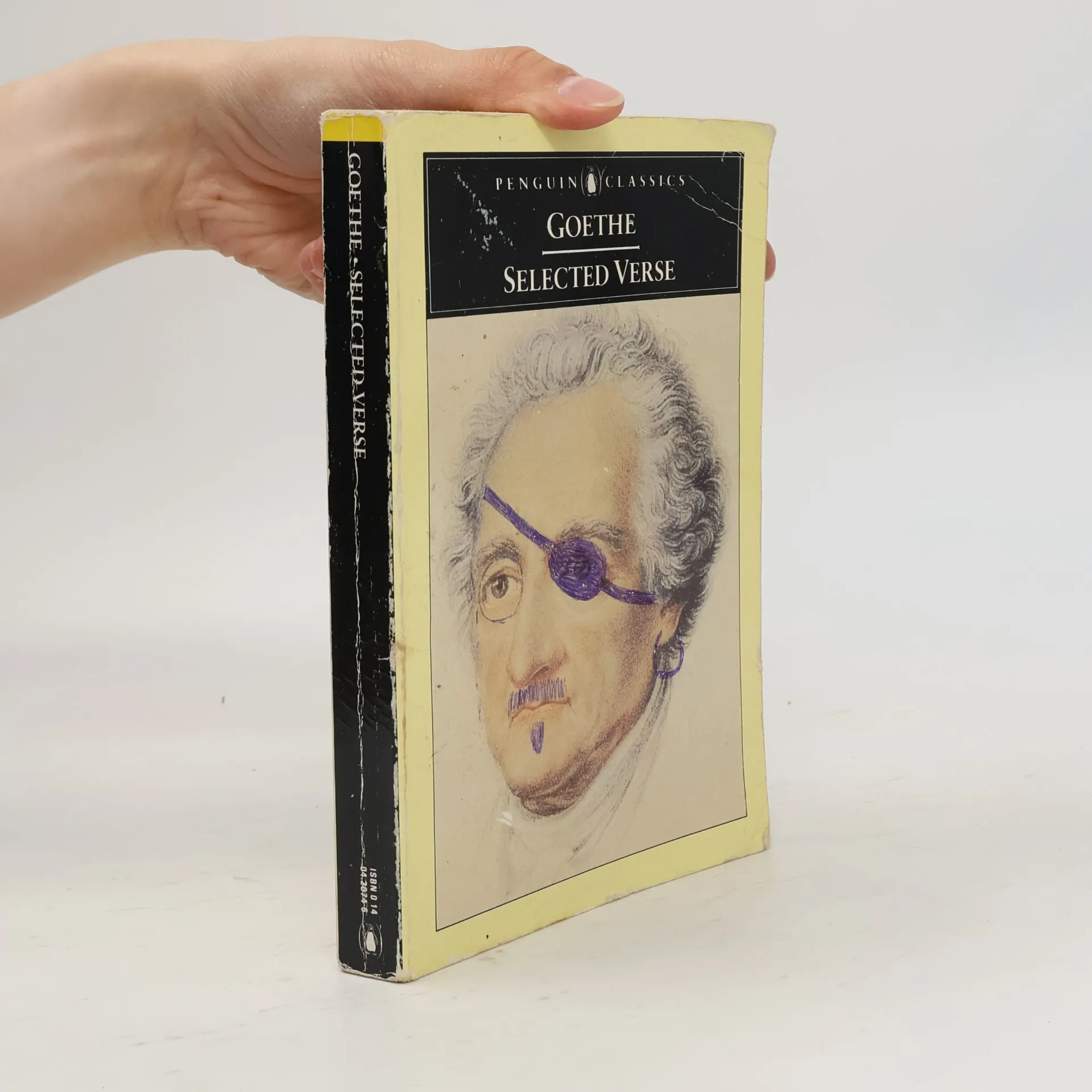
      In the wares before you spread, Types of all things may be read. ABOUT THE AUTHOR: Johann Wolfgang von Goethe was a German writer, pictorial artist, biologist, theoretical physicist, and polymath. He is considered the supreme genius of modern German literature. His works span the fields of poetry, drama, prose, philosophy, and science. His Faust has been called the greatest long poem of modern European literature. His other well-known literary works include his numerous poems, the Bildungsroman Wilhelm Meister's Apprenticeship, and the epistolary novel The Sorrows of Young Werther. Goethe was one of the key figures of German literature and the movement of Weimar Classicism in the late 18th and early 19th centuries; this movement coincides with Enlightenment, Sentimentalism (Empfindsamkeit), Sturm und Drang and Romanticism. The author of the scientific text Theory of Colours, his influential ideas on plant and animal morphology and homology were extended and developed by 19th century naturalists including Charles Darwin. He also served at length as the Privy Councilor of the duchy of Saxe-Weimar.

      Selected Poems
    • Gedichte in zeitlicher Folge

      • 1376pagine
      • 49 ore di lettura

      Johann Wolfgang Goethe, am 28. August 1749 in Frankfurt am Main geboren, absolvierte ein Jurastudium und trat dann in den Regierungsdienst am Hof von Weimar ein. 1773 veröffentlichte er Götz von Berlichingen (anonym) und 1774 Die Leiden des jungen Werthers. Es folgte eine Vielzahl weiterer Veröffentlichungen, zu den berühmtesten zählen Italienische Reise (1816/1817), Wilhelm Meisters Lehrjahre (1798) und Faust (1808). Johann Wolfgang Goethe starb am 22. März 1832 in Weimar.

      Gedichte in zeitlicher Folge
      5,0