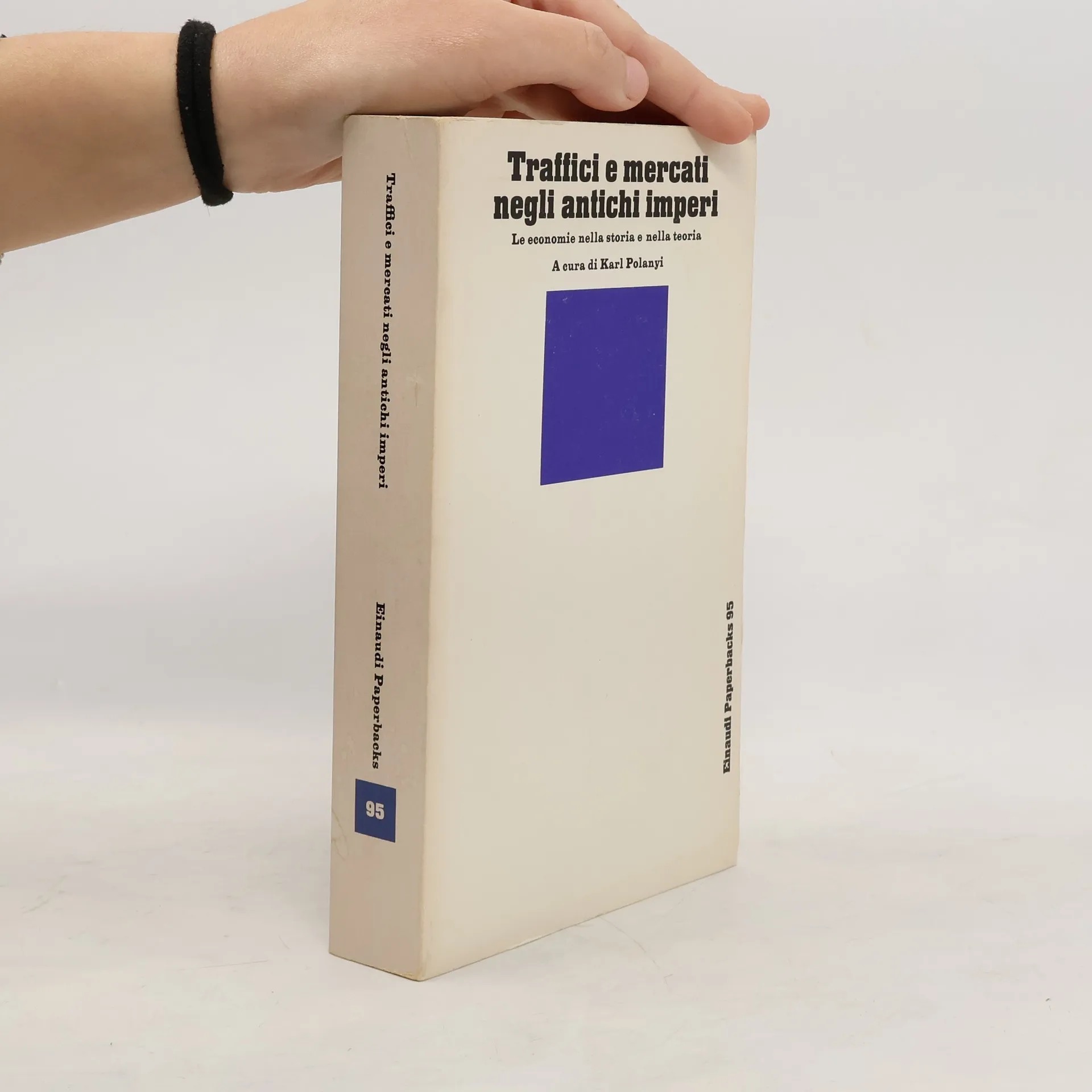
Questo autore sfida il pensiero economico tradizionale, esplorando come le economie siano radicate nella società e nella cultura. Il suo lavoro sostiene che l'emergere di società basate sul mercato non fu inevitabile, ma storicamente contingente. L'approccio dell'autore all'economia, che enfatizza il suo radicamento culturale, ha trovato applicazione in varie scienze sociali. Le sue teorie sono diventate un fondamento per il movimento della democrazia economica.
At a recent meeting of the World Economic Forum in Davos, it was reported that
a ghost was haunting the deliberations of the assembled global elite D that of
the renowned social scientist and economic historian, Karl Polanyi.
"La Grande Transformation" traite de la période 1830-1940 des évolutions politiques, sociales et économiques en Europe, en se concentrant sur l'établissement, les fluctuations et l'effondrement de l'économie de marché. L'auteur, considéré comme un pionnier de l'anthropologie sociale et économique, répond d'une part au marxisme et d'autre part à l'économisme du libéralisme. L'humanisme profond qui imprègne le livre aboutit à la position toujours actuelle de Polanyi : l'homme est, avant tout, un être social ; la société humaine ne doit pas devenir la proie des règles mécanistes de l'économie de marché ; l'économie doit avoir une fondation sociale.
This book compiles Karl Polanyi's key articles and essays, showcasing his insights on market capitalism and its impact on society and nature. It includes his writings on economic crises, political theory, and critiques of economic determinism, making it vital for understanding his contributions to political economy and philosophy.
In this classic work of economic history and social theory, Karl Polanyi analyzes the economic and social changes brought about by the "great transformation" of the Industrial Revolution. His analysis explains not only the deficiencies of the self-regulating market, but the potentially dire social consequences of untempered market capitalism. New introductory material reveals the renewed importance of Polanyi's seminal analysis in an era of globalization and free trade.