

Ordina entro 0 giorni e ricevi per Natale
Bookbot

Snorri Sturluson

    1 gennaio 1179 – 23 settembre 1241

    Snorri Sturluson fu uno storico, poeta e politico islandese, due volte eletto giureconsulto del parlamento islandese. È autore della Edda in Prosa, un'opera che narra la mitologia norrena e il linguaggio poetico, e di Heimskringla, una vasta storia dei re norvegesi. Le sue opere, note per lo stile letterario e la metodologia, offrono una prospettiva fondamentale sulla storia e la mitologia scandinave. I suoi scritti rimangono un pilastro del patrimonio letterario nordico.

    Snorri Sturluson
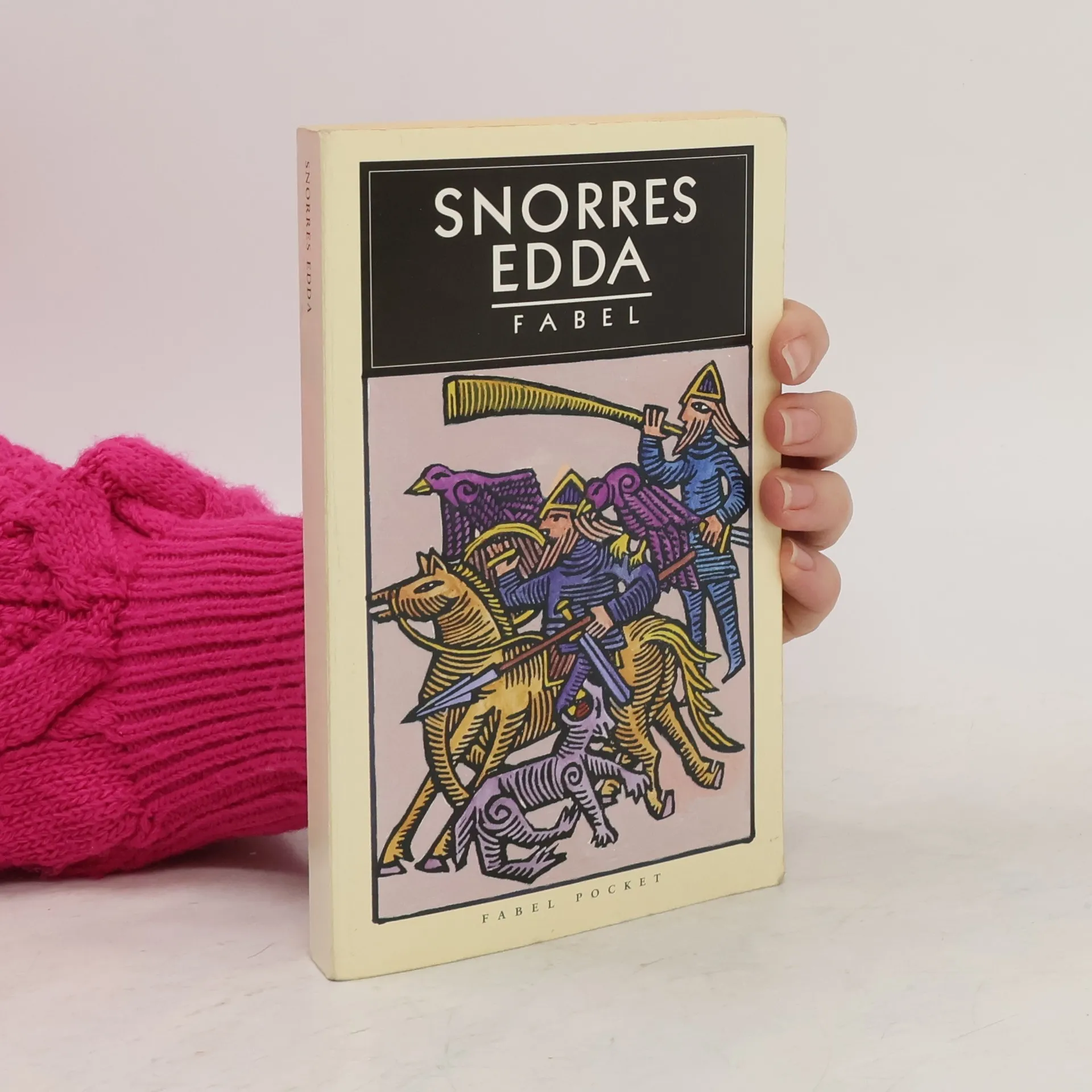
    Edda
    The Prose Edda of Snorri Sturluson
    Saga Six Pack
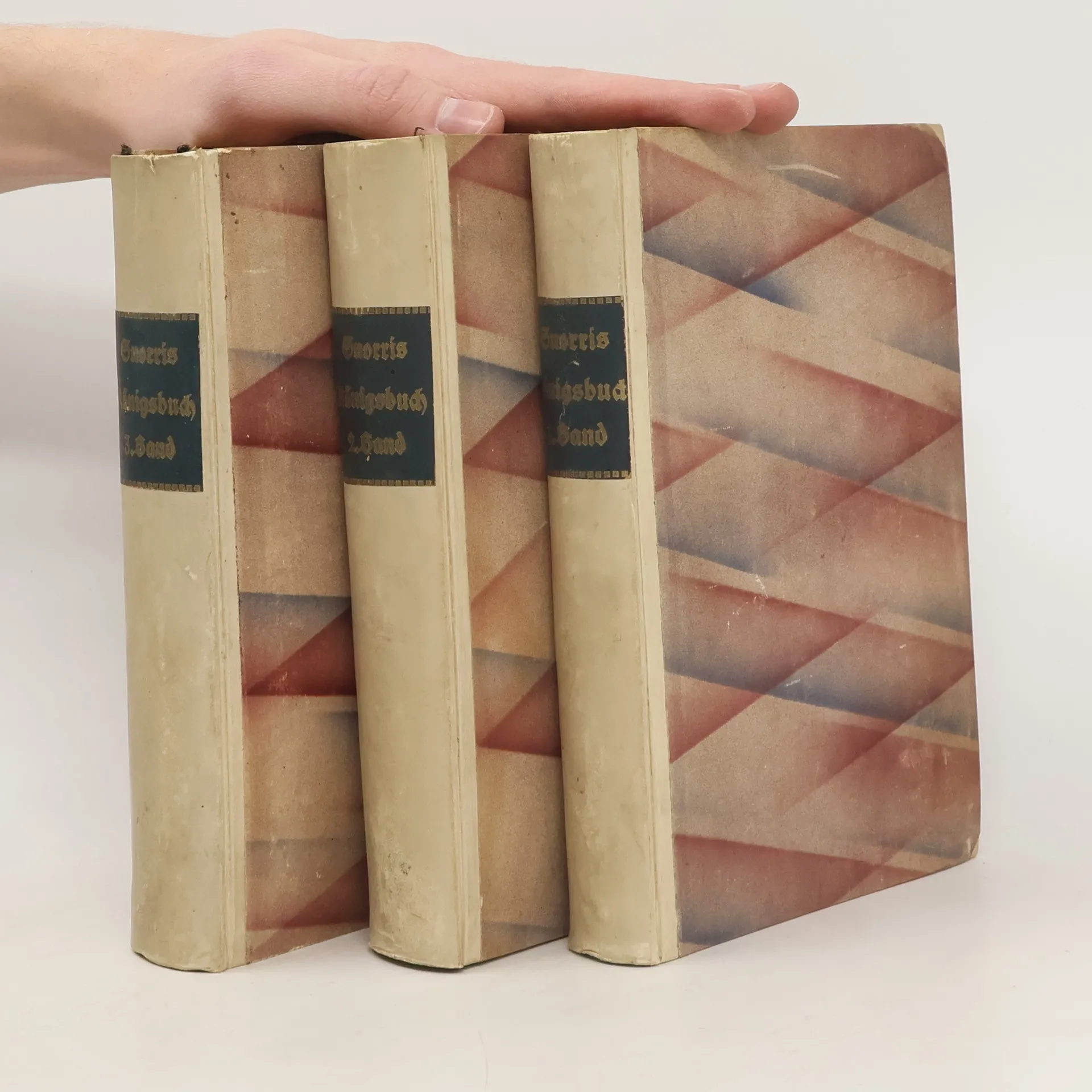
    Heimskringla
    The Prose Edda (Translated with an Introduction, Notes, and Vocabulary by Rasmus B. Anderson)
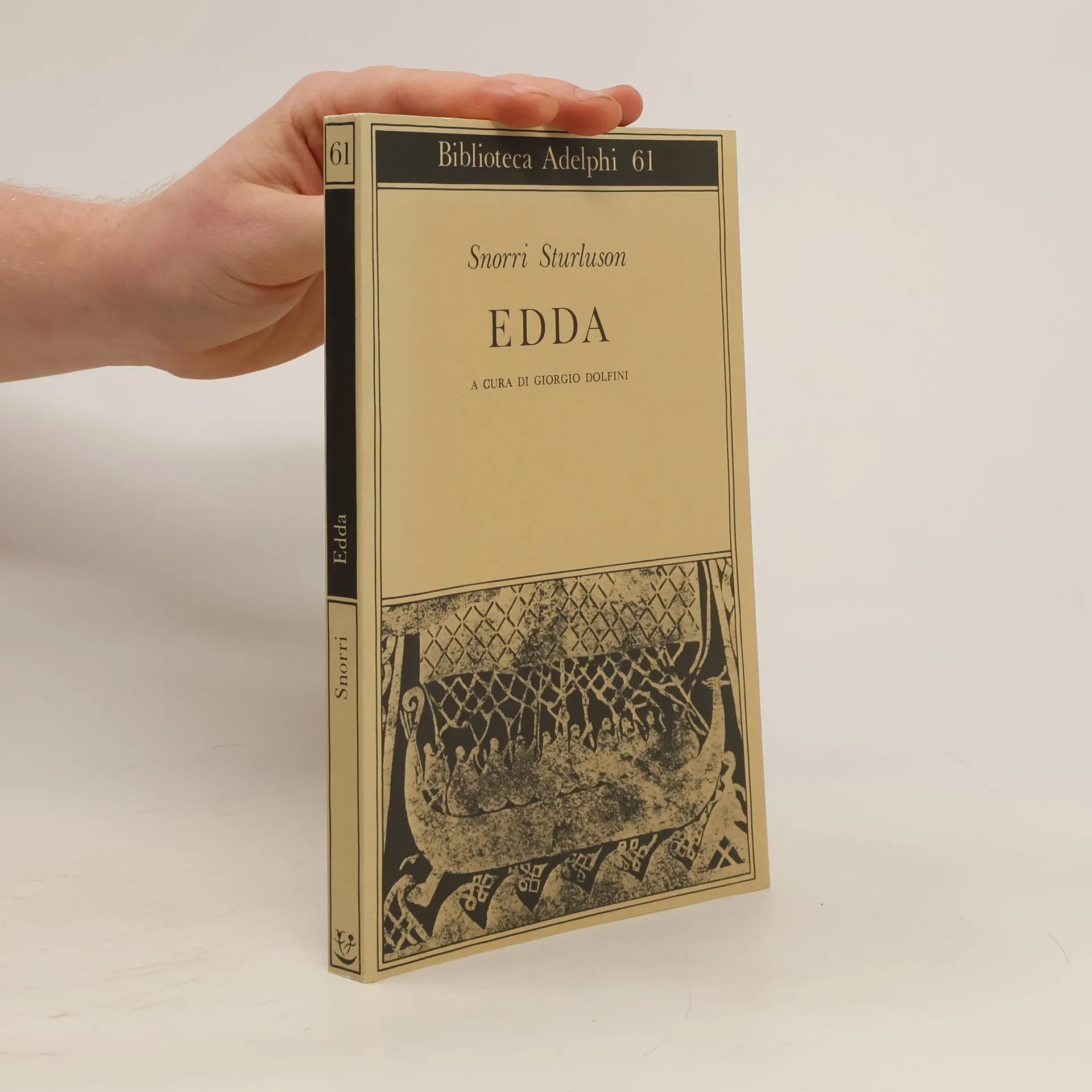
    Biblioteca Adelphi - 61: Edda
    • Biblioteca Adelphi - 61: Edda

      • 184pagine
      • 7 ore di lettura

      «Vi fu un tempo remoto / in cui nulla era: / non sabbia né mare / né gelide onde. / Non c’era la terra / né la volta del cielo; / ma voragine immane / e non c’era erba». Nelle sale altissime del Walhalla, dal tetto coperto di scudi dorati, il re Gylfi, «uomo saggio ed esperto di magia», ascolta questa prima risposta alle sue appassionate domande: «Quale fu l’inizio? e come ebbe principio ogni cosa? e prima che c’era?». Sono i fondamentali interrogativi di ogni mitologia, che si riferisce sempre a un tempo originario e separato dalla durata comune: nell’Edda di Snorri a rispondere saranno gli stessi dèi nordici, mutevoli e ambigui, pronti al travestimento e all’inganno, perché la loro essenza è appunto di travestirsi continuamente nelle apparenze del mondo che li manifesta. E dietro la voce degli dèi ci parla quella di uno straordinario scrittore, in cui si riuniscono qualità che raramente hanno potuto trovarsi congiunte. Islandese, Snorri Sturluson visse dal 1178 al 1241, quando cadde assassinato, probabilmente per ragioni politiche. Era un grande erudito, paziente raccoglitore delle tradizioni storiche, letterarie e mitologiche del suo popolo, che poi si sarebbero riverberate per secoli nella nostra civiltà, fino a Wagner e a Tolkien. Ma Snorri era anche un grande narratore – tanto che in lui Borges ha visto, paradossalmente, il primo antenato di Flaubert – e un poeta esperto di tutti i prodigiosi segreti della poesia scaldica, e soprattutto era un uomo del mito – se così possiamo chiamare chi, nell’atto di rammemorare le origini, ne varia e amplifica le vicende, le intreccia e le separa, ne ripropone gli enigmi, infine le vive nella scrittura con un’intensità che lascia intravvedere come gli iniziati dovevano rivivere nei misteri le vicende degli dèi. È questo forse che dà alla sua Edda, qui tradotta e commentata per la prima volta in italiano da Giorgio Dolfini, quella vibrazione inconfondibile di incantamento, quella forza sprigionante dalle immagini che ha ogni vera parola mitologica. Così il lettore avrà l’impressione di veder risorgere intatto, in tutte le sue intricate vicende, il maestoso, cupo e selvaggio mondo nordico, mentre ruota intorno al frassino Yggdrasill, dalle radici senza fine, in cicli implacabili di distruzione e rinnovamento, che esaltano e travolgono dèi benigni e maligni, elfi e valchirie, nani, streghe, giganti, eroi e animali. E tutta l’Edda di Snorri apparirà infine come una mobile contemplazione di questa smisurata ruota di eventi, nella presciente attesa del lupo Mánagarm, pasciuto della carne dei morti, annunciatore della catastrofe, che «ingoierà la luna e spruzzerà di sangue il cielo e l’aria tutta», e insieme di quel tempo nuovo in cui, ancora una volta, «la terra emergerà dal mare e sarà verde e bella e i campi cresceranno senza seme».

      Biblioteca Adelphi - 61: Edda
    • This collection of Norse myths, attributed to Snorri Sturluson around 1220, offers a rich exploration of Icelandic heritage. It includes a prologue linking Norse gods to the Trojans, followed by Gylfaginning, which narrates the cosmos's creation and destruction. Skáldskaparmál features a dialogue on poetry between Ægir and Bragi, while Háttatal presents various poetic forms. As a cornerstone of Icelandic literature, this edition is enhanced with an introduction, notes, and vocabulary by Rasmus B. Anderson, printed on premium acid-free paper.

      The Prose Edda (Translated with an Introduction, Notes, and Vocabulary by Rasmus B. Anderson)
    • The first volume of a new translation of Snorri Sturluson's history of the Norwegian kings, with introduction and notes. The second edition is corrected and updated.

      Heimskringla
    • Saga Six Pack

      • 314pagine
      • 11 ore di lettura

      This collection features six classic sagas, including the epic tale of Beowulf and the mythological narratives of The Prose Edda and Sigurd The Volsung. Readers will explore the adventures of Eric The Red and the intriguing story of Gunnlaug The Worm-Tongue. Additionally, the volume includes an introductory essay that provides insight into the significance and cultural context of these sagas, enriching the understanding of these timeless narratives.

      Saga Six Pack
    • The Prose Edda of Snorri Sturluson

      Tales from Norse Mythology

      • 134pagine
      • 5 ore di lettura

      Exploring the rich tapestry of Viking mythology, this title features Gylfaginning, a foundational text that delves into Norse myths, and Skaldskaparmal, which provides insights into poetic diction and heroic tales. Ideal for poets inspired by the skalds, it serves as both a guide and a source of legendary narratives from the Middle Ages, capturing the essence of ancient storytelling and poetic tradition.

      The Prose Edda of Snorri Sturluson
    • Edda

      • 288pagine
      • 11 ore di lettura

      "Over a period of twenty years Snorri Sturluson, scholar, courtier and poet, compiled the prose Edda as a textbook for young poets who wished to praise kings. His work surveys the content, style and metres of traditional Viking poetry and includes a lengthy poem of Snorrie's own, praising the king of Norway. Ironically, Snorri was killed in his own cellar in Iceland in 1241 on the instigation of the king of Norway, as a result of political intrigue. The Edda contains the most extensive account of Norse myths and legends that has survived from the Middle Ages as well as the popular stories of Odin winning back the mead of poetic inspiration and Thor fishing for the Midgard serpent" -- provided by publisher

      Edda
    • The Poetic and Prose Eddas

      • 212pagine
      • 8 ore di lettura

      Immerse yourself in Norse mythology through a curated collection of The Poetic Edda and The Prose Edda, showcasing the rich sagas, gods, and heroes of ancient Northern culture. This essential volume invites readers on a unique journey into the enchanting world of Norse folklore and beliefs, making it a significant addition to Henderson Publishing's Norse Literature Series.

      The Poetic and Prose Eddas
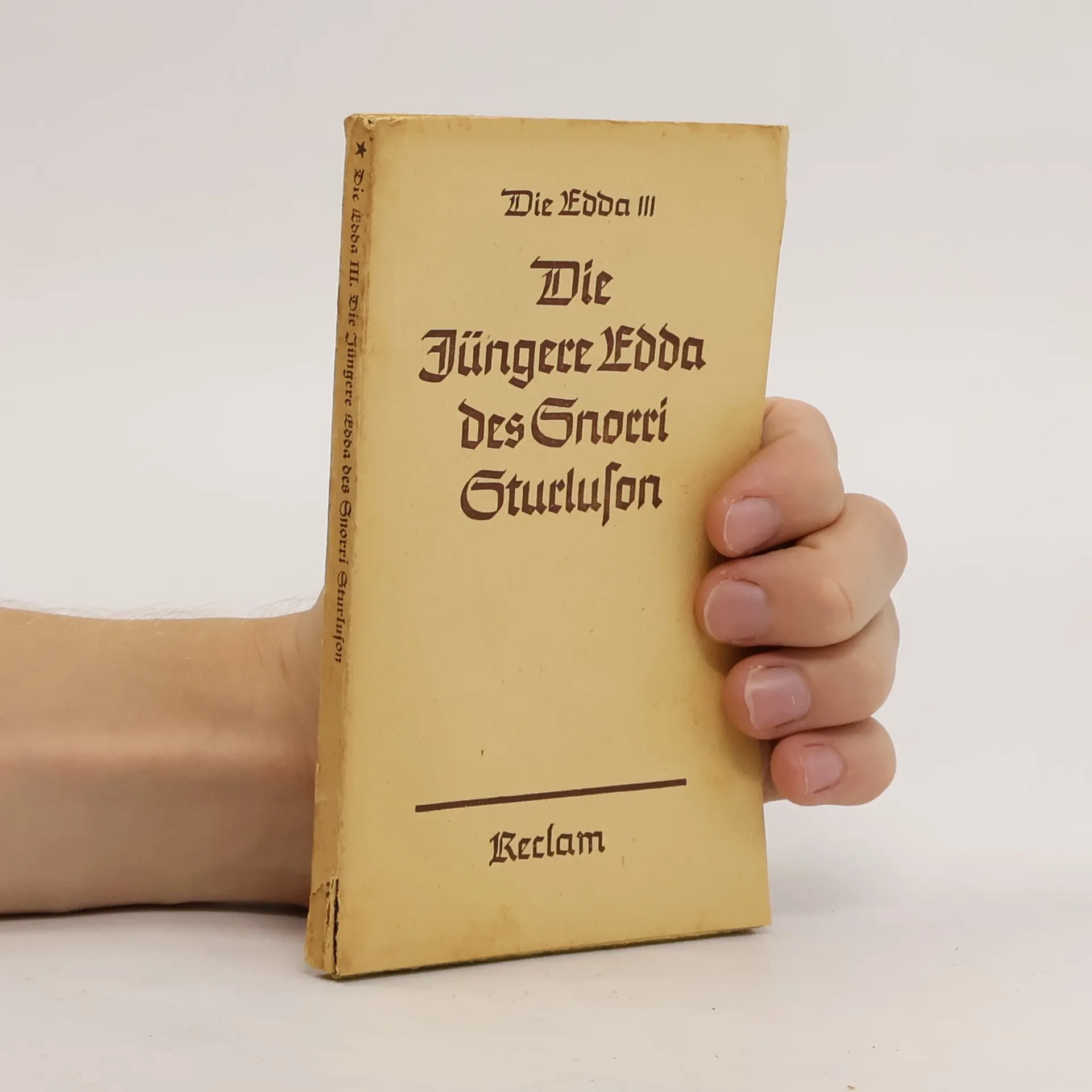
    • The Younger Edda

      Also called Snorre's Edda, or The Prose Edda (With Introduction, Notes and Vocabulary)

      • 366pagine
      • 13 ore di lettura

      Exploring Norse mythology, this translation of Snorri Sturluson's work delves into the pantheon of Gods and Goddesses, alongside the creation story central to Norse beliefs. The book is structured into three parts: the fooling of Gylfe, Brage's Talk, and Skáldskaparmál, offering insights into poetic diction. Featuring a comprehensive introduction, notes, and vocabulary, this large print edition serves as an essential resource for anyone interested in pagan beliefs and the rich tradition of Icelandic literature.

      The Younger Edda
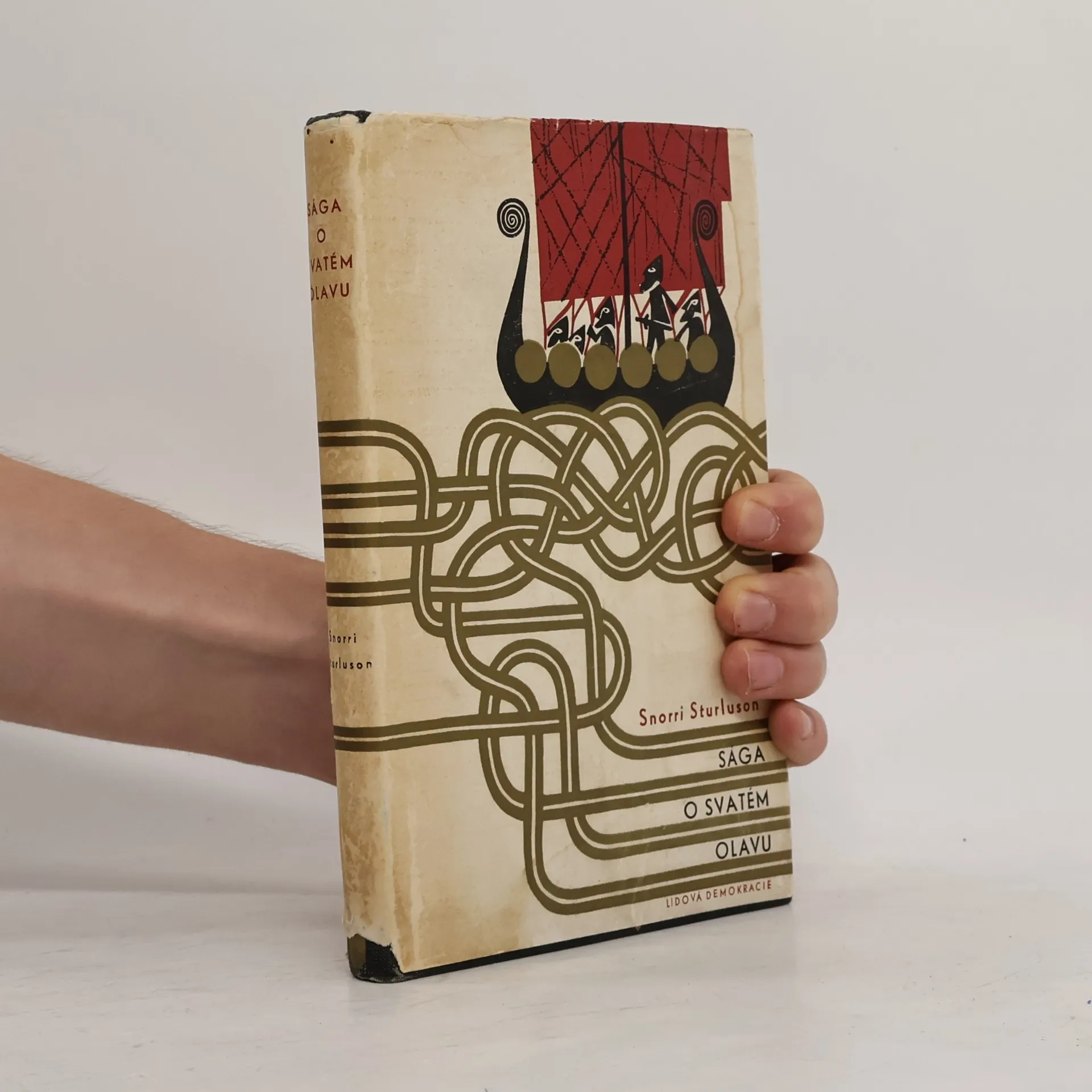
    • Heimskringla

      Or, The Lives of the Norse Kings

      • 770pagine
      • 27 ore di lettura

      Great classic by Icelandic poet/chieftain chronicles the reigns of 16 high kings descended from the warrior-wizard god Odin. Major section on 15-year reign of Olav II Haraldson, patron saint of Norway. Based on earlier histories, oral traditions, plus new material by author, all presented with intelligence, warmth and objectivity. Over 130 illustrations and 5 maps.

      Heimskringla
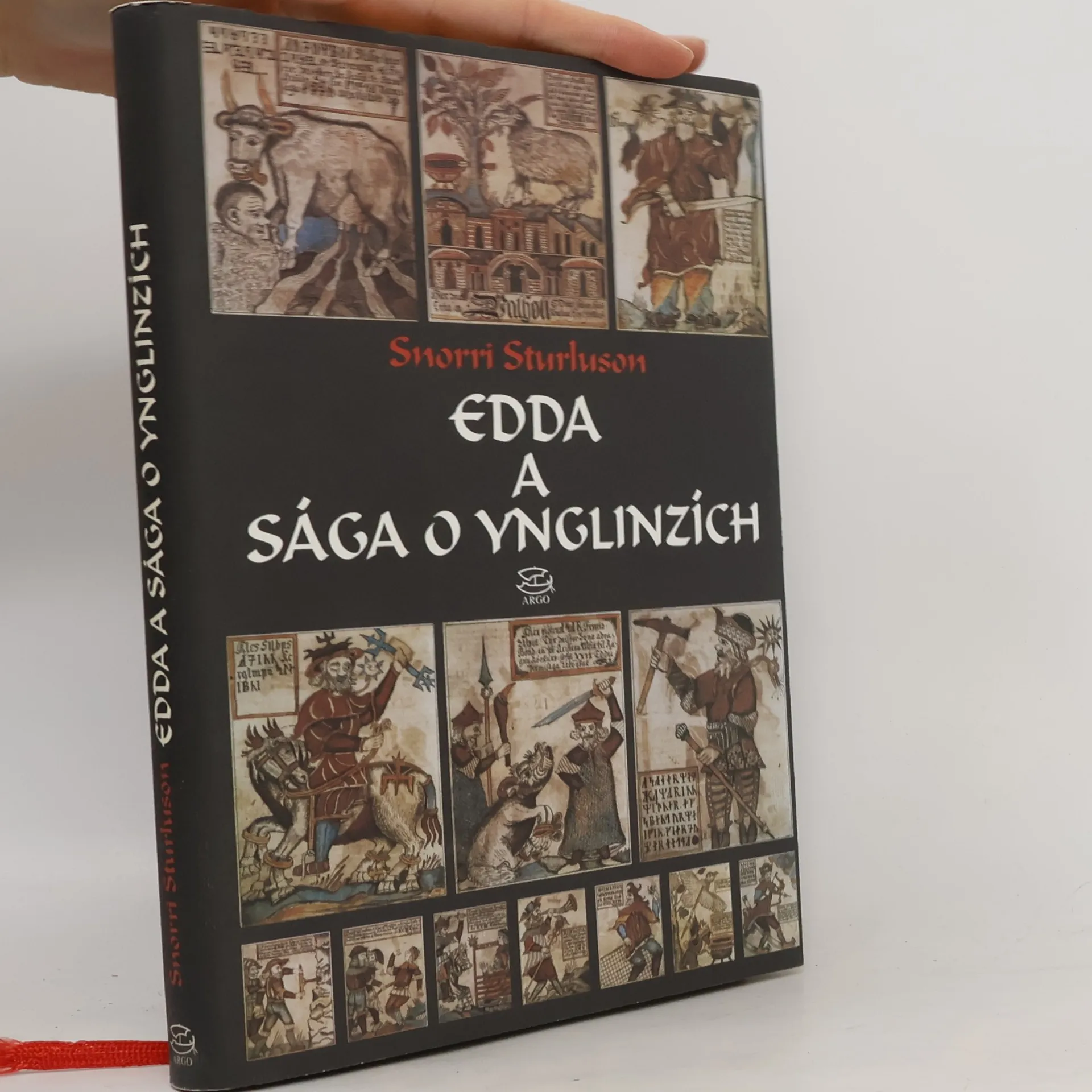
    • Snorri Sturluson (1178/9–1241) zpracoval severskou mytologii, známou také z tzv. Starší nebo Básnické Eddy, do svého druhu učebnice básnické tvorby. Jeho Edda obsahuje shrnutí eddické látky (pod názvem Gylffiho oblouzení), poučení o práci s ustálenými metaforami, typickými pro středověkou poezii (O jazyce básnickém), a v zásadě technický Výčet meter (do tohoto překladu nezahrnutý, protože v podstatě nepřevoditelný). Gylfiho oblouzení, těžiště Snorriho Eddy, je však vedle Starší Eddy jediným písemným zpracováním eddické mytologie, a proto Snorriho práce daleko přesahuje jeho původní záměr, jímž bylo znovuoživení skaldské poezie. Ve Snorriho zpracování jsou mytologie, představy o podobě, vzniku a vývoji světa, panteon i báje o bozích a bohyních vyloženy systematicky jako odpovědi na otázky fiktivního krále Gylfiho, který se pro vědění o božstvech a jejich moci vypraví až do jejich sídla, do Ásgardu. Sága o Ynglizích je Snorriho příspěvkem k historickému žánru pevně spjatému se severskou literaturou. Snorri své zpracování napůl bájeslovných příběhů o staroislandských panovnících spojil do souboru Heimskringla, Sága o Ynglinzích je její úvodní část.

      Edda a Sága o Ynglinzích