
10 libri per 10 euro qui
Bookbot

Pierre Klossowski

    9 agosto 1905 – 12 agosto 2001

    Pierre Klossowski è stato uno scrittore, artista e traduttore francese la cui opera si addentra spesso negli aspetti più oscuri della psicologia umana e delle convenzioni sociali. La sua scrittura esplora temi di desiderio, ossessione e illusione con profonda intuizione filosofica. Attraverso i suoi testi provocatori, Klossowski sfida i quadri morali ed etici tradizionali, invitando i lettori a contemplare le complessità della natura umana. Il suo stile letterario unico, influenzato dal suo background artistico, conferisce alle sue opere un'atmosfera distintiva e una profondità intellettuale.

    Pierre Klossowski
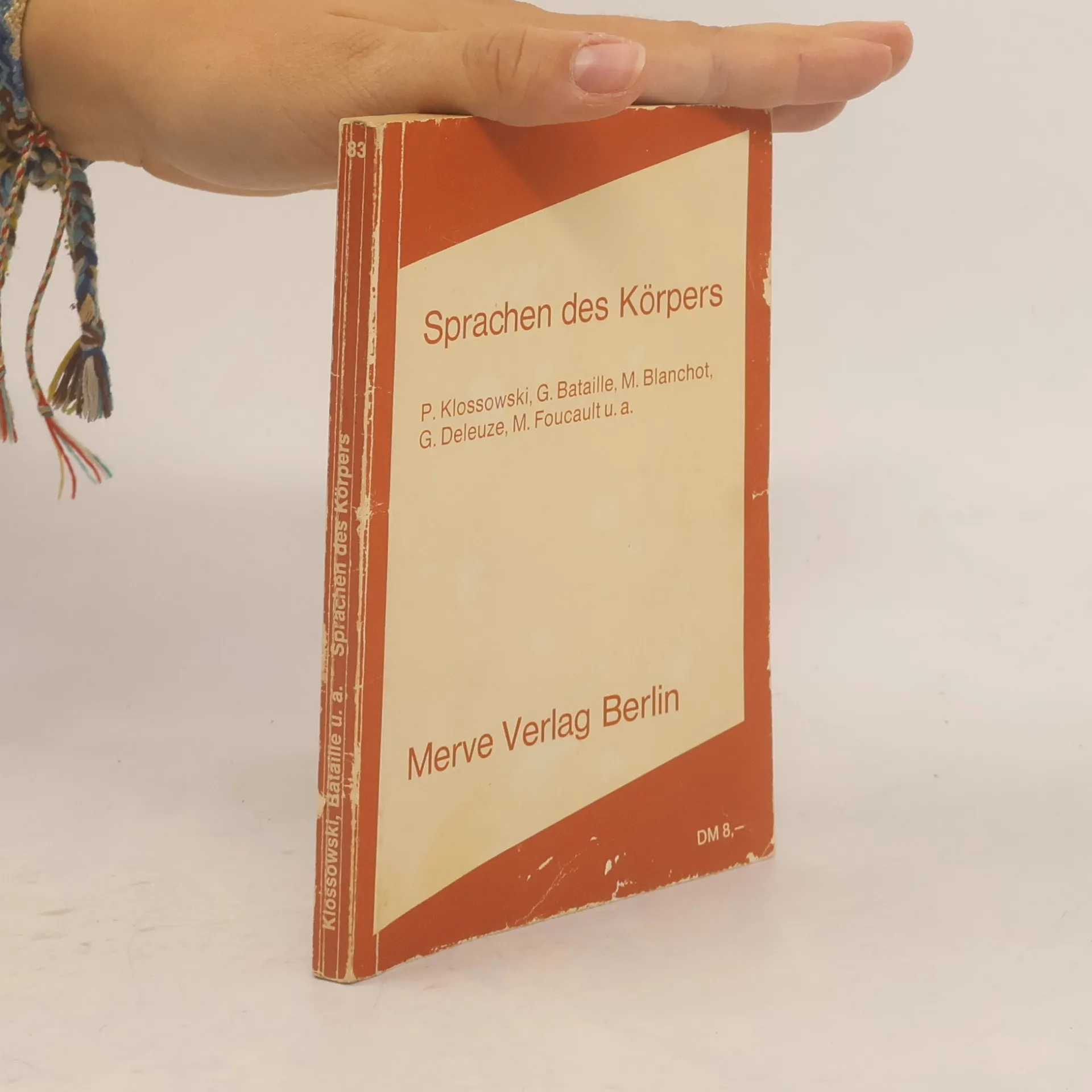
    Sprachen des Körpers
    Nietzsche und der Circulus vitiosus deus
    Sade My Neighbour
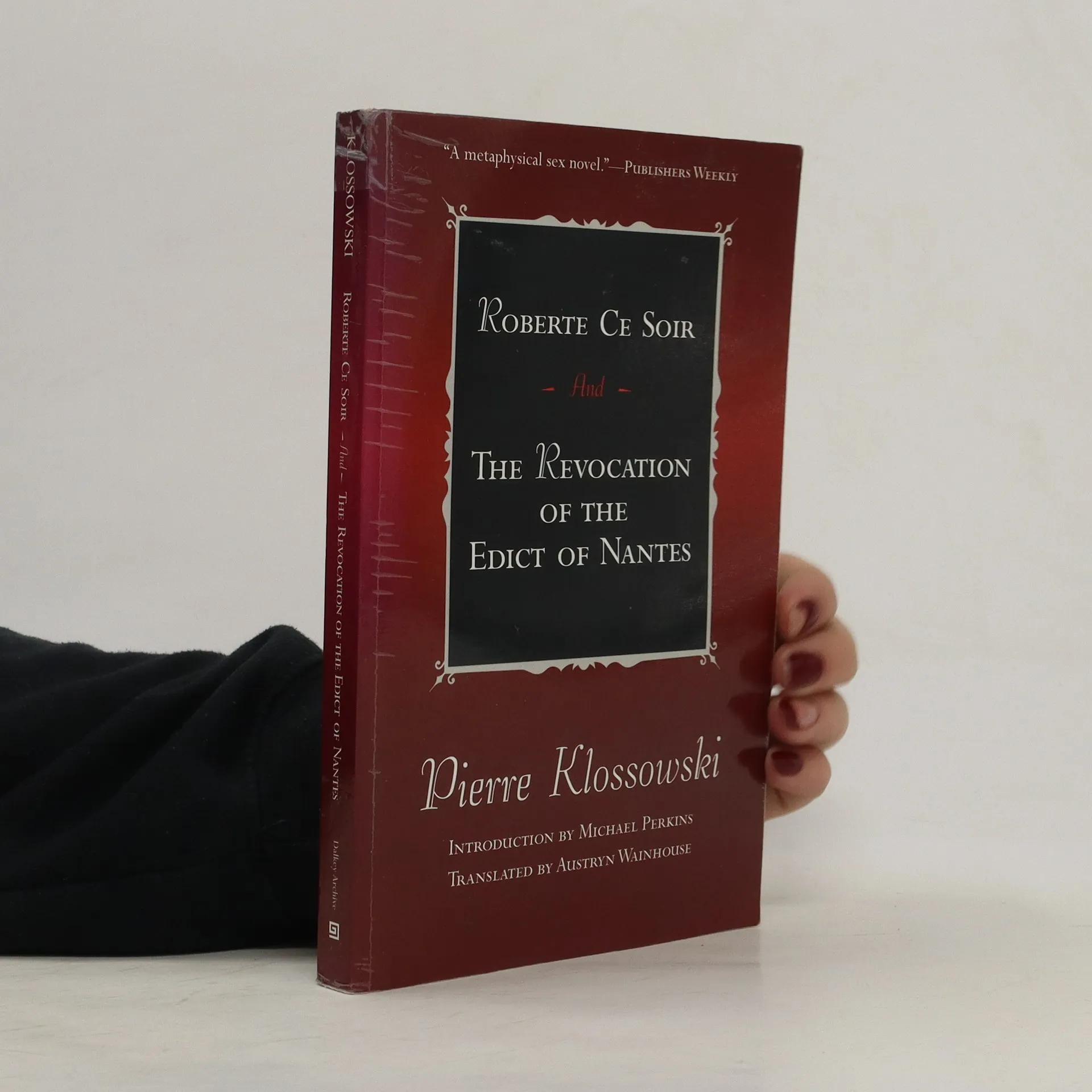
    Roberte ce soir: and the revocation of the Edict of Nantes
    Living Currency
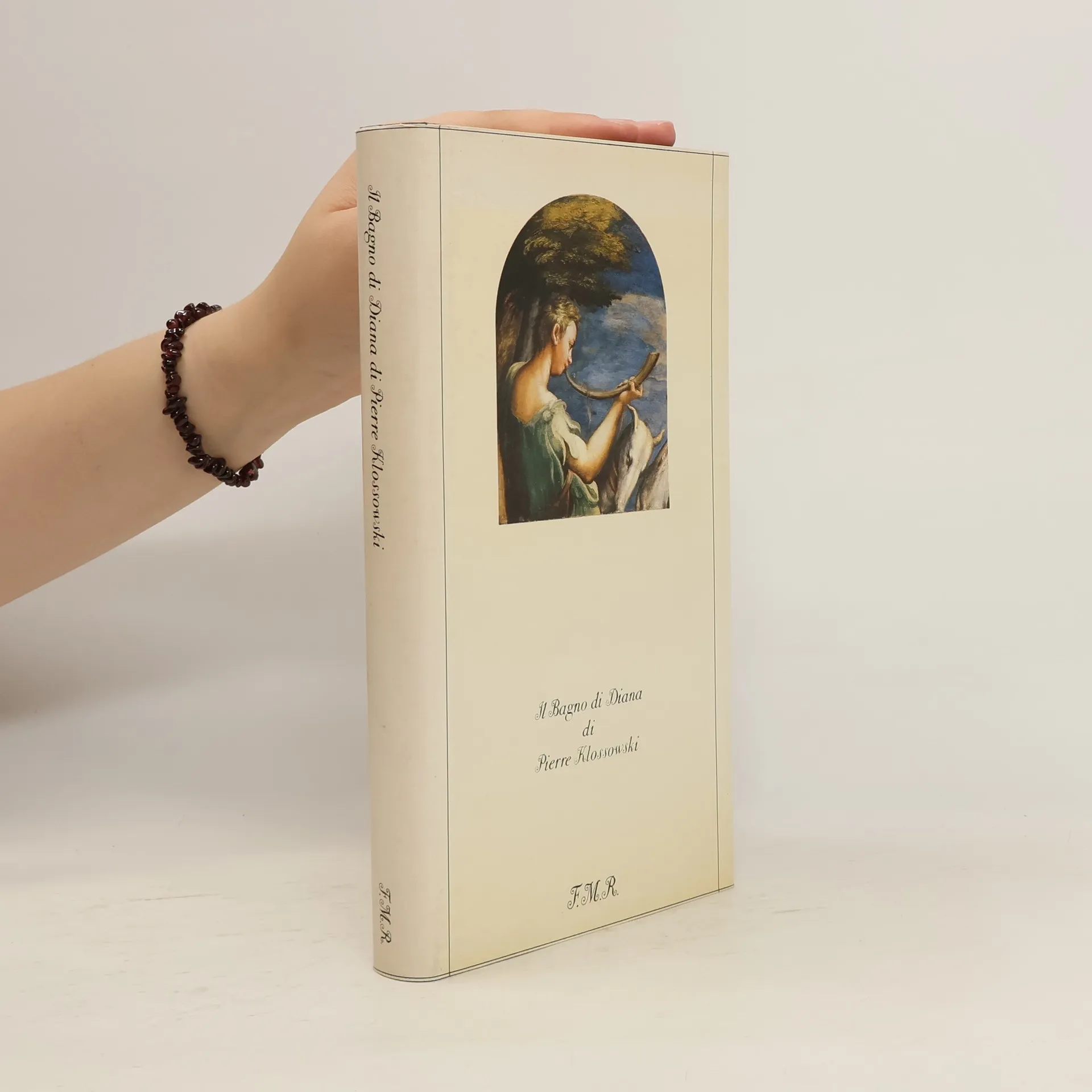
    Il bagno di Diana
    • 'I should have written you after my first reading of The Living Currency; it was already breath-taking and I should have responded. After reading it a few more times, I know it is the best book of our times.' Letter to Pierre Klossowski from Michel Foucault, winter 1970. Living Currency is the first English translation of Klossowski's La monnaie vivante. It offers an analysis of economic production as a mechanism of psychic production of desires and is a key work from this often overlooked but wonderfully creative French thinker.

      Living Currency
    • Together these two novels comprise the most fascinating, obsessive, and erotic works of contemporary French fiction. Like the works of Georges Bataille, and those of the Marquis de Sade before him, Klossowski's fiction explores the connections between the mind and the body through a lens of sexuality. Both of these novels feature Octave, an elderly cleric; his striking young wife Roberte; and their nephew, Antoine in a series of sexual situations. But Klossowski's books are about theology as well, and this merging of the sexual with the religious makes this book one of the most painstakingly baroque and intellectual novels of our time.

      Roberte ce soir: and the revocation of the Edict of Nantes
    • Klossowski arbeitet gleichzeitig mit verschiedenen Medien: Literatur, Mythologie, Übersetzung, Film, Philosophie, Malerei, um sein fast schon stereotypes Thema auszudrücken: das Simulakrum, „das Spiel der erst behaupteten und dann geleugneten Identität… Trugbild, Ähnlichkeit, Gleichzeitigkeit, Vortäuschung und Verstellung“. (Michel Foucault)

      Sprachen des Körpers
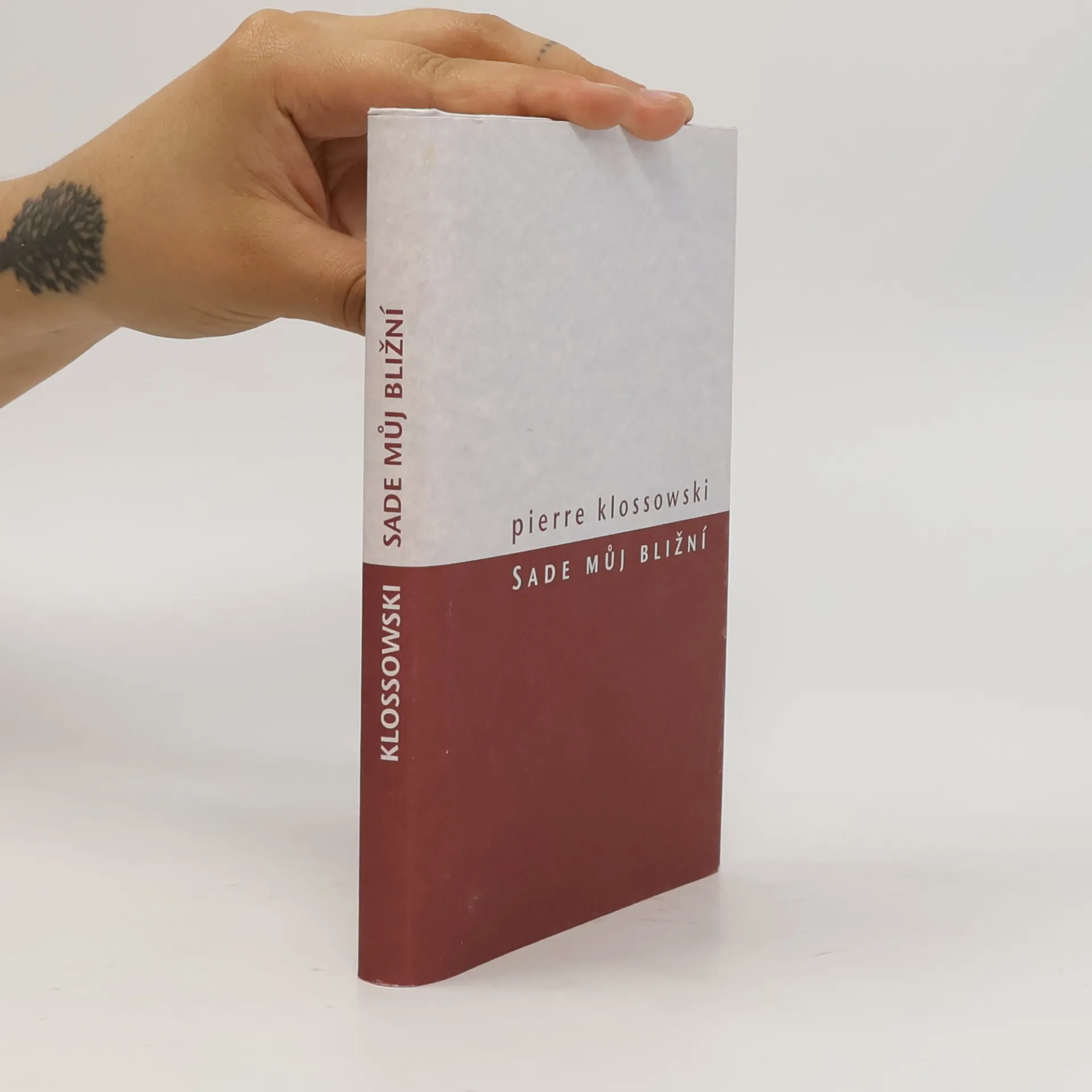
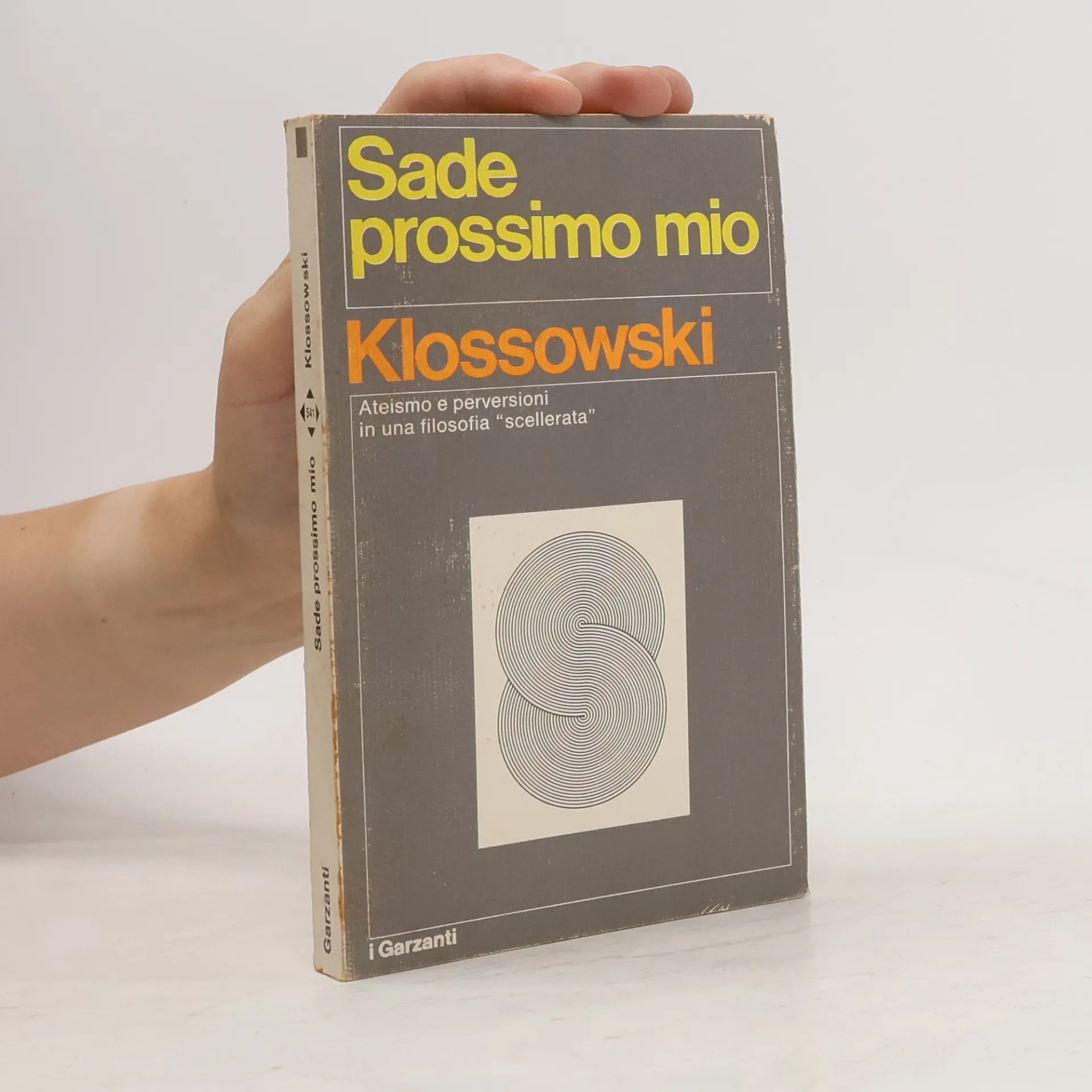
    • Sade můj bližní

      • 167pagine
      • 6 ore di lettura

      Soubor studií vznikající v průběhu třicátých a čtyřicátých let, je bezpochyby jednou z nejvýznamnějších knih, jaké byly Sadovu dílu kdy věnovány. Představuje podrobný rozbor východisek a hlavních motivů Sadova myšlení, které se takto vyjevuje nikoli jako marginální produkt perverze, ale jako svébytný filosofický systém s vlastními zákony a s vlastní logikou. Jestliže v raných textech Klossowski interpretuje Sadův ateismus jako produkt jakéhosi "nešťastného vědomí", v pozdějším textu, nazvaném "Filosof zločinu", vykládá Sadovy texty na základě vztahu mezi perverzním gestem a jeho literárním popisem.

      Sade můj bližní
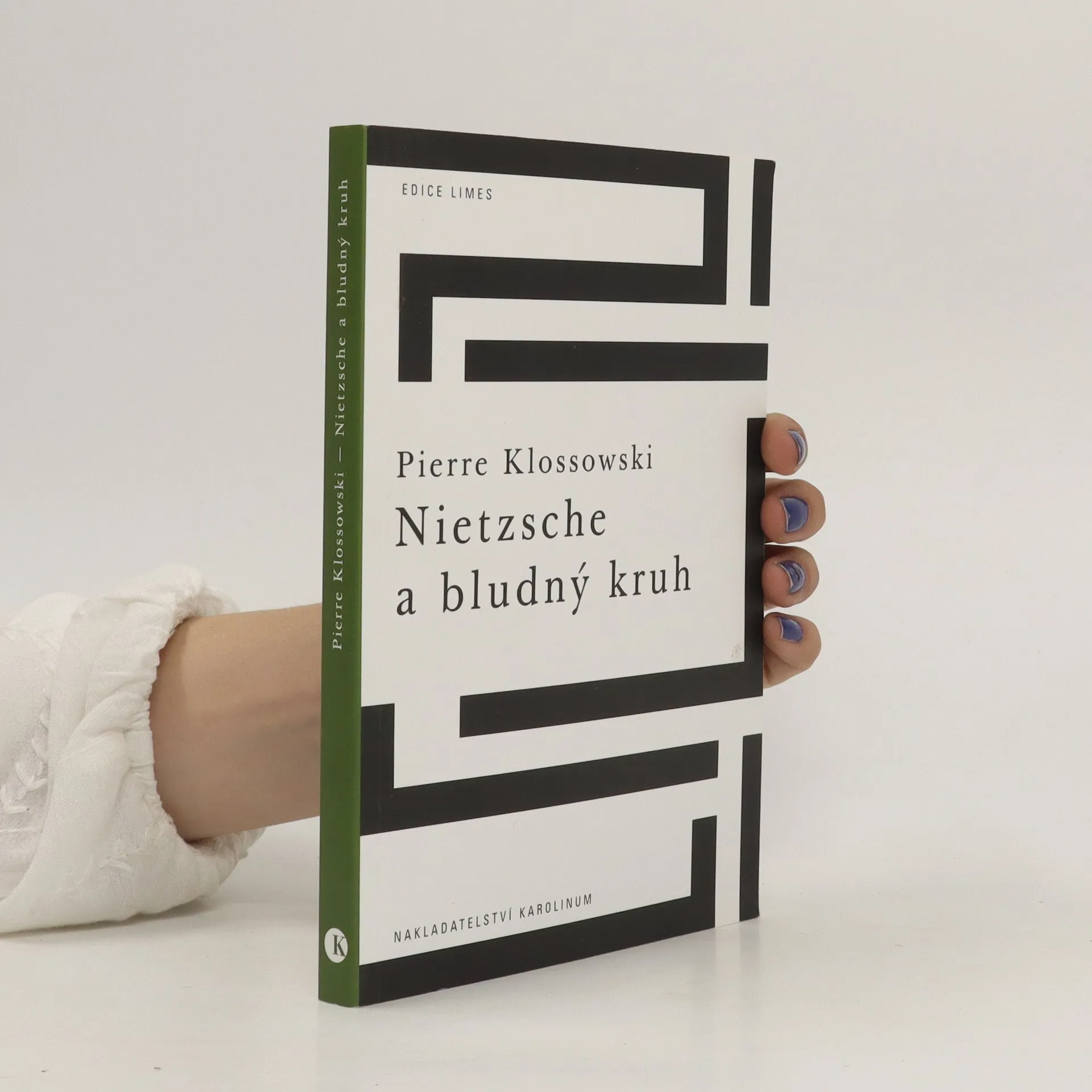
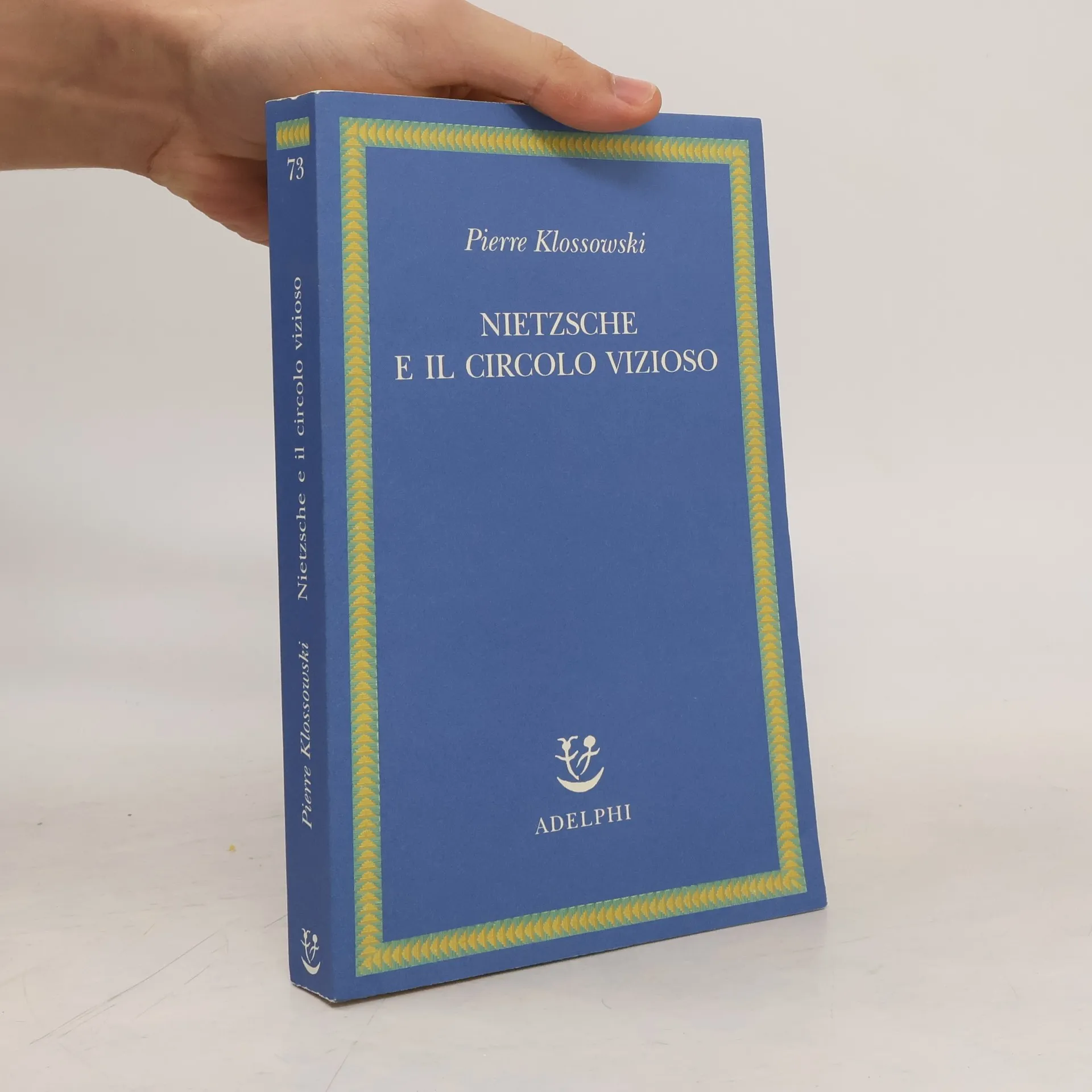
    • Spolu s Nietzschem Gillesa Deleuze, jemuž je Klossowského kniha věnována, patří Nietzsche a bludný kruh (1969) k nejvýznamnějším dokumentům francouzského nietzscheánství. Michel Foucault o ní řekl, že je to největší filosofická kniha, jakou kdy četl – vedle Nietzscheho samotného. Klossowski coby znalec a překladatel Nietzschovy nevydané pozůstalosti rozvíjí s využitím četných citátů úvahu na pomezí filologie, filosofie a básnictví, v níž Nietzscheho představuje jakožto snad vůbec nejradikálnějšího materialistu, pisatele, který promýšlí i sebe sama – své iluzivní já – coby pole pudů, myšlenek a jejich vzájemných střetů. Podle Klossowského nevycházejí Nietzscheovy myšlenky z osobní patologie, nýbrž jsou patologicky používány, přičemž ukotvení nacházejí ve filosofových proměnlivých tělesných a mentálních stavech. Domnělé nietzscheánské teze typu „věčného návratu“ či „vůle k moci“ jsou u Klossowského znovu vpleteny do tkáně souvislostí a rozporů, z nichž se nikdy nemohou zcela osvobodit: odtud „bludný kruh“ v názvu. Kniha se stala zásadním textem pro obnovený zájem o Nietzschovo dílo v sedmdesátých letech a výrazně ovlivnila řadu klasických textů moderní filosofie.

      Nietzsche a bludný kruh
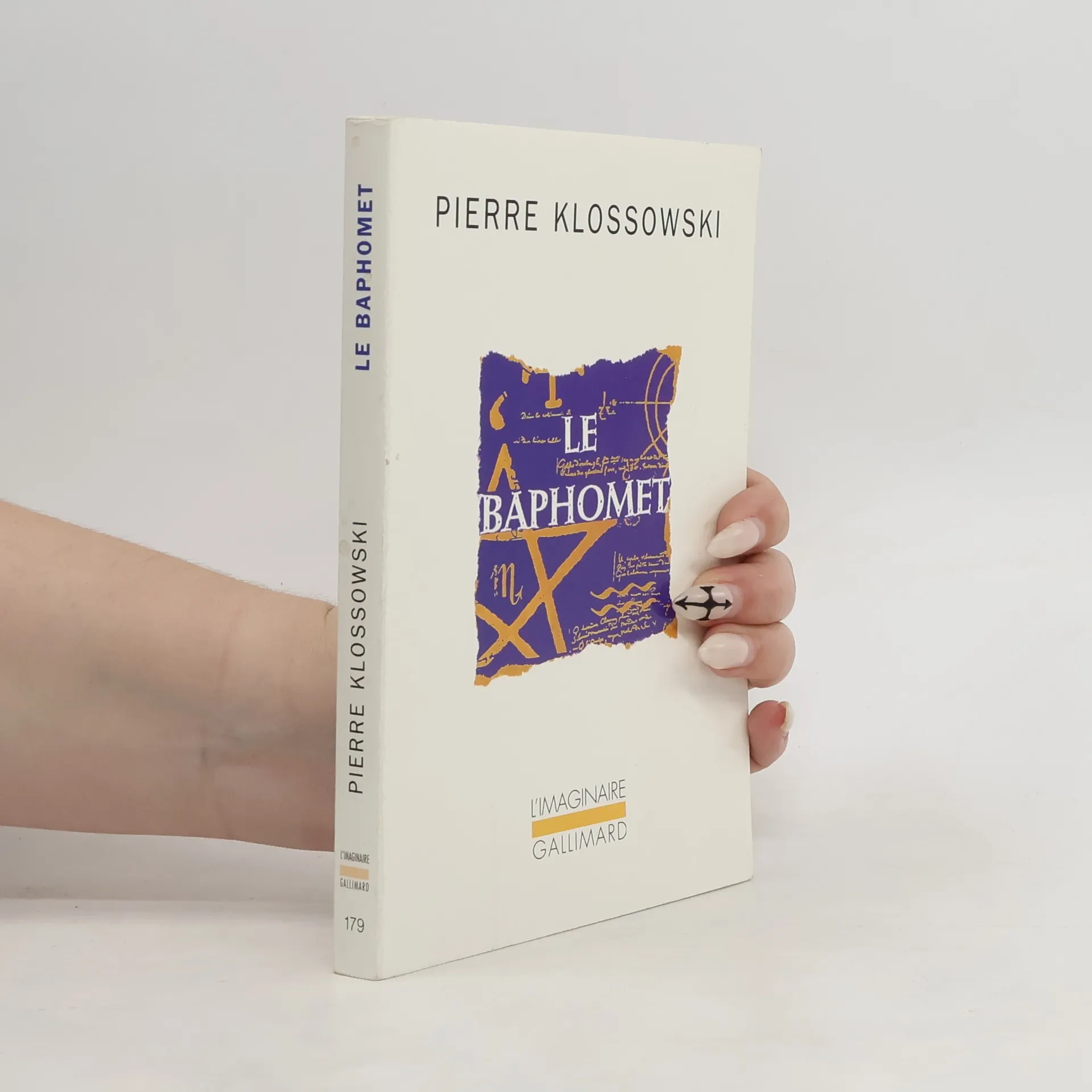
    • Le Baphomet

      • 232pagine
      • 9 ore di lettura

      La 4ème de couv. indique : "Le Baphomet, transformant en mythe la légende des Templiers, traduit, avec une somptuosité baroque, cette expérience de l'éternel retour – assimilée ici aux cycles de la métempsycose et rendue par là plus comique que tragique (à la manière de certains contes orientaux). Tout se passe dans un au-delà tourbillonnaire – royaume des esprits –, où il est naturel que, sous une lumière d'invisibilité, toutes les vérités perdent leur éclat, où Dieu n'est plus qu'une sphère lointaine et fort diminuée, où la mort surtout a perdu sa toute-puissance et jusqu'à son pouvoir de décision : ni immortels ni mortels, livrés au perpétuel changement qui les répète, absents d'eux-mêmes dans le mouvement d'intensité qui est leur seule substance et fait de leur être identique un jeu, une ressemblance sans rien à quoi ressembler, une inimitable imitation, tels sont les "souffles", paroles d'esprit ou paroles d'écrivain, comme sont telles les figures et les œuvres formées par ces paroles."

      Le Baphomet