Robert Aitken Rōshi, maestro Zen e fondatore della Diamond Sangha, ha dedicato la sua vita al profondo studio e all'insegnamento dei principi buddisti. Il suo percorso verso l'illuminazione è stato plasmato da incontri fondamentali e da una pratica prolungata sia in Giappone che alle Hawaii. Aitken Rōshi è rinomato per i suoi scritti, che offrono penetranti intuizioni sulla natura della mente e sull'integrazione della spiritualità nella vita quotidiana. Le sue opere incoraggiano un impegno attivo nel mondo e la compassione, riflettendo la sua convinzione nella responsabilità sociale dei buddisti. Attraverso i suoi ampi insegnamenti, ha ispirato generazioni di studenti e continua a scrivere anche dopo il suo ritiro.
Robert Aitken Roshi ofrece en este libro las bases del entrenamiento Zen, abordando la postura, la respiración, los koan y la relación maestro-discípulo. Con una perspectiva occidental, el autor responde a las inquietudes de los practicantes, brindando una guía clara y completa para quienes se interesan en el Zen.
„Der La Fontaine des Zen-Buddhismus. Zen-Meister Rabe trifft Präriehunde, Braunbären, Elche, Spechte und auch den Pfarrer Kranich. Mit ihnen diskutiert er in typisch humorvoll paradoxer Zen-Manier den Sinn des Lebens und die Möglichkeit der Erleuchtung. Robert Aitken, einer der bedeutendsten US-amerikanischen Zen-Meister der Gegenwart, hat in diesem Band die gesamte Weisheit seiner jahrzehntelangen Zen-Praxis vereint. Amüsant und nachdenklich, immer für eine überraschende Wendung gut, hält er unserem zweifelnden, fragenden und suchenden Geist den Zen-Spiegel des fabelhaften Tierreichs vor. Ein Buch mit Klassikerqualitäten, mit dem man sich selbst und den anderen eine Freude machen kann. Hochwertige Zeichnungen runden dieses wertvolle Buch ästhtetisch ab.“
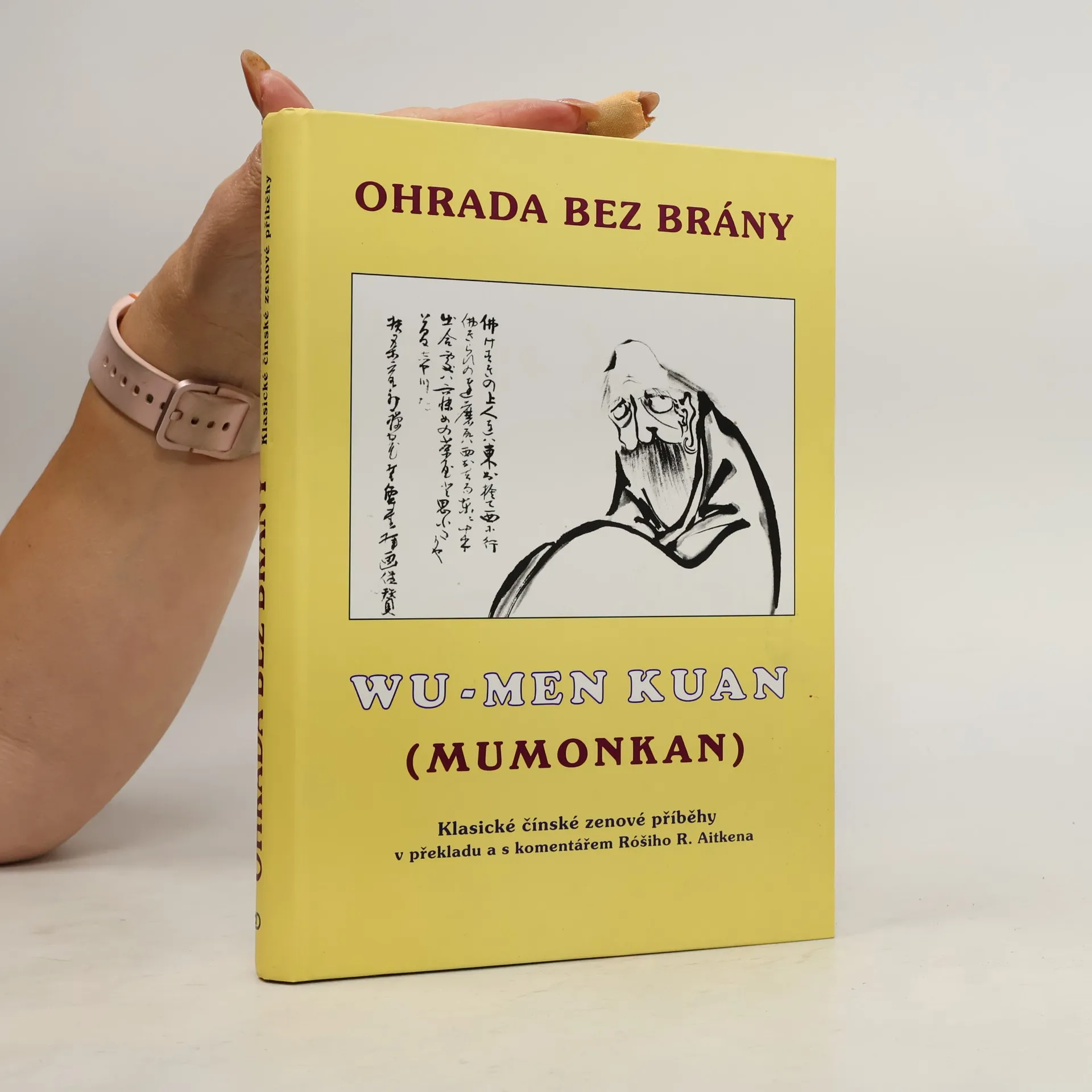
Mumonkan (Wu-Men Kuan)jedno ze základních děl zen-buddhistické LITERATURY Sbírka klasických čínských zenových příběhů sestavená v r. 1229 Mistrem Wu-men Chuej-kchajem,v překladu a s komentářem Róšiho R. Aitkena,ilustrace Sengai Gibon. ISBN 80-85349-85-X, Váz., 350 stran (sbírka klasických čínských zenových příběhů sestavená v r. 1229 Mistrem Wu-men Chuej-kchajem, v překladu a s komentářem Róšiho R. Aitkena)... celý text
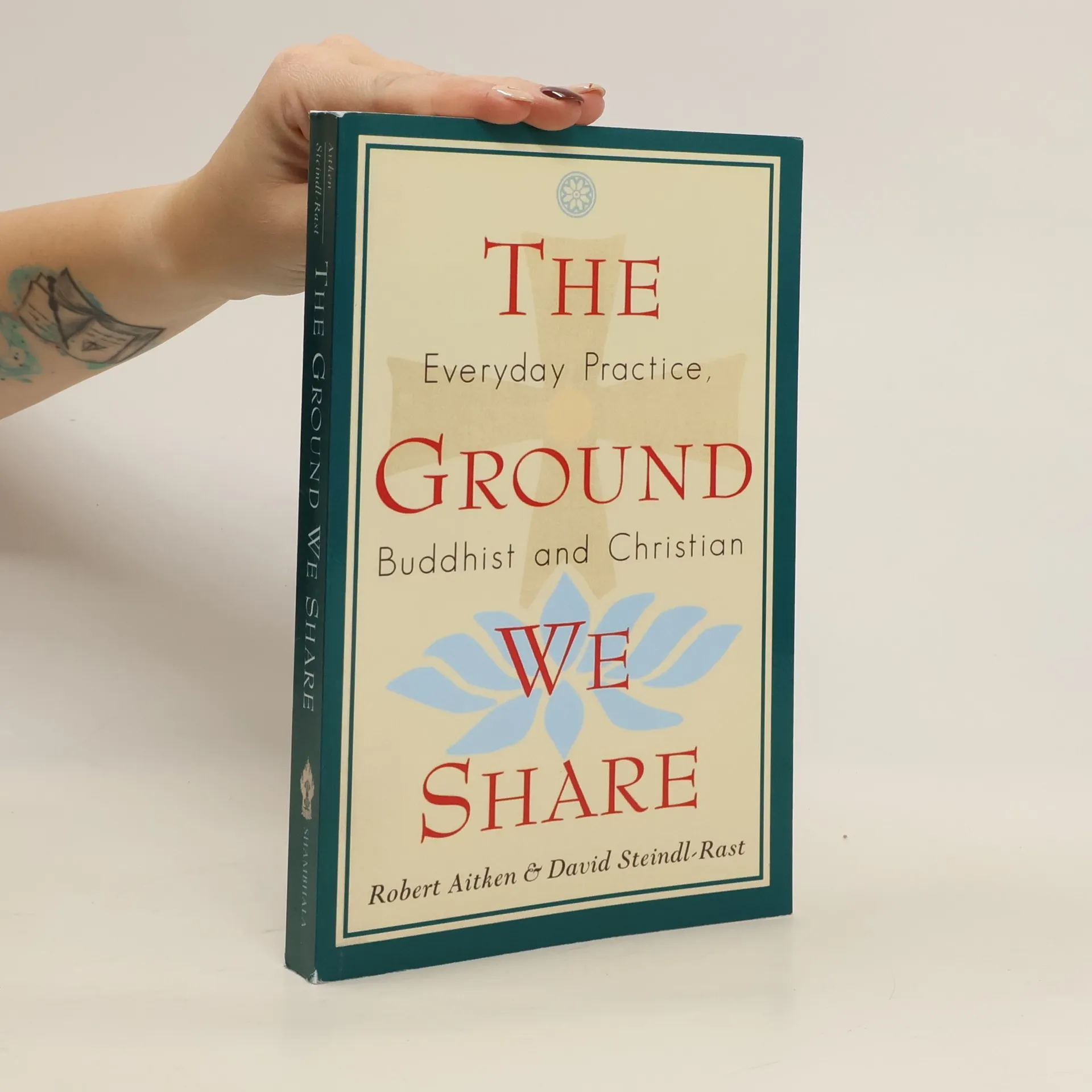
Are Christianity and Buddhism just "two paths leading to the top of the same mountain" - or are they fundamentally irreconcilable? As Buddhism takes root in the West, this question arises with ever greater frequency, sparking intriguing discussions but eluding easy answers. These conversations between Robert Aitken Roshi and Brother David Steindl-Rast offer a fresh approach to the question, one that begins with the intimacy of everyday practice rather than with philosophical and theological concepts - and one that benefits from the respect and good-will the two friends bear for eachother's traditions, even as they challenge them.
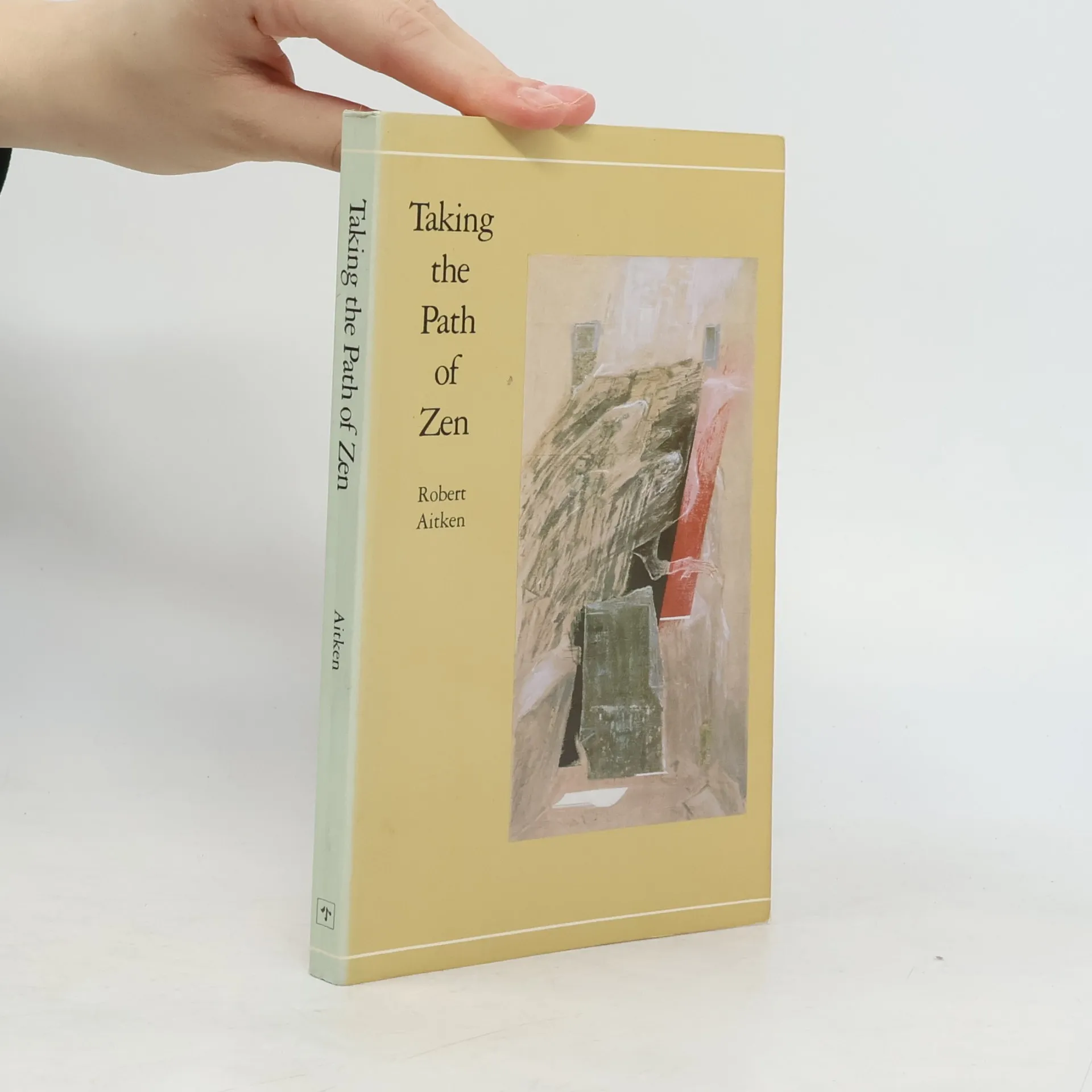
There is a fine art to presenting complex ideas with simplicity and insight, in a manner that both guides and inspires. In Taking the Path of Zen Robert Aitken presents the practice, lifestyle, rationale, and ideology of Zen Buddhism with remarkable clarity.The foundation of Zen is the practice of zazen, or mediation, and Aitken Roshi insists that everything flows from the center. He discusses correct breathing, posture, routine, teacher-student relations, and koan study, as well as common problems and milestones encountered in the process. Throughout the book the author returns to zazen, offering further advice and more advanced techniques. The orientation extends to various religious attitudes and includes detailed discussions of the Three Treasures and the Ten Precepts of Zen Buddhism.Taking the Path of Zen will serve as orientation and guide for anyone who is drawn to the ways of Zen, from the simply curious to the serious Zen student.
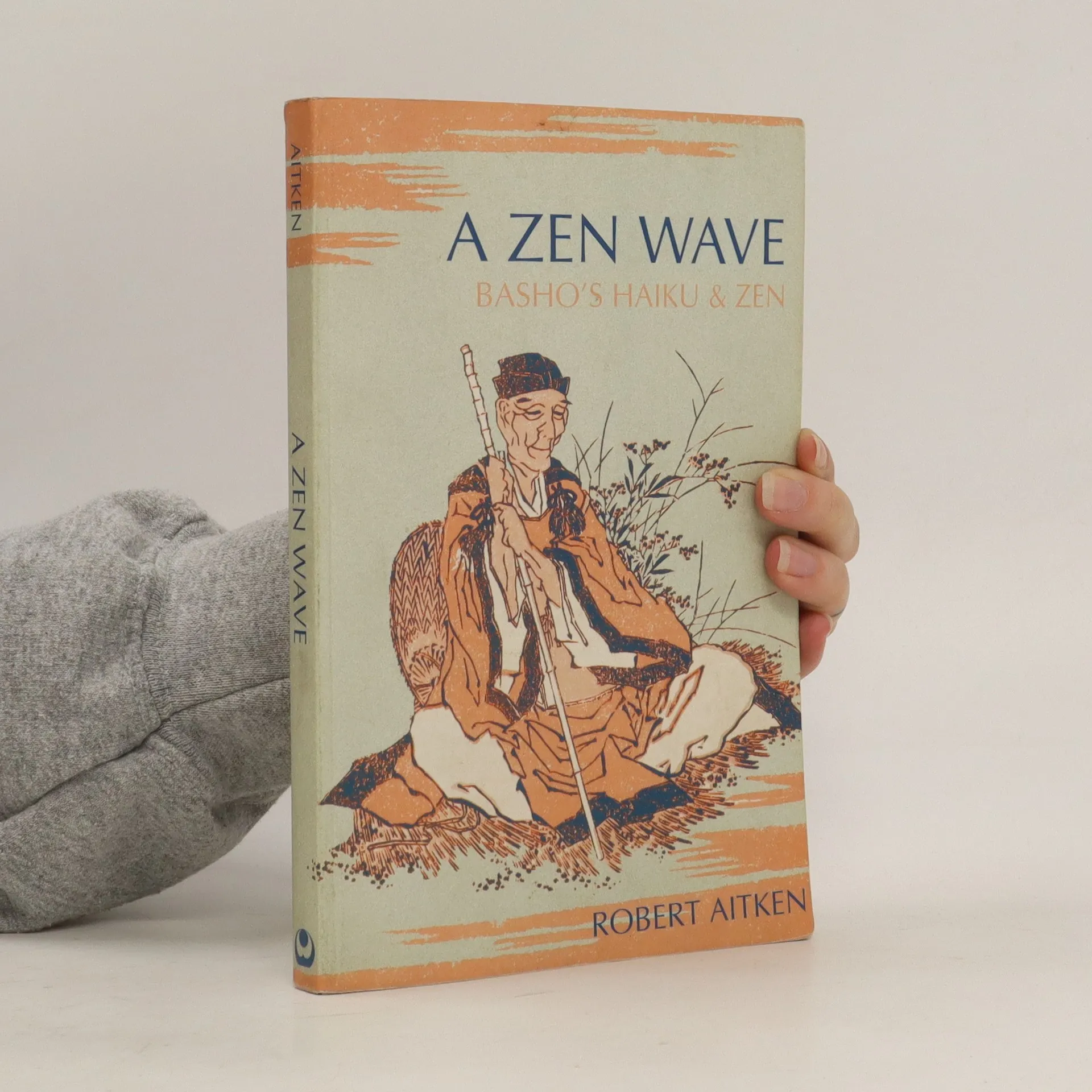
Zen Buddhism distinguishes itself by brilliant flashes of insight and its terseness of expression. The haiku verse form is a superb means of studying Zen modes of thought and expression, for its seventeen syllables impose a rigorous limitation that confines the poet to vital experience. Here haiku by Matsuo Basho (1644-94) — the greatest Japanese haiku poet — are translated by Robert Aitken, with commentary that provides a new and deeper understanding of Basho’s work than ever before. In presenting themes from the haiku and from Zen literature that open the doors both to the poems and to Zen itself, Aitken has produced the first book about the relationship between Zen and haiku. His readers are certain to find it invaluable for the remarkable revelations it offers.
Robert Aitken, author of Encouraging Words and Taking the Path of Zen, is America's most senior Zen Roshi. In this new book he presents the Ten Paramitas, or Transcendental Perfections - namely, giving, morality, forbearance, zeal, focused meditation, wisdom, compassionate means, aspiration, spiritual power, and knowledge - two-thousand-year-old ideals that can serve us as both methods and goals