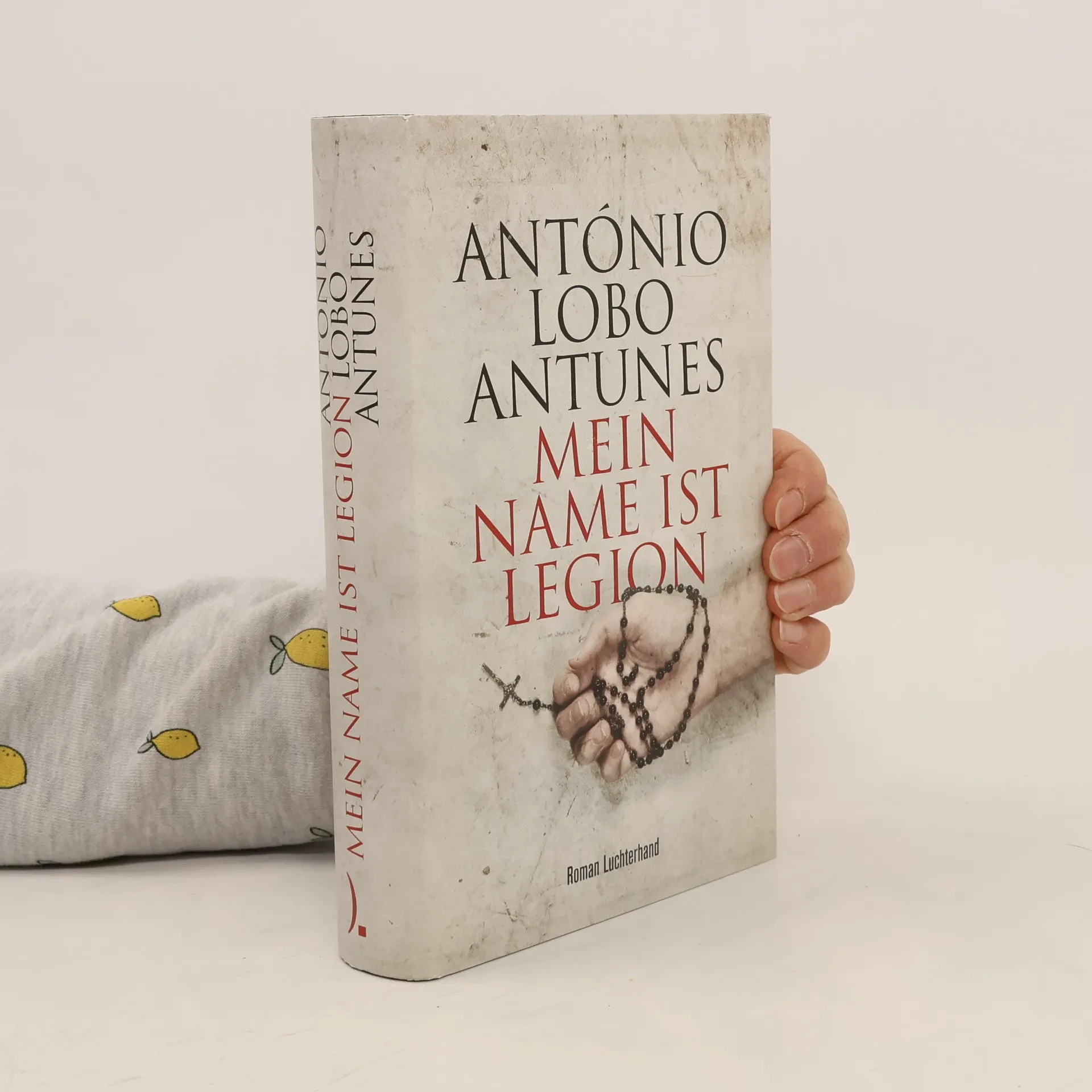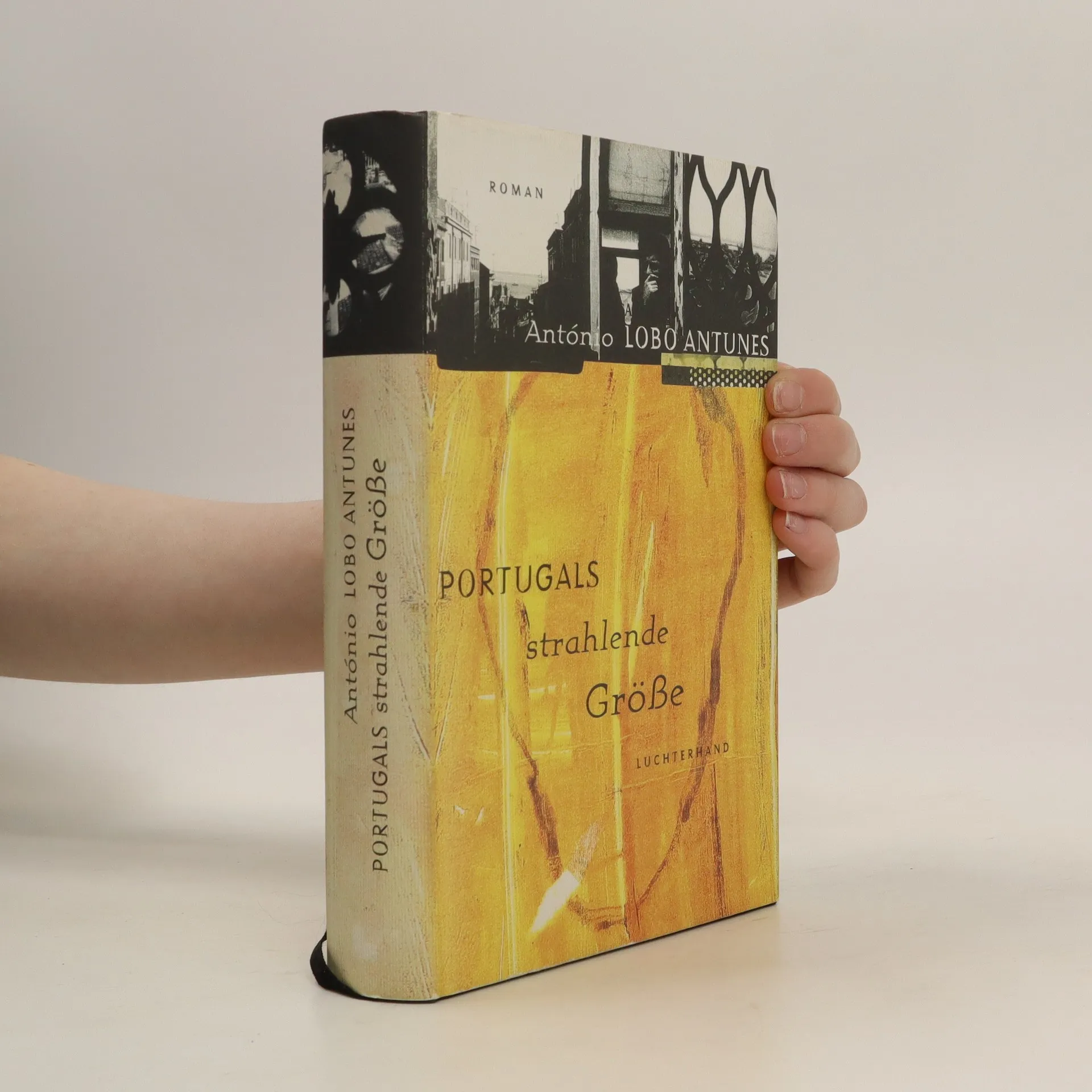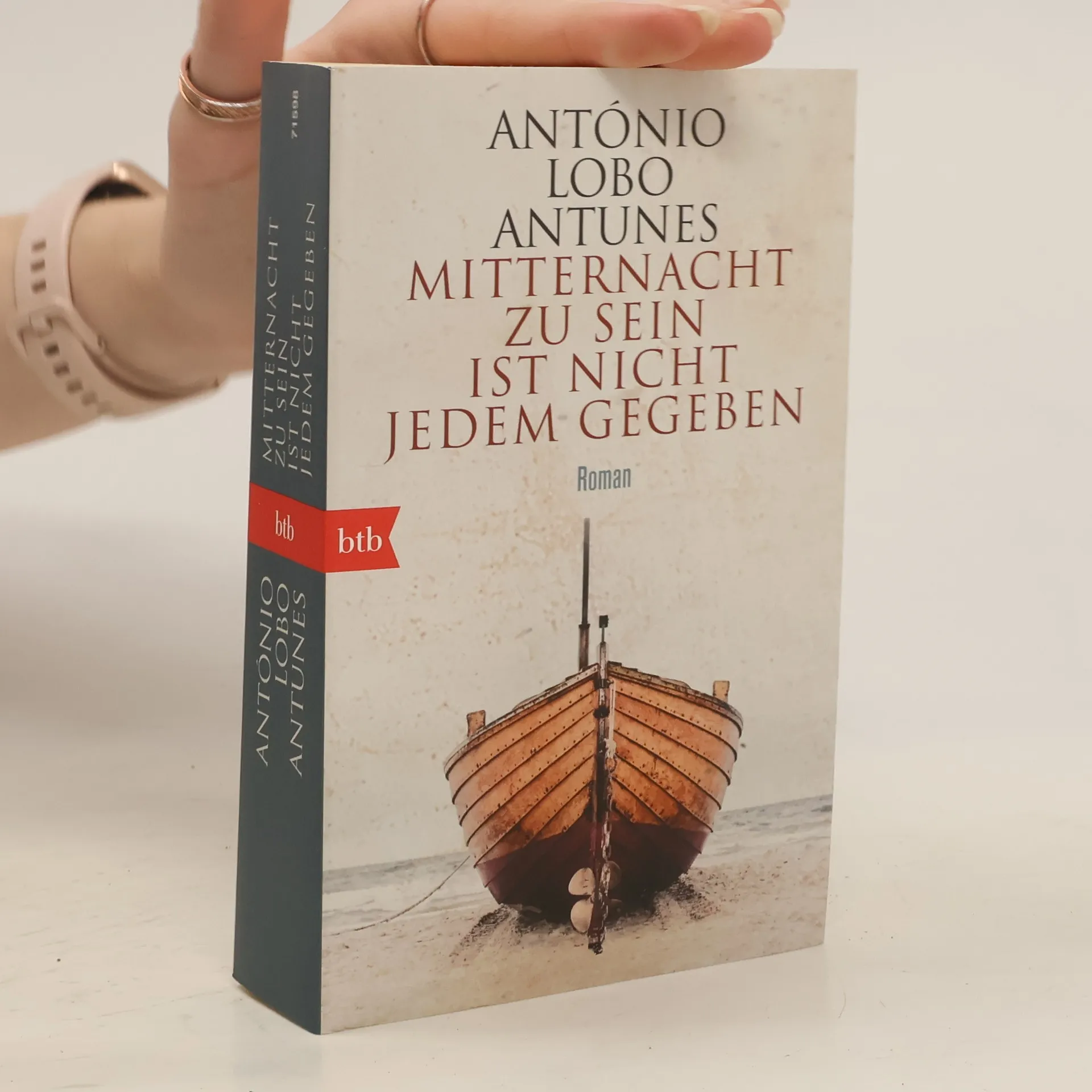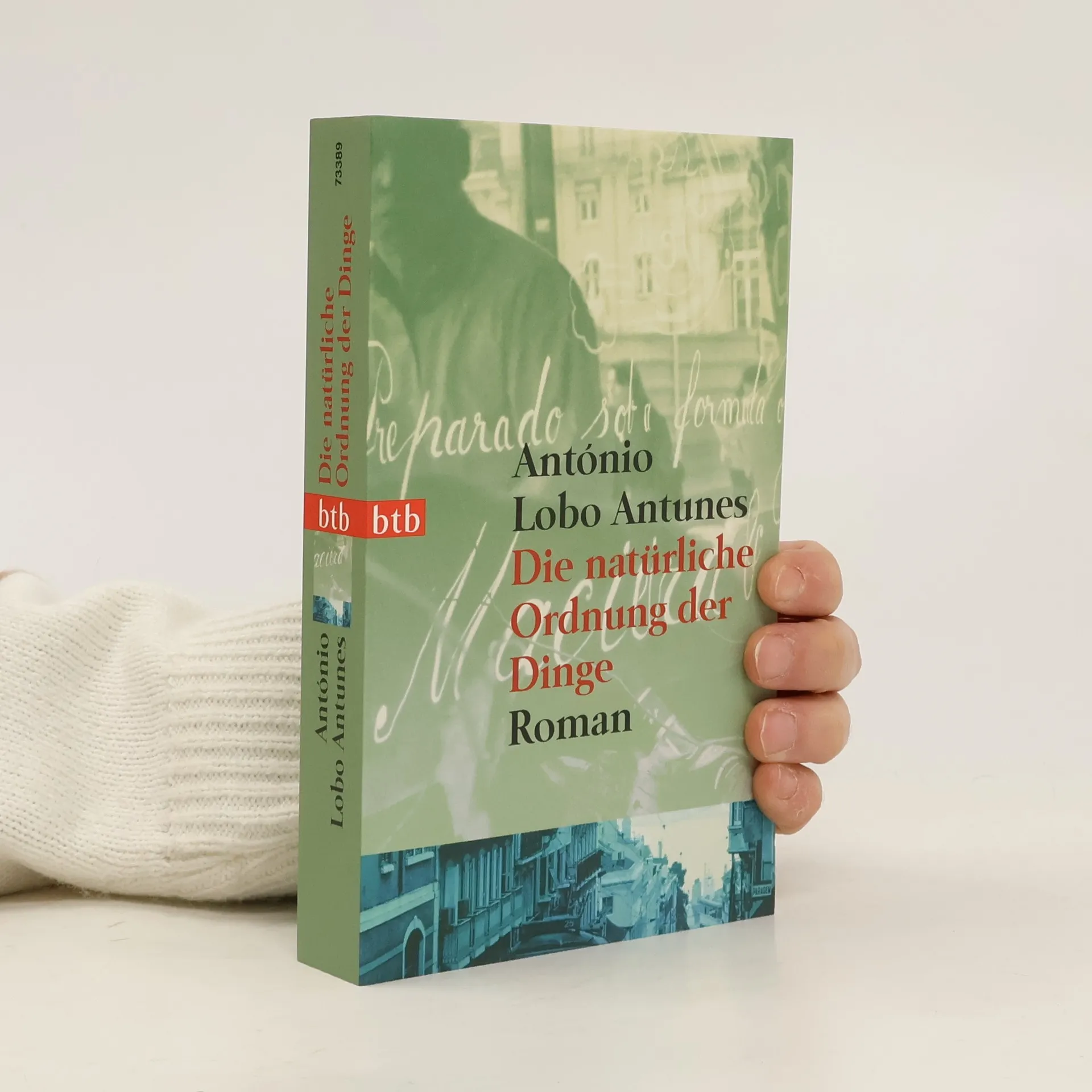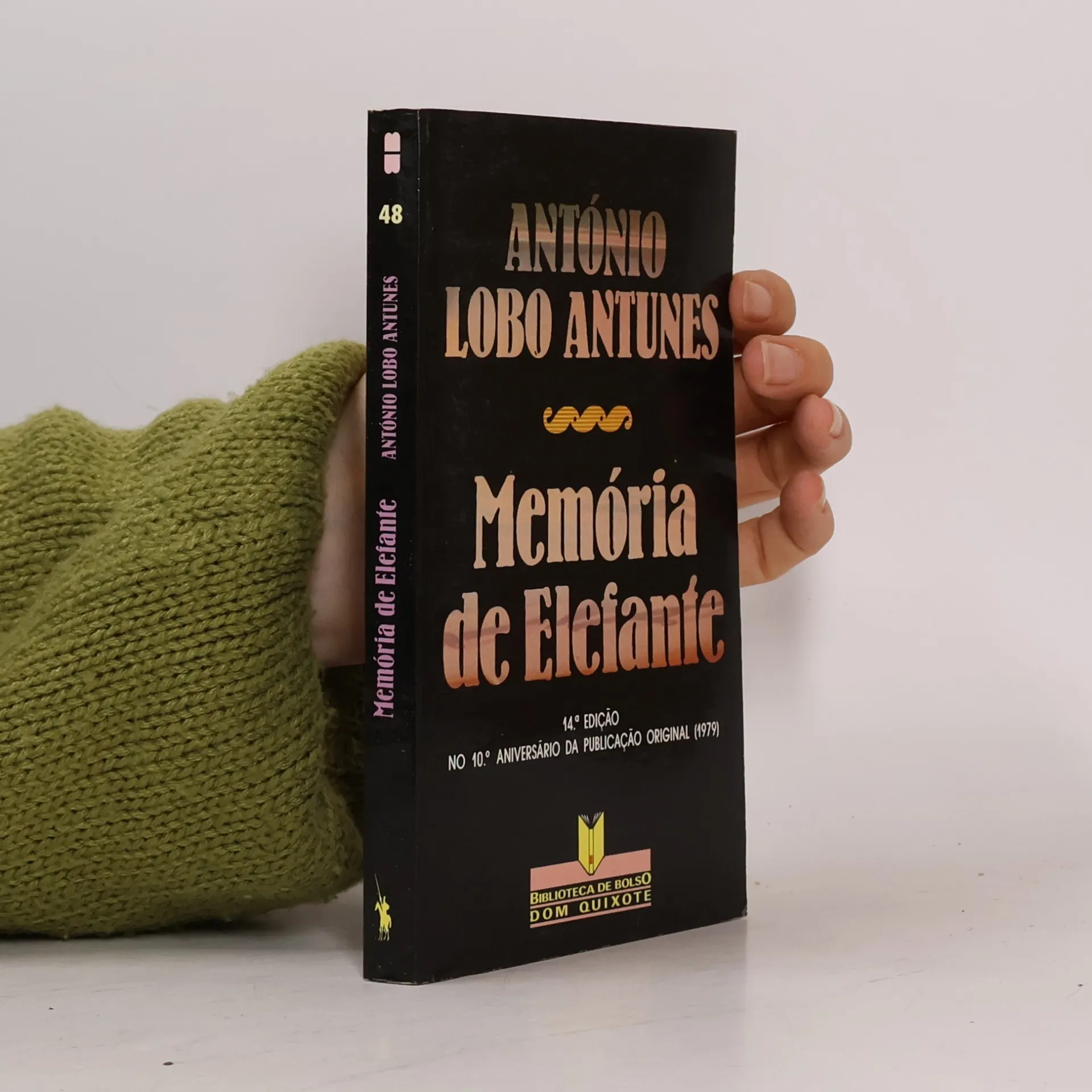
António Lobo Antunes ha creato un'eredità letteraria profondamente segnata dalle sue esperienze nella guerra d'Angola e dalla sua vita come psichiatra. La sua prosa densa e impegnativa, fortemente influenzata da giganti letterari come William Faulkner e James Joyce, affronta temi profondi come la morte, la memoria e la psiche umana con un'intensità incrollabile. L'ampio corpus di opere di Antunes, tradotto in numerose lingue, rappresenta un contributo significativo e avvincente alla letteratura contemporanea.
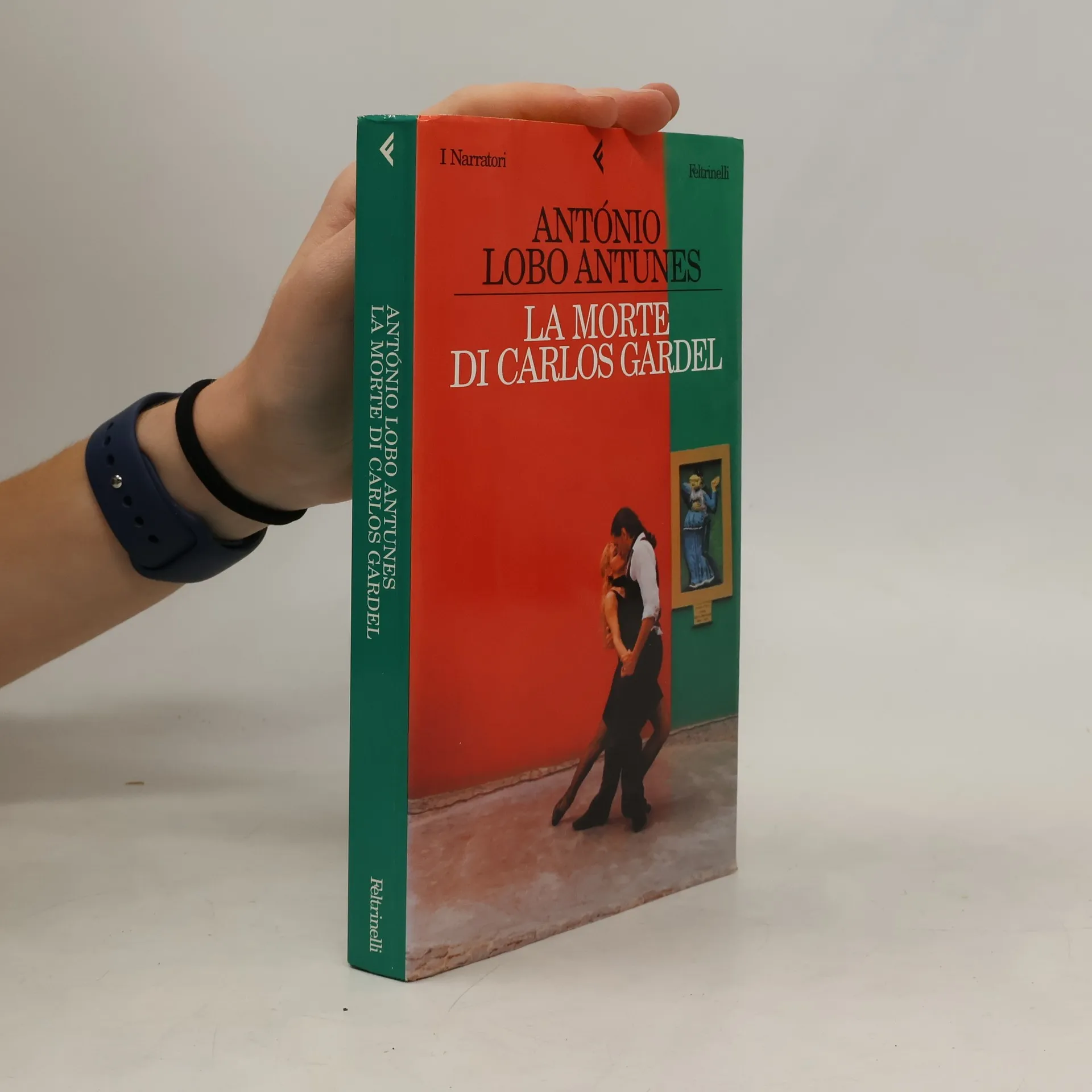
Alvaro è un ammiratore ossessivo di Carlos Gardel e vive immerso in un mondo di suoni inaccessibile agli altri. Sua moglie Claudia lo ha da tempo abbandonato, il figlio Nuño va a pernottare ogni tanto da lui quando la madre vuole stare da sola con il nuovo compagno. Il ragazzo non prova un vero affetto per il padre ed è divorato dalla gelosia nei confronti della madre. La sua infelicità lo porta infine all'eroina ed è attorno al suo letto in ospedale che si riunisce la famiglia. Ma la morte di Nuño non cambia niente e per Alvaro, sempre più solo nel suo rifiuto del mondo, Carlos Gardel diventa l'unica presenza viva.
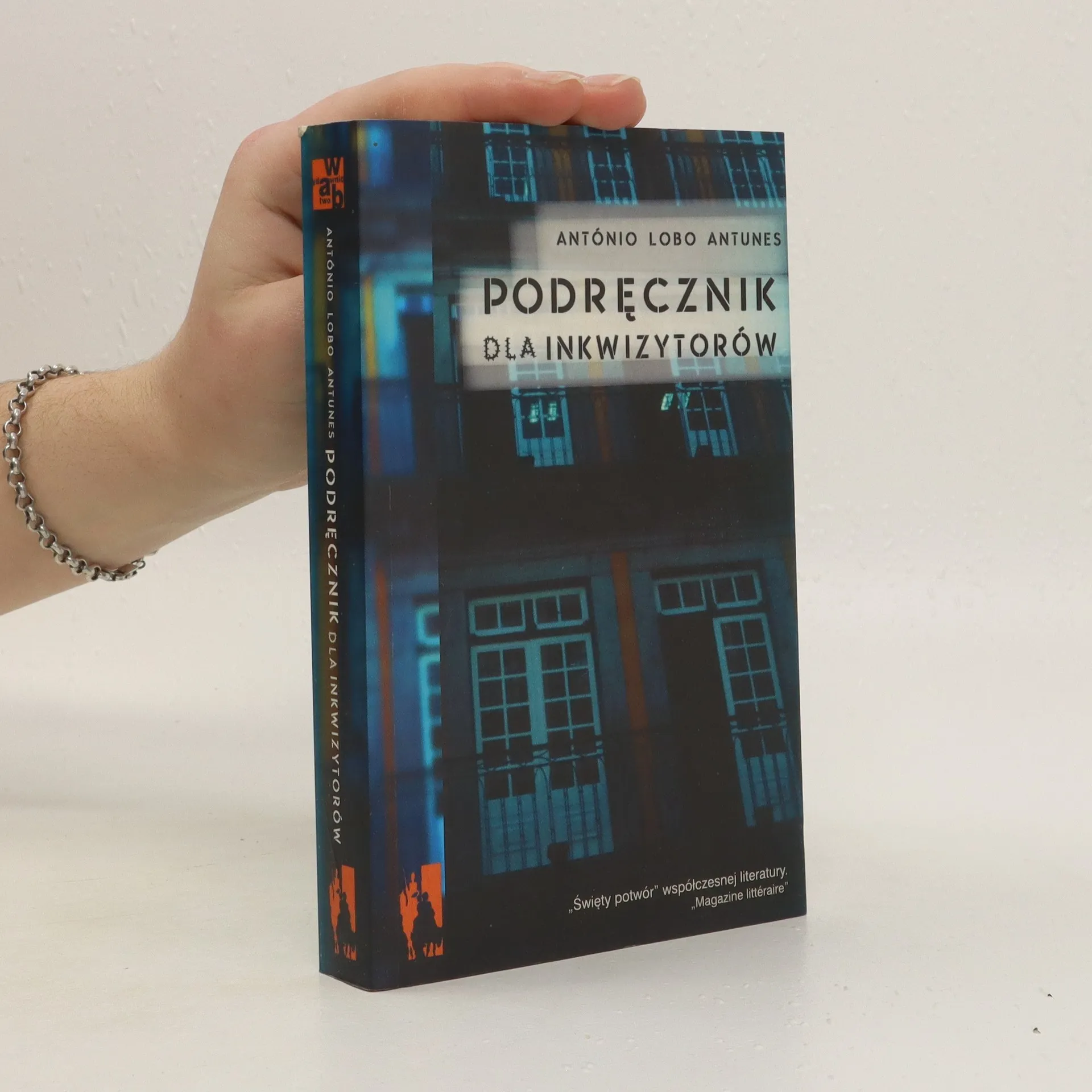
"Il manuale degli inquisitori" è la somma dei resoconti che cinque personaggi, tutti legati fra loro, fanno degli stessi avvenimenti: Joao, ingegnere di origini contadine capitato in una famiglia dell'aristocarazia portoghese che non vuole accettare; Titina, la devota governante del focolare domestico , che coltiva segrete aspirazioni materne; Paula, sorella minore di Joao e figlia illegittima, che passa la sua gioranta ad immaginare una vita che avrebbe potuto essere e che non è stata; Mila, la giovane amante del padre di Joao, attraverso la quale rivive il mito dell'antica sposa; e infine il padre di Joao, potente ministro di Salazar, personaggio simbolo del Portogallo vecchio, che ha vissuto un lungo declino prima di scomparire. A questi resoconti si aggiungono i commenti degli altri personaggi che a mano a mano vengono coinvolti nella narrazione; ritroviamo così la figlia del fittavolo sedotta dal padrone, l'ex moglie di Joao e suo zio , la cuoca di casa, nonché madre di Paula, un veterinario, la terapista del ricovero della Misericordia, un handicappato, un portiere, un ex ufficiale dell'esercito: tutti quanti, con le loro, a volte contradditorie, storie, versioni dei fatti, fanno i conti con se stessi, con il Portogallo. Grazie a questo sapiente intreccio di voci, Lobo Antunes, sullo sfondo della corrotta società portoghese negli anni della dittatura salazarista, ricompone una saga centrata sull'idea della casa tutelare; qui però domina l'assenza di un nucleo famigliare perfetto, completo, quasi a suggerire l'impossibilità della pienezza della realizzazione totale dei propri desideri e delle proprie aspirazioni, essendo ognuno vittima di un destino scritto da altri, contro il quale non si può combattere.
'In this new work by the foremost Portuguese novelist, the reunion of five men on the tenth anniversary of their battalion's return from Mozambique, Portugal's Vietnam, ends in a fatal stabbing - which ultimately serves as an act of liberation for the corrupt city of Lisbon.' Newsday
António Lobo Antunes' eleventh novel intricately explores the decline of a family and society under four decades of totalitarianism. The protagonist, Senhor Francisco, a powerful state minister and confidant of Salazar, anticipates becoming prime minister after Salazar's stroke in 1968. However, he is passed over for Marcelo Caetano, prompting him to retreat to his farm in Setúbal, where he plots a coup with other disgruntled ex-ministers and old army officers. Ultimately, it is younger officers who execute the peaceful Revolution of the Flowers in 1974, ending the dictatorship. Paranoid and isolated, Francisco accuses his farm workers of communism and drives them away, left alone to defend his crumbling estate against imagined threats.
The narrative begins with Francisco in a nursing home, paralyzed and reflecting on his life. His only true love was his wife Isabel, who left him when their son João was young. Francisco's relationships with various women fail to fill the void left by Isabel. He becomes obsessed with a shop girl, Milá, who resembles her, creating a farcical illusion of a family life. As the regime collapses, the fallout affects all around him, including Milá and her mother, who return to despair, and his children, who face their own struggles. Isabel, too, is left alone, a casualty of love rather than politics.
In contrast, Titina, the housekeeper, emerges as a symbol of hope. Unattractive and uneducated, sh
The winner of the Portuguese Writers' Association Grand Prize for Fiction presents a febrile, funny, sometimes shocking story, about the greedy son-in-law of an ailing Portuguese tycoon and his efforts to steal the family fortune.
Set against the backdrop of the Angolan Civil War, this novel explores the complexities of post-colonial Angola following its independence in 1975. It delves into the ethnic tensions and international pressures that complicate the nation’s transition, highlighting the power struggles among three main liberation movements. The narrative intricately weaves the historical context of the People's Movement for the Liberation of Angola (MPLA), its roots, and its connections to broader geopolitical influences, reflecting on the socio-economic challenges faced by the country.
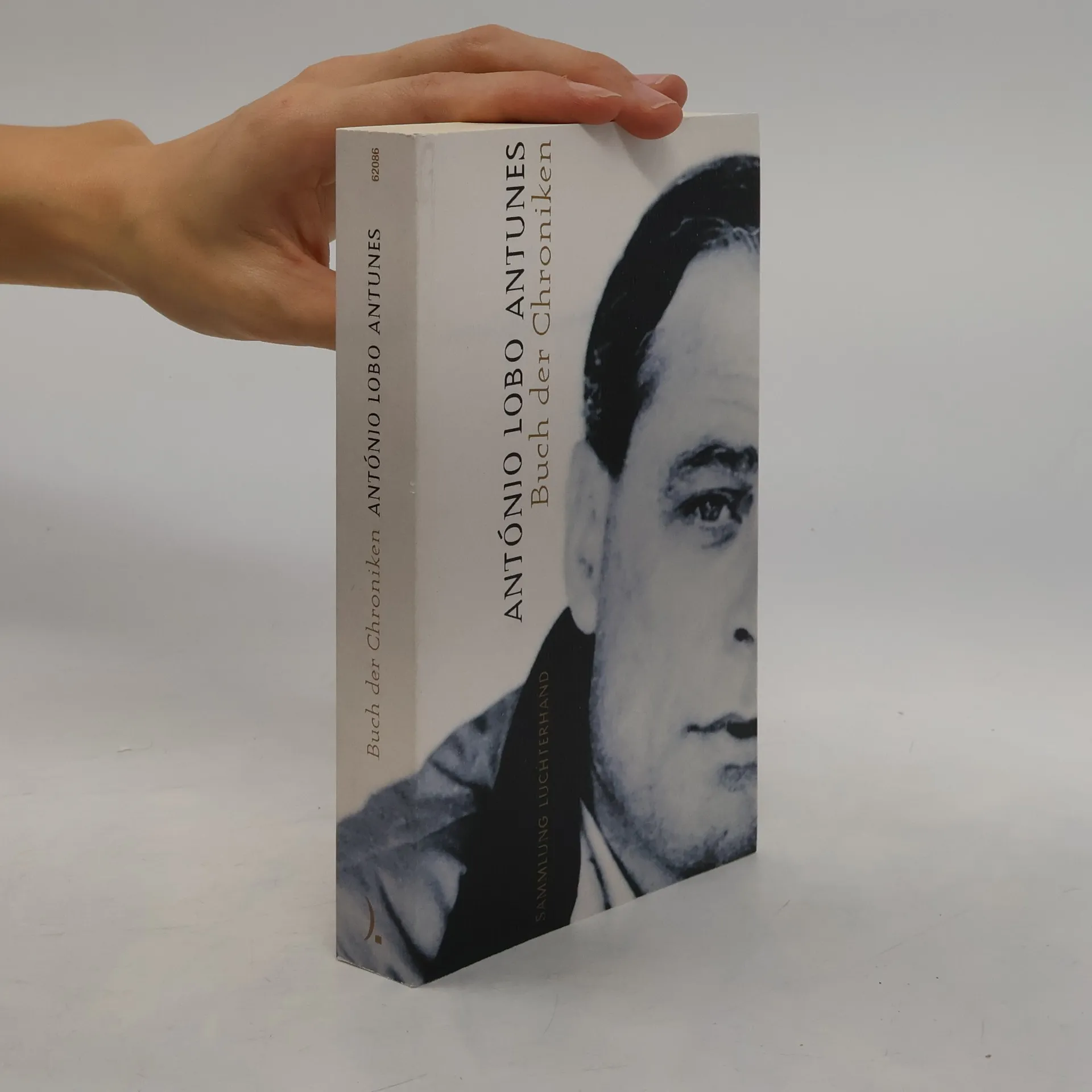
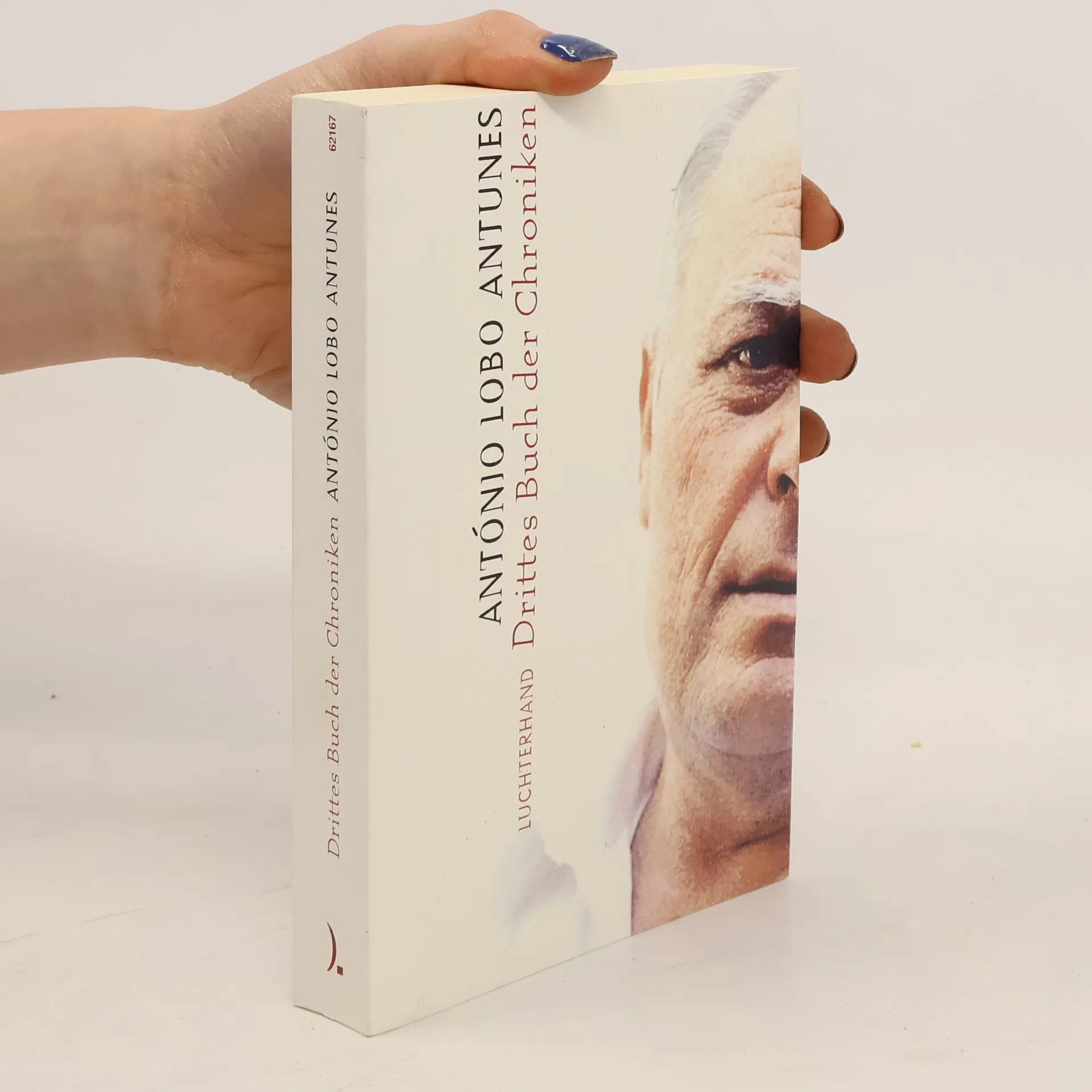
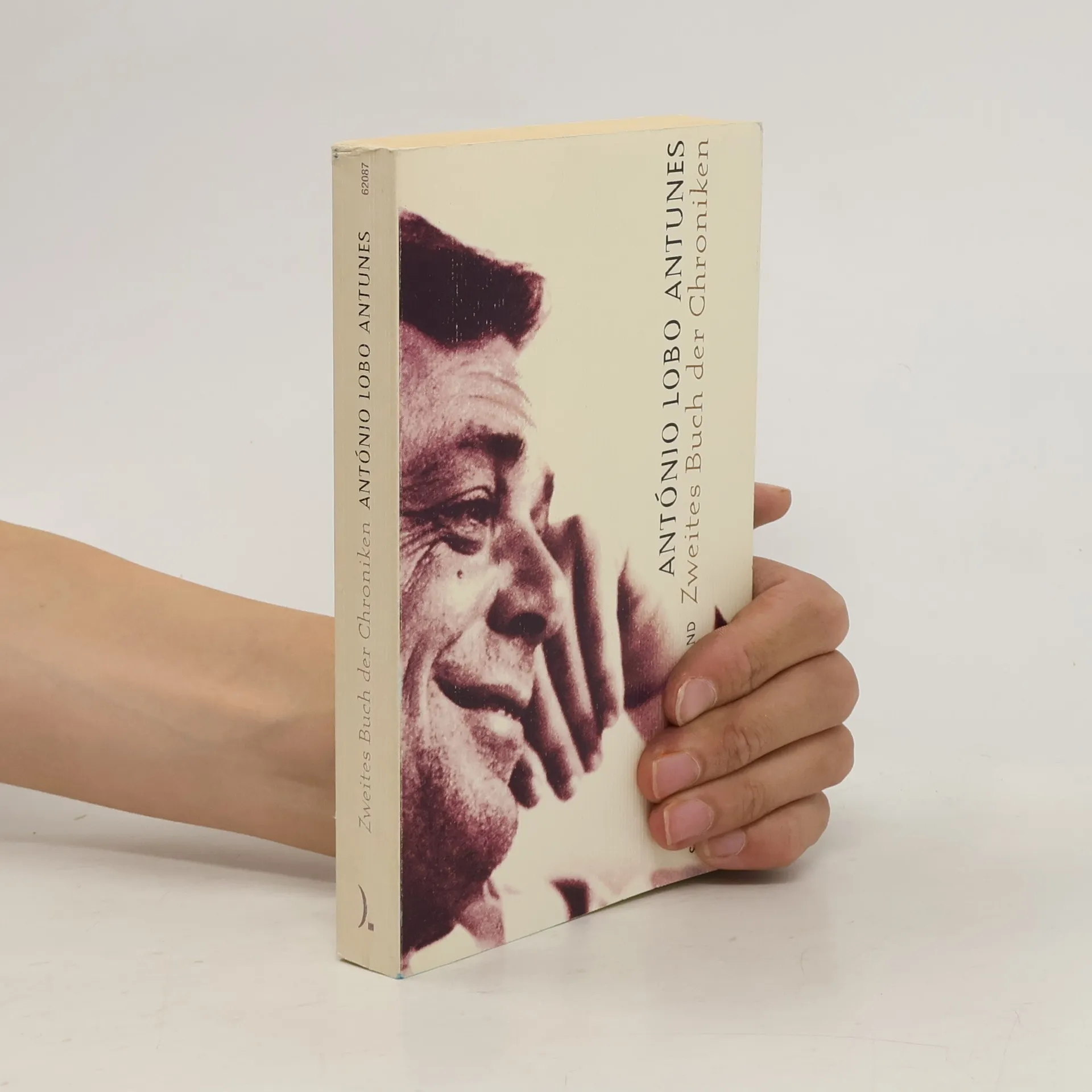
In diesen kurzen, ursprünglich für eine portugiesische Tageszeitung geschriebenen Geschichten zeigt sich Lobo Antunes, der in seinen Romanen die Abgründe der menschlichen Seele erforscht, von seiner sonnigen Seite. Heitere Episoden aus der Kindheit, Spazi
Weise und leicht, traurig und poetisch, erbarmungslos und ironisch António Lobo Antunes ganz In 69 kleinen Geschichten, Phantasien und Reflexionen spricht der Autor von Kindheits- und Lebenserinnerungen, von Krankheit und Tod, von der Literatur und seiner Sicht auf die Welt. Er denkt über Sherlock Holmes und Virginia Woolf nach, über die Verbindung von Geld und Seele, die Harmonie der Welt, über die portugiesische Landschaft und über die Liebe.