
10 libri per 10 euro qui
Bookbot

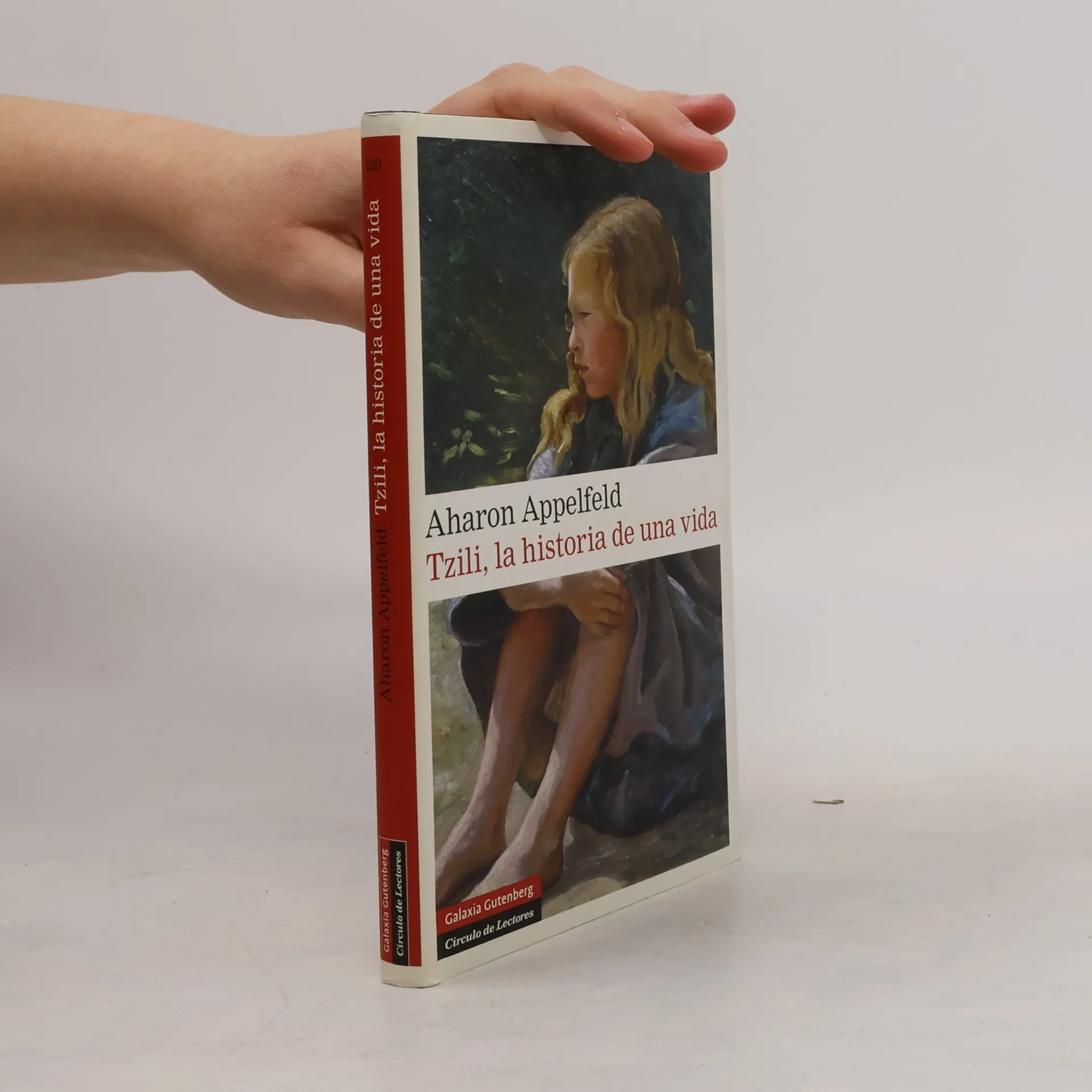
Aharon Appelfeld

    16 febbraio 1932 – 4 gennaio 2018

    Aharon Appelfeld è ampiamente celebrato per i suoi profondi contributi alla letteratura, esplorando le complessità dell'esperienza umana con eccezionale profondità e sfumature. Il suo vasto corpus di opere approfondisce temi di memoria, identità e sopravvivenza, spesso ambientati sullo sfondo di sconvolgimenti storici. La prosa distintiva di Appelfeld è caratterizzata dalla sua qualità lirica e dalla sua capacità di evocare emozioni potenti, rendendo le sue narrazioni sia toccanti che indimenticabili. È riconosciuto a livello globale per i suoi significativi successi letterari e il suo duraturo impatto sulla narrativa contemporanea.

    Aharon Appelfeld
    The Conversion
    Poland, a Green Land
    The Man Who Never Stopped Sleeping
    Badenheim 1939
    The Story of a Life
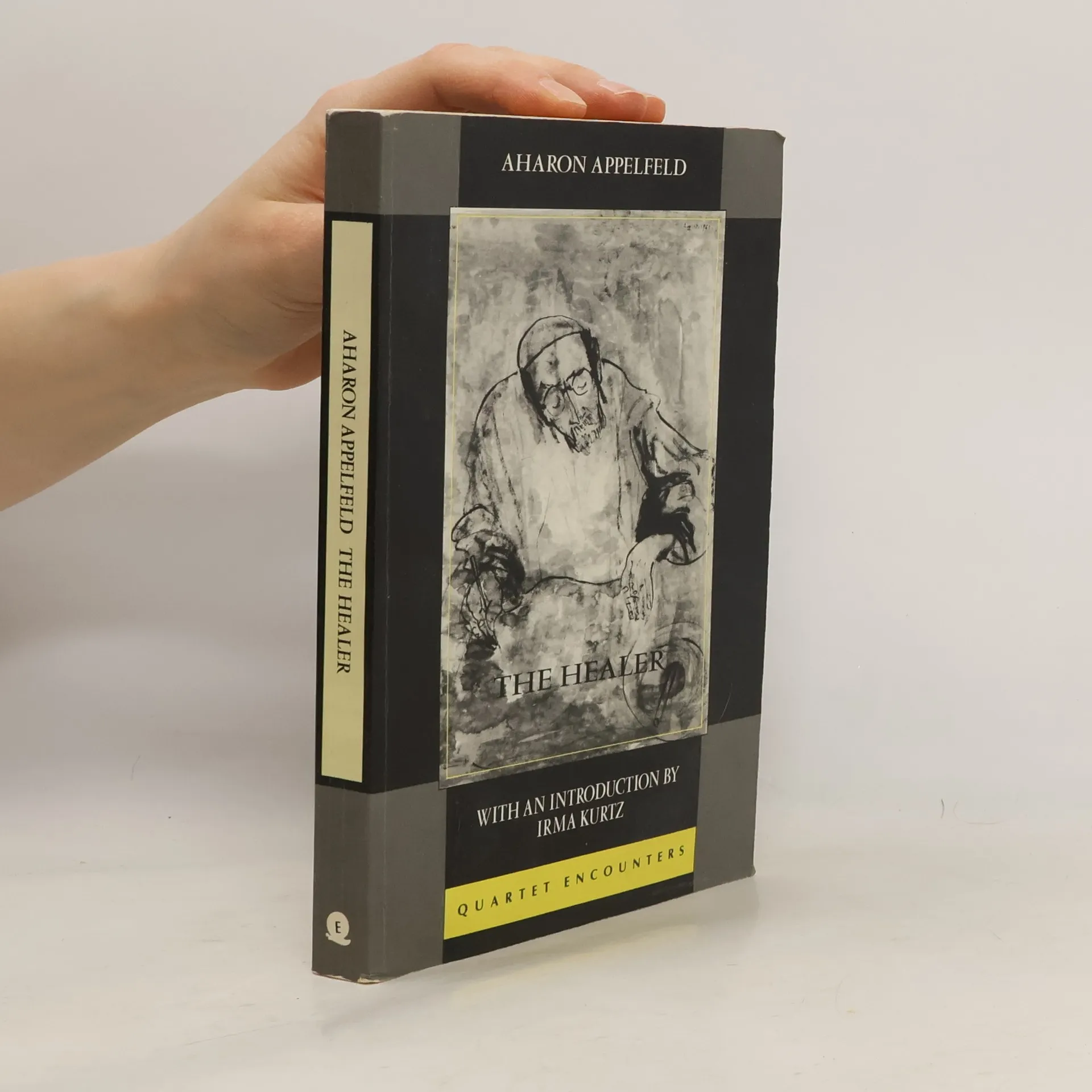
    To the Edge of Sorrow
    • To the Edge of Sorrow

      • 468pagine
      • 17 ore di lettura

      Battling numbing cold, ever-present hunger, and German soldiers determined to hunt them down, four dozen resistance fighters--escapees from a nearby ghetto--hide in a Ukrainian forest, determined to survive the war, sabotage the German war effort, and rescue as many Jews as they can from the trains taking them to concentration camps. Their leader is relentless in his efforts to turn his ragtag band of men and boys into a disciplined force that accomplishes its goals without losing its moral compass. And so when they're not raiding peasants' homes for food and supplies, or training with the weapons taken from the soldiers they have ambushed and killed, the partisans read books of faith and philosophy that they have rescued from abandoned Jewish homes, and they draw strength from the women, the elderly, and the remarkably resilient orphaned children they are protecting. When they hear about the advances being made by the Soviet Army, the partisans prepare for what they know will be a furious attack on their compound by the retreating Germans. In the heartbreaking aftermath, the survivors emerge from the forest to bury their dead, care for their wounded, and grimly confront a world that is surprised by their existence--and profoundly unwelcoming

      To the Edge of Sorrow
    • Aharon Appelfeld was the child of middle-class Jewish parents living in Romania at the outbreak of World War II. He witnessed the murder of his mother, lost his father, endured the ghetto and a two-month forced march to a camp, before he escaped. Living off the land in the forests of Ukraine for two years before making the long journey south to Italy and eventually Israel and freedom, Appelfeld finally found a home in which he could make a life for himself. Acclaimed writer Appelfeld’s extraordinary and painful memoir of his childhood and youth is a compelling account of a boy coming of age in a hostile world.

      The Story of a Life
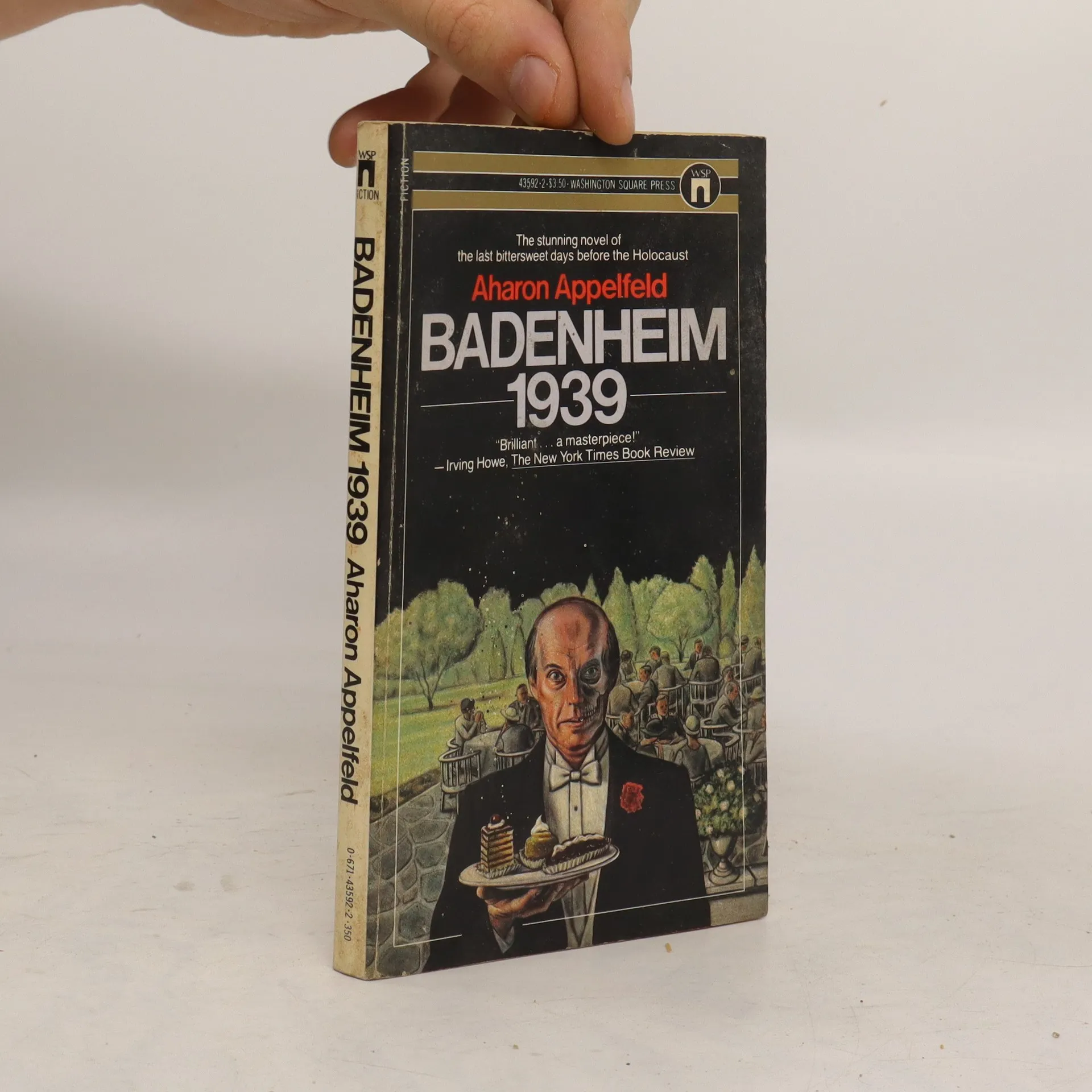
    • It is the spring of 1939. In months Europe will be Hitler's, and Badenheim, a resort town vaguely in the orbit of Vienna, is preparing for its annual summer season. Soon the vacationers arrive, as they always have, a sample of Jewish middle-class life. The story unfolds as a matter-of-factly as a Chekhov play, its characters so deeply held by their defensive trivia that they manage to misconstrue every signal of their fate, until these signals take on the lineaments of disaster. "The writing flows seamlessly...a small masterpiece." Irving Howe, NEW YORK TIMES BOOK REVIEW "As real as Kafka's unnamed Prague...imbued with a Watteau-like melancholy." Gabriel Annan, NEW YORK REVIEW OF BOOKS "Magical...gliding from a kind of romantic realism into universal allegory." Peter Prescott, NEWSWEEK "The sorcery of Badenheim 1939 [lies in] the success with which the author has concocted a drab narrative involving rather ordinary characters and made their experienced profoundly symbolic yet never hollow." Christopher Lehmann-Haupt, NEW YORK TIMES

      Badenheim 1939
    • Poland, a Green Land

      • 240pagine
      • 9 ore di lettura

      A Tel Aviv shopkeeper embarks on a journey to his parents' Polish birthplace, seeking to understand their complex legacy, but is unprepared for the realities he encounters. Yaakov Fine's practical wife and daughters are puzzled by his decision to leave his successful dress shop for a ten-day trip to Szydowce, his family's ancestral village. Struggling with midlife depression, he is drawn to the stories of his parents' idyllic hometown before 1939, while the horrors that followed remain unspoken. Upon arriving in Krakow, Yaakov enjoys the charming cafes and relaxed atmosphere, a stark contrast to Tel Aviv. His enchanting landlady, Magda, shares her family's tragic history, deepening his connection to the past. However, when he seeks to reclaim desecrated tombstones stolen from the Jewish cemetery, a starkly different Poland emerges, shattering his romanticized view of the town and its people. This confrontation reveals the tragic reality of Jewish life in Poland, both historically and in contemporary times. Through this journey of revelation and reconciliation, the narrative explores the complexities of memory and identity, resonating with powerful universal themes.

      Poland, a Green Land
    • The Conversion

      A novel

      • 240pagine
      • 9 ore di lettura

      Set in an Austrian city before the Holocaust, the narrative follows Karl, a young civil servant whose recent conversion to Christianity is intended to secure a high government position. However, as he faces a political crisis, his past resurfaces, challenging his beliefs and forcing him to confront his identity. The story explores themes of faith, ambition, and the complexities of personal choices against a backdrop of societal upheaval.

      The Conversion
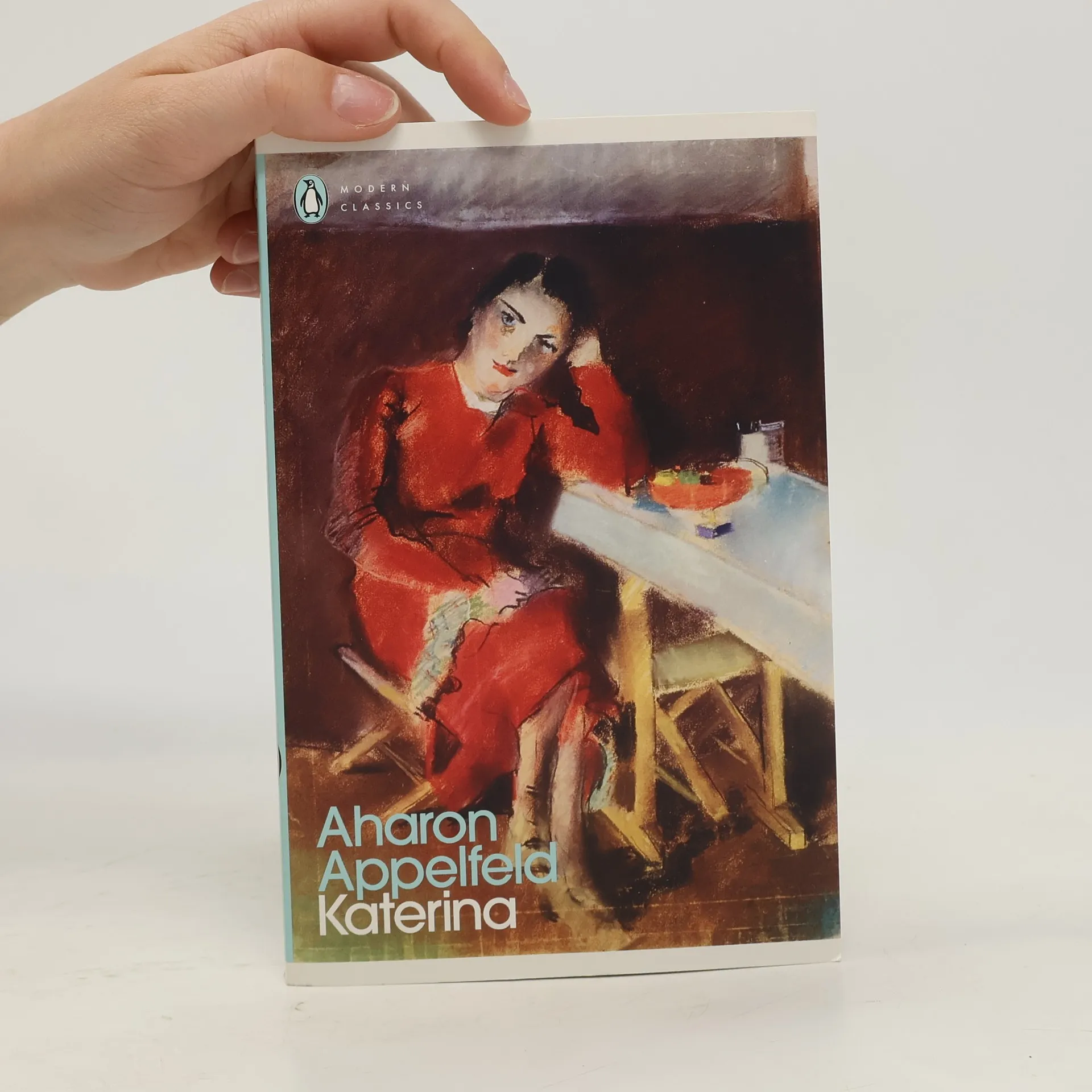
    • The teenage Katerina flees her abusive home in a poor, Christian village in the 1880s, finding work and shelter in the home of a Jewish family, and in the warmth of their family life and beauty of their Jewish rituals she begins to know safety for the first time. Their life is brutally disrupted when a pogrom is wrought upon the family, and Katerina finds herself alone again. Decades later, having suffered and retaliated for that suffering, she looks out of the window of her prison cell and sees the trains carrying Jews across Europe. Released from prison into the chaos following the end of World War II, a now elderly Katerina is devastated to find a world that has been emptied of its Jews and that is not at all sorry to see them gone. Ever the outsider, Katerina realizes that she has survived only to bear witness to the fact that they had ever existed at all. A rare glimpse into Jewish and gentile life in Eastern Europe in the nineteenth century, Katerina explores the long origins of the Holocaust, alongside darkness and light, cruelty and mercy.

      Katerina
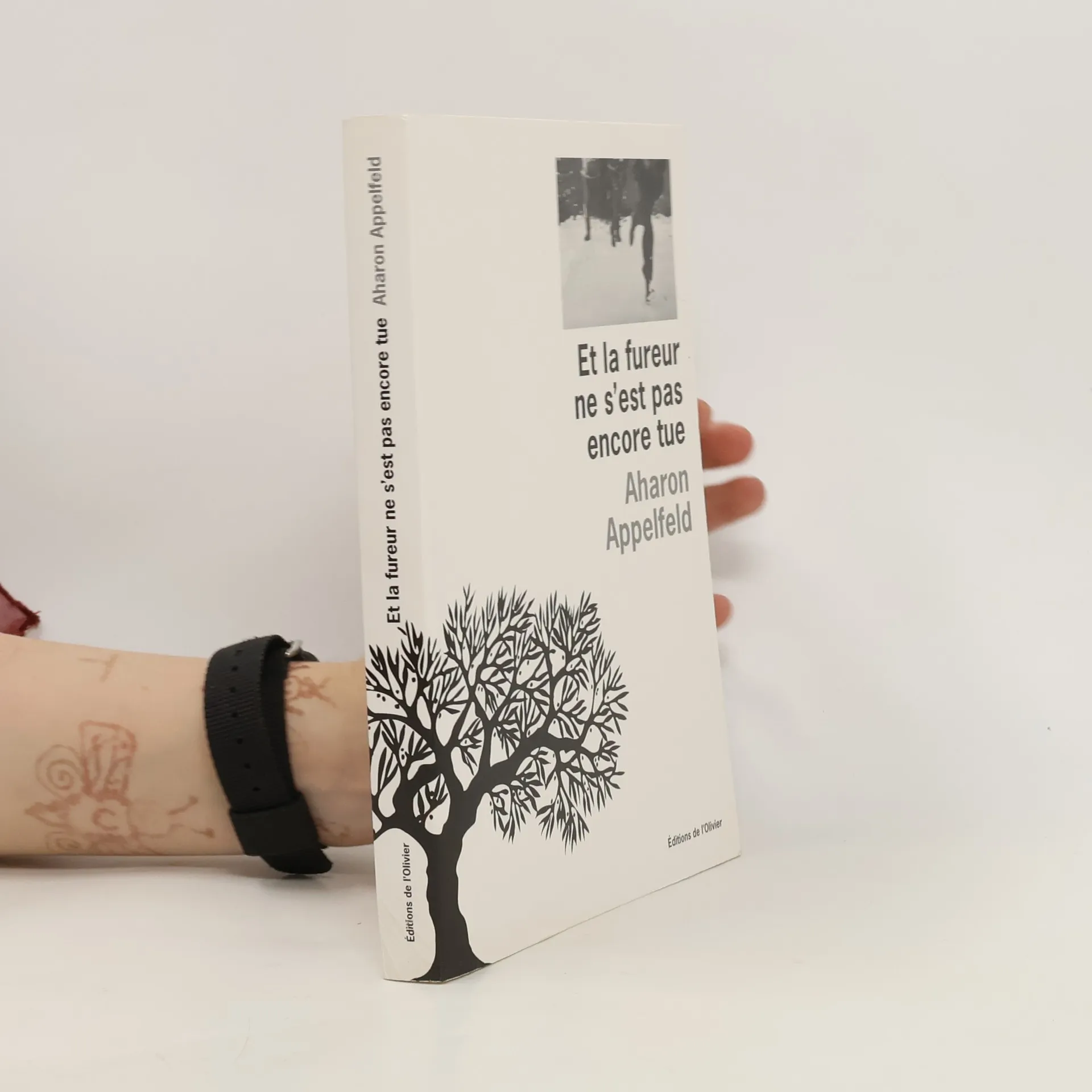
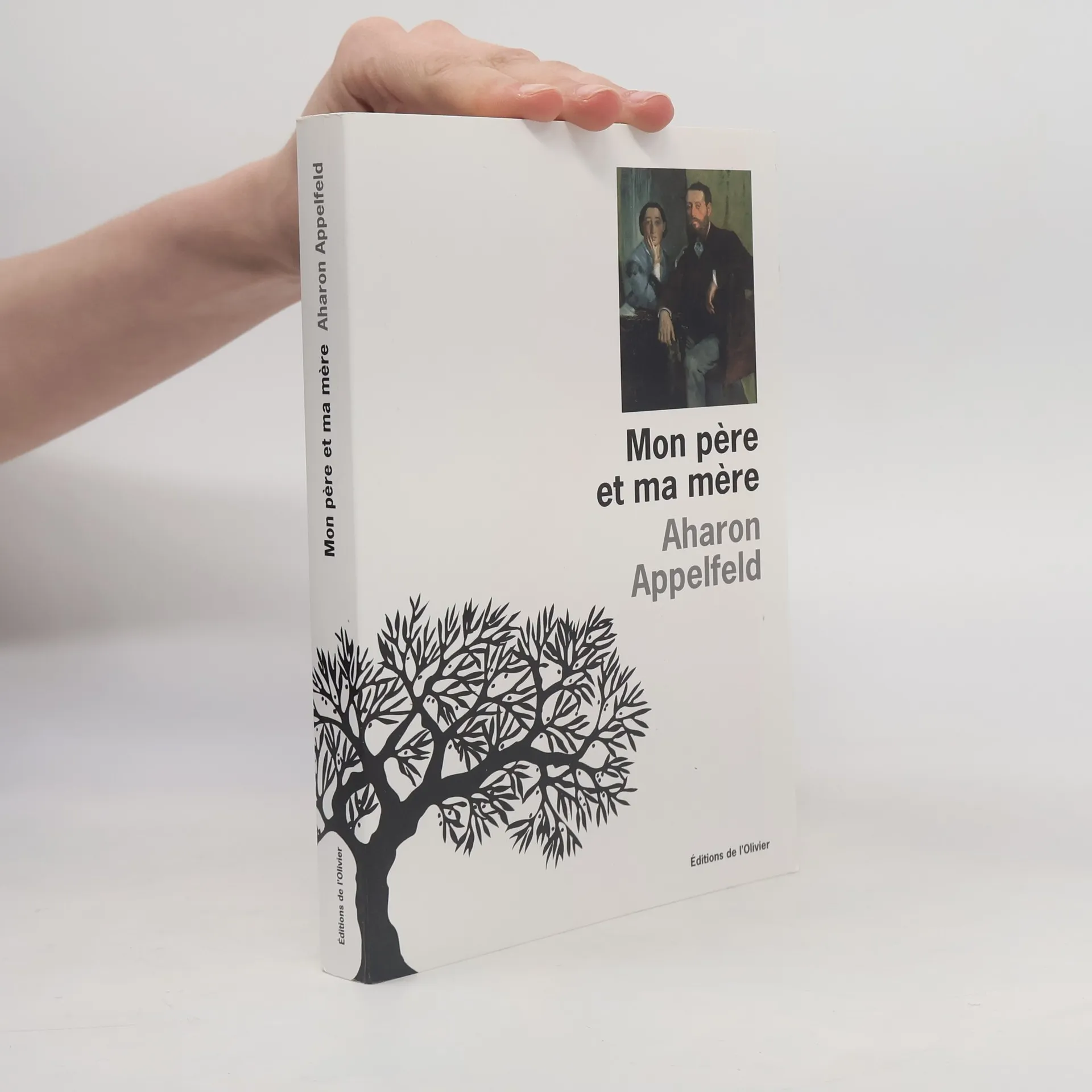
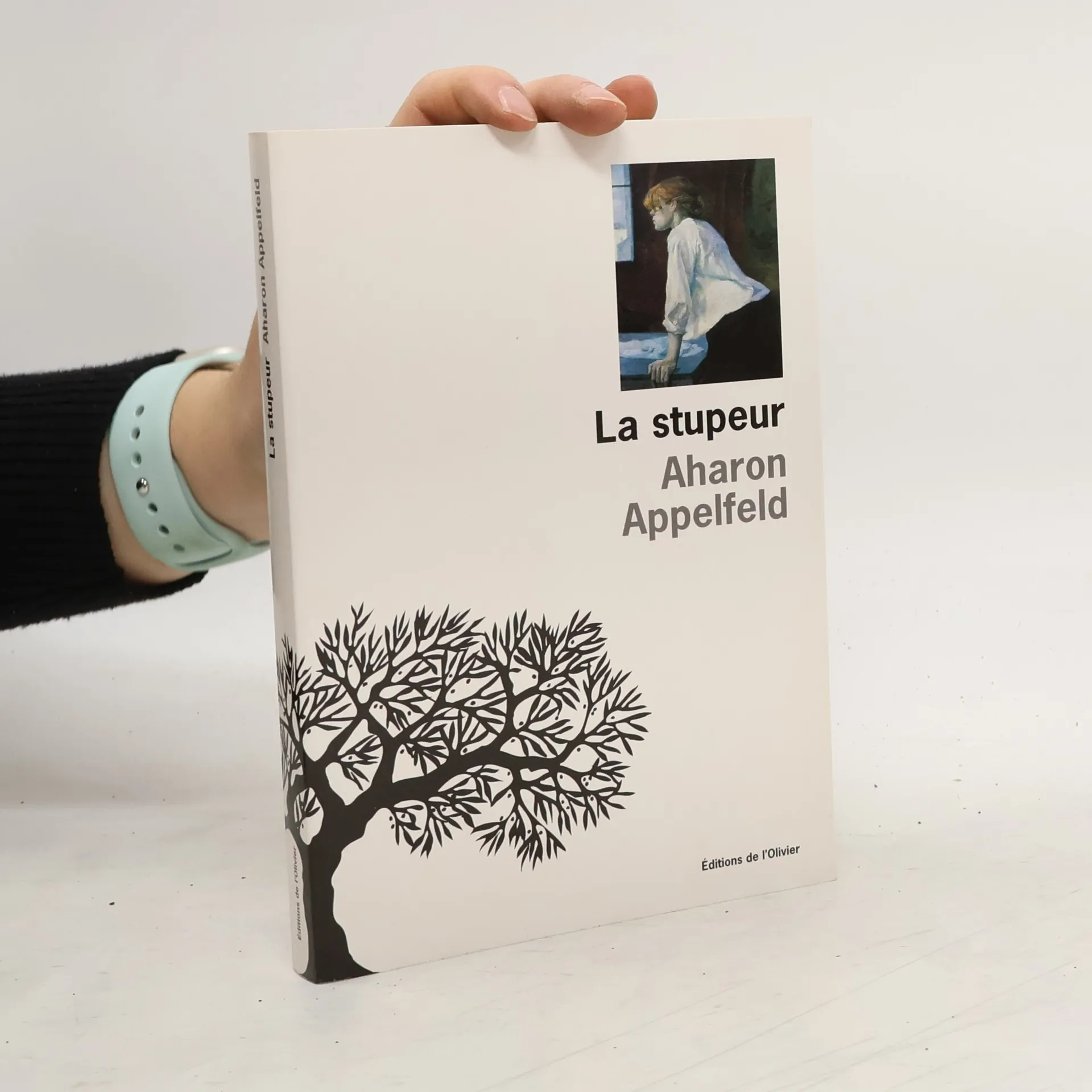
    • A cinquante ans, Bruno Brumhart revient sur sa vie. Une enfance confortable, chérie par ses parents, des juifs communistes, un mystérieux accident dont il n'a aucun souvenir et qui l'a privé d'une main, et l'innommable : le ghetto, la déportation, sa fuite du camp et son errance dans la forêt. Comment retourner dans un monde qui a ordonné, ou laissé faire, la destruction des siens ? Bruno sait que seule la force d'une profonde fraternité peut apporter la dignité indispensable pour survivre. Il décide alors de transformer un château, qu'il a acheté près de Naples, en lieu d'accueil pour les autres survivants, d'en faire une "étape" sur le chemin du retour.

      Et la fureur ne s'est pas encore tué
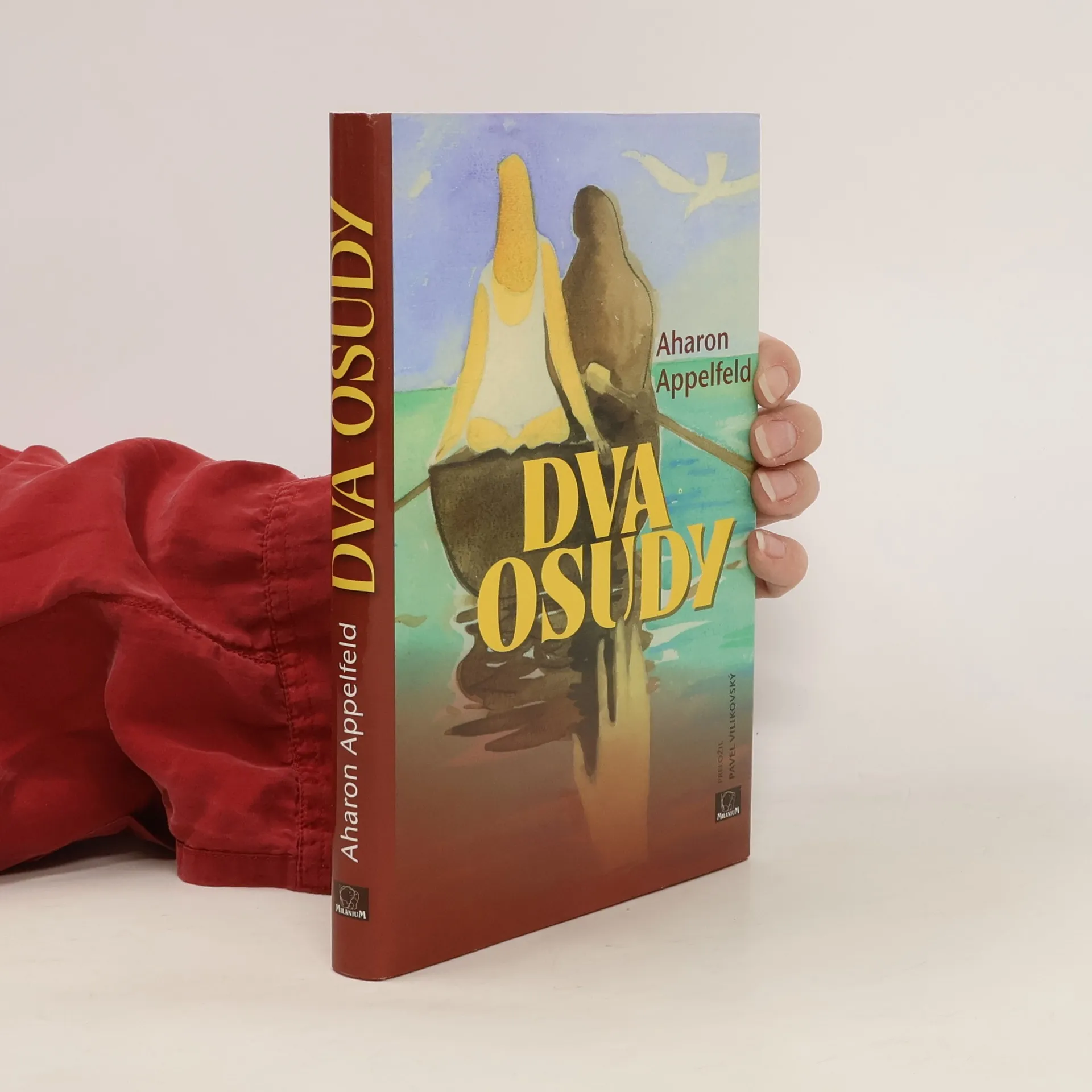
    • Dva osudy

      • 240pagine
      • 9 ore di lettura

      Dve novely - Cili a Katerina - tvoria knihu Dva osudy izraelského spisovateľa Aharona Appelfelda. Ich protagonistkami sú dve mladé ženy (Židovka a Rusínka) a dejiskom príbehov je širšia oblasť Bukoviny, územia patriaceho v dobe príbehu, teda cez druhú svetovú vojnu, k Rumunsku (dnes patrí Ukrajine). Nepredstieram, že som zvestovateľ, kronikár vojny či vševedko. Dejiny sú podľa mňa iba pokrmom pre literatúru. A literatúra, to je prítomnosť, čo trvá nie v novinárskom zmysle, ale ako pokus dostať čas do pokračujúcej prítomnosti. Kedykoľvek hovoríš o tých časoch, zmocňuje sa ťa pocit, že to všetko je neuveriteľné. Opisuješ, čo sa stalo, no zároveň neveríš, že čosi také sa mohlo stať práve tebe. Nepoznám chvíľu, keď by som sa za niečo väčšmi hanbil.

      Dva osudy