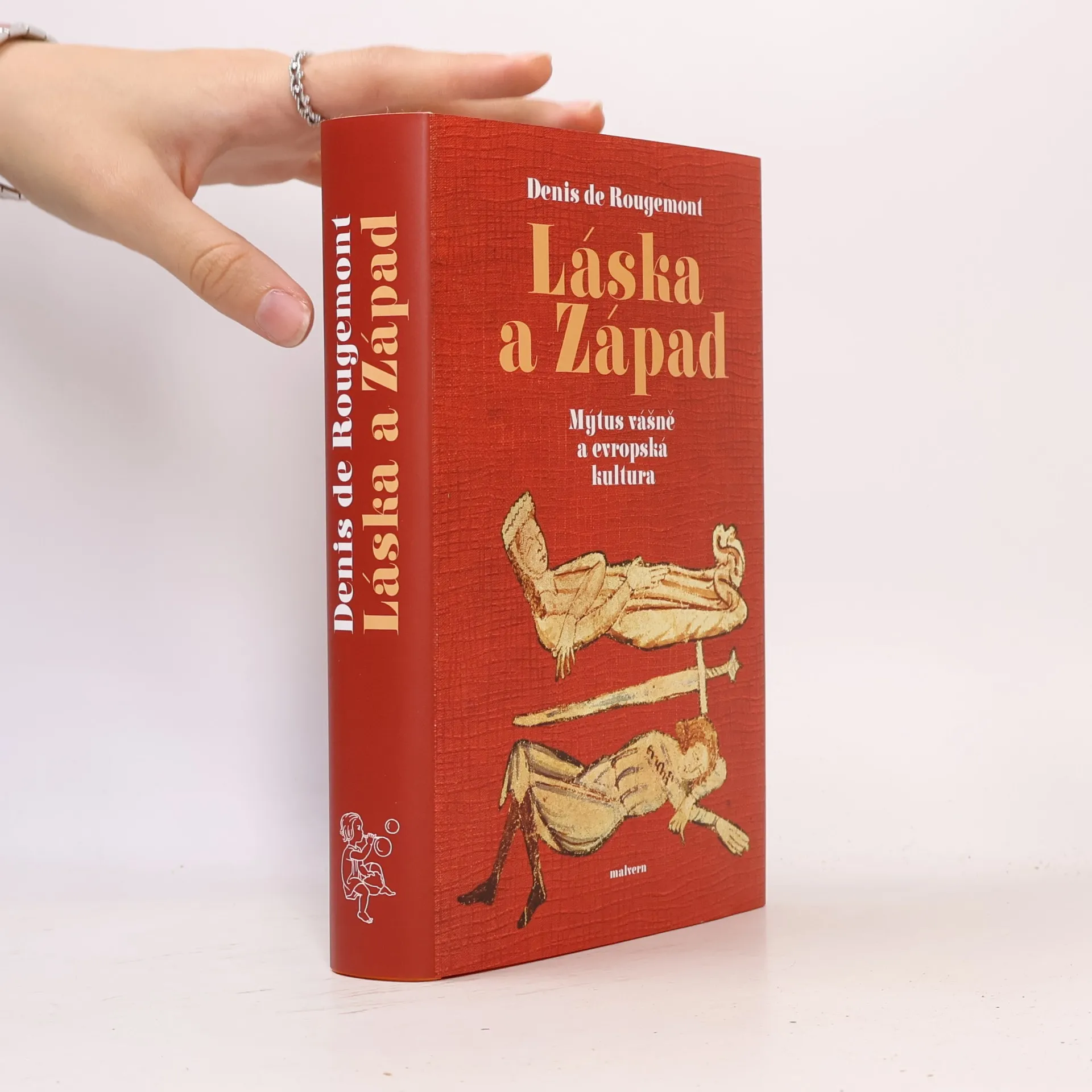
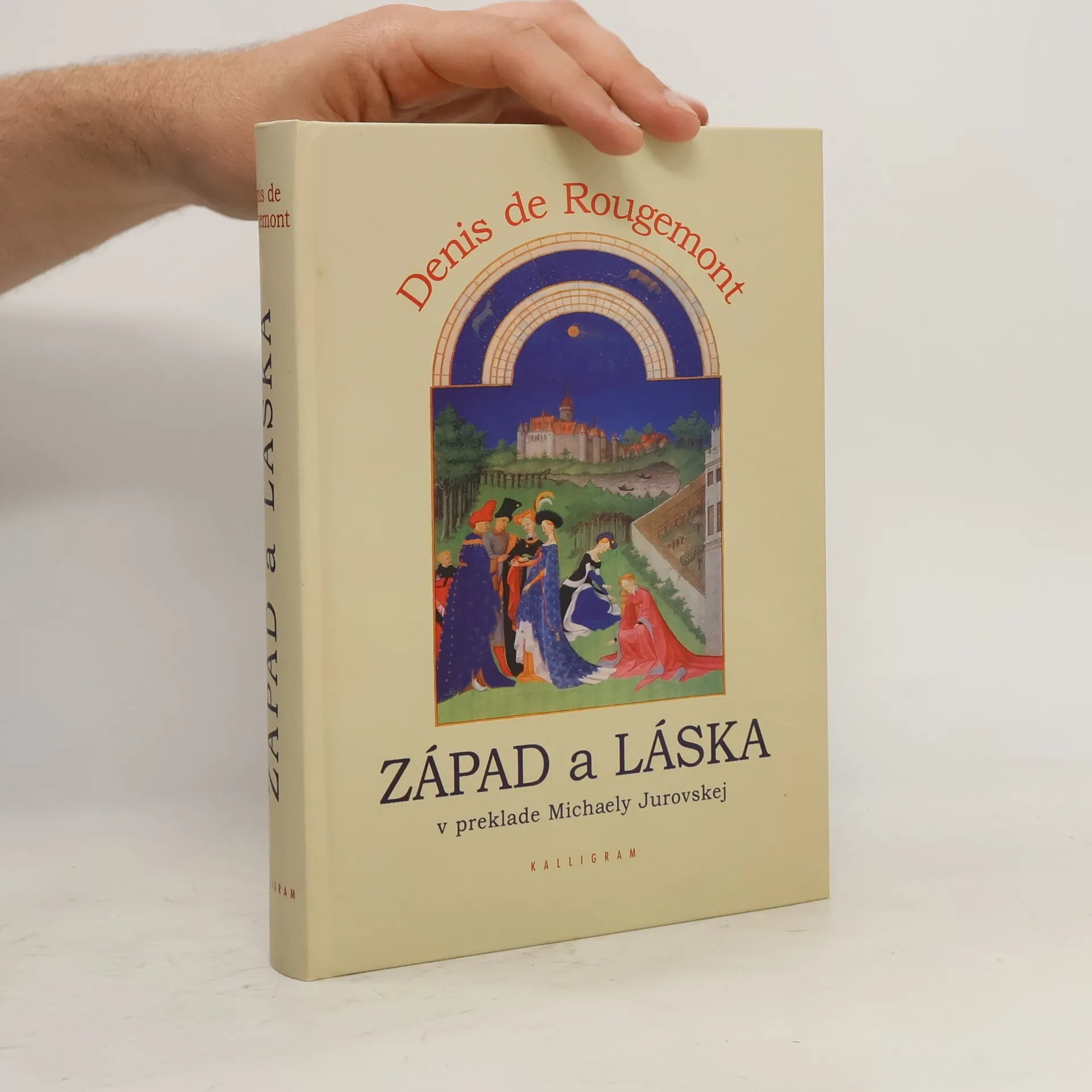
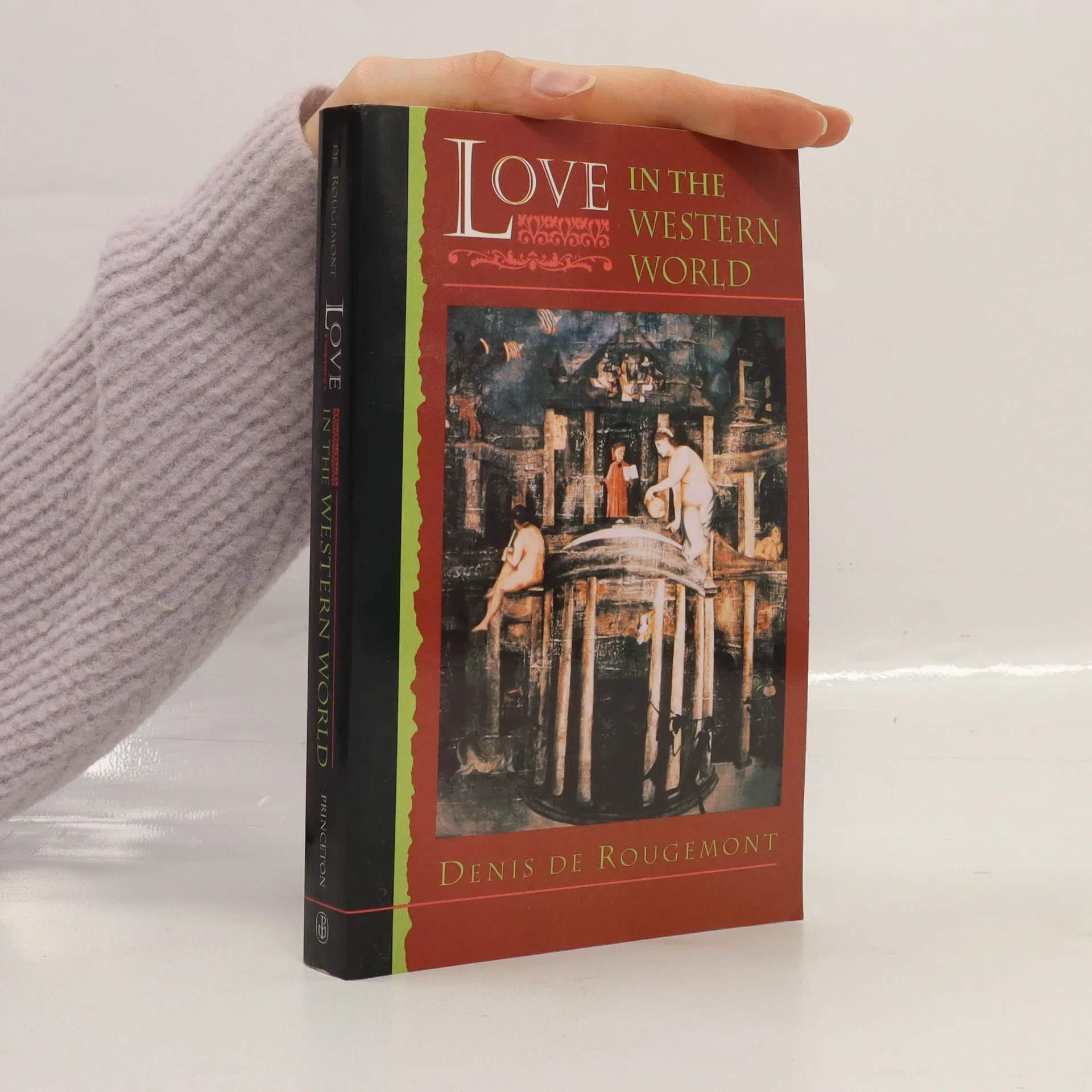
Západ a láska je ťažiskové dielo švajčiarskeho frankofónneho filozofa histórie a kultúrneho a literárneho historika Denisa de Rougemont (1906 – 1985). Kniha je fascinujúcim prienikom do európskej kultúry videnej cez prizmu lásky. Toto dielo možno považovať za jednu zo základných prác o koreňoch, smerovaní i zmysle západného človeka a jeho civilizácie a kultúry.
Denis De Rougemont Ordine dei libri
Denis de Rougemont è stato uno scrittore e teorico culturale svizzero, riconosciuto come un pensatore anticonformista degli anni '30. Affrontò i pericoli del totalitarismo da una prospettiva cristiana e divenne un sostenitore del federalismo europeo dopo la Seconda Guerra Mondiale. I suoi scritti, inclusa la sua influente opera sull'amore nel mondo occidentale, esplorano profonde questioni sull'esistenza umana e sulla società. De Rougemont ha lasciato un segno indelebile come difensore della libertà e dell'identità europea.


- 2001
- 1996
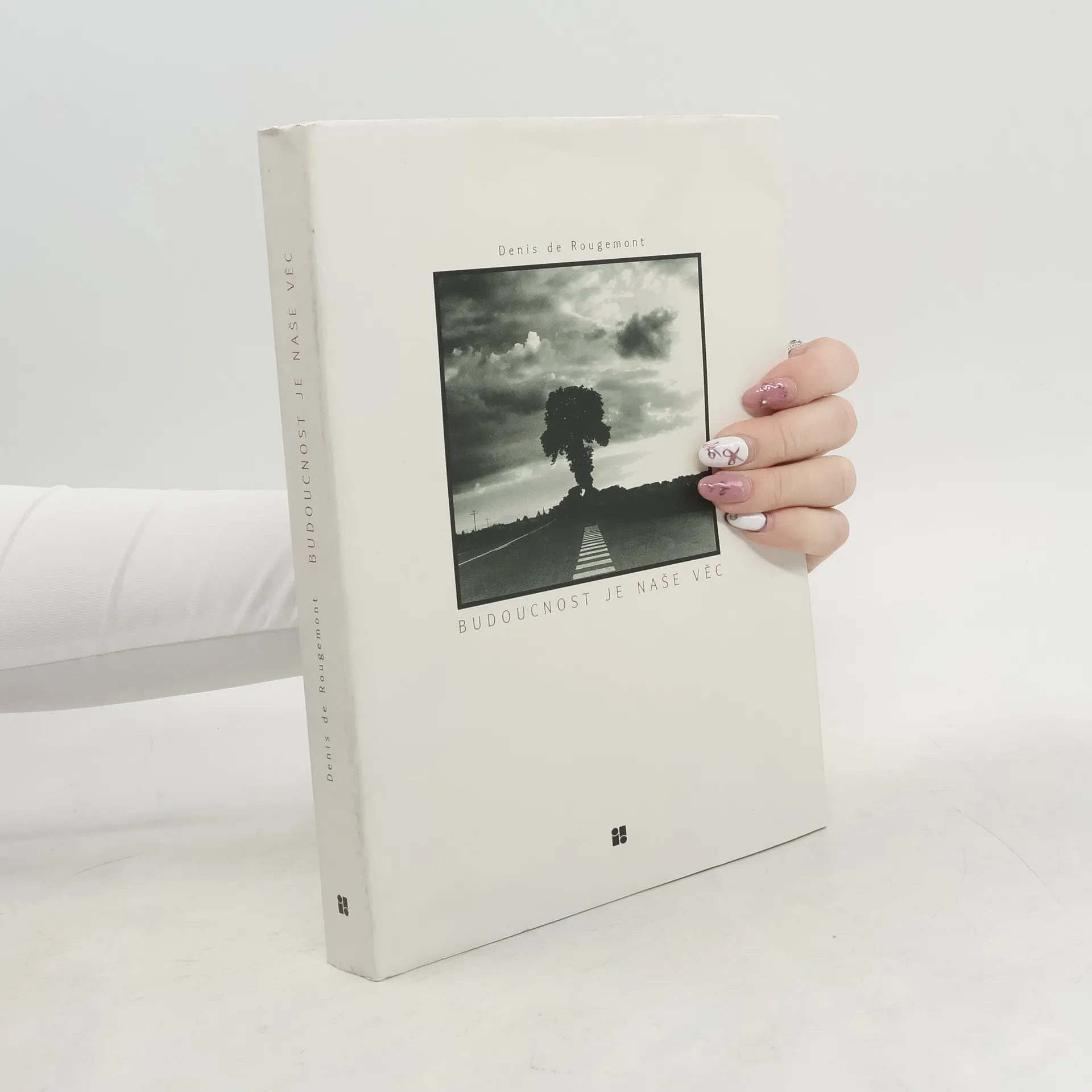
Budoucnost je naše věc
- 332pagine
- 12 ore di lettura
Úvahy o stavu současného světa a příčinách jeho krize.
- 1989
Preuves
Une revue européenne à Paris
- 1987
- 1983
In this classic work, often described as "The History of the Rise, Decline, and Fall of the Love Affair," Denis de Rougemont explores the psychology of love from the legend of Tristan and Isolde to Hollywood. At the heart of his ever-relevant inquiry is the inescapable conflict in the West between marriage and passion--the first associated with social and religious responsiblity and the second with anarchic, unappeasable love as celebrated by the troubadours of medieval Provence. These early poets, according to de Rougemont, spoke the words of an Eros-centered theology, and it was through this "heresy" that a European vocabulary of mysticism flourished and that Western literature took on a new direction. Bringing together historical, religious, philosophical, and cultural dimensions, the author traces the evolution of Western romantic love from its literary beginnings as an awe-inspiring secret to its commercialization in the cinema. He seeks to restore the myth of love to its original integrity and concludes with a philosophical perspective on modern marriage.