Piccola biblioteca Adelphi - 823: Sull'eguaglianza di tutte le cose
Lezioni americane
- 214pagine
- 8 ore di lettura


Carlo Rovelli è un fisico teorico e scrittore italiano il cui lavoro esplora i reami della gravità quantistica e della storia e filosofia della scienza. Figura chiave nello sviluppo della gravità quantistica a loop, i suoi scritti sono caratterizzati da una profonda esplorazione della natura della realtà e del nostro posto in essa. Rovelli unisce magistralmente concetti scientifici complessi a una sensibilità poetica, rendendo accessibili le domande fondamentali dell'esistenza a un vasto pubblico. Contribuisce regolarmente con saggi e articoli a importanti giornali italiani, condividendo le sue intuizioni con chiarezza e grazia.






Lezioni americane
Un viaggio affascinante nel nuovo e strano mondo dei buchi bianchi, con il fisico Carlo Rovelli. Iniziamo un percorso nel cuore di un buco nero, oltre il suo orizzonte, per scivolare in questa fessura dell'universo. Mentre ci immergiamo, vedremo la geometria piegarsi e sentiremo le equazioni stringersi attorno a noi. Alla fine, supereremo i resti di una stella, profondi e densi, che cadono sempre più in basso. E poi - il fondo. Dove il tempo e lo spazio finiscono, e nasce il buco bianco. Con leggerezza e magia, Rovelli traccia l'avventura della sua ricerca all'avanguardia, l'incertezza e la gioia di andare dove non siamo ancora stati. Ci guida verso il confine tra teoria e esperimento, invitandoci a oltrepassarlo, per vivere la febbre e l'inquietudine della scienza. Ecco la vita straordinaria di un buco bianco.
A mesmerizing trip to the strange new world of white holes. Rovelli traces the ongoing adventure of his own cutting-edge research, of the uncertainty and joy of going where we've not yet been
In this short book, renowned theoretical physicist and author Carlo Rovelli gives a straightforward introduction to Einstein's General Relativity, our current theory of gravitation. Focusing on conceptual clarity, he derives all the basic results in the simplest way, taking care to explain the physical, philosophical and mathematical ideas at the heart of "the most beautiful of all scientific theories". Some of the main applications of General Relativity are also explored, for example, black holes, gravitational waves and cosmology, and the book concludes with a brief introduction to quantum gravity. Written by an author well known for the clarity of his presentation of scientific ideas, this concise book will appeal to university students looking to improve their understanding of the principal concepts, as well as science-literate readers who are curious about the real theory of General Relativity, at a level beyond a popular science treatment.
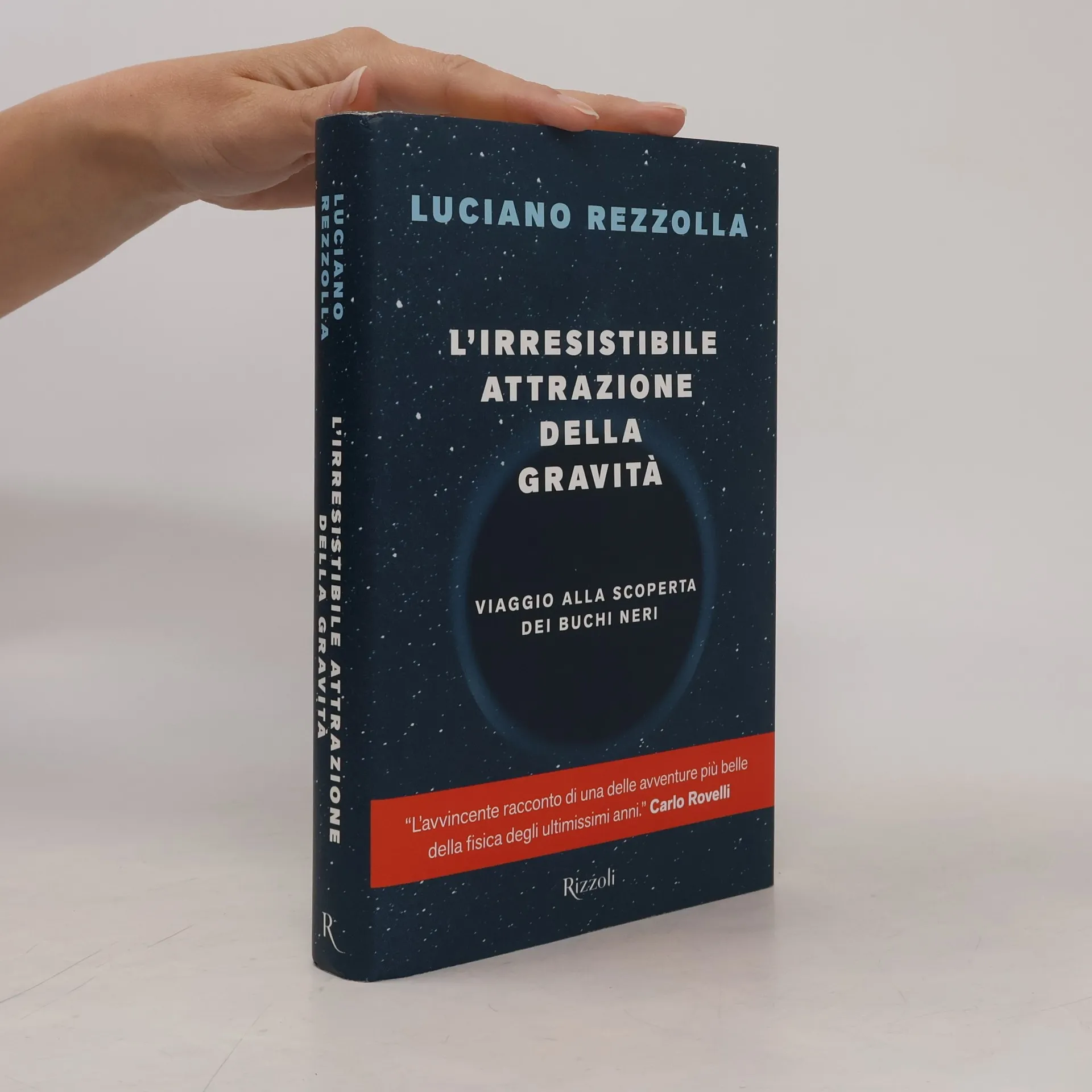
Viaggio alla scoperta dei buchi neri
La storia avventurosa della più radicale rivoluzione scientifica di ogni tempo e la sua proiezione nel futuro.A Helgoland, spoglia isola nel Mare del Nord, luogo adatto alle idee estreme, nel giugno 1925 il ventitreenne Werner Heisenberg ha avviato quella che, secondo non pochi, è stata la più radicale rivoluzione scientifica di ogni tempo: la fisica quantistica.A distanza di quasi un secolo da quei giorni, la teoria dei quanti si è rivelata sempre più gremita di idee sconcertanti e inquietanti (fantasmatiche onde di probabilità, oggetti lontani che sembrano magicamente connessi fra loro, ecc.), ma al tempo stesso capace di innumerevoli conferme sperimentali, che hanno portato a ogni sorta di applicazioni tecnologiche.Si può dire che oggi il mondo si regga su tale teoria, tuttora profondamente misteriosa.In questo libro non solo si ricostruisce, con formidabile limpidezza, l’avventurosa e controversa crescita della teoria dei quanti, rendendo evidenti, anche per chi la ignora, i suoi passaggi cruciali, ma la si inserisce in una nuova visione, dove a un mondo fatto di sostanze si sostituisce un mondo fatto di relazioni, che si rispondono fra loro in un inesauribile gioco di specchi.Visione che induce a esplorare, in una prospettiva ancora una volta stupefacente, questioni fondamentali ancora irrisolte, dalla costituzione della natura a quella di noi stessi, che della natura siamo parte.
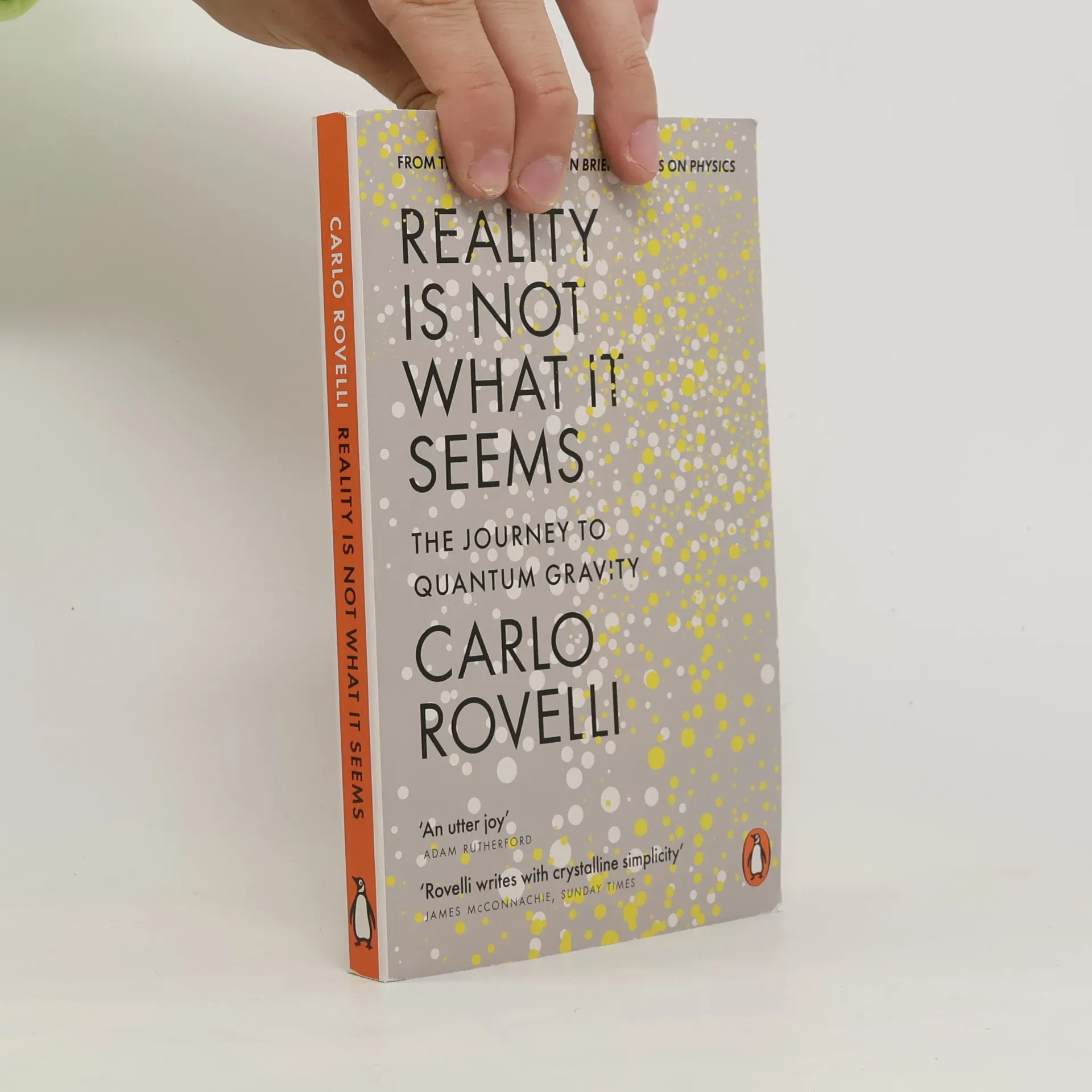
Cesta ke kvantové gravitaci. Kvantování gravitace patří k největším problémům dnešní teoretické fyziky. Nejde o nic menšího než o správné propojení tří pilířů moderní fyziky, jimiž jsou obecná relativita, kvantová teorie a statistická fyzika. A protože Einsteinova obecná relativita vysvětluje gravitaci deformací prostoročasu,klíčové je pochopit, co znamená kvantum prostoru a času. Právě o to se (možná úspěšně!) pokusila skupina předních teoretiků, mezi něž patří autor knihy Carlo Rovelli. Skvěle napsaná kniha (vůbec první na toto téma) z pera jednoho z hlavních tvůrců smyčkové kvantové gravitace vám vysvětlí podrobnosti. A porozumíte jim. Protože Rovelli má vzácný talent s nadhledem vysvětlovat vrcholné vědecké teorie jasně a podmanivě, aniž by podlehl svodům komplikovaného matematického aparátu. Ne nadarmo se jeho popularizační knihy staly světovými bestselery.
«Siamo esserini che vivono sulla crosta di una palla di roccia lanciata nello spazio, come una piccola astronave. Fuori, c’è uno straordinario mondo ancora inesplorato. Come un bambino che si affacci per la prima volta a una finestra sul mare, l’umanità intera guarda dall'oblò dei suoi telescopi, curiosa, incantata.» Questa raccolta di articoli di Carlo Rovelli, scritti tra il 2010 e il 2020 per vari quotidiani, esplora temi che spaziano dai viaggi psichedelici a poeti come Lucrezio, Dante e Leopardi, sottolineando il legame tra scienza e poesia. Si discute di filosofi da Aristotele a David Lewis, di buchi neri, onde gravitazionali, e della nascita del tempo, con riferimenti a scienziati come Hawking e Lemaître. Rovelli riflette sulla sua generazione, sull'università, la politica, l’ateismo e la natura della mente, inclusa quella dei polpi. È un viaggio attraverso le passioni intellettuali di un fisico in cerca di nuove idee e di una visione integrata della scienza e della cultura. In questo diario delle sue avventure intellettuali, l’autore esprime la sua fede nell’impegno civile e nella divulgazione, sognando un mondo in cui la gentilezza prevalga sulle regole.
Meine Suche nach den Grundlagen des Universums
Was ist Zeit? Wir messen sie immer nur im Vergleich mit etwas anderem, einem Stern oder einem Pendel, und selbst dann gehen die Uhren nicht immer gleich, wie Einstein zeigte. Brauchen wir sie also, um die Grundlagen unseres Universums zu erklären? Nein, sagt Carlo Rovelli und skizziert ein neues Modell davon, was die Welt im Innersten zusammenhält. Zugleich ist dies das bislang persönlichste Buch des weltbekannten Physikers, der uns erzählt, wie ein Grundlagenforscher zu seinen Ideen kommt und warum revolutionäres Denken immer ein Abenteuer mit ungewissem Ausgang ist. «Carlo Rovelli beweist, wie verführerisch Wissenschaft sein kann.» La Repubblica
Recognized as a TLS Book of the Year, this title offers a compelling exploration of its themes, engaging characters, and thought-provoking narrative. The author masterfully weaves intricate plots that challenge perceptions and invite readers to reflect on deeper societal issues. With a unique perspective and captivating prose, the book stands out in its genre, promising an enriching reading experience that resonates long after the final page is turned.
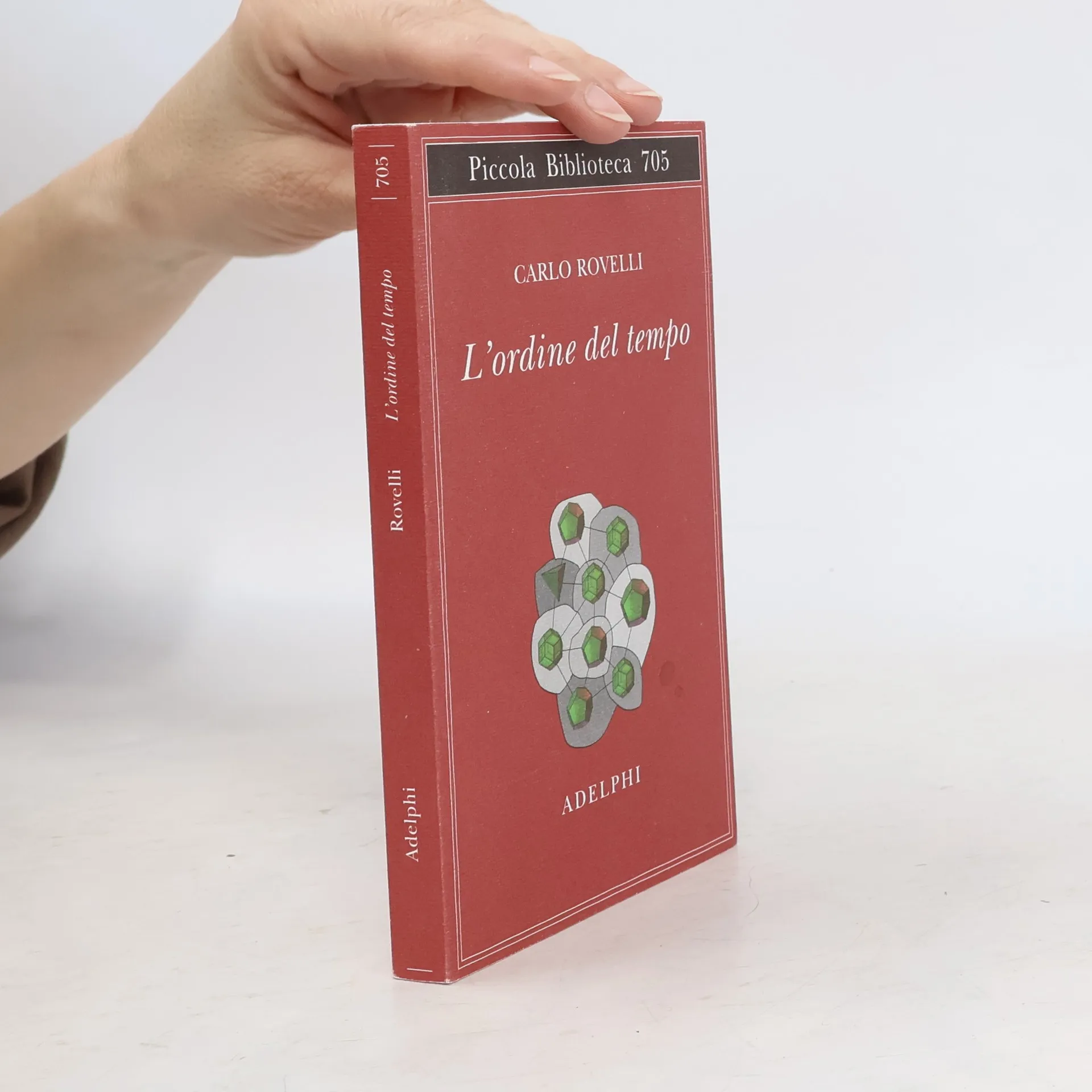
Come le "Sette brevi lezioni di fisica", che ha raggiunto un pubblico immenso in ogni parte del mondo, questo libro tratta di qualcosa della fisica che parla a chiunque e lo coinvolge, semplicemente perché è un mistero di cui ciascuno ha esperienza in ogni istante: il tempo. E un mistero non solo per ogni profano, ma anche per i fisici, che hanno visto il tempo trasformarsi in modo radicale, da Newton a Einstein, alla meccanica quantistica, infine alle teorie sulla gravità a loop, di cui Rovelli stesso è uno dei principali teorici. Nelle equazioni di Newton era sempre presente, ma oggi nelle equazioni fondamentali della fisica il tempo sparisce. Passato e futuro non si oppongono più come a lungo si è pensato. E a dileguarsi per la fisica è proprio ciò che chiunque crede sia l'unico elemento sicuro: il presente. Sono tre esempi degli incontri straordinari su cui si concentra questo libro, che è uno sguardo su ciò che la fisica è stata e insieme ci introduce nell'officina dove oggi la fisica si sta facendo.
What are time and space made of? Where does matter come from? And what exactly is reality? Scientist Carlo Rovelli has spent his life exploring these questions and pushing the boundaries of what we know. Here he explains how our image of the world has changed throughout centuries. From Aristotle to Albert Einstein, Michael Faraday to the Higgs boson, he takes us on a wondrous journey to show us that beyond our ever-changing idea of reality is a whole new world that has yet to be discovered.
«Ci sono frontiere, dove stiamo imparando, e brucia il nostro desiderio di sapere. Sono nelle profondità più minute del tessuto dello spazio, nelle origini del cosmo, nella natura del tempo, nel fato dei buchi neri, e nel funzionamento del nostro stesso pensiero. Qui, sul bordo di quello che sappiamo, a contatto con l'oceano di quanto non sappiamo, brillano il mistero del mondo, la bellezza del mondo, e ci lasciano senza fiato». Tale è il presupposto di queste «brevi lezioni», che ci guidano, con ammirevole trasparenza, attraverso alcune tappe inevitabili della rivoluzione che ha scosso la fisica nel secolo XX e la scuote tuttora: a partire dalla teoria della relatività generale di Einstein e della meccanica quantistica fino alle questioni aperte sulla architettura del cosmo, sulle particelle elementari, sulla gravità quantistica, sulla natura del tempo e della mente.
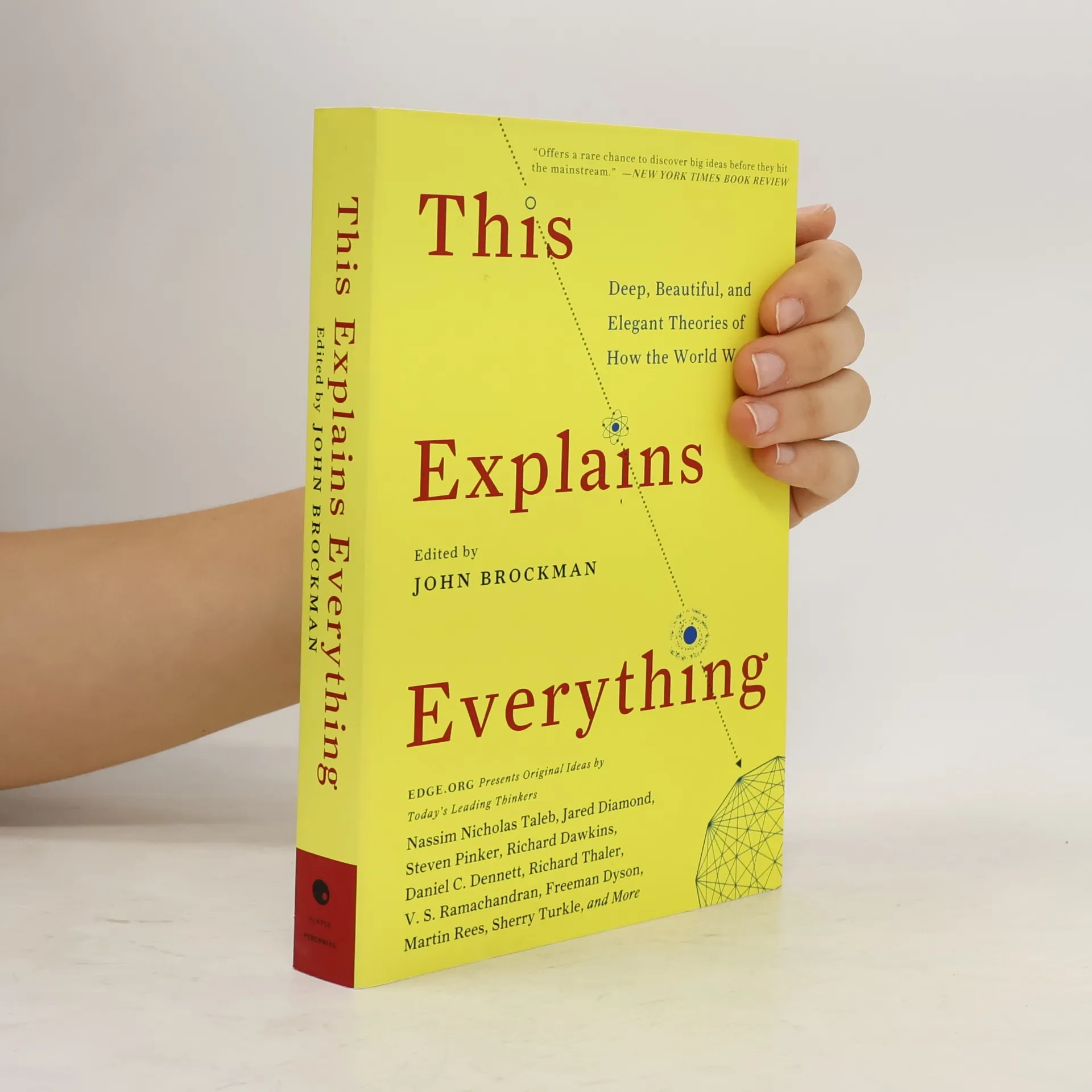
In This Explains Everything, John Brockman, founder and publisher of Edge.org, asked experts in numerous fields and disciplines to come up with their favorite explanations for everyday occurrences. Why do we recognize patterns? Is there such a thing as positive stress? Are we genetically programmed to be in conflict with each other? Those are just some of the 150 questions that the world's best scientific minds answer with elegant simplicity. With contributions from Jared Diamond, Richard Dawkins, Nassim Taleb, Brian Eno, Steven Pinker, and more, everything is explained in fun, uncomplicated terms that make the most complex concepts easy to comprehend.