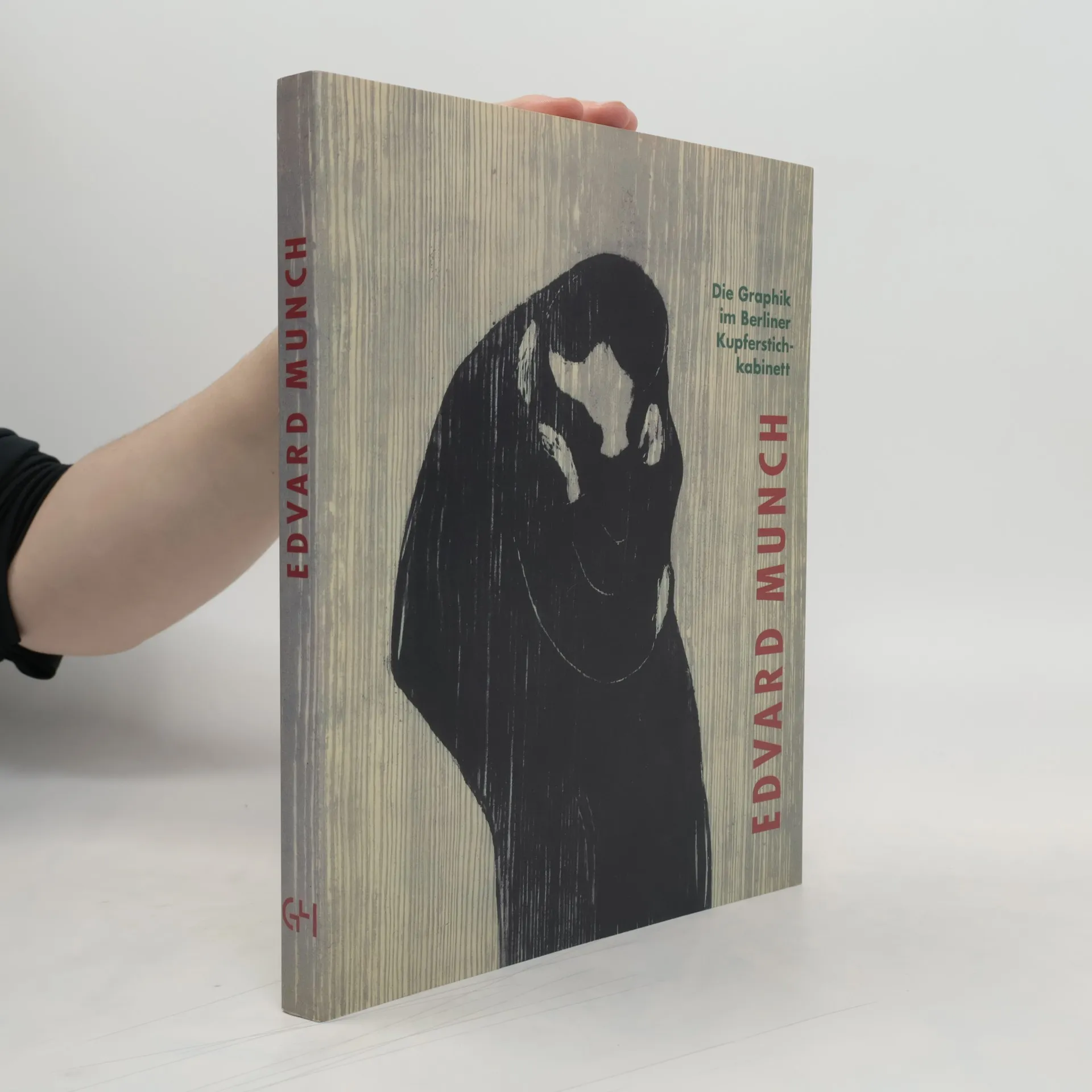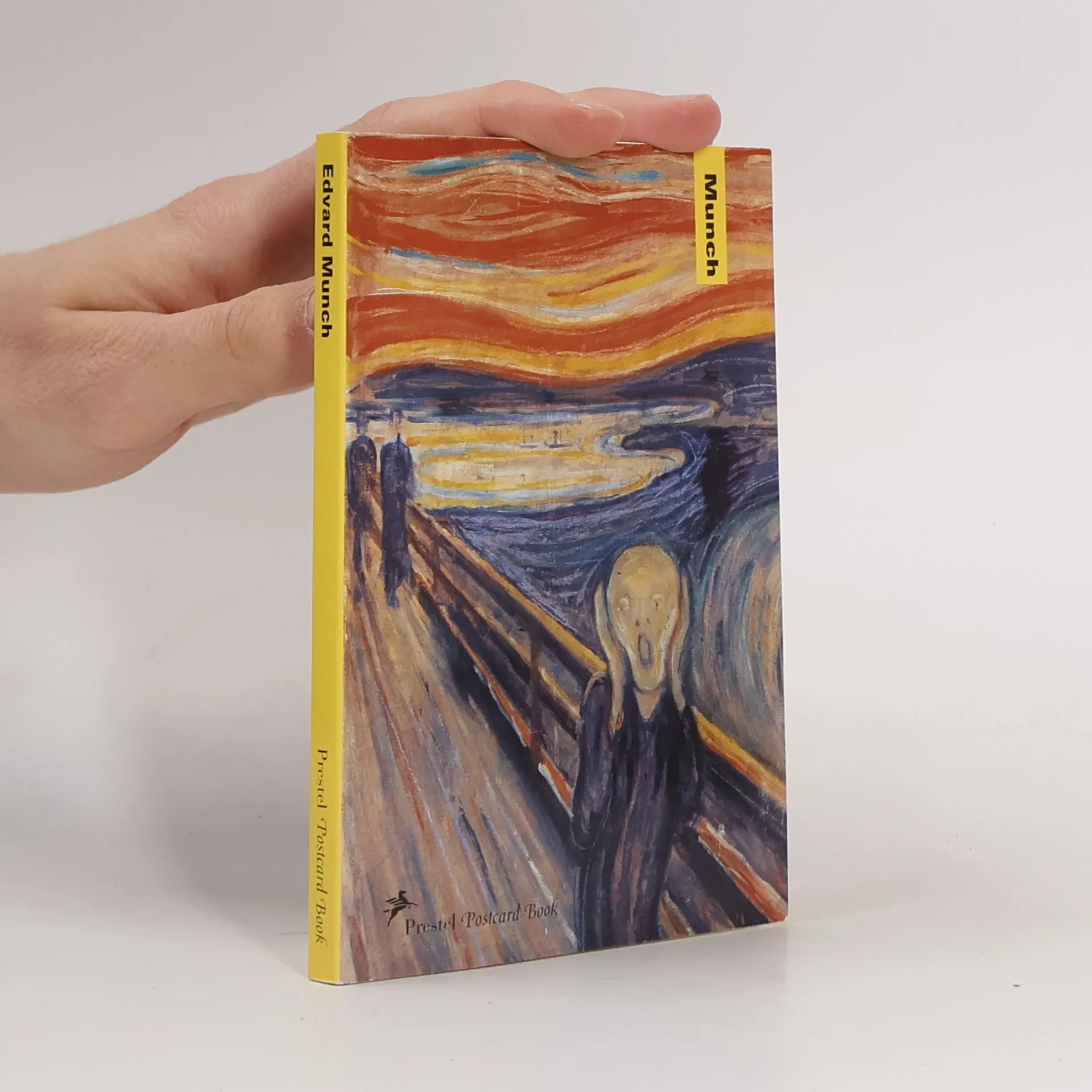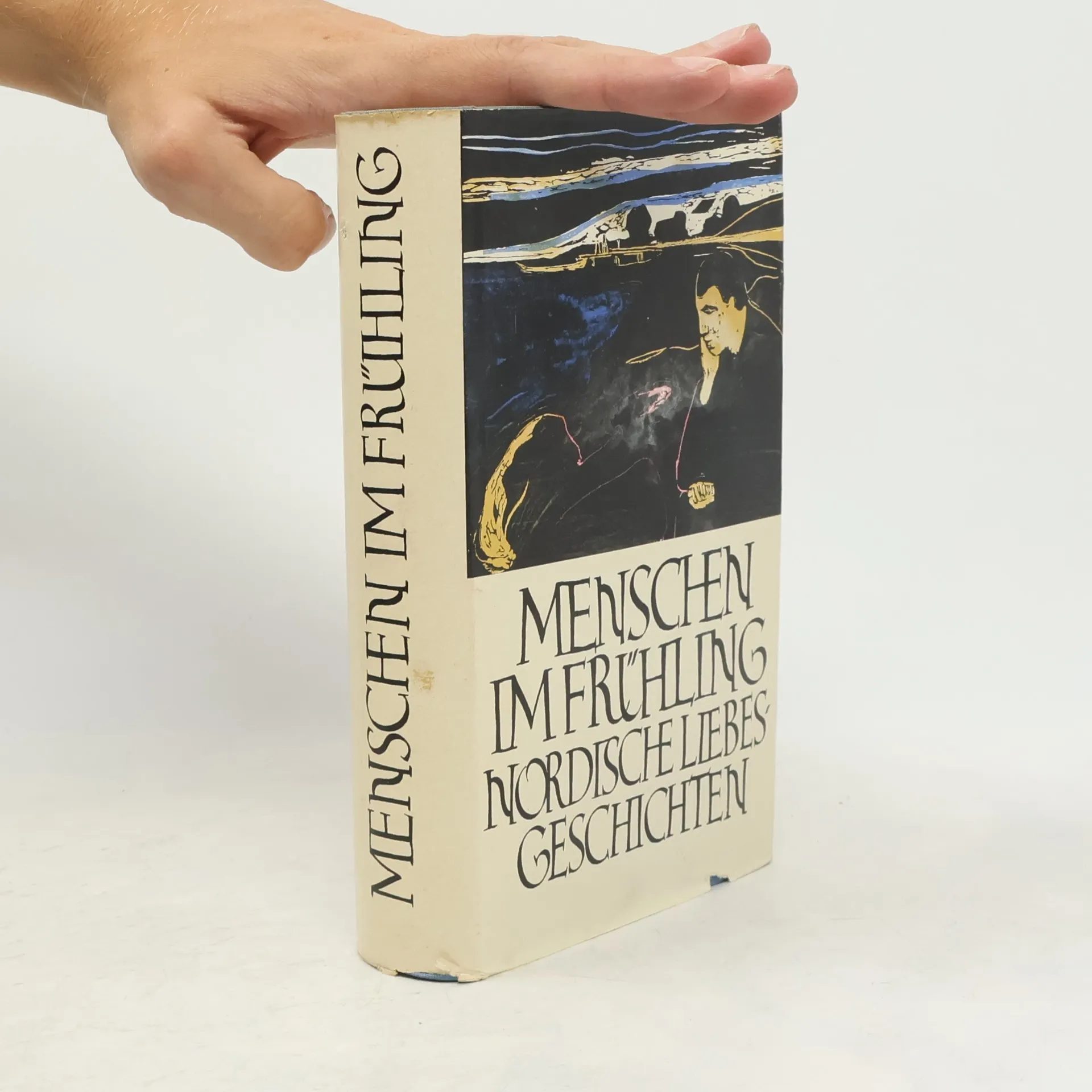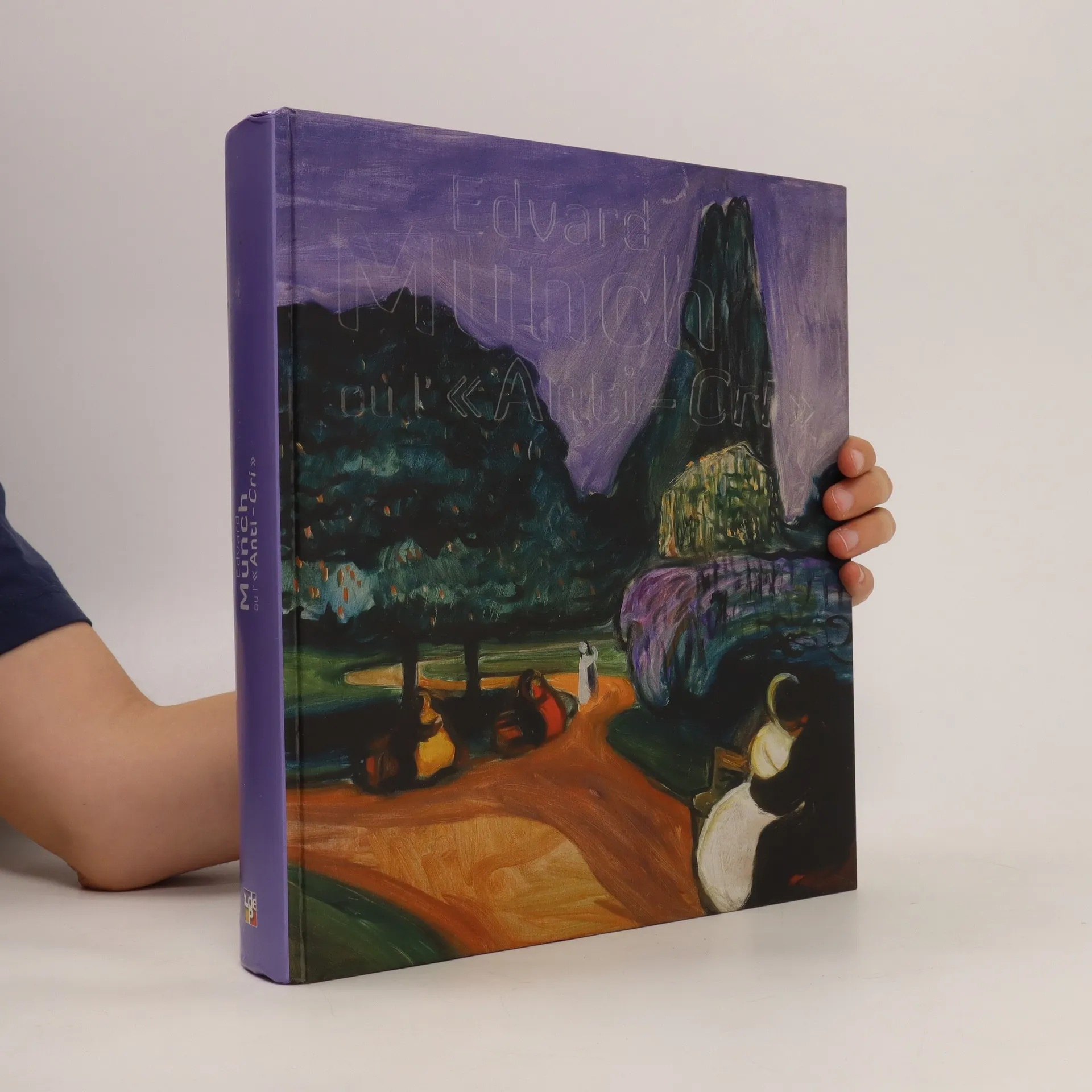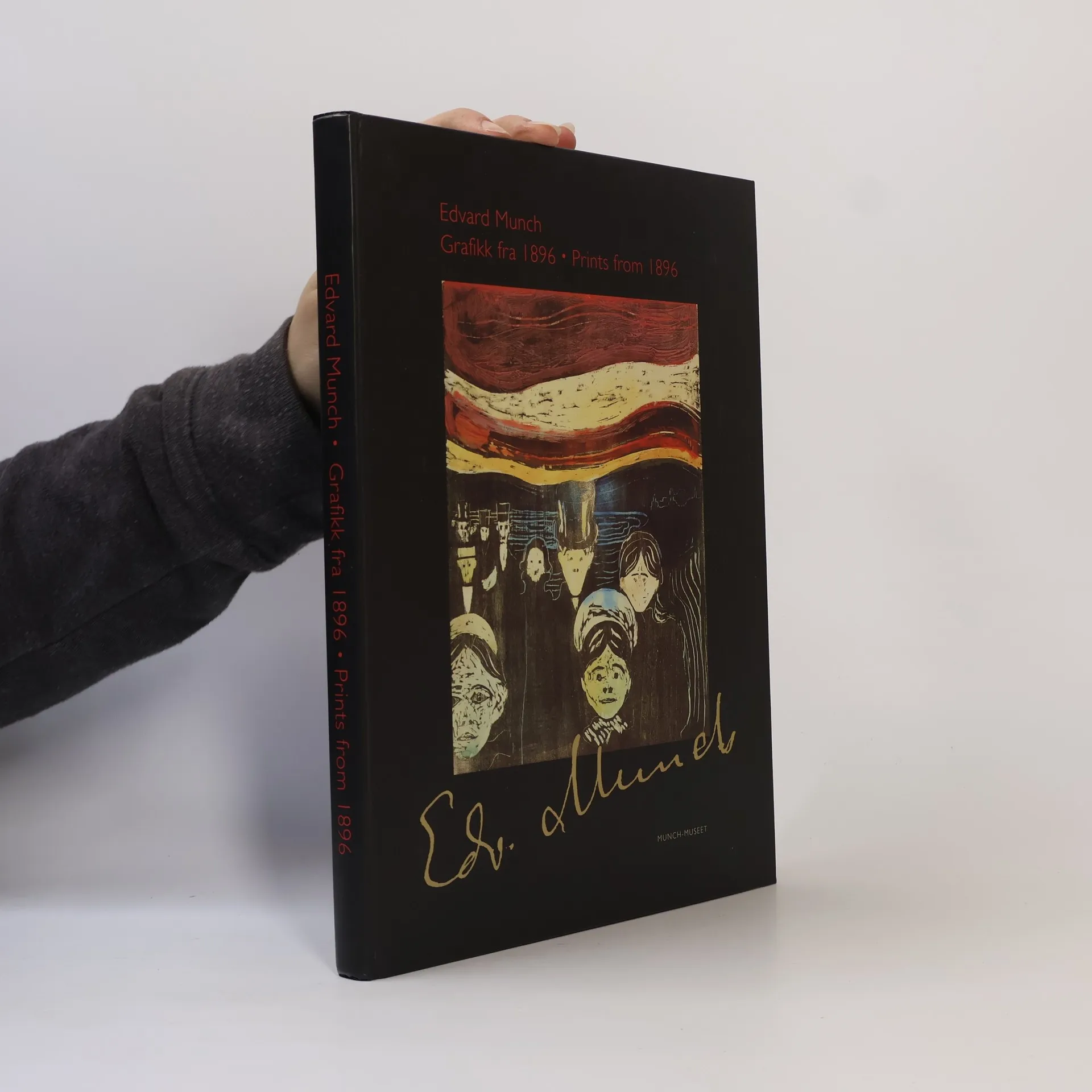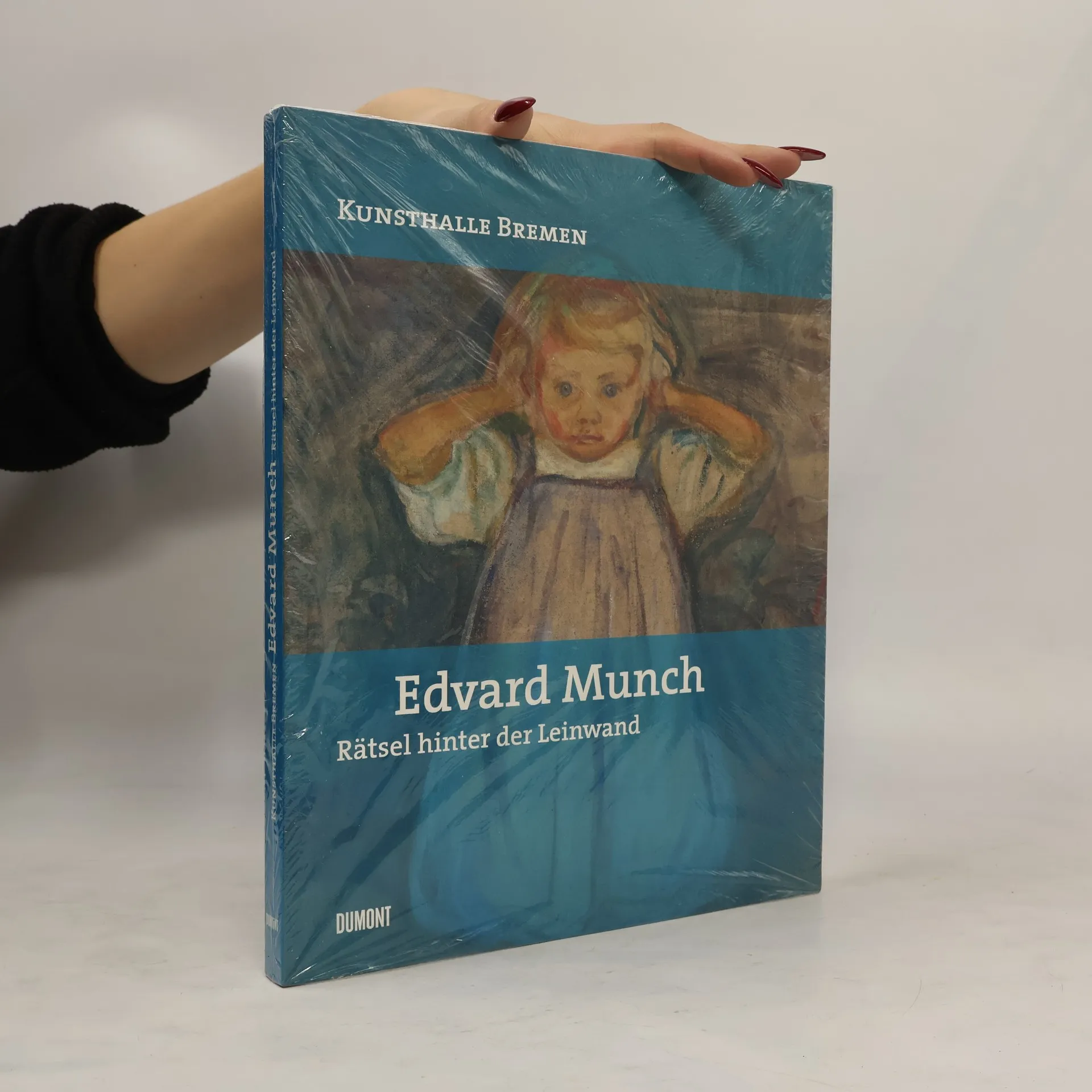

Edvard Munch Libri
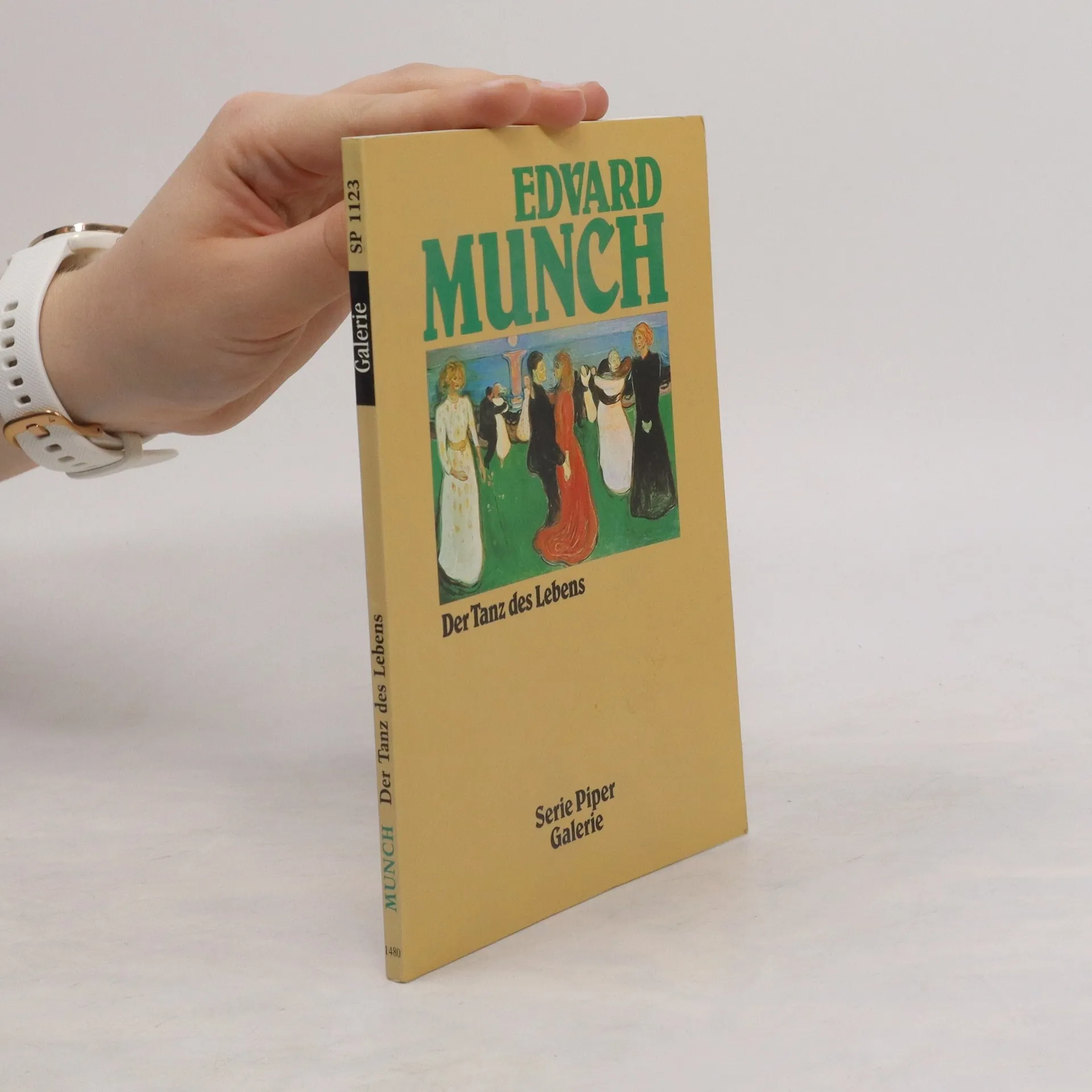
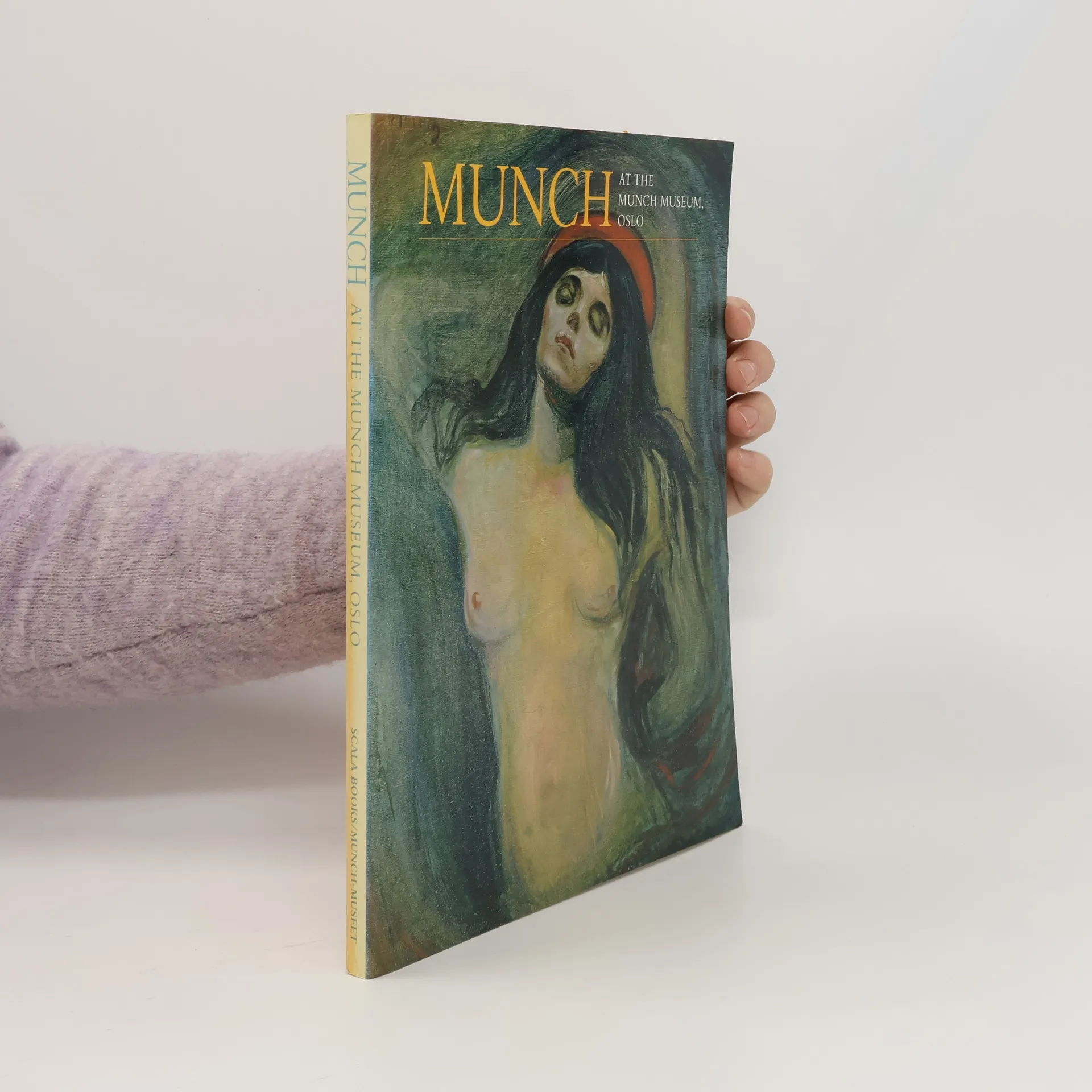
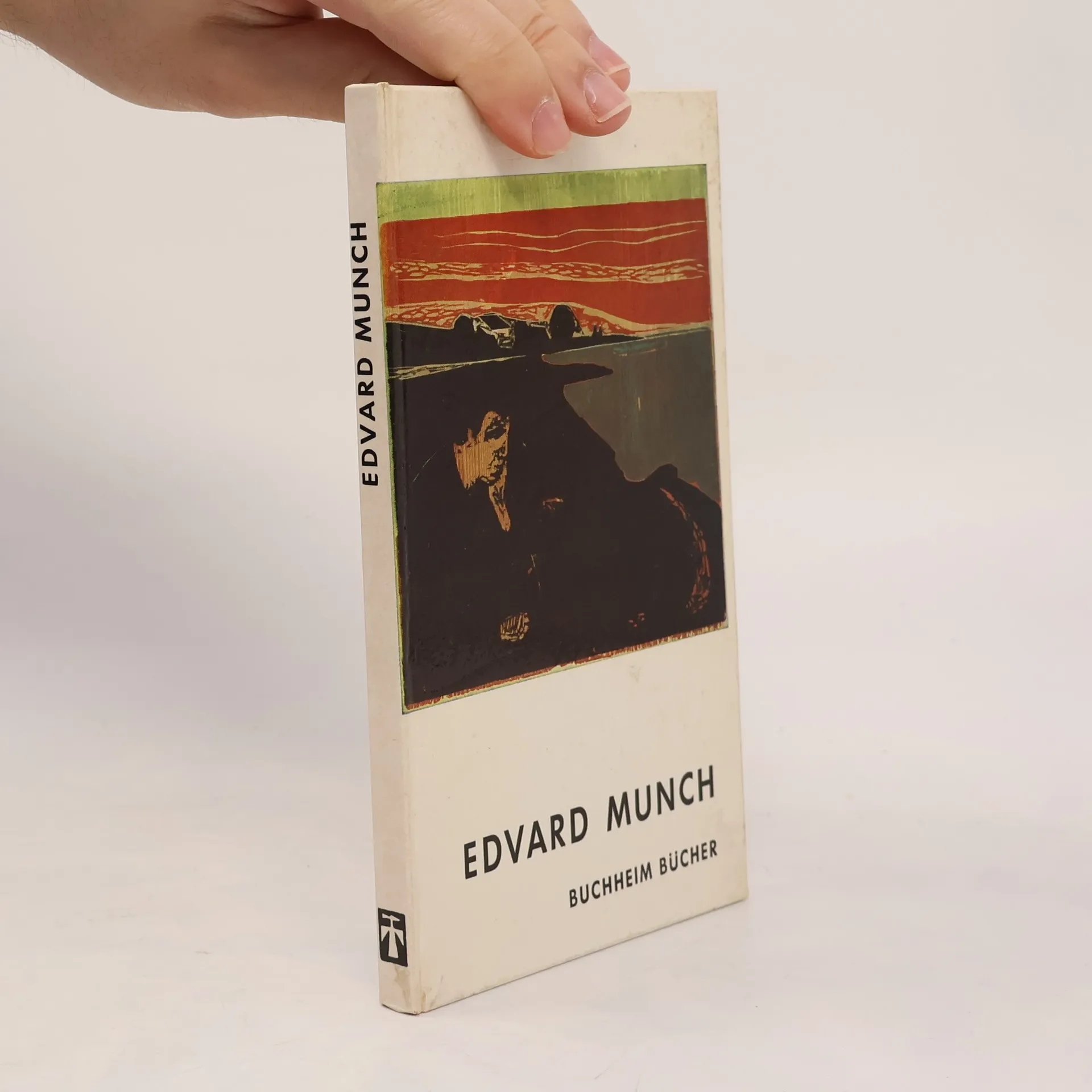
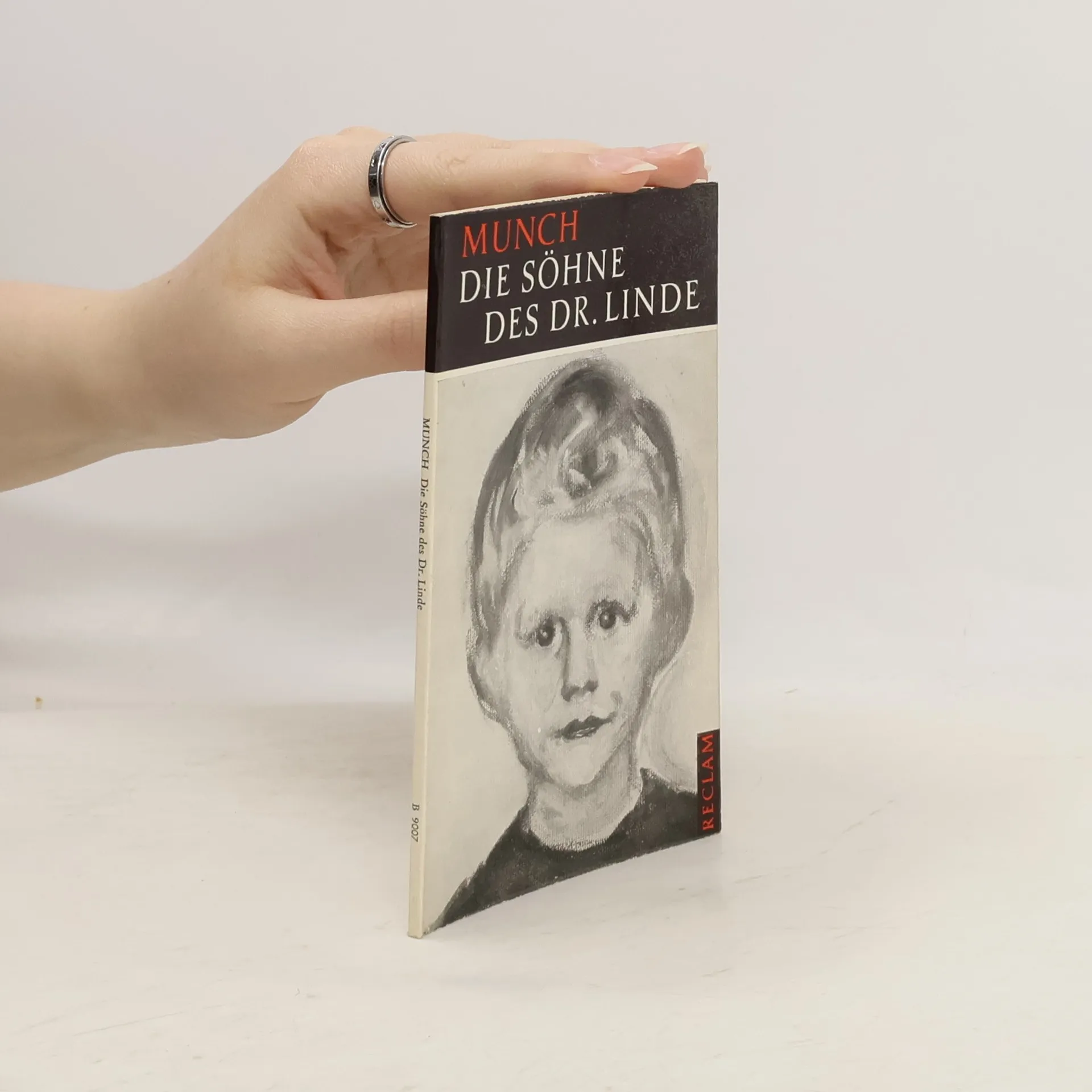
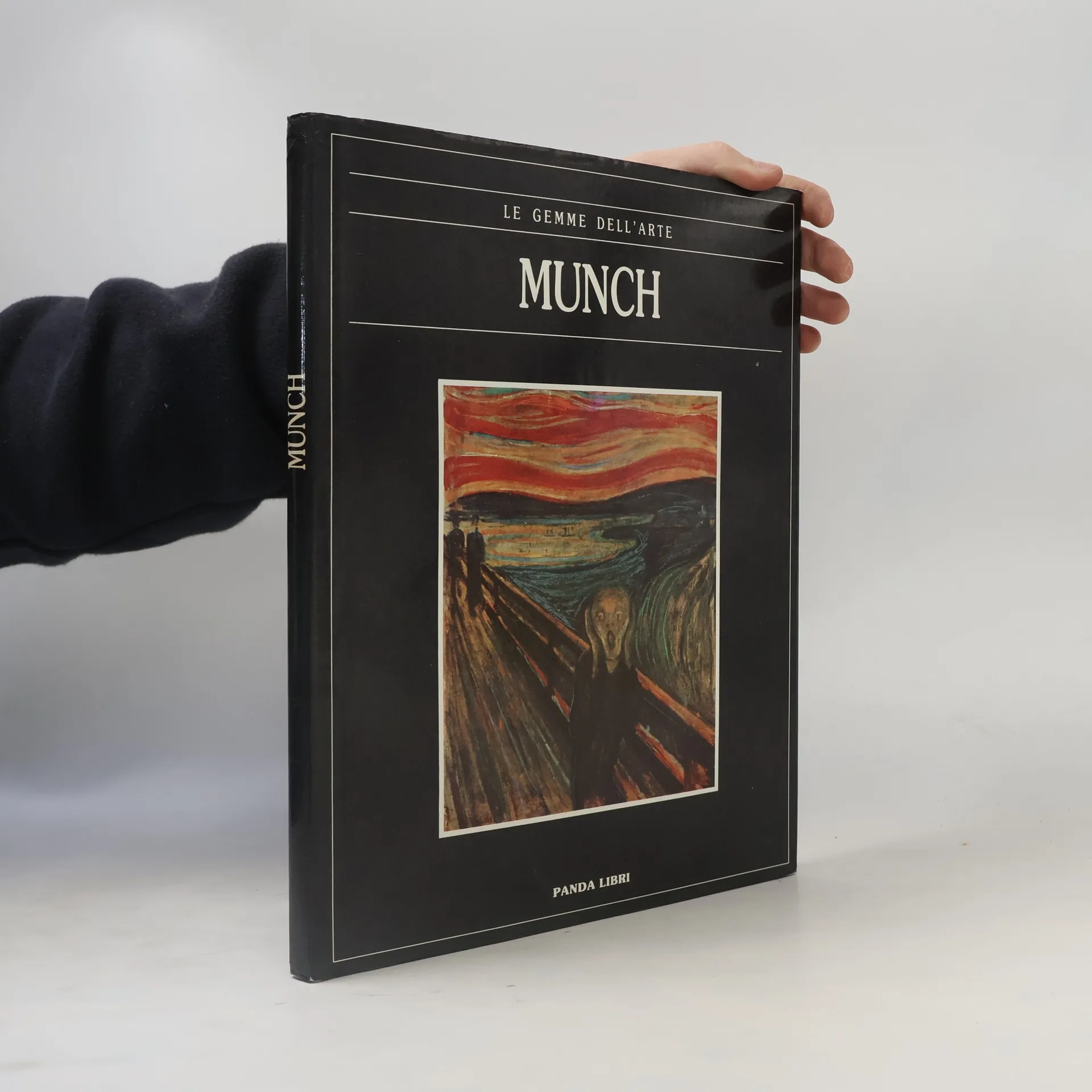
Edvard Munch fu un pittore e incisore norvegese il cui trattamento intensamente evocativo di temi psicologici si basò su alcuni dei principi fondamentali del Simbolismo della fine del XIX secolo e influenzò notevolmente l'Espressionismo tedesco all'inizio del XX secolo. La sua opera è caratterizzata da una profonda esplorazione della psiche umana, dell'ansia e delle questioni esistenziali. Il percorso artistico di Munch fu fondamentale per lo sviluppo dell'arte moderna e la sua influenza è ancora oggi evidente.


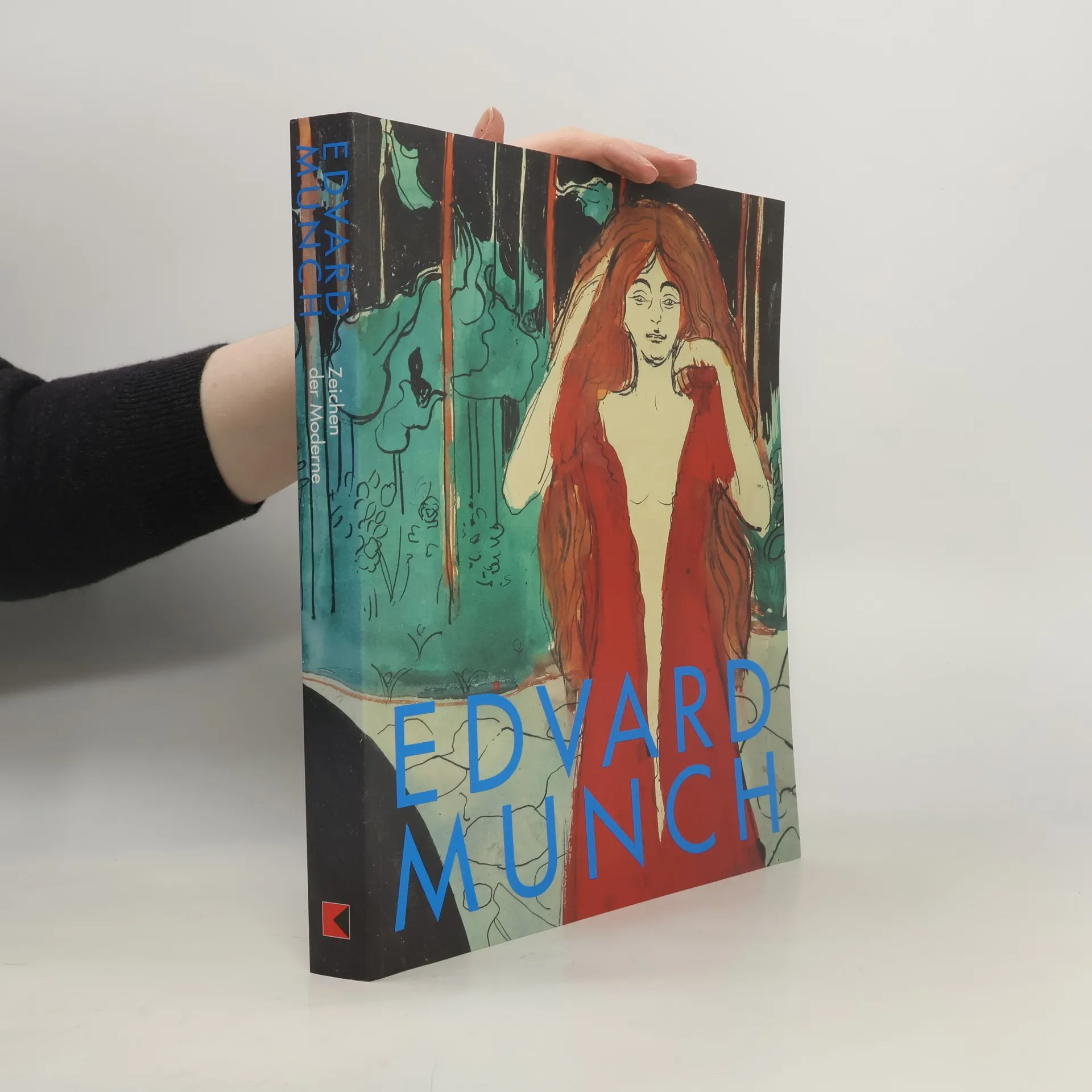
Unsere Kalender sind auf umweltfreundlichem Papier gedruckt und vom FSC zertifiziert. 16-Monats-Kalender mit internationalen Feiertagen und den Feiertagen der wichtigsten Weltreligionen. Broschürenkalender - Fine Arts 30x30 cm (geöffnet 30x60 cm)
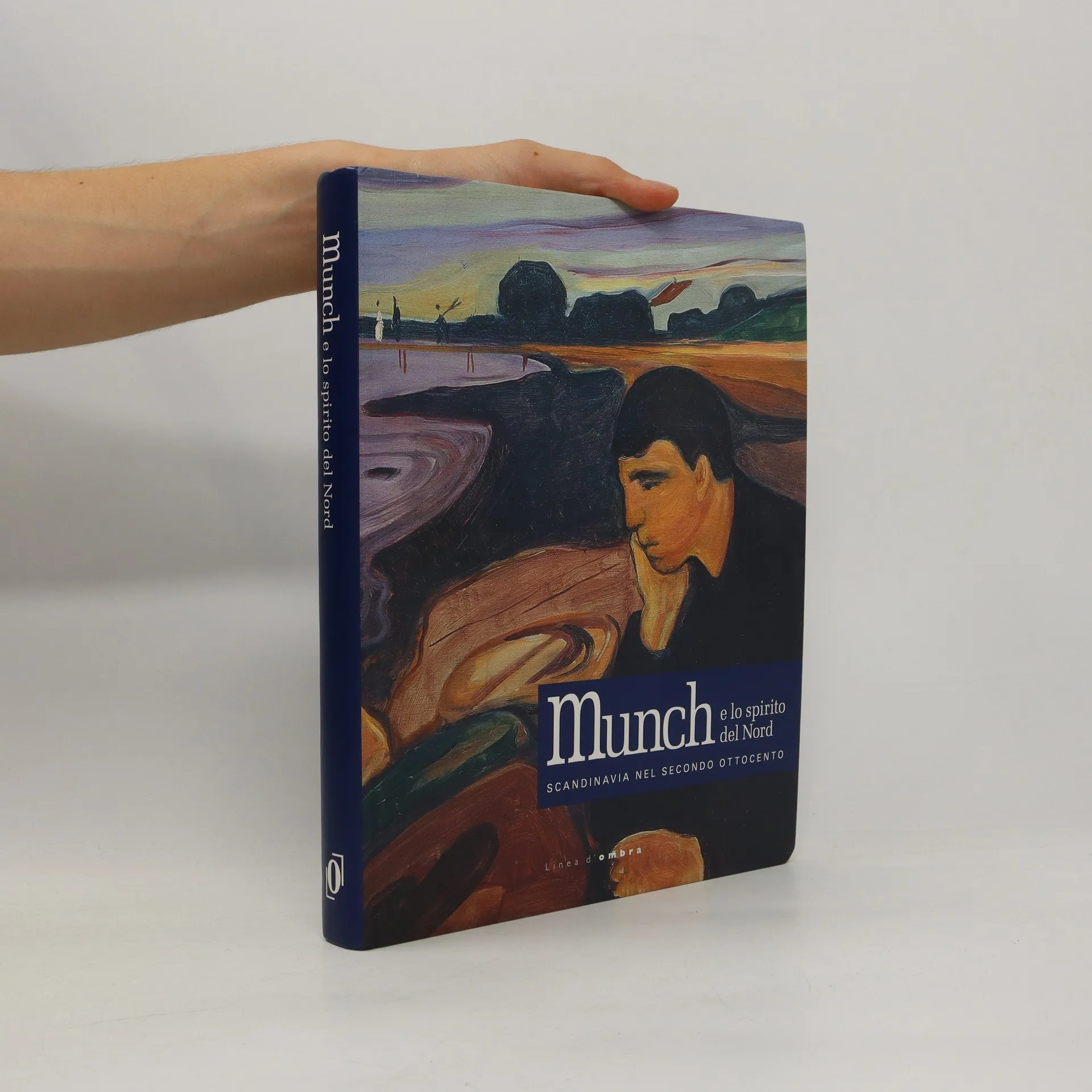
Munch e lo spirito del Nord
- 343pagine
- 13 ore di lettura
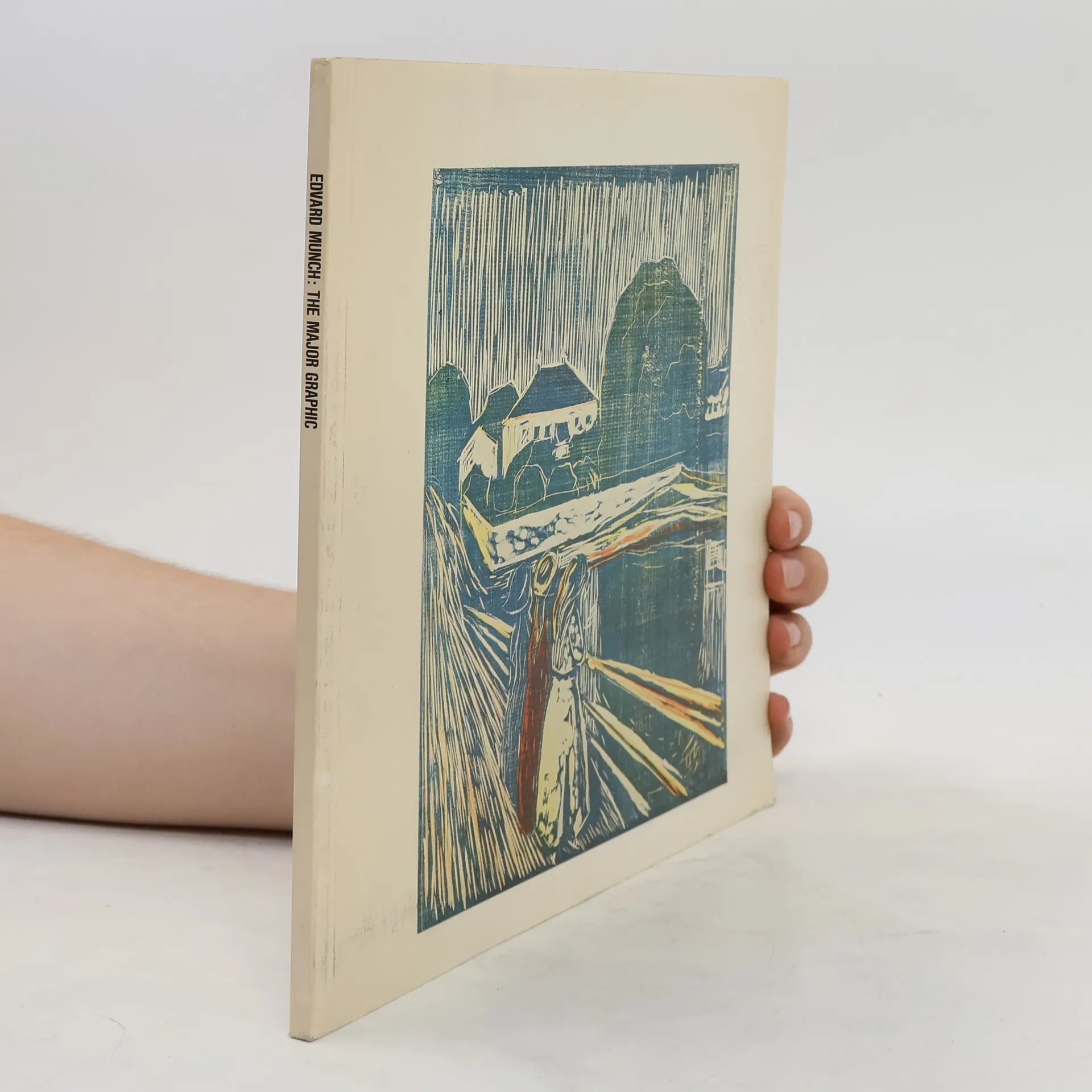
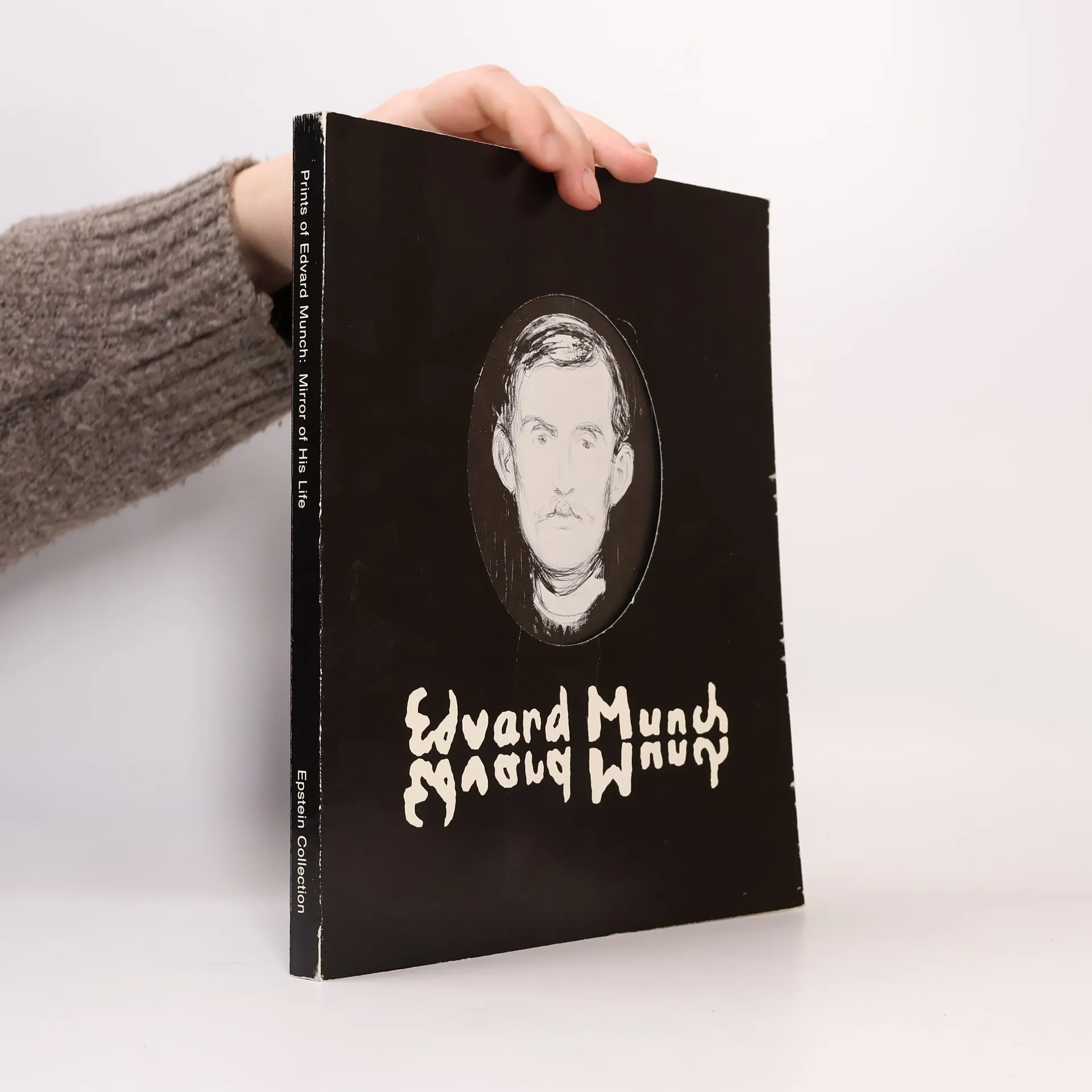
The Prints of Edvard Munch, Mirror of His Life
An Exhibition of Prints from the Collection of Sarah G. and Lionel C. Epstein
- 208pagine
- 8 ore di lettura
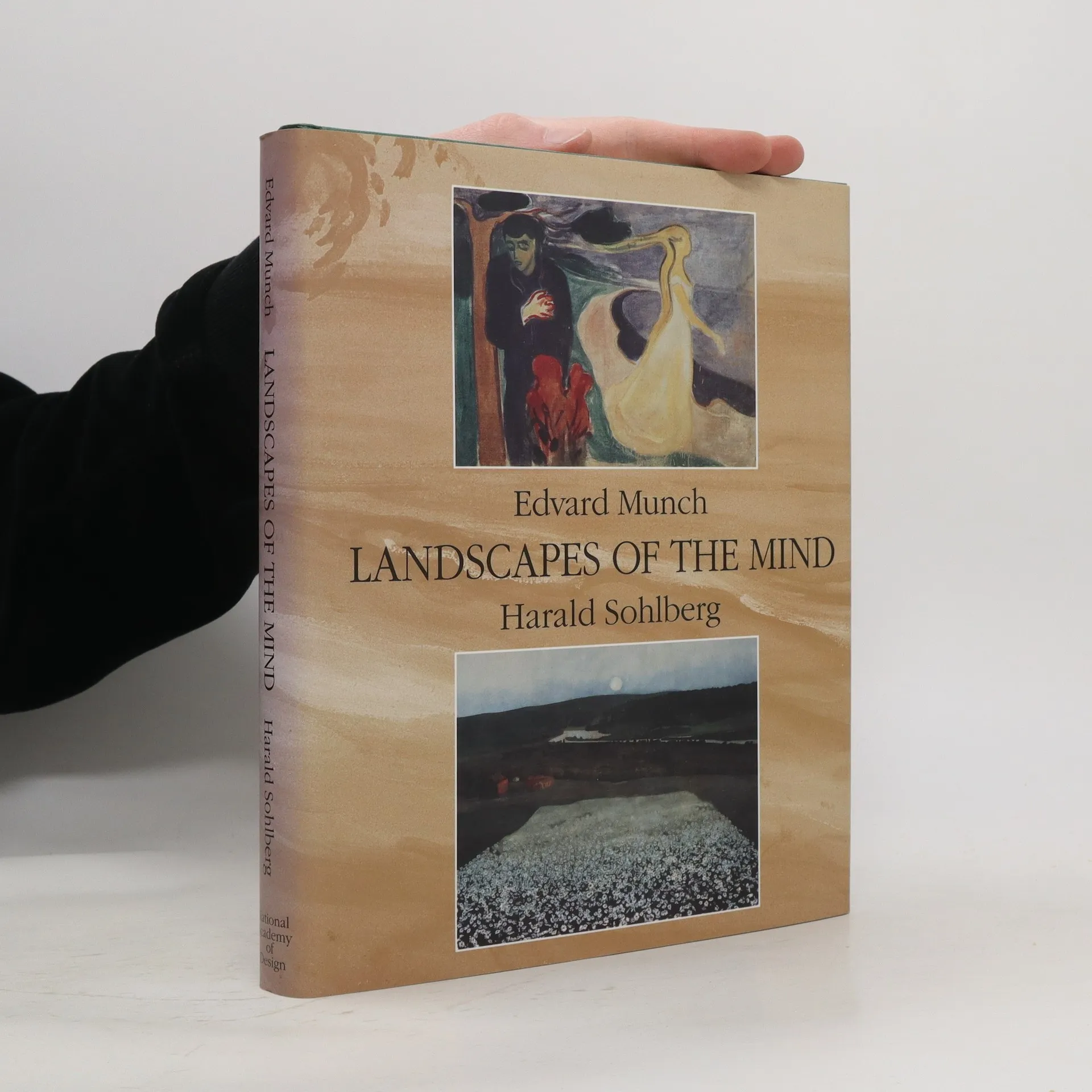
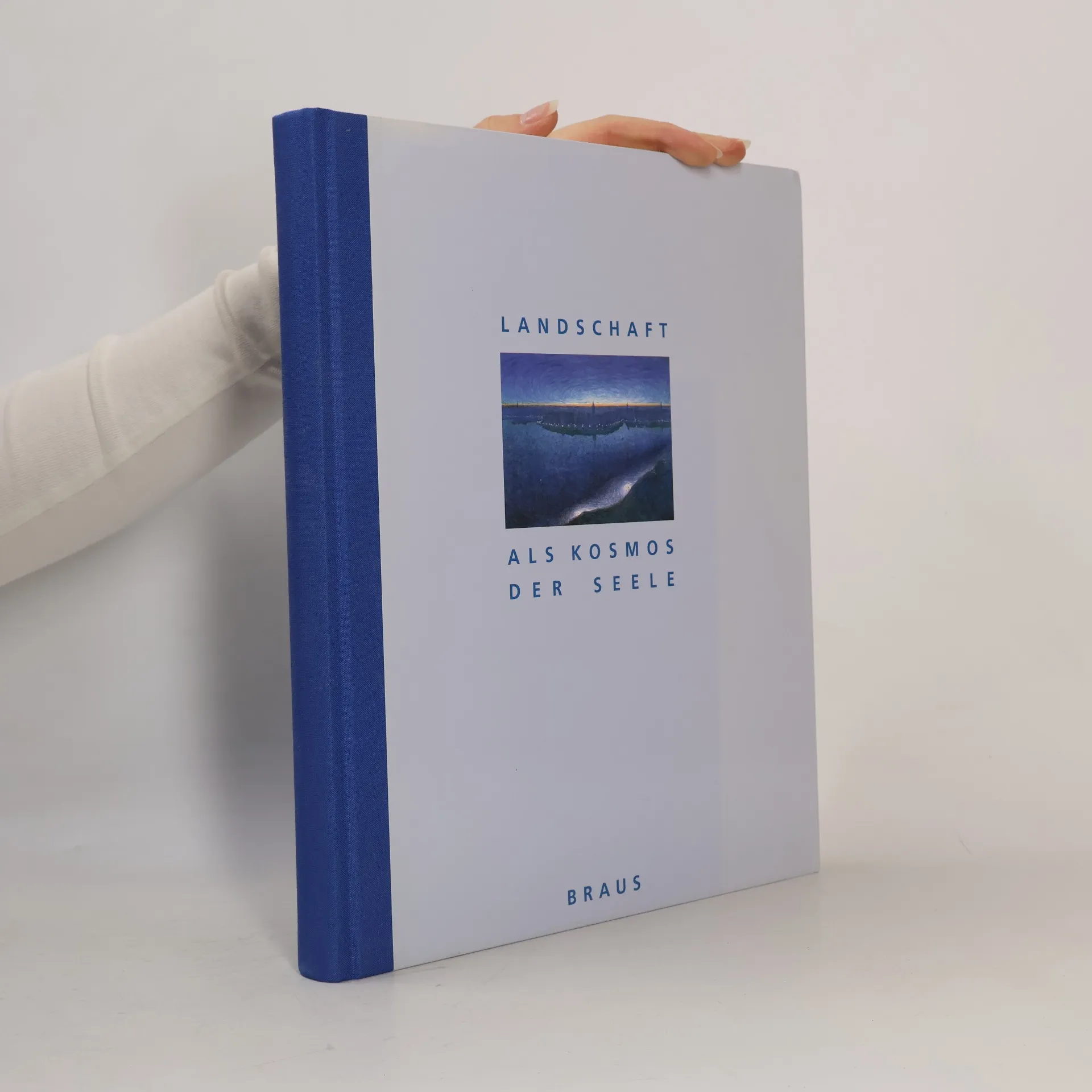
Landscapes of the Mind
- 266pagine
- 10 ore di lettura
Published to accompany an exhibition of the same name at the National Academy of Design in Norway, Edvard Munch and Harald Sohlberg: Landscapes of the Mind compares the two symbolist painters' landscape works. Sadly, Sohlberg is not as recognizable a name to U.S. audiences as is Munch, but in placing his work opposite that of his countryman, a rich understanding of the psychic arena in which each moved emerges. The mostly color reproductions of the art in the exhibition are of remarkable quality.
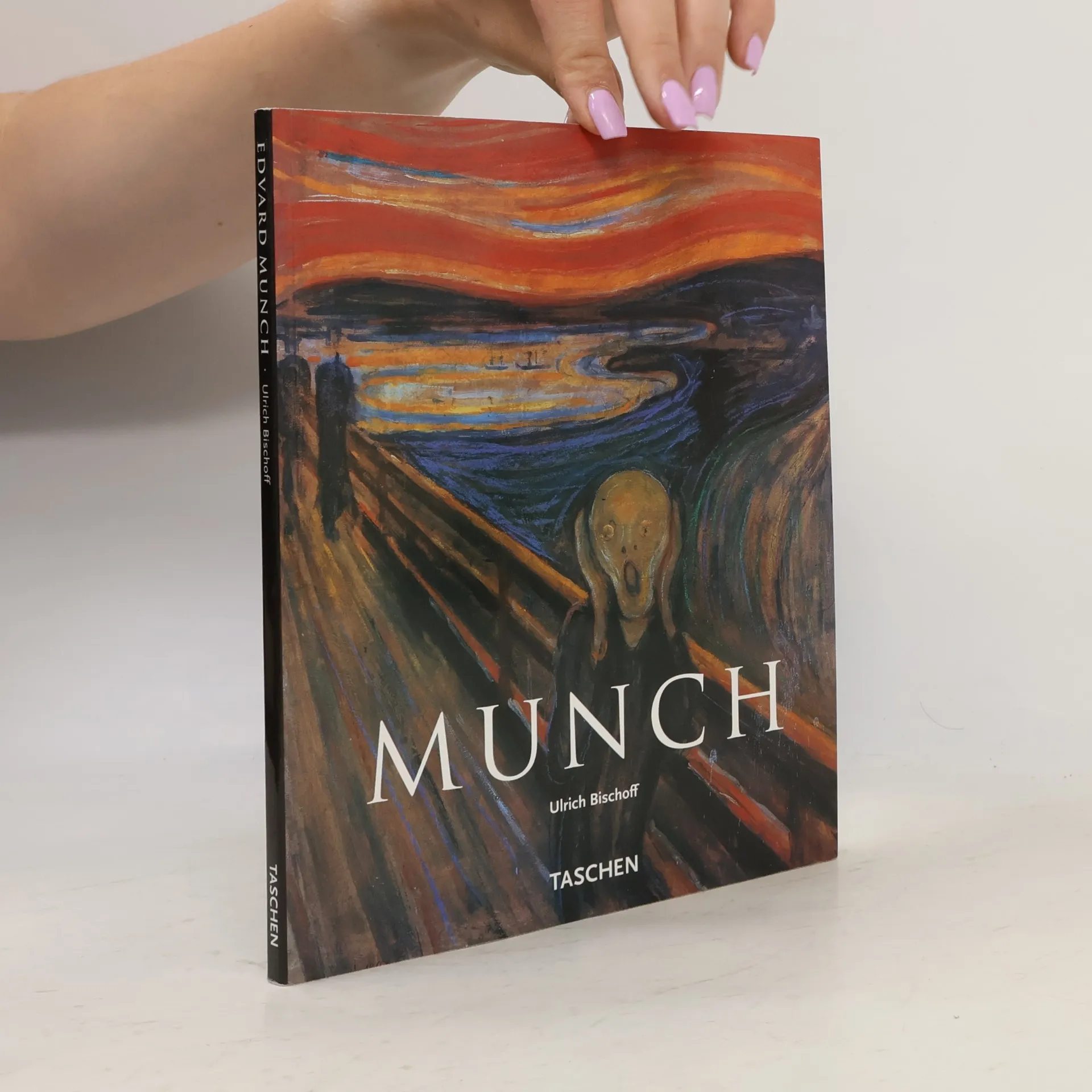
Edvard Munch : 1863-1944 : images of life and death
- 96pagine
- 4 ore di lettura
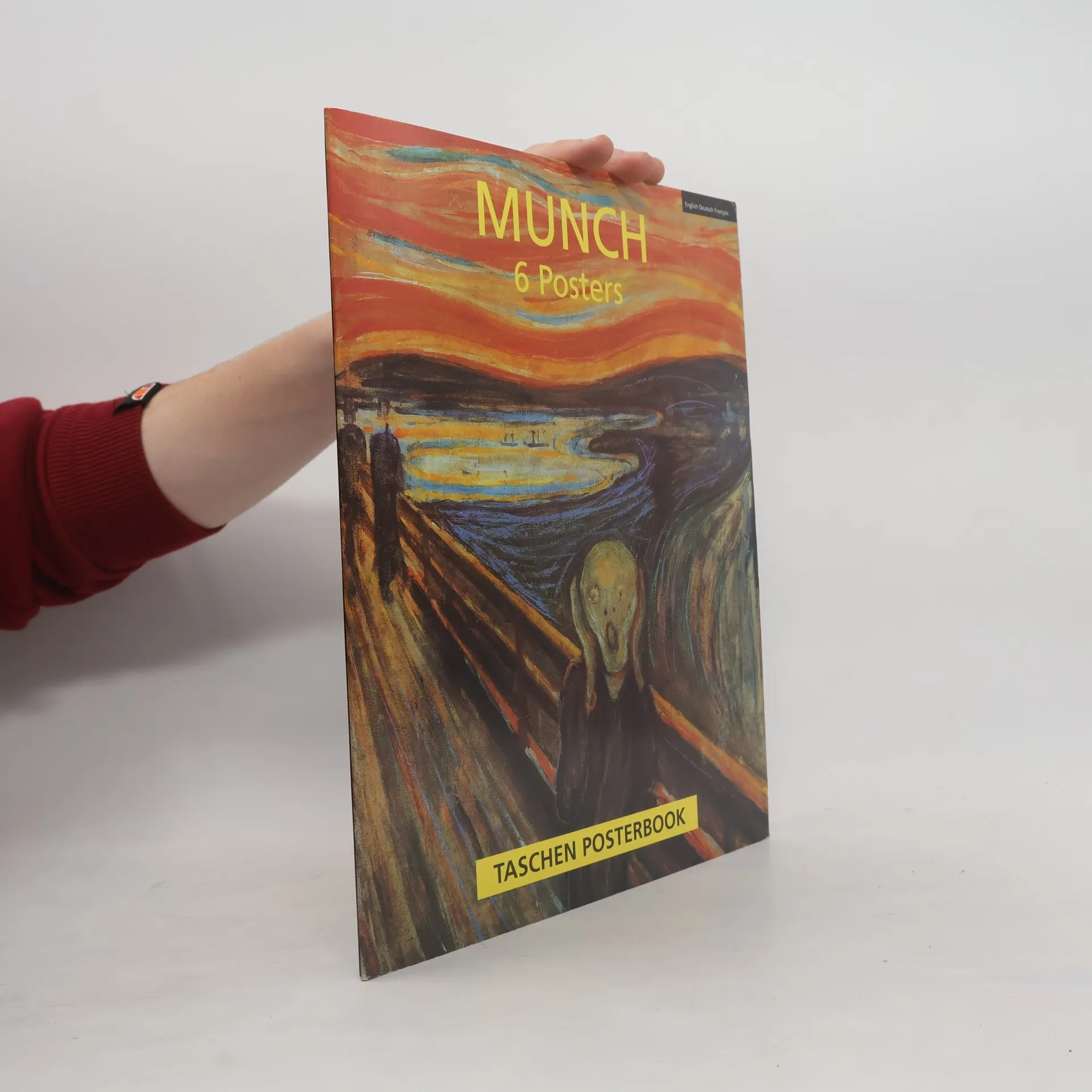
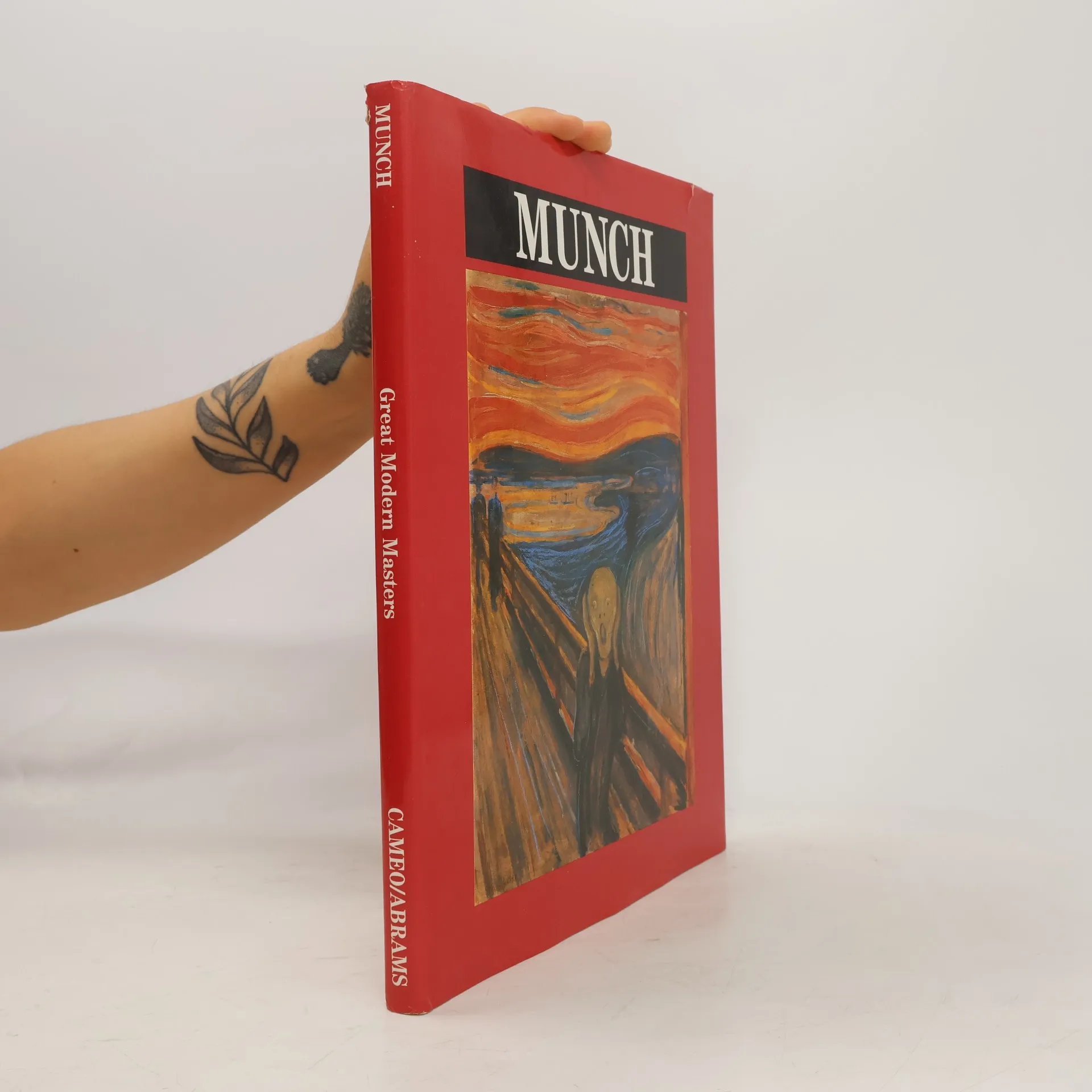
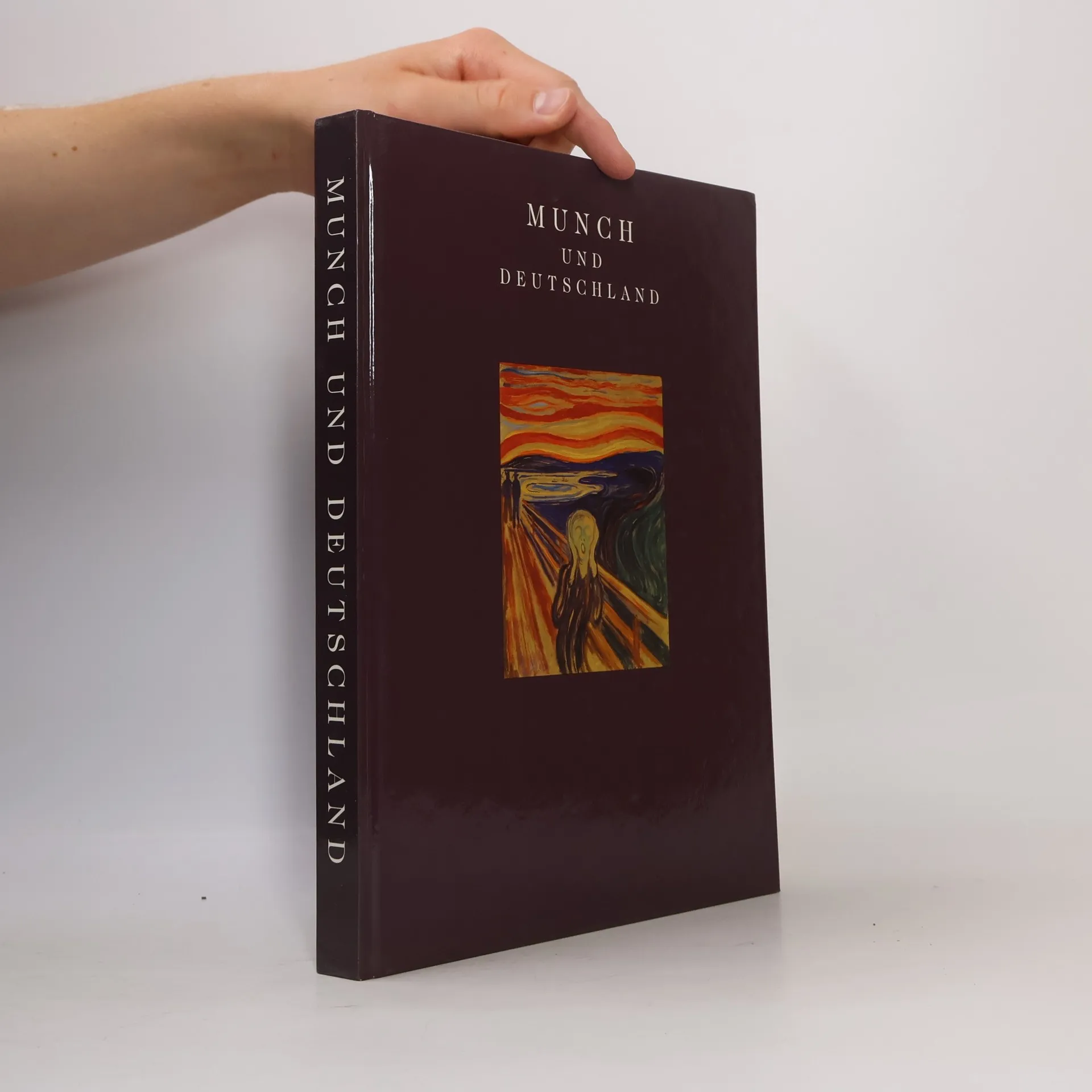
For Edvard Munch (1863-1944), painting was an act of self-liberation. His treatments of fear, desperation, and death still exert a powerful visual and psychological effect on modern viewers. Of all Munch's paintings, "The Scream" (1893), representing a figure tortured by horror, is the most well-known-and certainly one of the most expressive. The artist reflected his innermost feelings in his work: "In reality, my art is a free confession, an attempt to clarify to myself my own relation to life..." Although Edvard Munch cannot be clearly identified with any single movement, he is deemed a pioneer of Expressionism.
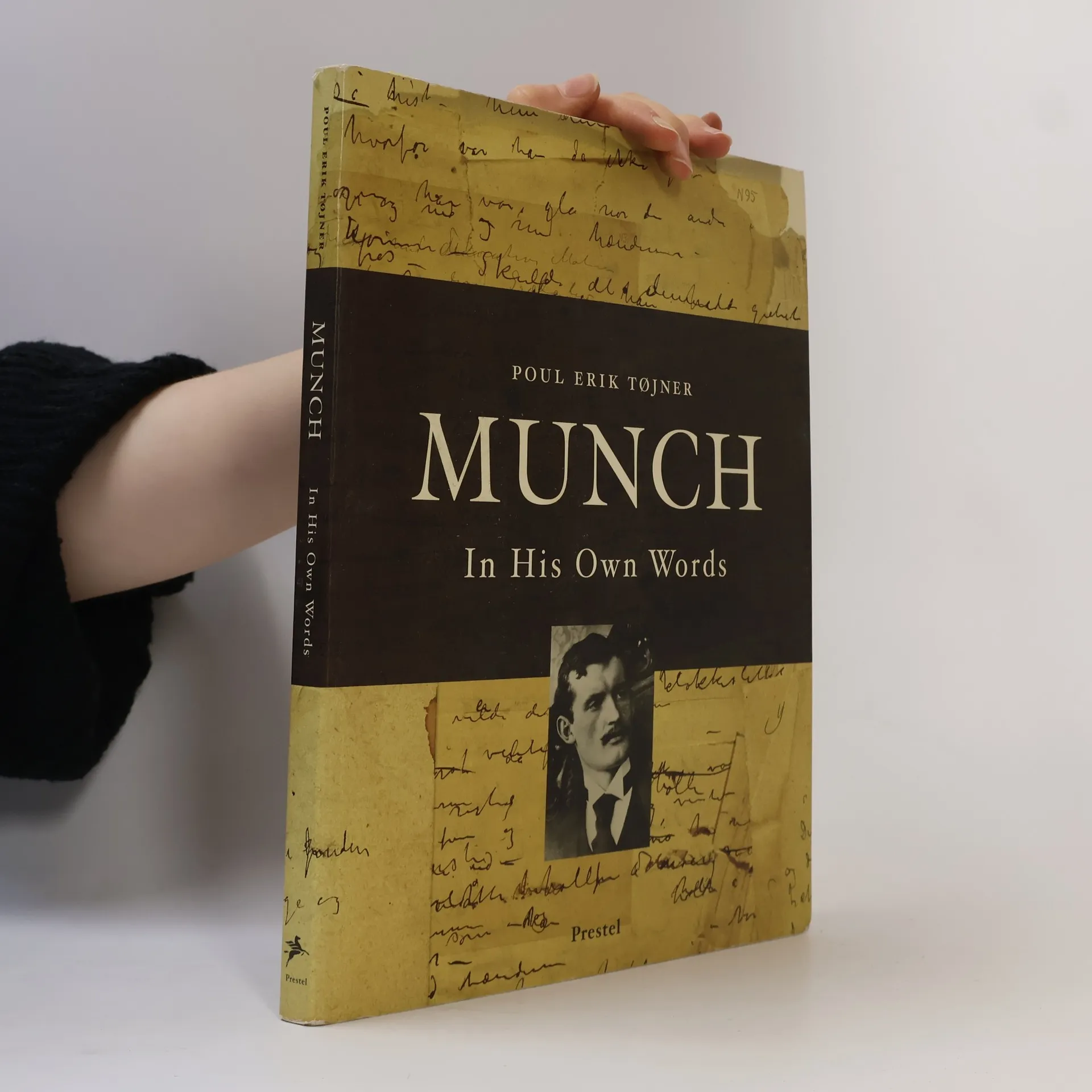
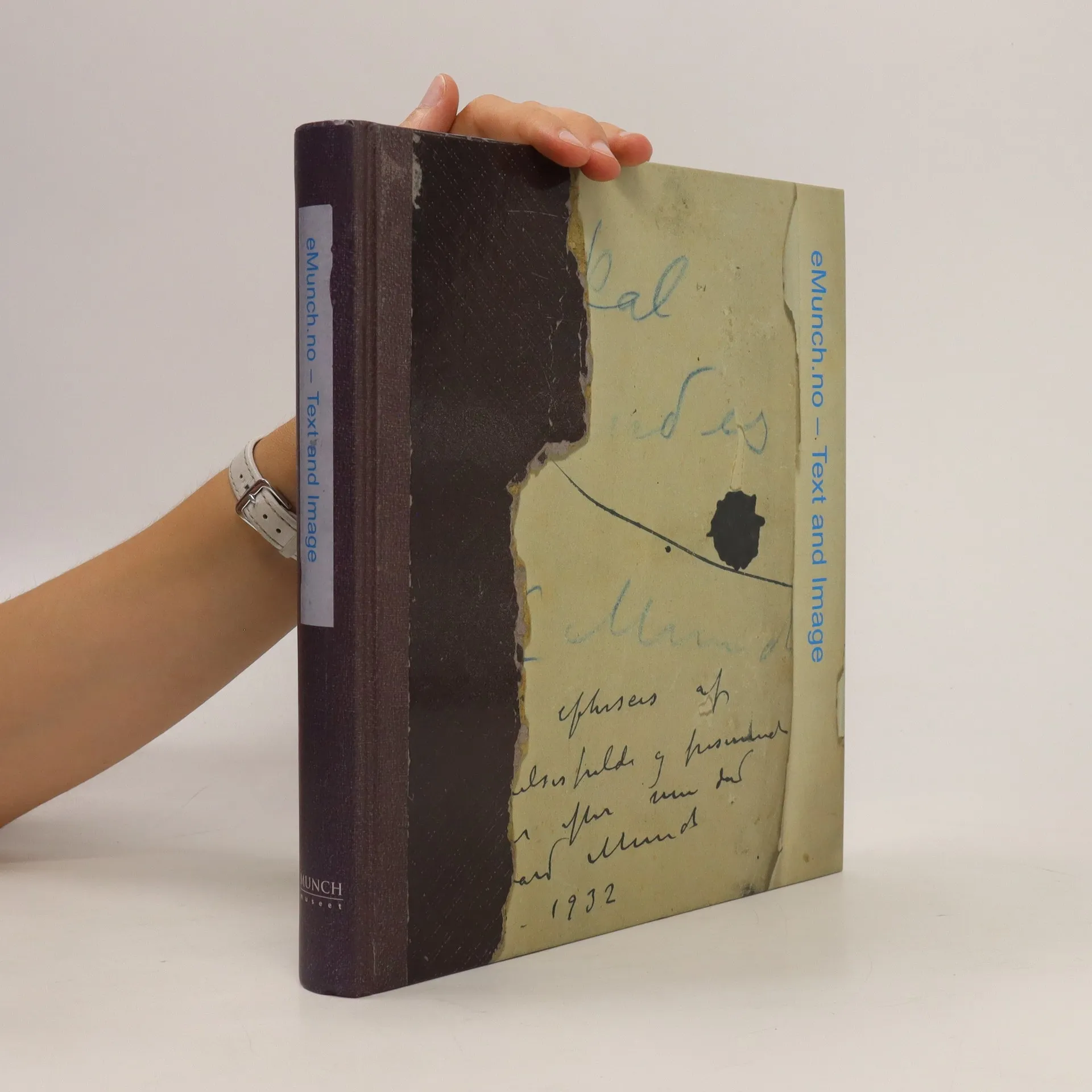
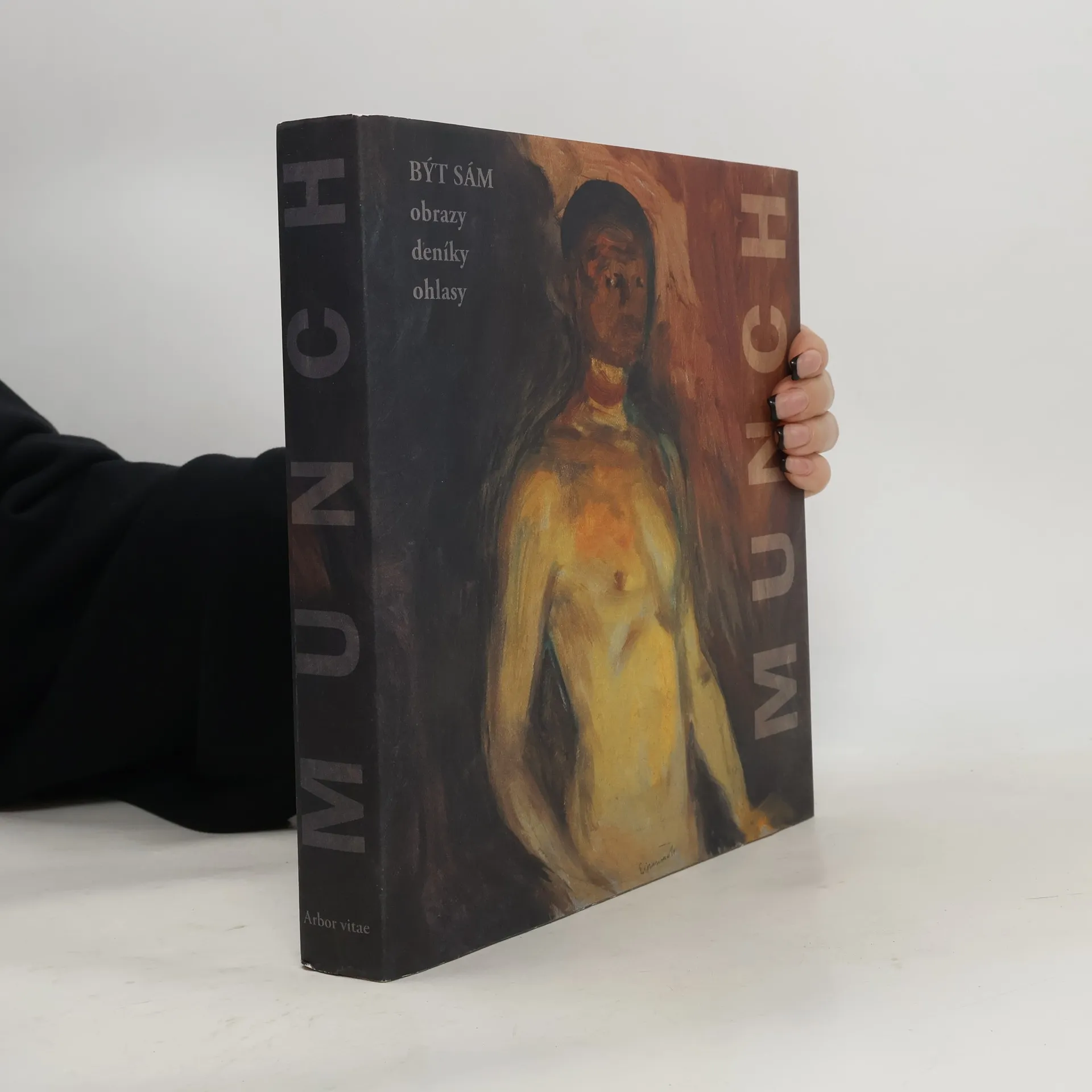
The book offers a deep exploration of Edvard Munch's thoughts through a collection of his letters, drafts, notes, and literary texts. It provides valuable insights into the artist's mindset and creative process, enhancing the understanding of his most iconic images. Readers will discover the connections between Munch's written reflections and his visual art, revealing the emotional and intellectual depths that shaped his work.
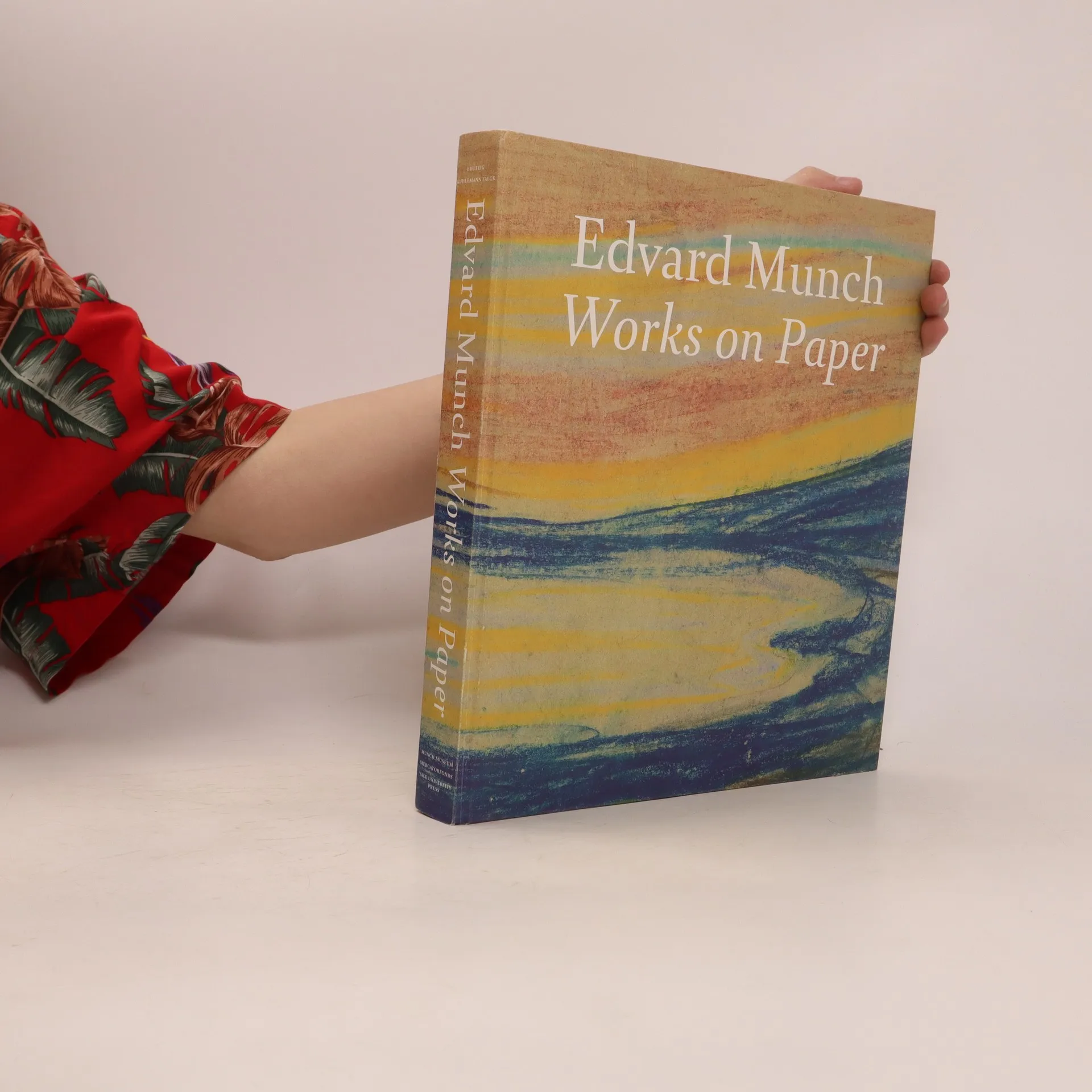
Edvard Munch. Works on Paper
- 311pagine
- 11 ore di lettura
This text is dedicated to Edvard Munch's vast and fascinating oeuvre of works on paper. Featured in beautiful colour reproductions are key images related to well-known prints and drawings, as well as lesser known works, such as childhood drawings and caricatures.
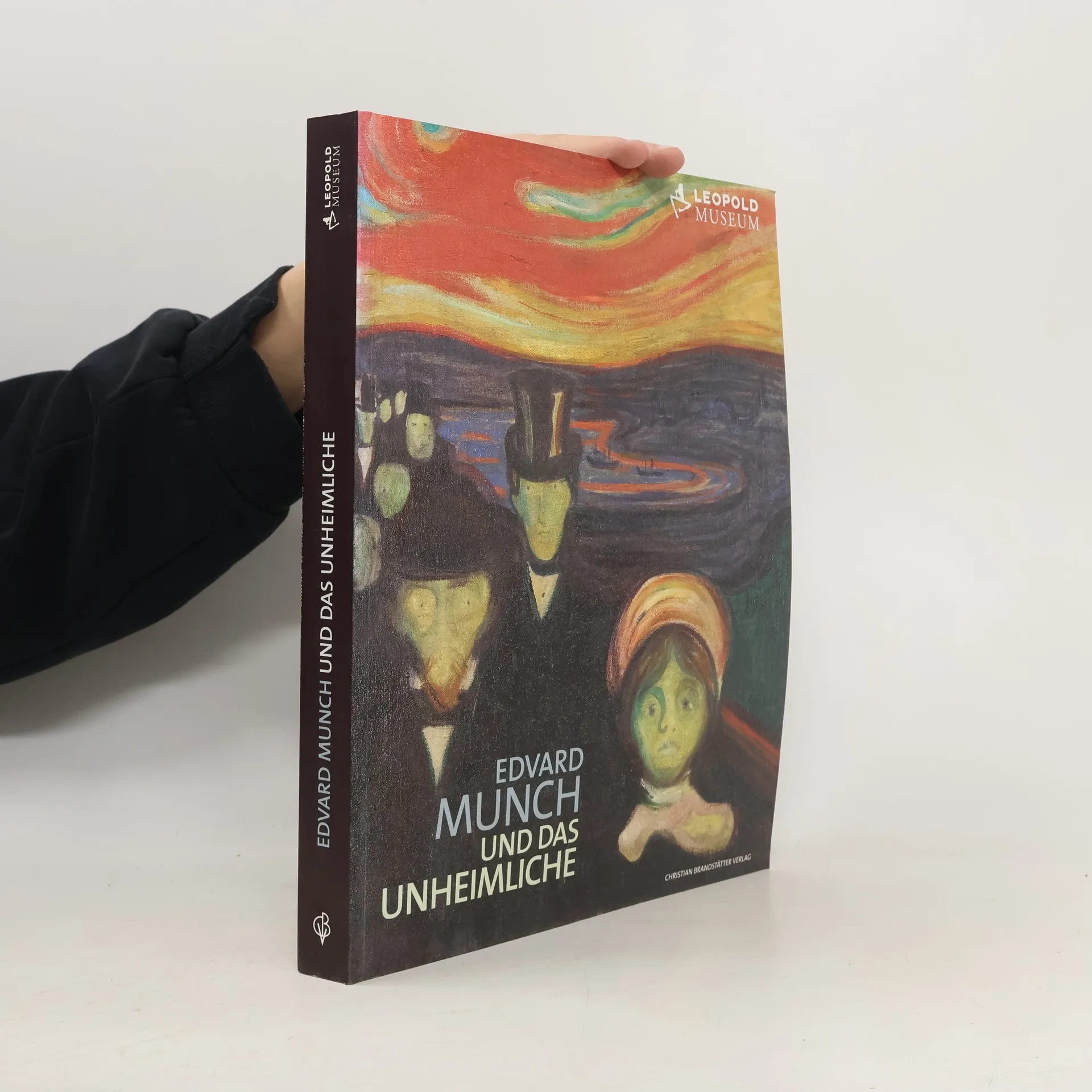
Munch and Expressionism
- 231pagine
- 9 ore di lettura
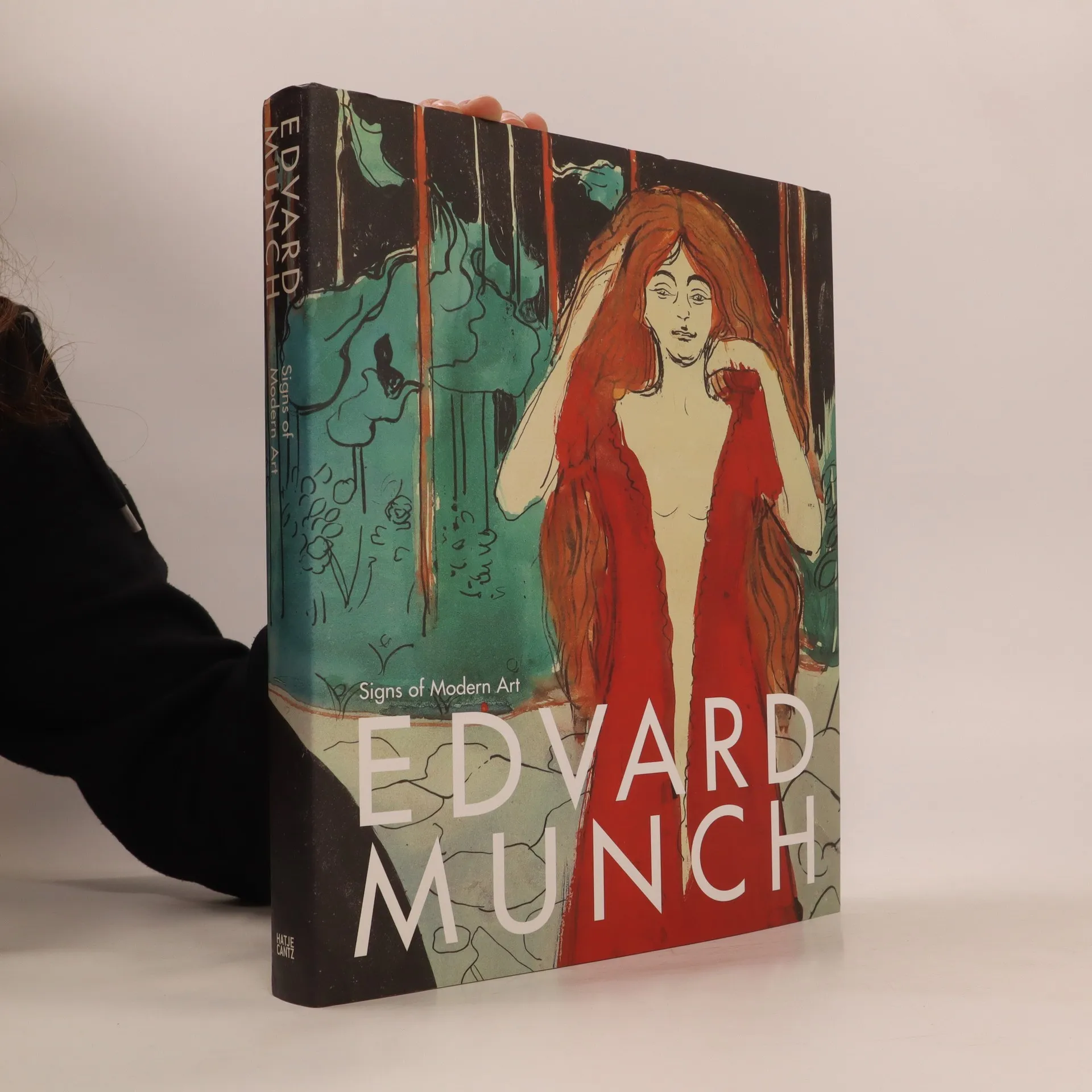
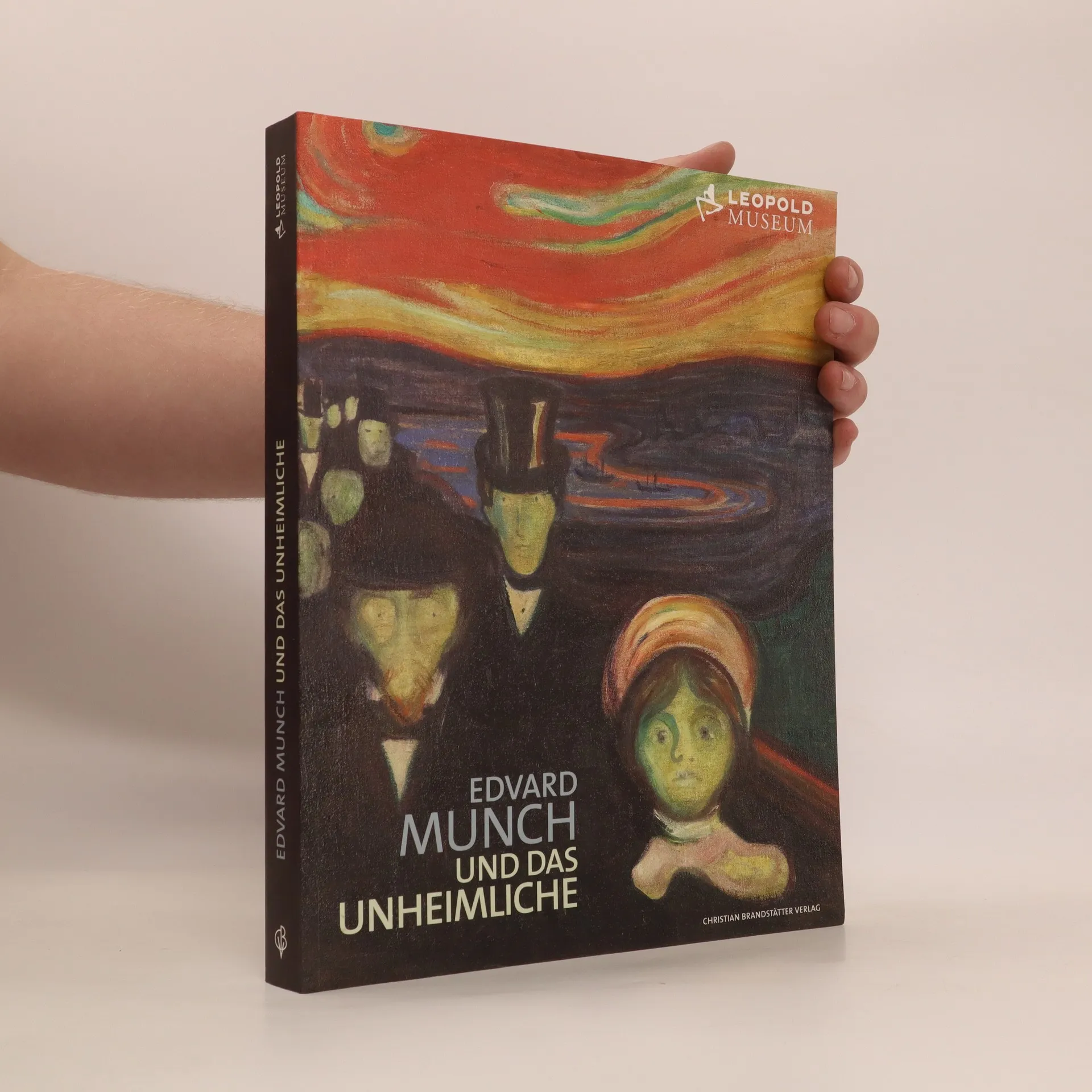
Munch begann in einer Zeit zu malen, als die Kunst dem Kult der schönen Form huldigte. Doch Munch interessierte die dunkle Seite der Seele, ihn beschäftigte die Entfremdung, Sündhaftigkeit und Verwundbarkeit des Menschen. In seinen Bildern griff er die Farbigkeit der damaligen Kunst auf, verlieh ihr jedoch neue Dimensionen des Gefühlsausdrucks. Der große Einfluss des Norwegers auf seine Zeitgenossen in Österreich und Deutschland wird erstmals in diesem Buch thematisiert. Ausgewiesene Experten analysieren Munchs Bedeutung für die Kunst des Expressionismus im deutschsprachigen Raum. Munchs Impulse in einzelnen Gebieten, etwa der Druckgrafik, werden ebenso gewürdigt wie die stilistischen und thematischen Leitmotive seines Werks, seine Selbstporträts und Stadtszenen, seine Landschaften und Paarbilder sowie Darstellungen vom Künstler und seinem Modell. Exzellente Farbreproduktionen nicht nur von bekannten Hauptwerken wie „Der Schrei“, „Madonna“ und „Der Kuss“ machen aus diesem Band eine einmalige Einführung in das Werk Edvard Munchs, die zugleich wichtige neue Denkansätze zur Beschäftigung mit dem europäischen Expressionismus bereithält.