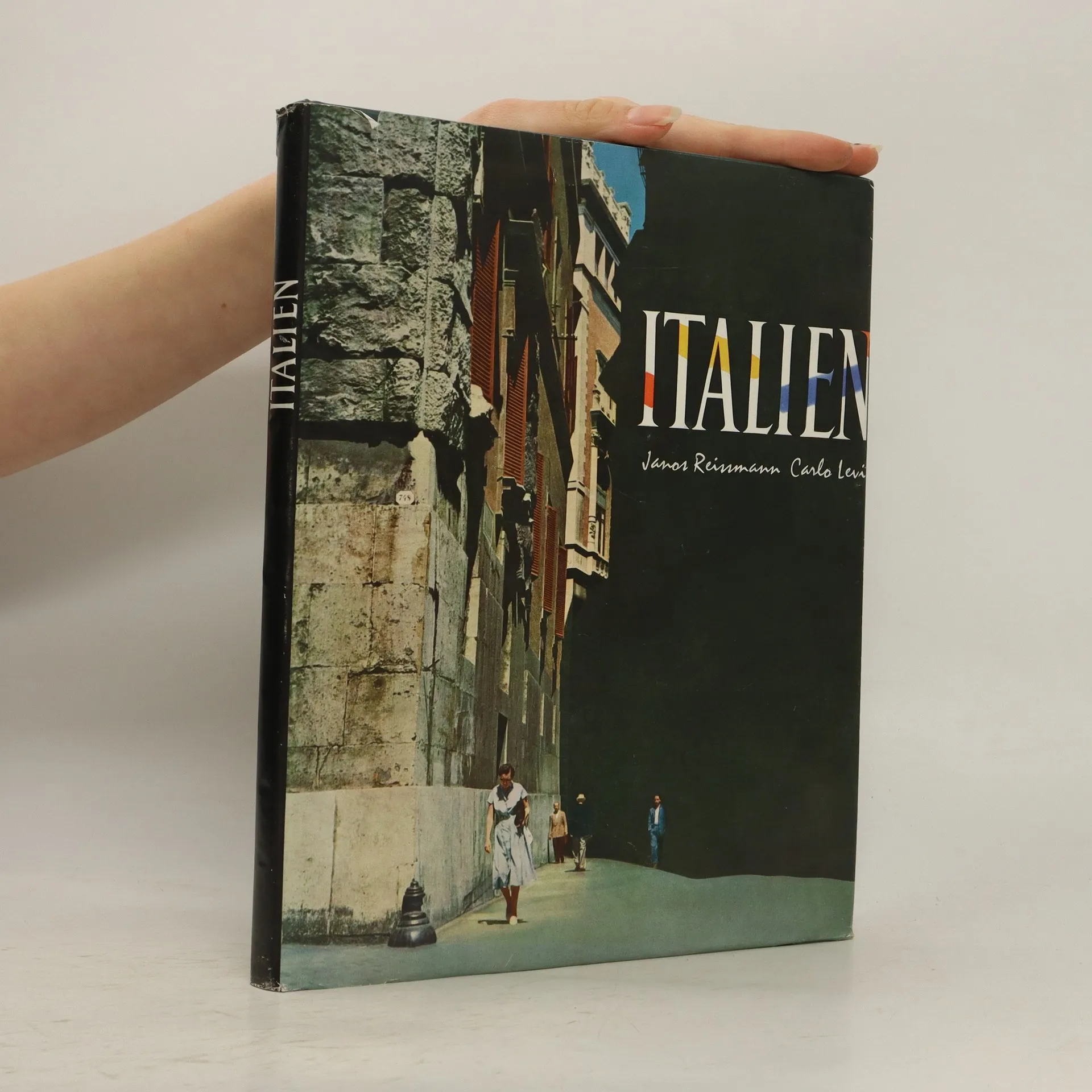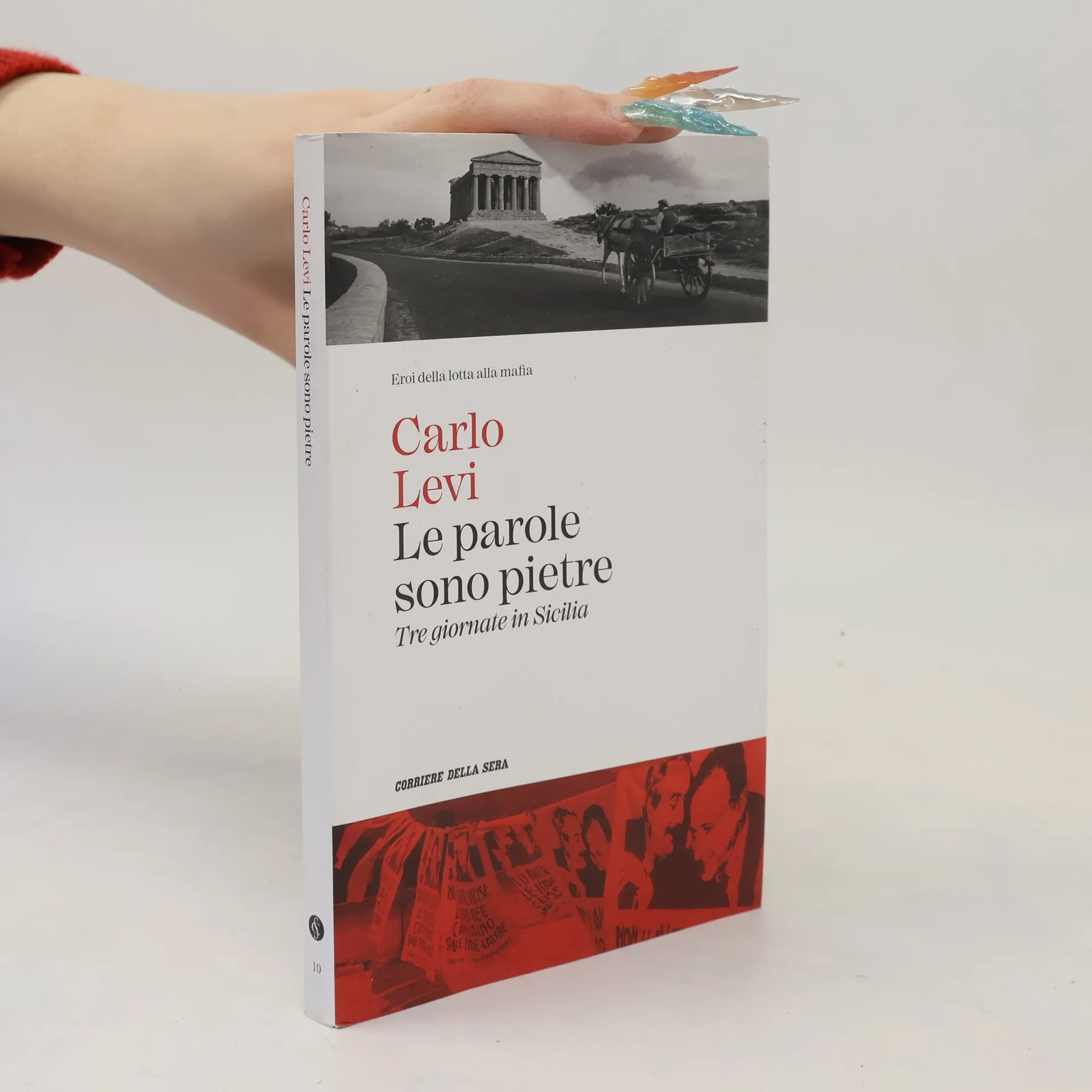
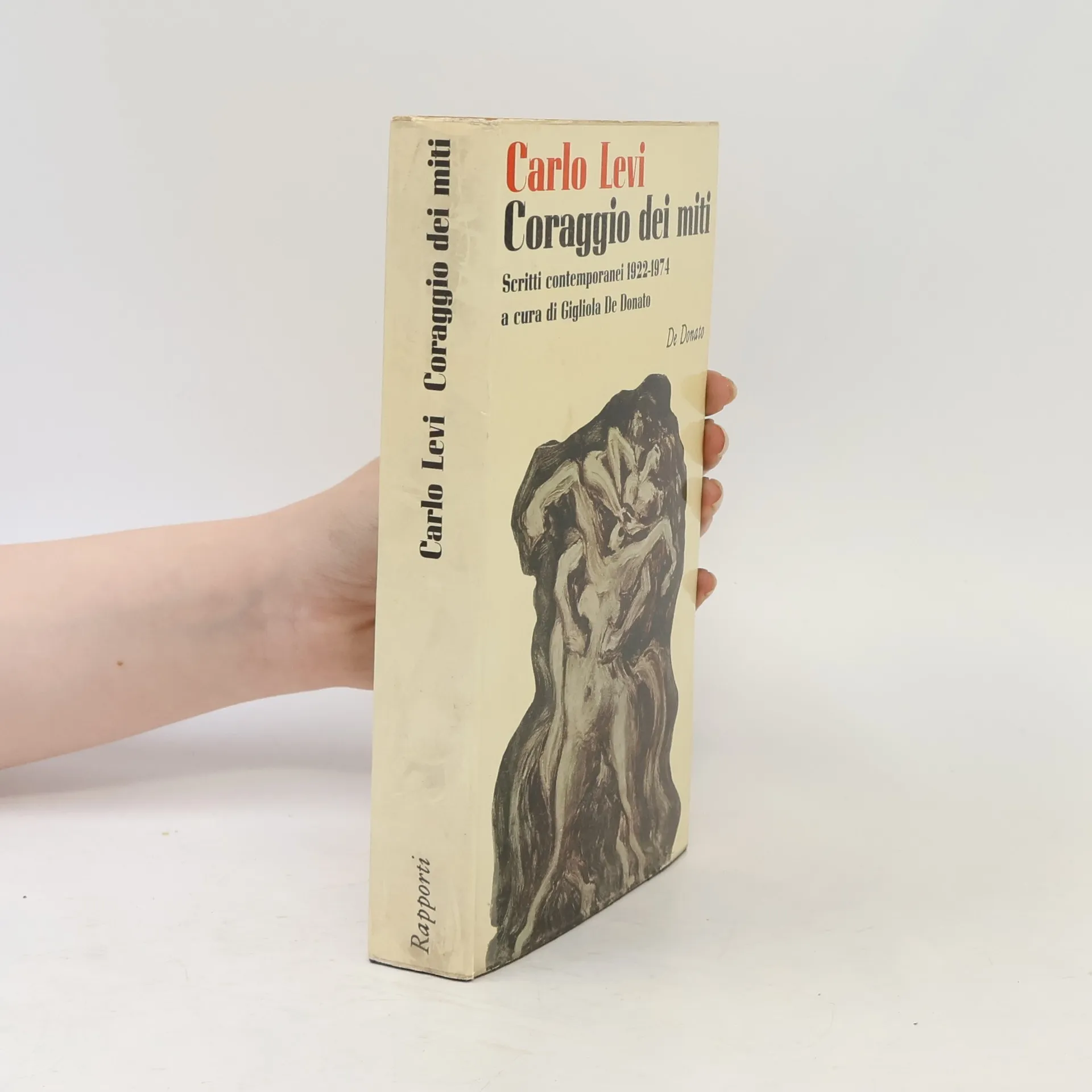
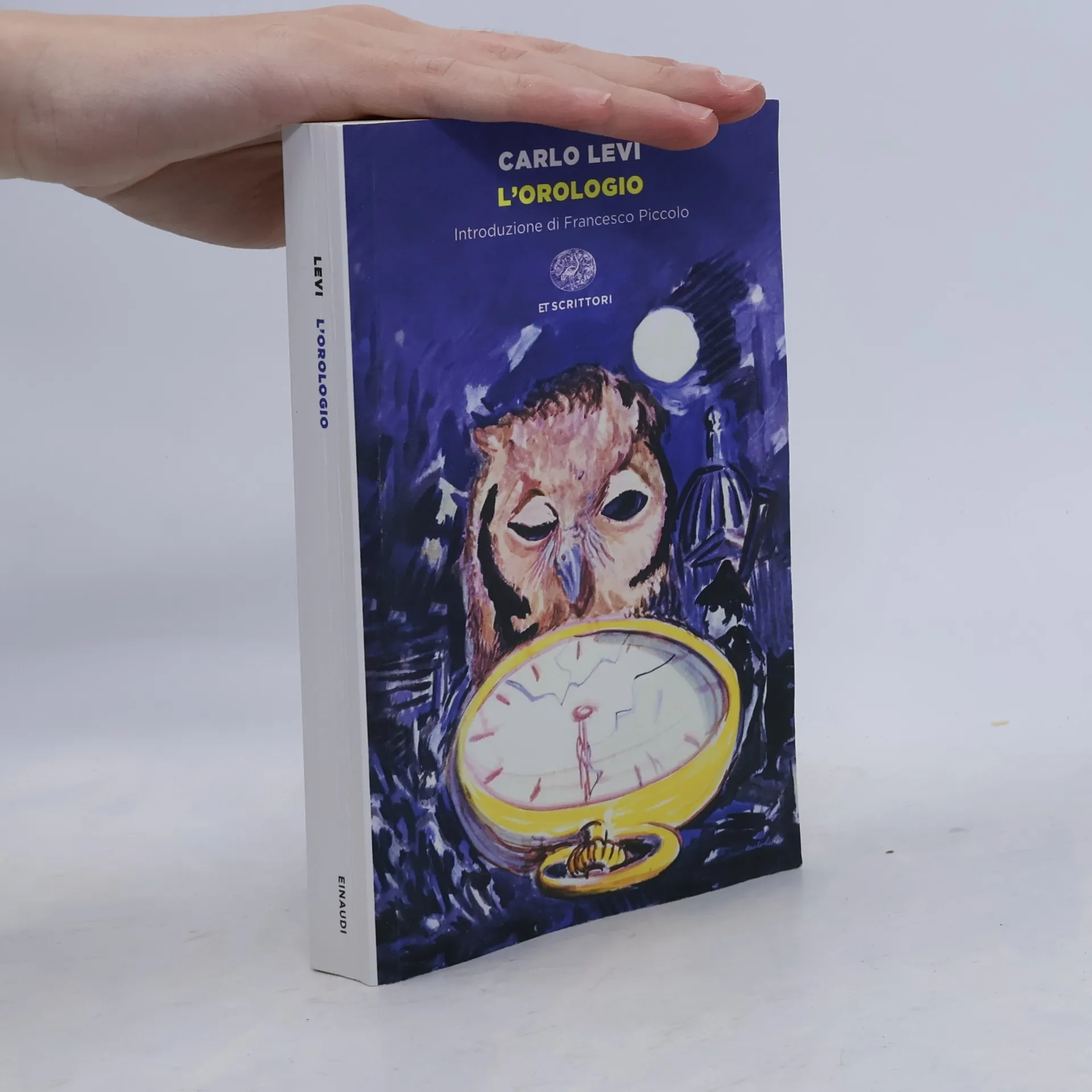
Carlo Levi è stato un pittore, scrittore e medico italiano la cui opera è caratterizzata da una rappresentazione lucida e compassionevole della vita comune. La sua scrittura più riconosciuta, derivante dalla sua esperienza di esilio in una regione povera dell'Italia meridionale, è stata fondamentale per portare le questioni sociali all'attenzione nazionale. La prosa di Levi è nota per il suo approccio non ideologico ed empatico nel rappresentare le difficoltà quotidiane, offrendo uno sguardo penetrante sulla condizione umana. La sua scrittura risuona con onestà e una profonda comprensione di coloro che si trovano ai margini della società.
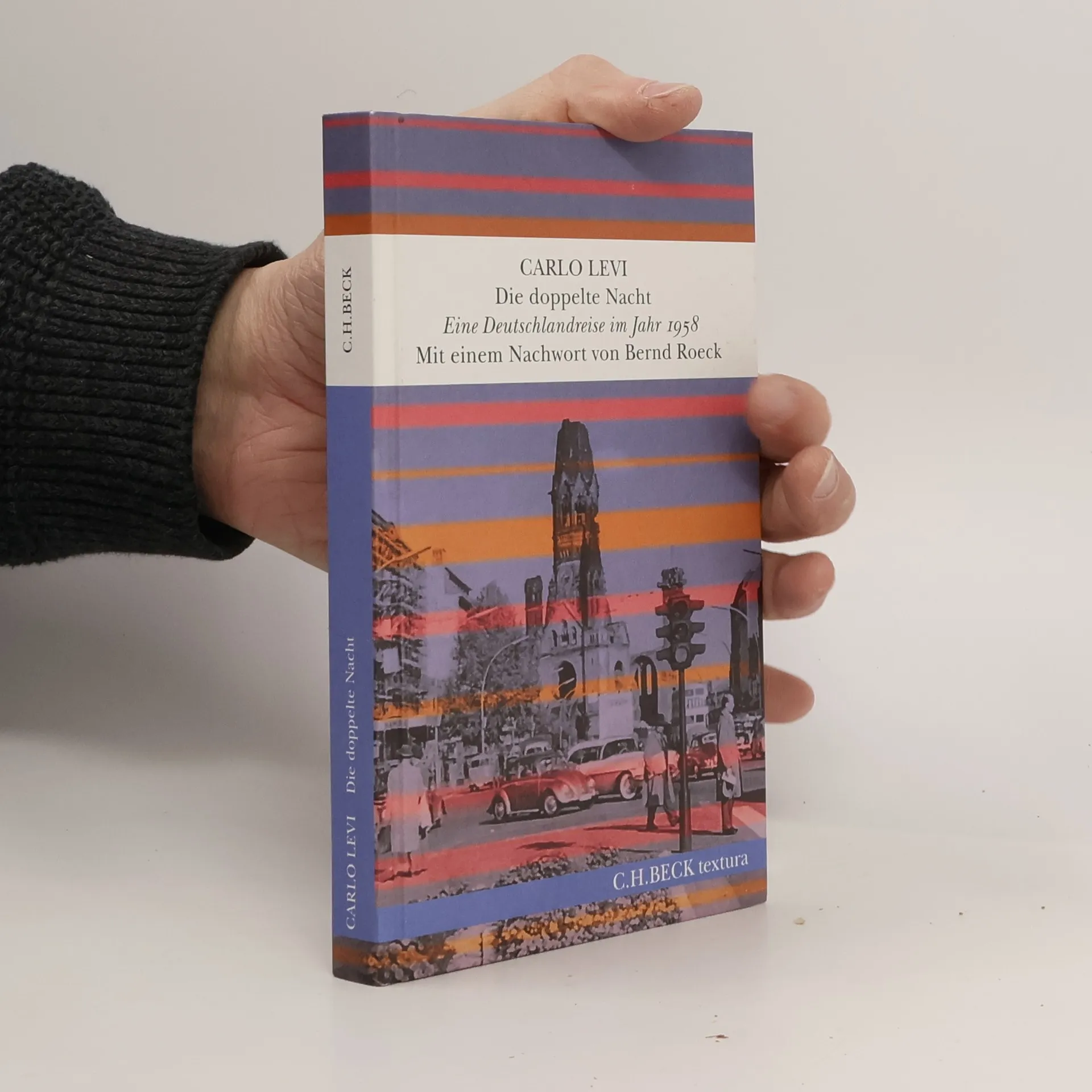
Carlo Levis Reisebericht aus dem Jahr 1958 schildert seine Eindrücke von Nachkriegsdeutschland, wo er den Wiederaufbau und den Luxus erlebt, aber auch die Verdrängungen der Vergangenheit spürt. Mit einem ethnographischen Blick erkundet er Münchens Nachtleben und Berlins Weihnachtsmärkte und reflektiert die menschlichen Abgründe in einem von Gewalt geprägten Land.
Carlo Levi was a painter, writer, and antifascist Italian from a Jewish family, and his political activism forced him into exile for most of the Second World War. While in exile, he wrote Christ Stopped at Eboli , a memoir, and Fear of Freedom , a philosophical meditation on humanity's flight from moral and spiritual autonomy and our resulting loss of self and creativity. Brooding on what surely appeared to be the decline, if not the fall of Europe, Levi locates the human abdication of responsibility in organized religion and its ability to turn the sacred into the sacrificial. In doing so, he references the entire intellectual and cultural estate of Western civilization, from the Bible and Greek mythology to Sigmund Freud and Carl Jung. This edition features newly published pieces of Levi's artwork and the first English translation of his essay "Fear of Painting," which was appended to a later publication of the work. It also includes an introduction that discusses Levi's life and enduring legacy. Written as war clouds were gathering over Europe, Fear of Freedom not only addresses a specific moment in history and a universal, timeless condition, but it is also a powerful indictment of our contemporary moral and political failures.
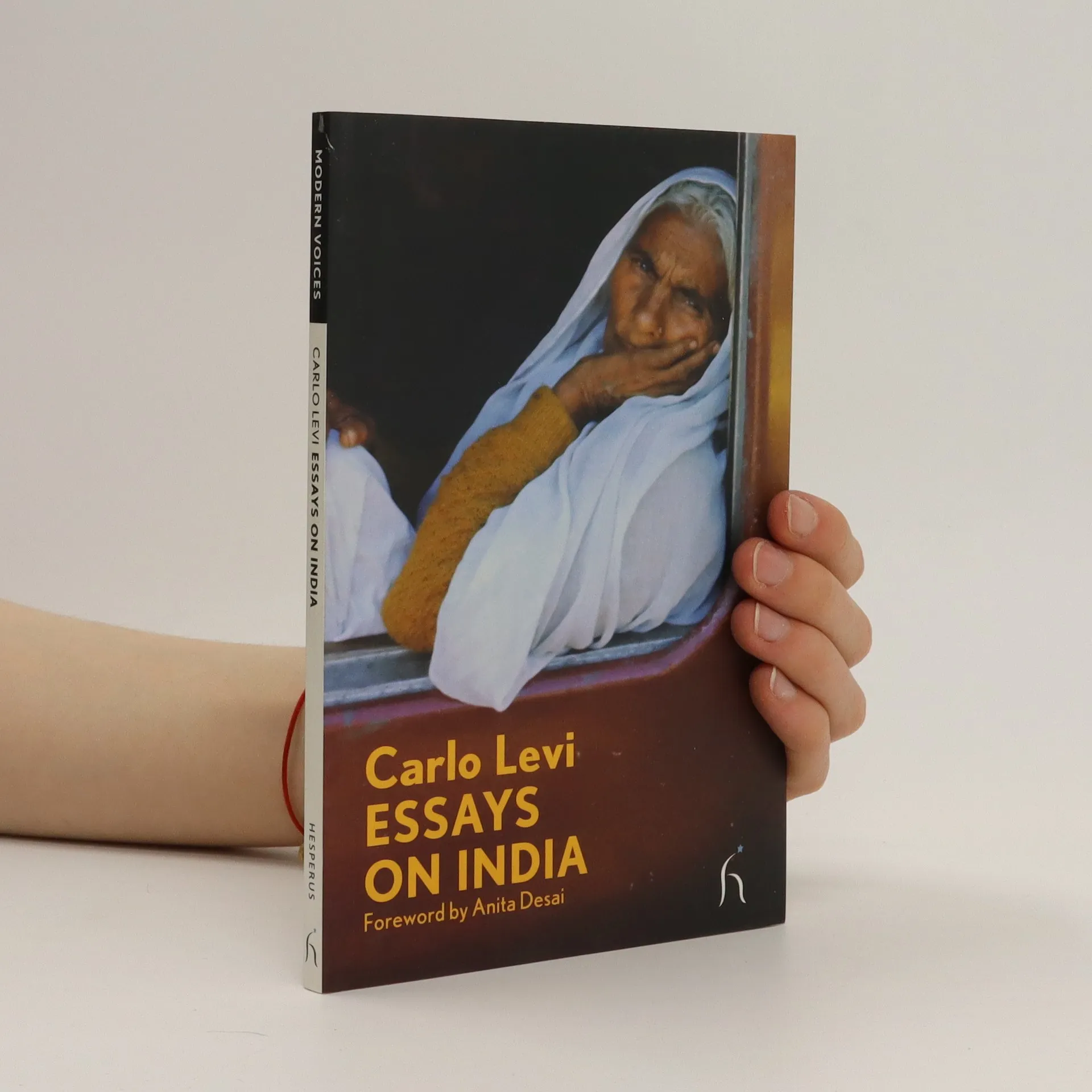
With his typically perceptive insights, Levi writes evocatively on his experiences in India, including his interview with Pandit Nehru, his tour of a tent city at a political convention, and his meeting with a Hindu nationalist party. This only available edition of a fascinating account of his impressions of the subcontinent is a valuable addition to the tradition of Western writing on India, made all the more fascinating by the influence that Levi’s famous memoir of exile Christ Stopped at Eboli has had on many Indian intellectuals. Published in 1945, that account of his time spent in exile in Italy after being arrested in connection with his political activism introduced the trend toward social realism in post-war Italian literature.
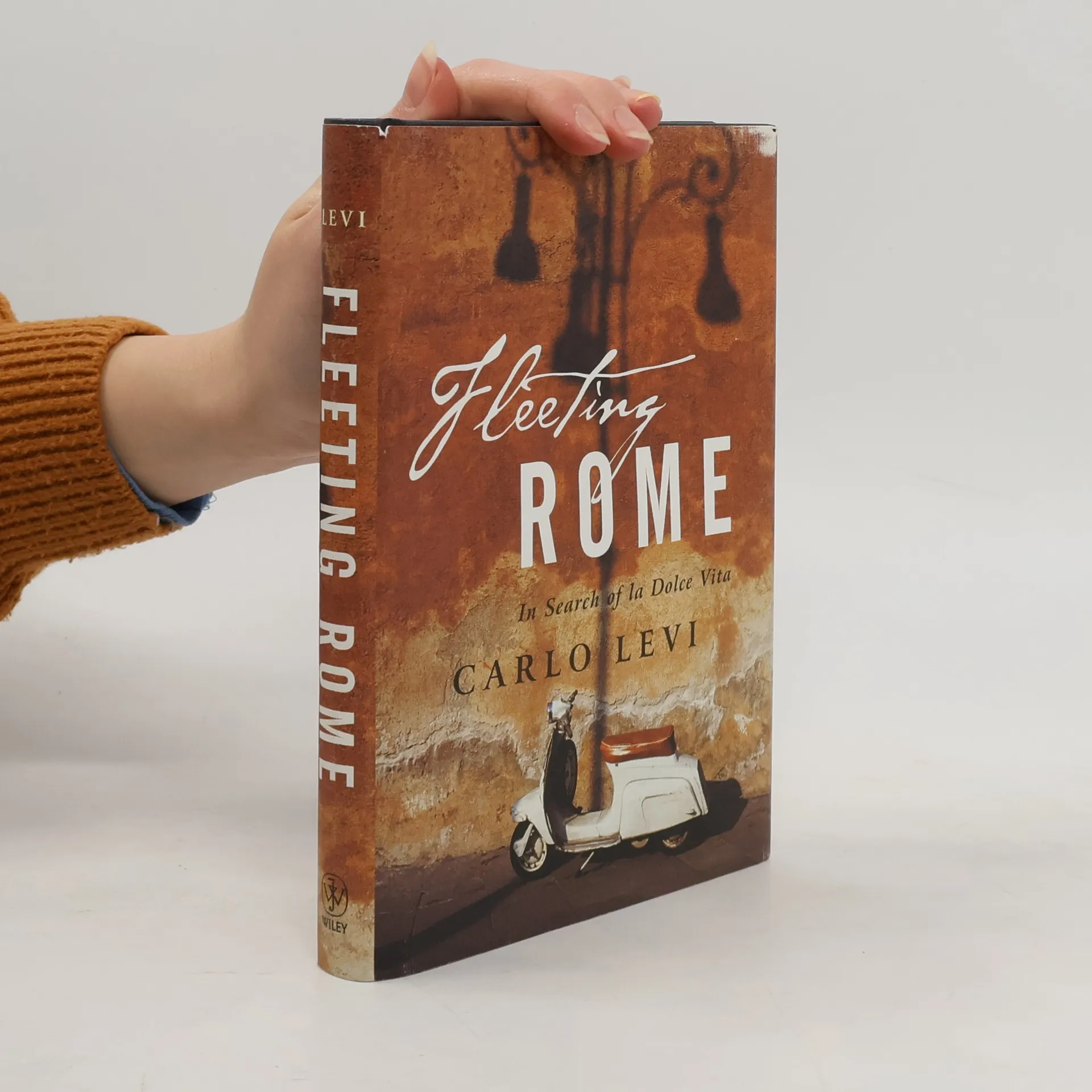
Only a renaissance man could have described this glorious city in its heyday.
And only Carlo Levi, writer, painter, politician, and one of the last
century's most celebrated talents, could depict Rome at the height of its
optimism and vitality after World War II.
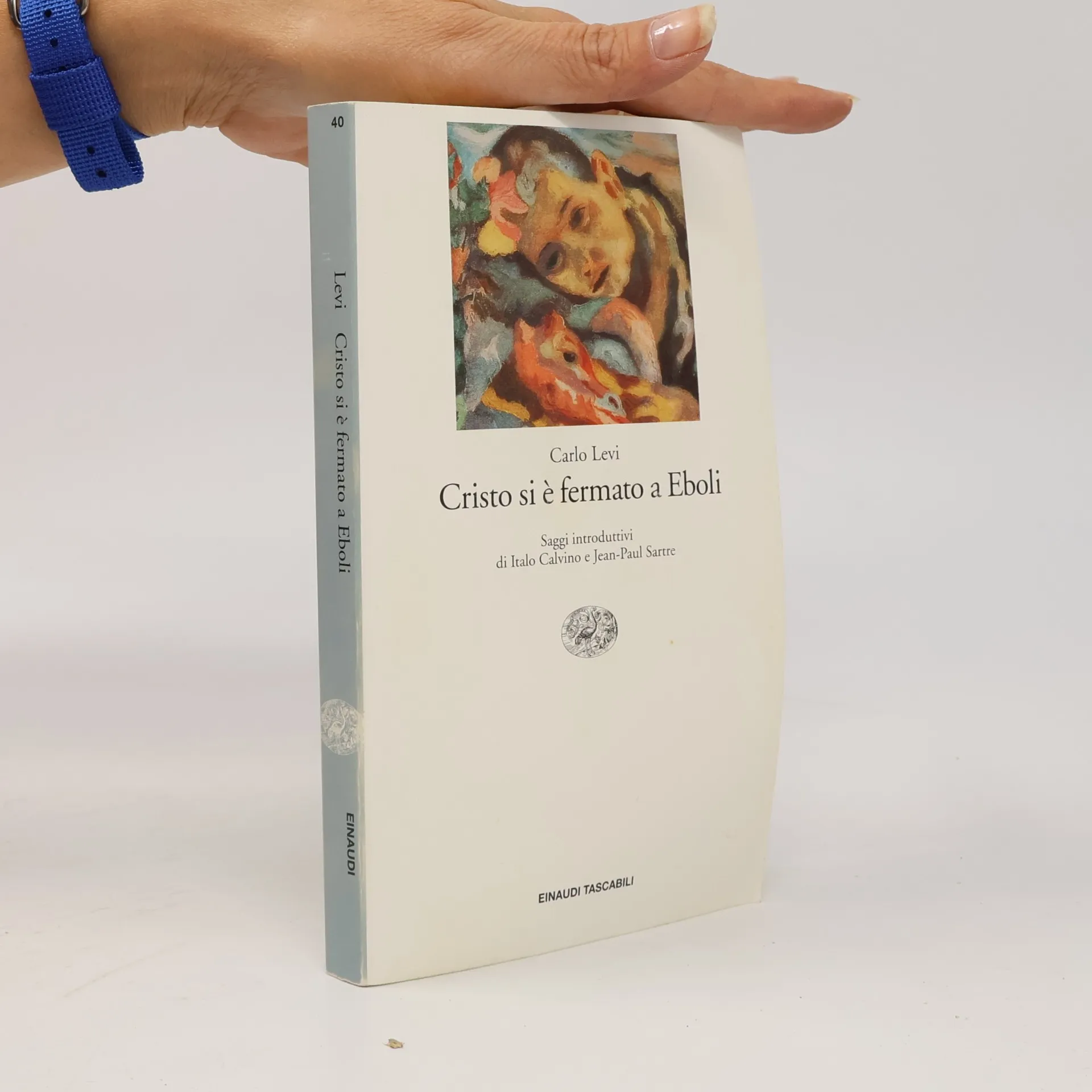
Il più famoso libro del medico e pittore Carlo Levi. La scoperta del problema meridionale non solo come episodio di una condizione arcaica, intollerabile nella nostra società, ma anche come teatro di una straordinaria civiltà contadina. «Eboli,--dicono i lucani tra cui Levi fu mandato al confino dal fascismo,--è l’ultimo paese di cristiani. Cristiano è uguale a uomo. Nei paesi successivi, i nostri, non si vive da cristiani, ma da animali». Secondo Italo Calvino «la peculiarità di Carlo Levi sta in questo: che egli è il testimone della presenza di un altro tempo all’interno del nostro tempo, è l’ambasciatore d’un altro mondo all’interno del nostro mondo». Saggi introduttivi di Italo Calvino e Jean-Paul Sartre.