

Una storia di Persia. Siamo nel 1908 e il sole brucia implacabile su un villaggio senza nome. Qui, nel profondo sud dell'Iran, ci sono molte proibizioni, ma un ragazzo non si attiene a esse. Eskandar osa scalare il desolato monte e parlare con gli stranieri che cercano petrolio. Essi possiedono tutto ciò che manca alla gente del villaggio: acqua e cibo. Così inizia la vita avventurosa di un ragazzo che deve affermarsi in circostanze avverse. Ma Eskandar riconosce il grande potere delle parole, diventando il portavoce di buone e cattive notizie, e infine un narratore di storie. L'autrice Siba Shakib offre affascinanti spaccati della cultura arcaica persiana, che deve affrontare enormi cambiamenti.
Síba Shakib Libri
Siba Shakib concentra la sua attenzione sull'Afghanistan dilaniato dalla guerra, lavorando prima e durante il regno del terrore talebano. I suoi documentari, pluripremiati, fungono spesso da toccanti testimonianze degli orrori della vita in Afghanistan, evidenziando in particolare la difficile condizione delle donne afghane. Cresciuta in Iran e avendo completato gli studi superiori in Germania, Shakib porta nella sua opera una profonda comprensione e sensibilità ai temi dell'oppressione e della resilienza.

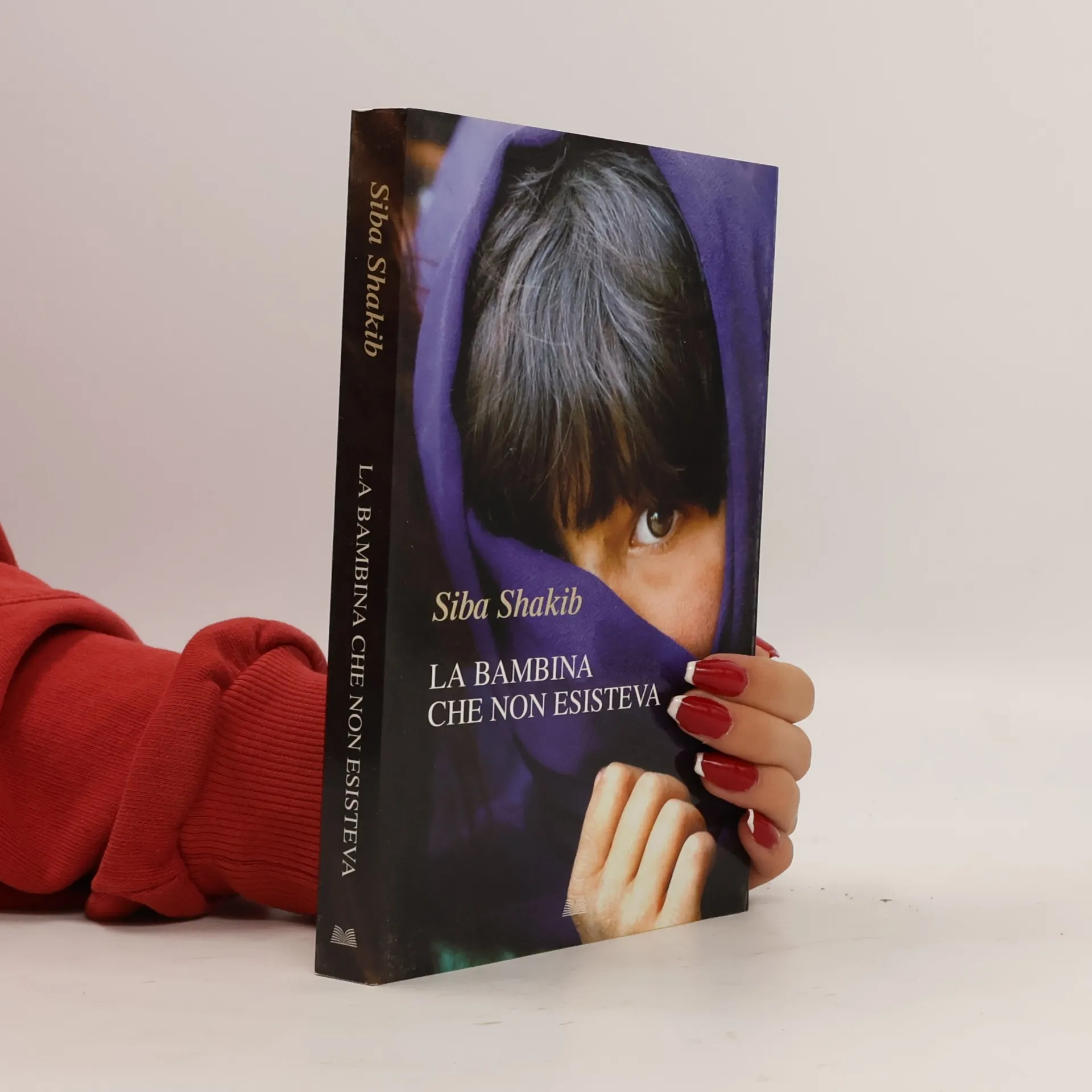

La bambina che non esisteva
- 316pagine
- 12 ore di lettura
Aveva pregato con tutte le forze che fosse un bambino. Suo marito, il giovane e valoroso comandante, non avrebbe potuto sopportare l'affronto di una femmina. Daria lo sapeva bene, e sapeva anche quale terribile punizione poteva essere inflitta alle donne che non erano in grado di partorire un primogenito maschio. Eppure aveva fallito. Era nata Samira, una bambina. Lo aveva capito subito, aveva letto la sua colpa sul volto amareggiato dell'uomo che amava e che la amava. L'uomo era sconcertato. Perché proprio a lui? Cosa avrebbero pensato i suoi soldati, cosa avrebbero detto al villaggio quando la notizia fosse giunta? Non era possibile. E così aveva deciso: la bambina sarebbe stata cresciuta come un maschio. Sarà Samir. Sulle montagne dell'Hindu Kush, in Afghanistan, Samir impara a cacciare, ad andare a cavallo, a sparare. A credere ciecamente a suo padre, che venera come un dio. E quando il comandante viene ucciso in un combattimento, gli uomini del villaggio non hanno dubbi: anche se non è che un ragazzino, Samir dovrà diventare la loro guida. Ma quando la natura giungerà a reclamare ciò che le spetta, l'artificio così a lungo alimentato inizierà a vacillare. Sarà allora che Samira inizierà la sua lotta per rimpossessarsi della propria vita e del proprio destino.
Mille volte Gioia
Romanzo
Shirin-Gol was just a young girl when her village was leveled by the Russians' bombs in 1979. After the men in her family joined the resistance, she fled with the women and children to the capital, Kabul, and so began a life of day-to-day struggle in her war-torn country. A life that included a period living in the harsh conditions of a Pakistani refugee camp, being forced into a marriage to pay off her brother's gambling debts, selling her body and begging for the money to feed her growing family, an attempted suicide, and an unsuccessful endeavor to leave Afghanistan for Iran after the Taliban seized control of her country. Told truthfully and with unflinching detail to writer and documentary-maker Siba Shakib, and incorporating some of the shocking experiences of Shirin-Gol's friends and family members, this is the story of the fate of many of the women in Afghanistan. But it is also a story of great courage, the moving story of a proud woman, a woman who did not want to be banished to a life behind the walls of her house or told how to dress, who wanted an education for her children so that they could have a chance at a future without fear and poverty.
Ein eindringlicher Roman über die heilende Kraft des Geschichtenerzählens Anoush steht in der Lebensmitte an einem Wendepunkt: Ihre Freundin Anouk, wie sie selbst Tochter eines Iraners und einer Deutschen, mit der sie in Teheran aufwuchs wie mit einer Schwester, hat sich das Leben genommen. Für Anoush bleibt die Zeit stehen. Es ist nicht das erste Mal, dass sie Anouk verliert, doch diesmal ist der Verlust endgültig. Anoush, die viele Jahre zuvor jede Verbindung zu ihren Eltern im Iran gekappt hat, zieht sich in ihr kleines Haus in den italienischen Marken zurück, um all die traumatischen Erinnungen zu verarbeiten und einen vor Langem begonnenen Roman fertigzuschreiben. Die Natur um sie herum tut ihr gut, aber es fällt ihr schwer, sich zu sammeln. Da taucht plötzlich eine geheimnisvolle Frau bei ihr auf, die sagt, sie habe ihr Gedächtnis verloren. Auf Anoush macht sie einen unerklärlich vertrauten Eindruck, weshalb sie sie fortan Anouk nennt. Während die neue Anouk Anoush in ihre Geschichte führt, hilft der entstehende Roman beiden, wieder zu sich selbst zu finden. Und schließlich gelingt es Anoush sich mit ihrer Mutter und der Vergangenheit zu versöhnen.
