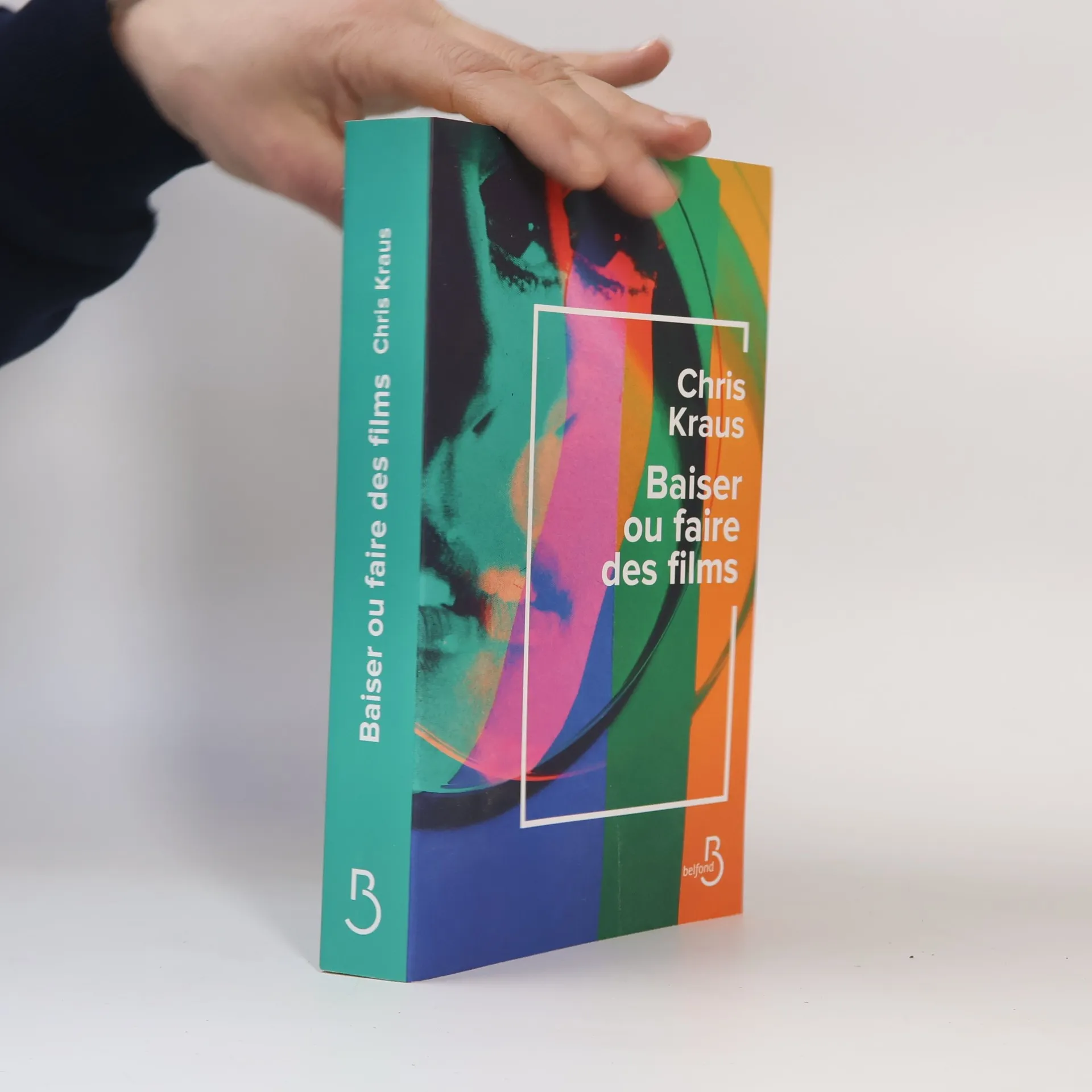

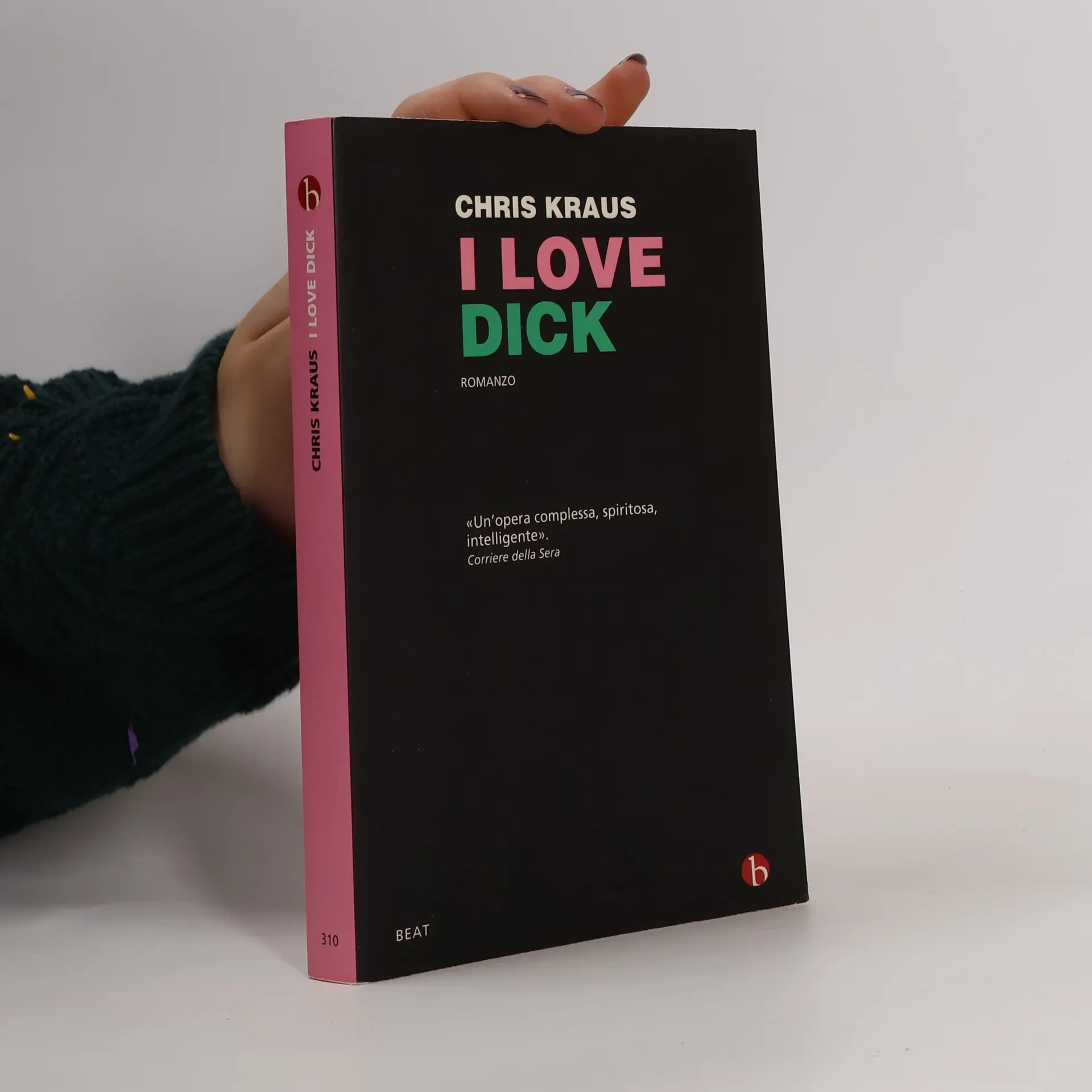
Filmmaker sperimentale di trentanove anni, Chris è sposata con Sylvère, docente universitario di cinquantasei anni. Appassionata d’arte di cattiva qualità, che secondo lei rende molto più attivo chi la osserva, Chris, diversamente da Sylvère, non si esprime in un linguaggio teorico. È abituata perciò ad attenersi a un perfetto silenzio quando Sylvère si avventura nei suoi discorsi sulla teoria critica postmoderna. Non facendo più sesso, i due però non evitano affatto di parlare. Praticano anzi una rigorosa «decostruzione» a modo loro. In altre parole, si raccontano tutto. Dopo aver trascorso l’intero anno sabbatico di Sylvère in un cottage sperduto tra le montagne a un’ora e mezza da Los Angeles, una sera i due cenano in un sushi bar di Pasadena con Dick, critico culturale inglese e buon conoscente di Sylvère. Durante la cena, mentre i due uomini discettano sulle ultime tendenze del postmoderno, Chris si accorge che Dick cerca di continuo il suo sguardo, e non può fare a meno di sentirsi eccitata da quell’inaspettata attenzione. Eccitazione che si accresce quando, dopo aver raggiunto casa di Dick nel deserto di Antelope Valley, per trascorrervi la notte ed evitare così di avventurarsi sulle strade innevate, Chris si rende conto che l’inglese flirta apertamente con lei. Lo sogna perciò tutta la notte. Ma la mattina dopo, quando si sveglia sul divano letto offerto dal loro generoso ospite, Dick non c’è più. Quella scomparsa le sembra il perfetto compimento di un’intensa storia non vissuta, anzi, come confessa a Sylvère, di una «Scopata Concettuale». Una volta tornati nel cottage, Sylvère – per un gioco perverso o forse perché per la prima volta dall’estate scorsa Chris gli appare animata e viva – le suggerisce di scrivere a Dick e di esprimergli i suoi sentimenti. Pubblicato per la prima volta nel 1997 e tornato prepotentemente a far parlare di sé, I love Dick è un romanzo di culto considerato «uno dei più importanti libri femministi degli ultimi due decenni» (Observer) oltre che «un formidabile romanzo di idee» (New Statesman).
Chris Kraus Libri
Chris Kraus è un affermato regista, sceneggiatore e romanziere la cui opera letteraria approfondisce le esperienze umane e le relazioni complesse. La sua scrittura è caratterizzata da una profonda intuizione della psicologia dei personaggi, esplorando spesso temi come l'identità, la memoria e la ricerca di senso nella vita. Con una sensibilità da cineasta per la narrazione visiva e la risonanza emotiva, Kraus crea storie che sono al tempo stesso intime e universali. Il suo secondo romanzo prosegue questo approccio artistico, che ha ottenuto il plauso della critica.


The European bestseller, an epic of two brothers, brought together and divided by betrayal, secrecy and self-delusion, spanning seventy years of German history: from the Russian Revolution, to World War II, to 1975.
Torpor
- 287pagine
- 11 ore di lettura
It's Summer, 1991, the dawning of the New World Order; a post-MTV, pre-AOL generation. Jerome Shafir and Sylvie Green, two former New Yorkers who can no longer afford an East Village apartment, set off on a journey across the entire former Soviet Bloc with the intention of adopting a Romanian orphan. Unflinchingly dark, hilarious and moving - Torpor is at once a satire and philosophy of cultural history, social identity and failing relationships. Dipping into the trajectory of a life at different moments, Kraus interrogates convention and emotion, creating characters that are flawed, witty, and altogether true to life.Part prequel, part sequel, Torpor continues a project of life-writing; personal, unsparing, and triumphant. If I Love Dick is the book of your 20s, Torpor is the book of your 30s.
First published in 2000, Aliens & Anorexia defined a female form of chance that is both emotional and radical. Unfolding like a set of Chinese boxes, with storytelling and philosophy informing each other, the novel weaves together the lives of earnest visionaries and failed artists. Its characters include Simone Weil, the first radical philosopher of sadness; the artist Paul Thek; Kraus herself; and 'Africa,' Kraus's virtual S&M partner, who is shooting a big-budget Hollywood film in Namibia while Kraus holes up in the Northwest woods to chronicle the failure of Gravity & Grace, her own low-budget independent film.In Aliens & Anorexia, Kraus makes a case for empathy as the ultimate perceptive tool, and reclaims anorexia from the psychoanalytic girl-ghetto of poor "self-esteem." Anorexia, Kraus writes, could be an attempt to leave the body altogether: a rejection of the cynicism that this culture hands us through its food. As Palle Yourgrau writes in the book's new foreword, 'Kraus's rescue operation for aliens like Weil from behind enemy lines on planet Earth is a gift, if, in the end, like all good deeds, it remains-as Weil herself would be the first to insist-a fool's errand.'
Social Practices
- 296pagine
- 11 ore di lettura
Exploring the intersection of art and personal relationships, the essays delve into the complexities of human connections and the contrasting experiences of freedom and confinement. The author reflects on a decade-long friendship, revealing how their lives intertwine through shared moments in a bar, underscored by the act of smoking Marlboros. The work challenges conventional notions of borders, emphasizing the tangible realities of life and art.
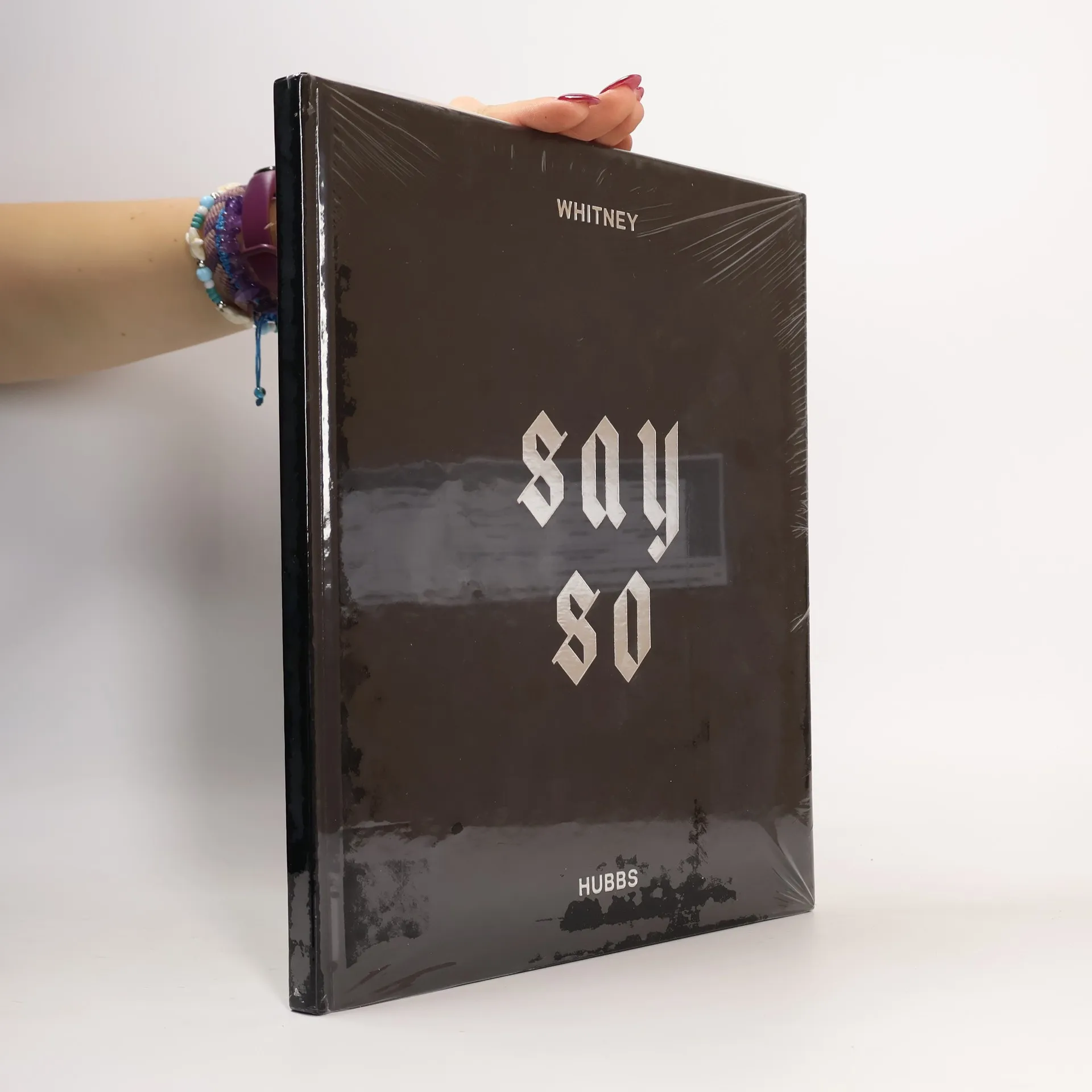
A provocative and timely new take on self-portraiture and erotica Featuring a black vinyl cover with gold foil stamping, Say So brings together American artist Whitney Hubbs' (born 1977) recent self-portraits, made in the style of cheap, pornographic pin-up photography. After her acclaimed book Woman in Motion, in which she photographed models, Say So continues her quest to explore and challenge the relationship between the camera and the female body. In it, she uses and abuses her own body to revealing effect in masochistic (BDSM) performances which sit at the intersection of eroticism and humiliation and are wonderfully uncomfortable to digest. Using the camera as both an audience and a mirror, Hubbs positions her work within a long tradition of artists using photographic self-portraiture--from Claude Cahun to Valie Export and Boris Mikhailov--and reworks its language with a stripped-down, rowdy formalism that pays homage to her Riot Grrrl past. Say So offers up an outside position (drenched in inky black humor) responding to precarity, loneliness and marginalization in a world badly off its tilt. Hubbs' photographic work is accompanied by a new essay by iconic writer and critic Chris Kraus, author of the seminal novel I Love Dick.
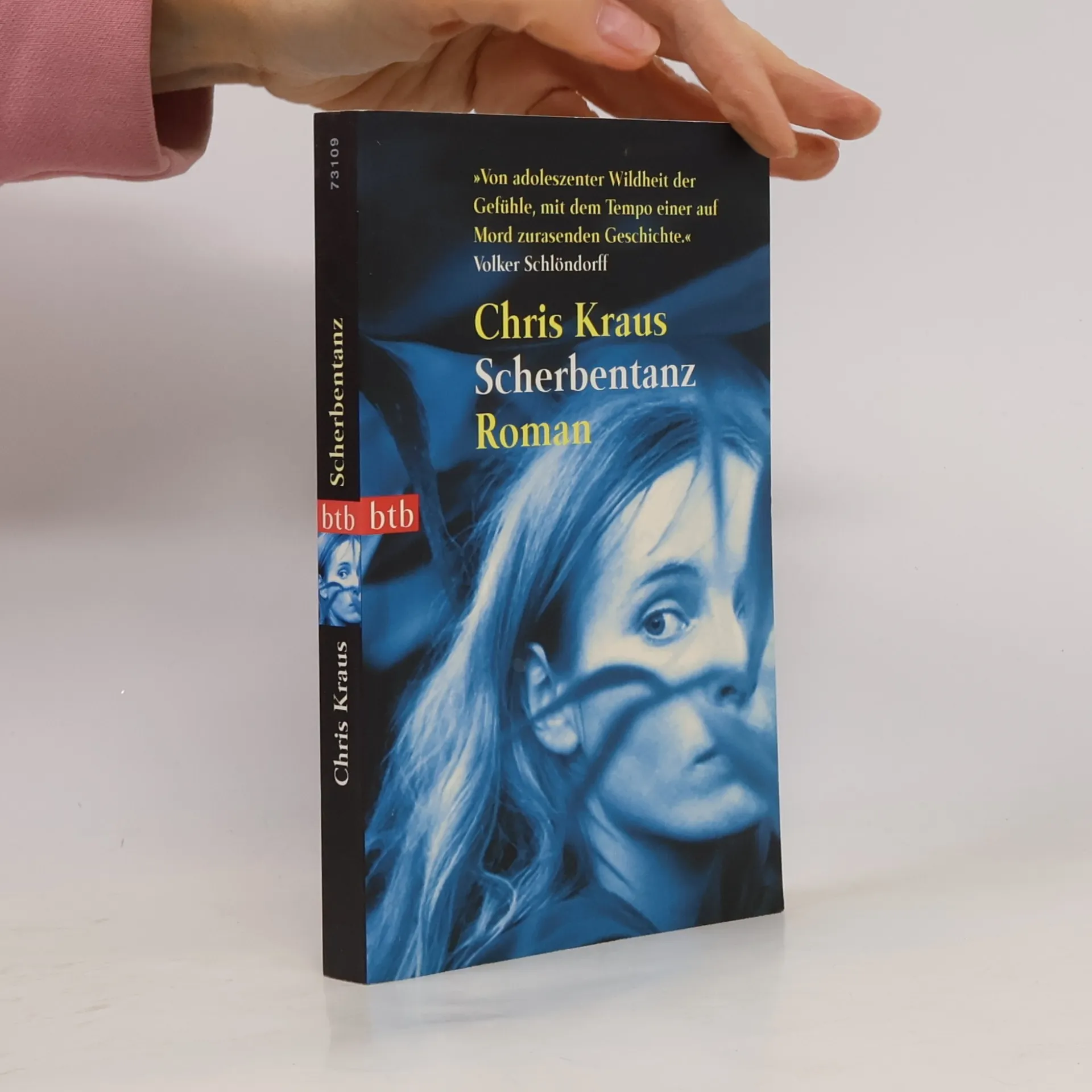
Jesko ist ein junger Modedesigner. Gesellschaftlichen Normen und Zwängen beugt er sich nicht – schon gar nicht, seit er weiß, dass seine Tage gezählt sind. Seine Mutter könnte ihm helfen. Doch Jesko will ihre Hilfe nicht. Da nützt es auch nichts, dass der Vater ihm bei einer Familienfeier gut zuredet. Einzig die geheimnisvolle Freundin seines Bruders schafft es, Zugang zu Jesko zu finden. Ein bewegender Roman über die Traumafabrik Familie – zärtlich, komisch, gnadenlos.
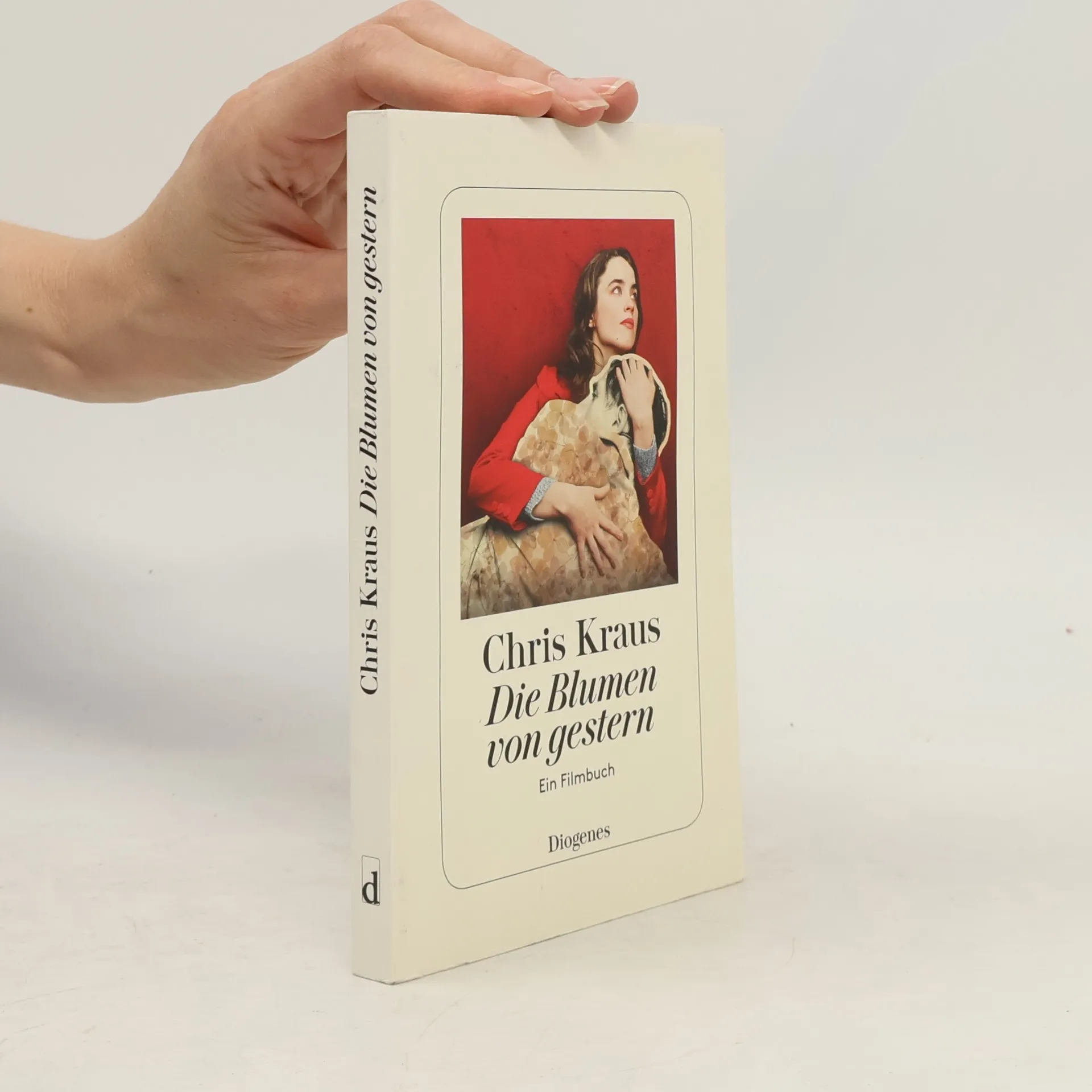
Ein Film über Sex. Rauh und radikal. In New York. Das ist die Aufgabe, die Jonas gestellt bekommt. Aber wie soll der überforderte Regiestudent ausgerechnet in der düstersten Ecke der Lower East Side und umgeben von gestrandeten Künstlerexistenzen einen Film drehen? Als er auf Nele trifft, eine schillernde, eigensinnige Sommerfrau, öffnet sich sein Blick für das wahre Ziel seiner Reise: die Begegnung mit der eigenen ungeheuerlichen Familiengeschichte.