

1. vydání. Každý občas zažije neobvyklou shodu okolností, která je mimořádně významná. Smysluplná shoda okolností, které se říká synchronicita, nám však naznačuje, že nejsme možná jen jedinými autory svých příběhů.
Robert H. Hopcke Ordine dei libri (cronologico)
1 gennaio 1958


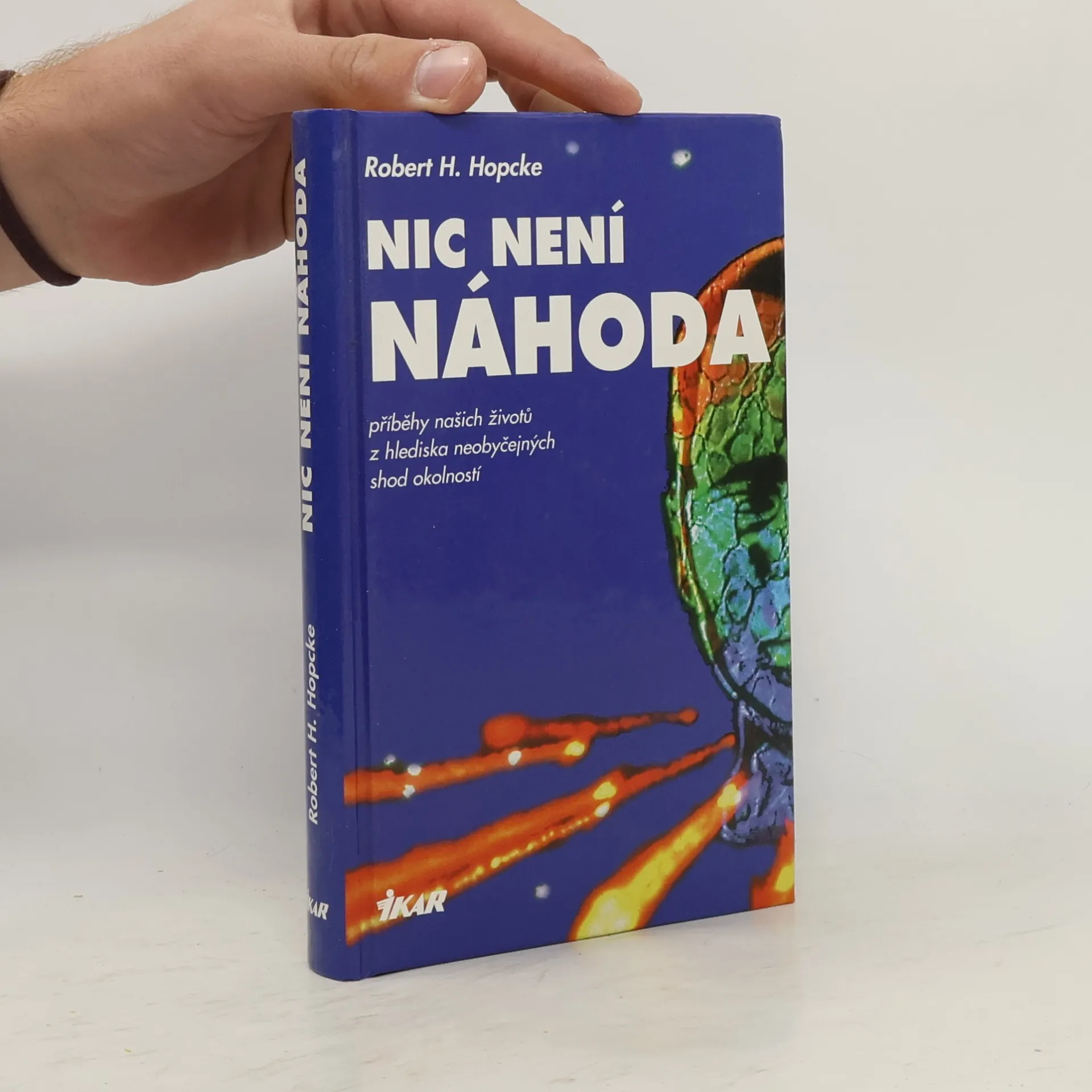


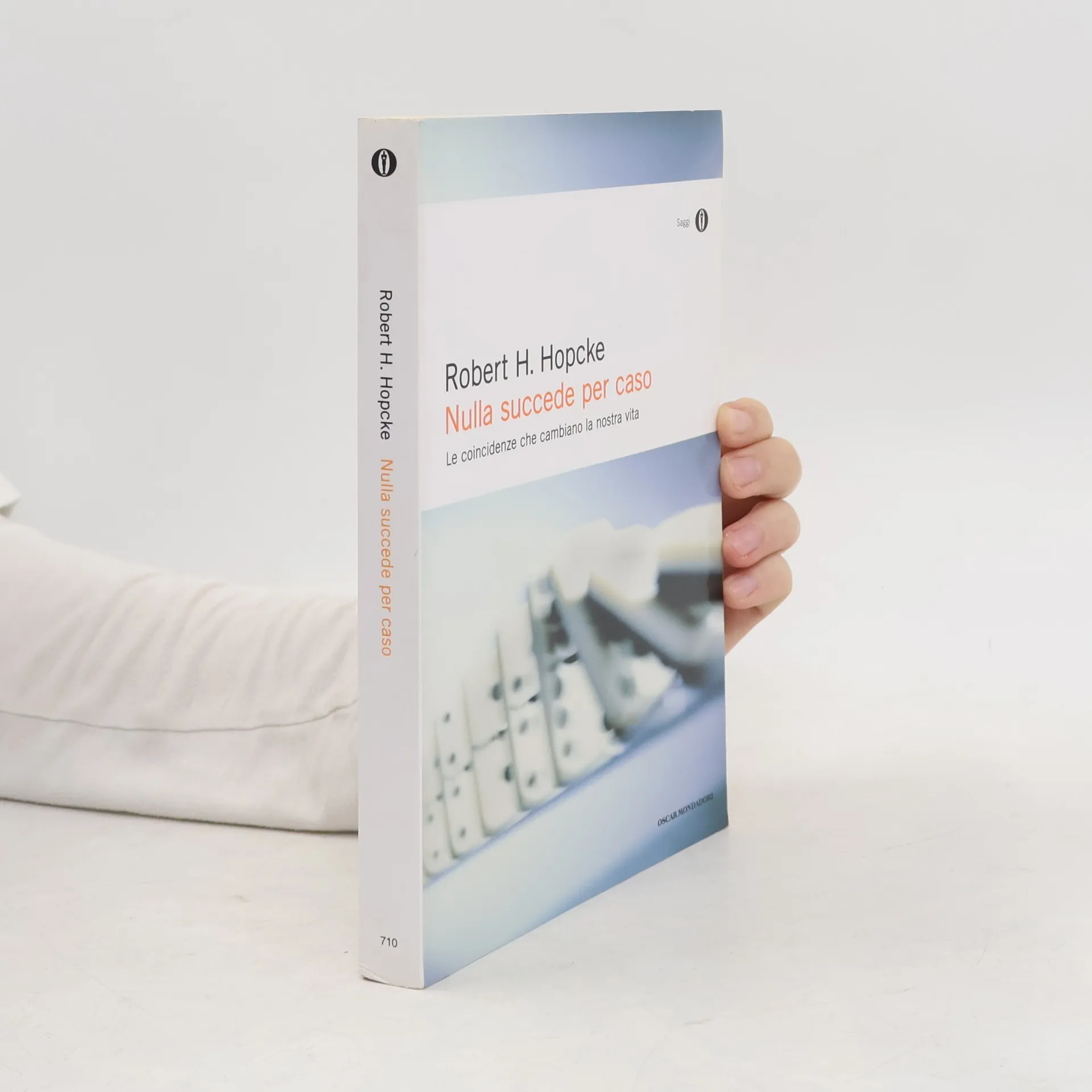
Nulla Succede per Caso
- 276pagine
- 10 ore di lettura
Quante volte a tutti noi capita di vivere coincidenze assolutamente inspiegabili: di sognare qualcosa che poi si avvera, di pensare a qualcuno ormai dimenticato che poi si incontra, di avere l'impressione di essere già stati in un posto... Secondo l'autore queste coincidenze mettono in luce come spesso gli eventi esterni riflettano in modo esatto eventi e stati d'animo interiori e ci facciano apparire le nostre vite come storie di cui noi siamo i personaggi.
C. G. Jung, Jungianer und Homosexualität
- 308pagine
- 11 ore di lettura
Despite the revolution of thought on homosexuality over the past thirty years, the literature of Jungian psychology gives little attention to the subject. In an effort to provide the first coherent theory of sexual orientation in the tradition of analytical psychology, this important book examines the way in which Jung and Jungians have regarded homosexuality both clinically and theoretically. Following a survey of references to homosexuality in Jung's writings and the work of Jung's followers and contemporary analysts, the author shows that within the great diversity of opinion there exist many creative ways to deepen an understanding of the lives and loves of gay men and lesbians. In particular, he discusses the ways in which the archetypes of the Masculine, the Feminine, and the Androgyne are expressed in gay male culture, in both past and present, in the United States and other cultures. Hopcke proposes a view of homosexuality that is archetypally based, empirically supportable, psychologically profound, and spiritually evocative. In doing so he provides gay people with something that is often missing in the rhetoric of the gay political movement: a profound, individual sense of self-understanding