

Mozart gilt als der Prototyp des Wunderkindes, als der »geborene« Musiker – ein Ausnahmetalent. Ebenso Albert Einstein als Physiker und Lionel Messi als Fußballer. Der Psychologe K. Anders Ericsson hält Talent dagegen für überschätzt. Und bei genauerem Hinsehen wird deutlich: Mozart, Einstein und Messi haben sich ihre Virtuosität hart erarbeitet. Herausragende Leistungen sind nicht angeboren. Ericssons Aufsehen erregende Studien zeigen: Jeder kann Weltklasse sein, wenn er bereit ist, die Grenzen seiner Fähigkeiten beharrlich auszuweiten und bewusst zu lernen. K. Anders Ericsson ist der Begründer des bewussten Lernens, und dieses Buch ist die Summe seiner wissenschaftlichen Arbeit für ein breites Publikum.
Anders Ericsson Ordine dei libri (cronologico)
K. Anders Ericsson è stato uno psicologo svedese riconosciuto a livello internazionale per la sua ricerca sulla natura psicologica dell'esperienza e della performance umana. Il suo lavoro si è concentrato esclusivamente sulla pratica deliberata estesa come mezzo attraverso cui i performer esperti acquisiscono le loro abilità superiori. Ericsson ha studiato come gli esperti imparano e migliorano attraverso la pratica concentrata oltre la loro zona di comfort, esaminando domini come la medicina, la musica, gli scacchi e lo sport. La sua ricerca integra studi sulla capacità cognitiva, sulla personalità e su altri fattori che aiutano a prevedere le prestazioni esperte.

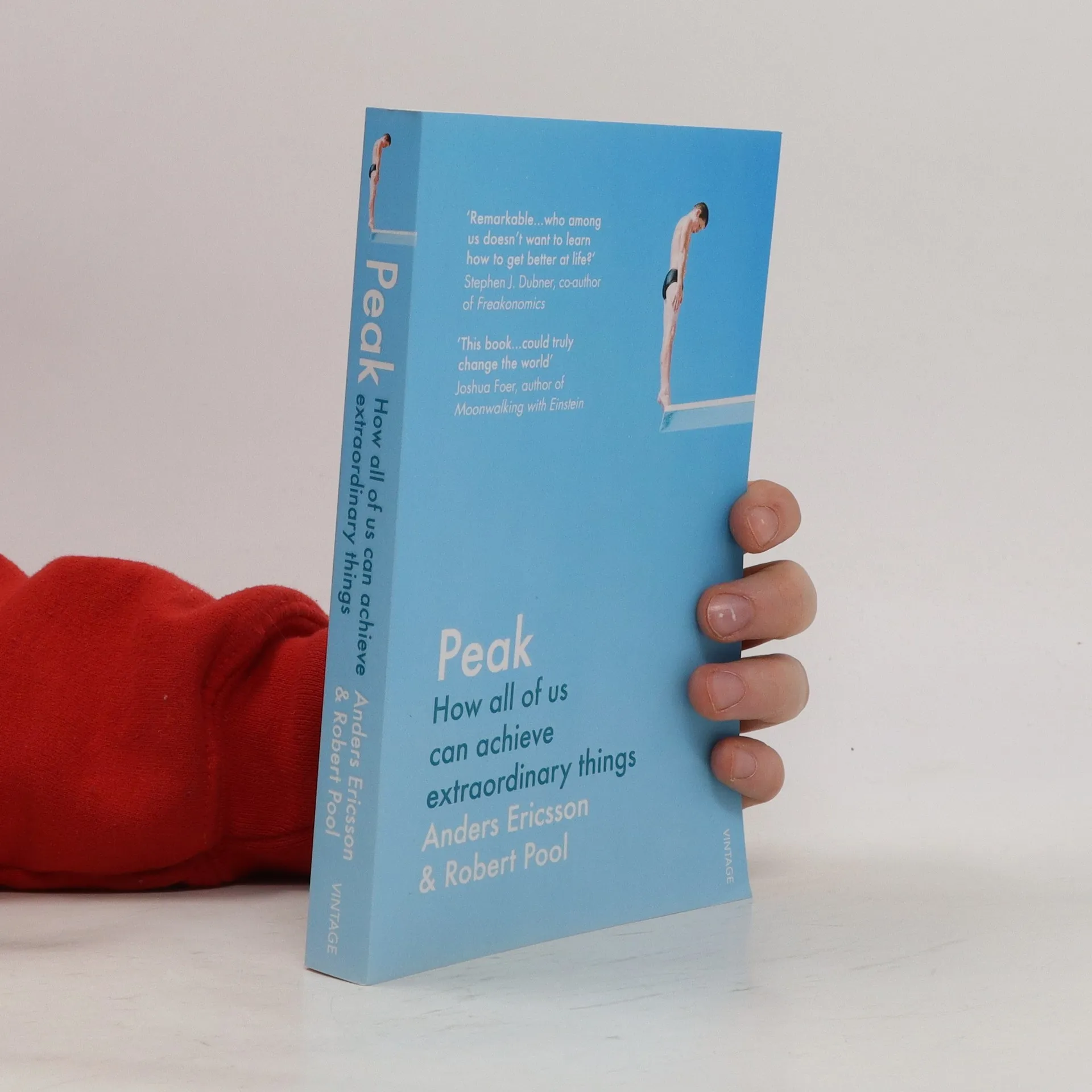
You don't have to be a genius to achieve extraordinary things.In this fascinating book, Anders Ericsson and Robert Pool explain that learning new skills doesn't need to be daunting. Musical prodigies, sports stars and leading scientists acquire their special abilities through training - and all of us can do the same.Based on thirty years of pioneering research, Peakshows that success simply requires the right kind of practice and offers essential advice on setting goals, receiving guidance and motivating ourselves. The astonishing stories prove that whether we're at work or at school, in the music room or on the sports field, we can master almost anything.'Remarkable...who among us doesn't want to learn how to get better at life?'Stephen J. Dubner, co-author of Freakonomics'This book...could truly change the world'Joshua Foer, author of Moonwalking with Einstein'Groundbreaking...brilliantly useful'Daniel Coyle, author of The Talent Code
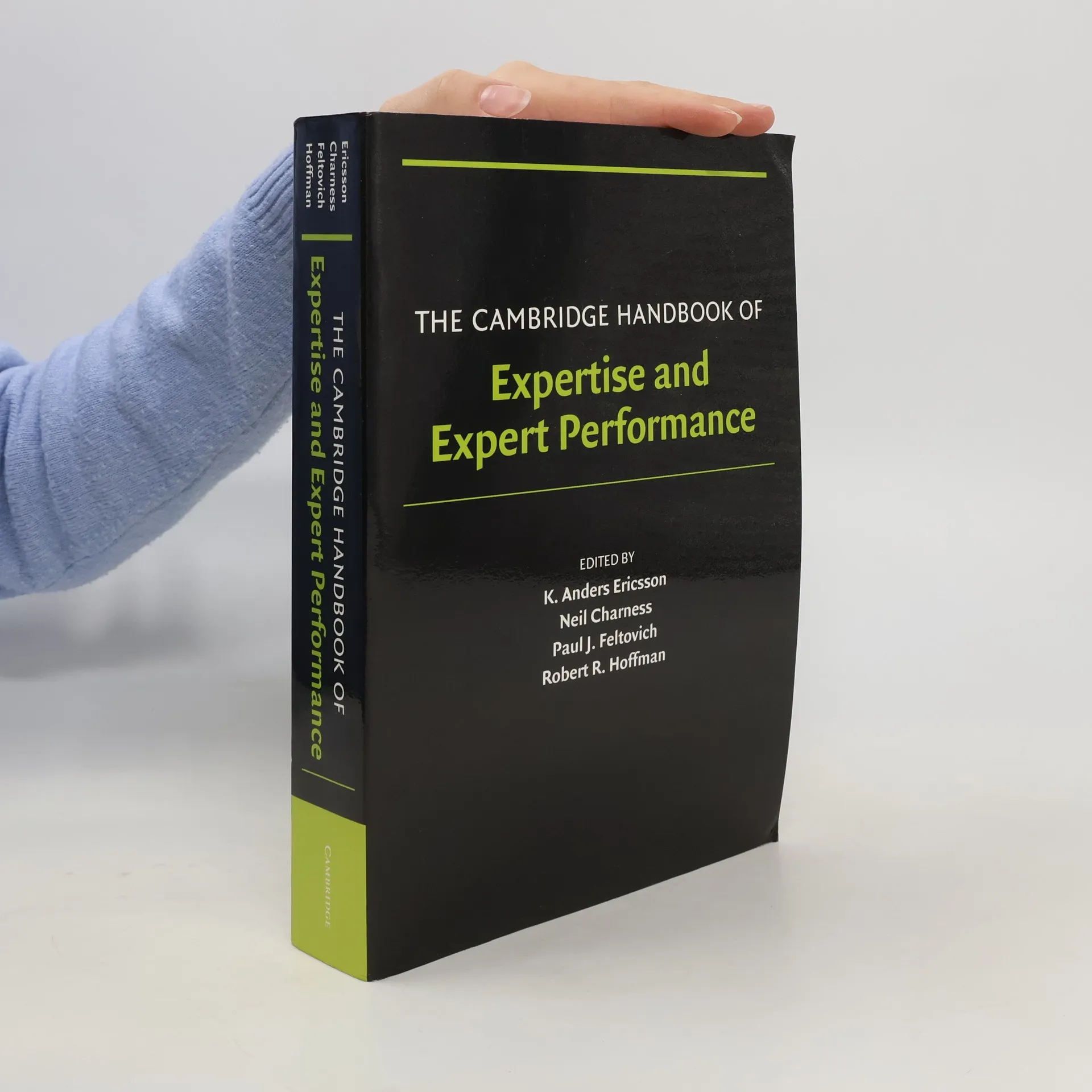
The Cambridge Handbook of Expertise and Expert Performance
- 918pagine
- 33 ore di lettura
This book was the first handbook where the world's foremost 'experts on expertise' reviewed our scientific knowledge on expertise and expert performance and how experts may differ from non-experts in terms of their development, training, reasoning, knowledge, social support, and innate talent. Methods are described for the study of experts' knowledge and their performance of representative tasks from their domain of expertise. The development of expertise is also studied by retrospective interviews and the daily lives of experts are studied with diaries. In 15 major domains of expertise, the leading researchers summarize our knowledge on the structure and acquisition of expert skill and knowledge and discuss future prospects. General issues that cut across most domains are reviewed in chapters on various aspects of expertise such as general and practical intelligence, differences in brain activity, self-regulated learning, deliberate practice, aging, knowledge management, and creativity.