Machine Learning with PyTorch and Scikit-Learn
Develop machine learning and deep learning models with Python
- 774pagine
- 28 ore di lettura


Questo autore si addentra profondamente nei regni della scienza dei dati e del machine learning, scoprendo con entusiasmo schemi intricati nei dati. Il suo lavoro si concentra sulla derivazione di conclusioni illuminanti attraverso tecniche di data mining e machine learning, in particolare per la modellazione predittiva. Un convinto sostenitore della collaborazione e dell'etica open source, crede nel potere della condivisione di conoscenze e strumenti per la crescita reciproca. Attualmente, sta affinando le sue capacità analitiche come candidato dottorando, concentrandosi sullo sviluppo di software di screening virtuale altamente efficiente per la scoperta di farmaci assistita dal computer e su approcci innovativi al docking proteina-ligando.
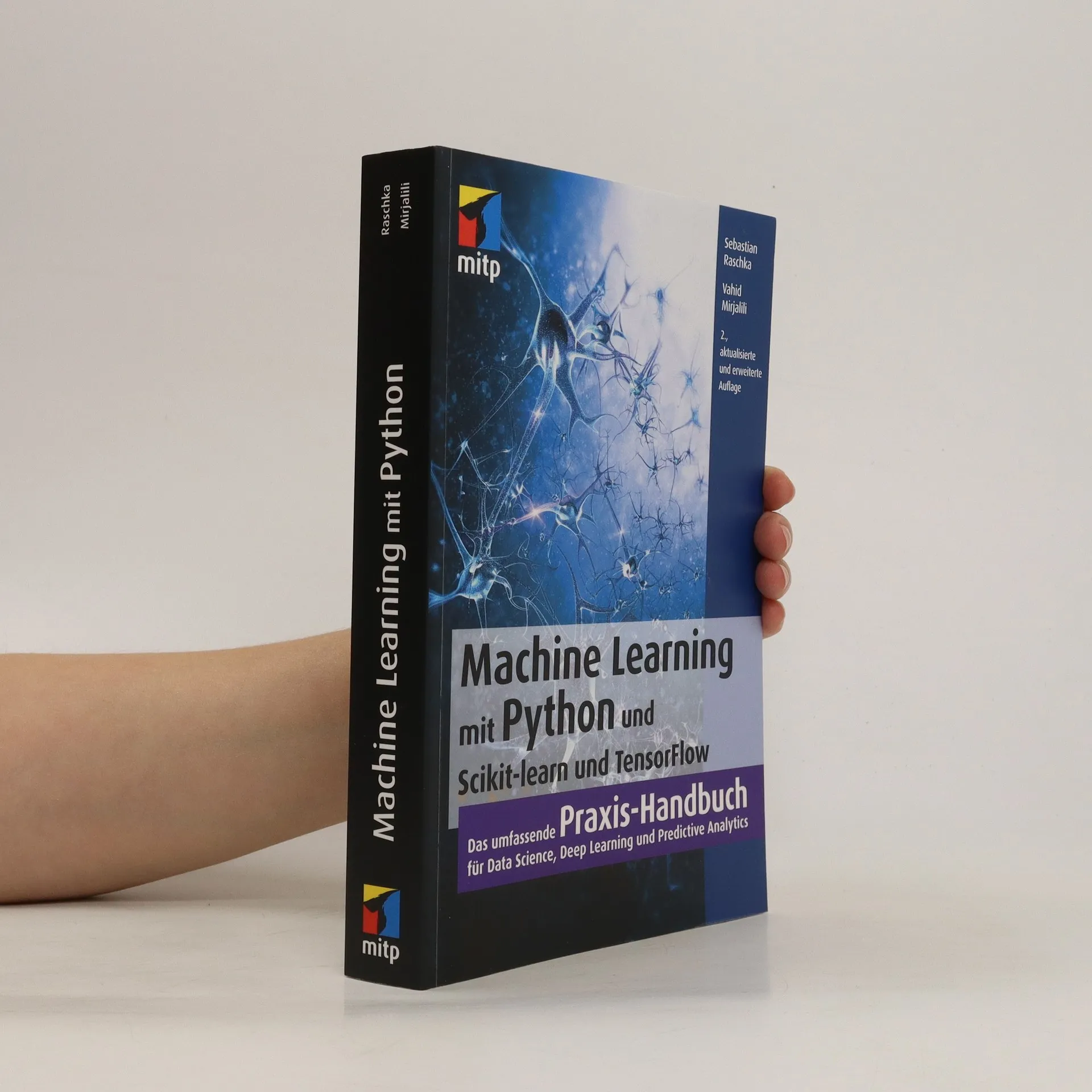

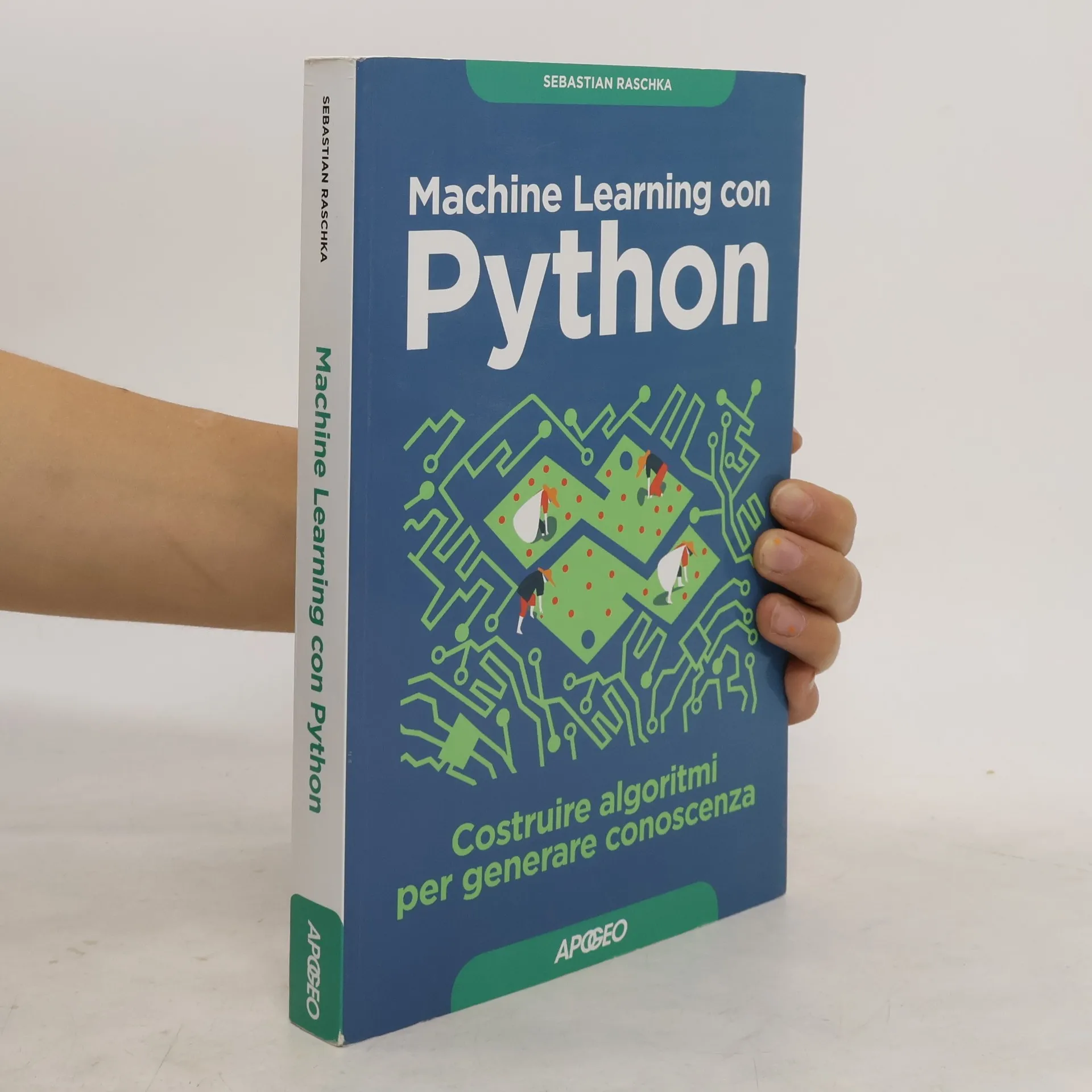
Develop machine learning and deep learning models with Python
Das umfassende Praxis-Handbuch für Data Science, Deep Learning und Predictive Analytics
Die zweite Auflage dieses Buchs behandelt die Anwendung fortschrittlicher statistischer Modelle des Machine Learnings und die wichtigsten Algorithmen sowie Python-Bibliotheken wie NumPy, SciPy, Scikit-learn, TensorFlow, Matplotlib, Pandas und Keras. Machine Learning und Predictive Analytics revolutionieren die Unternehmenswelt, indem sie es ermöglichen, Trends und Muster in komplexen Daten zu erkennen, was für den langfristigen Geschäftserfolg entscheidend ist. Die Autoren erläutern den Einsatz von Machine-Learning- und Deep-Learning-Algorithmen anhand praktischer Beispiele und bieten umfassende Einblicke in leistungsfähige Python-Bibliotheken. Sie zeigen, wie Python genutzt werden kann, um grundlegende Erkenntnisse zu gewinnen und komplexe Algorithmen zu entwickeln. Zu den Themen gehören das Trainieren von Lernalgorithmen für Klassifizierungen, Regressionsanalysen zur Ergebnisprognose, Clusteranalysen zur Entdeckung verborgener Muster, Deep-Learning-Verfahren zur Bilderkennung, effektive Datenvorverarbeitung, Dimensionsreduktion zur Datenkomprimierung, das Training neuronaler Netze mit TensorFlow, Ensemble Learning, die Integration von Machine-Learning-Modellen in Webanwendungen sowie Stimmungsanalysen in sozialen Netzwerken und die Modellierung sequenzieller Daten mit rekurrenten neuronalen Netzen.
Many of the most innovative breakthroughs and exciting new technologies can be attributed to applications of machine learning. We are living in an age where data comes in abundance, and thanks to the self-learning algorithms from the field of machine learning, we can turn this data into knowledge. Automated speech recognition on our smart phones, web search engines, e-mail spam filters, the recommendation systems of our favorite movie streaming services – machine learning makes it all possible. Thanks to the many powerful open-source libraries that have been developed in recent years, machine learning is now right at our fingertips. Python provides the perfect environment to build machine learning systems productively. This book will teach you the fundamentals of machine learning and how to utilize these in real-world applications using Python. Step-by-step, you will expand your skill set with the best practices for transforming raw data into useful information, developing learning algorithms efficiently, and evaluating results. You will discover the different problem categories that machine learning can solve and explore how to classify objects, predict continuous outcomes with regression analysis, and find hidden structures in data via clustering. You will build your own machine learning system for sentiment analysis and finally, learn how to embed your model into a web app to share with the world