

Bookbot

Noel Malcolm

    26 dicembre 1956
    Povijest Bosne
    Forbidden Desire in Early Modern Europe
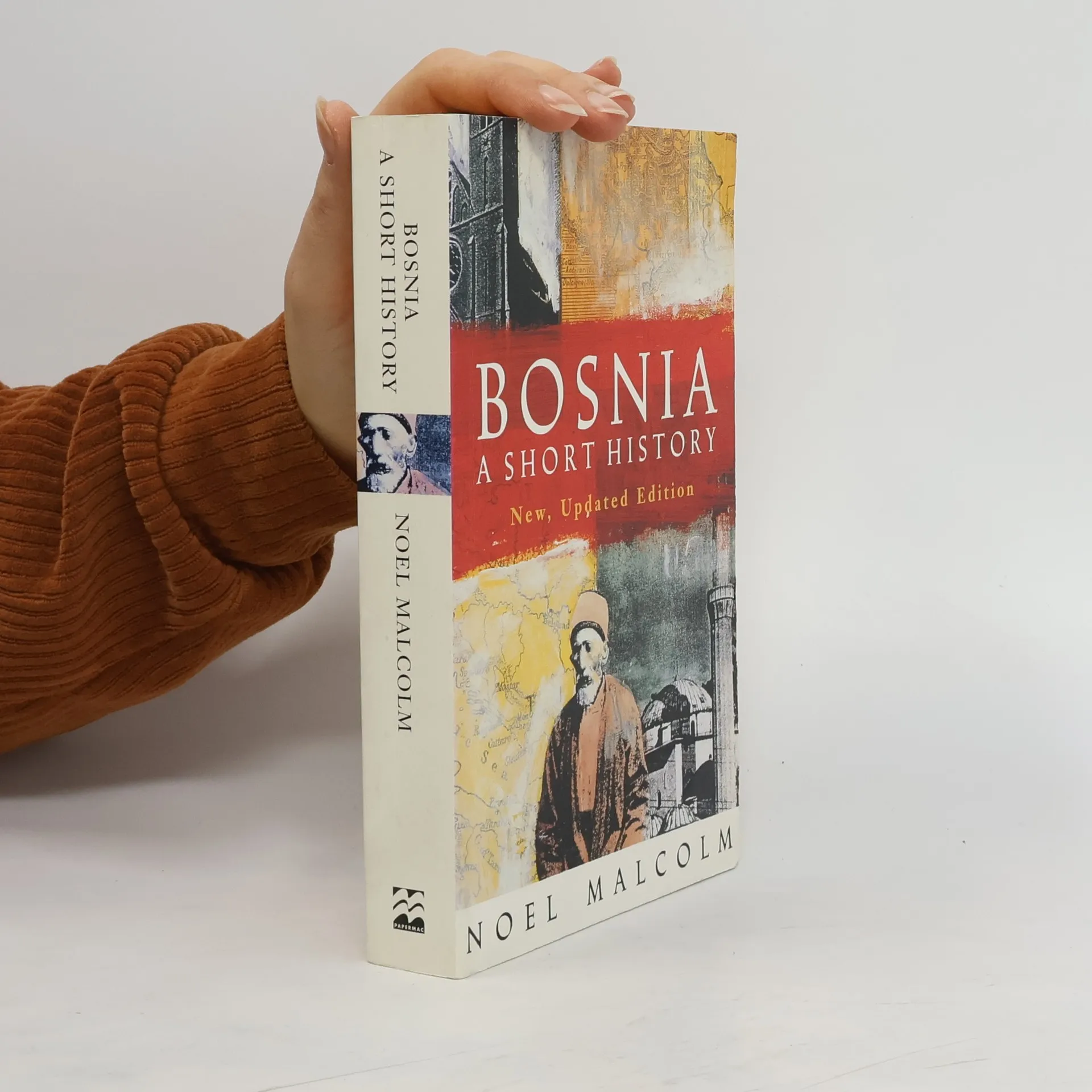
    Bosnia. A Short History
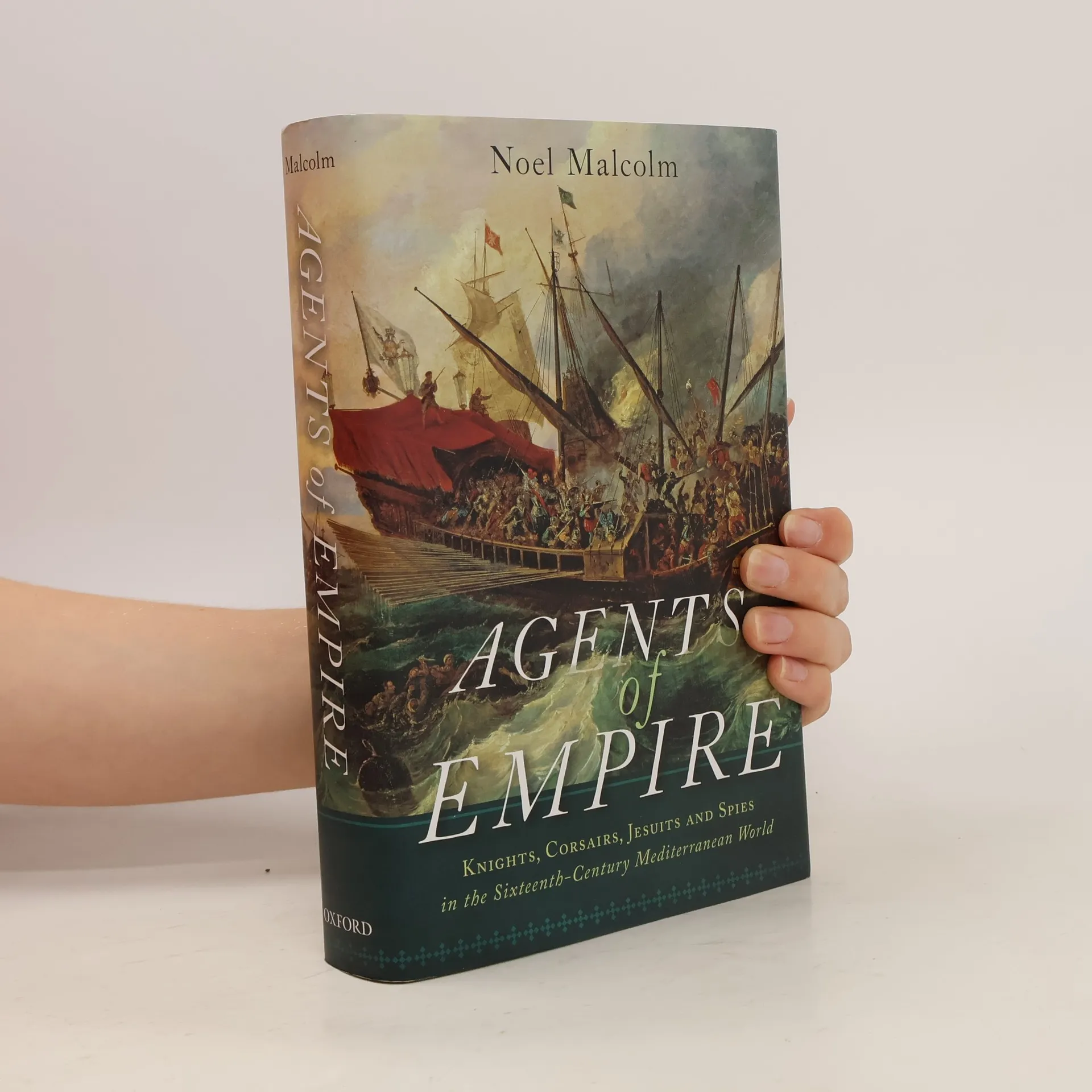
    Agents of Empire
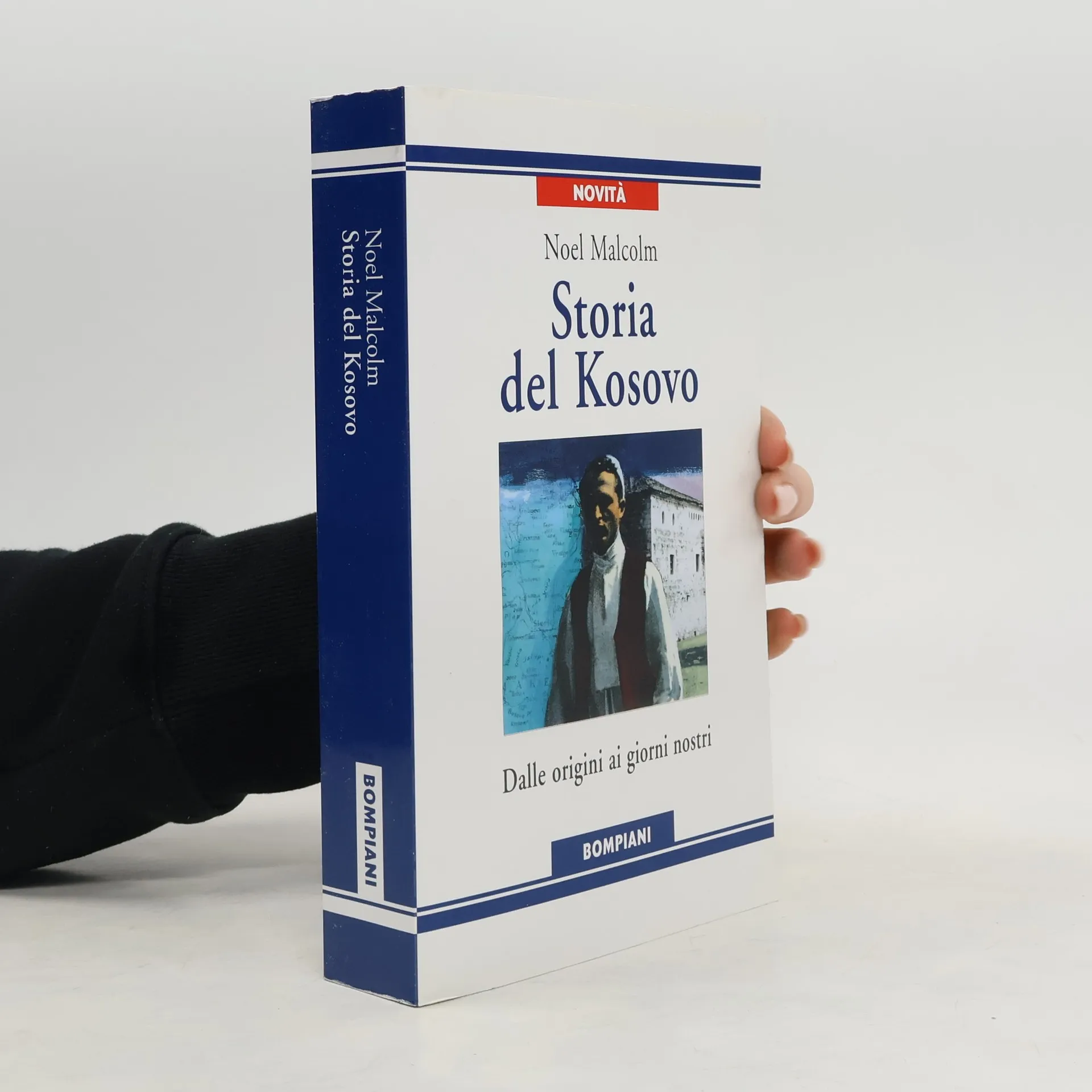
    Storia del Kosovo. Dalle origini ai giorni nostri
    • Kosovo, a 55-mile-long plateau south of Serbia, has historically been viewed as a backwater. A Bulgarian geographer noted its obscurity during WWI, a sentiment that would become ironically relevant in the '90s as both Kosovo and Central Africa witnessed widespread genocide driven by deep-seated ethnic hatreds. Noel Malcolm, a British historian and journalist with extensive writings on the Balkans, offers an overview of Kosovo's cultural divisions in his comprehensive work. For those following the conflict through media coverage, the violent struggle between ethnic Albanians and Serbs may seem perplexing. Malcolm explains that Kosovo is the birthplace of Serbian nationalism; the 1389 defeat of Serbian forces by Turks symbolizes the decline of the Serbian empire and the onset of Turkish dominance in the Balkans. Contemporary Serbian warriors seek to reclaim this land from the Albanians, the largest ethnic group in Kosovo, whose ancestors converted to Islam under Turkish rule. Malcolm’s text reveals that the conflict is less about bloodlines or religion and more about differing views of national origins and history. He concludes that a more rational and humane understanding of Kosovo among ordinary Serbs would benefit all people in the region, including the Serbs themselves.

      Storia del Kosovo. Dalle origini ai giorni nostri
      4,1
    • Agents of Empire

      Knights, Corsairs, Jesuits and Spies in the Sixteenth-century Mediterranean World

      • 604pagine
      • 22 ore di lettura

      In the late sixteenth century, an influential Albanian named Antonio Bruni authored a significant document about his homeland. Historian Sir Noel Malcolm uses this document as a springboard to delve into the lives of the Bruni family, which included notable figures such as an archbishop of the Balkans, the captain of the papal flagship at the pivotal Battle of Lepanto in 1571, and a high-ranking interpreter in Istanbul, the former Constantinople. The fall of Constantinople to the Turks in 1453 dramatically reshaped the Mediterranean landscape. By Bruni's time, Albania, having been a Venetian province since 1405, was integrated into the Ottoman Empire. Yet, this era was also infused with the vibrancy of the Italian Renaissance. Through the collective biography of the Brunis, Malcolm offers an intimate portrayal of Albania as a crossroads of empires, cultures, and religions. Their multilingual and cosmopolitan lives illuminate the intricate relationships between the Ottoman and Christian worlds, marked by both conflict and interdependence. The result of extensive archival research, this work vividly depicts a dynamic period in European and Ottoman history, challenging conventional notions of their differences and highlighting the exchanges that transformed both East and West.

      Agents of Empire
      4,1
    • Bosnia. A Short History

      • 384pagine
      • 14 ore di lettura

      This work aims to set the war in the Balkans in its full historical and political context. This edition includes a chapter covering the events between 1993 and 1995

      Bosnia. A Short History
      4,1
    • Forbidden Desire is a pioneering study of the history of male-male sex in the whole of Early Modern Europe, including the European colonies and the Ottoman world.

      Forbidden Desire in Early Modern Europe
    • Povijest Bosne

      Kratki pregled

      • 370pagine
      • 13 ore di lettura

      Bosniens historie fra middelalderen til krigen 1992-93

      Povijest Bosne