
Bookbot

Arch Tait

    La Russia di Putin
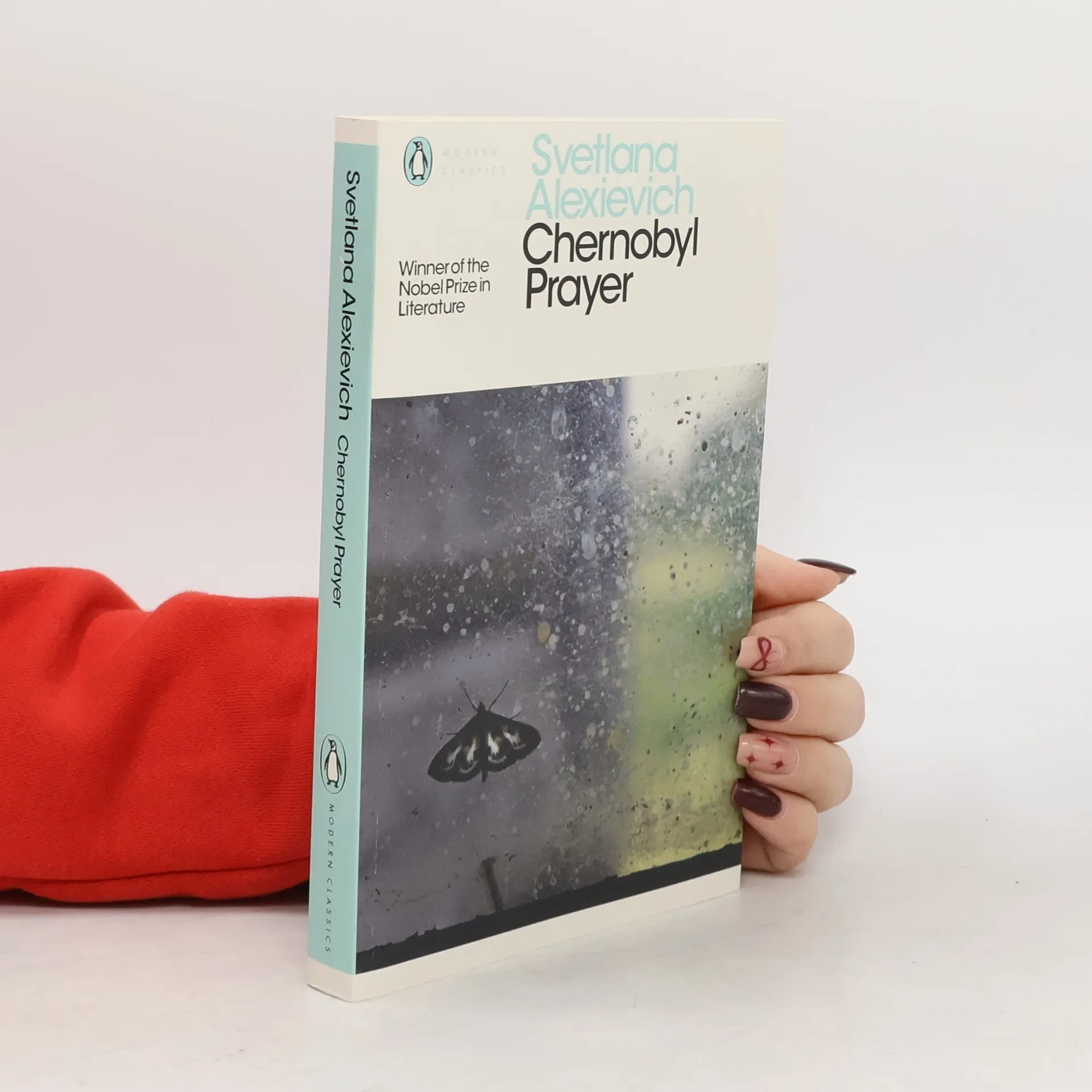
    Chernobyl Prayer : a chronicle of the future
    • Winner of the Nobel Prize in Literature 'Absolutely essential and heartbreaking reading. There's a reason Ms. Alexievich won a Nobel Prize' - Craig Mazin, creator of the HBO / Sky TV series Chernobyl - A new translation of Voices from Chernobyl based on the revised text - In April 1986 a series of explosions shook the Chernobyl nuclear reactor. Flames lit up the sky and radiation escaped to contaminate the land and poison the people for years to come. While officials tried to hush up the accident, Svetlana Alexievich spent years collecting testimonies from survivors - clean-up workers, residents, firefighters, resettlers, widows, orphans - crafting their voices into a haunting oral history of fear, anger and uncertainty, but also dark humour and love. A chronicle of the past and a warning for our nuclear future, Chernobyl Prayer shows what it is like to bear witness, and remember in a world that wants you to forget. 'Beautifully written. . . heart-breaking' - Arundhati Roy, Elle 'One of the most humane and terrifying books I've ever read' - Helen Simpson, Observer

      Chernobyl Prayer : a chronicle of the future
      4,5
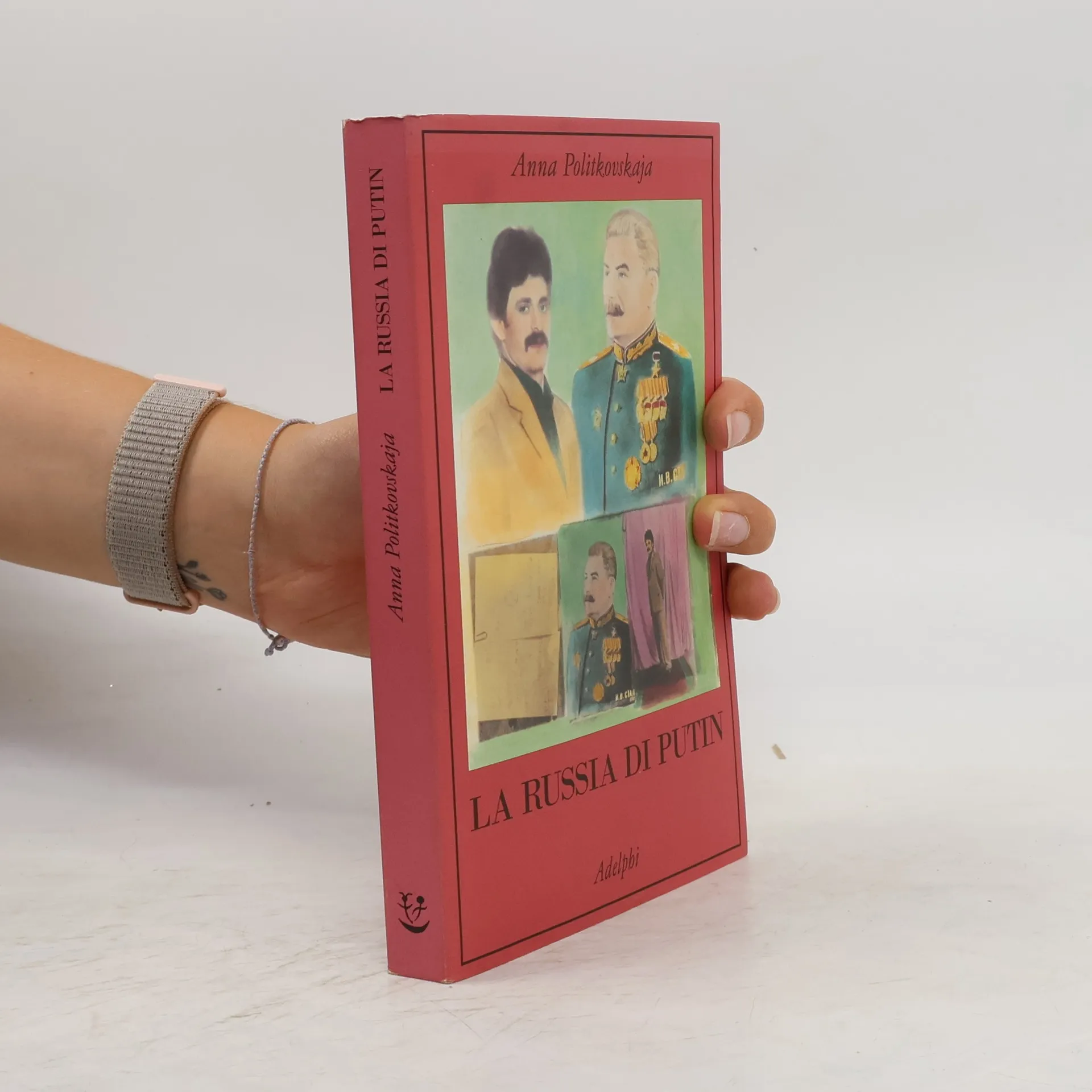
    • La Russia di Putin

      • 293pagine
      • 11 ore di lettura

      L'Occidente ha cercato di rassicurarsi sulla Russia, presentando Vladimir Putin come un leader benevolo. Tuttavia, questo libro di Anna Politkovskaja, giornalista moscovita nota per il suo coraggio nel denunciare le violazioni dei diritti umani, smaschera tale autoinganno con pagine ben documentate e drammatiche. L'autrice narra storie pubbliche e private della Russia contemporanea, soffocata da un regime che, pur apparendo come una democrazia in evoluzione, è ancora intriso di sovietismo. Politkovskaja chiarisce che il suo lavoro è un insieme di appunti appassionati sulla vita in Russia oggi, piuttosto che una biografia di Putin, che rimane sullo sfondo fino a un capitolo finale incisivo, dove emerge come un ex ufficiale del K.G.B. con ambizioni imperiali. In primo piano ci sono squarci di vita quotidiana, a volte grotteschi, a volte tragici: la guerra in Cecenia e i suoi cadaveri "dimenticati", le degenerazioni dell'ex Armata Rossa, il crack economico del '98 che ha colpito la media borghesia, la mafia di Stato radicata nella corruzione, l'eccidio al teatro Dubrovka di Mosca e la strage dei bambini a Beslan.

      La Russia di Putin
      4,1