
10 libri per 10 euro qui
Bookbot

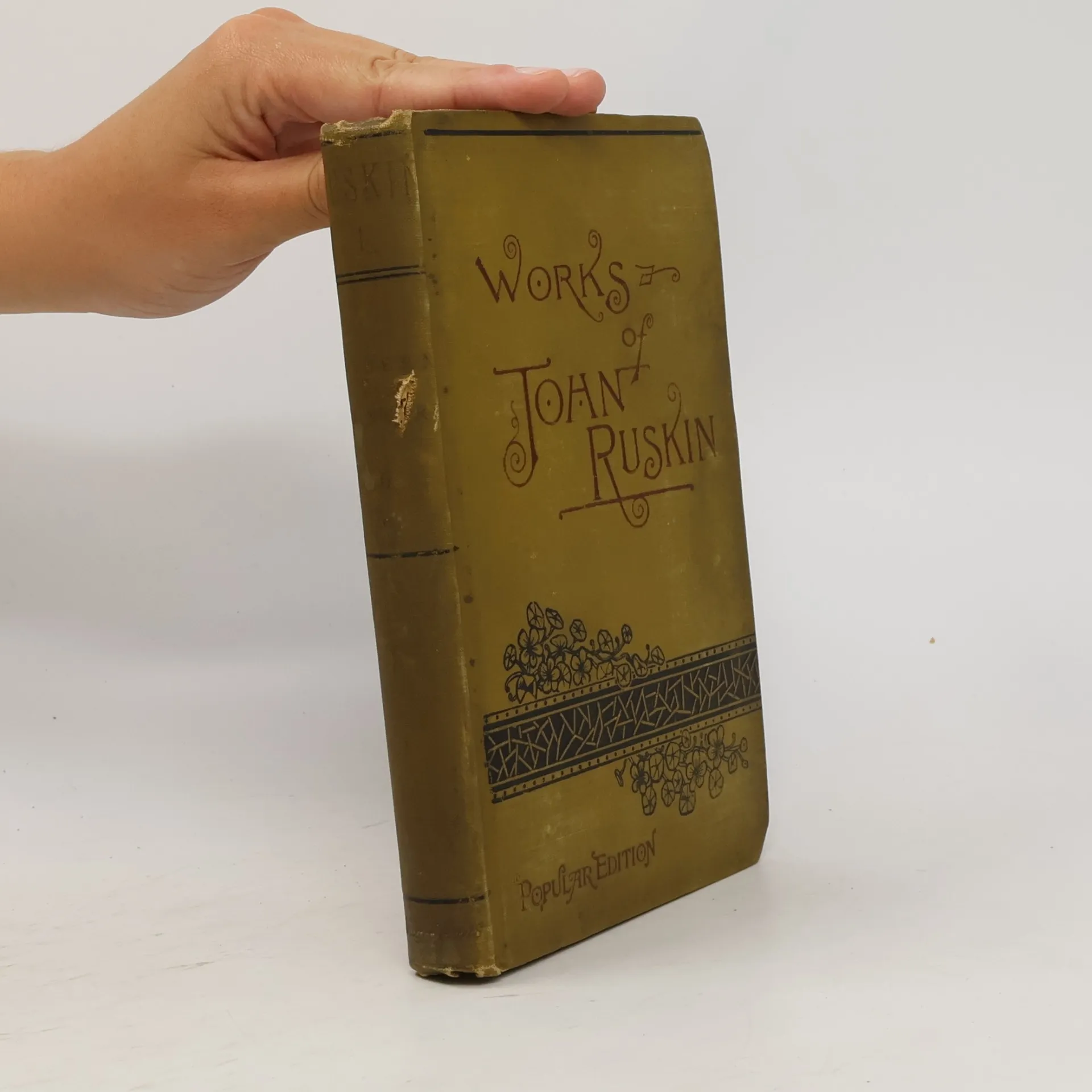
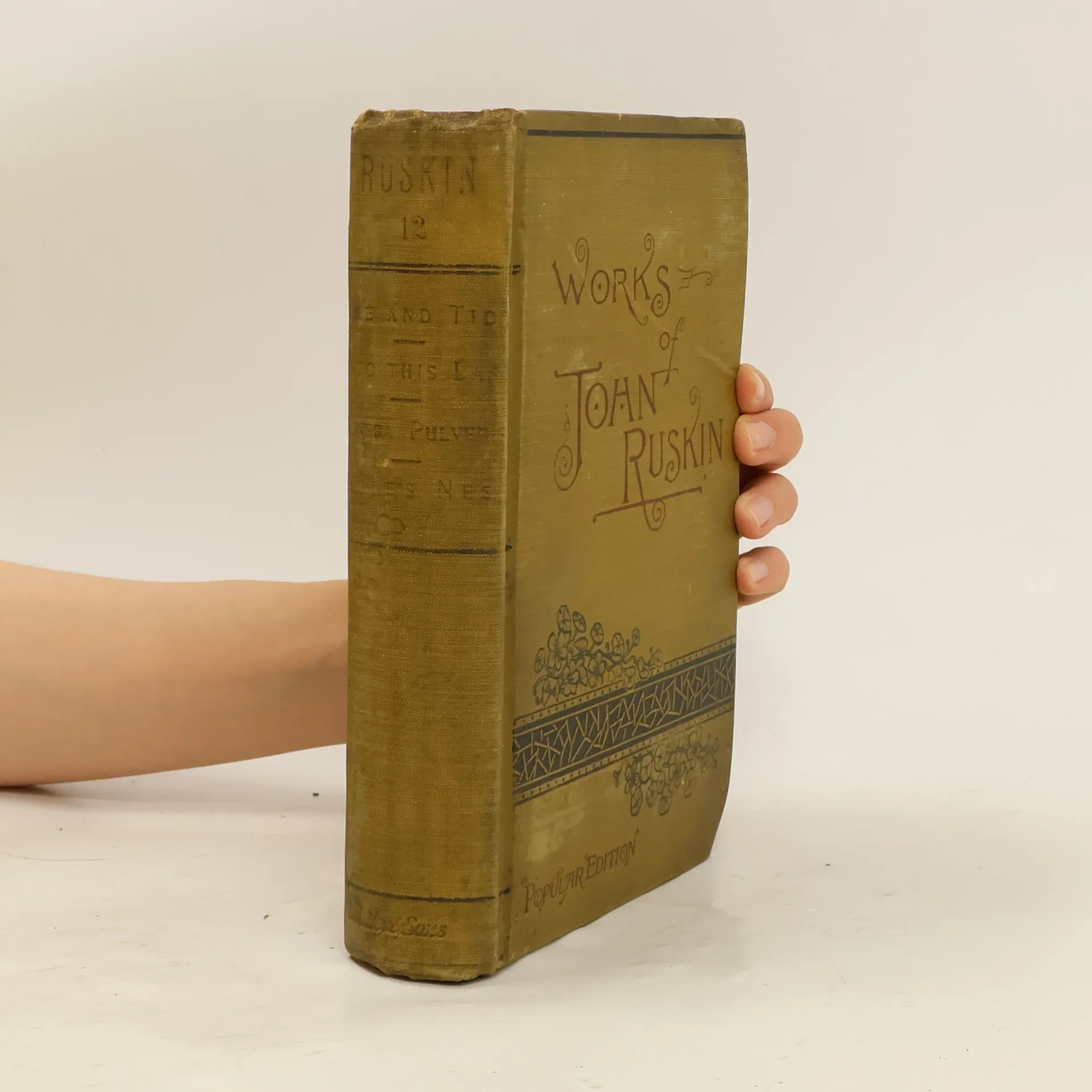
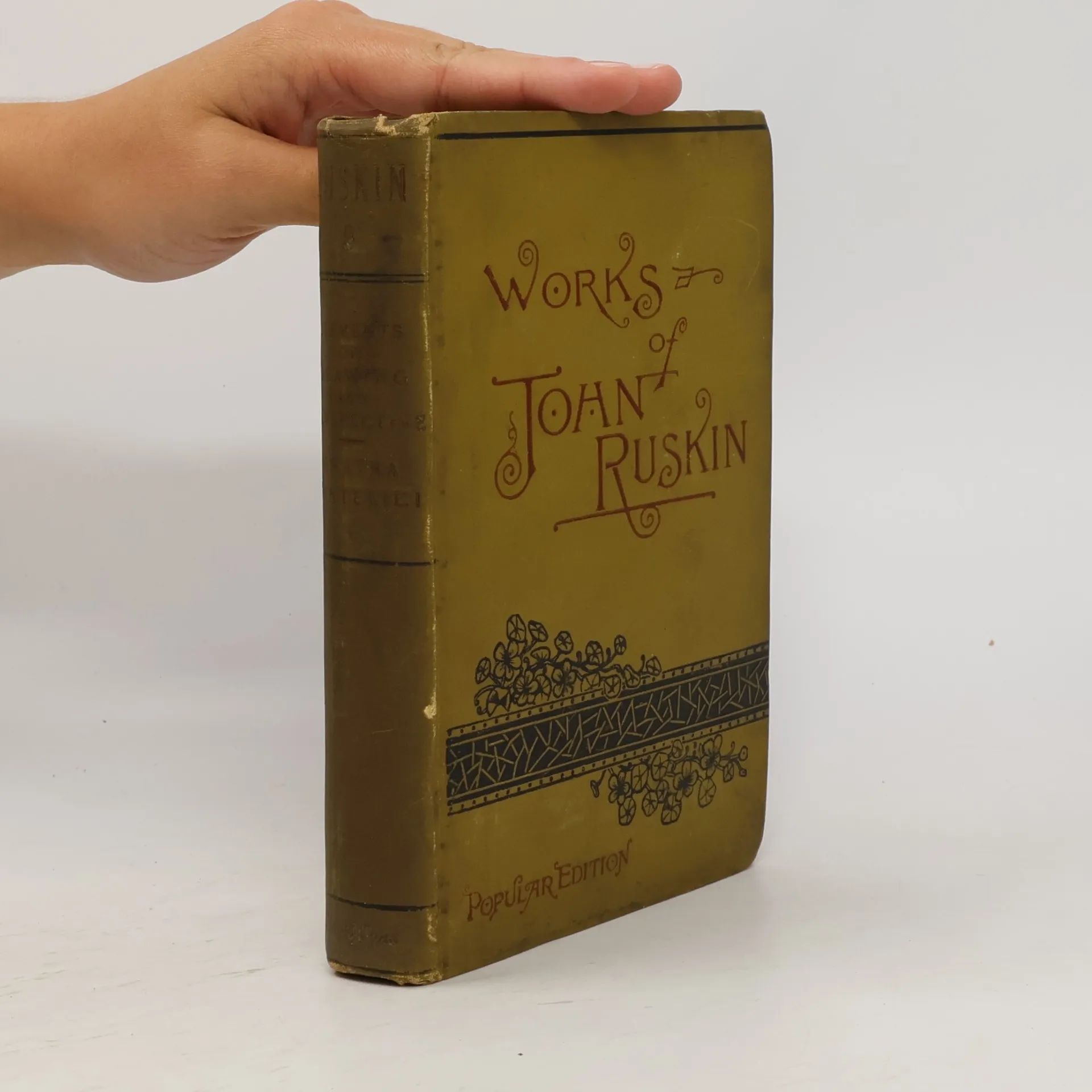
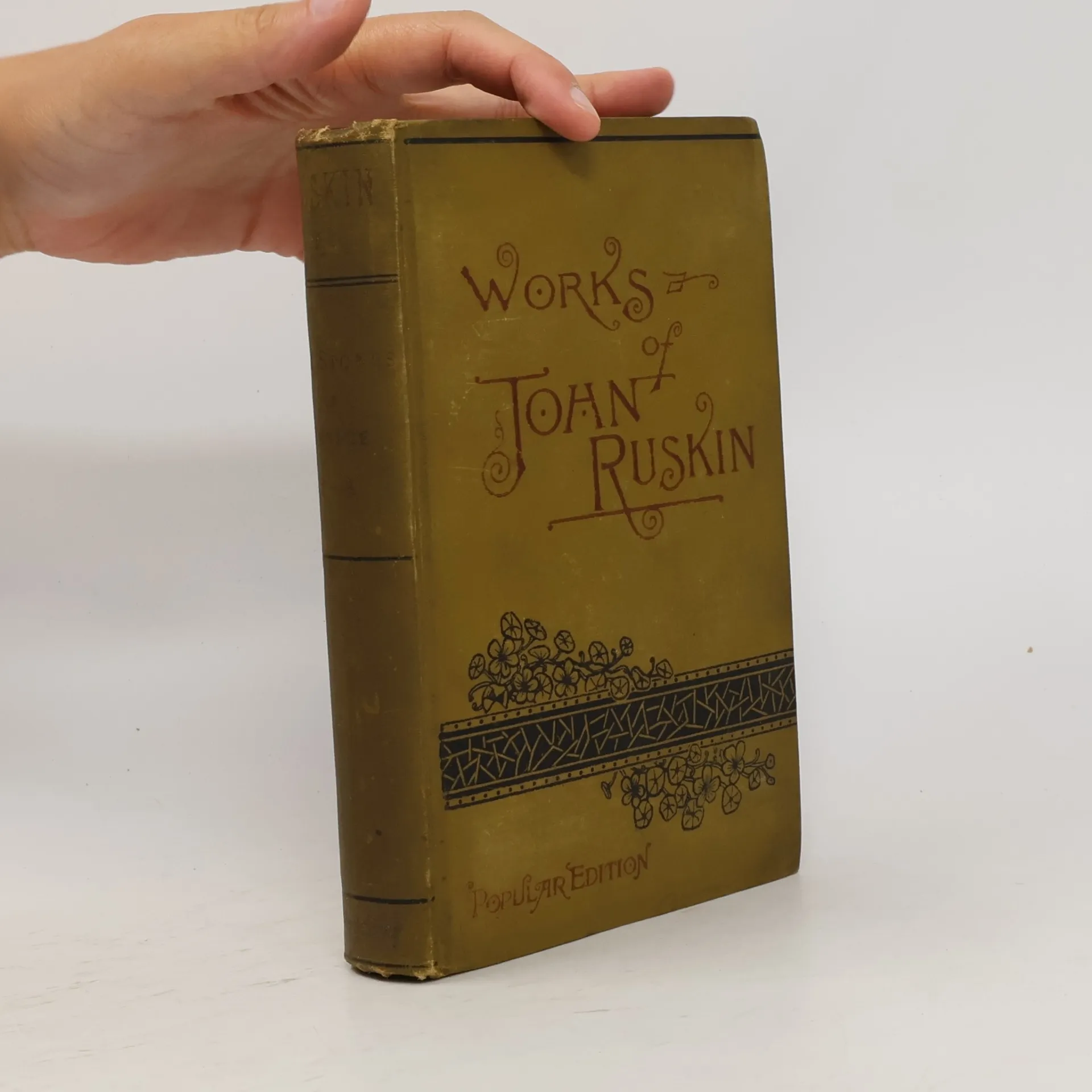
John Ruskin

    8 febbraio 1819 – 20 gennaio 1900

    John Ruskin fu una figura centrale della critica d'arte e della riforma sociale, le cui prime opere difesero l'arte di J. M. W. Turner. I suoi scritti esplorarono le intersezioni tra arte, natura ed etica, addentrandosi nelle implicazioni morali e spirituali della società industriale. Lo stile distintivo di Ruskin fluiva da dettagliate analisi artistiche a commenti sociali ed economici più ampi. La sua prosa plasmò la comprensione estetica e ispirò movimenti per la conservazione ambientale e la giustizia sociale.

    John Ruskin
    Giotto and His Works in Padua
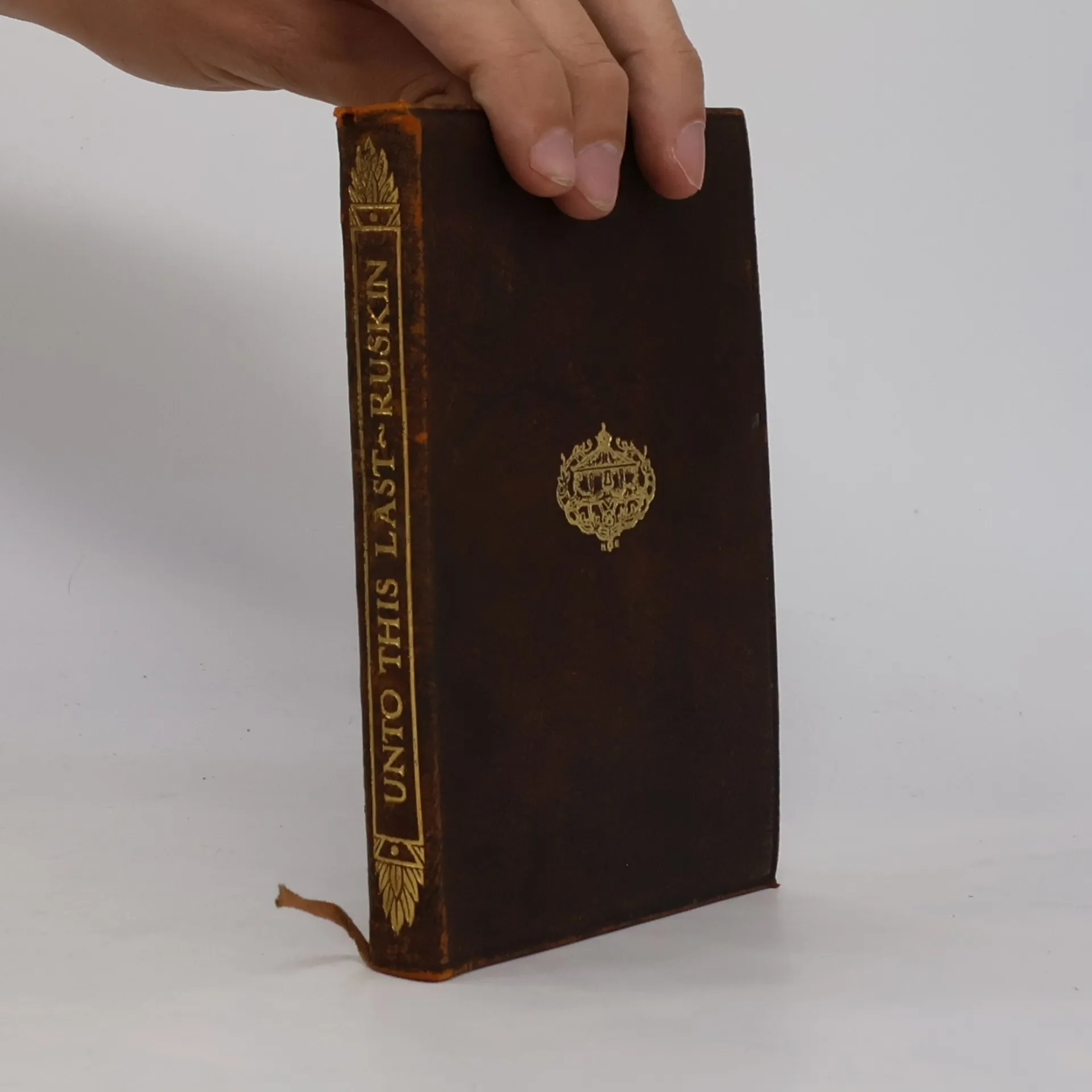
    Unto This Last
    Mornings in Florence
    A Joy For Ever
    Lettera da Verona
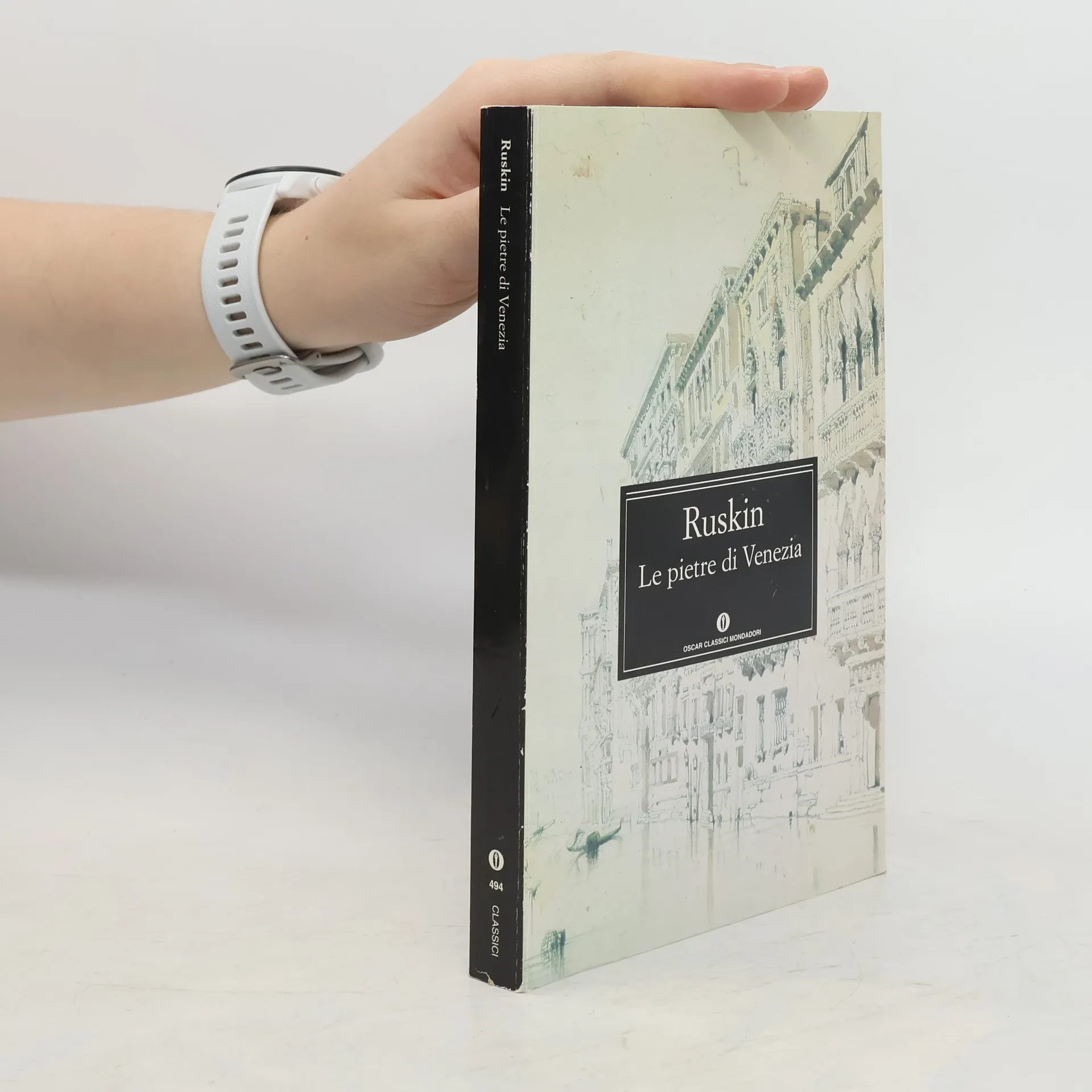
    Le pietre di Venezia
    • Le pietre di Venezia

      • 251pagine
      • 9 ore di lettura

      La rivisitazione della grande civiltà veneziana, del suo splendore artistico e cittadino compiuta da uno dei più grandi critici d'arte del secondo Ottocento. Un libro che è insieme saggio, racconto, romanzo e pamphlet appassionato: contro la decadenza culturale, civile, artistica della modernità, nel vagheggiamento di un sogno di perfezione perduto.
      Le pietre di Venezia
    • A Joy For Ever

      • 130pagine
      • 5 ore di lettura

      John Ruskin was a multifaceted figure of the Victorian era, excelling as an art critic, philosopher, and philanthropist. His diverse writings spanned various disciplines, including geology, architecture, and literature, reflecting his broad intellectual interests. Ruskin's literary forms ranged from essays and poetry to travel guides and fairy tales, showcasing his versatility. Over time, his elaborate prose evolved into a clearer style aimed at effectively conveying his insights. Central to his work was the exploration of the intricate relationships between nature, art, and society.

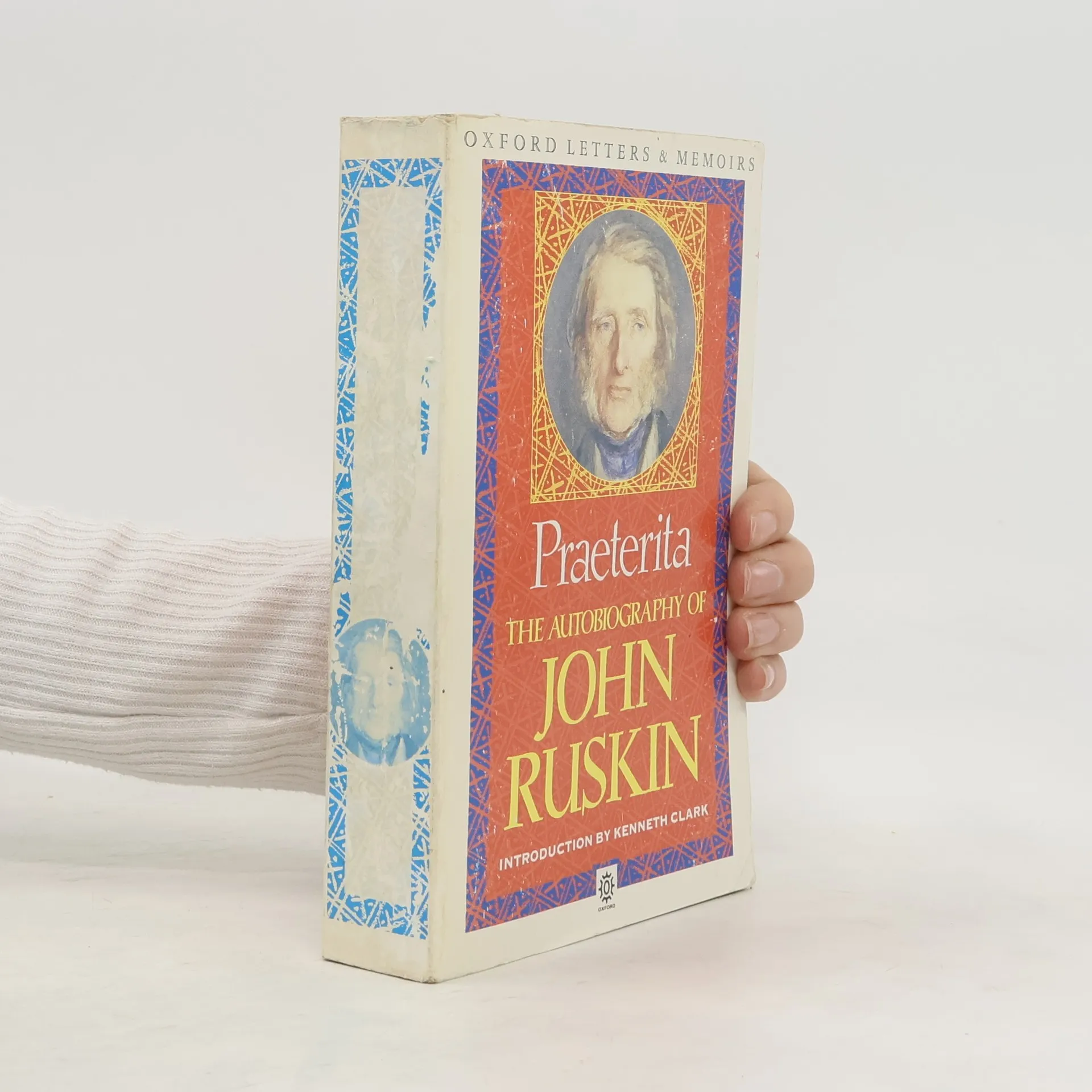
      A Joy For Ever
    • Mornings in Florence

      • 114pagine
      • 4 ore di lettura

      John Ruskin was a multifaceted figure in the Victorian era, known for his influential role as an art critic, patron, and social thinker. His diverse writings spanned topics from geology to political economy, encompassing essays, poetry, and travel guides. Ruskin's artistic talents included detailed sketches and watercolors, showcasing his keen observations of nature and architecture. Over time, his writing evolved from elaborate prose to clearer language, always highlighting the interconnections between nature, art, and society.

      Mornings in Florence
    • Unto This Last

      • 62pagine
      • 3 ore di lettura

      Focusing on the intersection of economics, morality, and social justice, John Ruskin's essays critique capitalism and its impact on society and the environment. He argues for a moral foundation in economic practices, advocating for living wages for workers and highlighting the detrimental effects of industrialization on nature. Initially controversial, these essays have influenced modern social movements, including Mahatma Gandhi's ideologies. Ruskin's insights remain relevant, offering a profound exploration of the ethical dimensions of economic systems.

      Unto This Last
    • "The Arundel Society first published 'Giotto and His Works in Padua' between 1853 and 1860. It stands as Ruskin's most compelling set of reflections on Giotto's masterpiece - an artwork that, in Ruskin's estimation, changed the very course of art history. Originally accompanied by a set of black and white woodcuts of the panels in the chapel, this new edition presents each panel in vivid color photography, adding a useful visual aid to Ruskin's lyrical descriptions. The result is a book that serves not only as an introduction for students of art history, but also as a discussion of what it means to be a great artist, by one of most influential writers ever to tackle visual art."--Publisher's description

      Giotto and His Works in Padua
    • Selected Writings

      • 324pagine
      • 12 ore di lettura

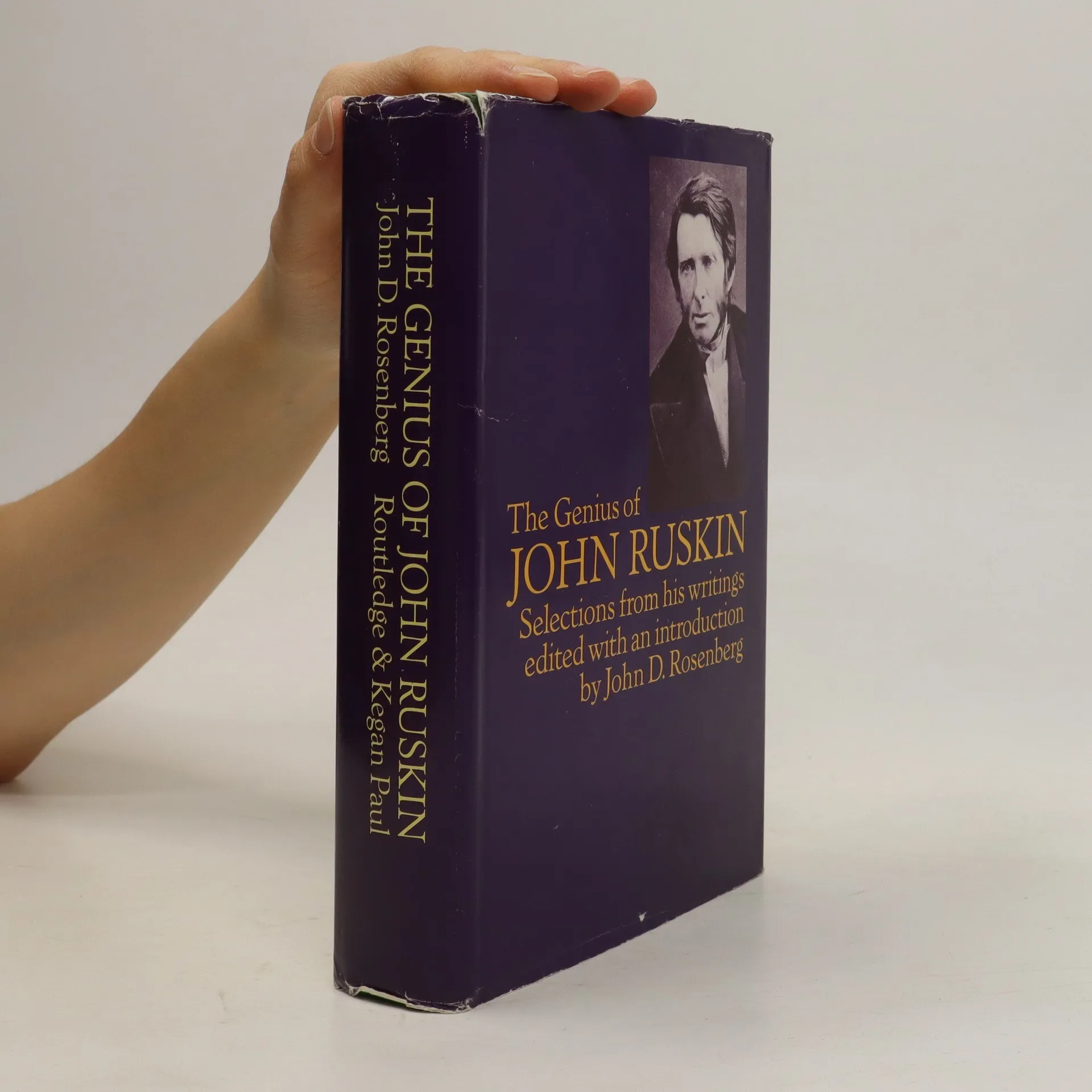
      Ruskin was the most powerful and influential critic of the nineteenth century. He wrote about nature, art, architecture, politics, history, myth and much besides. This new selection draws on the whole range of his output, including representative material from all his major works. The introduction outlines the development of his life and thought and shows why he remains such a rewarding writer today.

      Selected Writings
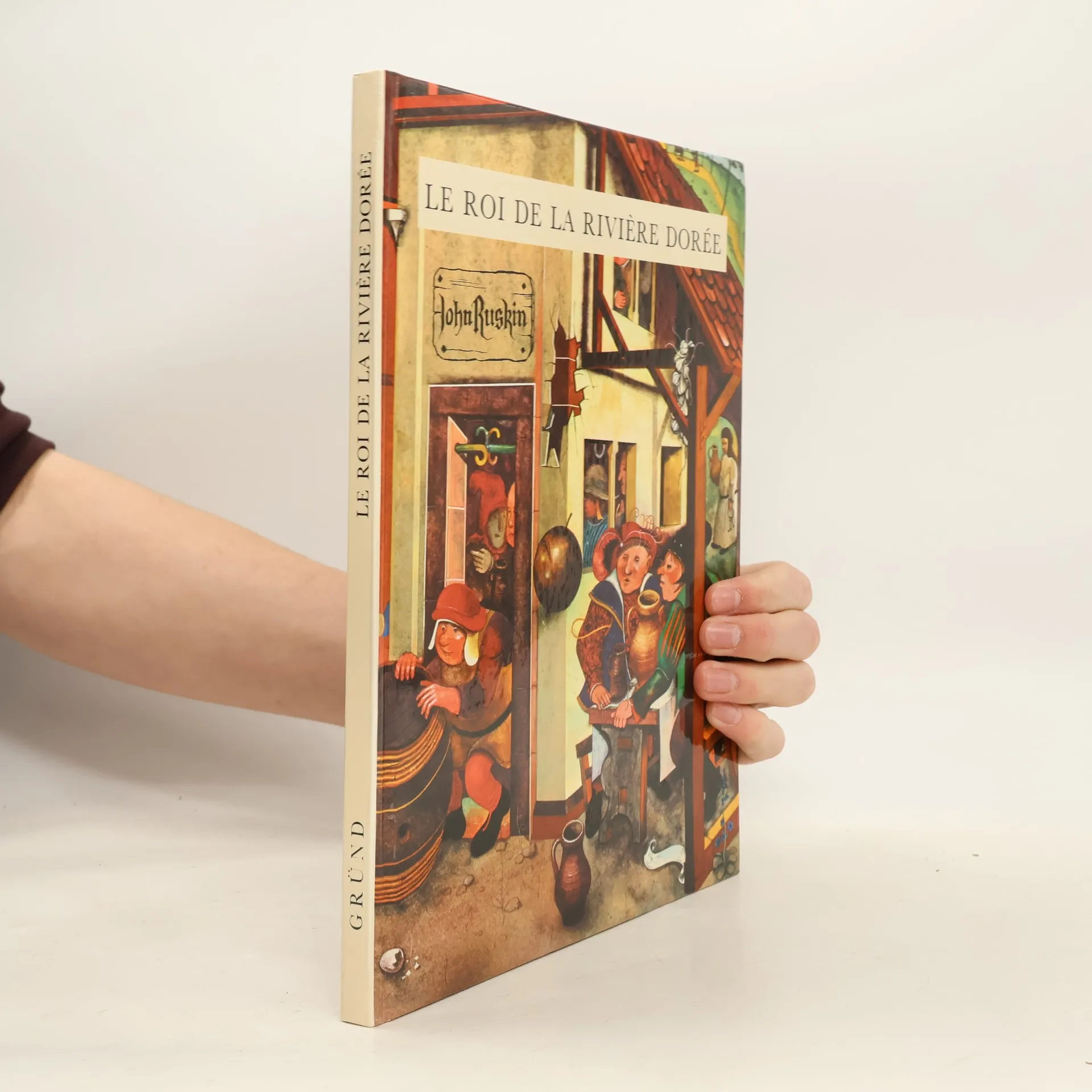
    • Little gem of Victorian literature, written in 1841 and published in 1889, tells a tale of the two Black Brothers who spite the wind and the King of the Golden River — and then for their misdeeds, are turned into stone. Includes 22 captivating illustrations.

      The King of the Golden River
    • The Elements of Drawing

      • 356pagine
      • 13 ore di lettura

      The book is a reprint of a classic work first published in 1857, offering readers a chance to explore its historical significance and original themes. It preserves the language and style of the time, providing an authentic experience of 19th-century literature. The reprint aims to engage both new readers and those familiar with the text, highlighting its enduring relevance and impact on literature and culture.

      The Elements of Drawing
    • This anthology is a thorough introduction to classic literature for those who have not yet experienced these literary masterworks. For those who have known and loved these works in the past, this is an invitation to reunite with old friends in a fresh new format. From Shakespeare's finesse to Oscar Wilde's wit, this unique collection brings together works as diverse and influential as The Pilgrim's Progress and Othello. As an anthology that invites readers to immerse themselves in the masterpieces of the literary giants, it is must-have addition to any library.

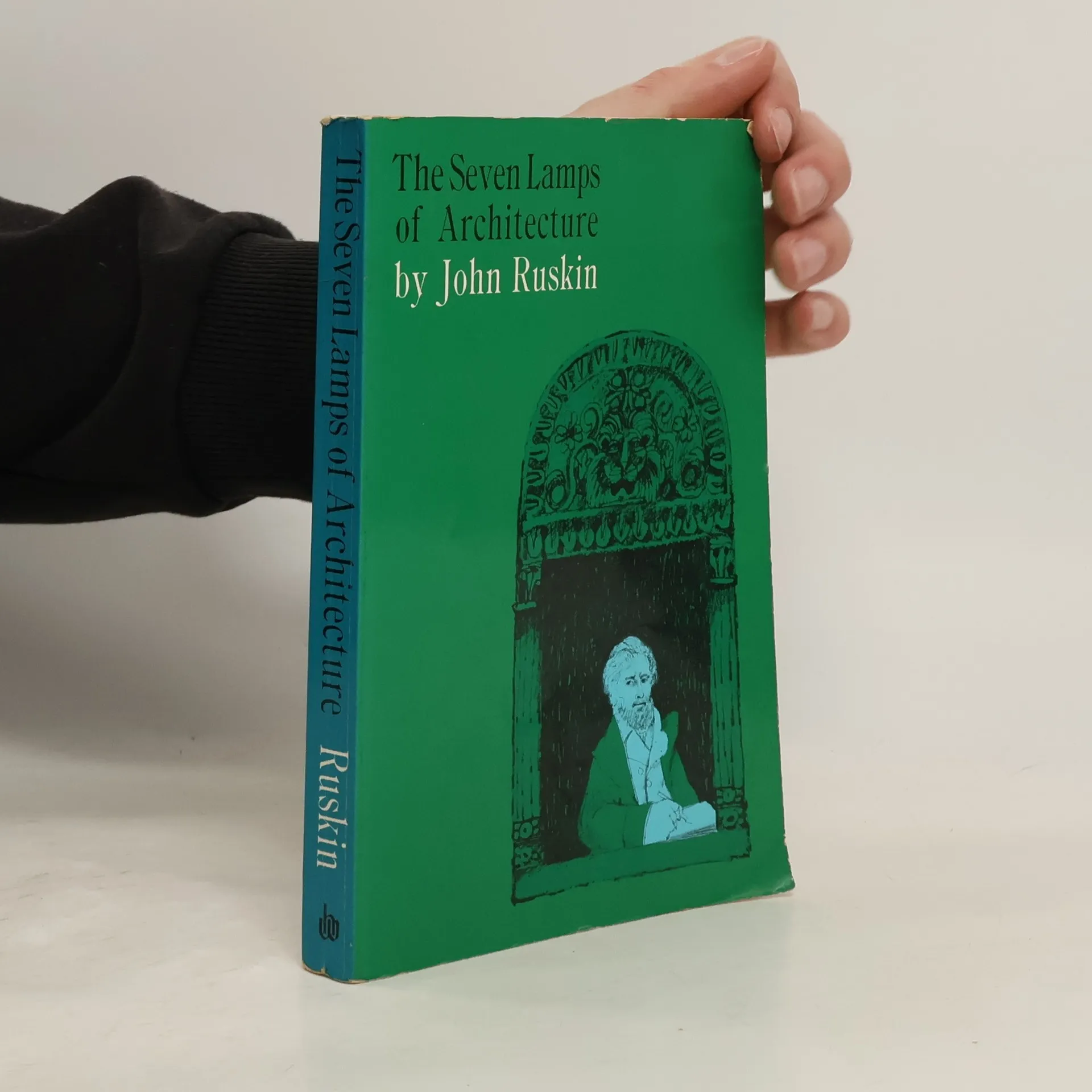
      The Seven Lamps of Architecture