
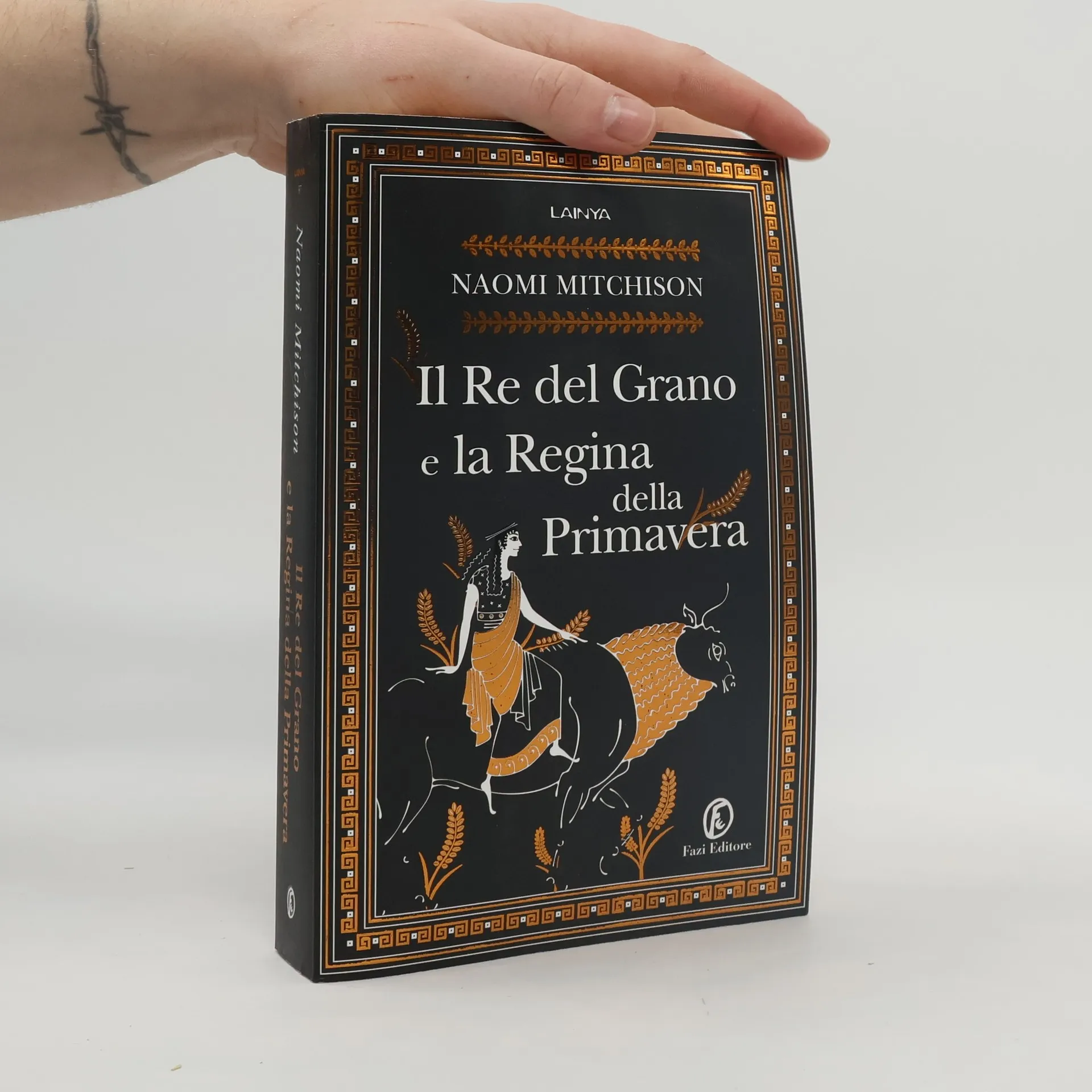
Il Re del Grano e la Regina della Primavera
- 790pagine
- 28 ore di lettura
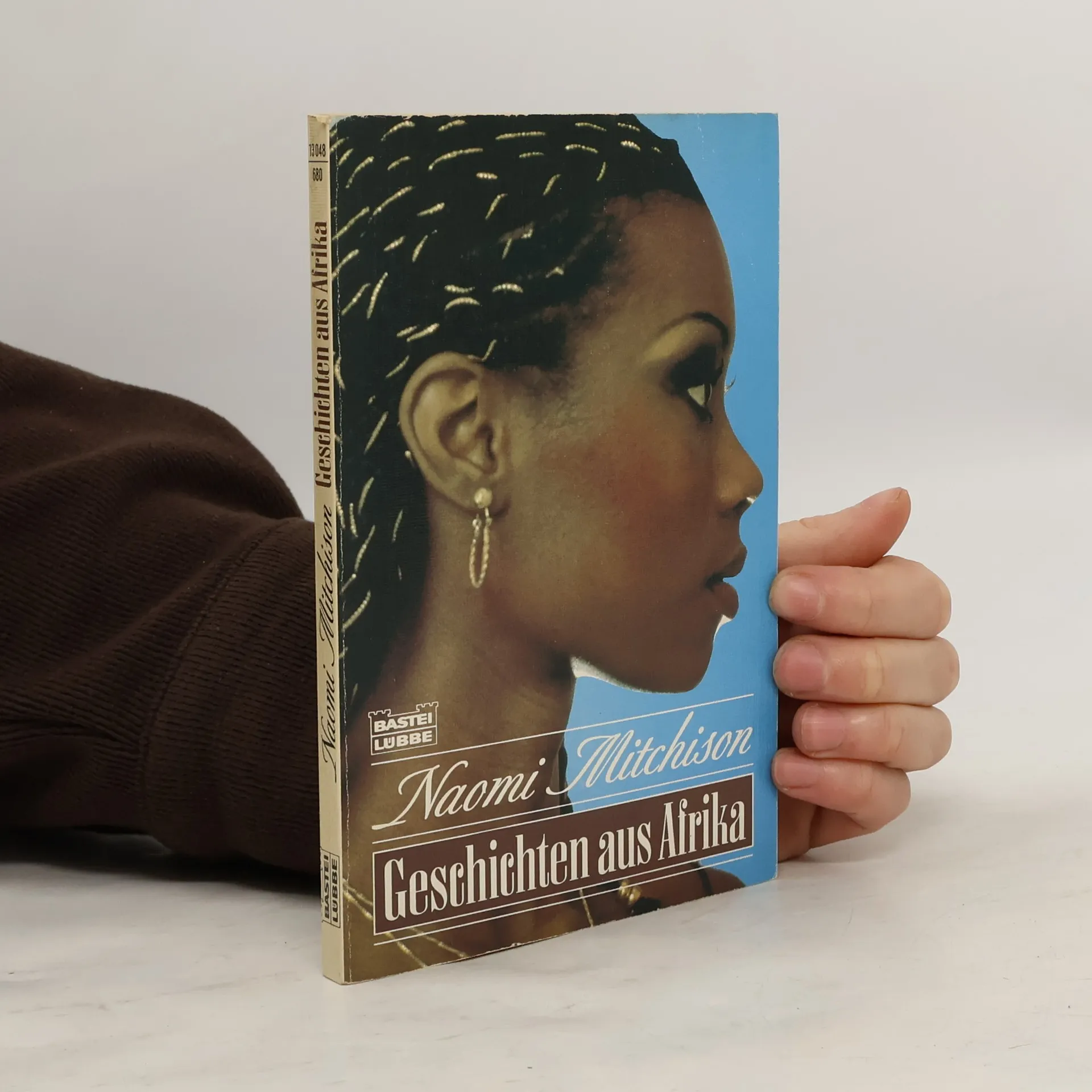
Naomi Mitchison è stata una prolifica autrice la cui vasta opera spaziava nella narrativa storica, nella fantascienza, nella poesia, nell'autobiografia e nella saggistica. Ha esplorato magistralmente temi universali come il coraggio, il perdono e la ricerca del significato. La sua scrittura possedeva una qualità intima, simile a un diario ma priva di artifici o sforzo, offrendo profonde verità con serena profondità. Le narrazioni di Mitchison invitavano i lettori in mondi dove anche i più piccoli dettagli brillavano con chiarezza, in modo simile all'osservazione delle profondità dell'acqua calda.


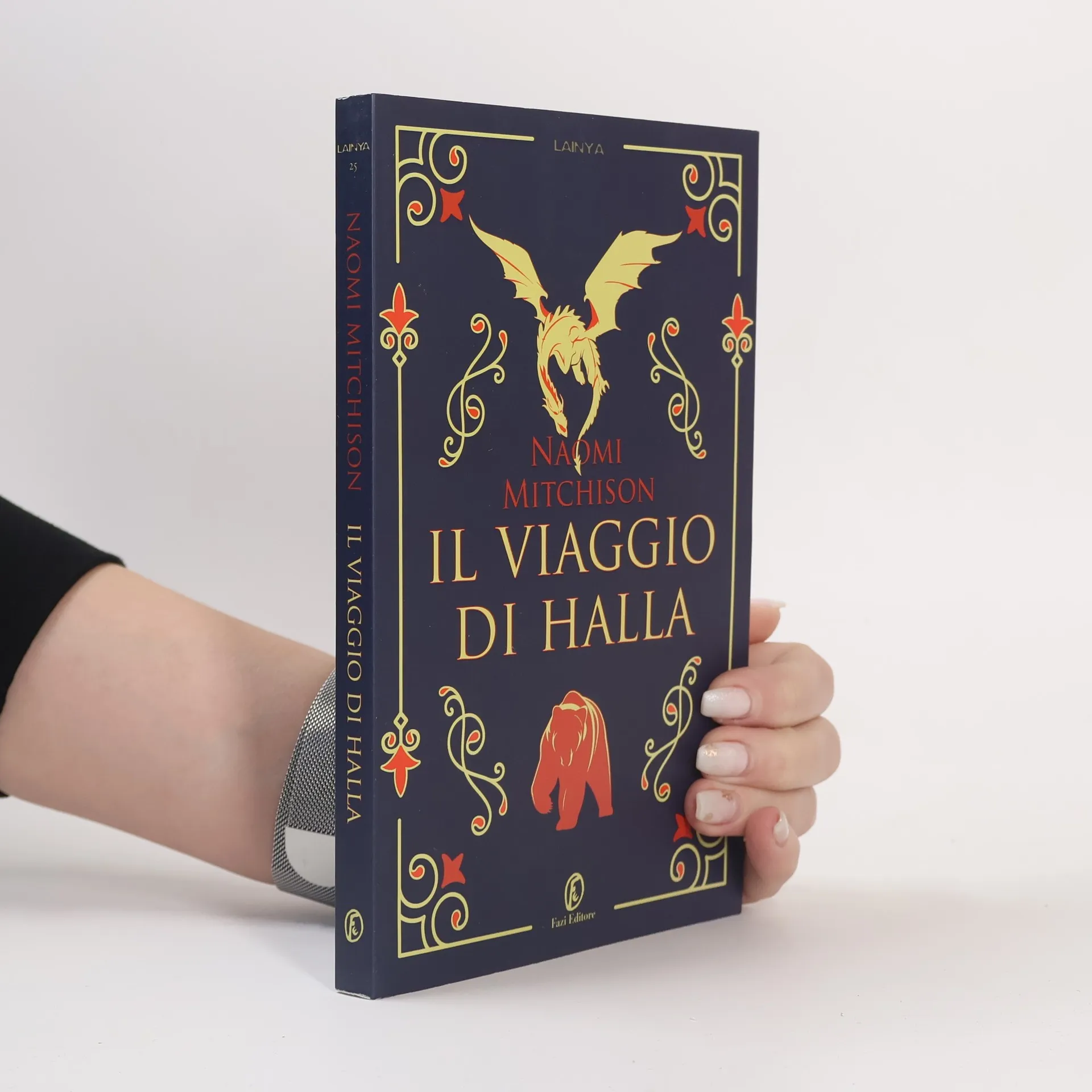
Per la prima volta in Italia un classico della letteratura fantasy del Novecento scaturito dalla penna di una scrittrice tutta da riscoprire, grande amica e prima lettrice di J.R.R. Tolkien. Questa è la storia di Halla, figlia di un re che decide di abbandonarla nei boschi. Qui viene accudita dagli orsi e poi cresciuta dai draghi sulle montagne rocciose; ma il tempo dei draghi, minacciati dagli odiosi e crudeli esseri umani, sta per finire. Odino, Padre di tutte le cose, offre ad Halla una scelta: vivere alla maniera dei draghi, accumulando tesori da difendere, o viaggiare leggera e attraversare il mondo con passo lieve? Iniziano così le fantastiche avventure della ragazza, che girovagherà alla scoperta di nuove terre e antiche leggende, in mezzo a creature incredibili, luoghi misteriosi e magie dimenticate. La sua conoscenza di tutti i linguaggi, sia quelli umani che quelli animali, la aiuterà ad andare oltre le apparenze, ma anche a mettere in discussione ciò in cui ha sempre creduto, mentre affronta, una dopo l’altra, le nuove sfide sul suo cammino. Mitchison ci prende per mano e ci conduce in una favola senza tempo, dove le divinità dei miti nordici convivono con i personaggi della letteratura fantasy per mostrare il valore di comprensione e tolleranza. Il viaggio di Halla è un racconto agile, profondo e divertente che trasporterà il lettore in un mondo dove si può incontrare un basilisco nella steppa, dove gli eroi vengono portati nel Valhalla dalle valchirie, e dove si può fare fortuna chiacchierando con il cavallo giusto. Più di una semplice fiaba: una volta giunti alla fine, questo romanzo si dimostra una vera e propria mappa di vita.
Exploring the Arthurian legend through a modern lens, the narrative follows two young reporters from rival newspapers as they cover the unfolding events of King Arthur's quest for the Holy Grail. Set against the backdrop of the Cold War, Mitchison blends humor with a quest for spiritual growth, using her journalistic insights to navigate the fantastical tales. While her innovative approach garnered mixed reactions from contemporaries, including Tolkien, it ultimately serves as a commentary on storytelling itself, inviting readers on a journey of discovery.
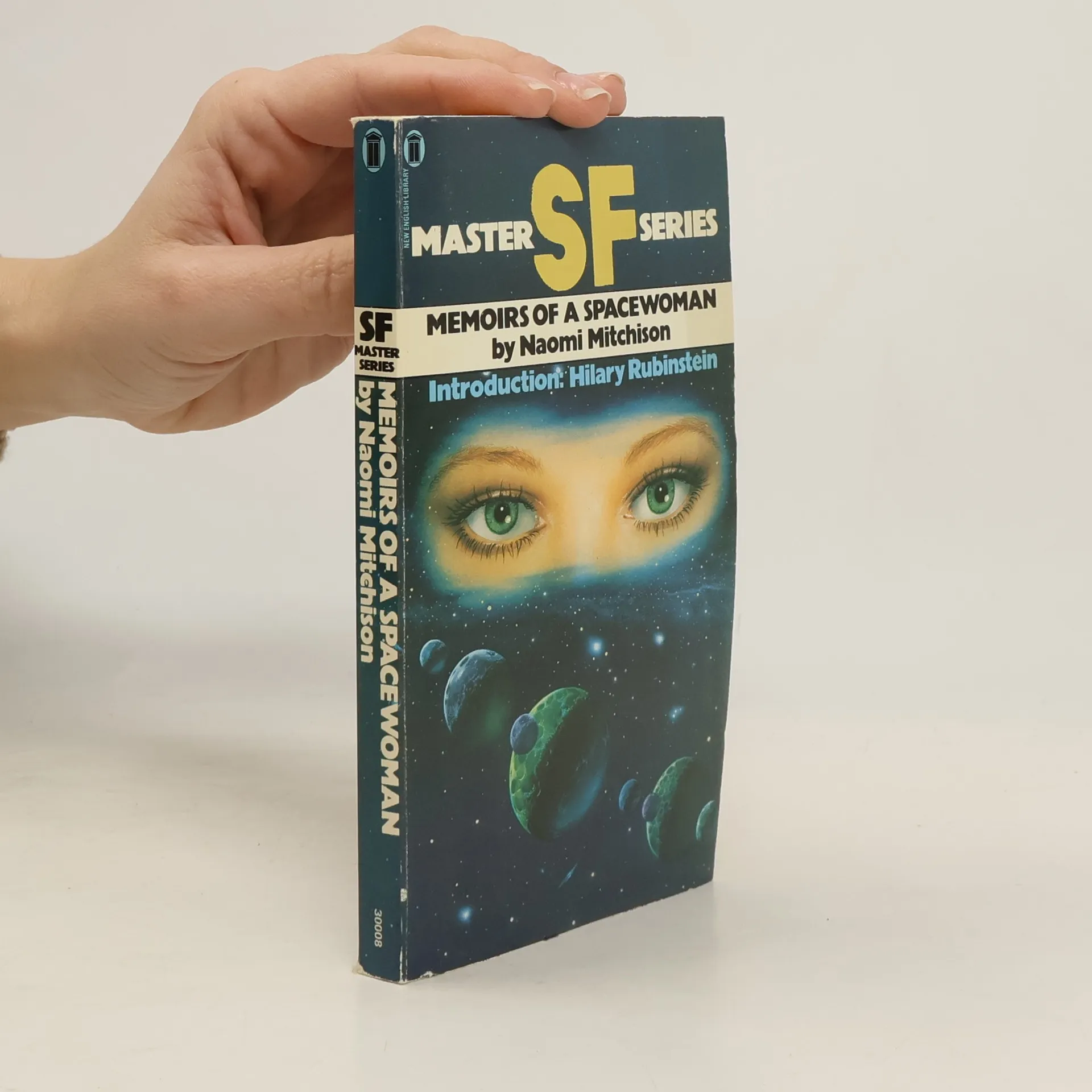
Naomi Mitchison, daughter of a distinguished scientist, sister of geneticist J B S Haldane, was always interested in the sciences, especially genetics. Her novels did not tend to demonstrate this, and she did not publish a Science Fiction novel until almost forty years into her fiction-writing career. Isobel Murray's Introduction here argues that it is by no means 'pure' Science Fiction: the success of the novel depends not only on the extraordinarily variety of life forms its heroine encounters and attempts to communicate with on different worlds: she is also a very credible human, or Terran, with recognisibly human emotions and a dramatic emotional life. This novel works effectively for readers who usually eschew the genre and prefer more traditional narratives. Explorers like Mary are an elite class who consider curiosity to be Terrans' supreme gift, and in the novel she more than once takes risks that may destroy her life. Her voice, as she records her adventures and experiments, is individual, attractive and memorable. Isobel Murray is Emeritus Professor of Modern Scottish Literature at the University of Aberdeen.
An enchanting collection that introduces the author and activist Naomi Mitchison to a new generation of readers The Fourth Pig, originally published in 1936, is a wide-ranging collection of fairy tales, poems, and ballads that reflect the hopes and forebodings of their era but also resonate with those of today. From a retelling of “Hansel and Gretel” to the experimental title story, a dark departure from “The Three Little Pigs,” this book is a testament to the talents of Naomi Mitchison (1897–1999), who was an irrepressible phenomenon—a prominent Scottish political activist as well as a prolific author. Mitchison’s work, exemplified by the tales in this superb new edition, is stamped with her characteristic sharp wit, magical invention, and vivid political and social consciousness. Marina Warner, the celebrated scholar of myths and fairy tales and writer of fiction, provides an insightful introduction to Mitchison as a remarkable writer and personality.
From the dark ages to modern times, from the dragons of medieval forests to Constantinople, this is a fantastic and philosophical fairy-tale journey that will appeal to fans of Harry Potter, Diana Wynne Jones, and T. H. White’s The Sword in the Stone.
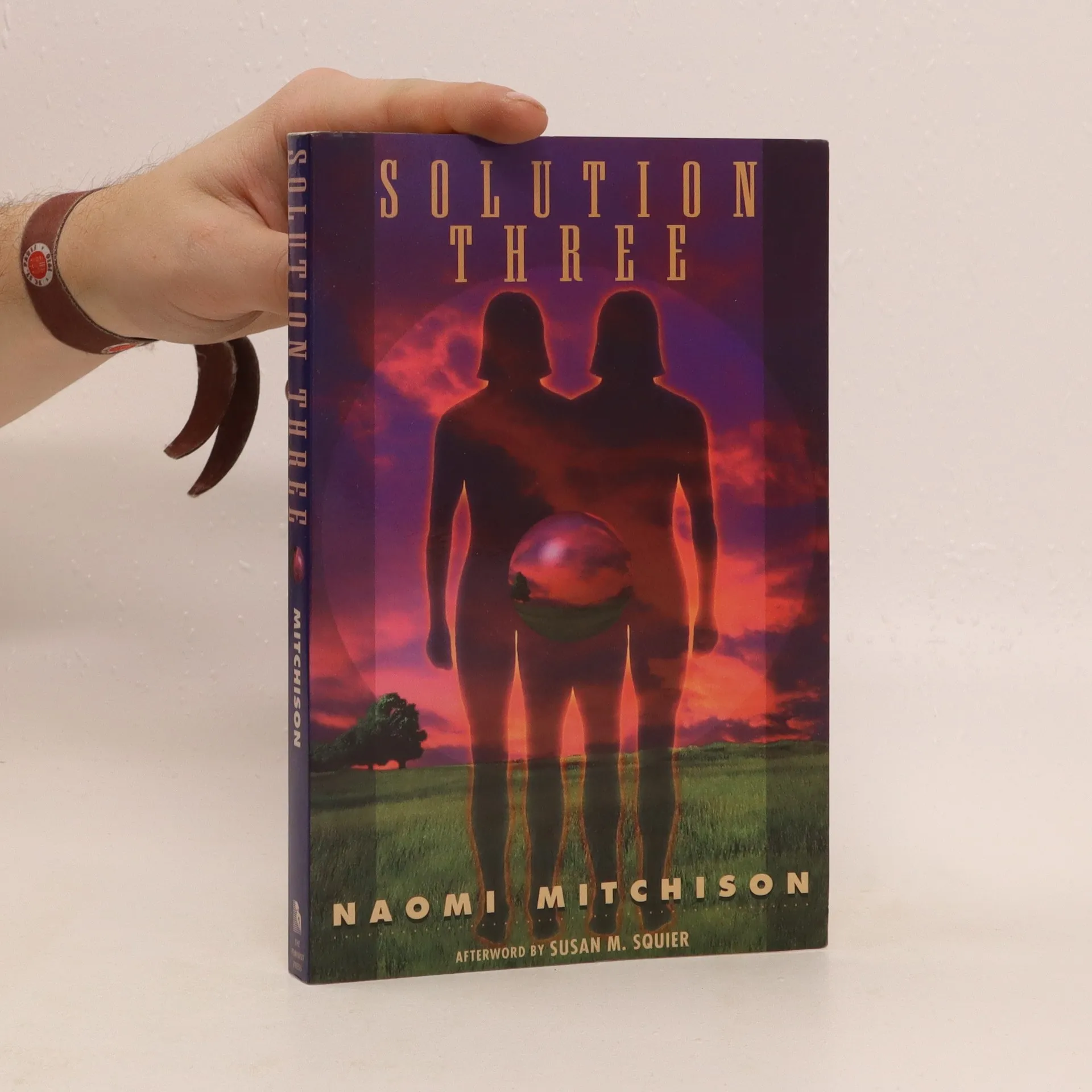
As a fast-paced novel about a future shaped by feminist ideals of sexual and racial equality, "solution three" at first seems to be a peaceful answer to the world's problems. Homosexuality as an international norm and reproduction by cloning have minimized aggression and overpopulation. The sexes have equal rights and status, racial tension has been eliminated through genetic intermixing, and scientists work closely with the governing body, the Council, to keep an eye on the food supply and to heal the earth of prior environmental terrorism.Originally published in 1975, Solution Three presents a future society in which reproductive control and homosexuality shape a more equitable life for all, eradicating aggression and racism, curbing overpopulation, and providing a dependable food supply. But there are those who are rebelling in this peaceful world: Miryam, a geneticist, secretly married, is rearing her own children; Lilac, a surrogate mother chosen to carry a Clone baby, is delaying her son’s seizure for social conditioning; and even the carefully conditioned Clones are behaving unexpectedly. This novel asks the courageous question: What is the cost to women of new models of reproducing life, regardless of the intentions behind the goal?
Set in the west of Scotland during the mid-20th century, this collection features two novels, "The Far Harbour" and "Henny and Crispies," alongside two short stories, "The Salmon Net" and "Lords of the Isles." The works explore the lives of young adults, showcasing Mitchison's engaging storytelling and vivid portrayal of the Scottish landscape. Originally published between 1951 and 1964, these stories reflect the cultural and social dynamics of the time, making them a significant addition to the literary landscape for younger readers.
Naomi Mitchison's extensive body of work includes over two hundred and fifty short stories, showcasing her remarkable talent and versatility as a writer. Her fiction often explores diverse themes and characters, reflecting a rich tapestry of human experience. Mitchison's storytelling is characterized by its depth and creativity, making her contributions to literature significant and enduring.
Exploring the art of storytelling, this book delves into the interplay between history and narrative, highlighting the joy and challenges that come with crafting tales. It reflects on the storyteller's journey, emphasizing the potential for both discovery and error in reimagining historical events. With a focus on creativity and the subjective nature of storytelling, it invites readers to appreciate the nuances of how history can be interpreted and transformed through the lens of imagination.