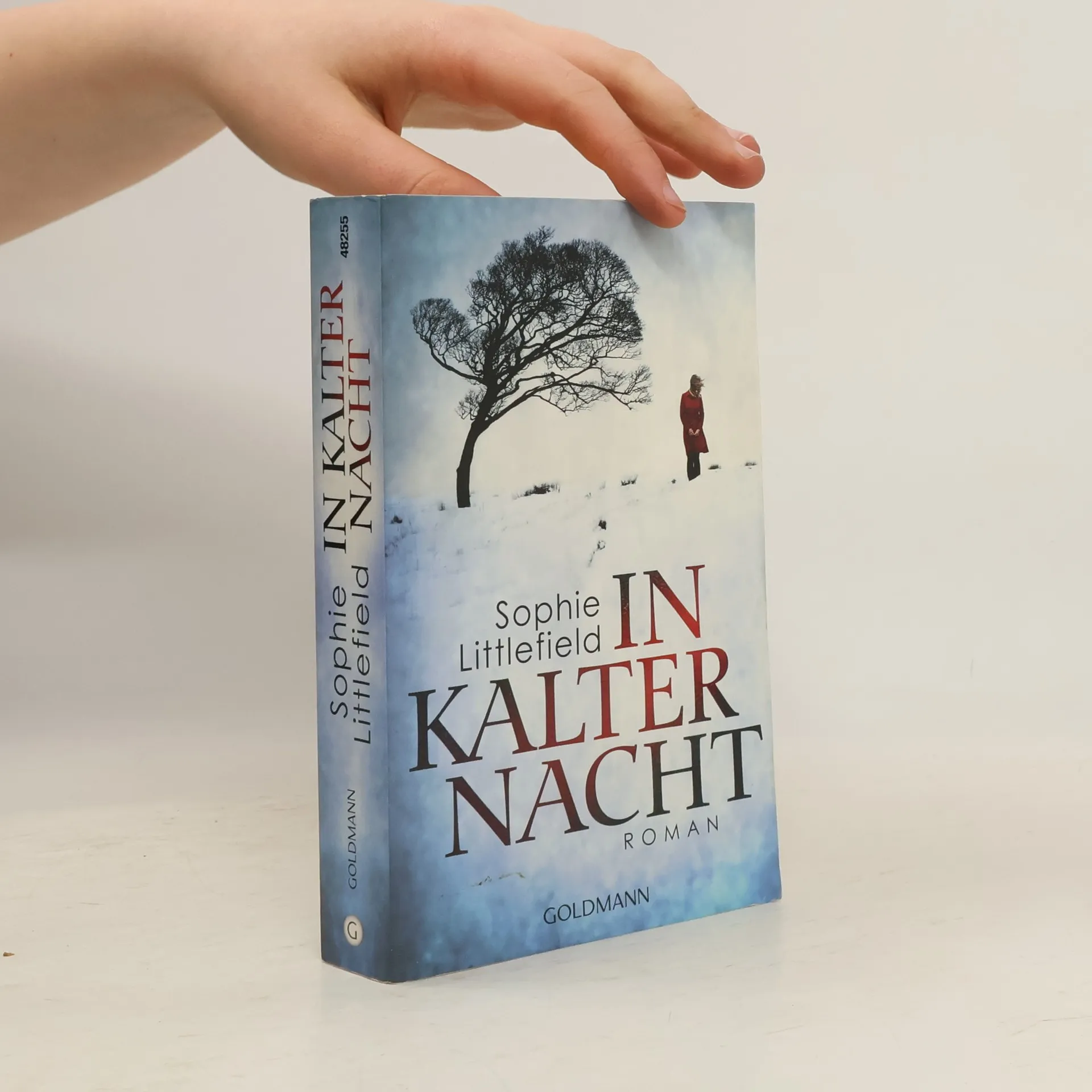
Zwei Söhne auf dem Weg ins Verderben – zwei Mütter auf der Suche nach der Wahrheit ... Als Colleen Mitchell in Lawton, North Dakota, eintrifft, bereitet ihr die trostlose Stadt kein warmes Willkommen. Im Gegenteil: Es ist kalt, und es gibt weder ein Taxi noch freie Hotelzimmer. Aber Colleen lässt sich nicht abschrecken. Ihr Sohn ist hier zuletzt gesehen worden, bevor er verschwand, und sie ist fest entschlossen, alles zu tun, um ihn wiederzufinden. Dann trifft sie auf Shay, deren Sohn ebenfalls vermisst wird. Zufall? Gemeinsam machen sie sich auf die Suche nach der Wahrheit, in einer Stadt, in der Misstrauen und Verschwiegenheit zum Leben gehören ...
‘I miss him with every breath and heartbeat. He should have been my happy ending. Instead, he is the sad beginning to my story.’ When Olivia and Luca fell in love as teenagers and eloped to London, they broke the hearts of those closest to them. Luca’s parents run Marinella’s restaurant, the colourful hub of life in an otherwise bleak seaside town, and his mother, Angela, has never forgiven Olivia for causing such a rift in her beloved family. On a freezing January night Olivia’s life is shattered when she learns that Luca has been killed in a car accident. Left with nothing, and gripped by an overwhelming grief, Olivia abandons her job and returns home to where Luca has been buried just to be close to him – even though she knows she will not be welcome. Facing her past and Luca’s family is not easy. When Olivia meets Luca’s married twin brother, Marc, she discovers a man experiencing a loss almost as painful as her own. Their desolation draws them into an affair which both know has no future, but fills the space where Luca should be. And when it spirals out of control, the consequences are both explosive and cruel… The Love of My Life is a beautiful novel that portrays both the innocence of childhood, and the dynamics of love and loss with deftness and sensitivity. It is, above all, a stunning debut from an author with a unique and natural narrative voice.
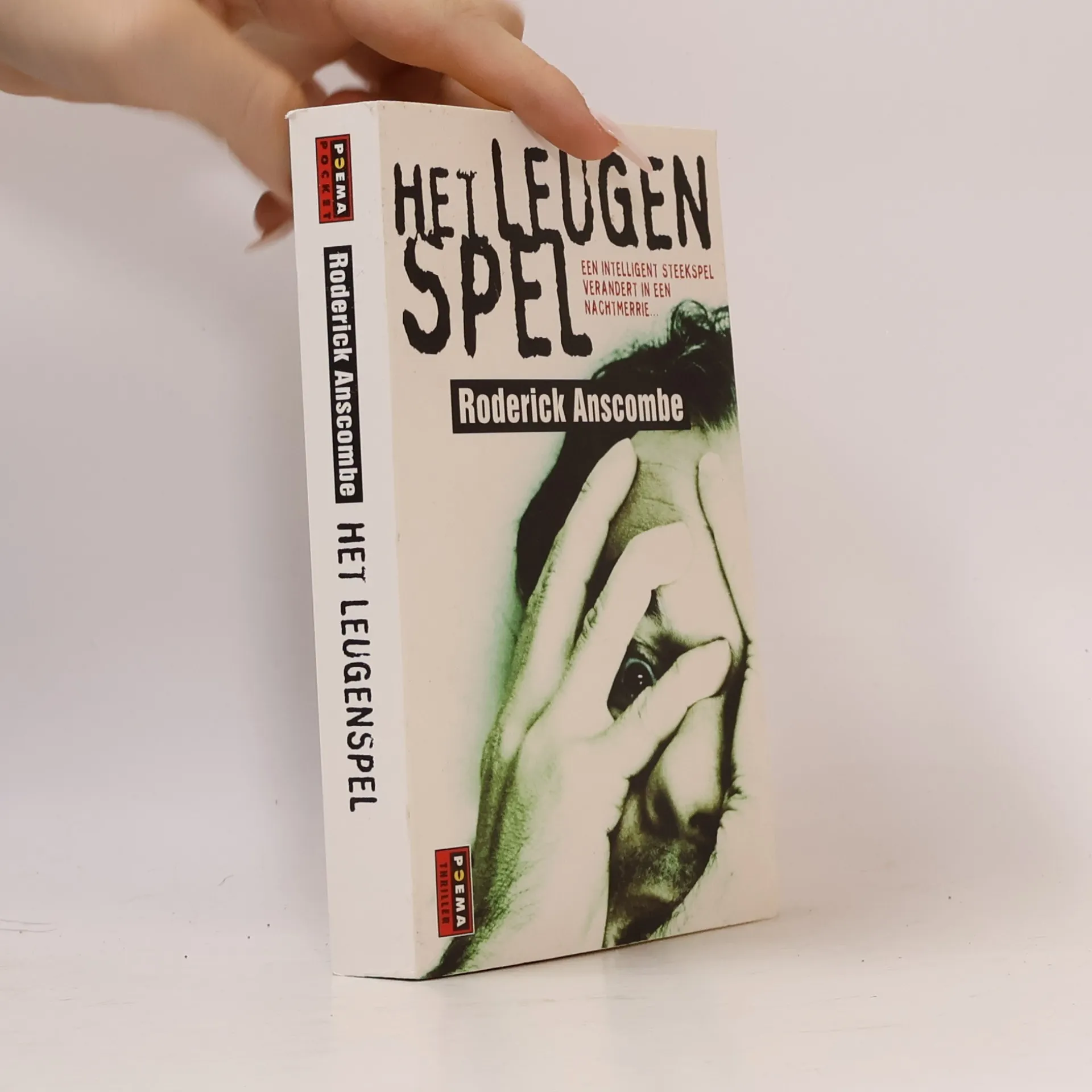
Forensisch psychiater Paul Lucas wordt gevraagd de charmante en intelligente student Craig Cavanaugh onder behandeling te nemen. Craig blijkt opmerkelijk veel van Pauls privéleven af te weten. Langzaam maar zeker worden de rollen tussen de psychiater en de patiënt omgedraaid. Paul raakt verstrikt in verwarrende gebeurtenissen die hem in een onmogelijke positie brengen. Zijn vrouw Abby vertrouwt hem niet meer en zijn collega's en zelfs de politie denken dat hij wat te verbergen heeft...
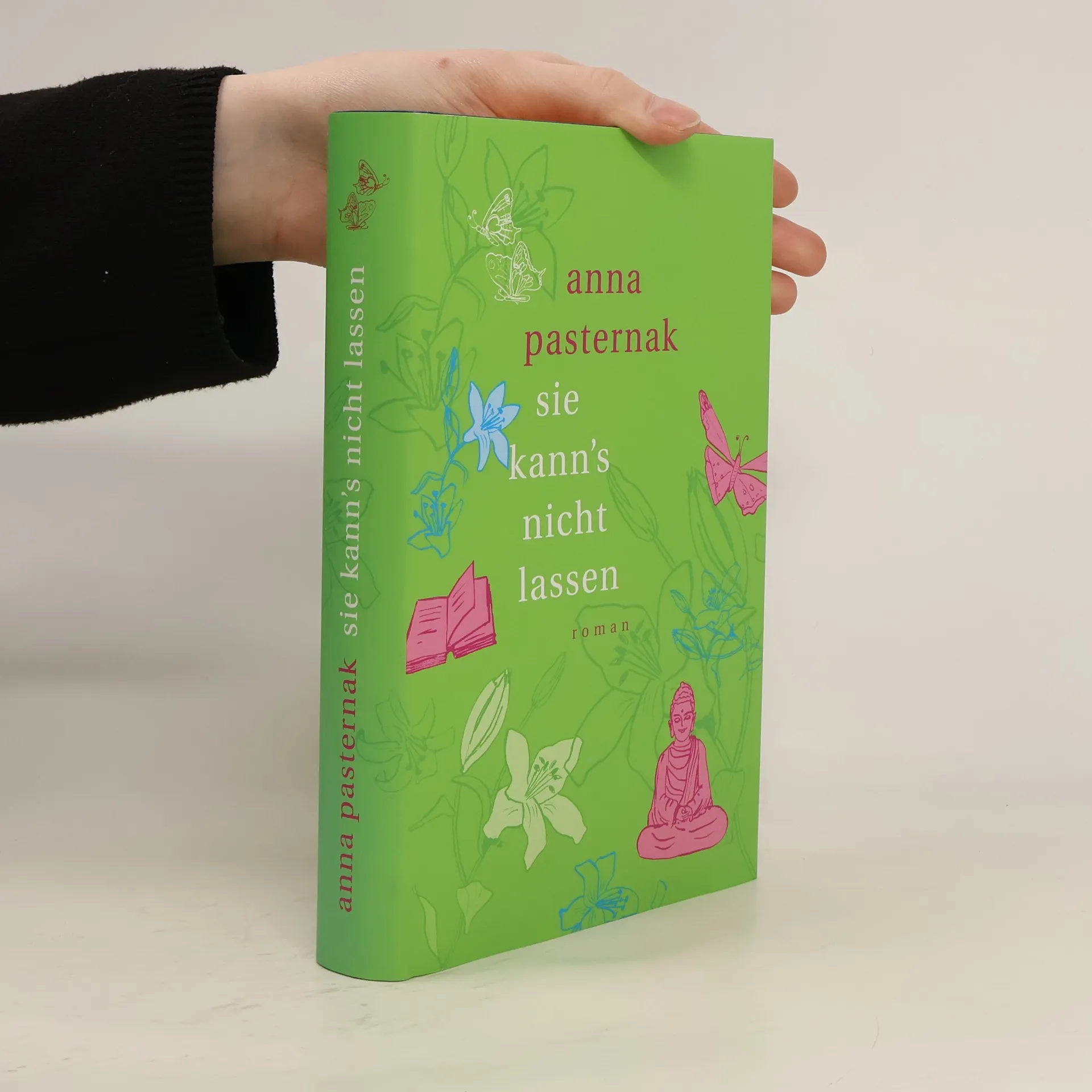
Die rosarote Brille ist zerbrochen, Wolke sieben hat es nie gegeben, die Ehe wurde geschieden. Alles furchtbar? Nicht für Daisy Dooley. Sie ist eine unverbesserliche Romantikerin. Schließlich hat sie ihren Mann verlassen, um die Liebe ihres Lebens zu finden. Mit ihrem hochamüsanten und klugen Debüt landete die Nichte von Boris Pasternak („Doktor Schiwago“) sofort einen Volltreffer.
„Männer gehen mit Frauen ins Bett, die schwarze Unterwäsche tragen, dann heiraten sie Frauen, die Weiß bevorzugen“, bekommt Daisy vor ihrem ersten Date nach der Scheidung zu hören. Dabei hat sie doch Erfahrung mit Männern. Nur dass ihre Ehe nicht gehalten hat. Jetzt ist sie also 39 und geschieden. Was nun ansteht, nennt sich PSF – Postscheidungsflirten. Kein leichtes Unterfangen, wenn man wieder bei der Mutter auf dem Land wohnt, kein eigenes Geld verdient und die Zeit rennt. Doch Daisy lässt sich nicht unterkriegen. Sie glaubt fest an ihr Glück. Und egal ob sie eine katastrophale Affäre verarbeiten muss, sich in ein Abenteuer mit einem wesentlich jüngeren Mann stürzt oder mit ihrem besten Freund seit Kindheitstagen liebäugelt, ihre Freundinnen Jess und Lucy sind immer für sie da und helfen tatkräftig bei der Suche nach der verwandten Seele.
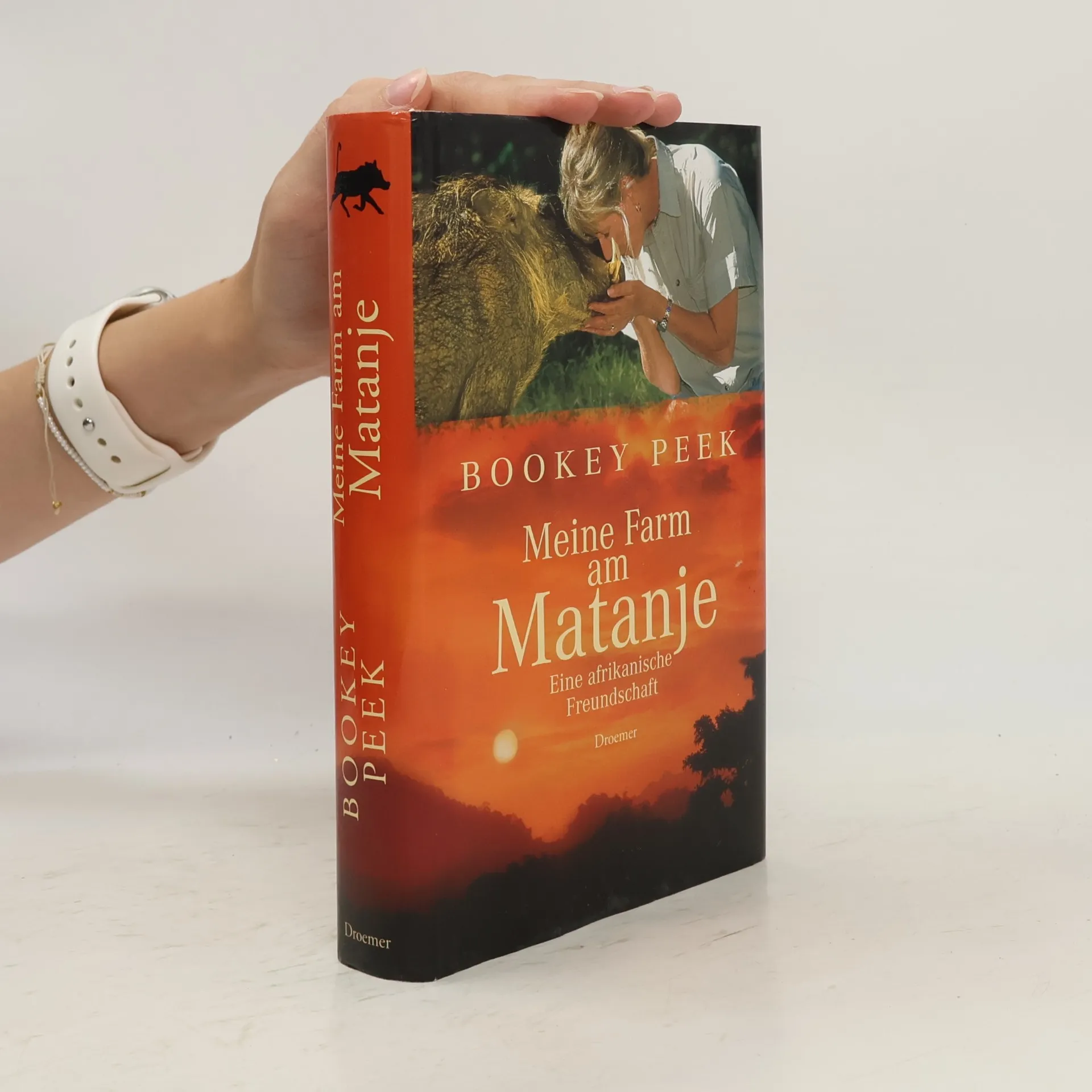
Bookey Peek hat sich einen afrikanischen Traum erfüllt. Sie besitzt eine Wildfarm in Simbabwe, und ihr Herz gehört den Tieren – eine Leidenschaft, die ihr Leben mitunter in ein turbulentes Chaos stürzt …
Ein Afrika-Memoir zum Träumen – und die Geschichte einer wunderbaren Freundschaft.
Mit den Jahren ist die inmitten einer umwerfenden Natur gelegene Farm mit Giraffen, Zebras und Löwen zu einem kunterbunten »Waisenhaus« für alle möglichen Tierkinder geworden, die Bookey und ihr Mann retten und aufziehen. Da ist Nutsy, das Buschhörnchen, das am liebsten im Geschirrschrank der Familie herumturnt. Oder Tsessil, die Antilope, die eines Tages Bookeys kleinen Sohn David zu Tode erschreckt, als sie mit Karacho durch das Glasfenster in sein Zimmer springt. Aber vor allem ist da Poombi, das kleine Warzenschwein, das zusammen mit David genüssliche Schlammbäder nimmt und sich häuslich auf dem Familiensofa einrichtet. Doch als Poombi größer wird, heißt es Abschied nehmen von dem liebgewonnenen Hausgenossen. Wird Bookey ihr bei ihren Streifzügen durch die afrikanische Savanne eines fernen Tages wiederbegegnen?
È martedì grasso quando nel villaggio di Lansquenet arrivano Vianne Rocher e la sua giovane figlia Anouk. La donna è assai simpatica e originale, sexy e misteriosa, forse è l'emissaria di potenze superiori (o magari inferiori). La Céleste Praline, la sua pasticceria, ben presto diviene un elemento di disordine, soprattutto per il giovane curato Francis Reynaud. Il tranquillo villaggio diventa più disordinato, ribelle e soprattutto felice. "Chocolat" è un romanzo pieno di vita, frizzante e divertente, ricco di personaggi indimenticabili e ricette paradisiache.
Duncan Sprott erzählt die faszinierende Geschichte von Marie-Louise Murphy, der Tochter irischer Einwanderer, die als Geliebte des französischen Königs und berühmtestes Aktmodell des 18. Jahrhunderts unsterblich wurde. Mit Ironie und Esprit schildert er das Leben dieser unwiderstehlichen Abenteurerin.
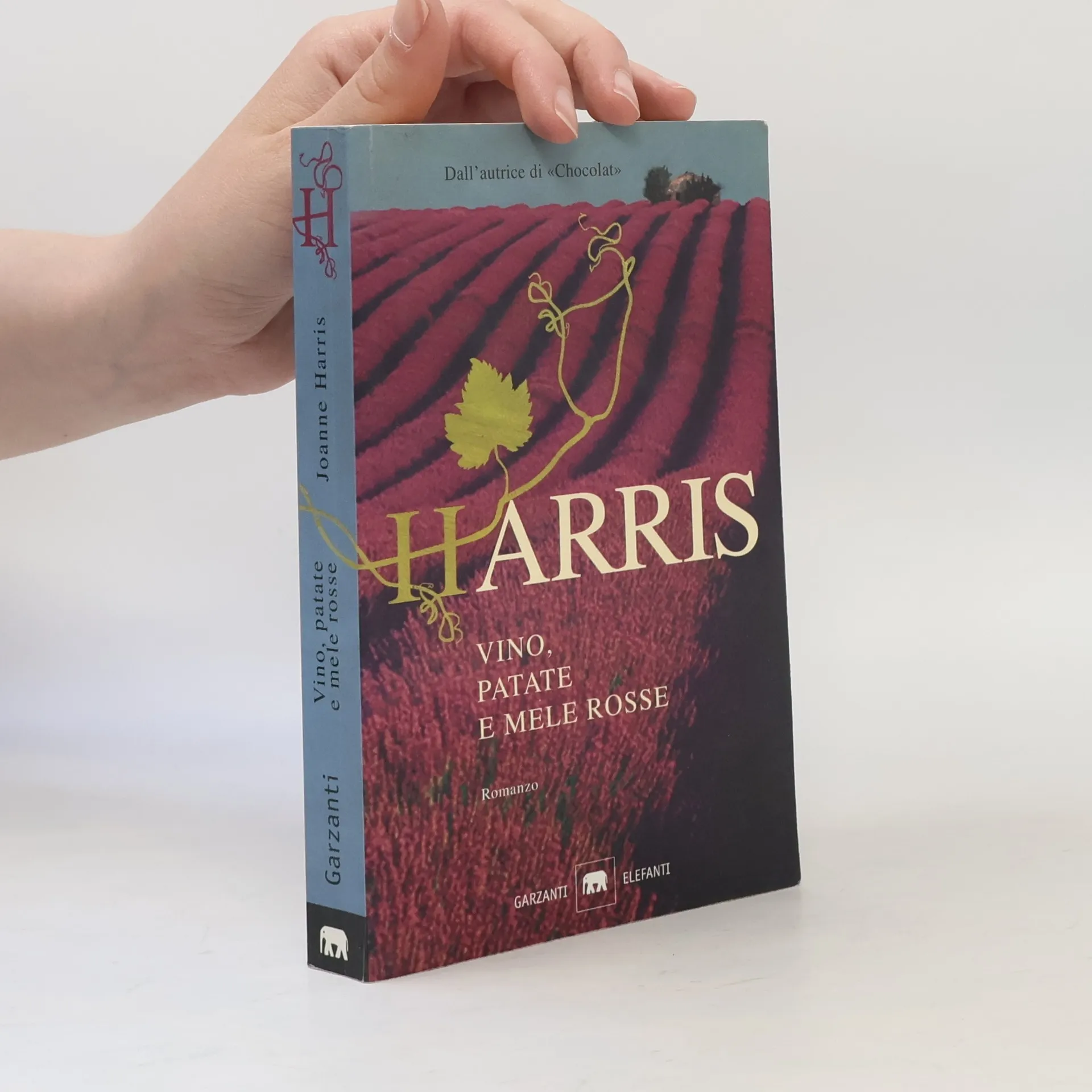
Anche il vino può avere delle storie da raccontare, a chi sa ascoltarlo. La strana alchimia della fermentazione alcolica cattura segreti, progetti, amori, tradimenti... Specie se i vini sono magici come quelli che produce Joe Cox con patate, mele rosse e altri frutti misteriosi. Erano questi i sapori e i profumi protagonisti delle estati di Jay Mackintosh da ragazzino, e Jay torna a cercarli ora che – scrittore trentacinquenne alle prese con un libro che non decolla e un rapporto amoroso in crisi – decide di abbandonare Londra per trasferirsi in un paesino del Sud della Francia, in una fattoria circondata di giardini dove sembra quasi aleggiare la presenza del vecchio Joe... Inizia così il viaggio di Jay alla ricerca di sé stesso e dell'amore: a guidarlo sarà Marise, la donna che il destino gli ha fatto incontrare.
Rose Beecham gives us another fast-paced police procedural; it's the third in her top-notch mystery series featuring New Zealand Detective Inspector Amanda Valentine.