

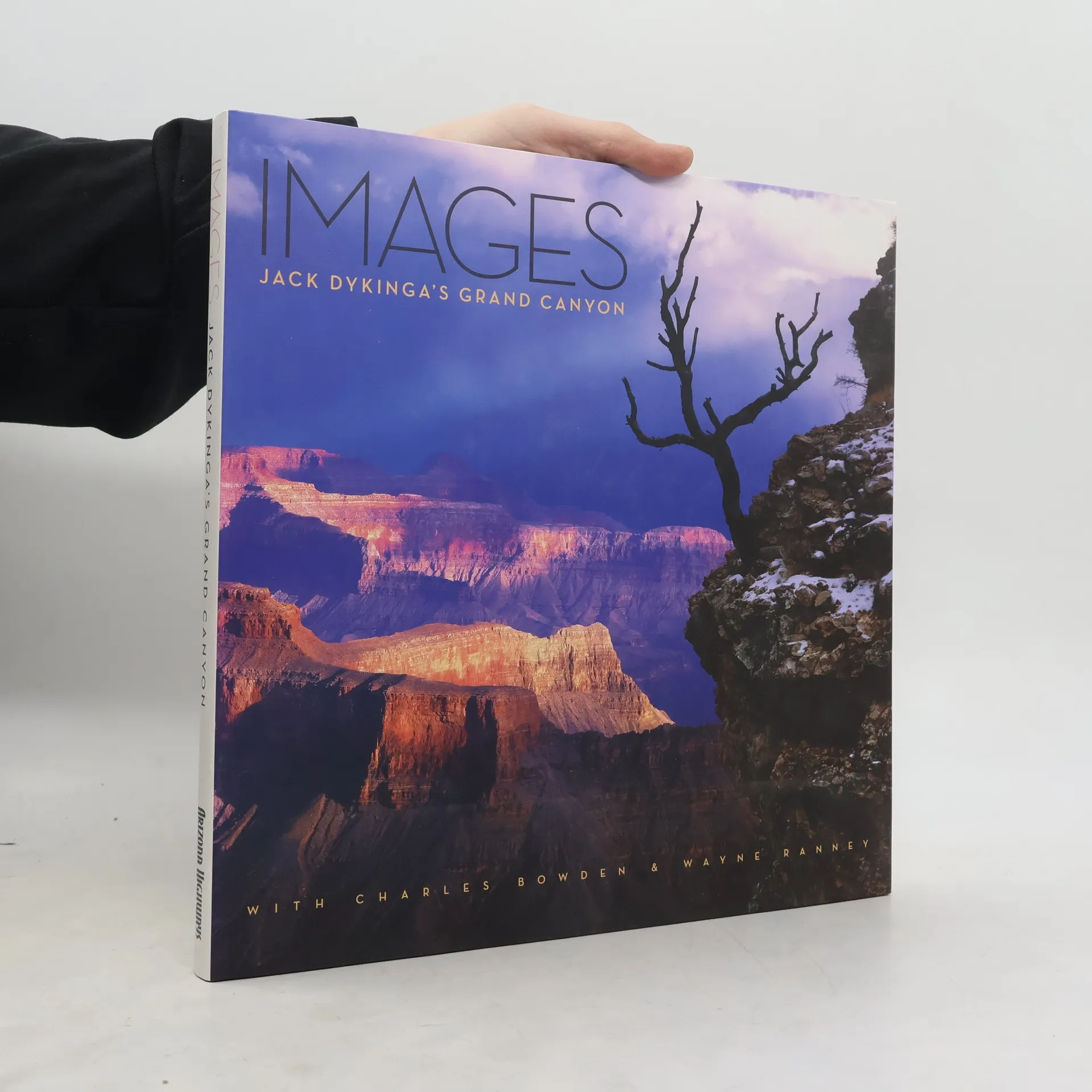

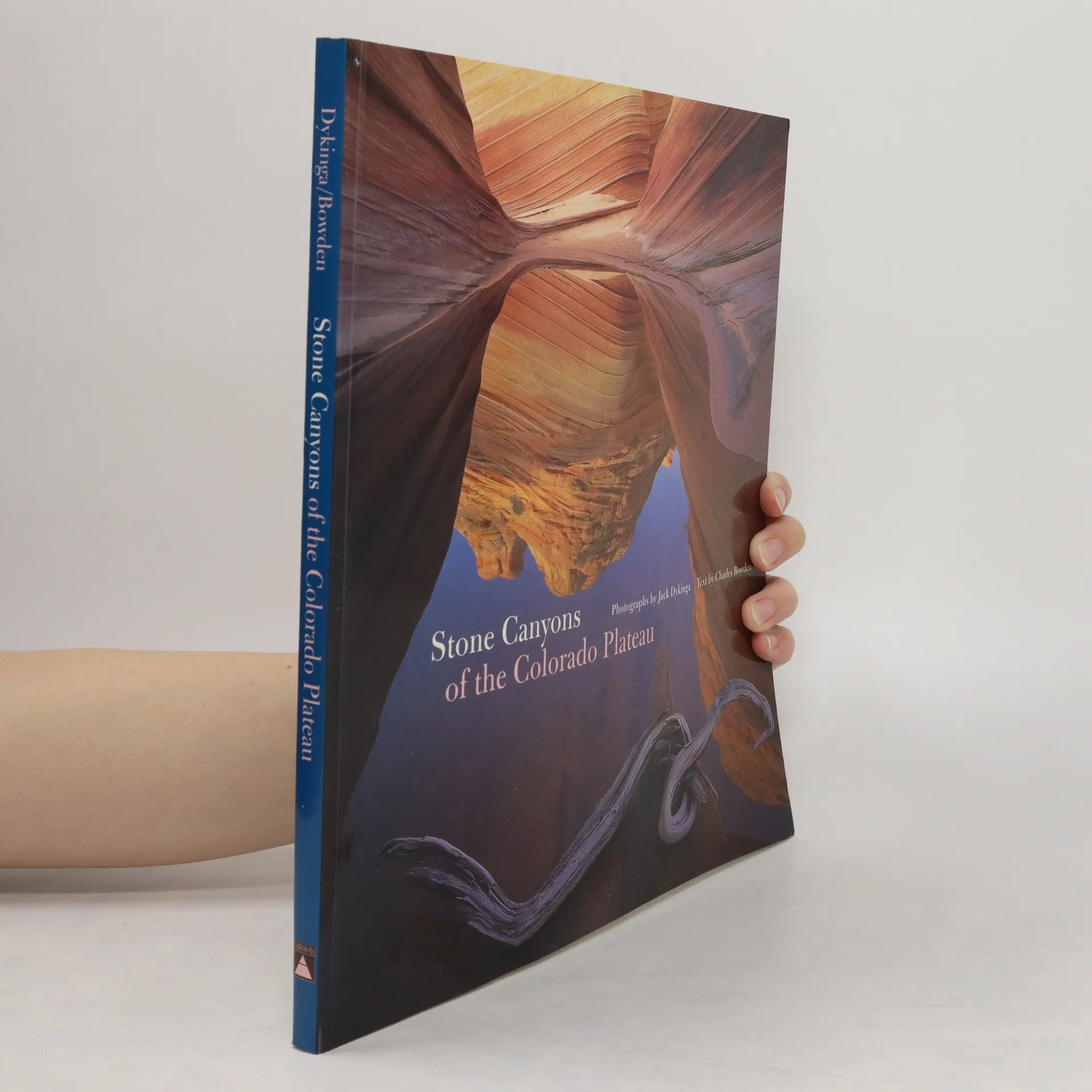


Charles Bowden è stato uno scrittore e giornalista che ha tracciato il territorio inesplorato della storia dell'anima americana. Attraverso i suoi libri e articoli, ha esplorato le crude realtà della vita, spesso ai margini dei paesaggi desertici e dei centri di potere. Il suo stile distintivo era noto per il suo sguardo impavido, che cercava di svelare ciò che viene omesso nelle narrazioni americane più ortodosse. L'eredità di Bowden risiede nel suo coraggio di illuminare le dimensioni più oscure, ma essenziali, dell'esperienza umana.
Mexico Stories From the Road and All You Need to Know to Embark on Your Own Adventure Travels
246pagine
9 ore di lettura
Explore the vibrant culture, stunning landscapes, and rich history of Mexico through Zeke's unique perspective. This guide offers practical travel tips, personal anecdotes, and insights into local customs, making it an essential companion for any traveler. Zeke shares recommendations on destinations, food, and activities, ensuring readers experience the best of what Mexico has to offer. With a focus on both adventure and meaningful connections, this book serves as an invitation to embrace the beauty of travel and life in Mexico.
China/Tibet Stories From the Road and All You Need to Know to Embark on Your Own Adventure Travels
318pagine
12 ore di lettura
The book offers an adventurous journey through the breathtaking landscapes of China and the Himalayas in Tibet, emphasizing hiking, backpacking, and local transport. It invites readers to explore diverse cultures and hidden gems, igniting a sense of wanderlust and discovery. Through vivid storytelling, it showcases the thrill of travel and the transformative experiences that come with immersing oneself in new environments.
Focusing on the themes of human greed and violence, this volume offers incisive reporting on the Mexican drug cartels operating at the US border. The author, an award-winning journalist, explores the complex interplay of crime and corruption, providing a thought-provoking examination of the impact of these forces on society. Through meticulous research and compelling narratives, the book sheds light on the darker aspects of American history and contemporary issues surrounding drug trafficking.
Focusing on the writing life and legacy of Edward Abbey, this literary biography explores themes such as the relationship between authors and their readers, the nature of reputation, and the enduring impact of a celebrated writer's work. Through thoughtful reflection, it offers insight into Abbey's influence and the complexities of his literary journey.
In this sixth and final installment of his "Unnatural History of America" series, journalist Charles Bowden contrasts the intractable violence of man with the enduring beauty of the natural world, and its potential for regeneration.
Praise for Mezcal: "Mezcal is also a lyrical meditation upon the ultimate strength of the land, specifically the desert Southwest, and how that land prevails and endures despite every effort of modern industry and development to rape and savage it in the name of progress. Mezcal lingers in the mind as only the very best books manage to do."—Harry Crews "The author . . . excavates his own tormented life—and its relation to the land he loves—in a series of powerful, imagistic autobiographical essays. Like the desert he cherishes, this memoir is harsh yet lovely, full of sour self-truth. . . . A potent presentation of the wounds of one man's life, packed with indelible impressions; but there's little healing here, making this a bitter if beautiful read."—Kirkus Review "In Mezcal . . . Bowden drops the journalistic veil, exploring the ecology of his interior landscape at least as thoroughly as the changing scenery that surrounds him. . . . Others—Aldo Leopold, Edward Abbey—have already staked inviolate claims on the Southwestern deserts. But Bowden owns the complex terrain where, like a mezcal-inspired mirage, the Sonoran sun-belt overlaps the gray convolutions of the American mind."—Los Angeles Times

“On a bend, I will see it, a piece of ground off to the side. I will know the feel of this the leaves stir slowly on the trees, dry air smells like dust, birds dart and the trails are made by beasts living free.” When award-winning author Charles Bowden died in 2014, he left behind a trove of unpublished manuscripts. Dakotah marks the landmark publication of the first of these texts, and the fourth installment in his acclaimed “Unnatural History of America.” Bowden uses America’s Great Plains as a lens—sometimes sullied, sometimes shattered, but always sharp—for observing pivotal moments in the lives of anguished figures, including himself. In scenes that are by turns wrenching and poetic, Bowden describes the Sioux’s forced migrations and rebellions alongside his own ancestors’ migrations from Europe to Midwestern acres beset by unforgiving winters. He meditates on the lives of his resourceful mother and his philosophical father, who rambled between farm communities and city life. Interspersed with these images are clear-eyed, textbook-defying anecdotes about Lewis and Clark, Daniel Boone, and, with equal verve, twentieth-century entertainers “Pee Wee” Russell, Peggy Lee, and other musicians. The result is a kaleidoscopic journey that penetrates the senses and redefines the notion of heartland. Dakotah is a powerful ode to loss from one of our most fiercely independent writers.
The book captures the urgent need to preserve the Catalinas' foothills amid the encroachment of development. Initially published in 1987, it highlights the foresight of Charles Bowden regarding the threats to this cherished recreational area. The vivid imagery and insights reflect a timeless concern for environmental protection, making it relevant even in today's landscape dominated by visible changes.
Set in a crumbling desert civilization, the narrative explores themes of decay and desperation as society teeters on the brink of collapse. Through vivid imagery and compelling storytelling, it delves into the lives of characters grappling with their environment's harsh realities and the impending chaos surrounding them. The book paints a stark picture of a world in decline, inviting readers to reflect on the fragility of civilization.
Exploring humanity's insatiable appetite for self-destruction, this second installment of Charles Bowden's "Unnatural History of the United States" delves into themes of existential reflection and the darker aspects of human nature. Through a poignant and contemplative narrative, the book examines the consequences of our actions and the cyclical nature of consumption, offering a thought-provoking perspective on the human condition.