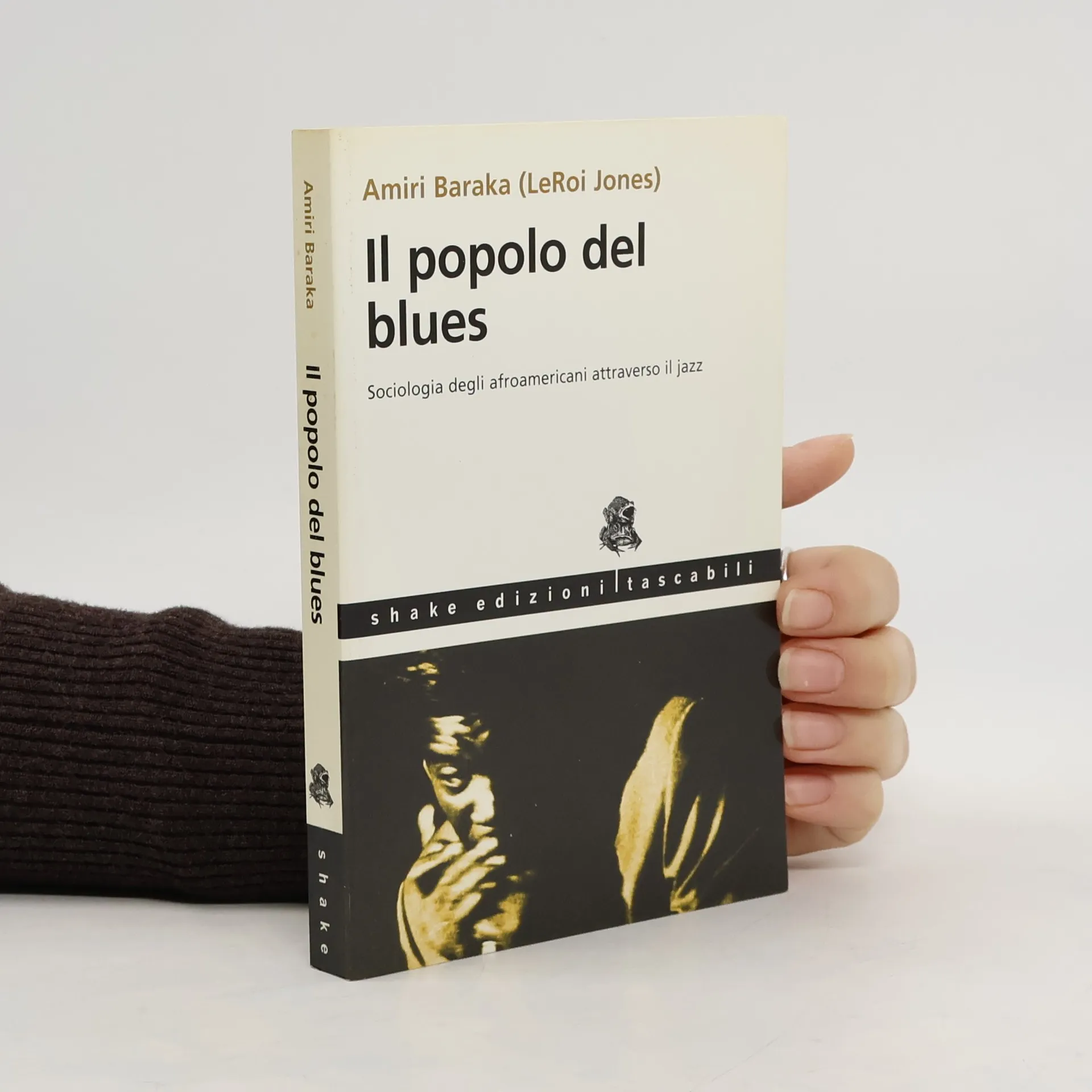
Il popolo del blues. Sociologia degli afroamericani attraverso il jazz
- 251pagine
- 9 ore di lettura
Amiri Baraka è stato un influente poeta, saggista e drammaturgo americano il cui lavoro approfondisce temi di razza, identità e ingiustizia sociale. La sua scrittura, spesso intrisa dei ritmi e dell'anima del jazz, esplora le complesse tensioni psicologiche e politiche dell'esperienza afroamericana. Baraka utilizzò la letteratura come strumento per provocare consapevolezza e sostenere un cambiamento radicale, guadagnandosi la reputazione di voce provocatoria e intransigente. La sua opera rimane un contributo significativo alla letteratura e al commento sociale americano.


The environments and social values inspired Amiri Baraka's poetics and changed during the course of his life - emerged from the Beat generation, while his later writing is marked by rebellious fervor and subversive ideology
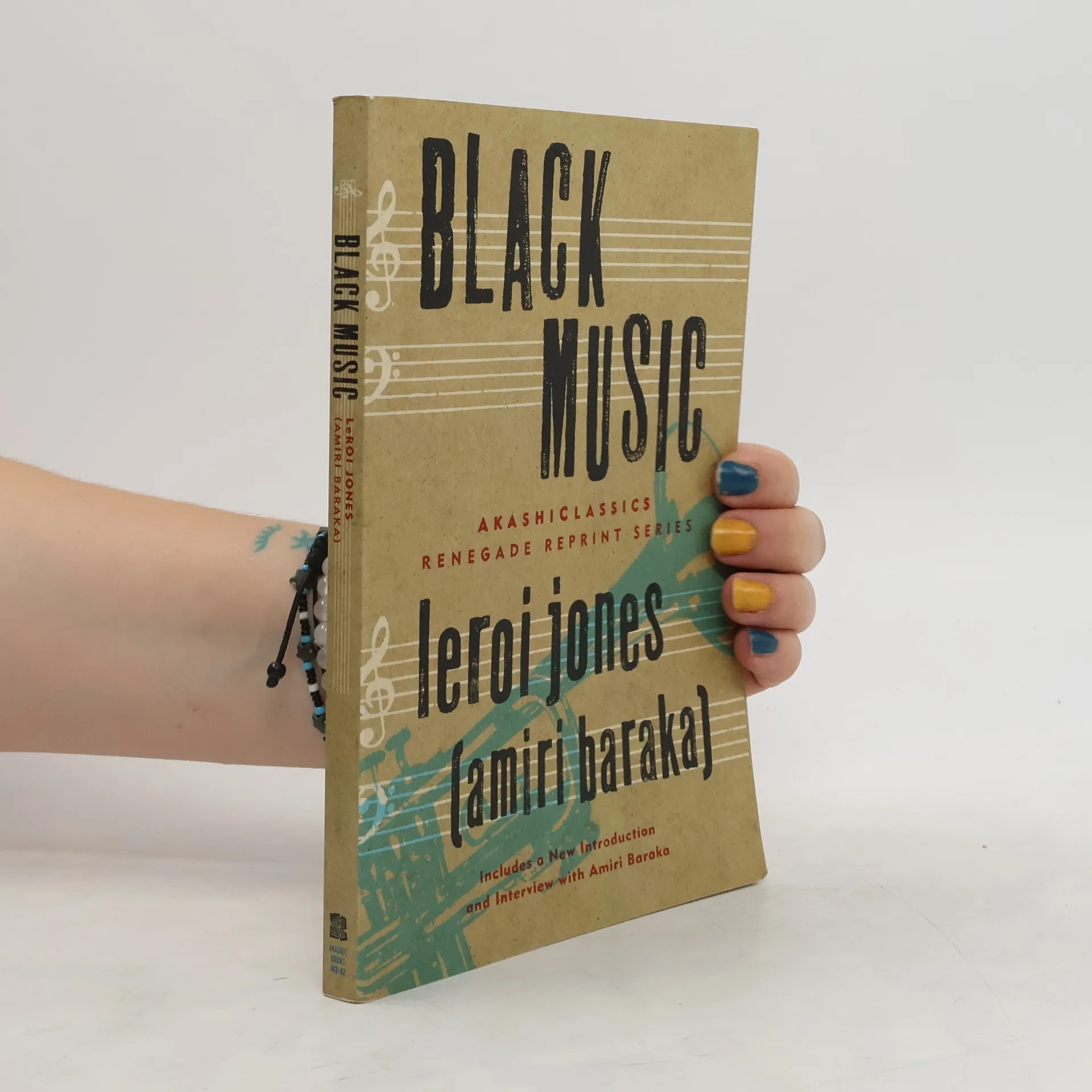
Discusses modern jazz movements and musicians, including Ornette Coleman, John Coltrane, Sonny Rollins, Cecil Taylor, Eric Dolphy, Archie Shepp, and Sun-Ra.
For almost half a century, Amiri Baraka has ranked among the most important commentators on African American music and culture. Assembling his writings on music, this title combines autobiography, history, musical analysis, and political commentary to recall the sounds, people, times, and places he's encountered.
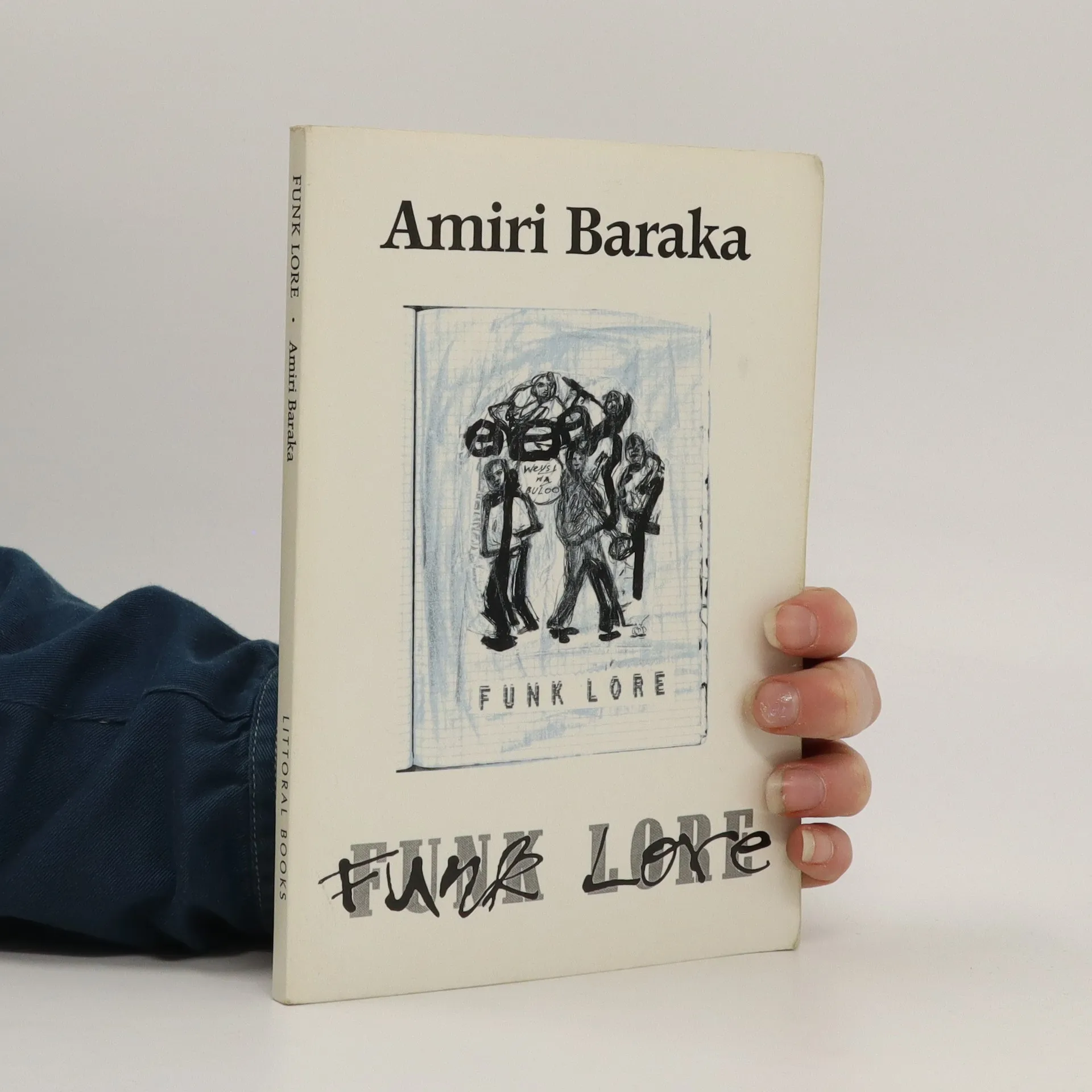
This new book of previously uncollected poetry (1984-1995) demonstrates Baraka's gift for the music of thought, and reveals his continued mastery of tone and performance. Engaging in the primary issues of African-American music and contemporary politics, and imbuing his homages to such grand figures of America as Duke Ellington, Thelonious Monk, Sarah Vaughn, Albert Ayler, and John Coltrane with a passion that has not abated over the years, Baraka glories in his own virtuosity.
-- "The story of Baraka's metamorphoses is itself part of the story of contemporary literature's development". -- Publisher's Weekly-- First publication of the original, unexpurgated text-- Includes a new introduction by the author Poet, dramatist, critic, teacher, and political activist Amiri Baraka, born Leroy Jones in 1934, was a driving force in the sixties Black Arts Movement and continues to have a powerful influence on African-American culture. In this candid autobiography, he recounts the experiences that led him to change African-American literature, from his role in black nationalism after the assassination of Malcolm X to his involvement in Civil Rights clashes and commitment to an international socialist vision. Unavailable since 1986, this is the first unedited publication of the autobiography, which sold over 30,000 copies.
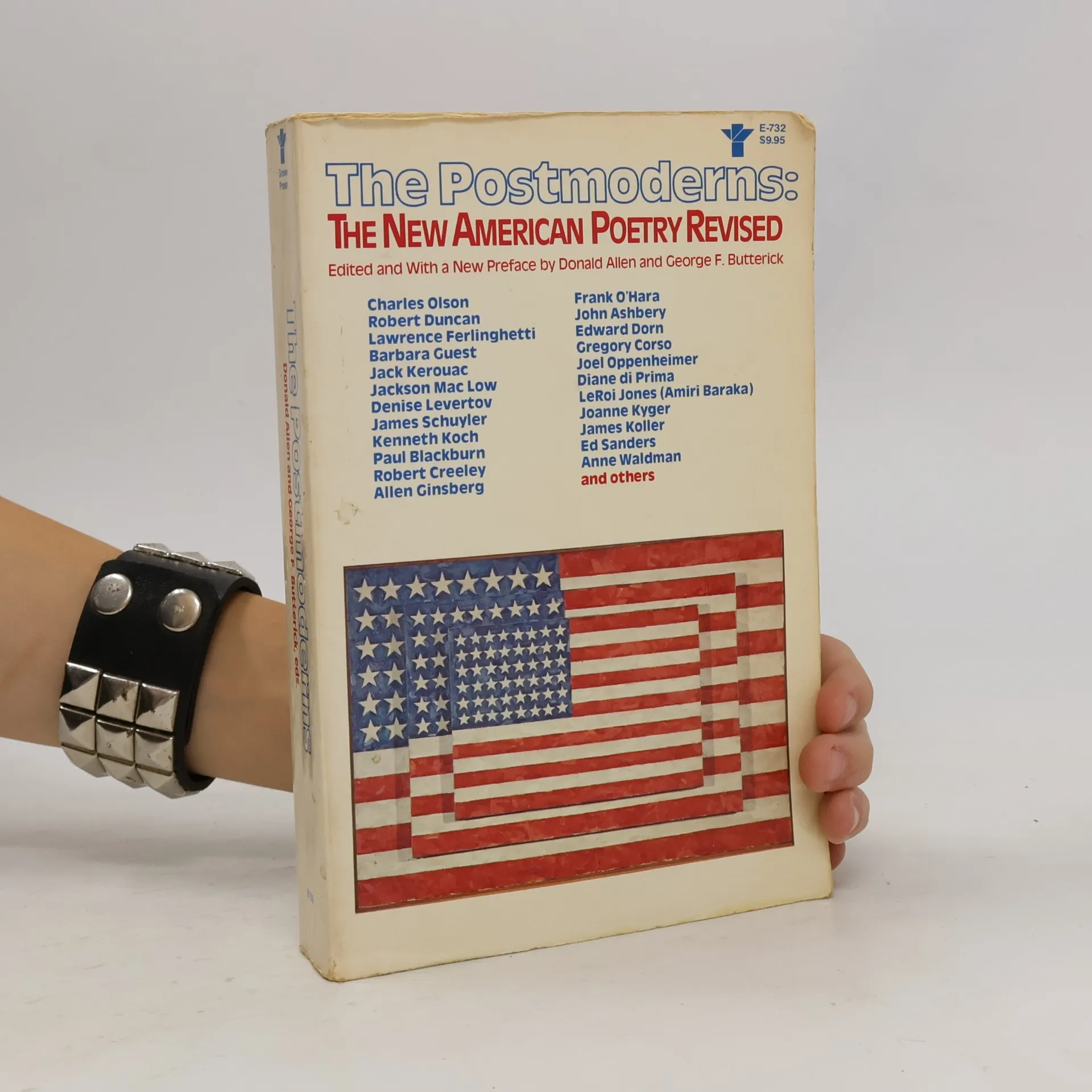
Among the 110 contributors: Raymond Carver, Amiri Baraka, Jean Thompson, Charles Bukowski, Isabella Gardner, Ted Kooser, Robert Bly, Robert Creeley . . . Selections made from nominations by the editors of independent noncommercial presses and magazines, spanning the period from 1965 to 1977. Editor's Choice II: Fiction, Poetry & Art from the U.S. Small Press covers 1978 to 1983. Editor's Choice III covers 1984 to 1990.
Przedmowa, czyli poeta na początku długiej, meandrycznej drogi. Debiutant, który jednak zapewnił już sobie miejsce wśród reprezentantów (białej) powojennej awangardy amerykańskiej i wśród twórców (białej) beatnikowskiej wspólnoty; kontestator, który spod ich skrzydeł się na naszych oczach wyrywa, rzucając wyzwanie ojcom, mistrzom i patronom. Tom zaczyna od wierszy o trzech, połączonych z nim więziami rodzinnymi kobietach, a kończy rozpoznaniem obcości, naznaczającej jego los i poezję: afrykański blues / mnie nie zna. Tytułowy akt samobójczy odczytajmy więc, pozostawiając na boku wątki autobiograficzne, jako zapowiedź długoterminowego nicowania wszelkich tożsamości, zewnętrznych, opresyjnych i uwikłanych w grę ideologicznych interesów. Debiutancki tom Baraki w czujnym i językowo w pełni wiarygodnym przekładzie Karola Poręby nie tylko wypełnia lukę w naszej wiedzy o historii wiersza amerykańskiego, ale też, brzmiąc zaskakująco świeżo, może wejść w żywy dialog z powstającą współcześnie nam poezją Jerzy Jarniewicz