
Bookbot

Franc ois Bizot

    François Bizot è l'unico occidentale sopravvissuto alla prigionia dei Khmer Rossi. Il suo profondo interesse per le pratiche buddiste rurali in Cambogia lo portò a un'ampia ricerca sul campo riguardo la storia e i costumi della religione dominante del paese. Gli scritti di Bizot riflettono spesso la sua disillusione per l'irresponsabilità e la ingenuità dell'intervento occidentale nella regione, come testimoniato durante il suo periodo in Cambogia. La sua opera approfondisce le realtà culturali della nazione e offre una critica alle interferenze straniere.

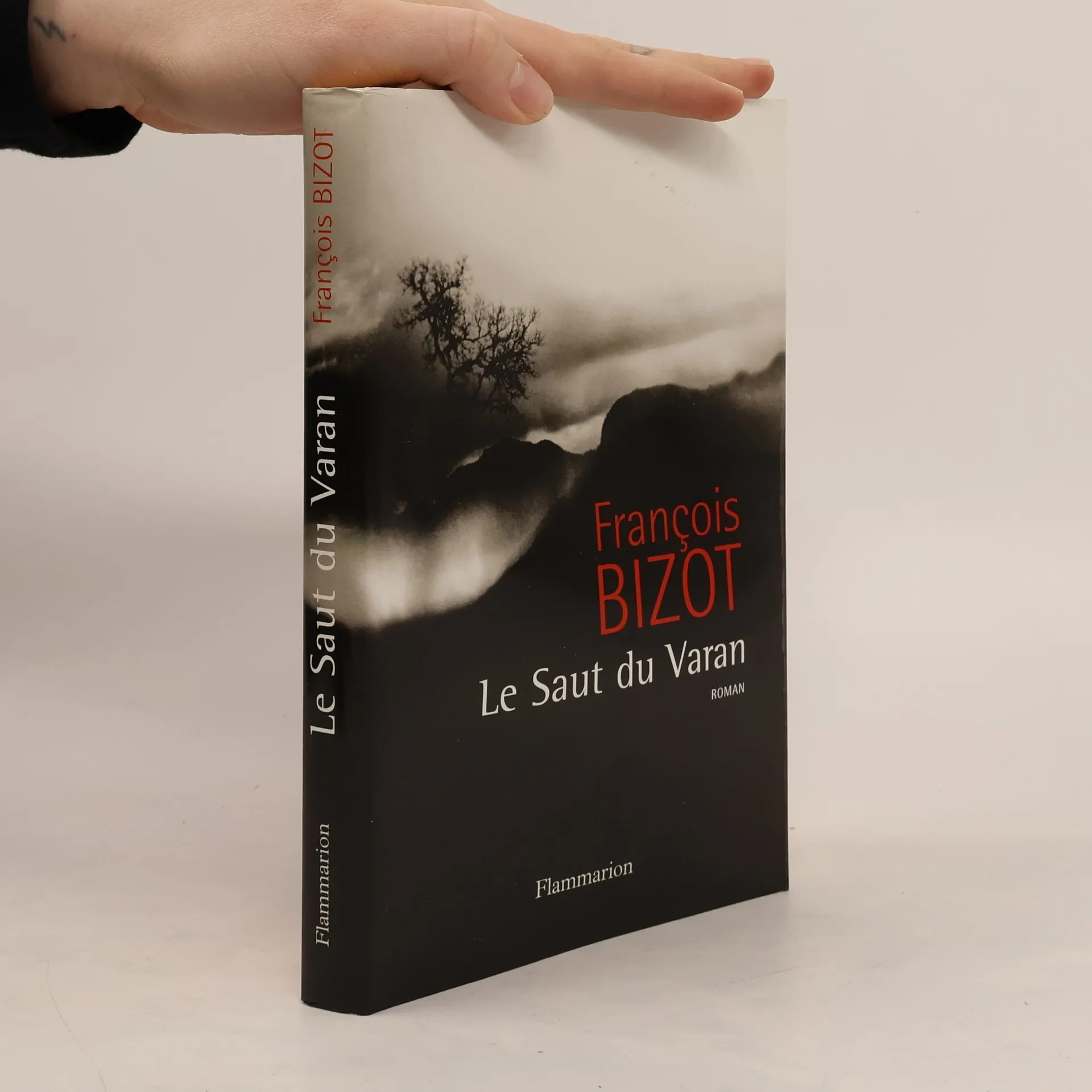
    Le Saut du Varan
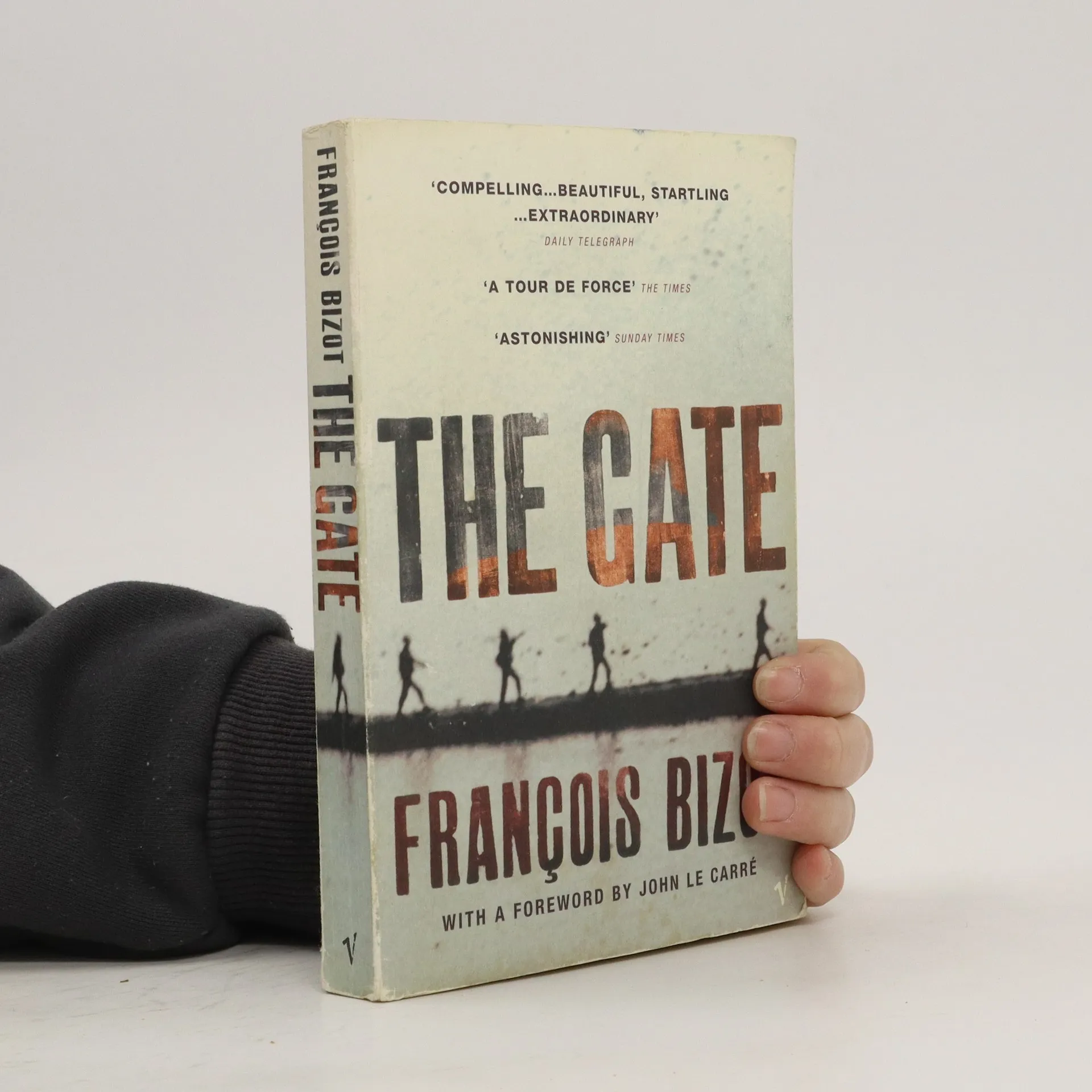
    The Gate
    • Le Saut du Varan

      • 297pagine
      • 11 ore di lettura

      Phnom Penh, 1970. Au lendemain du coup d'État qui porte au pouvoir un gouvernement favorable aux Américains, un diplomate français rattrape la Cambodgienne qui lui a volé de l'argent et la ramène chez lui de force. Cinq mois plus tard, le corps de la jeune fille est retrouvé dans la brousse, au nord d'Angkor. Près d'elle, un plateau rituel destiné aux offrandes. Étrange affaire qui risque de prendre un tour politique et provoque la rencontre de deux hommes : Boni, l'inspecteur, dont le besoin de consolation est devenu insatiable, et Rénot, l'ethnologue, qui jouit de la vie sans culpabilité. Après Le portail, récit bouleversant de sa captivité dans les geôles cambodgiennes, François Bizot poursuit son exploration des grandeurs et misères de l'âme humaine. Il mêle les genres dans ce premier roman pour nous emporter au coeur des forêts immémoriales de l'arrière-pays khmer, là où subsistent de mystérieuses traditions, bientôt sous la menace des incursions khmères rouges et des Américains.

      Le Saut du Varan2006
    • The Gate

      • 286pagine
      • 11 ore di lettura

      French ethnologist Francois Bizot's work offers a profound insight into the rise of the Khmer Rouge. In 1971, while studying ancient Buddhist traditions in a village near the Angkor temple complex, Bizot was captured by the Khmer Rouge during a routine visit to a temple, along with two Khmer colleagues, on suspicion of CIA ties. Over three months of imprisonment, he formed a complex relationship with his captor, Comrade Douch, who later became the notorious chief interrogator at Tuol Sleng prison. This chilling interaction reveals the duality of Douch as both a young revolutionary and a figure of terror. Bizot's eventual release came after Douch advocated for him, making him the only Western captive of the Khmer Rouge to survive. Upon returning to Phnom Penh, his fluency in Khmer led to his role as interpreter between the occupying forces and Western nationals in the French embassy. He recounts the harrowing moment when Khmer nationals were ordered out for "resettlement." Bizot's gripping narrative reflects a unique understanding of Cambodia's turmoil, blending personal experience with broader historical context. His account serves as both a tribute to a lost era and a confrontation with haunting memories, making this a compelling read for those interested in this dark chapter of Asian history.

      The Gate2002
      3,9