Die Anmerkung beleuchtet, dass der relative Wohlstand der arbeitenden Bevölkerung in den westlichen Industrienationen das Ergebnis von Klassenkämpfen ist. Nach Marx führt die innere Notwendigkeit, die aus den Widersprüchen des Kapitalismus entsteht, zur Revolution. Diese „Krankheit“ wird als Antrieb für die revolutionäre Klasse betrachtet.
Jean-Paul Sartre Ordine dei libri (cronologico)
21 giugno 1905 – 15 aprile 1980
Jean-Paul Sartre fu un filosofo e scrittore esistenzialista francese, figura centrale del pensiero del XX secolo. La sua opera esplora temi come la libertà, la responsabilità e la ricerca della verità, rendendolo una voce influente. Sebbene abbia rifiutato il Premio Nobel per la Letteratura, i suoi scritti hanno plasmato profondamente il panorama intellettuale della sua epoca. Sartre ha approfondito la condizione umana e le sue implicazioni attraverso saggi filosofici, drammi e romanzi, lasciando un segno significativo nella letteratura e nella filosofia.

Through an in-depth analysis of Gustave Flaubert's life and work, particularly his creation of Madame Bovary, this classic study explores the formation of the modern self. Jean-Paul Sartre dedicated a decade to this comprehensive examination, which reflects his philosophical insights. Now available in an abridged edition, this work, compiled by Joseph S. Catalano, maintains the essence of Sartre's original volumes while revealing the enduring impact of nihilism in contemporary thought.
SPK - Turn Illness into a Weapon
For agitation by the Socialist Patients' Collective at the University of Heidelberg
- 266pagine
- 10 ore di lettura
A manifesto of the Socialist Patient Collective at the University of Heidelberg.
Critical Essays
- 532pagine
- 19 ore di lettura
Critical Essays (Situations I) contains essays on literature and philosophy from a highly formative period of French philosopher and leading existentialist Jean-Paul Sartre’s life, the years between 1938 and 1946. This period is particularly interesting because it is before Sartre published the magnum opus that would solidify his name as a philosopher, Being and Nothingness. Instead, during this time Sartre was emerging as one of France’s most promising young novelists and playwrights - he had already published Nausea, The Age of Reason, The Flies, and No Exit. Not content, however, he was meanwhile consciously attempting to revive the form of the essay via detailed examinations of writers who were to become central to European cultural life in the immediate aftermath of World War II. -- Provided by publisher
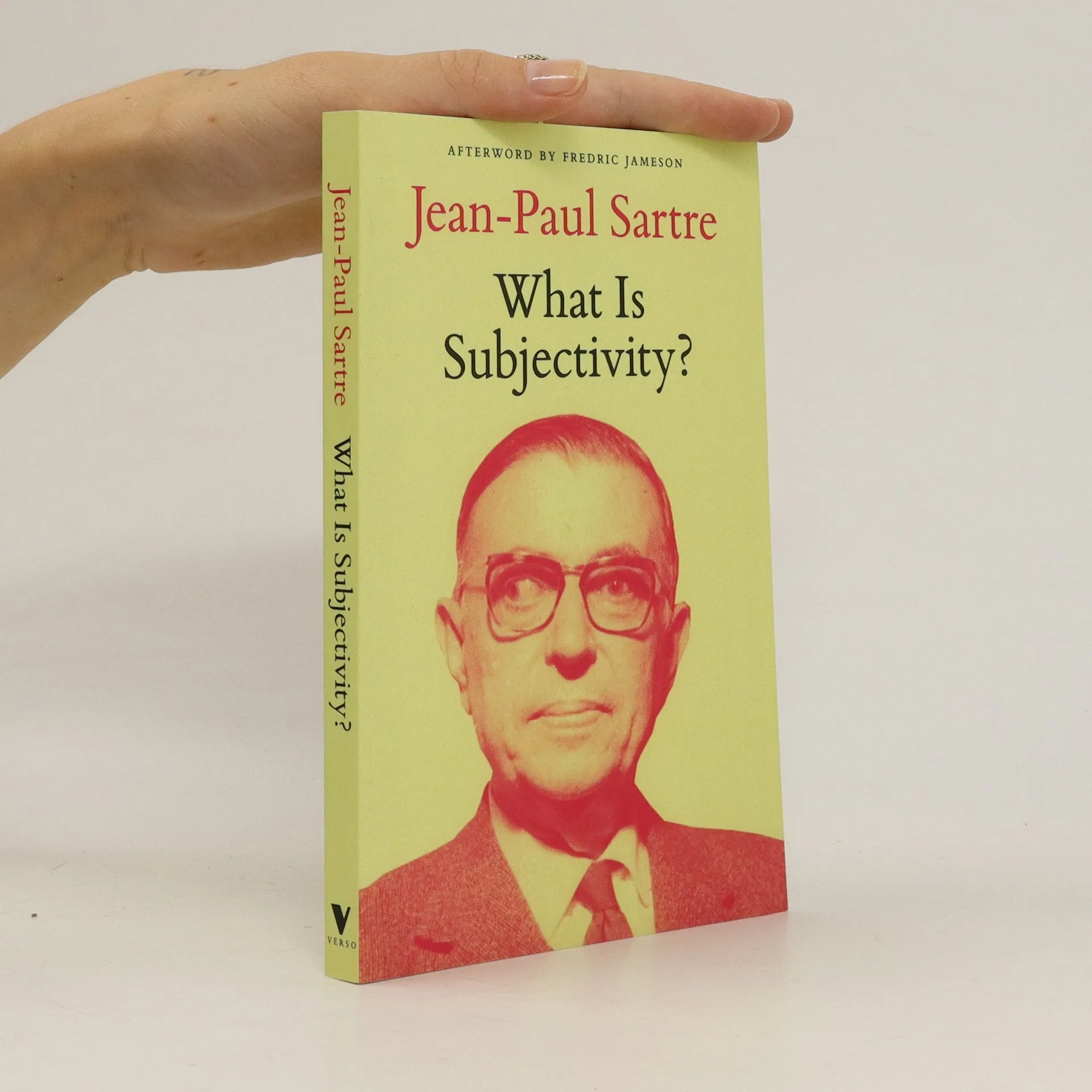
What Is Subjectivity?
- 160pagine
- 6 ore di lettura
Jean-Paul Sartre, at the height of his powers, debates with Italy’s leading intellectuals In 1961, the prolific French intellectual Jean-Paul Sartre was invited to give a talk at the Gramsci Institute in Rome. In attendance were some of Italy’s leading Marxist thinkers, such as Enzo Paci, Cesare Luporini, and Galvano Della Volpe, whose contributions to the long and remarkable discussion that followed are collected in this volume, along with the lecture itself. Sartre posed the question “What is subjectivity?”—a question of renewed importance today to contemporary debates concerning “the subject” in critical theory. This work includes a preface by Michel Kail and Raoul Kirchmayr and an afterword by Fredric Jameson, who makes a rousing case for the continued importance of Sartre’s philosophy.
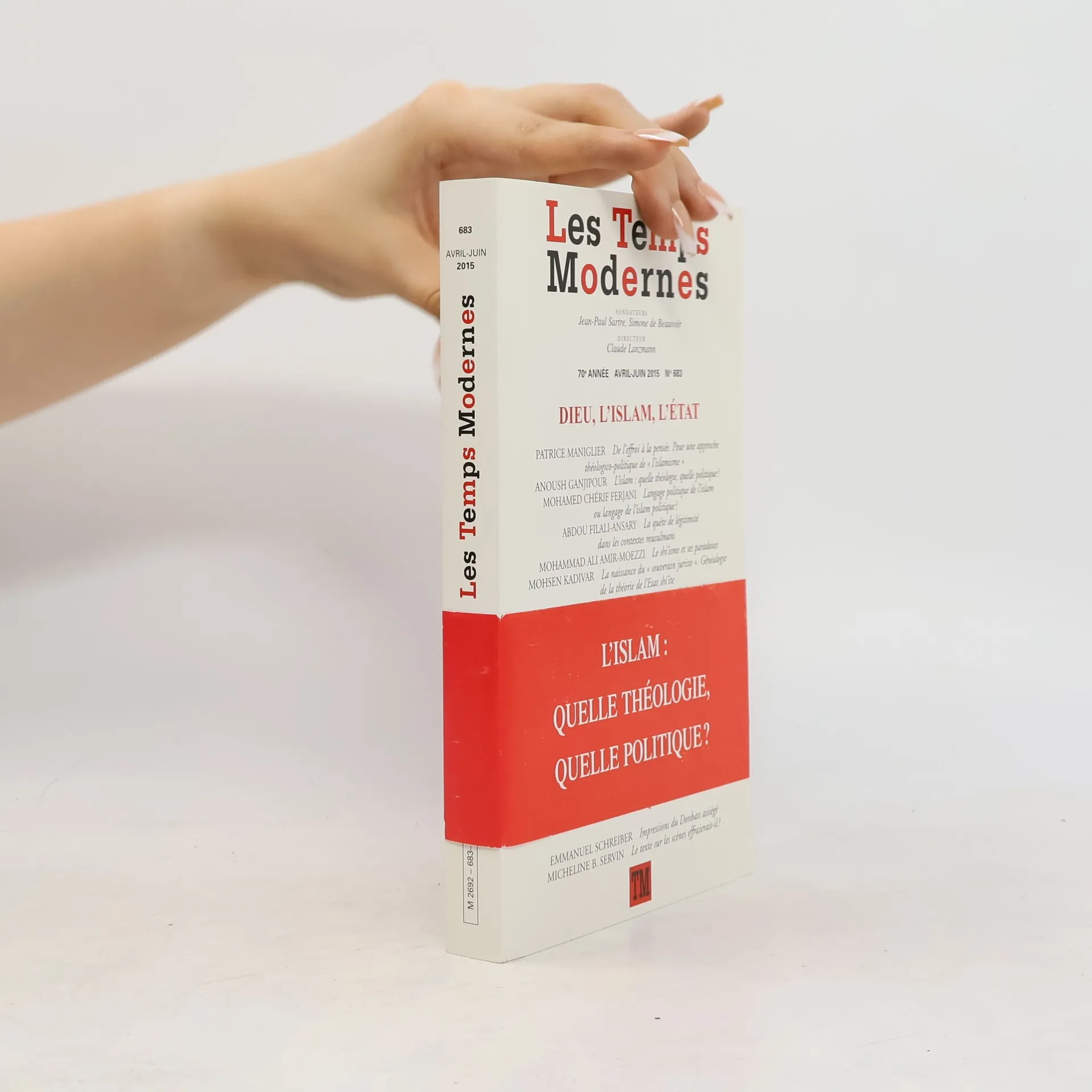
Les Temps Modernes - 683: Dieu, l'Islam, l'État
L'Islam: Quelle théologie, quelle politique?
- 302pagine
- 11 ore di lettura
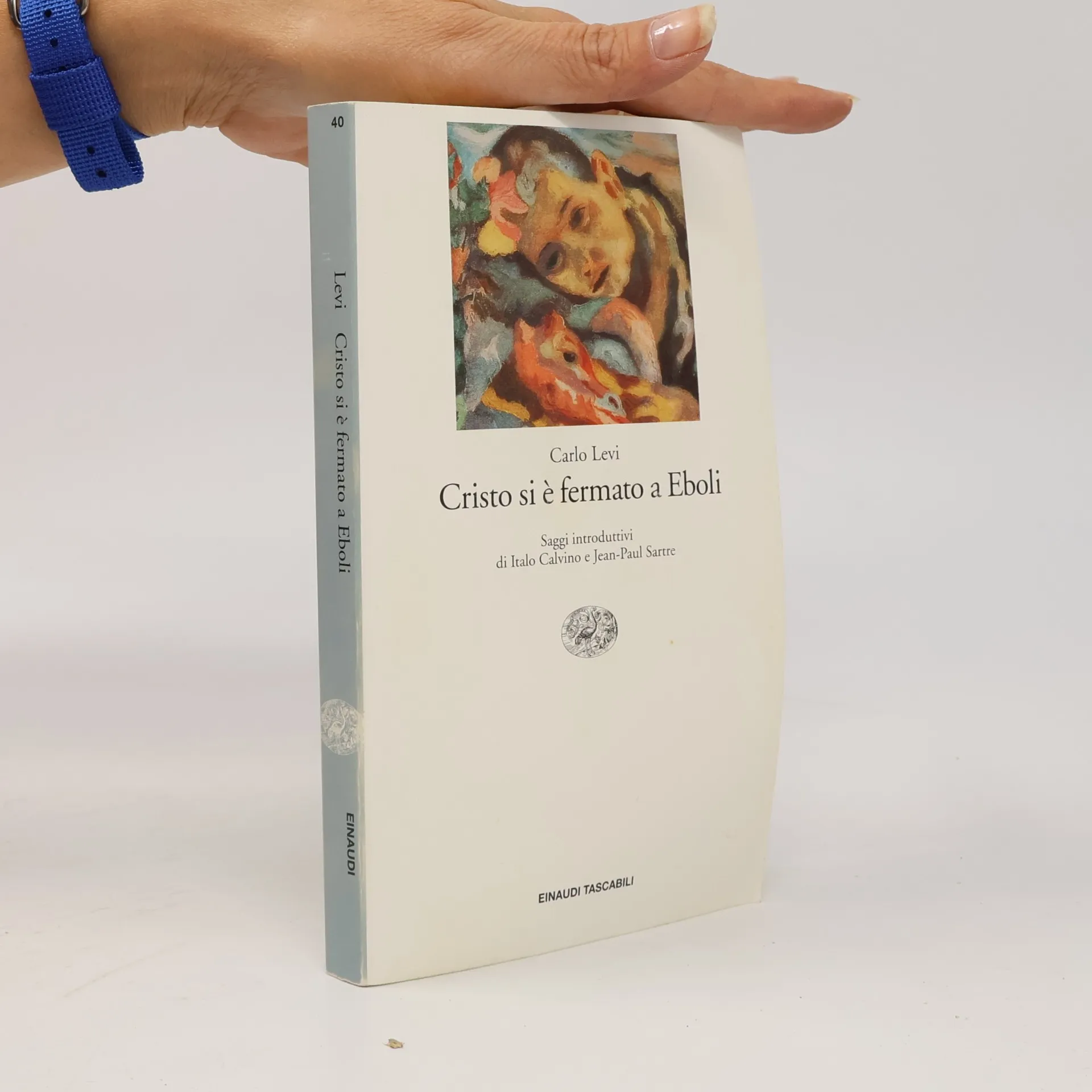
Cristo si e fermato a Eboli
- 242pagine
- 9 ore di lettura
Il più famoso libro del medico e pittore Carlo Levi. La scoperta del problema meridionale non solo come episodio di una condizione arcaica, intollerabile nella nostra società, ma anche come teatro di una straordinaria civiltà contadina. «Eboli,--dicono i lucani tra cui Levi fu mandato al confino dal fascismo,--è l’ultimo paese di cristiani. Cristiano è uguale a uomo. Nei paesi successivi, i nostri, non si vive da cristiani, ma da animali». Secondo Italo Calvino «la peculiarità di Carlo Levi sta in questo: che egli è il testimone della presenza di un altro tempo all’interno del nostro tempo, è l’ambasciatore d’un altro mondo all’interno del nostro mondo». Saggi introduttivi di Italo Calvino e Jean-Paul Sartre.
Translated by Kenneth Williford and David Rudrauf.
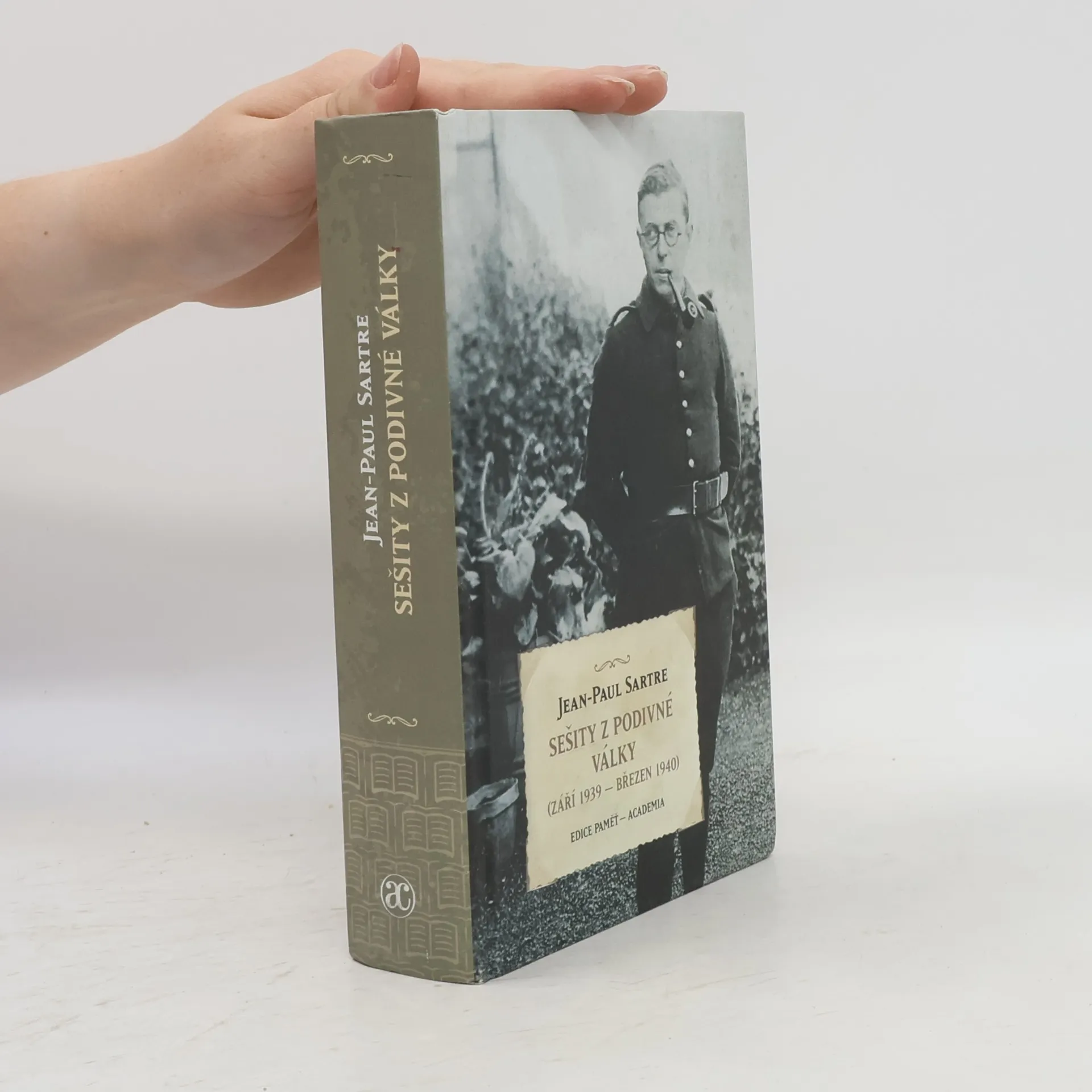
Sešity z podivné války (září 1939 - březen 1940)
- 653pagine
- 23 ore di lettura
Sešity z podivné války (září 1939–březen 1940) francouzského spisovatele a existenciálního filosofa Jeana-Paula Sartra (1905–1980) vycházejí u nás poprvé. Sartre je začal psát od prvních zářijových dnů 1939, když se po vstupu Francie do války s Německem nechal mezi prvními 2. září mobilizovat, dobrovolně opustil skvělou kariéru (již publikoval např. Nevolnost, Zeď, Imaginárno, učil na prestižní École normale supérieure) a odjel v roli meteorologa do posádky v porýnském Marmoutier. V prohnilém ovzduší „podivné války“ – několikaměsíčního vyčkávání zbraní a rafinovaného působení nacistické propagandy na podlomení ducha francouzských vojáků, měl na psaní dost klidu, mohl rozvíjet svou filosofii, ovlivněnou E. Husserlem a hlavně M. Heideggerem, téměř dokončit Bytí a nicotu, uvažovat o politice, přečíst a kriticky analyzovat úctyhodné množství literatury, a především uvažovat o lidských postojích ke světu, a zvláště o sobě. „Chci se změnit,“ píše na několika místech deníku. Jde hlavně o přerod pacifisty a antimilitaristy k člověku, jenž chce pochopit a přijmout válku jako svou „lidskou skutečnost“, do níž „byl vržen“. Z patnácti sešitů, jež Sartre popsal, než r. 1940 padl do zajetí, a jež hodlal vzhledem k deníkové upřímnosti publikovat až po své smrti, se jich zachovalo šest. Českému čtenáři přinesou mnoho cenných poznatků o dynamice uvažování jedné z nejvýznamnějších osobností 20. století.
Les jeux sont faits
Texte et documents. Lektüren Französisch - Schulausgabe für das Niveau B2. Französisches Originaldrehbuch mit Annotationen
- 160pagine
- 6 ore di lettura
Eine dramatische 24 Stunden-Liebesgeschichte unter dem Zeichen des Todes. Ève und Pierre leben in einer namenlosen Diktatur und werden zur gleichen Zeit getötet: Eve wird von ihrem Mann vergiftet und der Revolutionär Pierre wird von einem Militärspitzel erschossen. Als Tote lernen sie sich kennen und lieben. Sie bekommen eine zweite Chance, um herauszufinden, ob ihre Liebe auf der Welt bestehen kann... Die Lektüre wirft schwerwiegende Fragen auf: Inwieweit ist der Mensch in seinen Entscheidungen frei? Schränkt das Verantwortungsgefühl die persönliche Freiheit ein?
Nearly forty years after its first publication in French, this collection of Sartre's writings on colonialism remains a supremely powerful, and relevant, polemical work. Over a series of thirteen essays Sartre brings the full force of his remarkable intellect relentlessly to bear on his own country's conduct in Algeria, and by extension, the West's conduct in the Third World in general. The tussle is not equal, and the western imperialists emerge at the end, bloody, bruised and thoroughly chastened. Most startling of all is Sartre's advocacy of violence as a legitimate response to repression, motivated by his belief that freedom was the central characteristic of being human. Whether one agrees with his every conclusion or not, Colonialism and Neo-Colonialism shows a philosopher passionately engaged in using philosophy as a force for change in the world. An important influence on postcolonial thought ever since, this book takes on added resonance in the light of the West's most recent bout of interference in the non-Western world.
Théatre complet
- 1601pagine
- 57 ore di lettura
Textes intégraux, accompagnés de témoignages, d'articles de presse et de critiques, ainsi que de notices et de variantes.
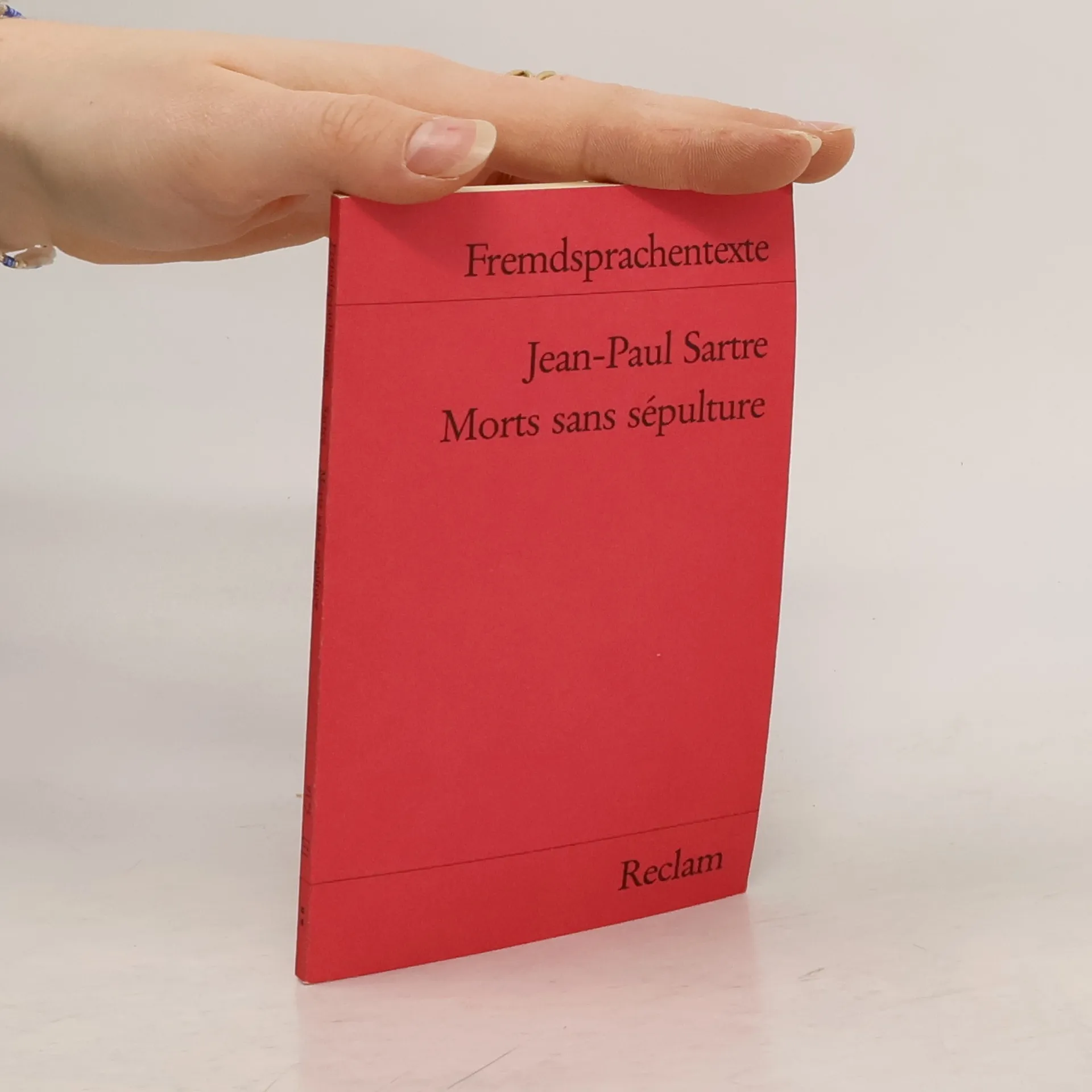
Jean-Paul Sartre
- 412pagine
- 15 ore di lettura
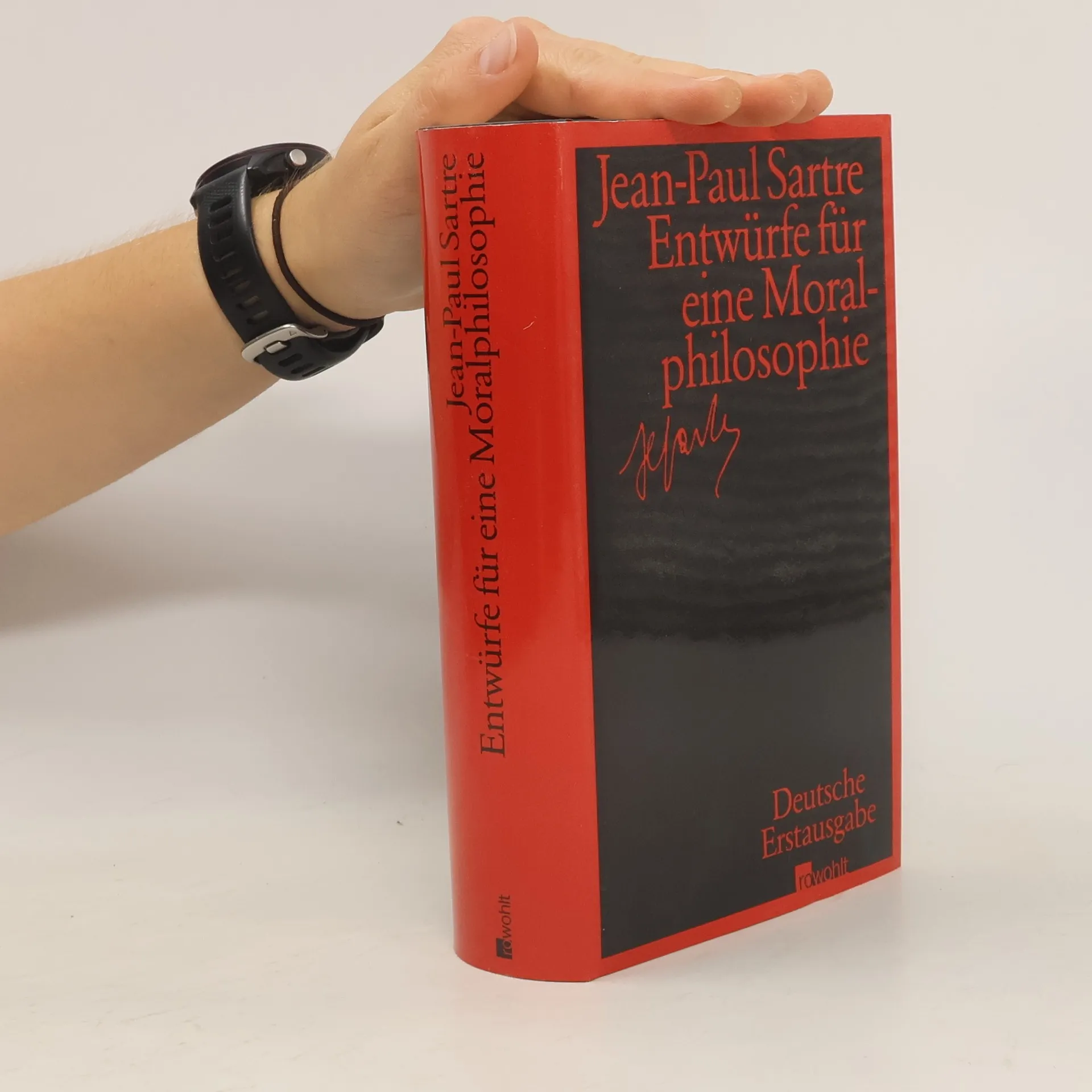
Jean-Paul Sartre zählt zu den bedeutendsten Philosophen des vergangenen Jahrhunderts. Im kommenden Juni hätte der große Franzose seinen 100. Geburtstag gefeiert - pünktlich zu diesem Anlass werden die „Entwürfe für eine Moralphilosophie“ erstmals in einer deutschsprachigen Ausgabe publiziert! Die „Entwürfe“ sind - im Anschluss an das philosophische Hauptwerk „Das Sein und das Nichts“ - in den Jahren 1947/48 entstanden. Es handelt sich um Aufzeichnungen, die mit großer Originalität und Gründlichkeit um eine Vielzahl ethischer Fragen und Probleme kreisen. Im Zentrum steht dabei die Verantwortung des Einzelnen als Teil der modernen Massengesellschaft. Es erweist sich abermals, dass Sartre weit über seine Zeit hinaus denkt und zu moralphilosophischen Einsichten gelangt, die uns auch heute mit wegweisender Dringlichkeit angehen. Die Edition enthält zwei thematisch verbundene Anhänge: Einen unvollendeten Text mit dem Titel „Das Gute und die Subjektivität“ und eine Studie über die Unterdrückung der Schwarzen in den USA.
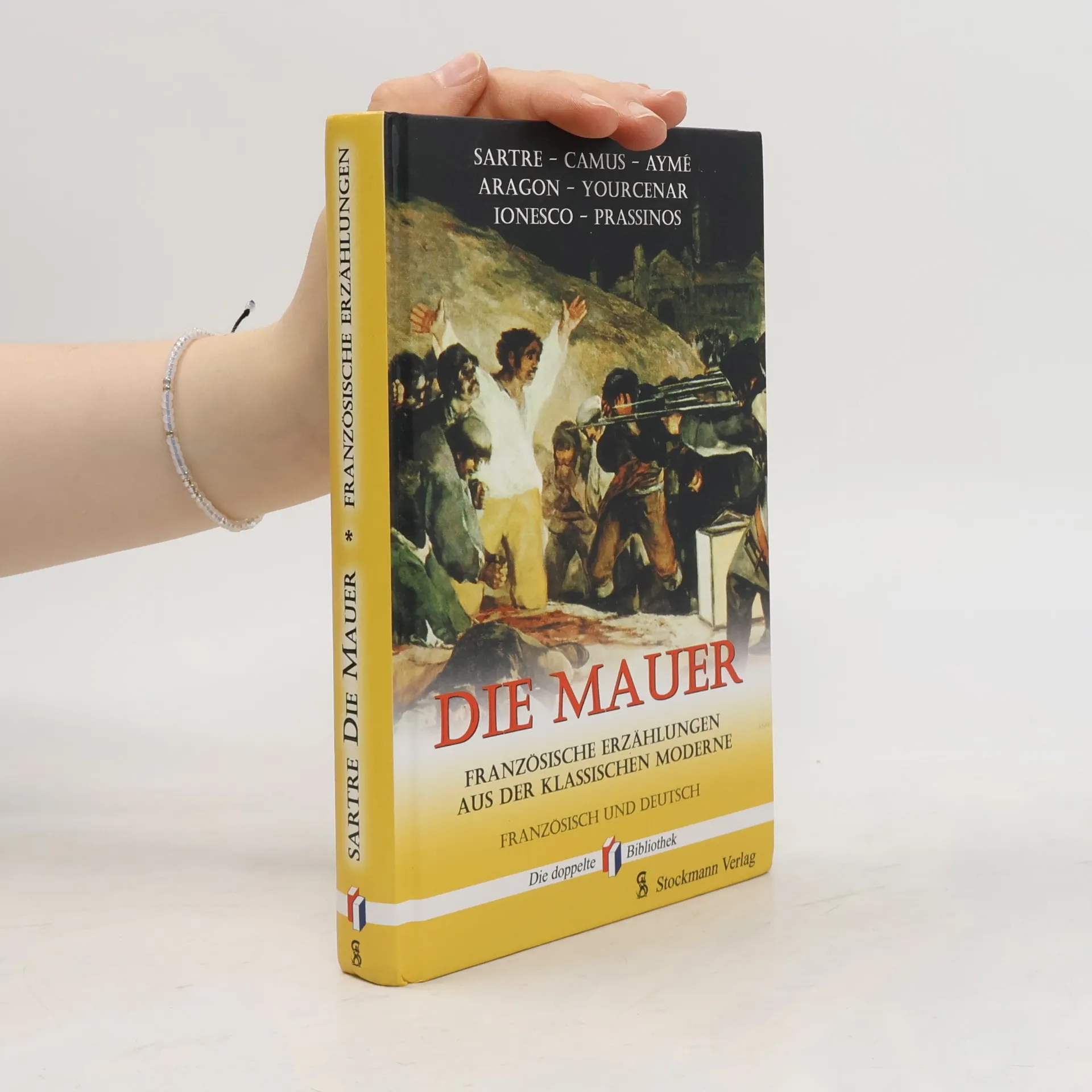
Die doppelte Bibliothek: Die Mauer
Französische Erzählungen aus der klassischen Moderne; Französisch und Deutsch
- 270pagine
- 10 ore di lettura
'The Wall', the lead story in this collection, introduces three political prisoners on the night prior to their execution. Through the gaze of an impartial doctor--seemingly there for the men's solace--their mental descent is charted in exquisite, often harrowing detail. And as the morning draws inexorably closer, the men cross the psychological wall between life and death, long before the first shot rings out. This brilliant snapshot of life in anguish is the perfect introduction to a collection of stories where the neurosis of the modern world is mirrored in the lives of the people that inhabit it.
The Transcendence of the Ego
- 104pagine
- 4 ore di lettura
‘I should like to show here that the Ego is neither formally or materially in consciousness: it is outside, in the world.’ Jean-Paul Sartre The Transcendence of the Egois one of Jean-Paul Sartre's earliest philosophical publications and essential for understanding the trajectory of his work as a whole. When it first appeared in France in 1937 Sartre was still largely unknown, working as a school teacher in a provincial French town. Attacking prevailing philosophical theories head on, Sartre offers a brilliant and radical account of the self as a product of consciousness, situated in the world. He introduces many of the themes central to his major work, Being and Nothingness: the nature of consciousness, the problem of self-knowledge, other minds, and anguish. This translation includes a thorough and illuminating introduction by Sarah Richmond, placing Sartre's essay in its philosophical and historical context. Jean-Paul Sartre(1905-1980). The foremost French thinker and writer of the early post-war years. His books, which include Being and Nothingness, Nausea, The Age of Reason and No Exithave exerted enormous influence in philosophy, literature, politics and drama.
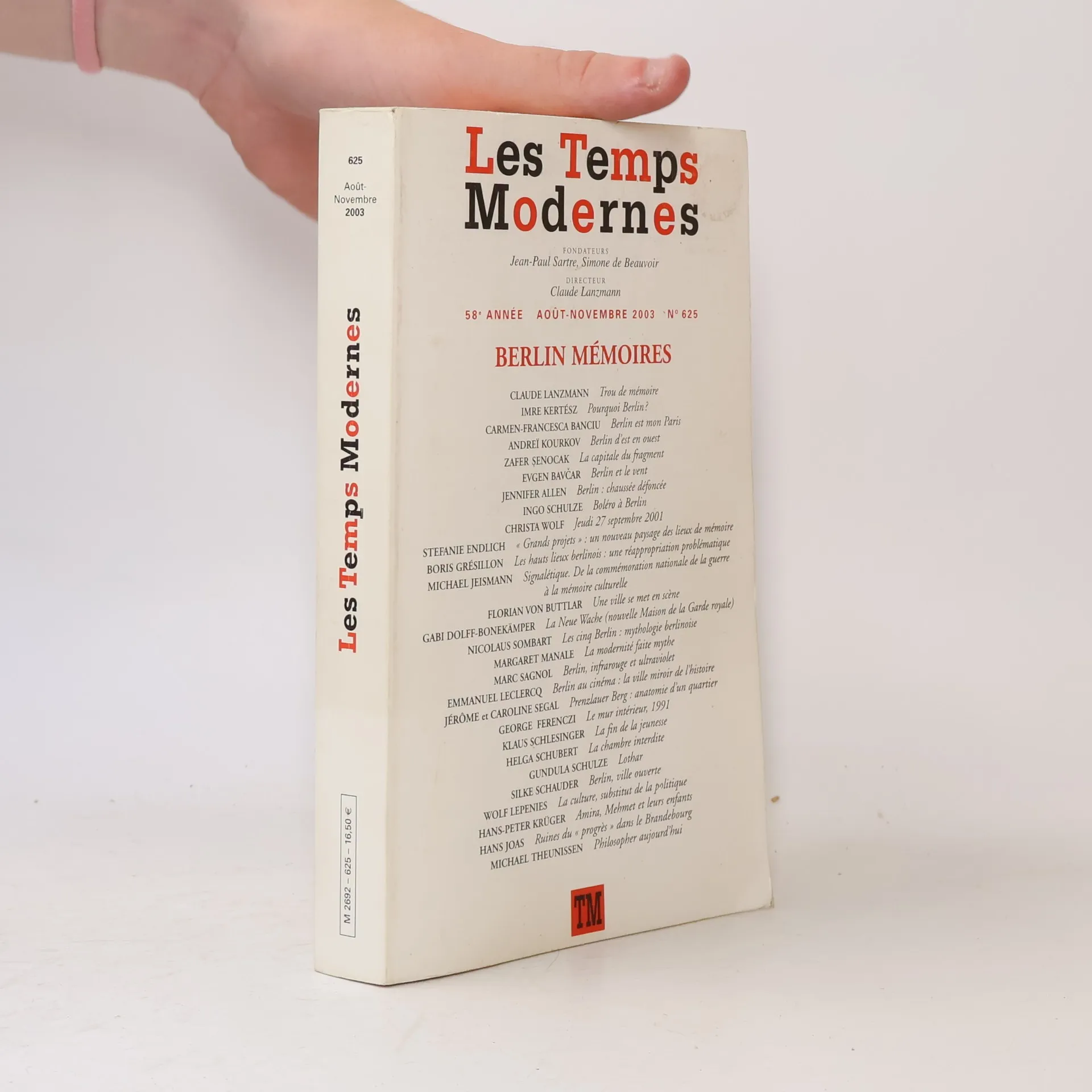
Les Temps Modernes - 625: Berlin mémoires
- 383pagine
- 14 ore di lettura
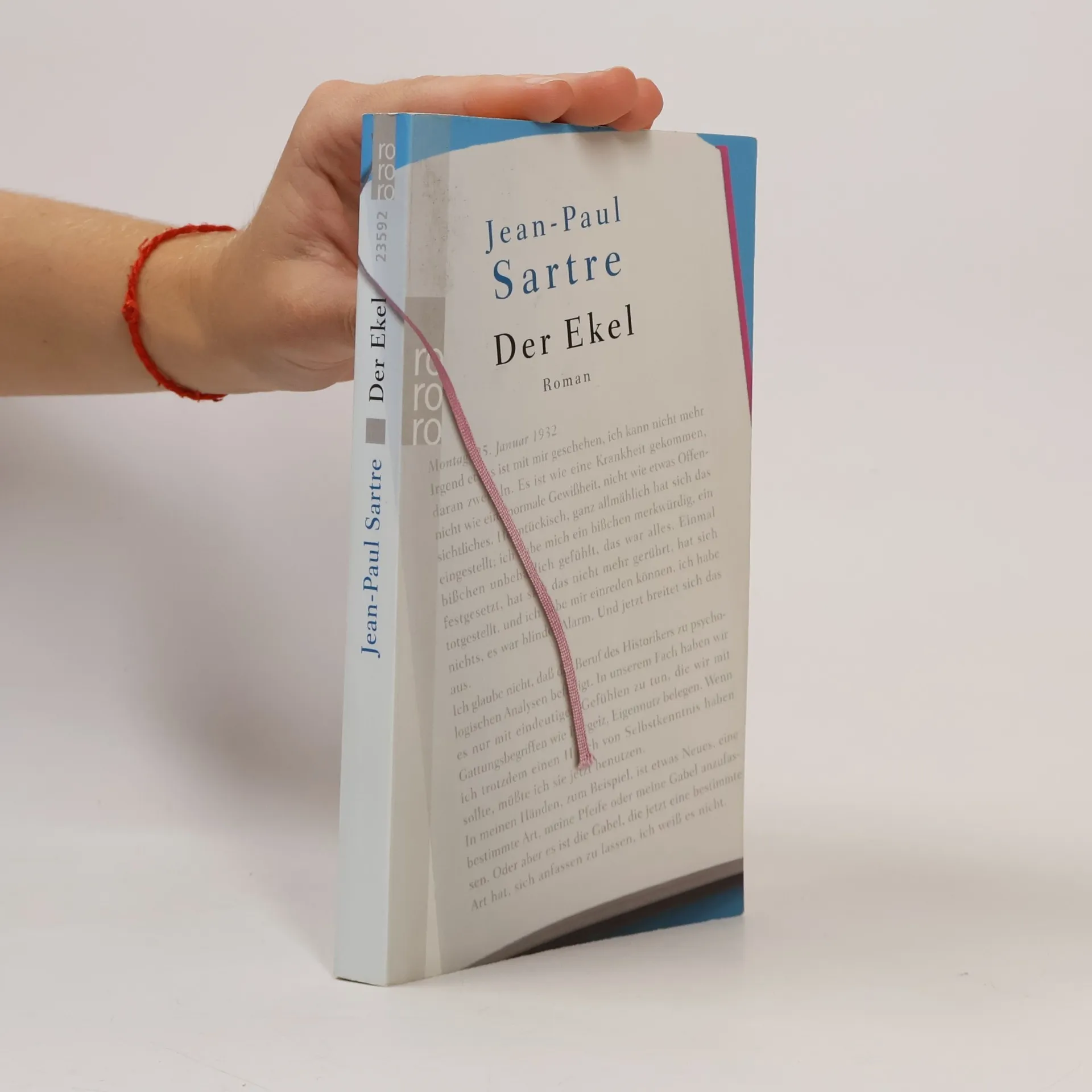
Der Ekel
Roman. Mit einem Anhang, der die in der ersten französischen Ausgabe vom Autor gestrichene Passagen enthält
- 249pagine
- 9 ore di lettura
Für Antoine Roquentin, Einzelgänger und Außenseiter in einer Provinzstadt, verliert das Leben plötzlich seine Selbstverständlichkeit. Unnachsichtig um Selbsterforschung bemüht, versucht er seinem immer stärkeren Ekel vor Dingen und Menschen auf den Grund zu gehen. Die Erfahrungen, Empfindungen und Visionen des Helden dieses ersten und bedeutendsten Romans des Existentialismus gaben Anstöße zu einer neuen Lebensphilosophie, die bis heute nichts von ihrer Brisanz eingebüßt hat.
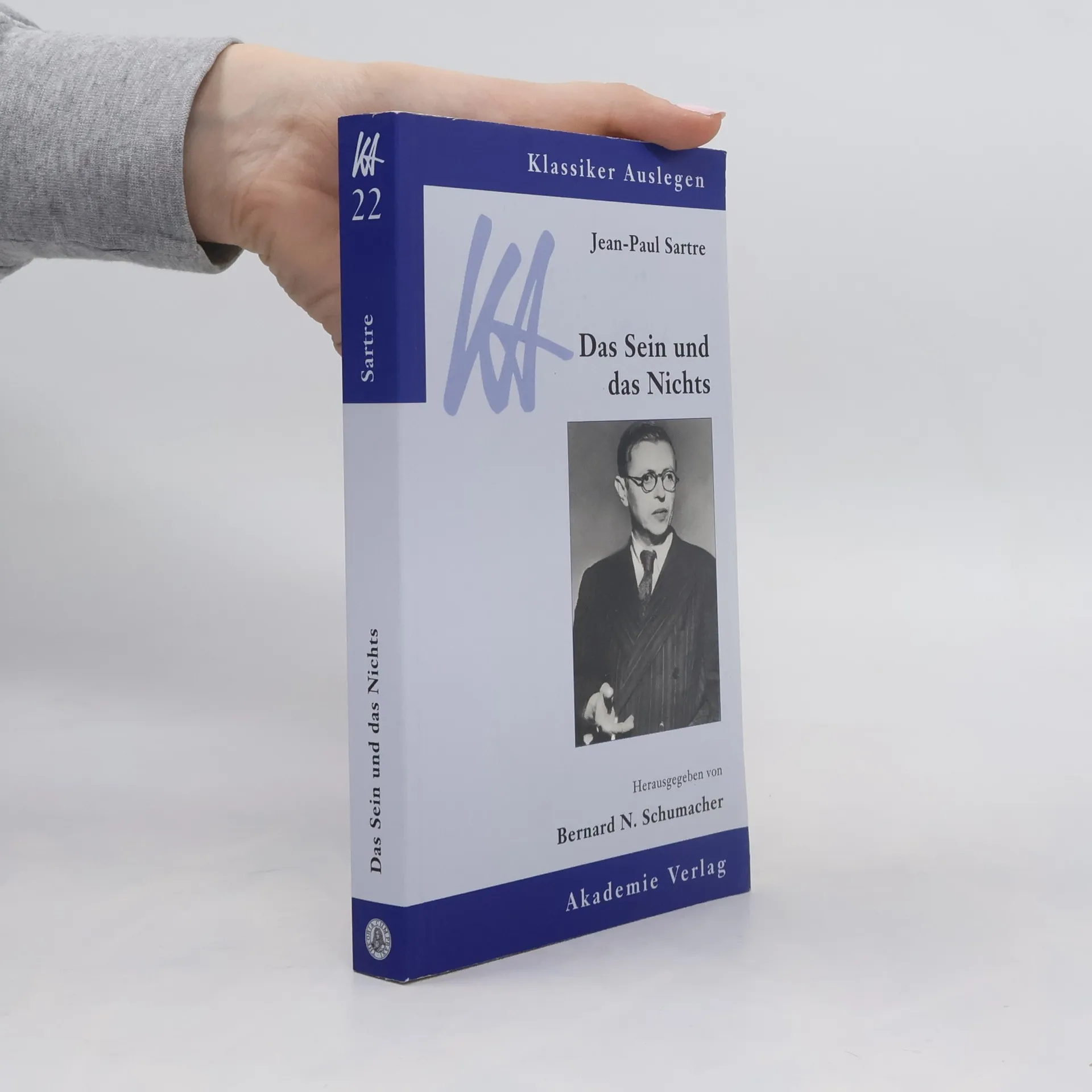
Klassiker Auslegen - 22: Das Sein und das Nichts
- 279pagine
- 10 ore di lettura
Sartre ist unbestritten eine herausragende Gestalt der zeitgen�ssischen Philosophie, dessen Werk Das Sein und das Nichts zu den Klassikern der philosophischen Literatur geh�rt. Als bedeutendster Philosoph der Nachkriegszeit hat Sartre eine ganze Generation von Denkern gepr�gt. Ungeachtet zahlreicher Versuche, ihn herabzuw�rdigen, aller Verachtung, allem Neid �ber seinen Erfolg und den vielen Anfechtungen und leidenschaftlich gef�hrten Debatten, die seine philosophischen Positionen ausl�sten, zum Trotz, ist Sartre der franz�sische Autor des XX. Jahrhunderts, der am meisten studiert wird. In seinem Buch, dem Hauptwerk des franz�sischen Existenzialismus, er�ffnet Sartre v�llig neue, befreiende Einsichten �ber die menschliche Freiheit, �ber Gef�hle wie Scham und Begehren, �ber den Tod. Er bringt die Philosophie zur�ck auf die Stra�e. Dennoch ist die mehr als tausend Seiten umfassende Analyse des legend�ren Denkers nicht ganz einfach zu lesen. Der nunmehr vorliegende kooperative Kommentar gibt mit 13 Originalbeitr�gen einen spannenden �berblick �ber den Inhalt des Werks und dokumentiert zugleich unterschiedliche Perspektiven der internationalen Sartre-Forschung.
In this classic study of European colonialism, Albert Memmi examines the psychological effects of colonial ideology and system on both the coloniser and those colonised.
Lady Isabel Adairová byla tou poslední ženou, kterou by Duncan McGruder chtěl znovu vidět, natož pak mít povinnost jí zachraňovat. Před třemi lety zrušila Isabel jejich zasnoubení a stala se milenkou hraběte Frasyera. Jediným bolestivým úderem tak zlomila Duncanovo srdce a rozmetala jeho naděje. Teď musí Duncan a minulost zapomenout. Přísahal totiž Isabelinu umírajícímu bratrovi, že nevěrnou krásku zachrání... Zradit muže, jehož milovala, bylo pro Isabel jedinou cestou, jak zachránit svého otce. Nyní jí však každý okamžik po Duncanově boku připomíná, jak velkou oběť musela přinést. Nikdo nemůže Duncanovi zazlívat, že jí pohrdá. Duncanova nedůvěra však nedokáže vzdorovat touze, která se v něm rozhořívá stále prudčeji...
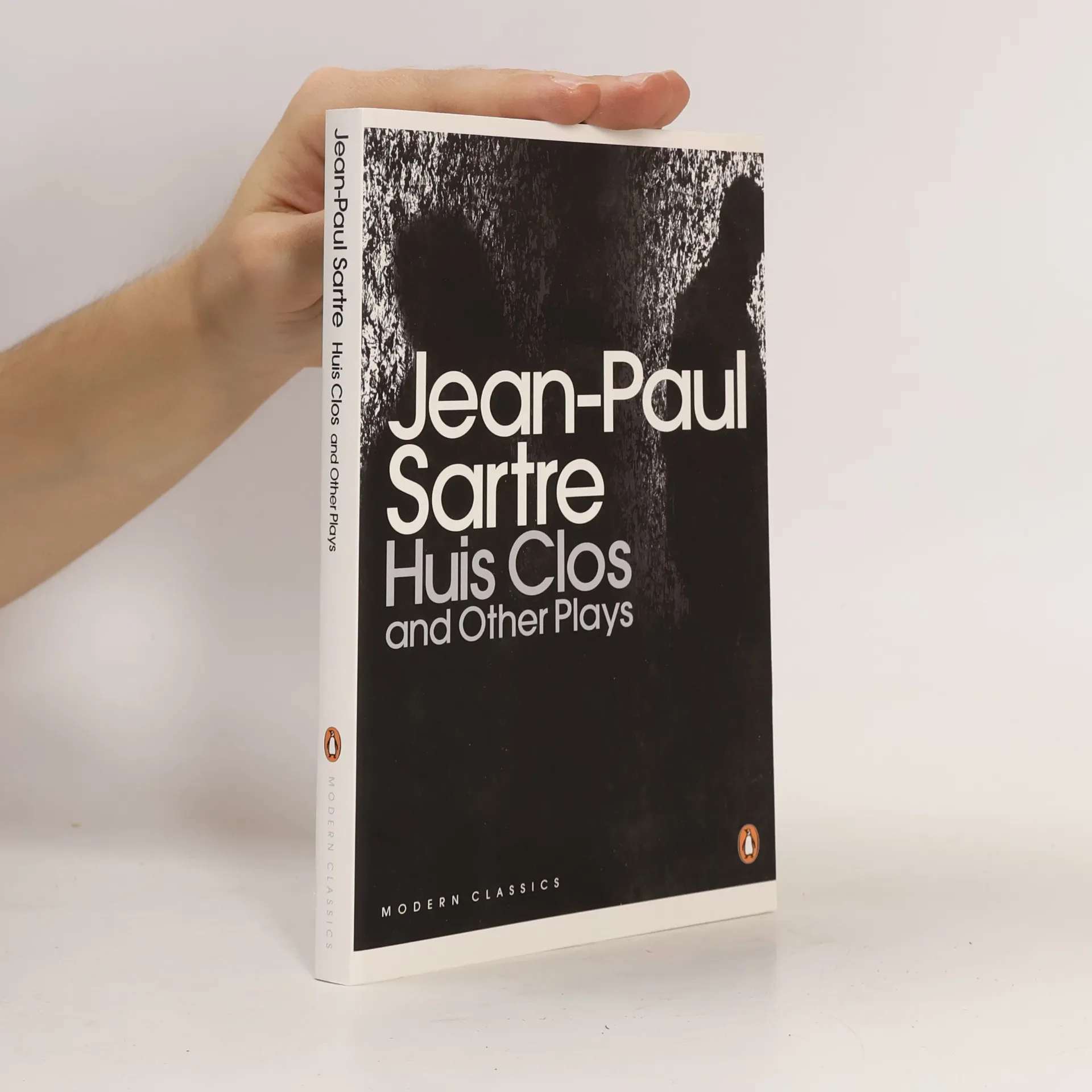
Penguin Modern Classics: Huis Clos and Other Plays
- 224pagine
- 8 ore di lettura
A collection of plays including Lucifer and the Lord, Huis Clos, and The Respectable Prostitute. schovat popis
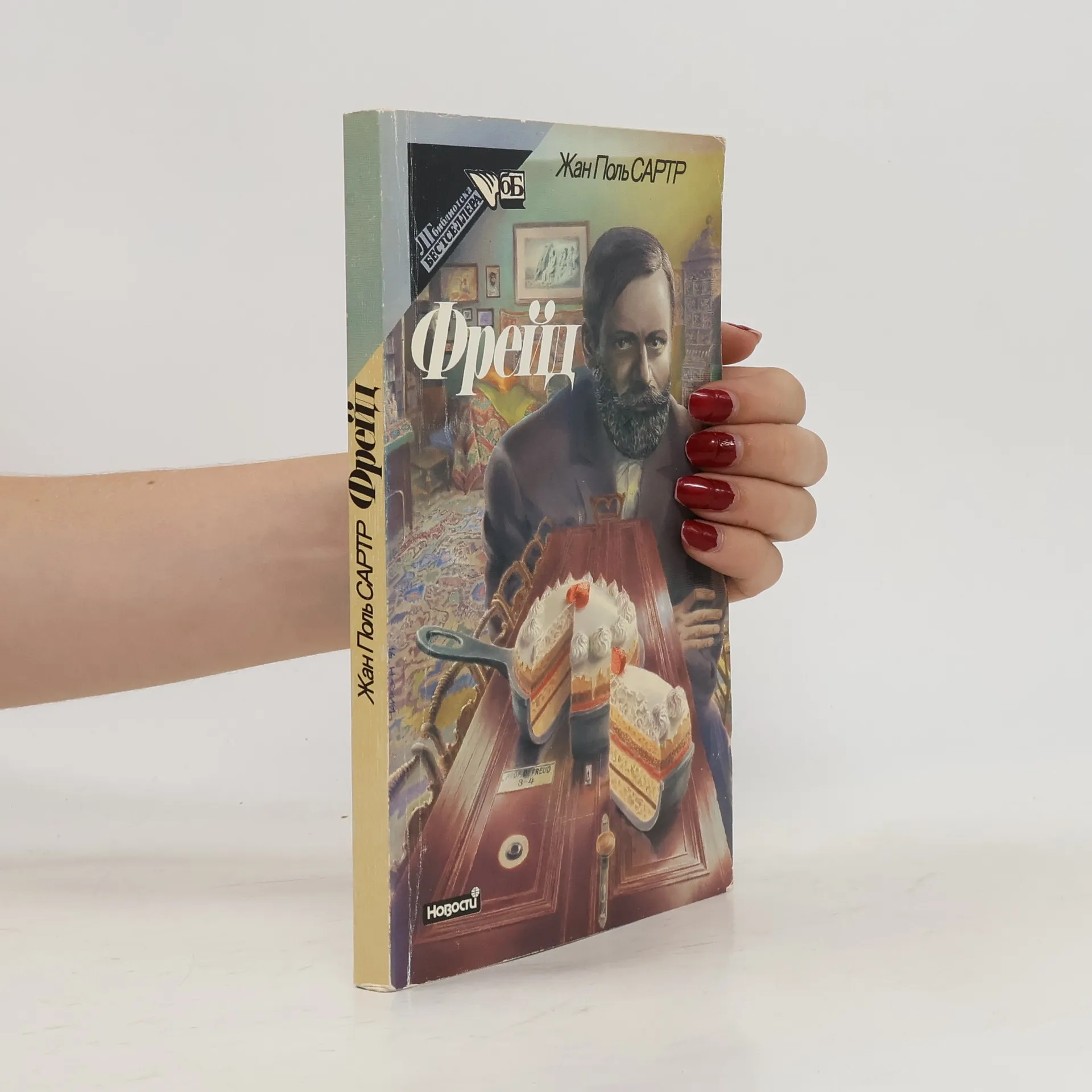
Фрейд
- 396pagine
- 14 ore di lettura
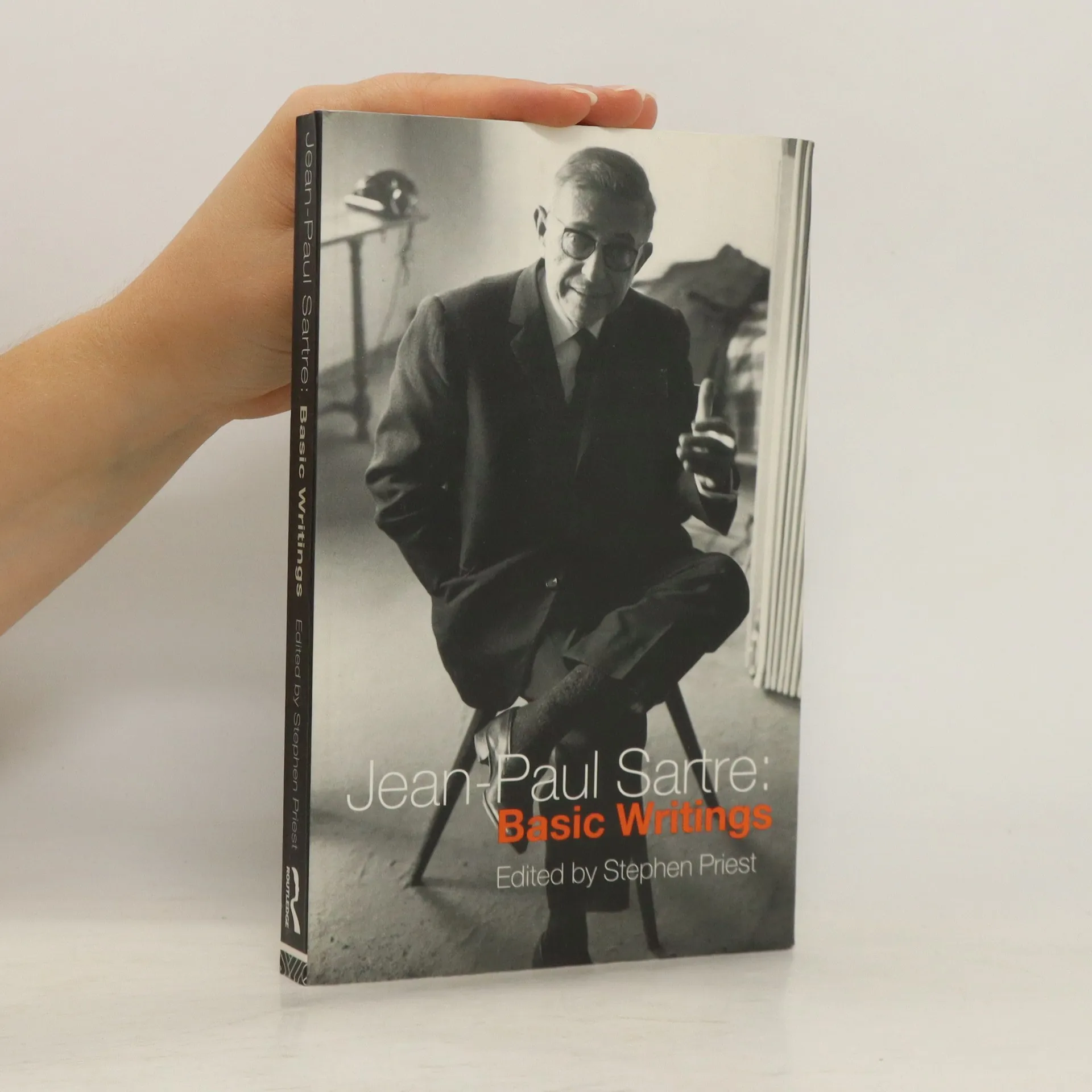
Jean-Paul Sartre: Basic Writings
- 336pagine
- 12 ore di lettura
This first collection of Sartre's key philosophical writings provides an indispensable resource for all students and readers of his work, which has been extremely influential in philosophy, literature and politics.
Contes célèbres du XXe siècle
- 72pagine
- 3 ore di lettura
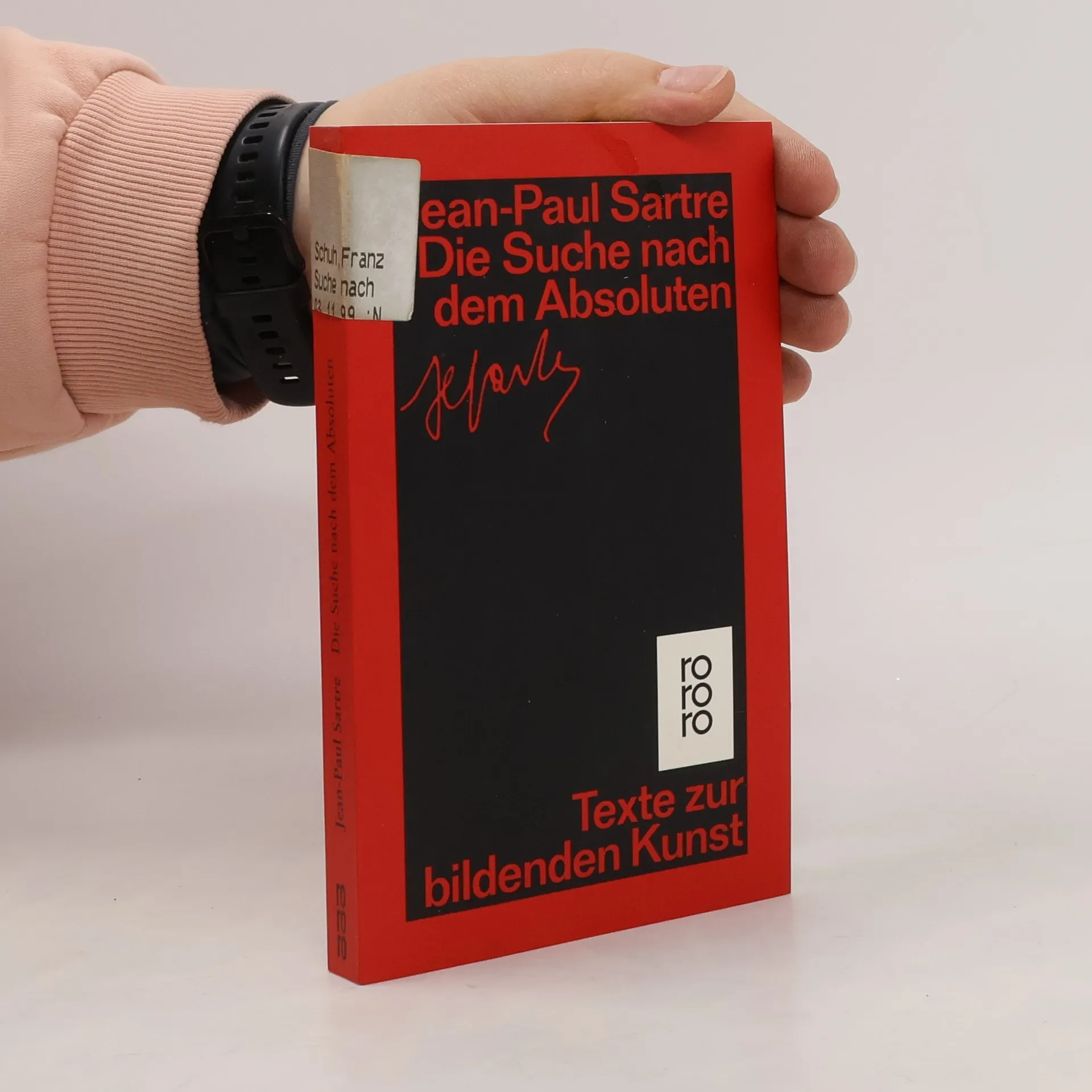
Die Suche nach dem Absoluten. Texte zur bildenden Kunst
- 202pagine
- 8 ore di lettura
Jahrelang unterhielt Sartre zu einigen der bekanntesten Künstler freundschaftliche Beziehungen. Was Sartre über seine Freunde schrieb, war Teil eines größeren Entwurfs. Sartre dachte an eine Ästhetik, in der die literarische Kunst in ihrem Verhältnis zu anderen Künsten dargestellt werden sollte. So sind die hier vorgestellten Texte Bausteine zu dieser Ästhetik.
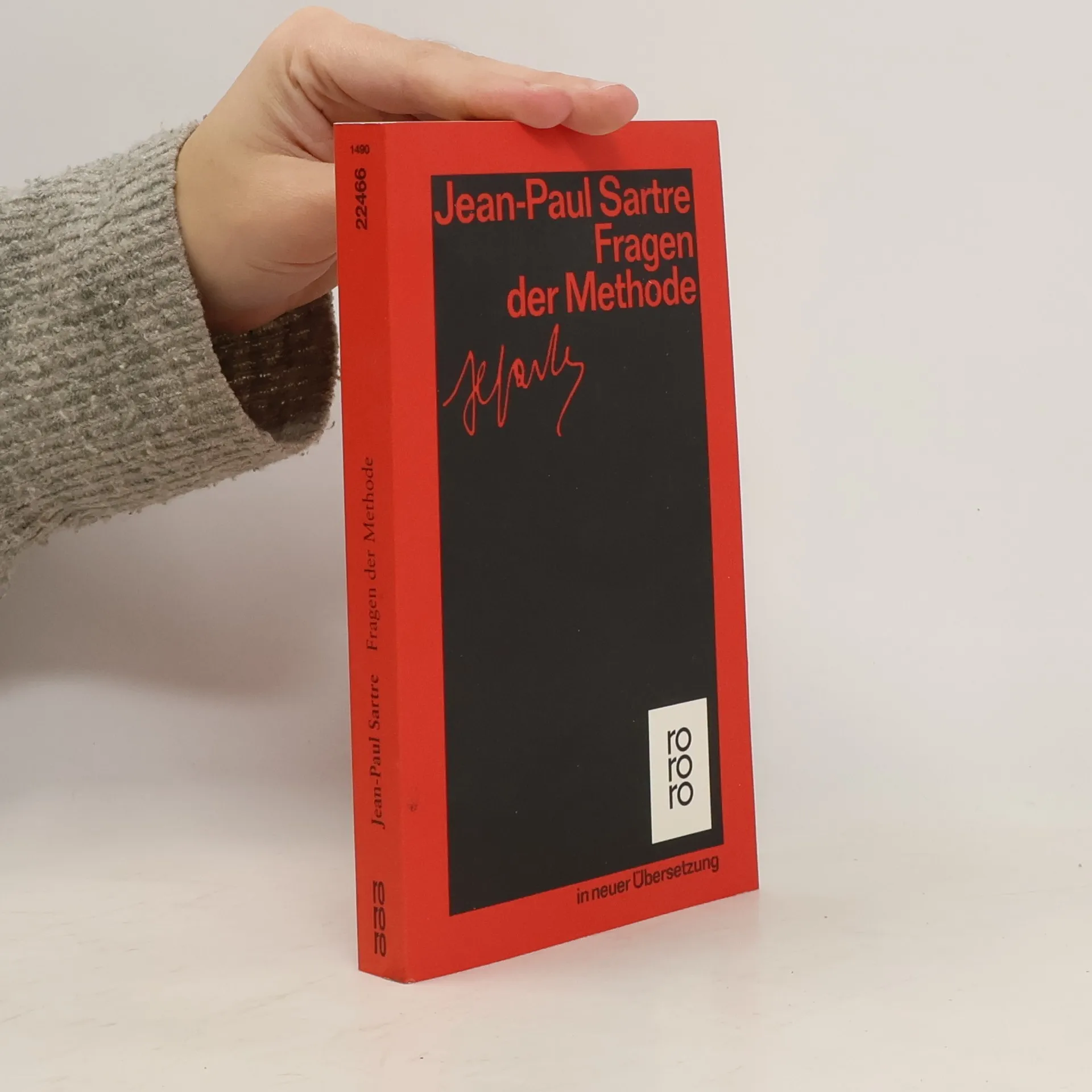
Fragen der Methode
- 221pagine
- 8 ore di lettura
Sartres Schrift Fragen der Methode nimmt eine Schlüsselstellung in seiner philosophischen Entwicklung ein. Sartre kritisiert in diesem Essay den dogmatisch erstarrten Marxismus, reflektiert die Aufgaben der Soziologie und der Psychoanalyse und entwickelt eine progressiv-regressive Methode, die er am Beispiel der Französischen Revolution überprüft. Die Ausgabe wird auf der Grundlage des überarbeiteten französischen Originals in neuer Übersetzung vorgelegt.
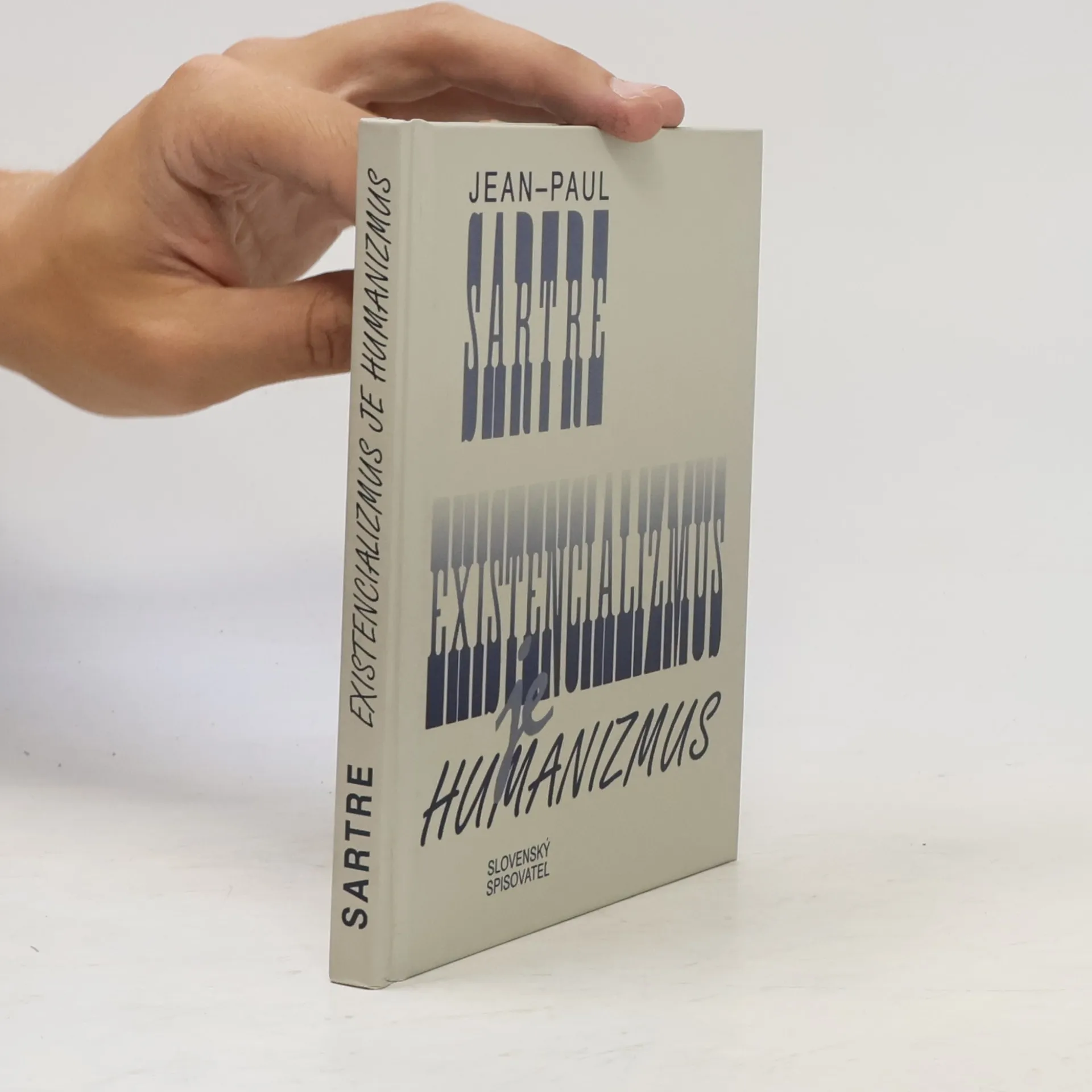
Existencializmus je humanizmus
- 94pagine
- 4 ore di lettura
Esej Existencializmus je humanizmus má v Sartrovom filozofickom diele výnimočné postavenie. Sartre v nej prístupnou a zároveň myšlienkovo jasnou a presnou formou vysvetľuje podstatu tohto filozofického smeru, ktorý významne zasahuje až do našej súčasnosti.
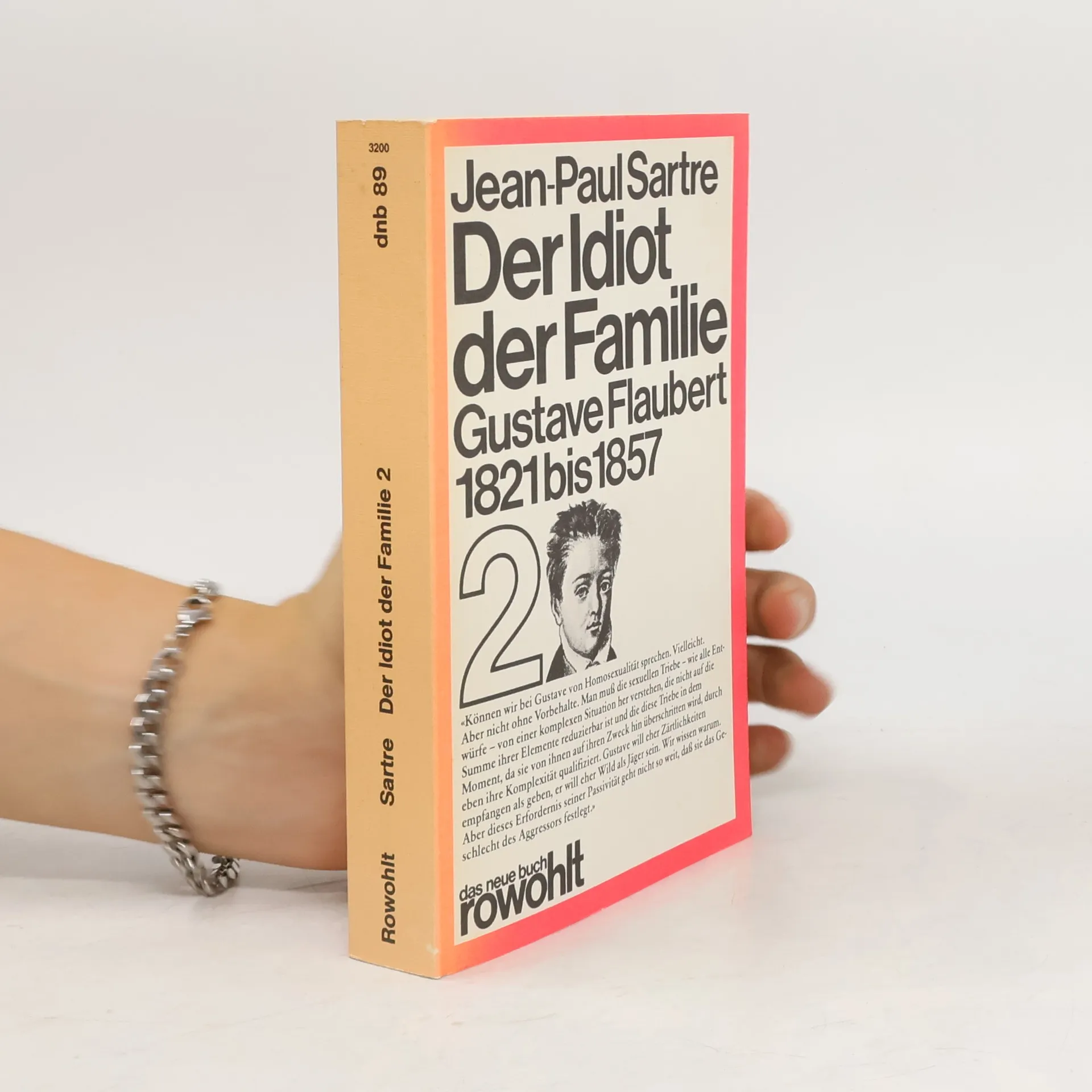
Der Idiot der Familie, Gustave Flaubert 1821-1857. Bd.5. Objektive und subjektive Neurose
- 739pagine
- 26 ore di lettura
Wahrheit und Existenz
- 159pagine
- 6 ore di lettura
«Wahrheit und Existenz» ist ein philosophischer Text aus dem Nachlaß Sartres. Das Werk, 1948 entstanden, blieb Fragment und wurde 1996 zum erstenmal auf deutsch veröffentlicht. Sartre setzt sich mit Heideggers Wahrheitsphilosophie auseinander. Ihm geht es nicht wie Heidegger um die Wahrheit des Seins, sondern um ihre Bedeutung in menschlichen Beziehungen.
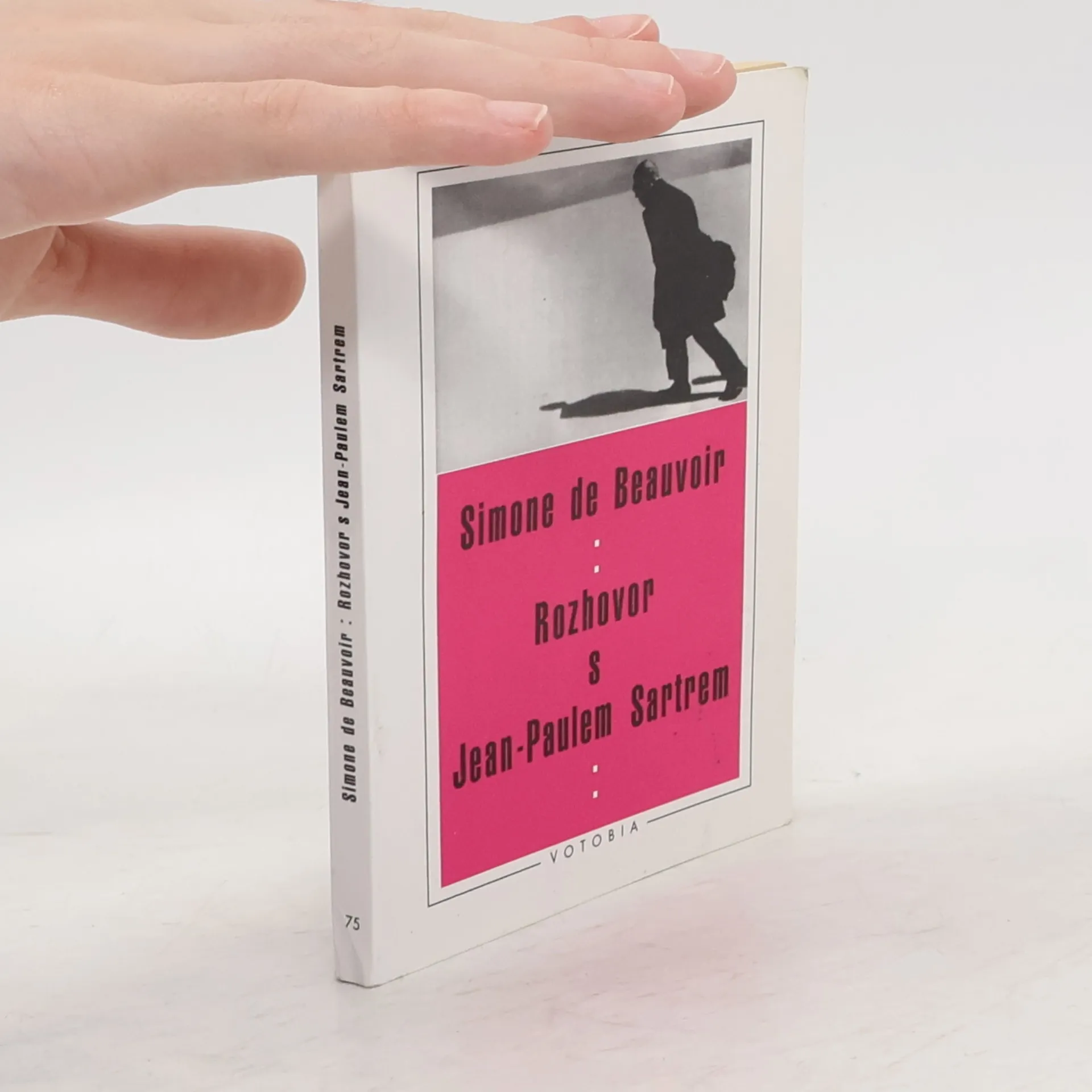
Rozhovor s Jean-Paulem Sartrem
- 174pagine
- 7 ore di lettura
Autentický rozhovor dvou vynikajících představitelů francouzské literatury.
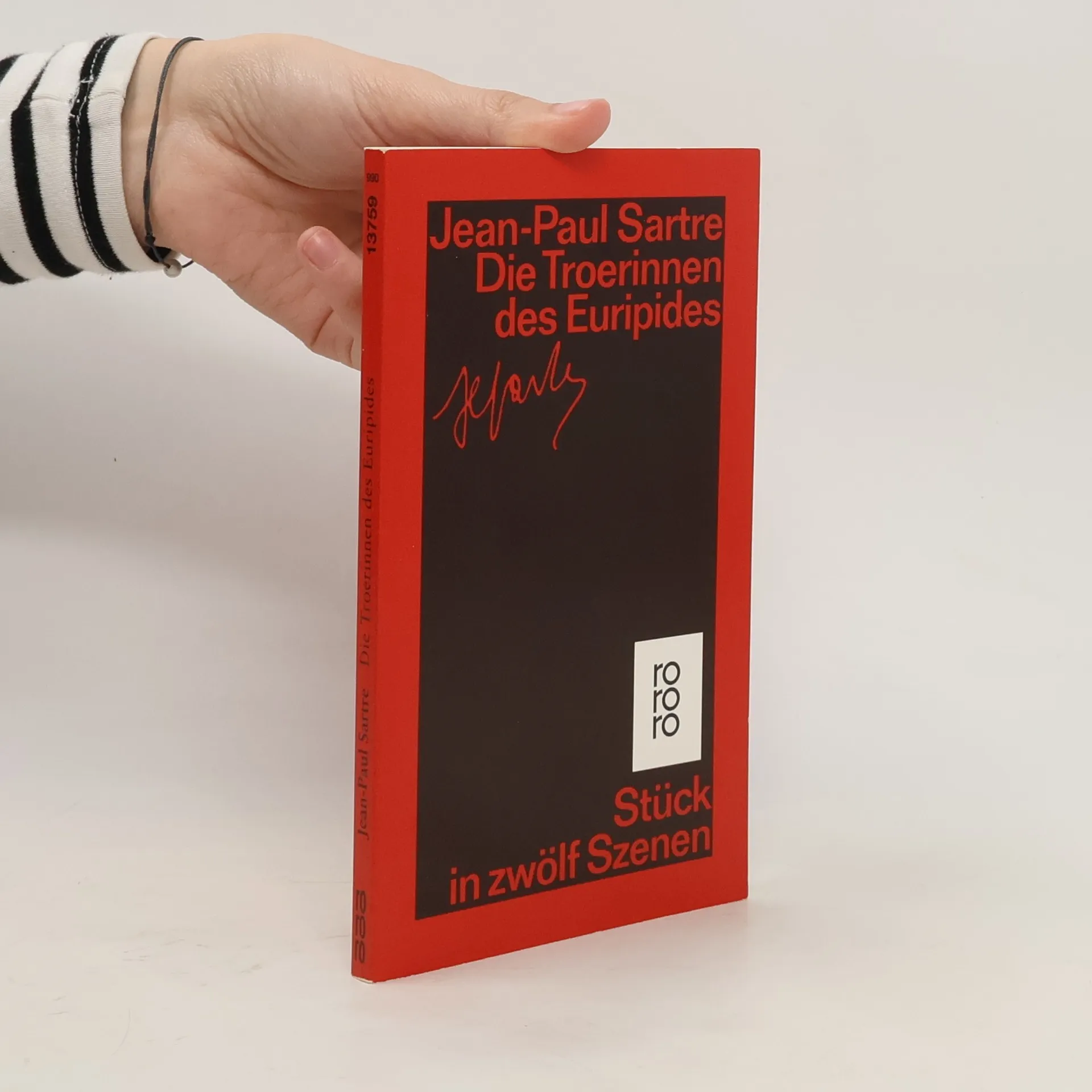
Sartres Stück "Die Troerinnen" ist eine Bearbeitung des antiken Dramas von Euripides: Nach der Zerstörung ihrer Stadt werden die Frauen Trojas von den siegreichen Griechen als Sklavinnen verschleppt. Der Stoff dieser Tragödie ist von zeitloser Aktualität. Sartre hat in einem Interview gesagt, was ihn an der Bearbeitung des antiken Stücks reizte: die Anprangerung des Krieges, die Ironisierung der Götter, die Entlarvung der Gemeinplätze.
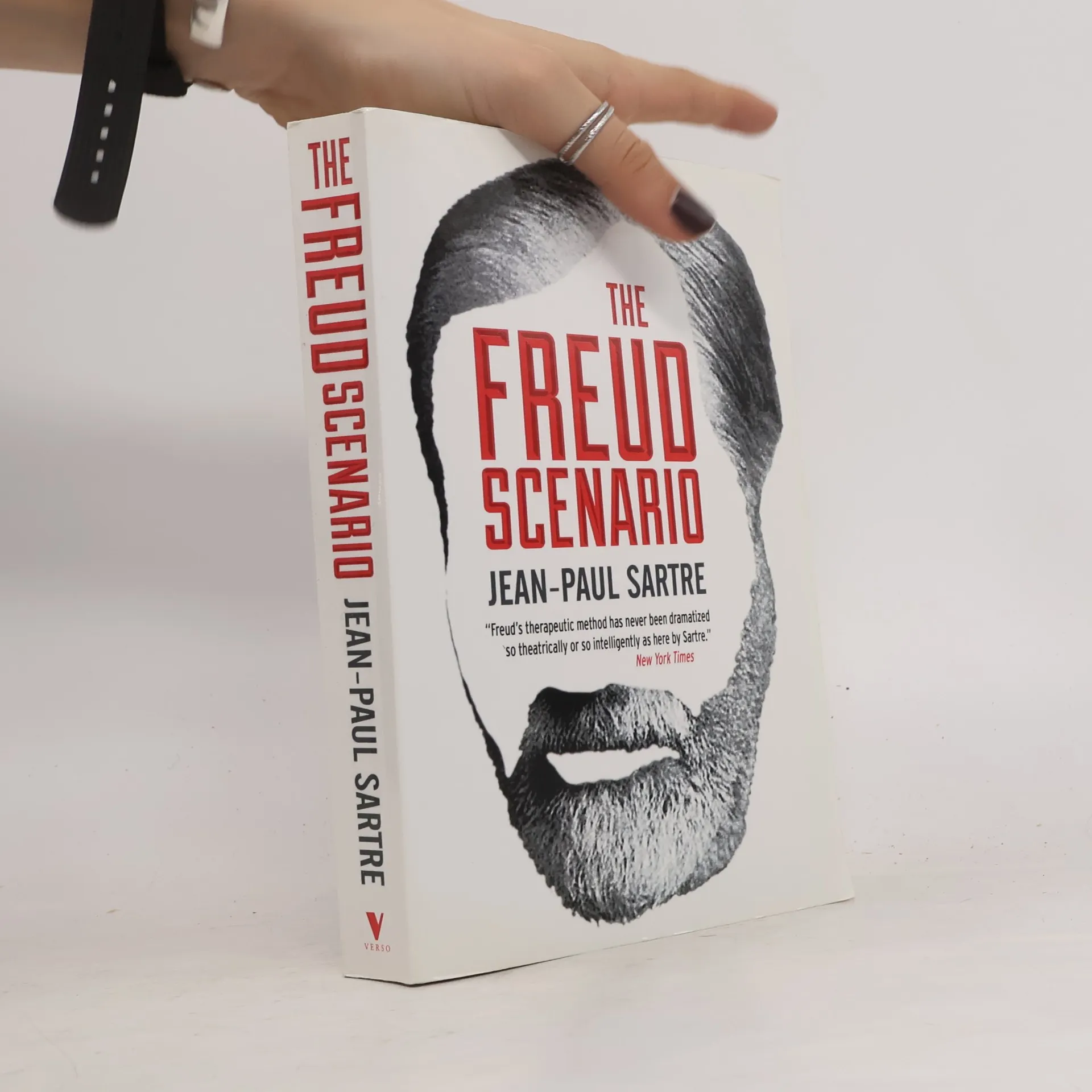
The Freud Scenario
- 576pagine
- 21 ore di lettura
The book presents a previously lost script by Sartre, centered on the life and theories of Freud. This unrealised classic sheds light on Sartre's unique perspective on Freud's work, revealing insights into psychological and philosophical themes. Discovered posthumously, it offers readers a rare glimpse into Sartre's creative process and his engagement with one of the 20th century's most influential thinkers.
Jean-Paul Sartre untersucht Flauberts persönliche Entwicklung, seine Beziehung zu jedem Mitglied seiner Familie, seine Entscheidung, Schriftsteller zu werden, und die psychosomatische Krise oder 'Konversion', die ihn von der Dominanz seines Vaters befreite und es ihm ermöglichte, sich seiner Kunst zu widmen. Sartres psychoanalytischer Ansatz verbindet sich mit einer soziologischen Studie der Ideologie der Zeit, der Krise in der Literatur und Flauberts Rolle als jemand, der sowohl von all dem beeinflusst wurde als auch selbst die Zukunft der Literatur beeinflusste.
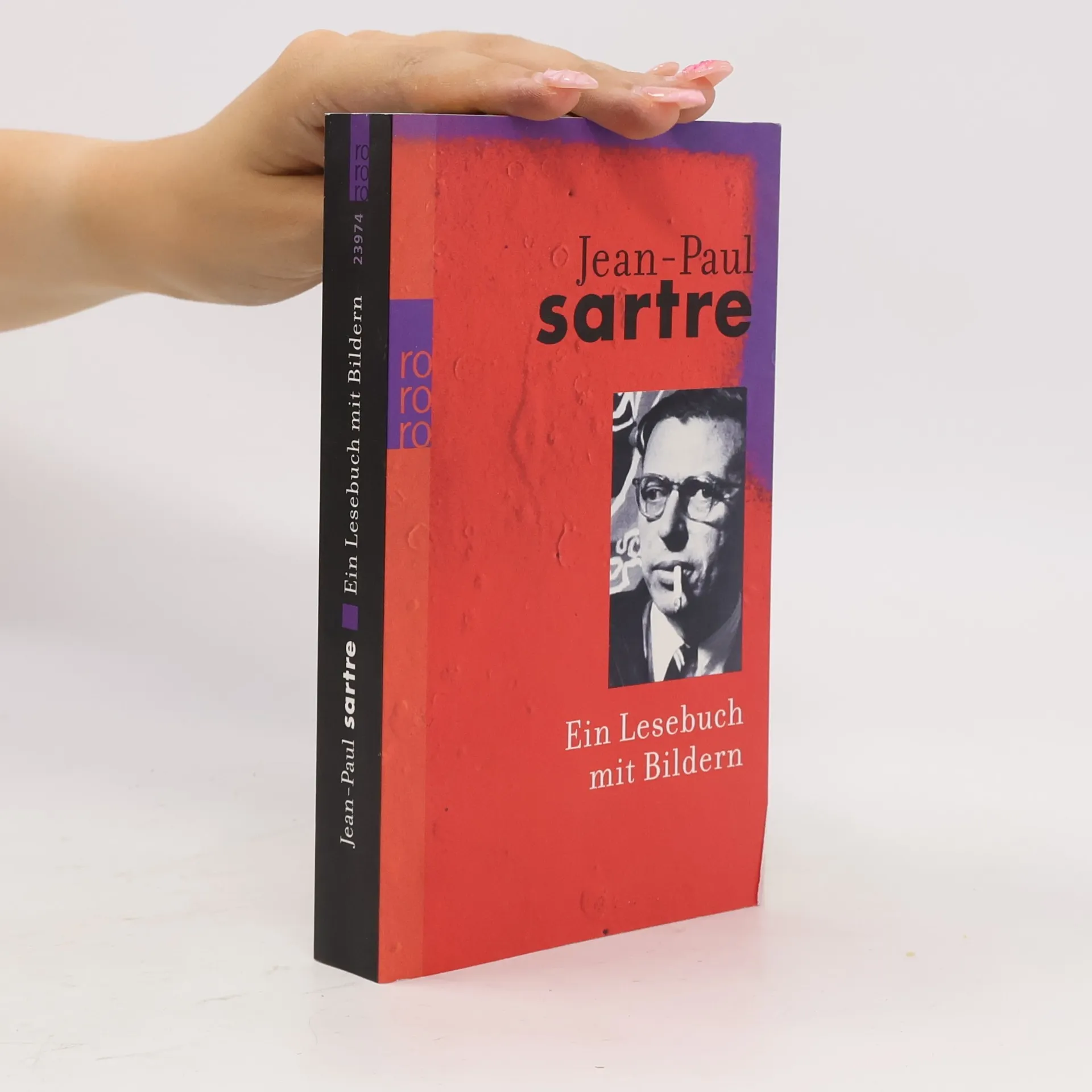
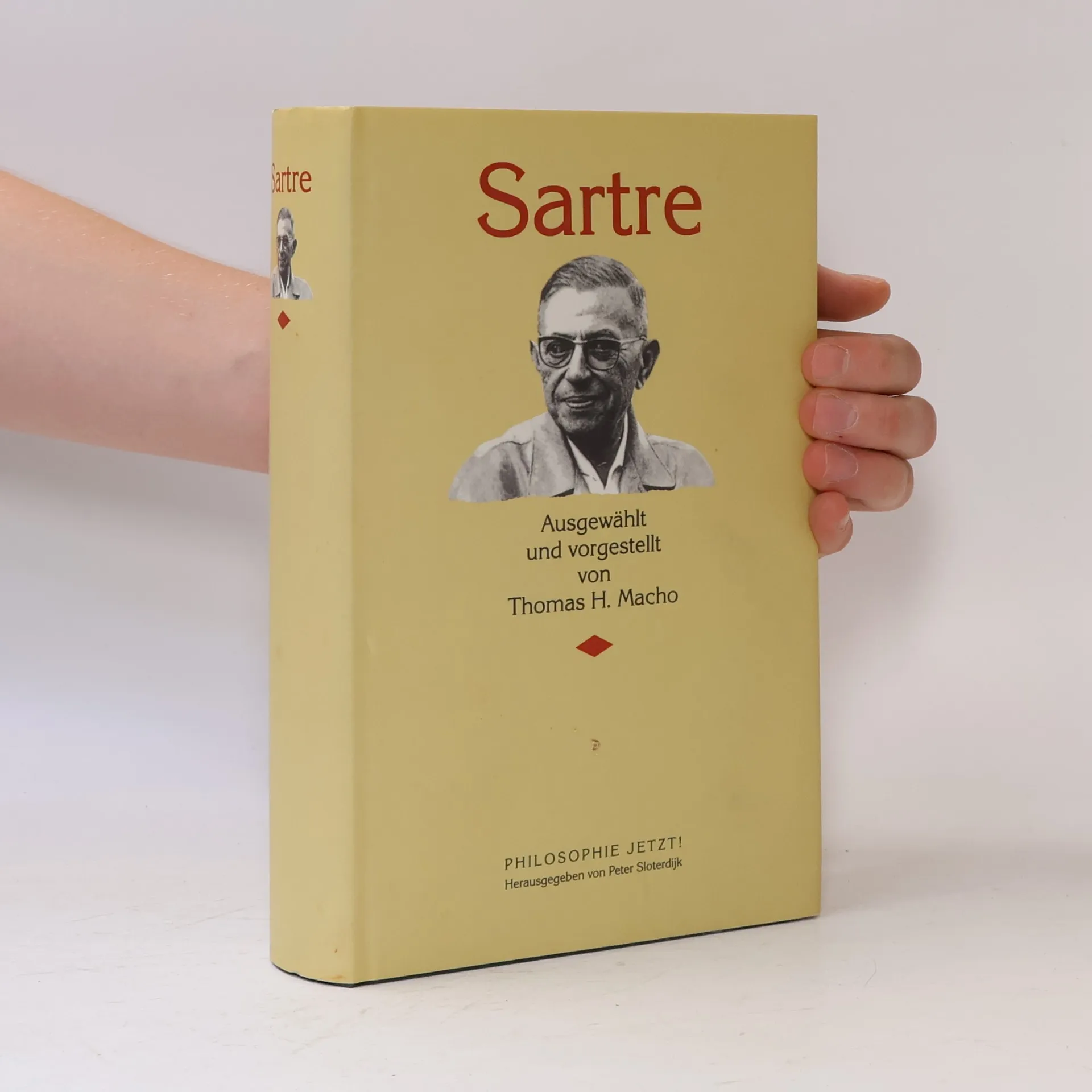
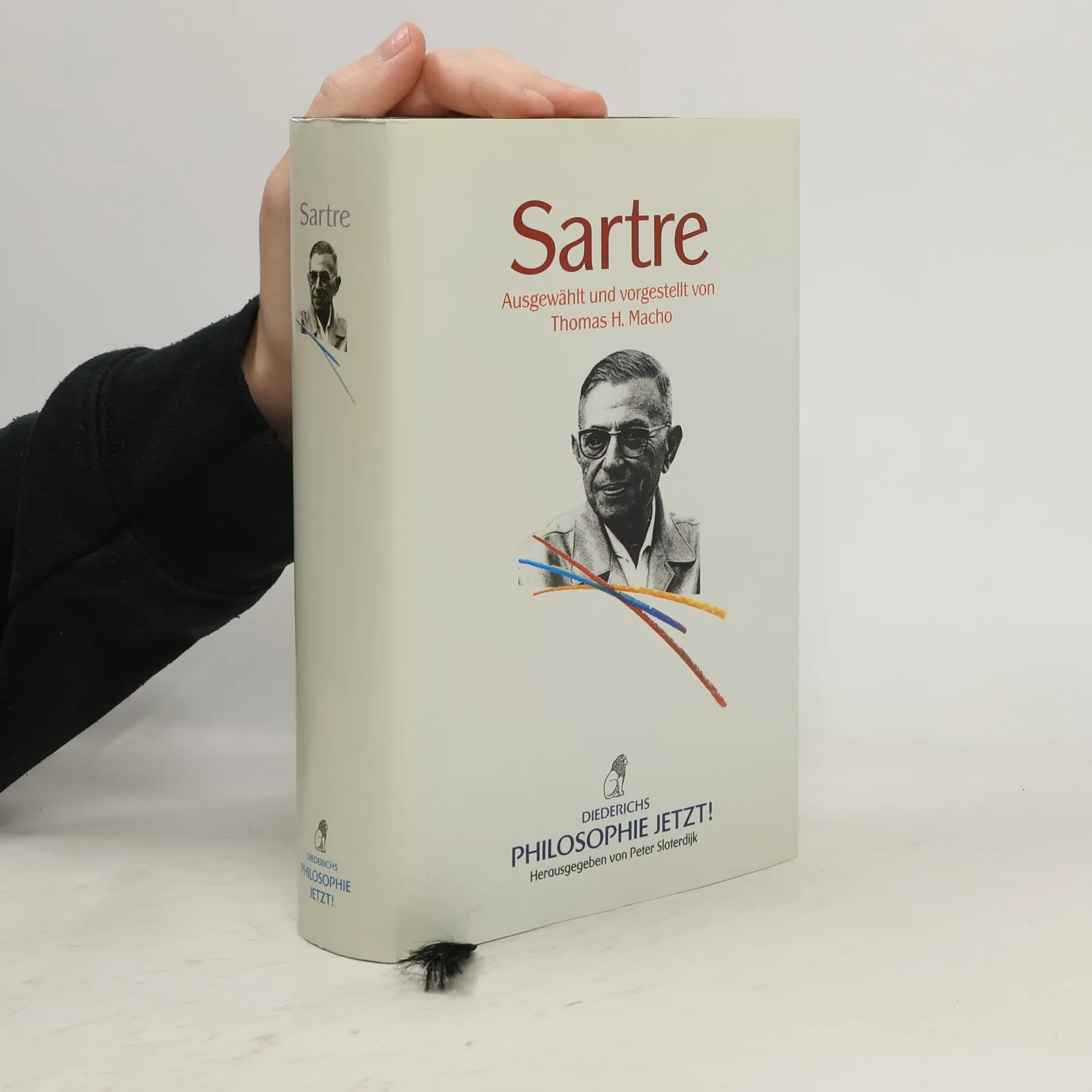
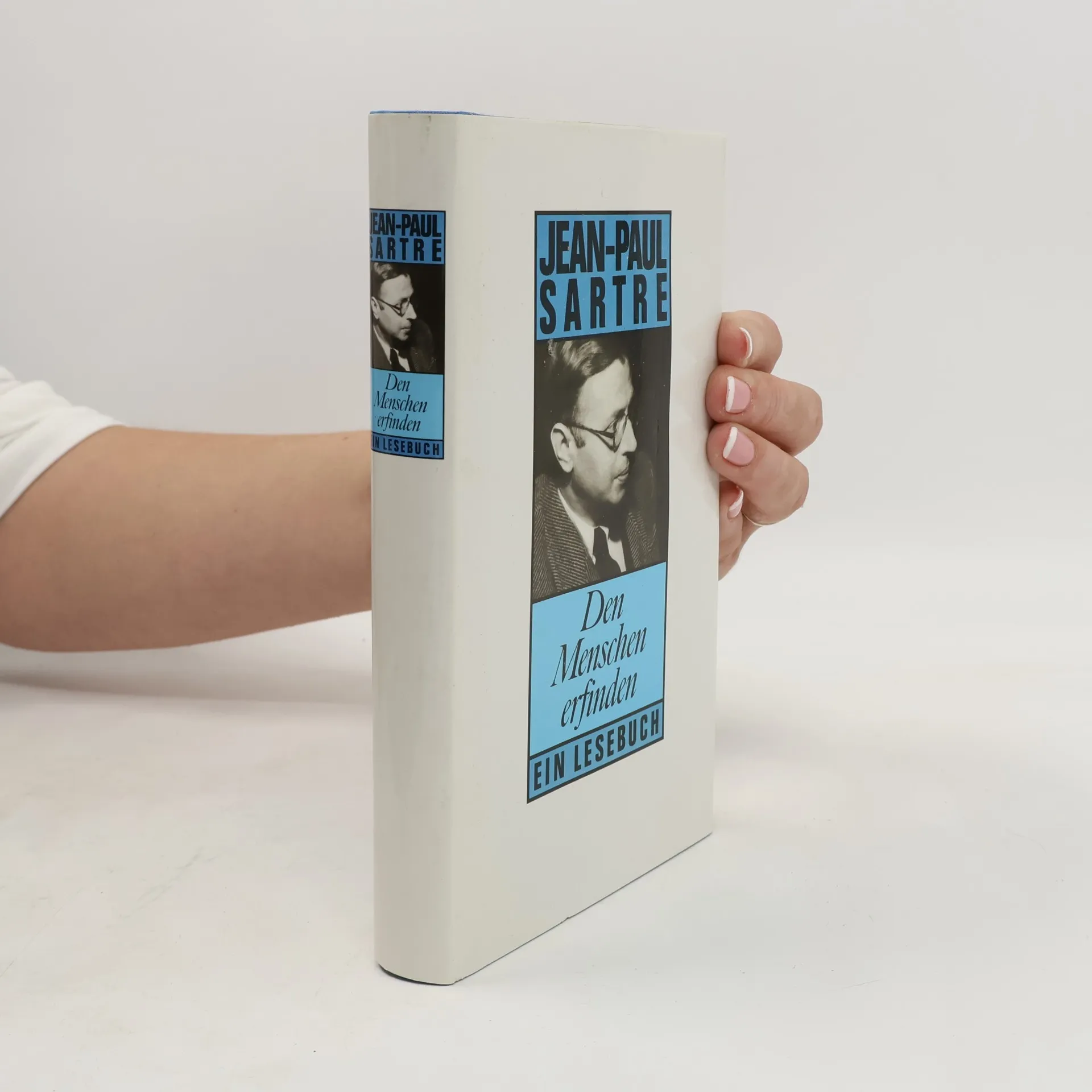
Das große Sartre-Lesebuch: Schriften und Auszüge aus den philosophischen Werken, aus Dramen und Romanen, aus Porträts und autobiographischen Mitteilungen sowie einiges Entlegenes und Vergessenes. Ein Wegweiser zu Sartre, eine Begegnung mit seinem Genie.
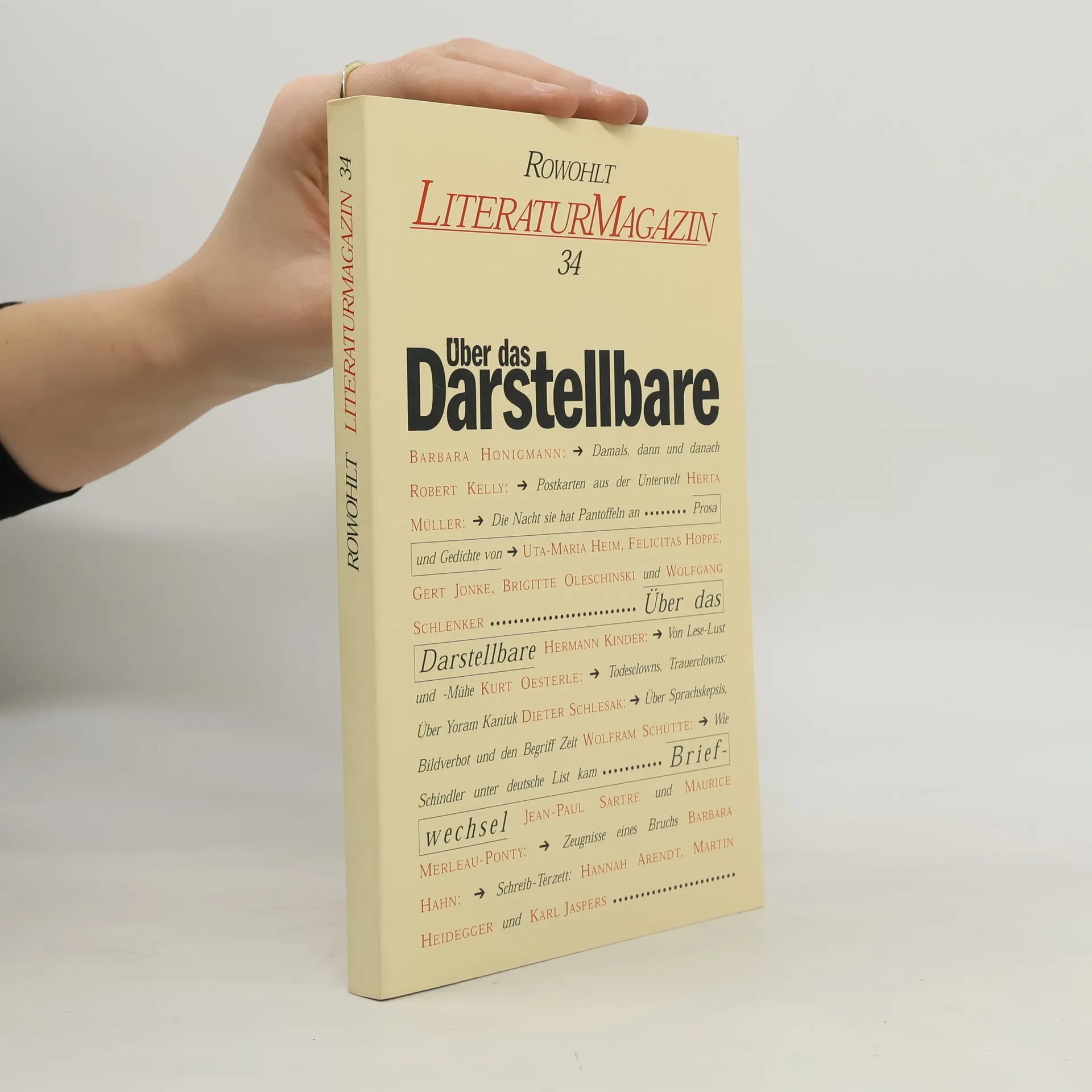
Über das Darstellbare
- 192pagine
- 7 ore di lettura
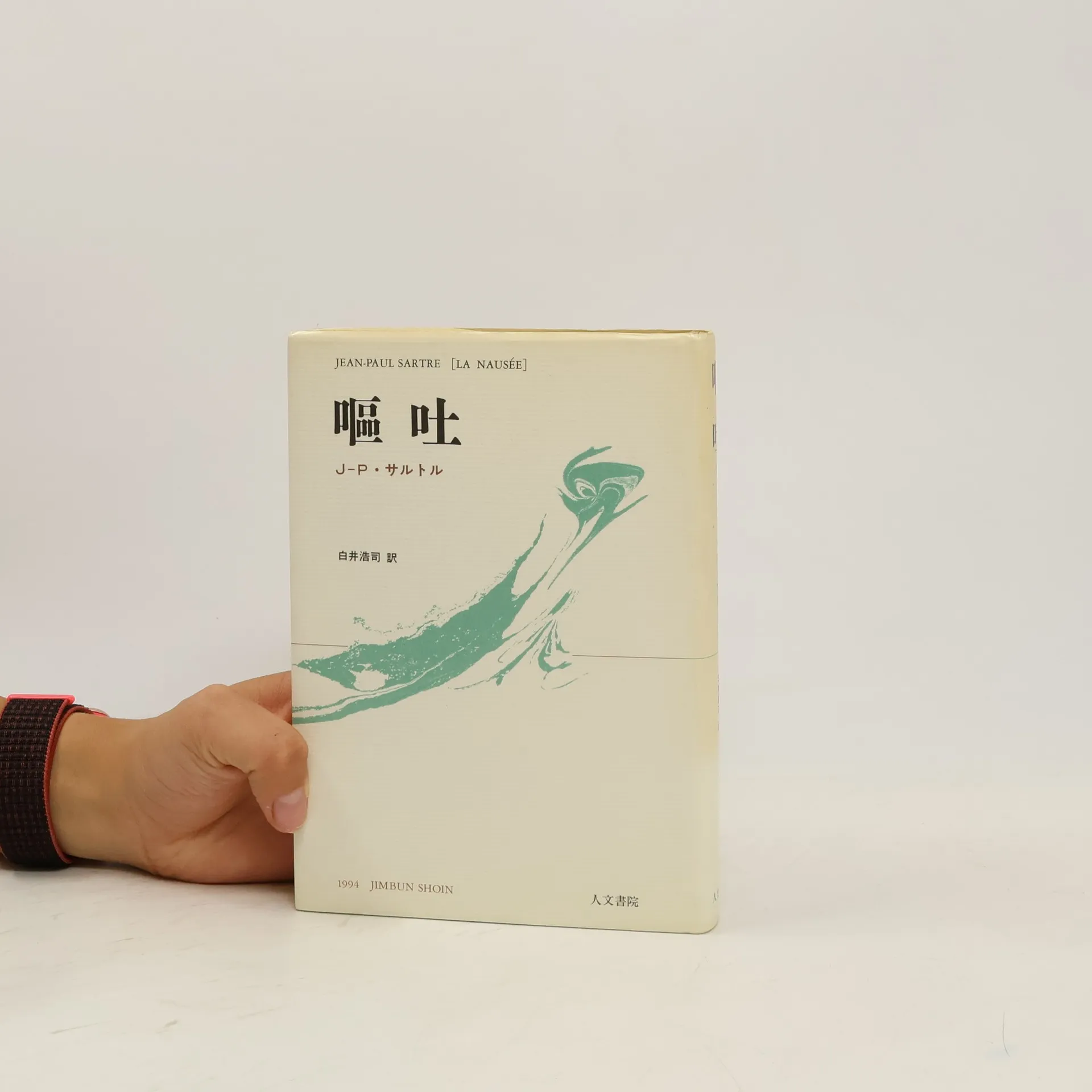
「嘔吐」は、自身の存在に恐怖を抱くフランスの作家アントワネット・ロカンタンの物語です。印象派的な日記形式で、彼は周囲の世界や人々に対する感情や感覚を容赦なく記録します。彼の思考は、紫色のサスペンダーや壊れた椅子の座面の時代の底に広がる、圧倒的な嘔吐感に culminate します。それは、広く柔らかい瞬間でできており、油の染みのように端に広がっています。ロカンタンが自らの人生を受け入れようとする努力や、彼の哲学的・心理的な葛藤は、サルトルに存在主義の信条を dramatize する機会を与えます。
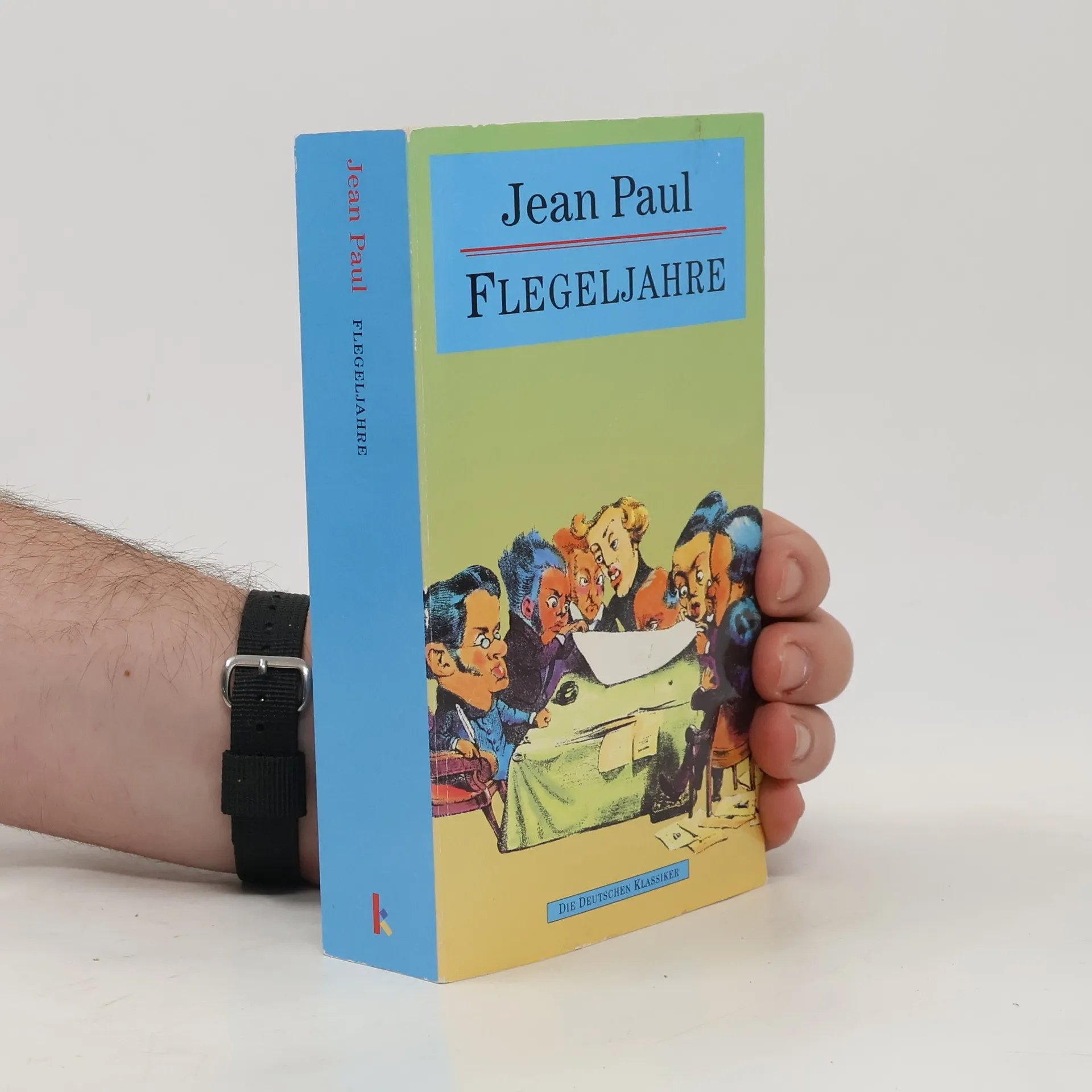
Flegeljahre
- 567pagine
- 20 ore di lettura
Kann ein Mann so unerotisch, so ambitionslos sein? Walts Softie-Selbstgenügsamkeit bringt seinen pragmatischen Bruder zur Weißglut. Zu allem Überfluss liebt er auch die schöne Wina, sie aber steht auf Walt. Jean Paul parodiert frech-witzig das Genre des Bildungsromans, denn sein »fauler« Held hat nicht die Absicht, sich von fremden Erwartungen aus der Ruhe bringen zu lassen. Dennoch muss er einen Aufgabenparcours durchlaufen – so will es der testamentarisch letzte Streich des reichen Van der Kabel – und könnte am Ende Millionär werden.
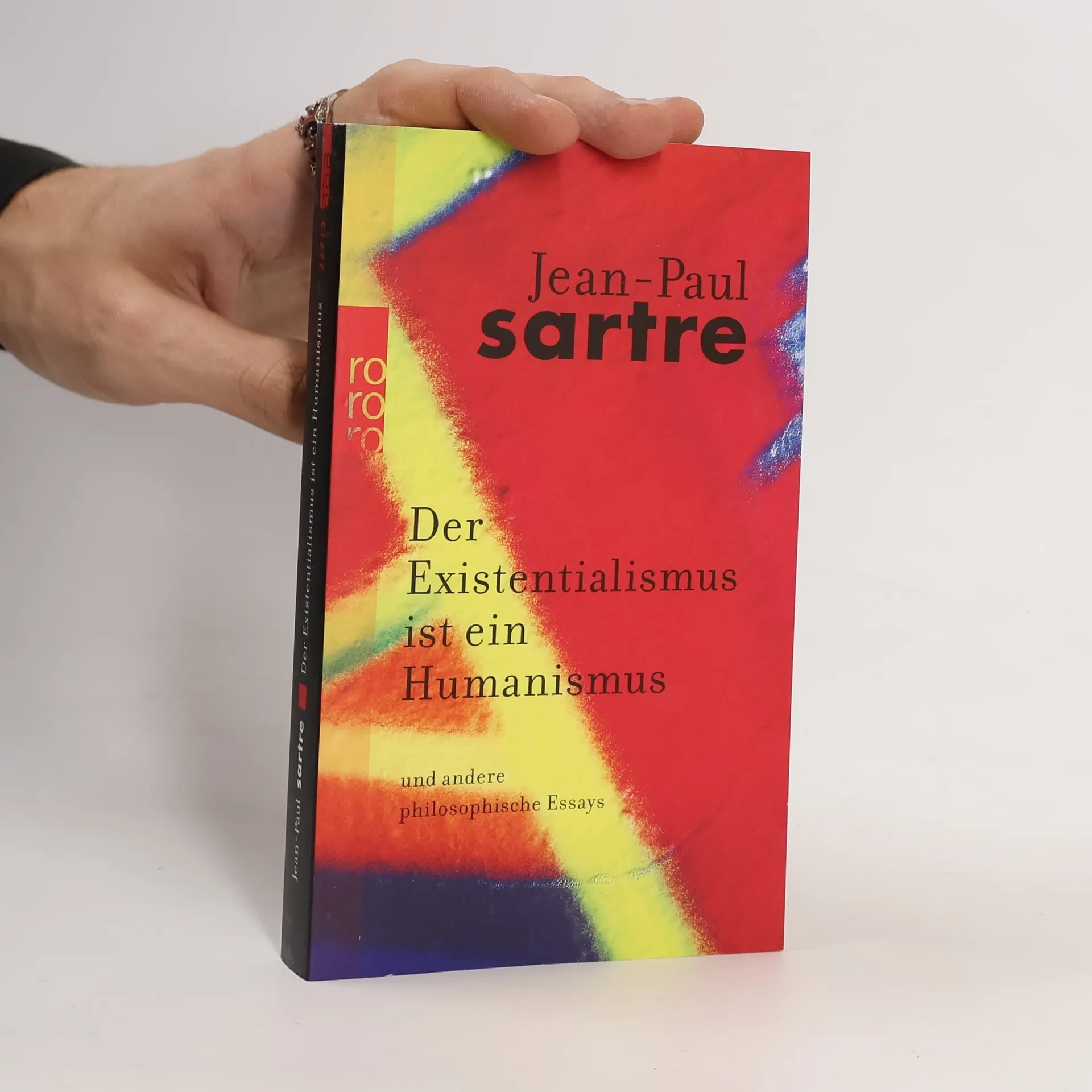
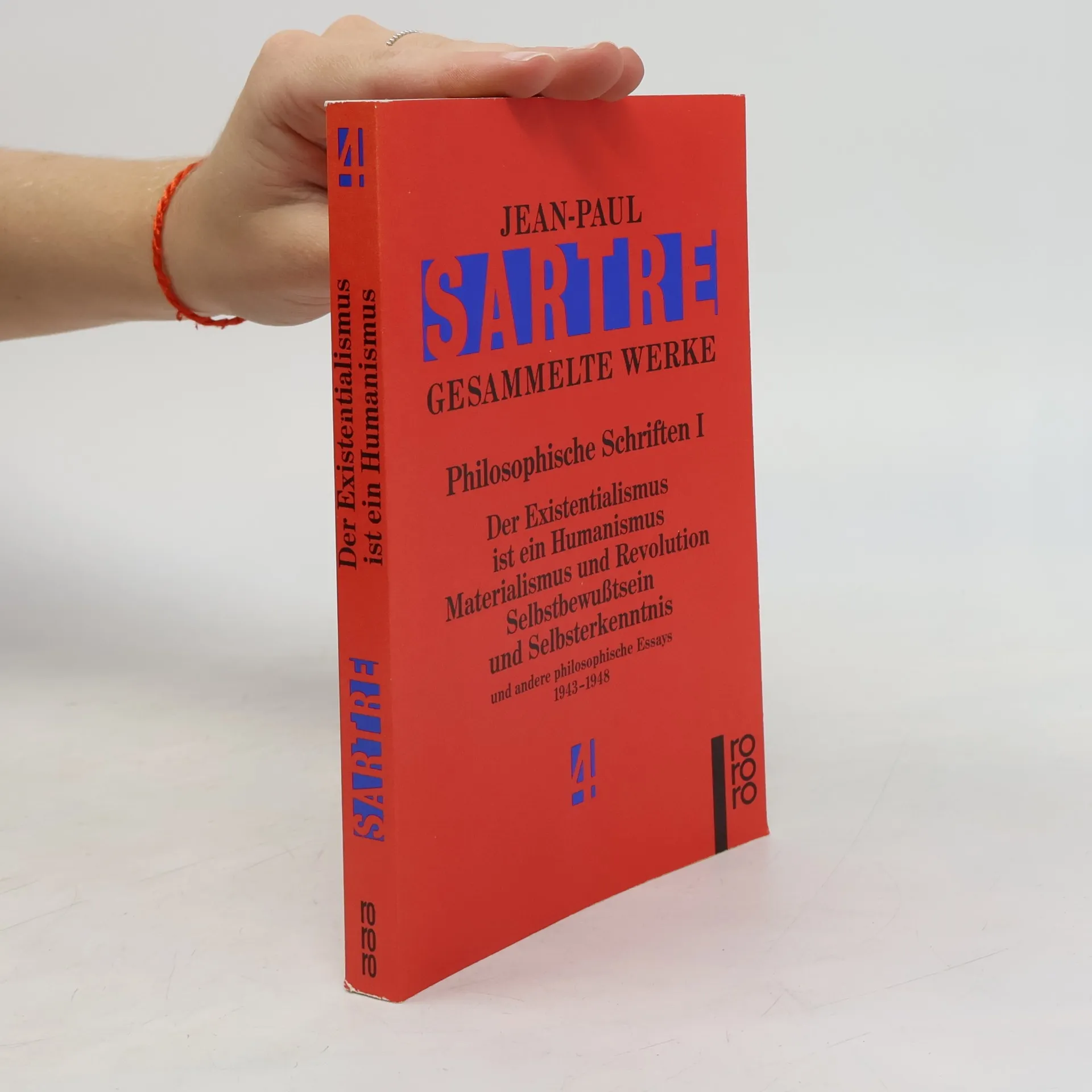
Die Transzendenz des Ego. Das Imaginäre. Das Sein und das Nichts. Der Existenzialismus ist ein Humanismus. Materialismus und Revolution. Selbstbewusstsein und Selbsterkenntnis und andere philosophische Essays
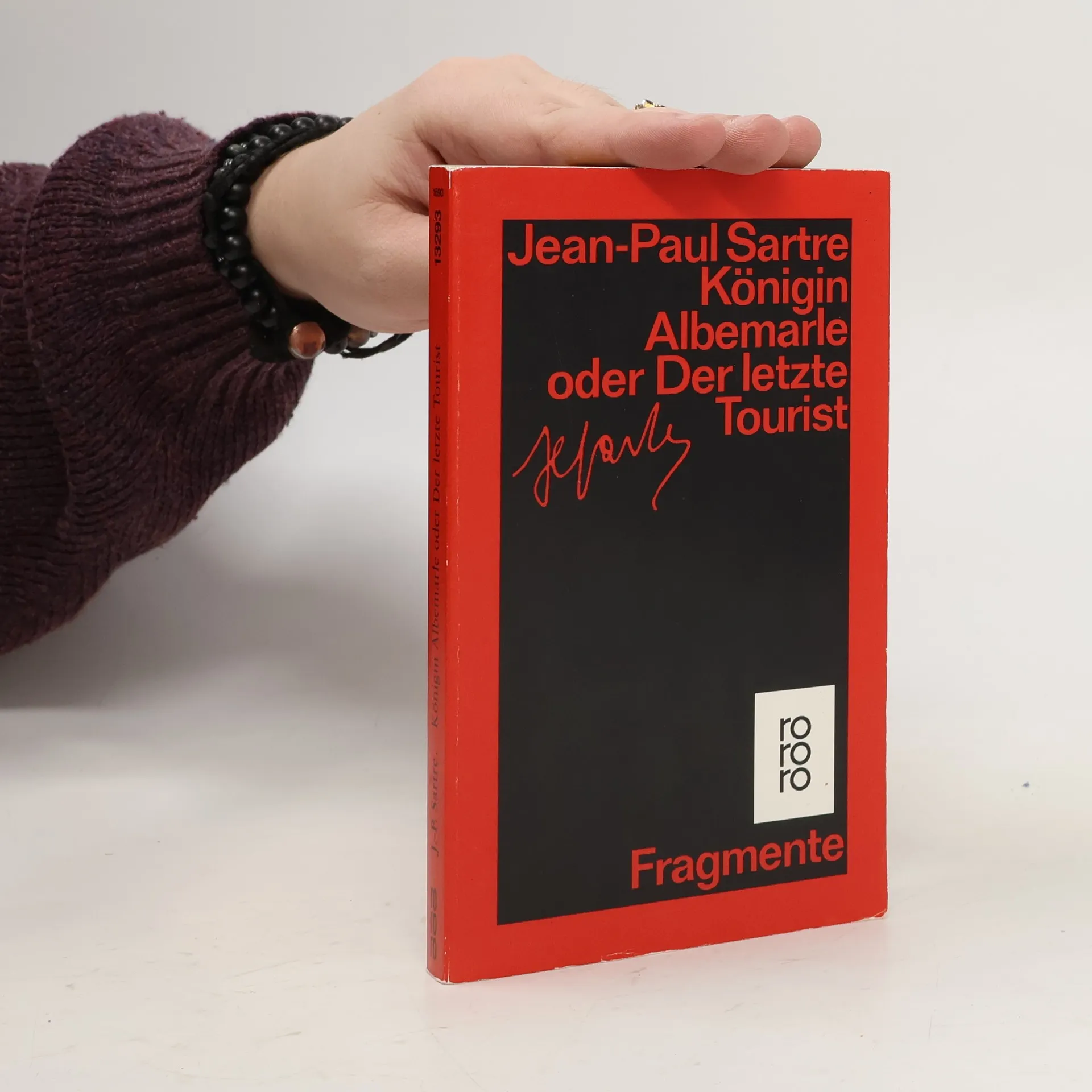
Königin Albemarle oder Der letzte Tourist. Fragmente.
- 256pagine
- 9 ore di lettura
Im September 1951 fährt Sartre nach Italien, das Land, dem seine besondere Liebe gehört. Auf dieser Reise, die ihn nach Rom, Neapel, Capri und Venedig führt, notiert er seine Reiseeindrücke, Betrachtungen über Menschen und Städte, Malerei und Geschichte. Der fragmentarische Charakter der Aufzeichnungen, aus dem Nachlaß herausgegeben von Arlette Elkaim-Sartre, gehört zum besonderen Reiz ddieser italienischen Impressionen.
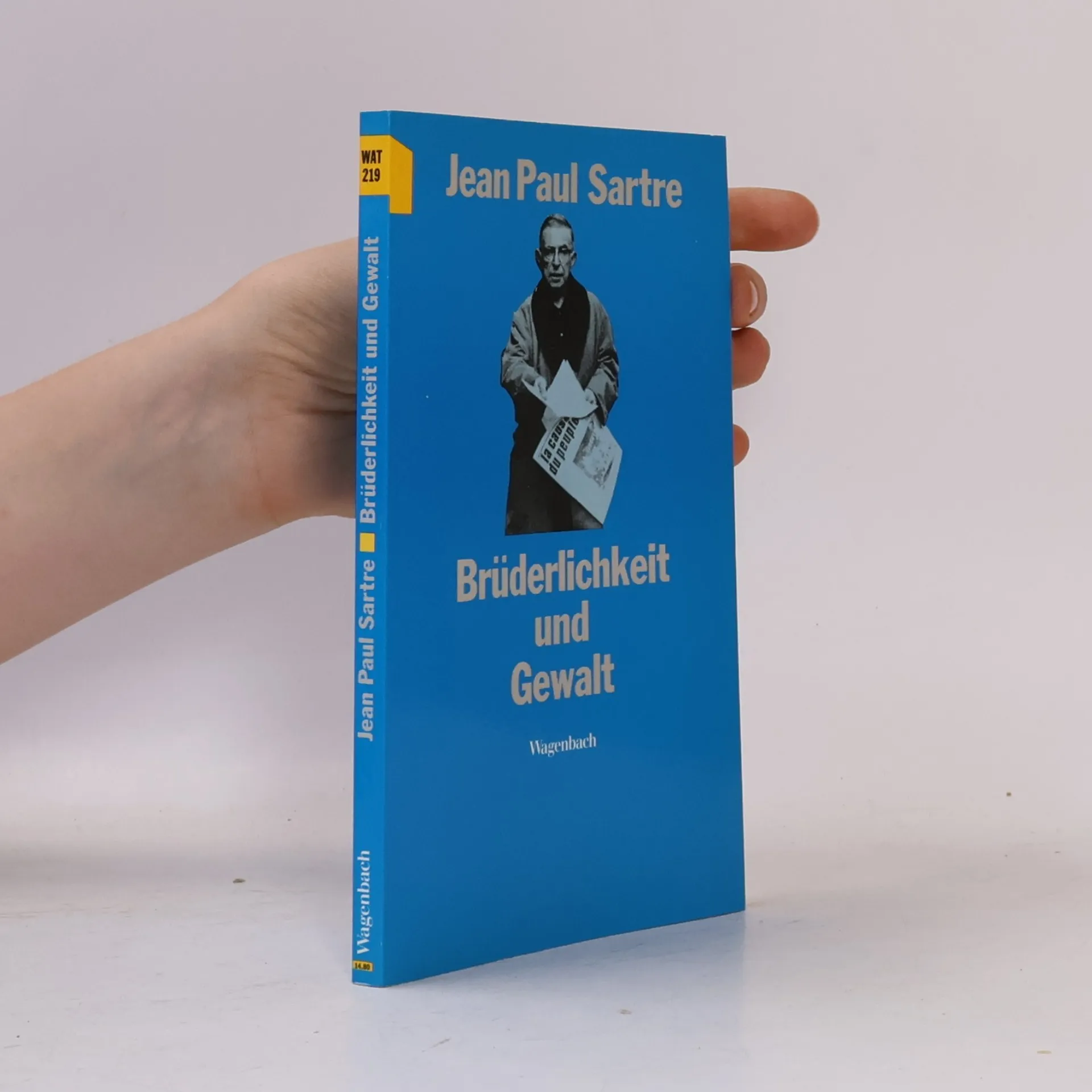
Brüderlichkeit und Gewalt
- 90pagine
- 4 ore di lettura
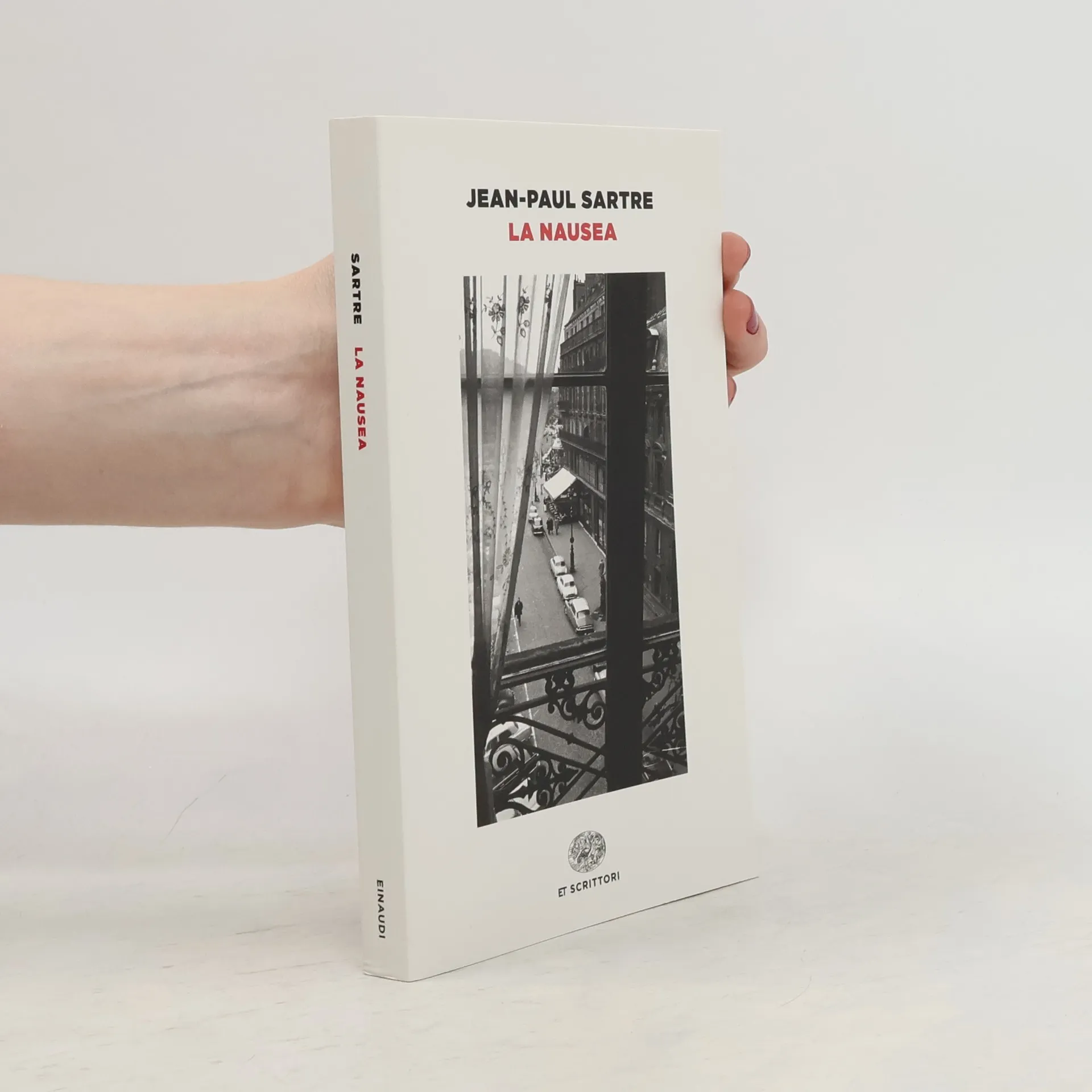
Einaudi tascabili. Scrittori - 18: La Nausea
- 242pagine
- 9 ore di lettura
Dopo aver viaggiato a lungo, Antoine Roquentin si stabilisce a Bouville, in uno squallido albergo vicino alla stazione, per scrivere una tesi di dottorato in storia. La sera, si siede al tavolo di un bistrot ad ascoltare un disco, sempre lo stesso: "Some of These Days". La sua vita ormai non ha più senso: il passato è abitato da Anny, mentre il presente è sempre più sommerso da una sensazione dolce e orribile, insinuante, che ha nome Nausea. Un romanzo trasgressivo e ricchissimo, sempre attuale, che ci restituisce il disagio del mondo in agonia alla vigilia della Seconda guerra mondiale. Il libro più libero di Sartre, il più disinteressato e il più appassionato insieme.
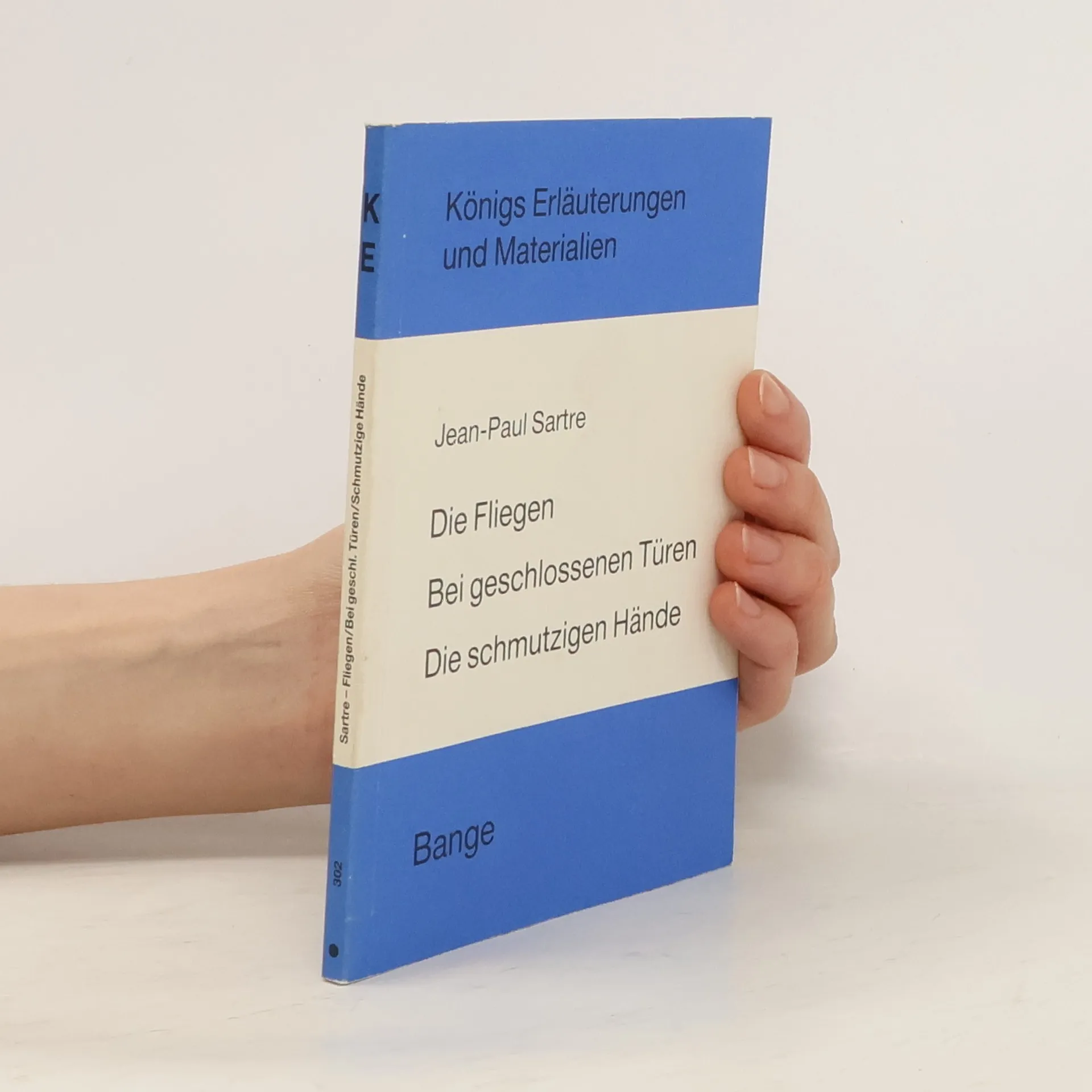
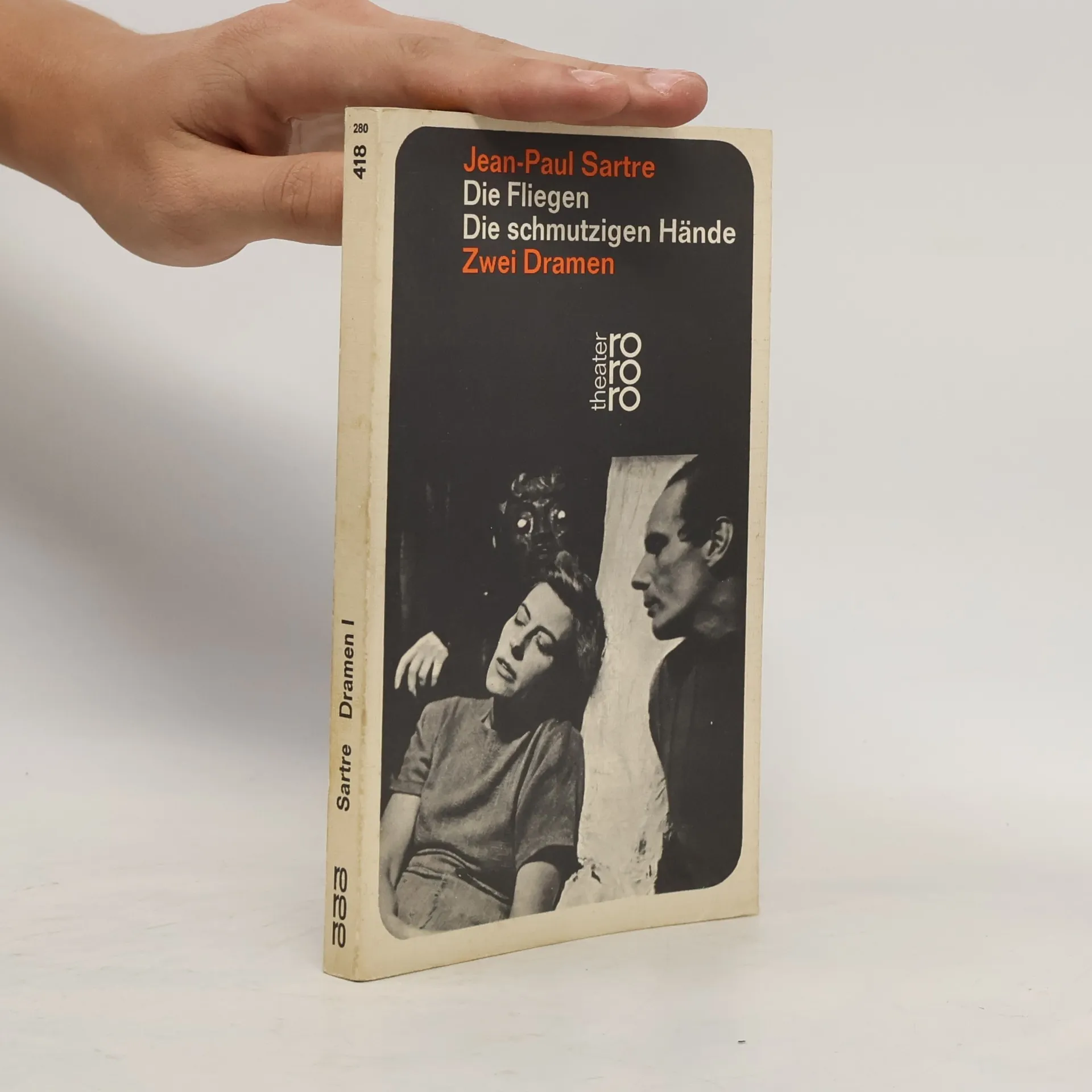
Die Fliegen. Bei geschlossenen Türen. Die schmutzigen Hände
- 77pagine
- 3 ore di lettura
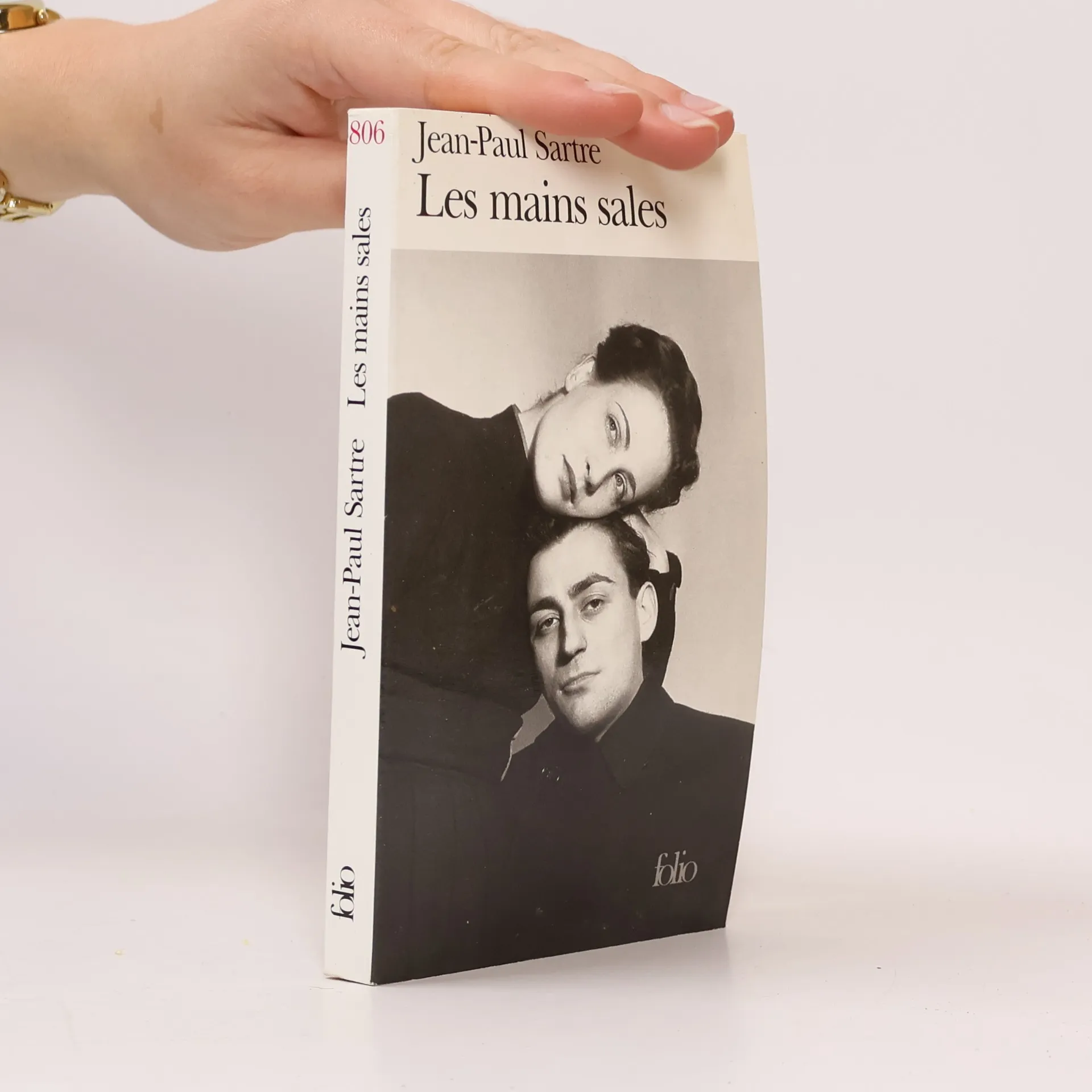
Les mains sales. Pièce en sept tableaux
- 247pagine
- 9 ore di lettura
« Comme tu tiens à ta pureté, mon petit gars ! Comme tu as peur de te salir les mains. Eh bien, reste pur ! A quoi cela servira-t-il et pourquoi viens-tu parmi nous ? La pureté, c'est une idée de fakir et de moine. Vous autres, les intellectuels, les anarchistes bourgeois, vous en tirez prétexte pour ne rien faire. Ne rien faire, rester immobile, serrer les coudes contre le corps, porter des gants. Moi j'ai les mains sales. Jusqu'aux coudes. Je la ai plongées dans la merde et dans le sang. »Créée en 1948 au théâtre Antoine par François Périer et André Luguet, Les Mains sales, pièce sur l'engagement politique, est une des œuvres théâtrales les plus retentissantes de l'auteur de Huis clos, des Mouches, de La Putain respectueuse, des Séquestrés d'Altona, du Diable et le bon Dieu.
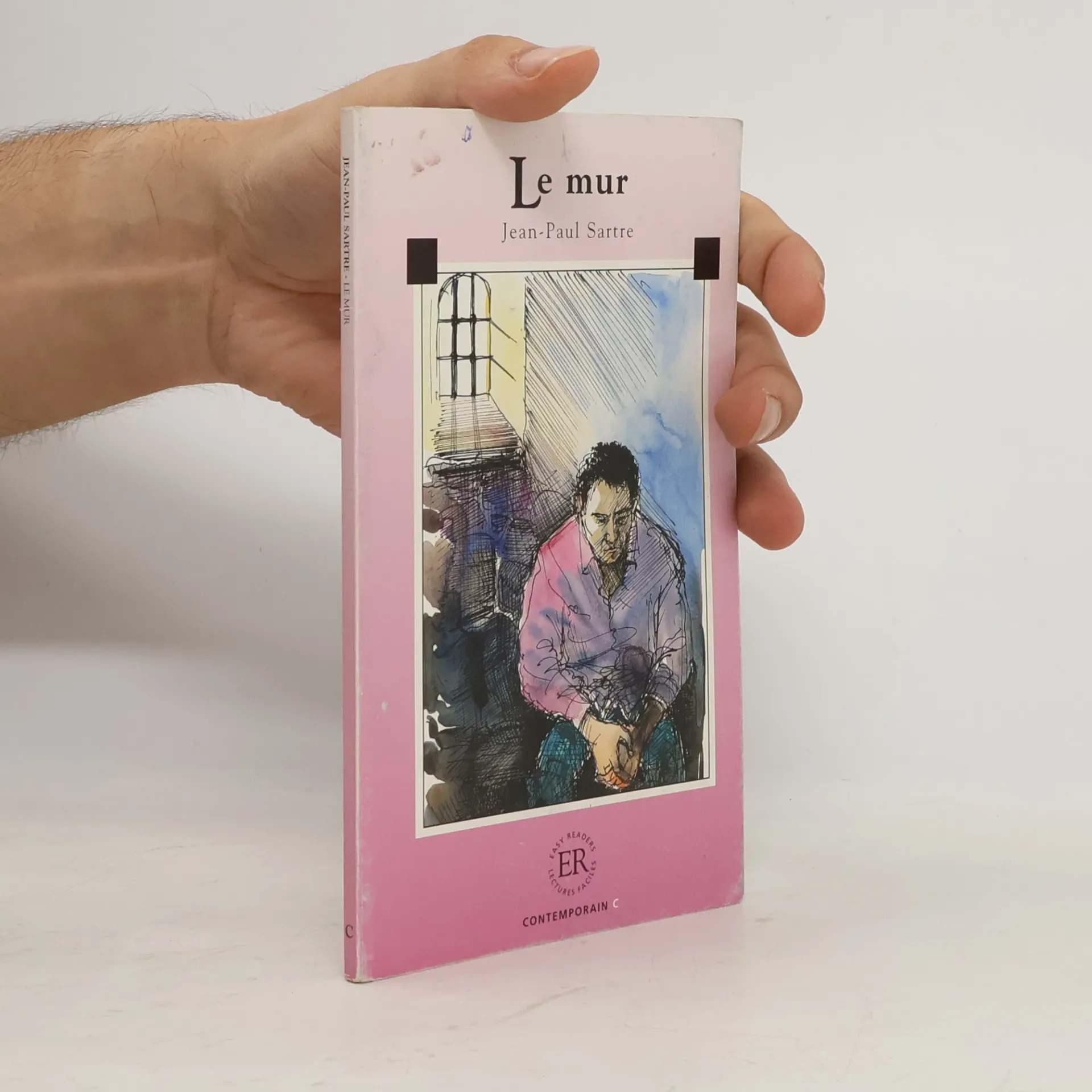
Lectures Faciles Contemporain C: Le mur
- 69pagine
- 3 ore di lettura
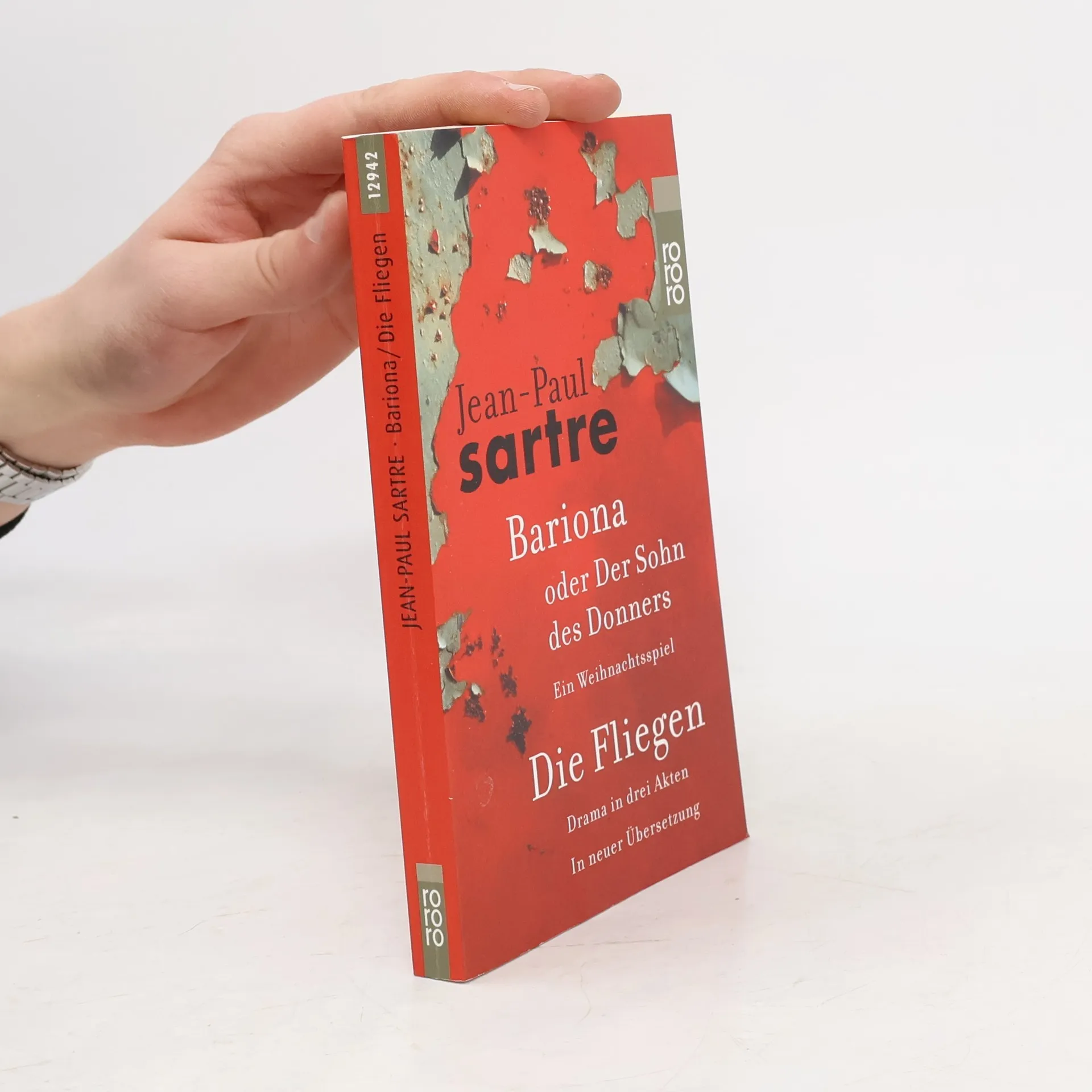
Bariona oder Der Sohn des Donners / Die Fliegen
Ein Weihnachtsspiel / Drama in drei Akten
- 205pagine
- 8 ore di lettura
"Bariona", ein Stück, das Sartre im Kriegsgefangenenlager 1940 für die Weihnachtsfeier schrieb, aber erst 1970 veröffentlichen ließ, ist eine geistvolle Verknüpfung von christlicher Verkündigungstheorie und Sartrescher Freiheitsphilosophie. "Das schmerzliche Geheimnis der Götter und der Könige: daß die Menschen frei sind ... Wenn erst einmal die Freiheit in einer Menschenseele aufgebrochen ist, vermögen die Götter nichts mehr gegen diesen Menschen." (Jupiter in "Die Fliegen")
Les Mouches. Huis clos
- 127pagine
- 5 ore di lettura
Garcin, révolutionnaire lâche et mari cruel : douze balles dans la peau ; Inès, femme démoniaque qui rendra folle de douleur sa jeune amante : asphyxie par le gaz ; Estelle, coquette sans coeur qui noie son enfant adultérin : pneumonie fulgurante. Morts, tous les trois. Mais le plus dur reste à faire. Ils ne se connaissent pas, et pourtant, ils se retrouvent dans un hideux salon dont on ne part jamais. Ils ont l'éternité pour faire connaissance : quelques heures leur suffiront pour comprendre qu'ils sont leurs bourreaux respectifs. "L'enfer, c'est les autres". Tous les thèmes sartriens sont là, orchestrés avec brio : la valeur de l'engagement, le poids des actes, les limites de la responsabilité. Avec Huis clos , le grand prêtre de l'existentialisme signait l'une des ses pièces les plus fortes : la scène se prêtait bien à ces réquisitoires concis et percutants, que l'on retrouvera dans Les Mouches et surtout Les Mains sales . Une oeuvre phare du répertoire français. --Karla Manuele
Gesammelte Werke, Theaterstücke, 9 Bde. m. Beih.
- 1744pagine
- 62 ore di lettura
"Was ist Sartre? Ein Philosoph? Ein Bühnenautor? Ein Erzähler? Ein Verfasser politischer Analysen, Streitschriften und Appelle? Ein Literatur- und Kunstkritiker? Er ist das alles zusammen und in einem. Und sicher beruht seine große Wirkung auf dieser Vielfalt. Aber es ist nicht zu übersehen, daß alle diese verschiedenartigen Schriften von seiner Philosophie gespeist sind." (Aus dem Vorwort von Traugott König)
Die schmutzigen Hände. Stück in sieben Bildern
- 170pagine
- 6 ore di lettura
In diesem Theaterstück von 1948 geht es um den heute noch aktuellen Konflikt zwischen politischem Realismus und revolutionärer Moral.
Die Wege der Freiheit
- 635pagine
- 23 ore di lettura
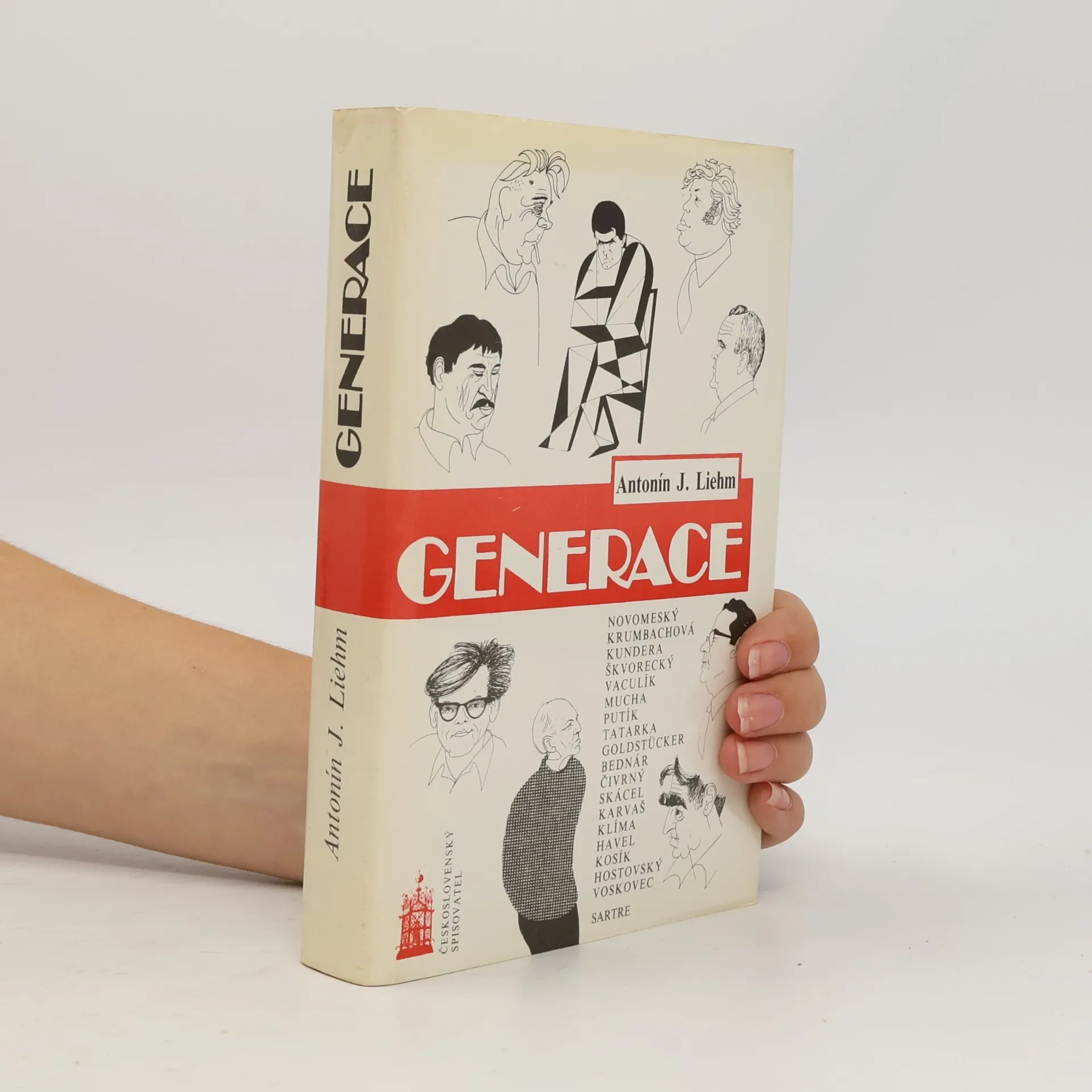
Generace
- 466pagine
- 17 ore di lettura
Rozhovory z let 1966–1968 s L. Novomeským, E. Krumbachovou, M. Kunderou, J. Škvoreckým, L. Vaculíkem, J. Muchou, J. Putíkem, D. Tatarkou, E. Goldstückerem, A. Bednárem, L. Čivrným, J. Skácelem, P. Karvašem, I. Klímou, V. Havlem, doplněné předmluvou J. P. Sartra k francouzskému vyd. (1970) a rozhovory s E. Hostovským (1973) a J. Voskovcem (1981).
The McGraw-Hill Reader: Third Edition
- 725pagine
- 26 ore di lettura
Approaching a liberal arts tradition in the classroom, across the curriculum, and beyond, The McGraw-Hill Reader offers rich and diverse readings in education, the social sciences, business and economics, the humanities, and the sciences. This new eleventh edition offers a new focus on reading and composing across various media; it includes over 100 selections from prominent thinkers and writers; each essay was chosen to provoke critical thought and encourage effective writing.
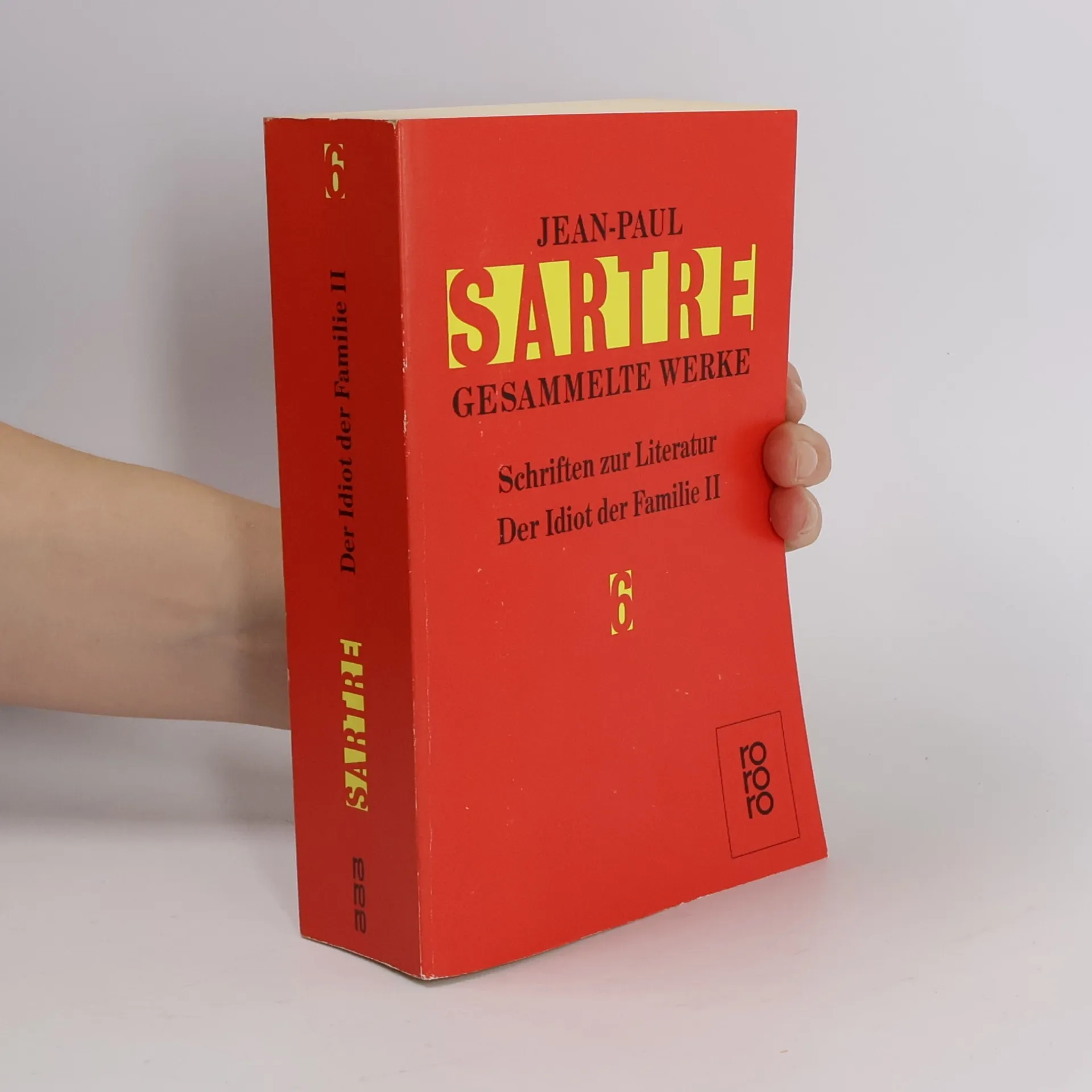
Gesammelte Werke 2
Schriften zur Literatur. Was ist Literatur?
Eine Gruppe französischer Widerstandskämpfer ist von der Miliz des Pétain-Regimes gefangengenommen worden und geht nun durch die Hölle von Verhör, Folter und selbstquälerischer Gewissenserforschung. In dieser Konstellation hat Sartre 1949 seine Auseinandersetzung mit Résistance und Kollaboration auf die Bühne gebracht - darüber hinaus aber auch den zentralen Punkt seiner Existenzphilosophie: dass das Individiuum der Notwendigkeit der Entscheidung nie enthoben ist. Ungekürzte und unbearbeitete Textausgabe in der Originalsprache, mit Übersetzungen schwieriger Wörter am Fuß jeder Seite, Nachwort und Literaturhinweisen.
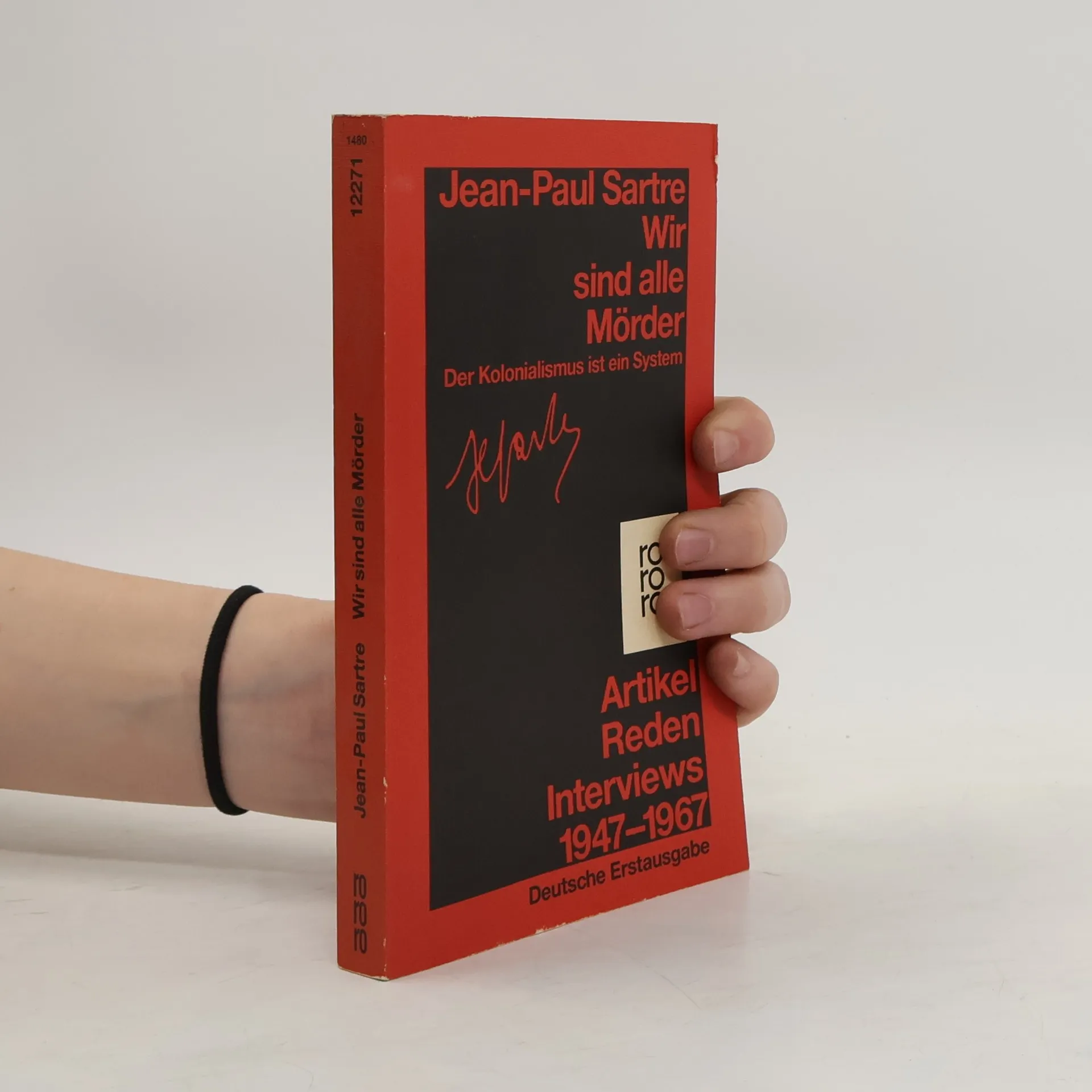
In scharfsinnigen Analysen entlarvte Sartre die Ideologie und das Herrschafts- und Ausbeutungssystem des Kolonialismus und Neokolonialismus als ein System, das in einem bestimmten Moment zwangsläufig zum totalen Krieg der Kolonialmacht gegen die Kolonisierten führt und sich damit selbst zerstört. Der Höhepunkt seines Engagements lag in seinem Protest gegen den Algerienkrieg von 1954 bis 1962; wie viele andere riskierte er dabei Strafverfolgung, ja sogar sein Leben. "Es ist noch nicht lange her, da zählte die Erde zwei Milliarden Einwohner, das heißt 500 Millionen Menschen und eine Milliarde 500 Millionen Eingeborene. Die ersten verfügten über das Wort, die anderen entliehen es. Das war das Goldene Zeitalter. Es ging zu Ende: die Münder öffneten sich allein; die gelben und schwarzen Stimmen sprachen zwar noch von unserem Humanismus, aber nur um uns unsere Unmenschlichkeit vorzuwerfen." (Jean-Paul Sartre)
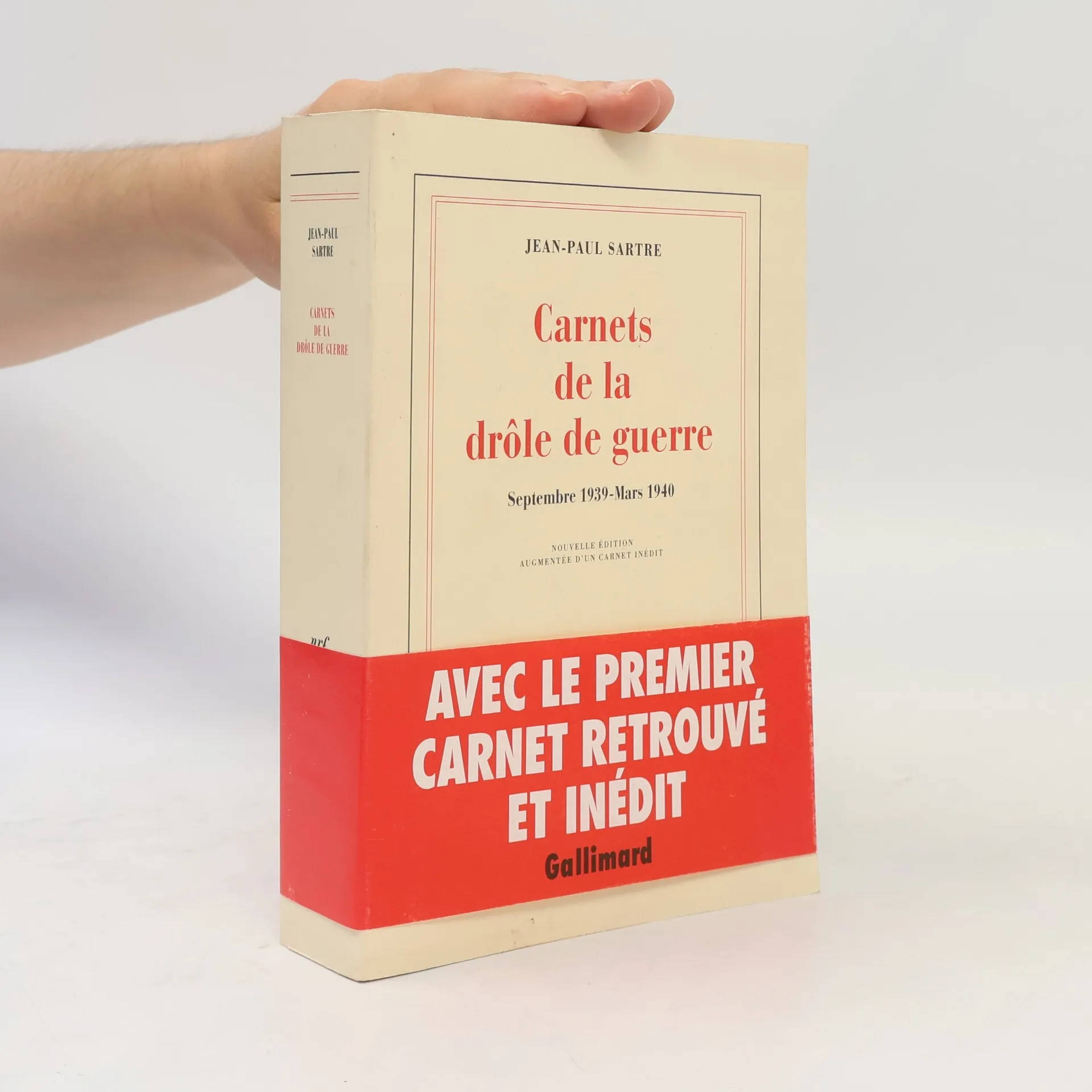
Carnets de la drôle de guerre
Septembre 1939-mars 1940 - Nouvelle édition augmentée d'un carnet inédit - Avec le premier carnet retrouvé et inédit
- 673pagine
- 24 ore di lettura
Je faisais une guerre à mon image : bourgeois, j'avais choisi mon arme par recommandation ; pacifiste, je l'avais prise pacifique ; antimilitariste, je l'avais voulu faire comme simple soldat (antimilitariste parce qu'intellectuel) ; inapte à la vie physique (borgne), je la faisais avec des réservistes, c'est-à-dire des hommes mariés et pères de famille. D'autre part la drôle de guerre réfléchissait notre volonté profonde de ne pas nous battre puisque Hitler n'attaquait pas pour laisser pourrir cette guerre, connaissant nos sentiments. C'est dire que je me réfléchissais dans cette guerre qui se réfléchissait en moi et me réfléchissait son image. Le résultat fut que j'écrivis d'abord sur la guerre et finalement sur moi. Elle devint une retraite. Jean-Paul Sartre.
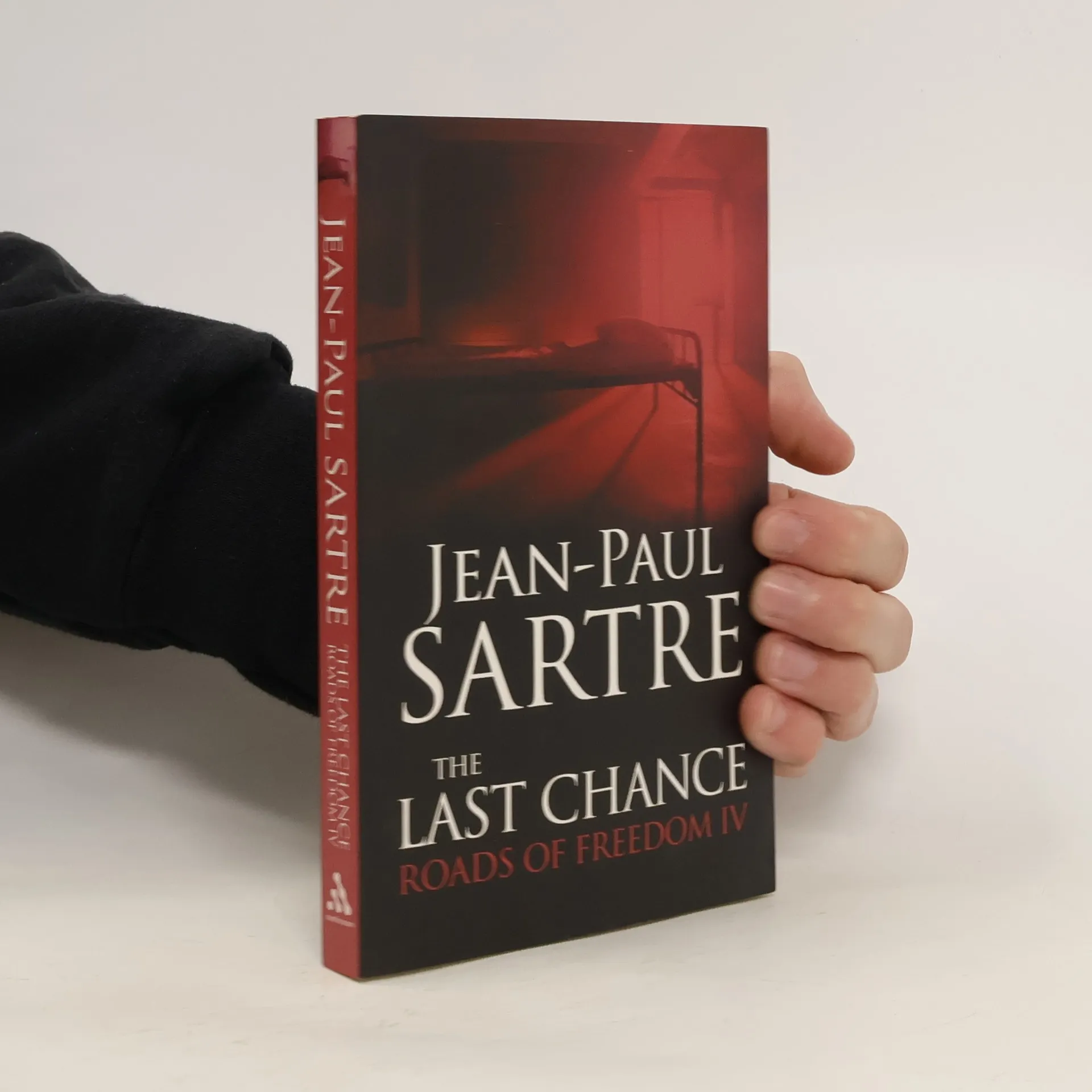
The first English translation of Sartre's unfinished fourth volume of Roads of Freedom, exploring themes central to Sartrean existentialism.
Gesammelte Werke, Schriften zur Literatur, 8 Bde.
- 334pagine
- 12 ore di lettura
"Was ist Sartre? Ein Philosoph? Ein Bühnenautor? Ein Erzähler? Ein Verfasser politischer Analysen, Streitschriften und Appelle? Ein Literatur- und Kunstkritiker? Er ist das alles zusammen und in einem. Und sicher beruht seine große Wirkung auf dieser Vielfalt. Aber es ist nicht zu übersehen, daß alle diese verschiedenartigen Schriften von seiner Philosophie gespeist sind." (Aus dem Vorwort von Traugott König)
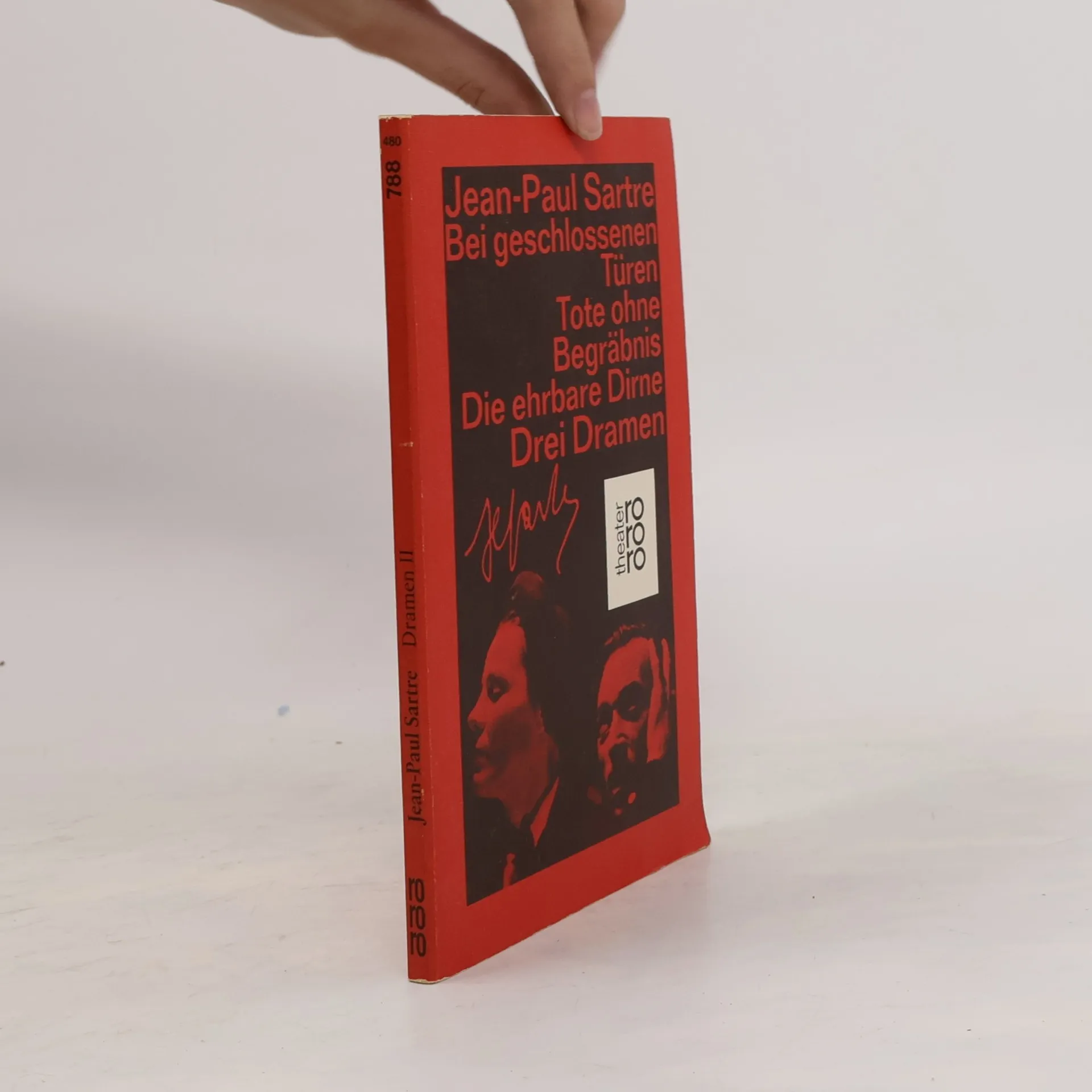
Tote ohne. Begräbnis. Die ehrbare. Dirne. Zwei Dramen.
- 126pagine
- 5 ore di lettura
Drei der wichtigsten Stücke des französischen Philosophen und Schriftstellers. «Bei geschlossenen Türen» schildert die Hölle, die ‹die anderen› sind. In dem Empire-Salon eines heruntergekommenen Hotels foltern sich drei Menschen in gegenseitiger Selbstentblößung. «Tote ohne Begräbnis» ist ein Zeugnis politisch engagierten Denkens. Resistance-Kämpfer behaupten Tapferkeit und Würde gegen Folter ud Tod. In die «Die ehrbare Dirne», einem der aufsehenerregensten Stücke der Gegenwart, plädiert Sartre für soziale Gerechtigkeit. Durch Erpressung einer Dirne soll in einer Stadt des amerikanischen Südens die Mordtat eines Senatoren-Neffen einem Farbigen unterstellt werden.
Sartre-Lesebuch
- 255pagine
- 9 ore di lettura
Uli Aumüller hat bedeutende Werke von Autoren wie Siri Hustvedt und Milan Kundera übersetzt und erhielt dafür den Paul-Celan-Preis sowie den Jane-Scatcherd-Preis. Hans Mayer, ein wichtiger Vertreter der marxistischen Literatur- und Ideologiekritik, veröffentlichte nach seinem Weggang von der Universität Leipzig 1963 die erste größere Arbeit mit dem Titel „Zur deutschen Literatur der Zeit“. Geboren am 21. Juni 1905, wuchs er nach dem frühen Tod seines Vaters bei seinen Großeltern in Paris auf. 1929 lernte er Simone de Beauvoir kennen, mit der er eine unkonventionelle Beziehung führte. Von 1931 bis 1937 war er Gymnasiallehrer für Philosophie in Le Havre und Laon, bevor er nach Paris zog. 1933 erhielt er ein Stipendium am Institut Français in Berlin und setzte sich mit der Philosophie Husserls auseinander. 1939 wurde er eingezogen und geriet 1940 in deutsche Kriegsgefangenschaft, aus der er 1941 entkam. 1943 wurde sein erstes Theaterstück „Die Fliegen“ aufgeführt, und sein Hauptwerk „Das Sein und das Nichts“ erschien im selben Jahr. Sartres Philosophie wurde nach dem Krieg zum Symbol der Revolte gegen bürgerliche Normen. 1964 lehnte er den Nobelpreis ab und unternahm zahlreiche Reisen, bei denen er mit bedeutenden politischen Persönlichkeiten zusammentraf. Sartre starb am 15. April 1980 in Paris und erhielt zahlreiche Auszeichnungen, darunter den Prix du Roman populiste.
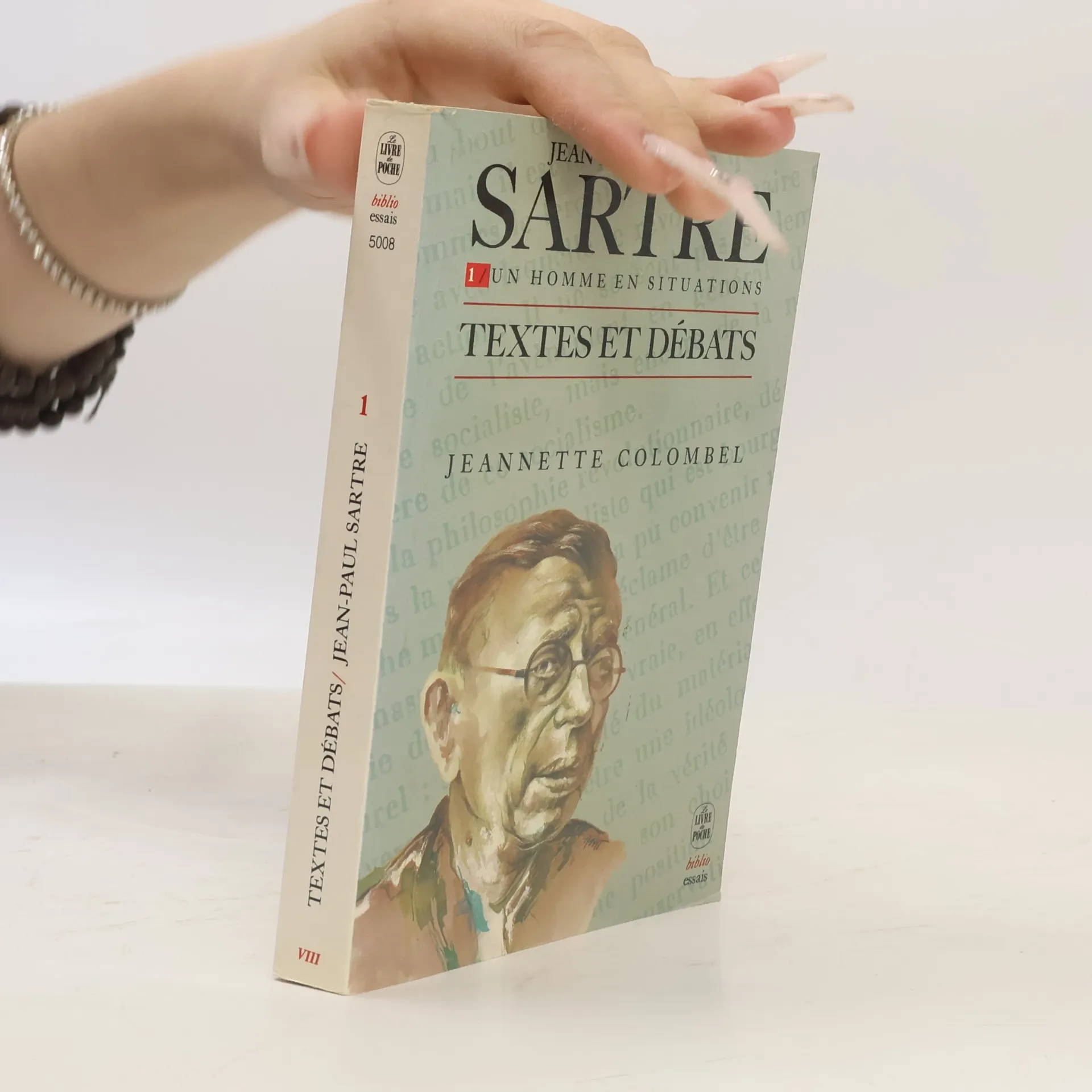
Biblio essais - 1: Textes et Débats
Un Homme en Situations
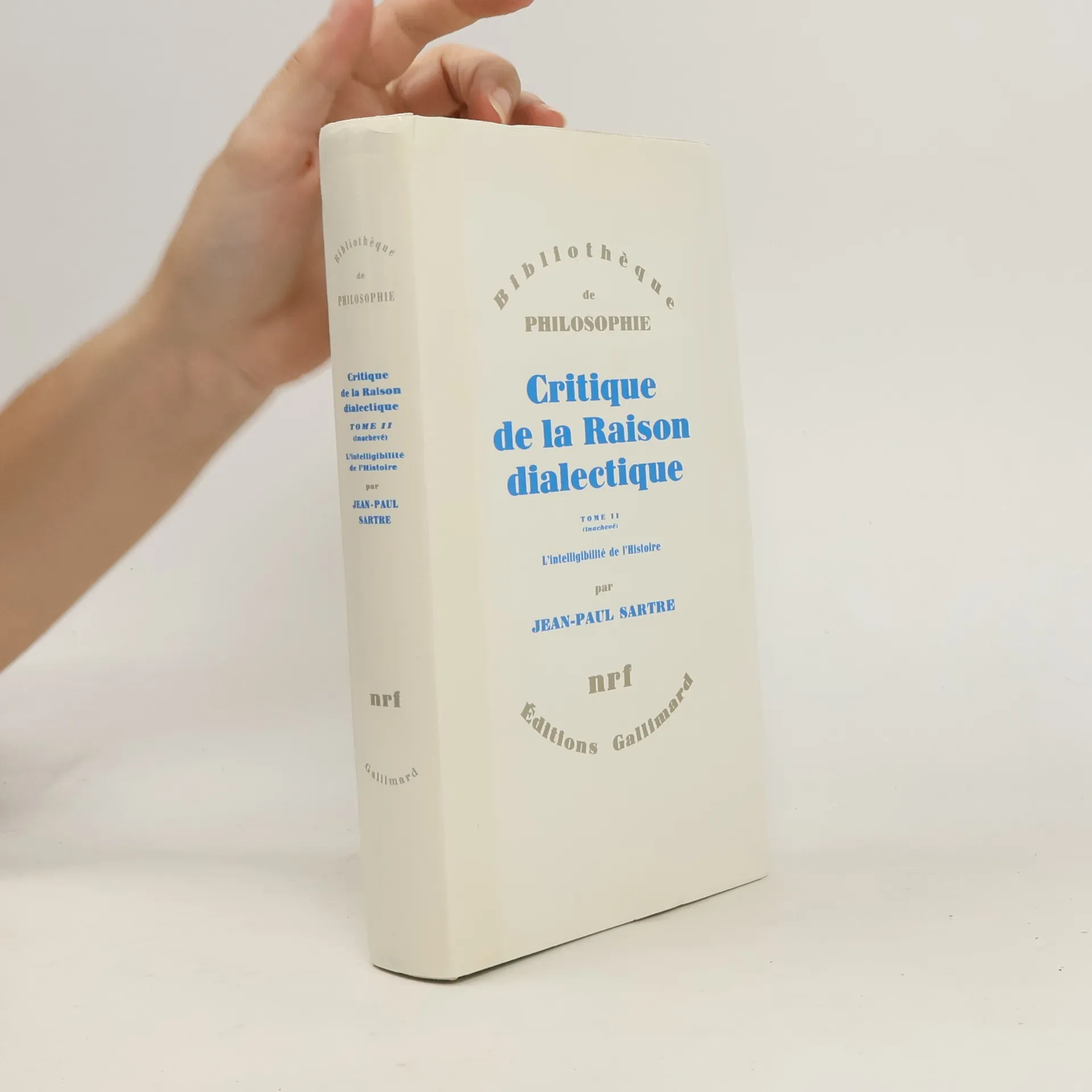
Critique de la raison dialectique. Tome 2
L'intelligibilité de l'histoire
L'histoire produit-elle un sens discernable ? Les luttes humaines sont-elles intelligibles ? Ces questions forment le point de départ du deuxième volume de la Critique de la Raison dialectique de Sartre. Le cadre théorique du Volume Deux est une extension logique de celui du prédécesseur. Comme dans le Volume Un, Sartre progresse en passant du simple au complexe : du combat individuel (à travers une étude perspicace de la boxe) à la lutte des sous-groupes au sein d'une forme de groupe organisé et, enfin, à la lutte sociale, avec une analyse approfondie de la Révolution bolchevique. Le livre se conclut par une réaffirmation forte de la raison dialectique : de la dialectique comme « ce qui est véritablement irréductible dans l'action ».
Anti-Semite and Jew
- 153pagine
- 6 ore di lettura
With a new preface by Michael WalzerJean-Paul Sartre's book is a brilliant portrait of both anti-Semite and Jew, written by a non-Jew and from a non-Jewish point of view. Nothing of the anti-Semite either in his subtle form as a snob, or in his crude form as a gangster, escapes Sartre's sharp eye, and the whole problem of the Jew's relationship to the Gentile is examined in a concrete and living way, rather than in terms of sociological abstractions.
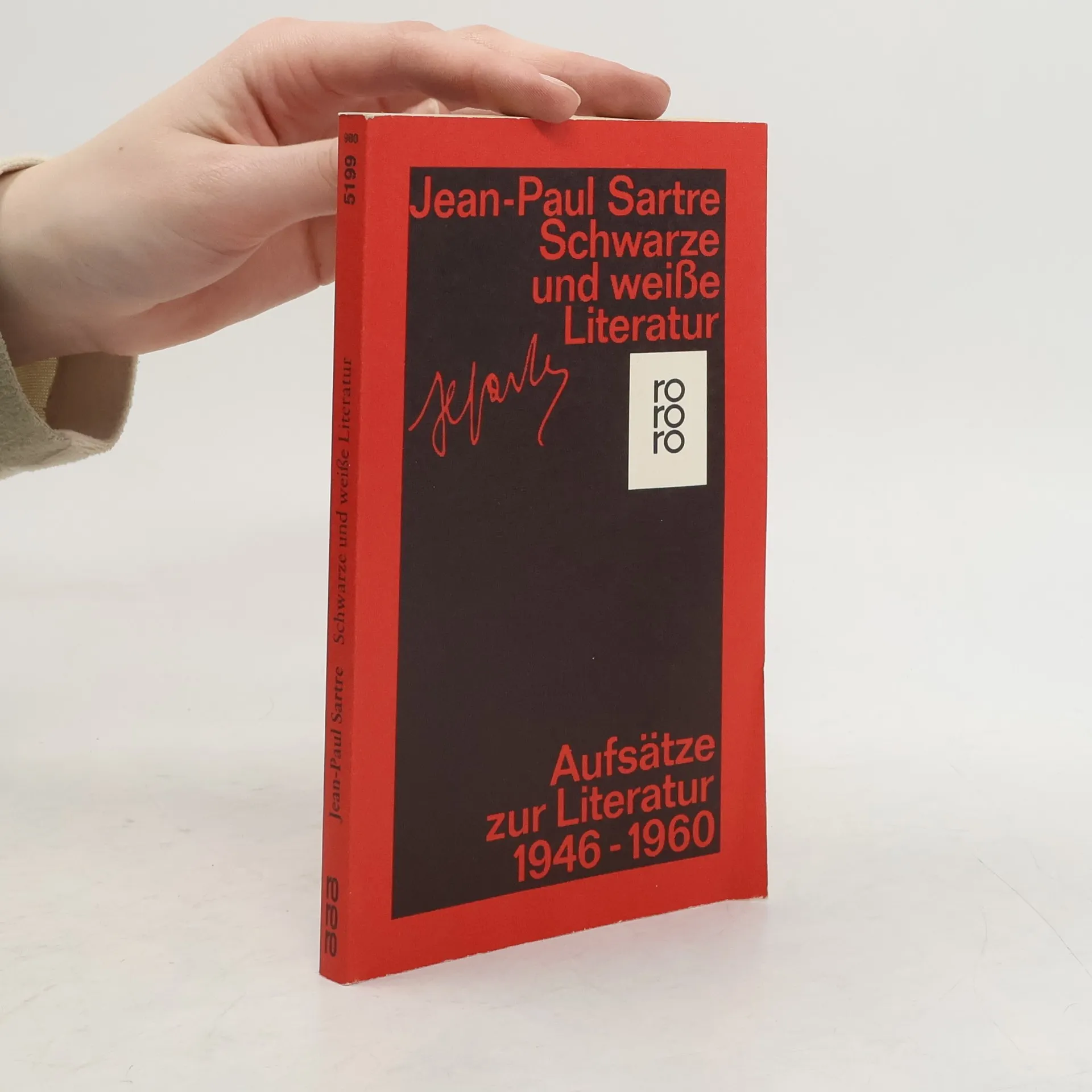
Diese Aufsätze Sartres zeigen die bis heute unüberbrückbare Kluft zwischen der Literatur von Schwarzen und Weißen. Die beiden umfangreichsten und bedeutsamsten Arbeiten sind "Schwarzer Orpheus", ein Text zur französischsprachigen Lyrik schwarzer Dichter, und "Von Ratten und Menschen", eine Einführung in das autobiographische Bekenntnisbuch "Der Verräter" von André Gorz.
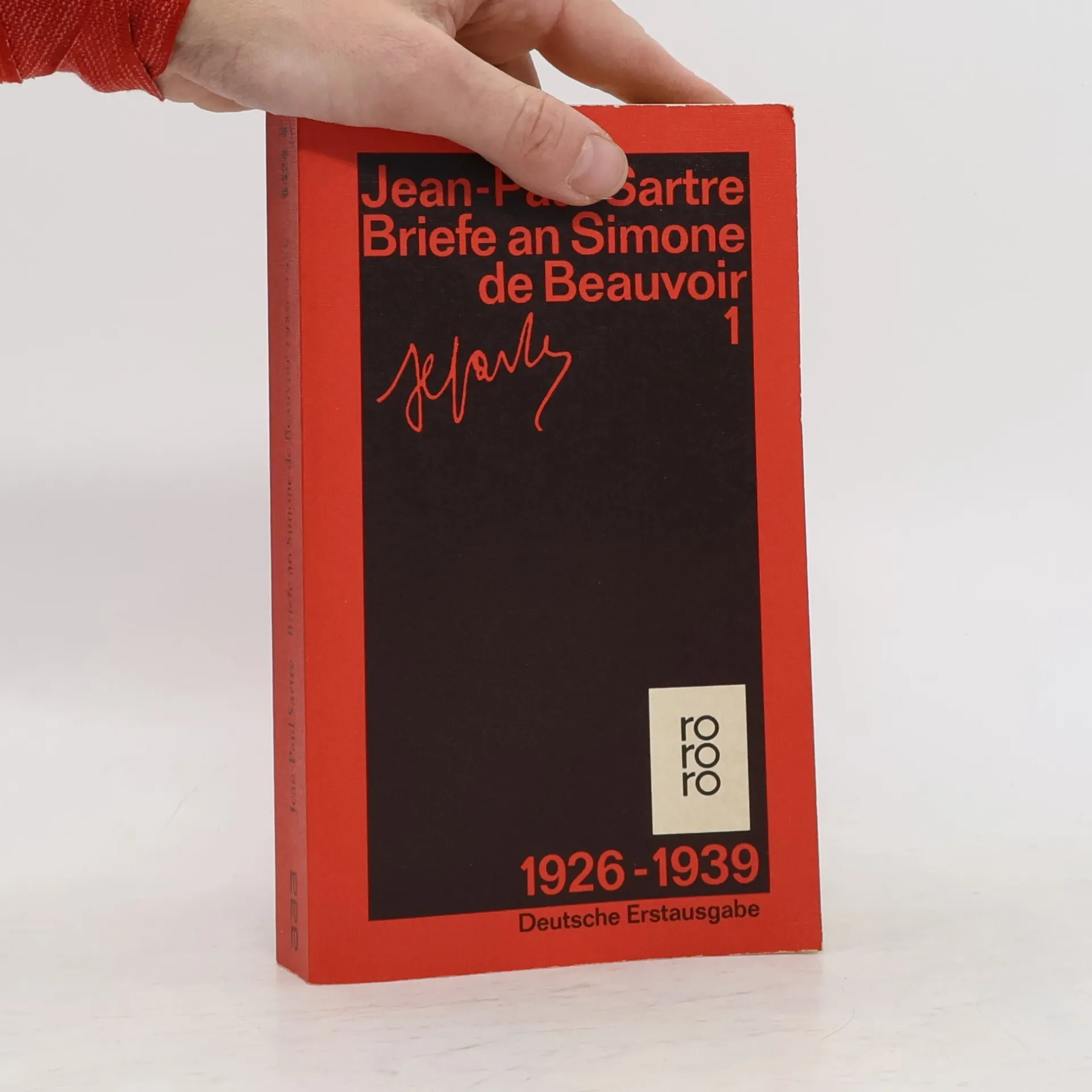
Briefe an Simone de Beauvoir 1929 - 1939
- 541pagine
- 19 ore di lettura
Das Reizvolle und Erstaunliche der Briefe Sartres an Simone de Beauvoir und einige wenige andere ist die schonungslose Offenheit, mit der er sich sieht und selbstironisch schildert. Schon in seinen frühen Briefen kündigt sich die unbestechliche Haltung an, die er zeit seines Lebens gegenüber sich selbst und allen Geschehnissen in der Welt beibehielt, die sein philosophisches Werk und sein politisches Engagement prägte und ihm bei Anhängern und sogar bei Kritikern den Ruf einbrachte, eine Art Weltgewissen zu sein.
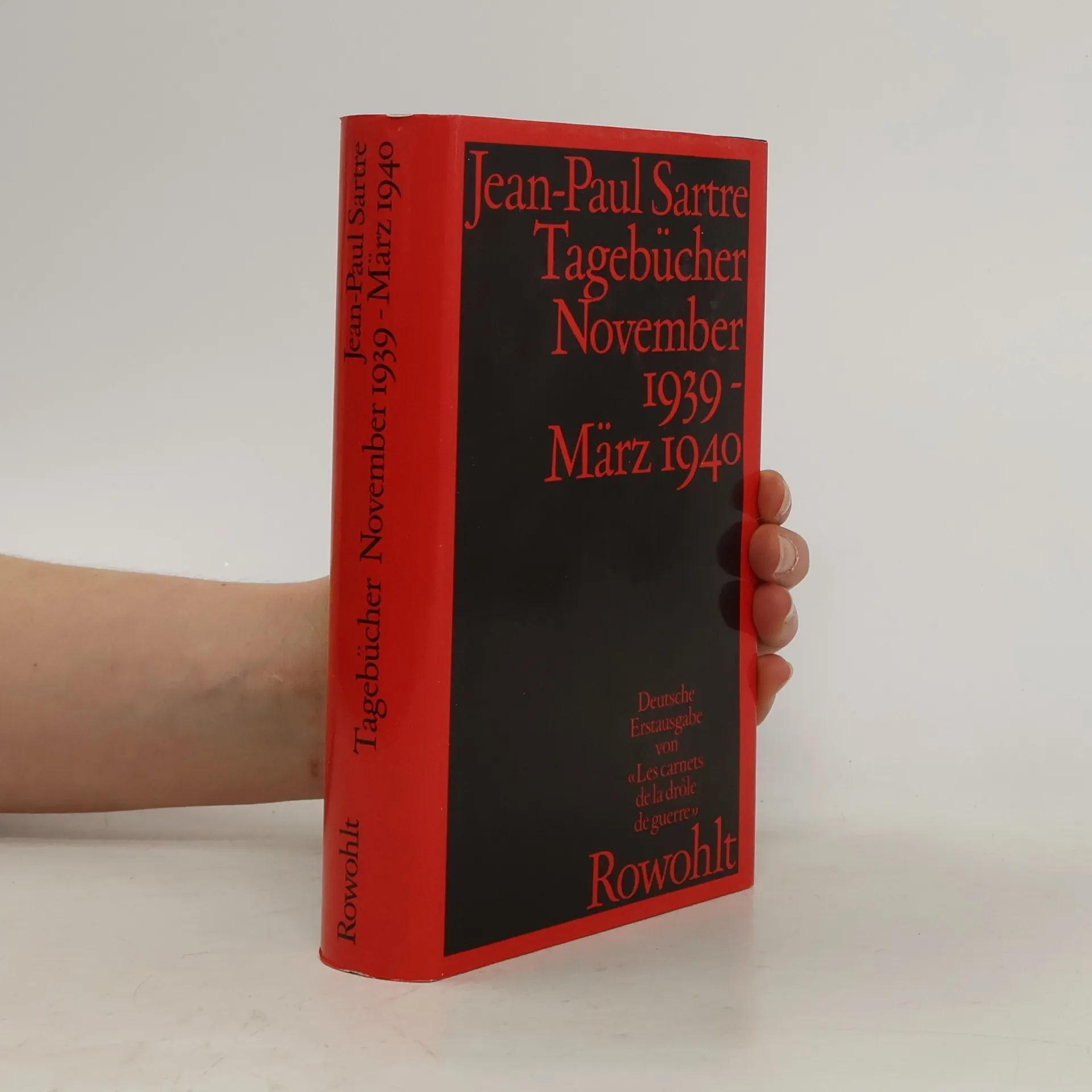
Tagebücher November 1939 - März 1940
- 526pagine
- 19 ore di lettura
Geboren am 21.06.1905, wuchs er nach dem frühen Tod seines Vaters 1906 bis zur Wiederheirat seiner Mutter 1917 bei seinen Großeltern in Paris auf. 1929, vor seiner Agrégation in Philosophie, lernte er seine Lebensgefährtin Simone de Beauvoir kennen, mit der er eine unkonventionelle Bindung einging, die für viele ein emanzipatorisches Vorbild wurde. Von 1931 bis 1937 war er Gymnasiallehrer in Philosophie in Le Havre und Laon, anschließend bis 1944 in Paris. 1933 war er Stipendiat des Institut Français in Berlin, wo er sich mit Husserls Philosophie auseinandersetzte. Am 02.09.1939 wurde er eingezogen und geriet 1940 in deutsche Kriegsgefangenschaft, aus der er 1941 mit gefälschten Entlassungspapieren entkam. 1943 wurde unter deutscher Besatzung sein erstes Theaterstück «Die Fliegen» aufgeführt; im selben Jahr erschien sein philosophisches Hauptwerk «Das Sein und das Nichts». Nach dem Krieg wurde seine Philosophie unter dem Schlagwort «Existenzialismus» zu einem modischen Bezugspunkt der Revolte gegen bürgerliche Lebensformen. 1964 lehnte er den Nobelpreis ab. Zahlreiche Reisen führten ihn in die USA, UdSSR, China, Haiti, Kuba, Brasilien, Nordafrika, Schwarzafrika, Israel, Japan und fast alle europäischen Länder. Er traf sich mit bedeutenden Persönlichkeiten wie Roosevelt, Chruschtschow und Mao Tse-tung. Sartre starb am 15.4.1980 in Paris. Auszeichnungen: Prix du Roman populiste für «Le mur» (1940); Nobelpreis für Literatur (1964