
Bookbot

Frans B. M. Waal

    Frans de Waal è un influente autore e primatologo il cui lavoro approfondisce il complesso mondo dell'intelligenza e del comportamento animale. Attraverso una ricerca meticolosa e una scrittura accessibile, svela le profonde capacità cognitive e le strutture sociali dei nostri parenti animali. I suoi scritti sfidano le nozioni convenzionali di unicità umana, esortando i lettori a riconsiderare il loro rapporto con il regno animale. De Waal offre una prospettiva avvincente su cosa significhi essere intelligenti e coscienti in senso lato, evidenziando la continuità tra le specie.

    Frans B. M. Waal
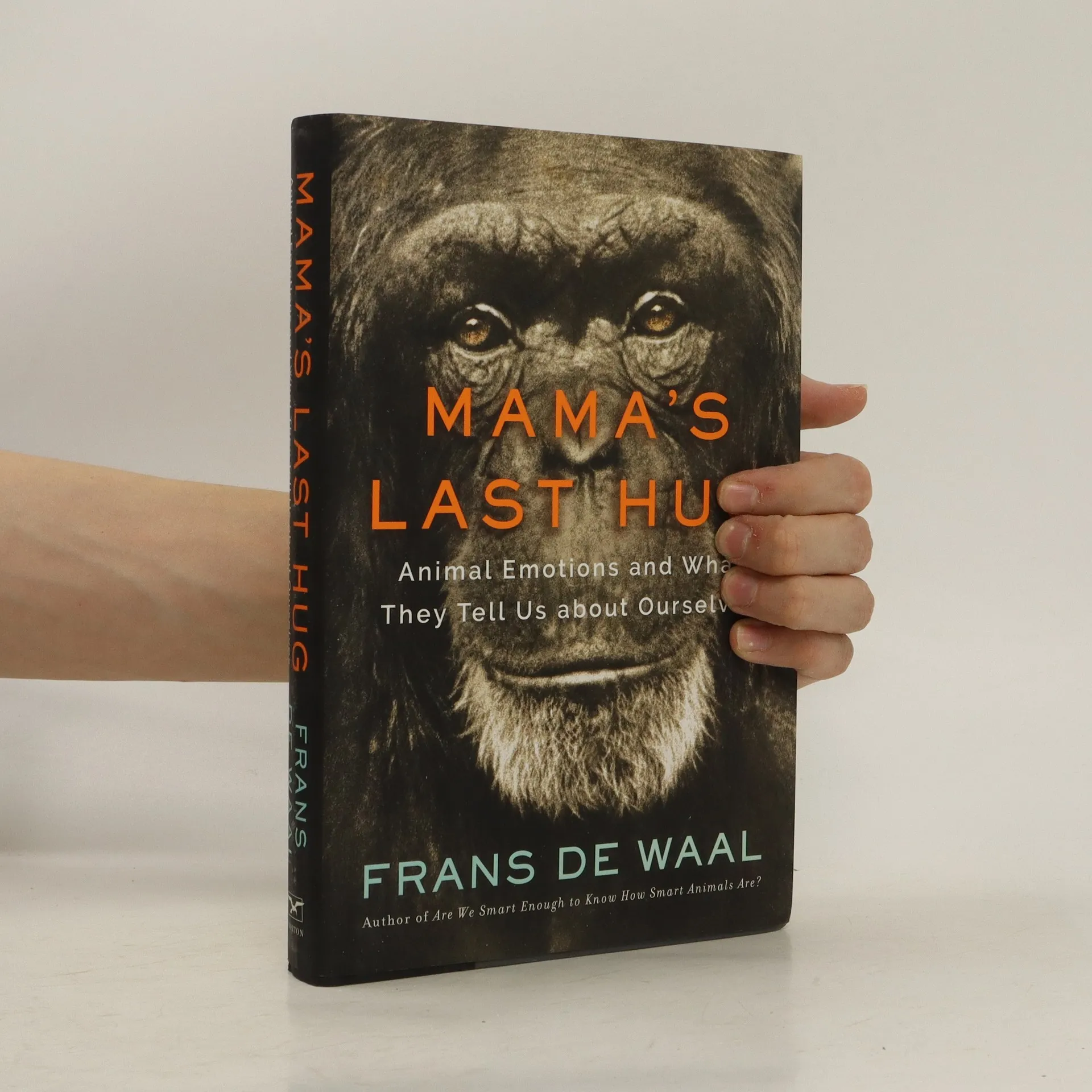
    Mama's Last Hug
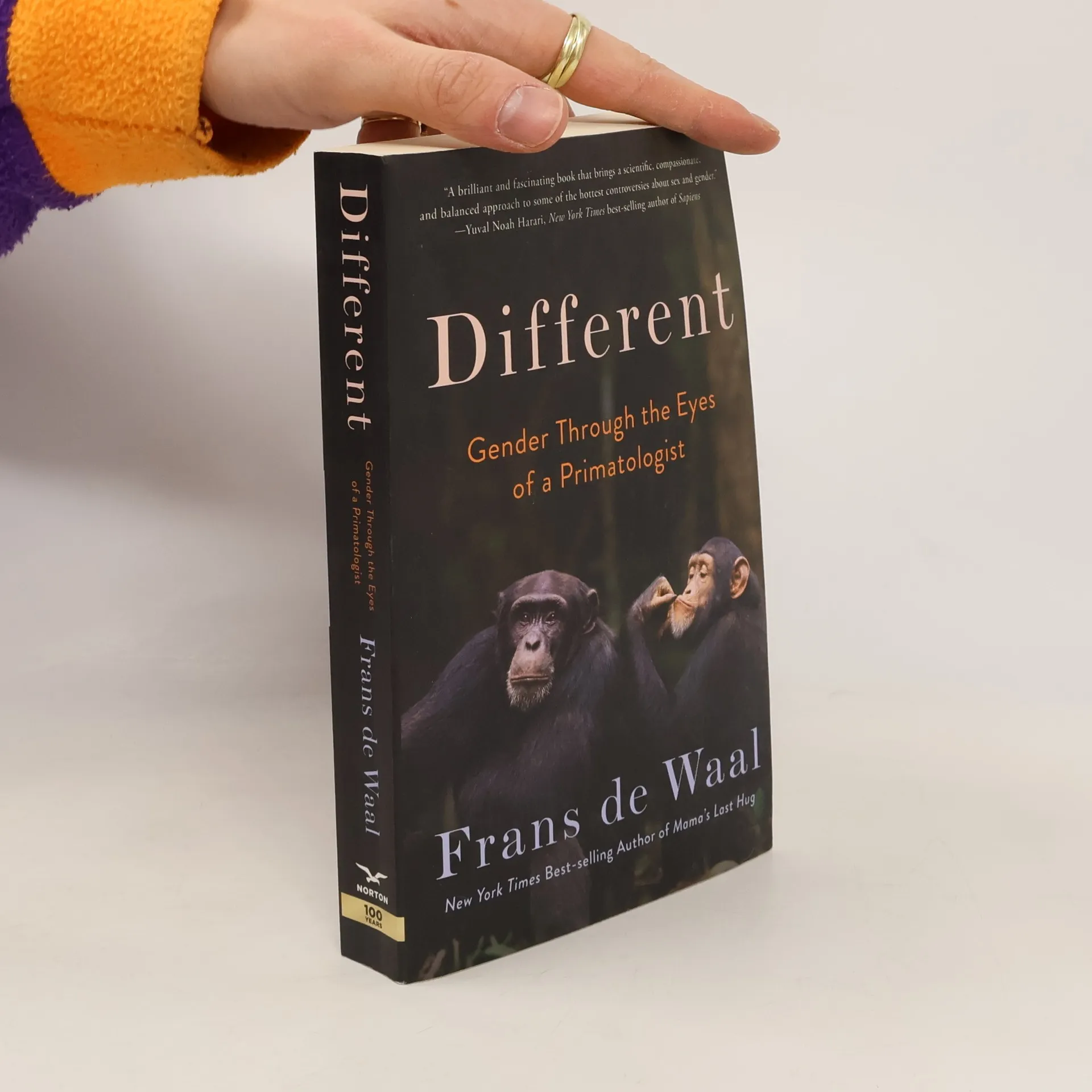
    Different
    Primates and Philosophers
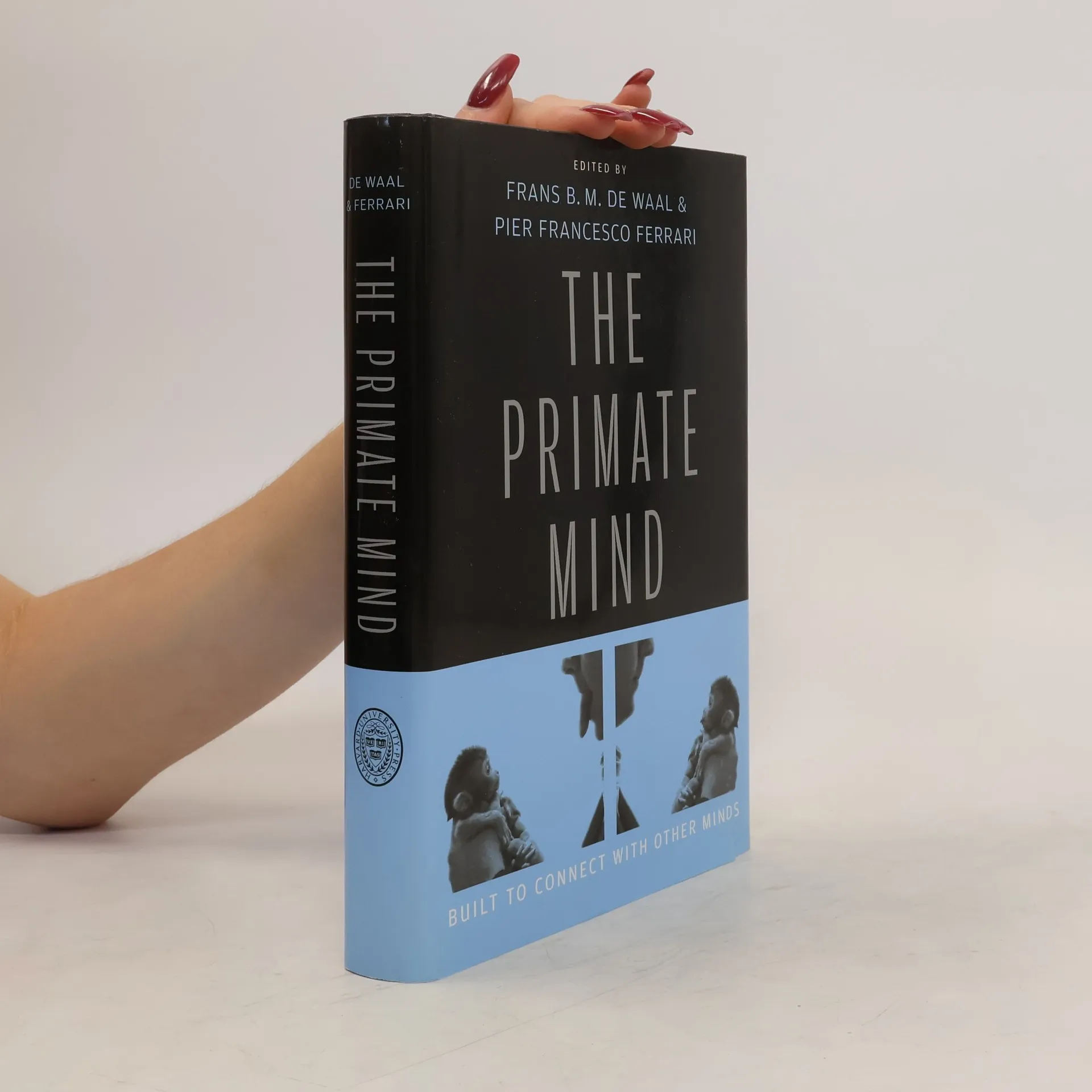
    The Primate Mind
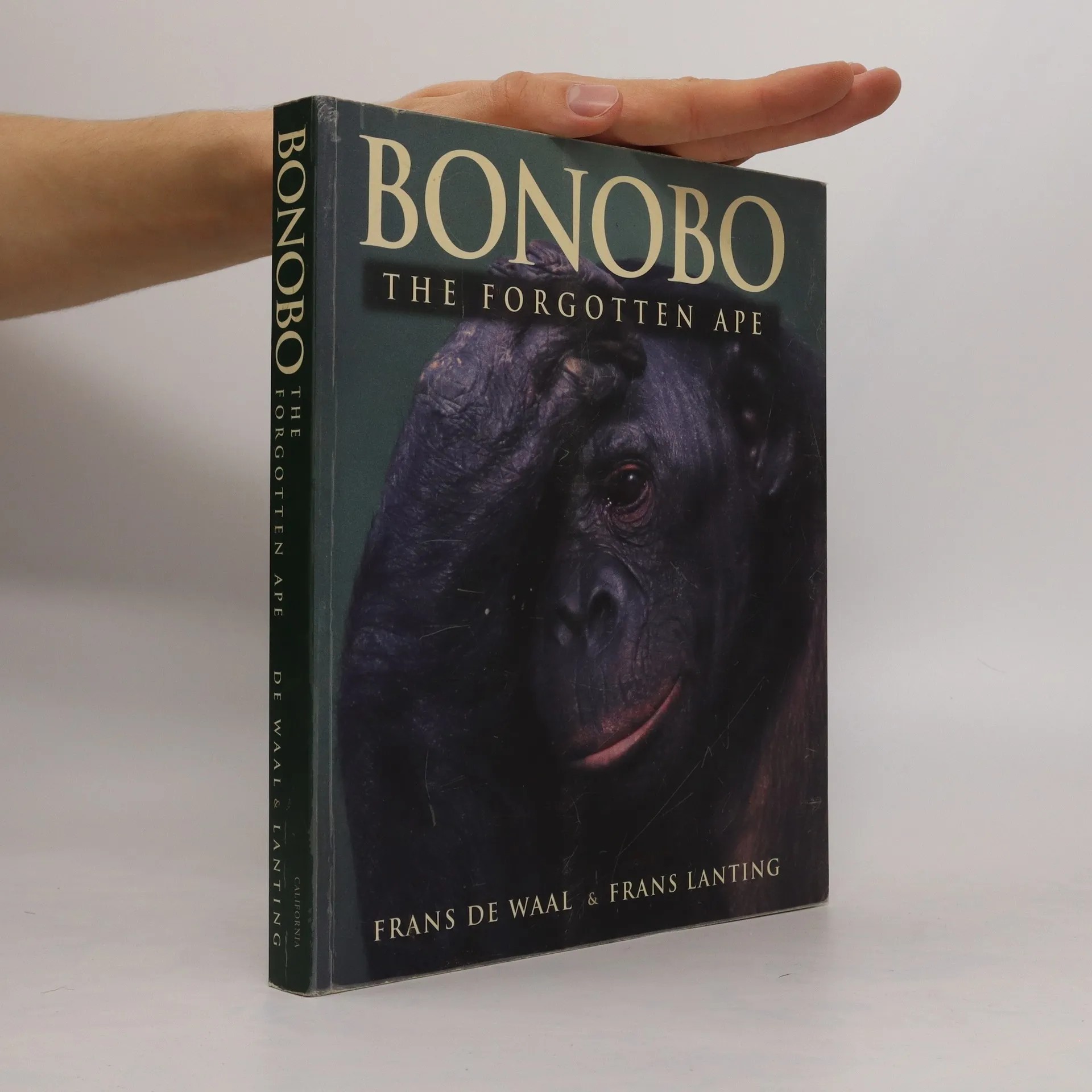
    Bonobo
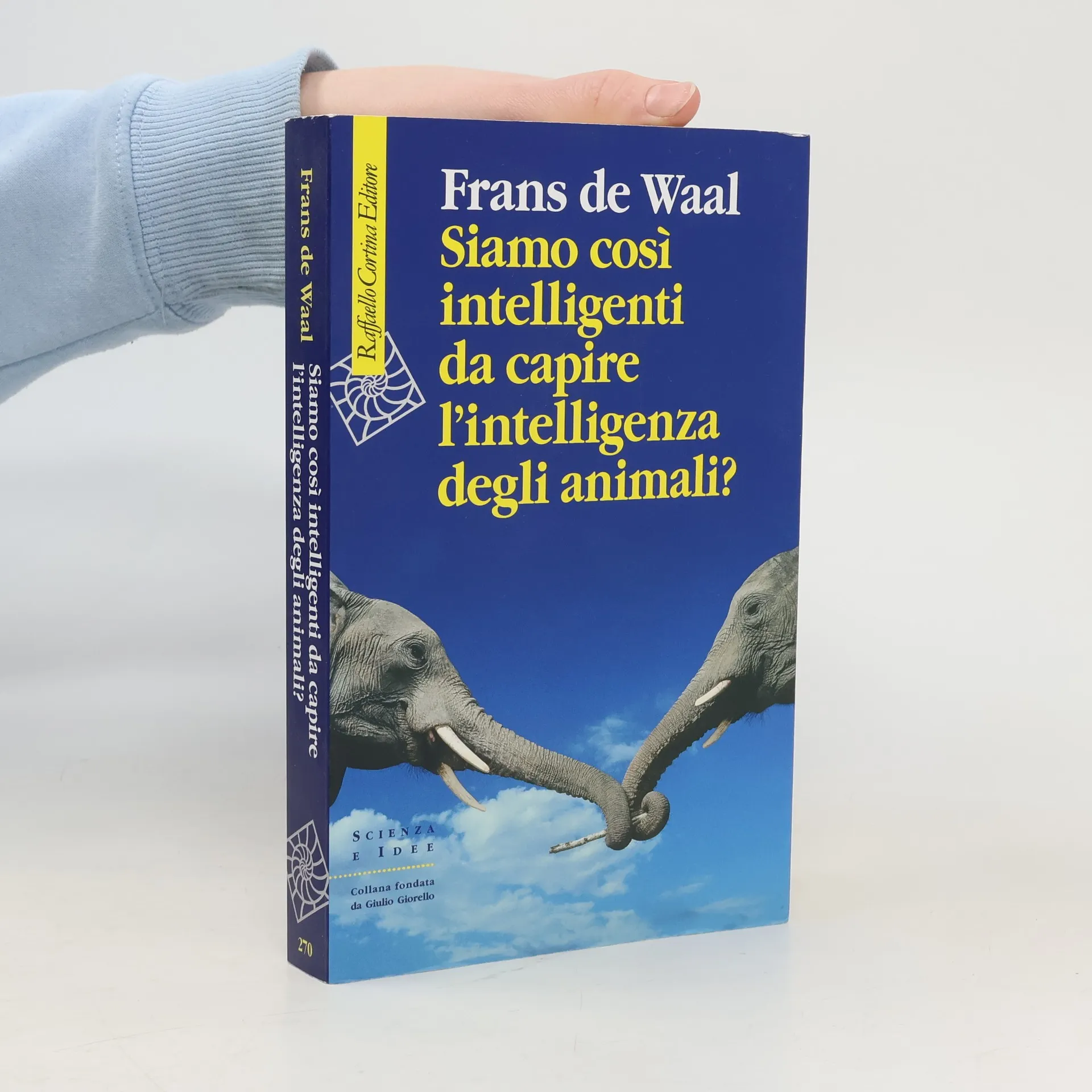
    Scienza e Idee: Siamo così intelligenti da capire l'intelligenza degli animali?
    • Che cosa distingue la nostra mente da quella di un animale? Si potrebbe pensare alla capacità di progettare utensili o alla comprensione del passato, che ci inducono a considerare noi stessi come la specie più eminente del pianeta. In anni recenti, però, queste affermazioni sono state confutate da una rivoluzione nello studio della cognizione animale. Se consideriamo il modo in cui i polpi usano le noci di cocco per mimetizzarsi o la prodigiosa memoria di cui dà prova un giovane scimpanzé oggetto di studio all’Università di Kyoto, dobbiamo concludere che la capacità di ideare strumenti o di ricordare il passato non sono caratteristiche esclusivamente umane. Frans de Waal, che in questo ambito di studi non ha rivali al mondo, riporta qui ricerche condotte sulle più varie specie, dai delfini alle pecore, dalle vespe ai pipistrelli, per mostrare quanto sia vasta l’intelligenza degli animali e quanto noi siamo stati sciocchi a sottovalutarne le capacità così a lungo.
      Scienza e Idee: Siamo così intelligenti da capire l'intelligenza degli animali?
    • Bonobo

      • 200pagine
      • 7 ore di lettura

      Primatologist Frans de Waal and wildlife photographer Frans Lanting present the most up-to-date perspective available on the bonobo, the least known of the great apes. 75 color plates.

      Bonobo
    • "Can virtuous behavior be explained by nature, and not by human rational choice? In Primates and philosophers, renowned primatologist Frans de Waal explores the biological foundations of one of humanity's most cherished traits: morality. Drawing on Darwin, recent scientific advances, and his extensive research of primate behavior, de Waal argues that modern-day evolutionary biology incorrectly reinforces our habit of labeling ethical behavior as humane and the less civilized as animalistic. His compelling account of how human morality evolved out of mammalian society will fascinate anyone who has ever wondered about the origins and reach of human goodness."--Page 4 of cover

      Primates and Philosophers
    • Different

      • 400pagine
      • 14 ore di lettura

      "New York Times best-selling author and world-renowned primatologist Frans de Waal explores sex and gender in both humans and other animals. Though many scholars now argue that gender differences are purely a product of socialization, primatologist Frans de Waal illustrates in Different the scientific, evolutionary basis for gender differences in humans, drawing on his decades of experience working with our closest ape relatives: chimpanzees and bonobos. De Waal illuminates their behavioral and biological differences, and compares and contrasts them with human behavior: male domination and territoriality in chimpanzees and the female-led pacific society of bonobos. In his classic conversational style and a narrative rich in anecdotes and wry observations, de Waal tackles topics including gender identity, sexuality, gender-based violence, same-sex rivalry, homosexuality, friendship, and nurturance. He reveals how evolutionary biology can inform a more nuanced-and equitable-cultural understanding of gender. Ultimately, he argues, our two nearest primate relatives are equally close to us, and equally relevant. Considering all available evidence, we can learn much about ourselves and embrace our similarities as well as our differences."-- Provided by publisher

      Different
    • Mama's Last Hug

      • 336pagine
      • 12 ore di lettura

      A whirlwind tour of new ideas and findings about animal emotions, based on de Waal's studies of the social and emotional lives of chimpanzees, bonobos, and other primates. De Waal discusses facial expressions, animal sentience and consciousness, Mama's life and death, the emotional side of human politics, and the illusion of free will. He distinguishes between emotions and feelings, all the while emphasizing the continuity between our species and other species. And he makes the radical proposal that emotions are like organs: we don't have a single organ that other animals don't have, and the same is true for our emotions -- Adapted from publisher's description

      Mama's Last Hug
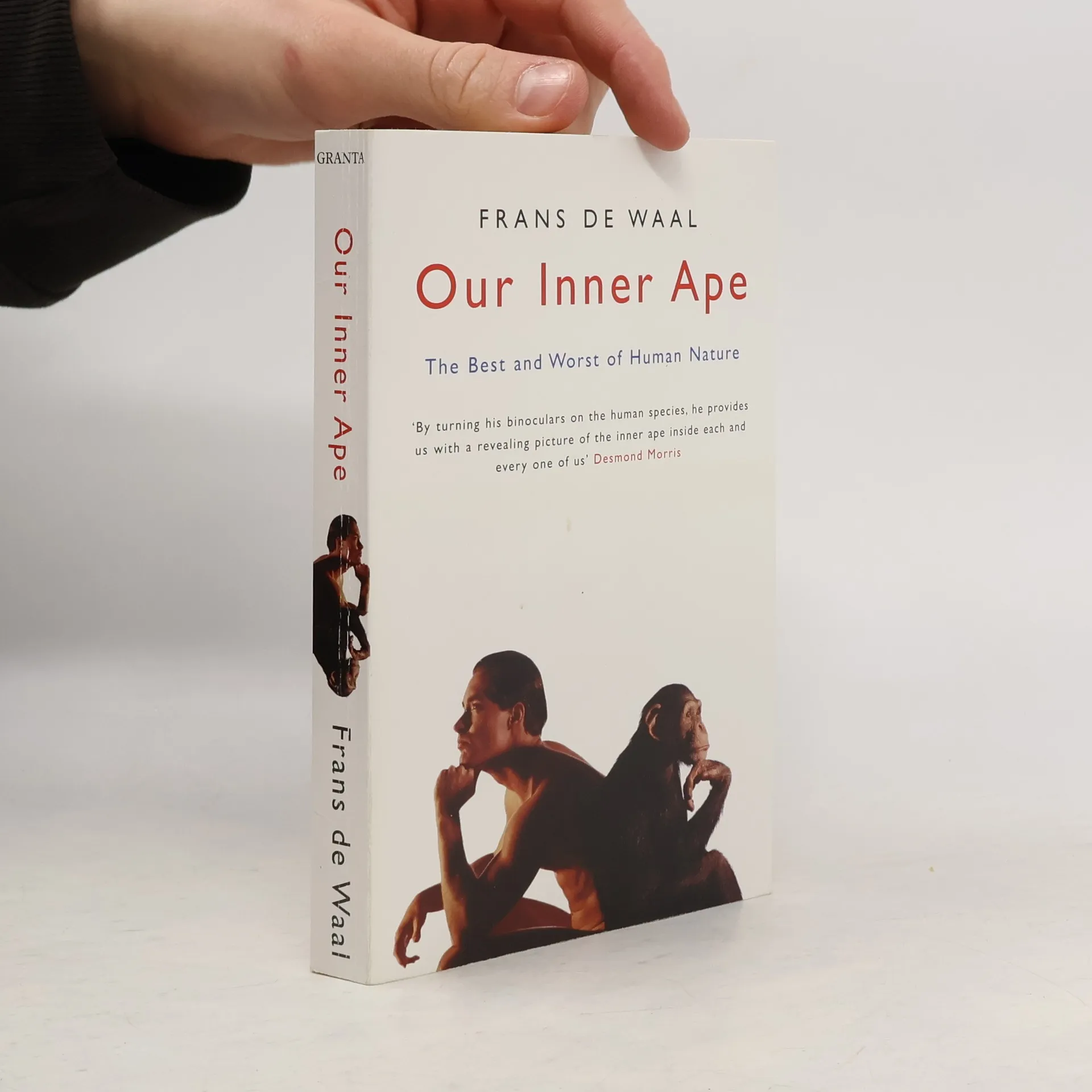
    • We have long attributed man's violent, aggressive, competitive nature to his animal ancestry. But what if we are just as given to cooperation, empathy, and morality by virtue of our genes? From a scientist and writer whom E.O. Wilson has called 'the world authority on primate social behavior' comes a lively look at the most provocative aspects of human nature - power, sex, violence, kindness, and morality - through our two closest cousins in the ape family. For nearly 20 years, Frans de Waal has worked with both the famously aggressive chimpanzee and the lesser-known egalitarian, erotic, matriarchal bonobo, two species whose DNA is nearly identical to that of humans. He brings these apes to life on every page, revealing their personalities, relationships, and power struggles, creating an engrossing narrative that explores what their behaviour can teach us about ourselves and each other.

      Our Inner Ape
    • The Bonobo and the Atheist

      • 304pagine
      • 11 ore di lettura

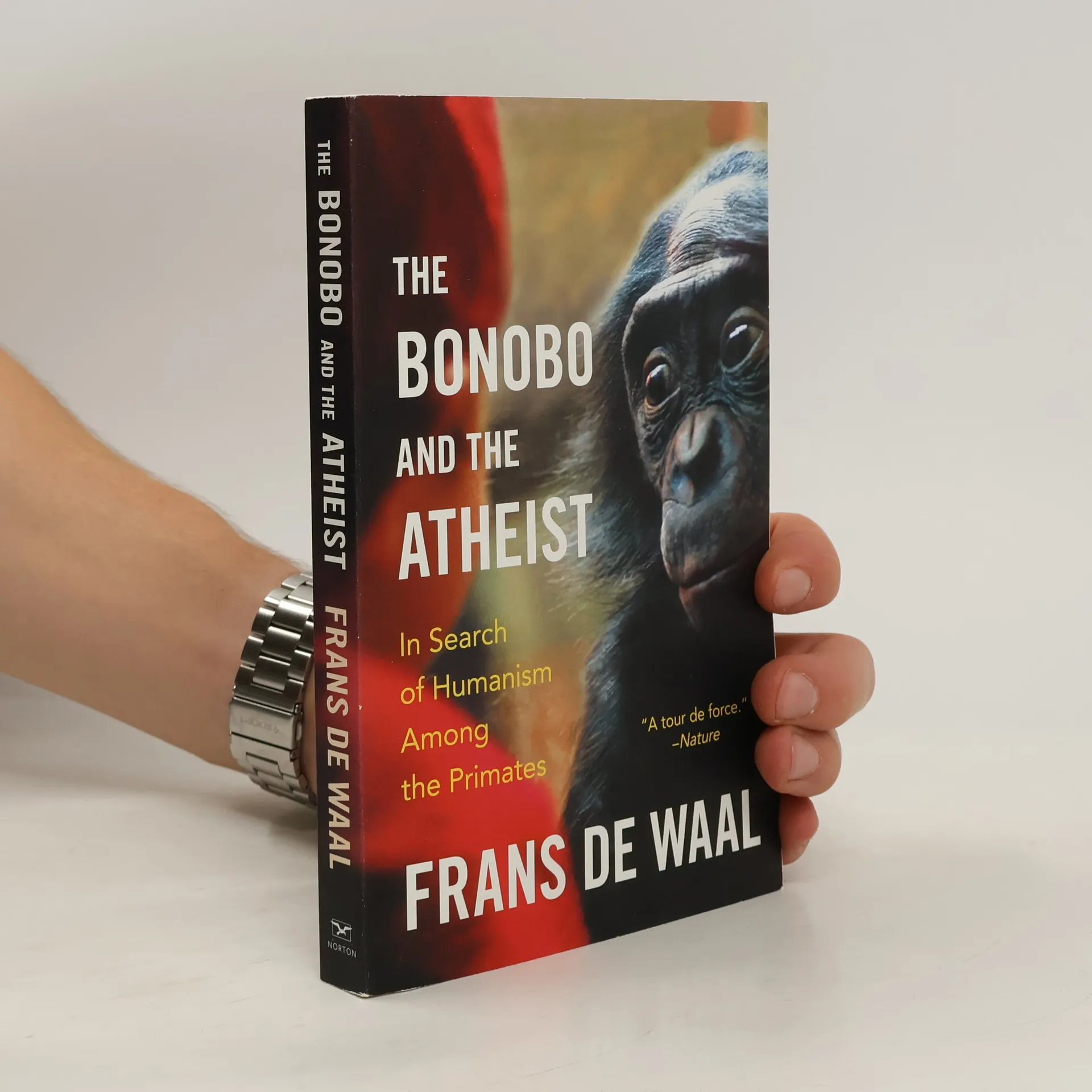
      In this lively and illuminating discussion of his landmark research, esteemed primatologist Frans de Waal argues that human morality is not imposed from above but instead comes from within. Moral behavior does not begin and end with religion but is in fact a product of evolution.

      The Bonobo and the Atheist
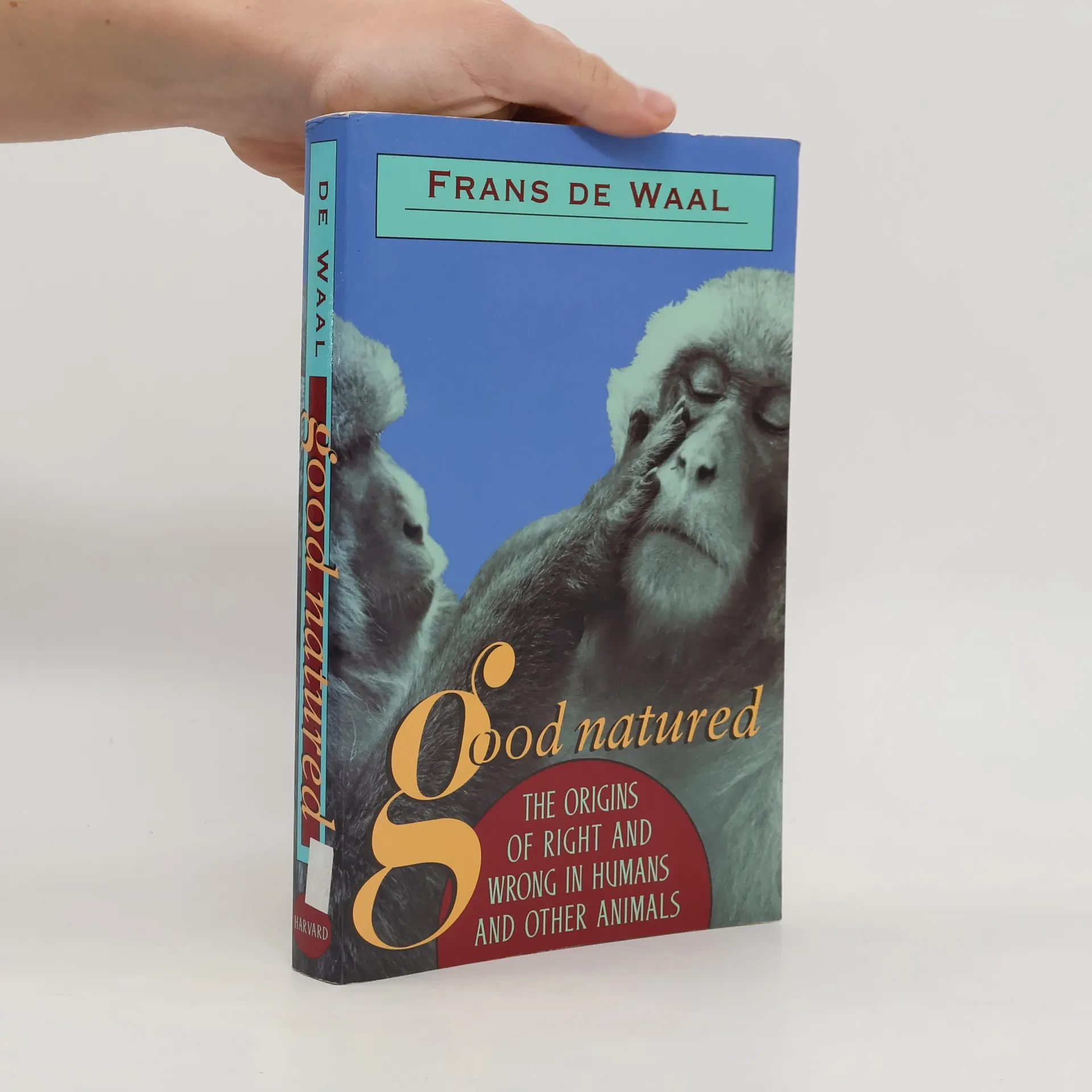
    • Though many scholars now argue that gender differences are purely a product of socialization, primatologist Frans de Waal illustrates in Different the scientific, evolutionary basis for gender differences in humans, drawing on his decades of experience working with our closest ape relatives: chimpanzees and bonobos. De Waal illuminates their behavioral and biological differences, and compares and contrasts them with human behavior: male domination and territoriality in chimpanzees and the female-led pacific society of bonobos.In his classic conversational style and a narrative rich in anecdotes and wry observations, de Waal tackles topics including gender identity, sexuality, gender-based violence, same-sex rivalry, homosexuality, friendship, and nurturance. He reveals how evolutionary biology can inform a more nuanced—and equitable—cultural understanding of gender. Ultimately, he argues, our two nearest primate relatives are equally close to us, and equally relevant. Considering all available evidence, we can learn much about ourselves and embrace our similarities as well as our differences.

      Different
    • From the New York Times bestselling author of Mama's Last Hug and Are We Smart Enough to Know How Smart Animals Are?, a provocative argument that apes have created their own distinctive cultures In The Ape and the Sushi Master, eminent primatologist Frans de Waal corrects our arrogant assumption that humans are the only creatures to have made the leap from the natural to the cultural domain. The book's title derives from an analogy de Waal draws between the way behavior is transmitted in ape society and the way sushi-making skills are passed down from sushi master to apprentice. Like the apprentice, young apes watch their group mates at close range, absorbing the methods and lessons of each of their elders' actions. Responses long thought to be instinctive are actually learned behavior, de Waal argues, and constitute ape culture. A delightful mix of intriguing anecdote, rigorous clinical study, adventurous field work, and fascinating speculation, The Ape and the Sushi Master shows that apes are not human caricatures but members of our extended family with their own resourcefulness and dignity.

      The Ape and the Sushi Master