Lettere da Roma. "Peccato che non si possa vivere sempre qui"
- 128pagine
- 5 ore di lettura


Sigmund Freud si afferma come una delle menti più influenti del XX secolo, fondatore della psicoanalisi che ha profondamente rimodellato la comprensione della psiche umana. Il suo lavoro scava a fondo nell'inconscio, esplorando i conflitti perpetui tra gli impulsi primari e le difese della mente. Attraverso la sua analisi dei sogni e lo sviluppo di un modello tripartito della mente comprendente es, io e super-io, Freud ha illuminato le complessità della personalità umana. Le sue teorie rivoluzionarie, sebbene spesso controverse, continuano a plasmare la nostra comprensione del comportamento umano, della cultura e della società.






Questo libro presenta gli scritti di Freud che hanno dato inizio a un modo nuovo di considerare il mondo psichico infantile, in un ambiente culturale, quello dell'Europa agli inizi del Novecento, in cui l''innocenza' ingenua e asessuata del bambino era un dogma intangibile. Alcuni di questi scritti sono ormai dei classici, che hanno destato la curiosità e l'interesse di ambienti anche motto lontani dalla cerchia degli specialisti, come "Il piccolo Hans" (1919) e "L'uomo dei lupi" (1914). Seguono altri saggi che, come "L'istruzione sessuale del fanciullo" (1907) o "Teorie sessuali infantili" (1908), consentono al lettore di formarsi una visione completa del mondo psichico infantile. Un ampio quadro del pensiero psicoanalitico sui problemi dello sviluppo psichico infantile, indispensabile per quanti, genitori, educatori, insegnanti, vogliono capire il complesso e ricchissimo mondo dei bambini.
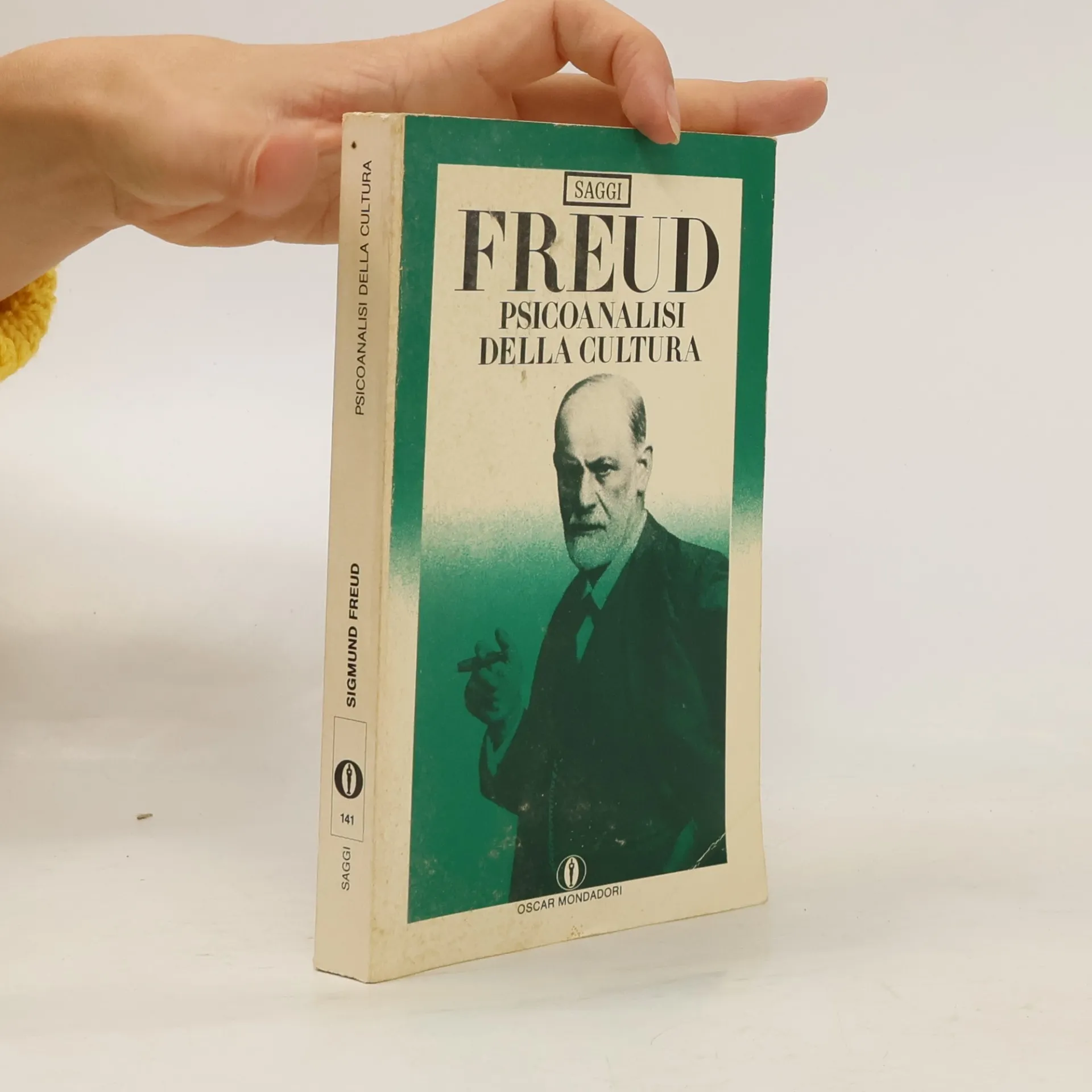
Straordinariamente attuali, questi saggi propongono la critica alle ipocrisie della società occidentale e il giudizio sulla barbarie che minaccia di travolgerla; le meditazioni sull'anima collettiva e sulla religione, implacabilmente definita la grande illusione dell'umanità, sui fondamenti della civiltà, sugli aspetti coercitivi che la distruttività innata in tutti gli individui e la mancanza di spontaneo amore al lavoro rendono indisgiungibili dagli ordinamenti civili. La radicale coerenza di pensiero, il realismo e la sistematicità dell'analisi fanno di queste pagine, frutto di venticinque anni di riflessione, il primo studio di psicoanalisi sociale, in cui il progetto freudiano di giungere a spiegare tutta la realtà sulla base di principi scientifici innalza uno dei grandi monumenti moderni alla ragione.
Gli argomenti trattati in questo volume sono fondamentali per comprendere la sessualità e le sue perversioni. Sono inclusi i celebri Tre saggi sulla sessualità (1905) e Contributi alla psicologia della vita amorosa, insieme a saggi scritti da Freud tra il 1905 e il 1920, creando un'opera di riferimento completa. Questi testi, frutto di quindici anni di riflessioni e pratica psicoanalitica, offrono una guida per comprendere il comportamento sessuale sia infantile che adulto, affrontando temi come il tabù della verginità, la masturbazione, l'omosessualità e le perversioni. Freud spiega che i bisogni sessuali negli esseri umani e negli animali sono legati a un "istinto sessuale", paragonabile all'istinto di nutrizione. Tuttavia, il linguaggio quotidiano non ha un termine equivalente a "fame" per i bisogni sessuali, e la scienza utilizza il termine "libido". Sigmund Freud, fondatore della psicoanalisi, nacque nel 1856 a Freiberg, in Moravia. Autore di opere fondamentali come L’interpretazione dei sogni e Totem e tabù, insegnò all’università di Vienna fino al 1938, quando fu costretto a fuggire in seguito all’ascesa del nazismo. Morì a Londra nel 1939, dove si era rifugiato con la famiglia.
Un triangolo ai cui vertici si trovano la bella ebrea russa Sabina Spielrein, Sigmund Freud e Carl Gustav Jung. Un episodio cruciale nella storia del movimento psicoanalitico, una vicenda umana in cui si intrecciano una guarigione analitica, un'avventura spirituale e l'esplosione di un amore impossibile. Un episodio sconosciuto, fino alla avventurosa scoperta di un fascio di documenti contenente le lettere dei tre protagonisti e il diario segreto di Sabina. Un libro che continua a suscitare la curiosità dei lettori e ha gettato nuova luce sulle origini della psicoanalisi e sulla nascita di alcune idee centrali del Ventesimo secolo.
I saggi raccolti in questo volume sono tra i più vivaci di Freud in campo non specificamente psicopatologico e tecnico-terapeutico. Alla luce delle sue teorie dell'inconscio, Freud si inoltra, infatti, nel territorio ancora inesplorato dell'interpretazione psicoanalitica dell'arte e della personalità dell'artista, cercando di sviscerare la natura del fenomeno creativo. Avvalendosi di materiale documentario e di ricordi d'infanzia, egli tenta una ricostruzione a ritroso della presunta dinamica psichica di noti "geni", convinto che la loro opera sia spesso un esito sublimato di una potente sessualità deviata. Questi scritti testimoniano l'interesse di Freud per la razionalizzazione di manifestazioni umane anche apparentemente meno soggette a un simile approccio.
Frente a la revisión del concepto de libido emprendida por sus discípulos Adler y Jung, Sigmund Freud (1856-1939) mantiene, en INTRODUCCIÓN AL NARCISISMO, la identificación del eros con el impulso sexual, pero yuxtapone una nueva polaridad que actúa en el propio seno de la libido, la cual puede alternativamente proyectarse en un objeto exterior o dirigirse de forma narcisista hacia dentro. Completan el volumen OTROS ENSAYOS que ilustran la perspectiva de Freud acerca de diversos temas recurrentes en la práctica psicoanalítica.
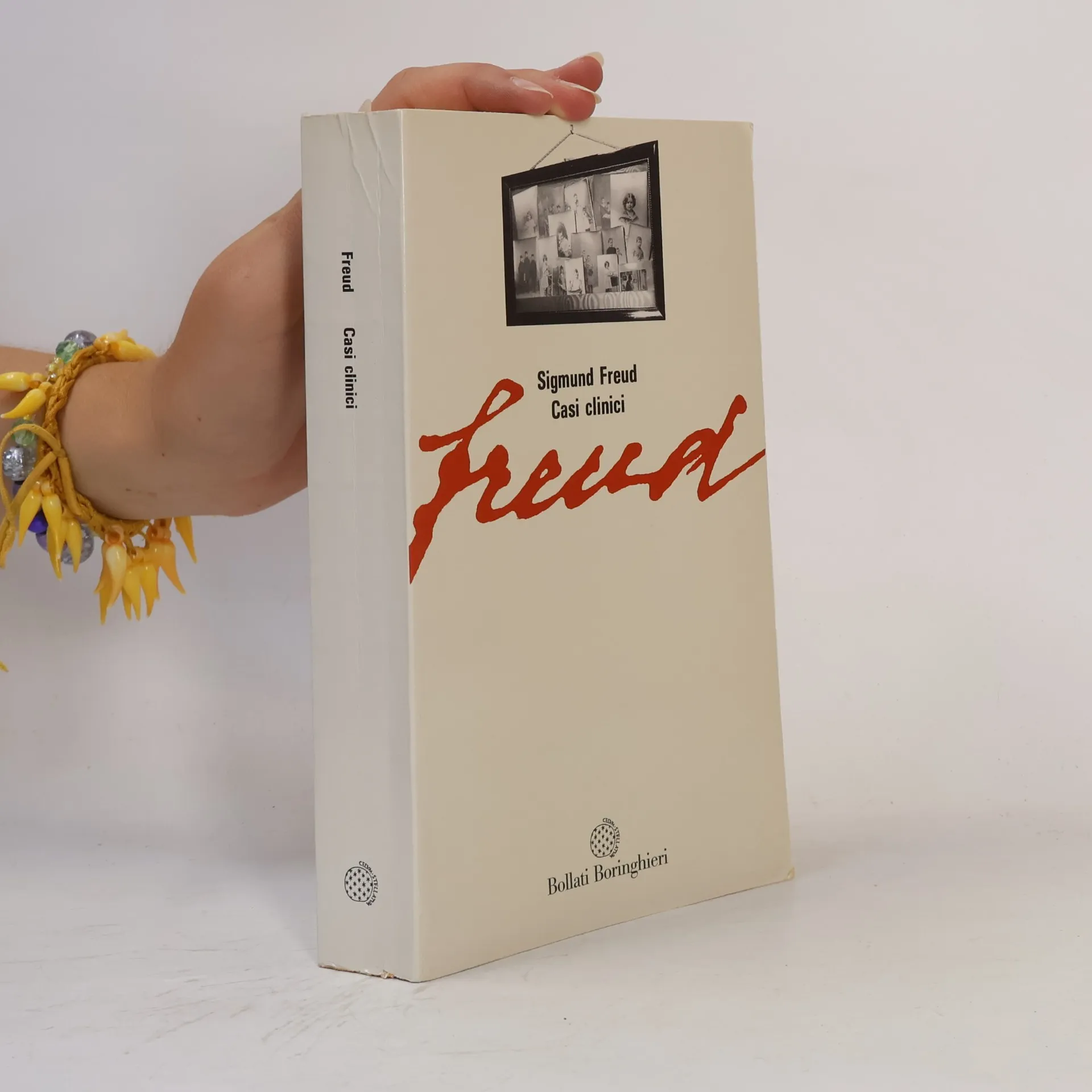
I casi clinici raccolti in questo volume furono pubblicati da Freud in un arco di tempo che va dal 1905 al 1920. Sin dalla loro prima comparsa, hanno rappresentato, e ancora oggi rappresentano, un fondamentale punto di incontro e di confronto tecnico per gli addetti ai lavori, ma anche uno strumento importante per chiunque voglia conoscere e approfondire il percorso di riflessione scientifica del fondatore della psicoanalisi. Questo volume rappresenta, in tal senso, un’opera di riferimento imprescindibile e contiene: Il caso di Dora, Il caso del piccolo Hans, Il caso dell’uomo dei topi, Il caso di Schreber, Il caso dell’uomo dei lupi, Un caso di paranoia in contrasto con la teoria psicoanalitica della malattia e Psicogenesi di un caso di omosessualità in una donna .
Il disagio della civiltà è un'opera di grande respiro culturale che apre la psicoanalisi alle tematiche legate alla situazione dell'uomo contemporaneo e al suo destino. Freud indaga il rapporto dell'individuo con la società da un punto di vista decisivo, volto a mettere in luce la necessaria limitazione delle possibilità di gratificazione del singolo. Il desiderio umano non può sfuggire alle imposizioni e alle restrizioni dell'ordine sociale, con conseguenze fatali sulla psiche degli individui. "L'avvenire di un'illusione" rappresenta un essenziale contributo all'approfondimento della natura della credenza religiosa. La psicoanalisi si ritiene in grado di legare la religione alla natura del desiderio umano, al suo strutturale restare inappagato. Si svela la genesi psichica delle rappresentazioni religiose in un confronto con il modo di procedere dei sogni, che mette in luce come esse nascondano, ma anche rivelino i processi più profondi dell'animo umano. Sommario fornito dall'editore
"Psicopatologia della vita quotidiana" descrive una delle strade più celebri percorse da Freud per raggiungere l'inconscio: l'interpretazione dei lapsus, delle dimenticanze, delle sviste, di tutte quelle disattenzioni apparentemente insignificanti, così frequenti nella nostra vita quotidiana. Ideale continuazione de "L'interpretazione dei sogni", quest'opera estende il metodo alle manifestazioni della veglia che tradiscono la presenza e la pressione degli impulsi inconsci.
All'inizio dello studio della problematica contenuta in quest'opera si trova l'osservazione di Sigmund Freud che le fantasie dei neurotici somigliano ai miti e alle cosmogonie delle antiche popolazioni. Le esequie raccolte nel lavoro rappresentano un tentativo di applicare la psicoanalisi a questioni di etnologia, etnografia, antropologia e religione. Freud analizza il totemismo come sistema religioso-sociale e la sua funzione nella regolazione delle relazioni sociali nelle società primitive. Il suo approccio all'analisi del tabù e delle somiglianze con il comportamento dei neurotici compulsivi è originale, così come la descrizione della nascita della coscienza e dell'ambivalenza emotiva. Le somiglianze e le differenze tra tabù e nevrosi emergono anche nell'esplorazione dell'onnipotenza del pensiero e del complesso edipico nei bambini. L'ipotesi del banchetto totemico, come ricordo dell'omicidio del padre, diventa il punto di partenza per l'indagine del totemismo e della nascita della religione come fenomeno sociale. Le opinioni espresse possono essere accettate o affrontate con scetticismo, ma ci costringono a riflettere sui problemi dell'essere umano e della sua vita psichica. Le idee originali dell'autore continuano a ispirare e sono oggetto di discussione anche nelle altre scienze umane.
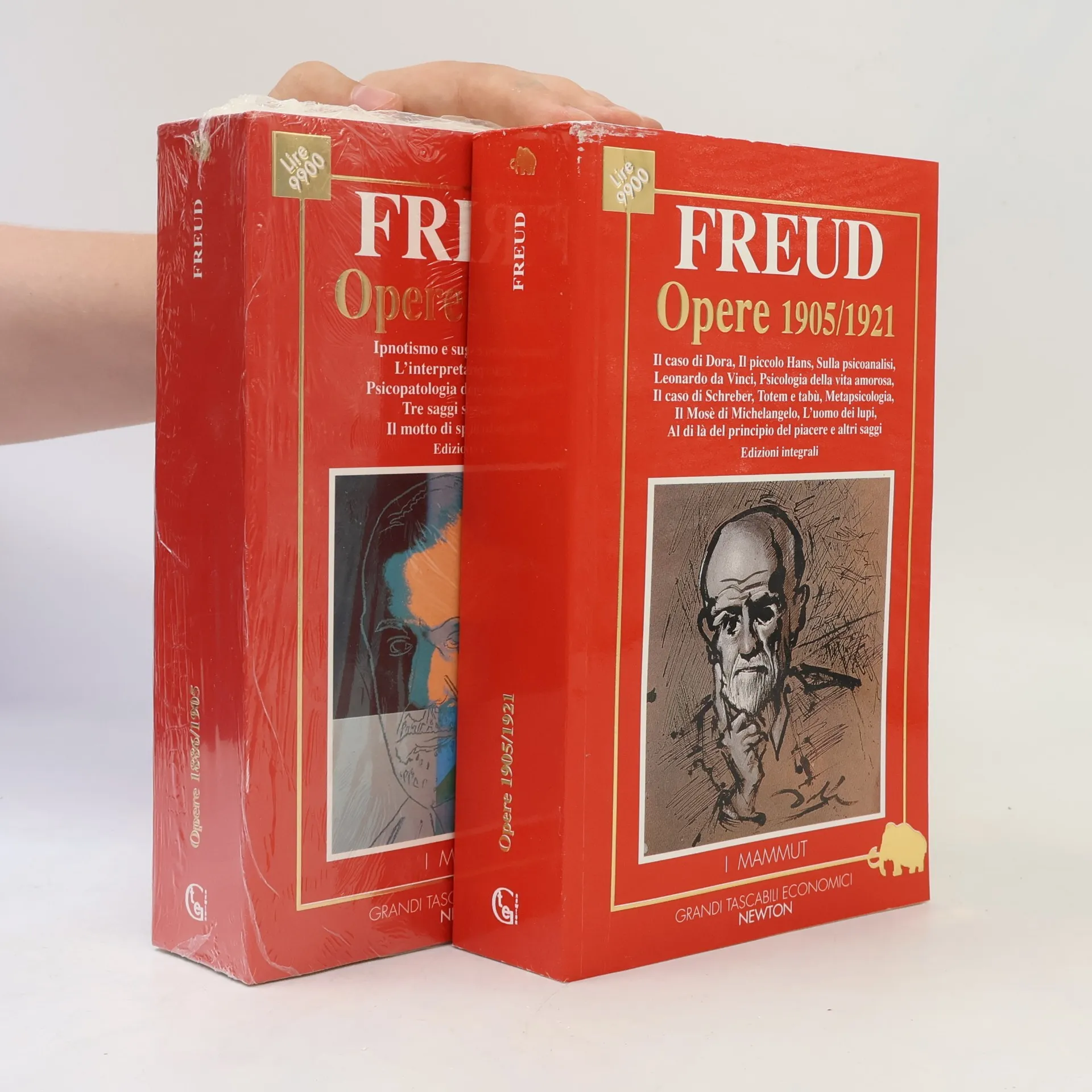
Traduzioni di Cecilia Galassi e Jean Sanders, edizioni integrali. Gli studi contenuti in questo volume esplorano la psicologia della vita collettiva, considerata sia positivamente, per l'ampliamento della coscienza umana, sia negativamente, per i condizionamenti e le repressioni che essa impone. Freud analizza questioni sociali fondamentali, tra cui la guerra, il condizionamento dell’individuo nel gruppo, l’intolleranza verso i diversi e il rapporto tra morale pubblica e privata. Egli sottolinea la crescente sfiducia nelle dichiarazioni dei testimoni, che oggi influenzano molte condanne nei processi, stimolando l'interesse per un nuovo metodo di indagine che obblighi l'accusato a dimostrare la propria colpevolezza o innocenza attraverso prove obiettive. Sigmund Freud, padre della psicoanalisi, nacque nel 1856 a Freiberg, in Moravia. È autore di opere fondamentali come L’interpretazione dei sogni e Tre saggi sulla sessualità. Insegnò all’università di Vienna dal 1920 al 1938, anno in cui, costretto dai nazisti, abbandonò l’Austria. Morì l’anno seguente a Londra, dove si era rifugiato con la famiglia. La Newton Compton ha pubblicato molte sue opere in volumi singoli e la raccolta Opere 1886/1921.
Sono, questi, due saggi fondamentali del pensiero freudiano. Tutta la storia dell'evoluzione della psicoanalisi e dei suoi concetti basilari viene ricostruita da Freud nel primo dei due scritti proposti, che riesce ancora più chiaro, limpido e convincente di qualsiasi descrizione sistematica: dalla rivendicazione della «paternità» della teoria originaria, ai preziosi contributi dei suoi primi «maestri», dalla scoperta della sessualità infantile e della sua importanza nell'insorgere dei sintomi nevrotici, alla vita onirica, dai meccanismi del procedimento analitico al rapporto con il paziente, fino alla nascita di quel movimento psicoanalitico costituito dai più fedeli adepti, alla diffusione della nuova psicoanalisi in America e in Inghilterra, alle ostilità superate, alla fondazione della Associazione psicoanalitica internazionale e alle «grandi» defezioni di Adler e Jung. Nel secondo testo Freud rivendica con forza il ruolo dirompente delle teorie psicoanalitiche nello sviluppo storico e scientifico di diverse discipline, dalla linguistica alla filosofia, dalla biologia all'ontogenetica, fino all'estetica, alla sociologia e alla pedagogia.
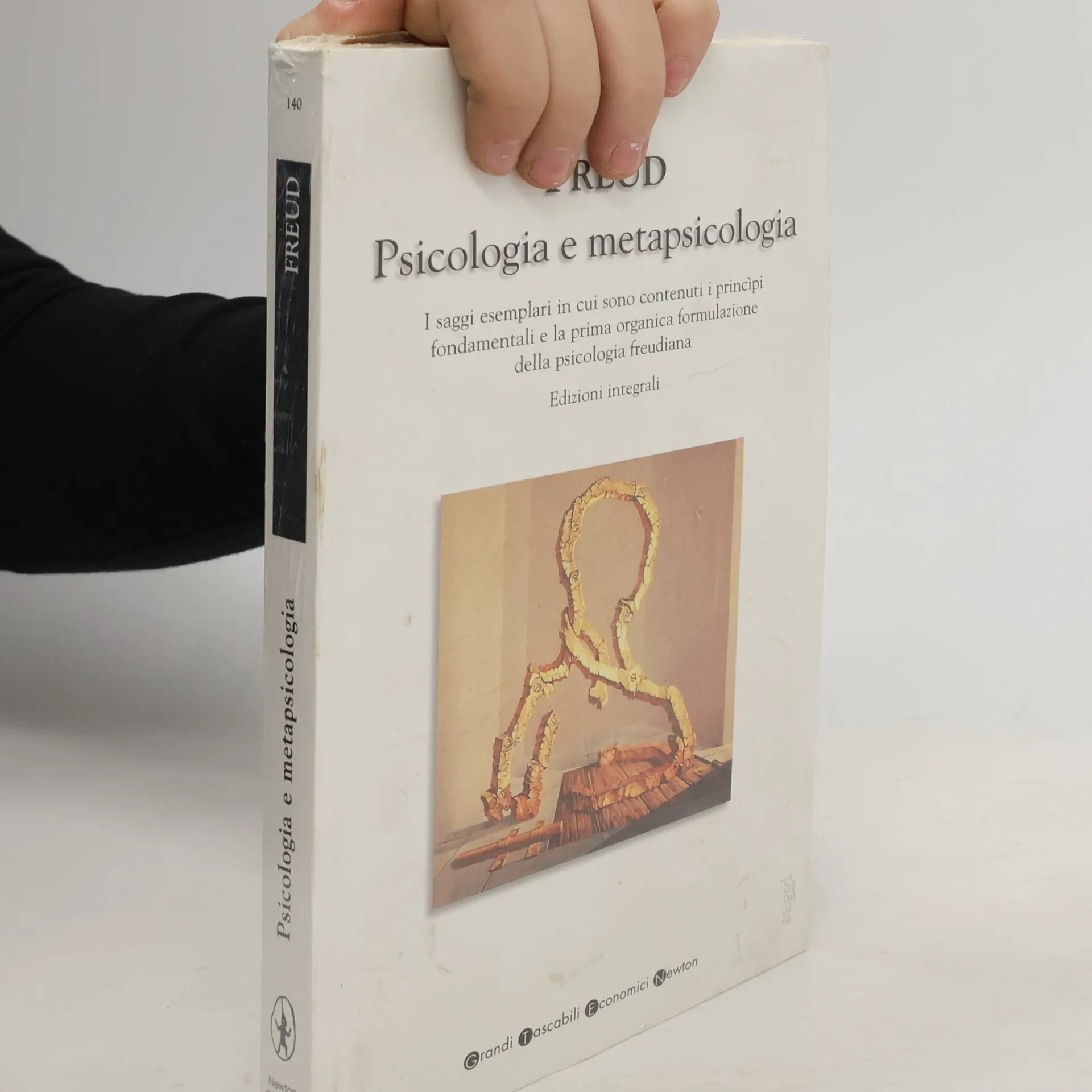
In quindici saggi, Sigmund Freud spiega le sue teorie più controverse, rivelando gli angoli più oscuri della psiche umana. Conosciuto per la sua ricerca sull'inconscio, Freud ha sfidato le convenzioni della società americana all'inizio del ventesimo secolo. Questa raccolta presenta molte delle idee rivoluzionarie di Freud, mostrando come le sue teorie abbiano cambiato il modo in cui le persone pensano alle proprie emozioni e azioni, aprendo un ricco dialogo sui metodi e sulla scienza del cervello. In una serie di saggi scritti tra il 1911 e il 1938, i lettori seguono Freud attraverso spiegazioni chiare su come la neurologia e la psicologia influenzino le nostre azioni e governino i tratti della personalità e le emozioni, tra cui libido, narcisismo, lutto, repressione, sogni, paranoia e malinconia. Questo volume illustra come Freud non avesse paura di avventurarsi in aree sconosciute della mente umana e fosse superbamente attrezzato per rivelarne i segreti. Esplorare le ipotesi del più controverso psicologo del ventesimo secolo, con le sue stesse parole, può aiutarci a comprendere i nostri comportamenti.
Straordinariamente attuali, questi saggi propongono la critica alle ipocrisie della società occidentale e il giudizio sulla barbarie che minaccia di travolgerla; le meditazioni sull'anima collettiva e sulla religione, implacabilmente definita la grande illusione dell'umanità, sui fondamenti della civiltà, sugli aspetti coercitivi che la distruttività innata in tutti gli individui e la mancanza di spontaneo amore al lavoro rendono indisgiungibili dagli ordinamenti civili. La radicale coerenza di pensiero, il realismo e la sistematicità dell'analisi fanno di queste pagine, frutto di venticinque anni di riflessione, il primo studio di psicoanalisi sociale, in cui il progetto freudiano di giungere a spiegare tutta la realtà sulla base di principi scientifici innalza uno dei grandi monumenti moderni alla ragione.
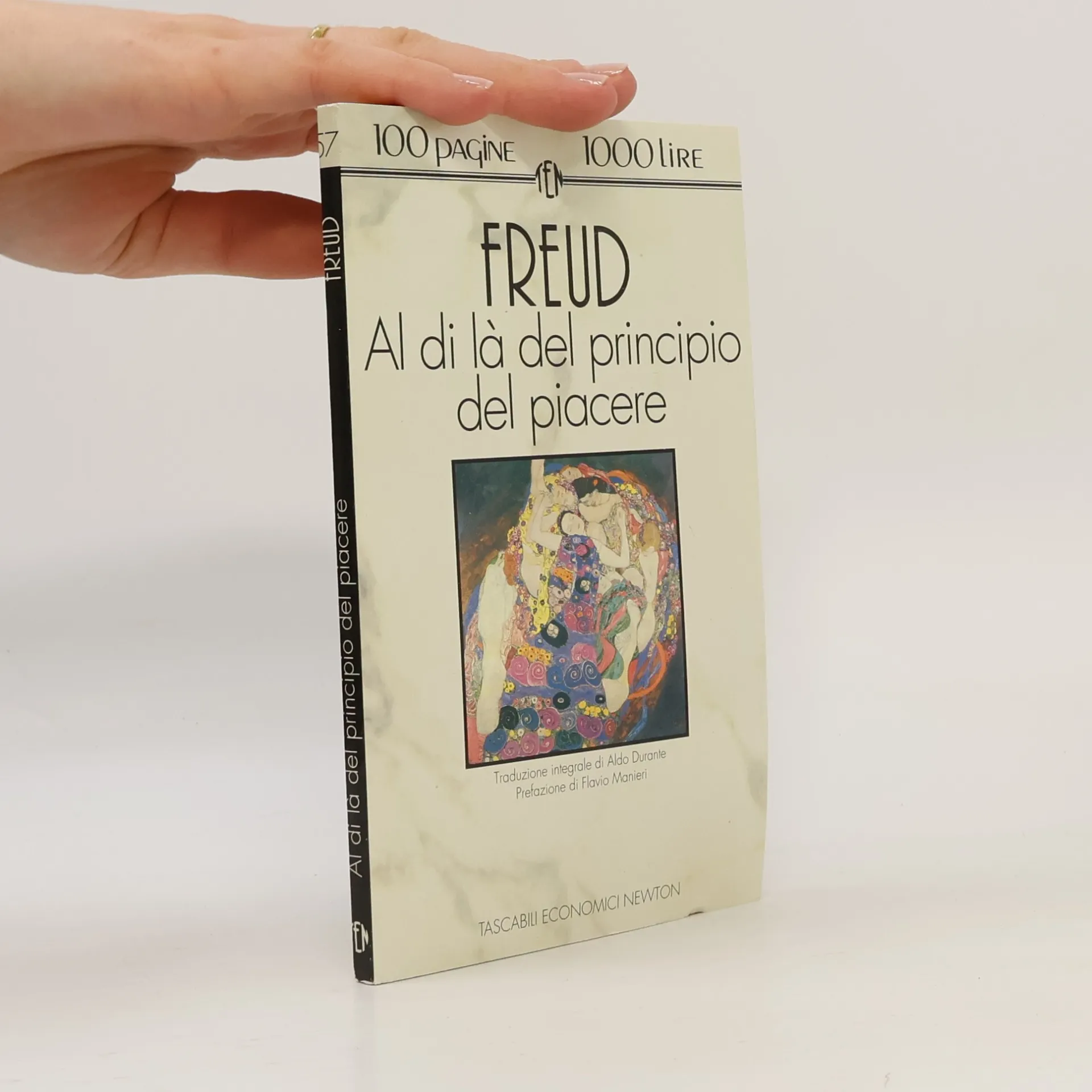
Quando, nell’aprile del 1919, Freud si accingeva a stendere le prime cartelle di Al di là del principio del piacere, l’Europa era appena uscita da un conflitto che aveva decretato la fine di un’epoca. Un lungo periodo di quattro anni che era stato segnato anche per Freud da sacrifici e preoccupazioni familiari. Terminata nell’estate dello stesso anno, quest’opera rappresenta un notevole sforzo di riflessione alla luce di certi spunti teorici emersi in passato e che ora richiedevano una ricomposizione generale. Nel 1915, con Introduzione al narcissismo, Freud aveva già postulato l’esistenza di una libido riferibile a se stessi. Ma la constatazione che lo psichismo umano era costretto in determinate condizioni a ripetere esperienze chiaramente sgradevoli lo portò a formulare, al di là dei due principi fondamentali del piacere e di costanza, un terzo principio, quello della coazione a ripetere: l’uomo tenderebbe, dunque, nei sogni e nelle fantasie nevrotiche a rapprensentarsi esperienze traumatiche già vissute. Alla coazione a ripetere, ennesima pulsione dell’io, Freud attribuì un significato che trascendeva il puro fatto psichico e aspirava a una dimensione esplicativa cosmica.
Edizione integrale di riferimento
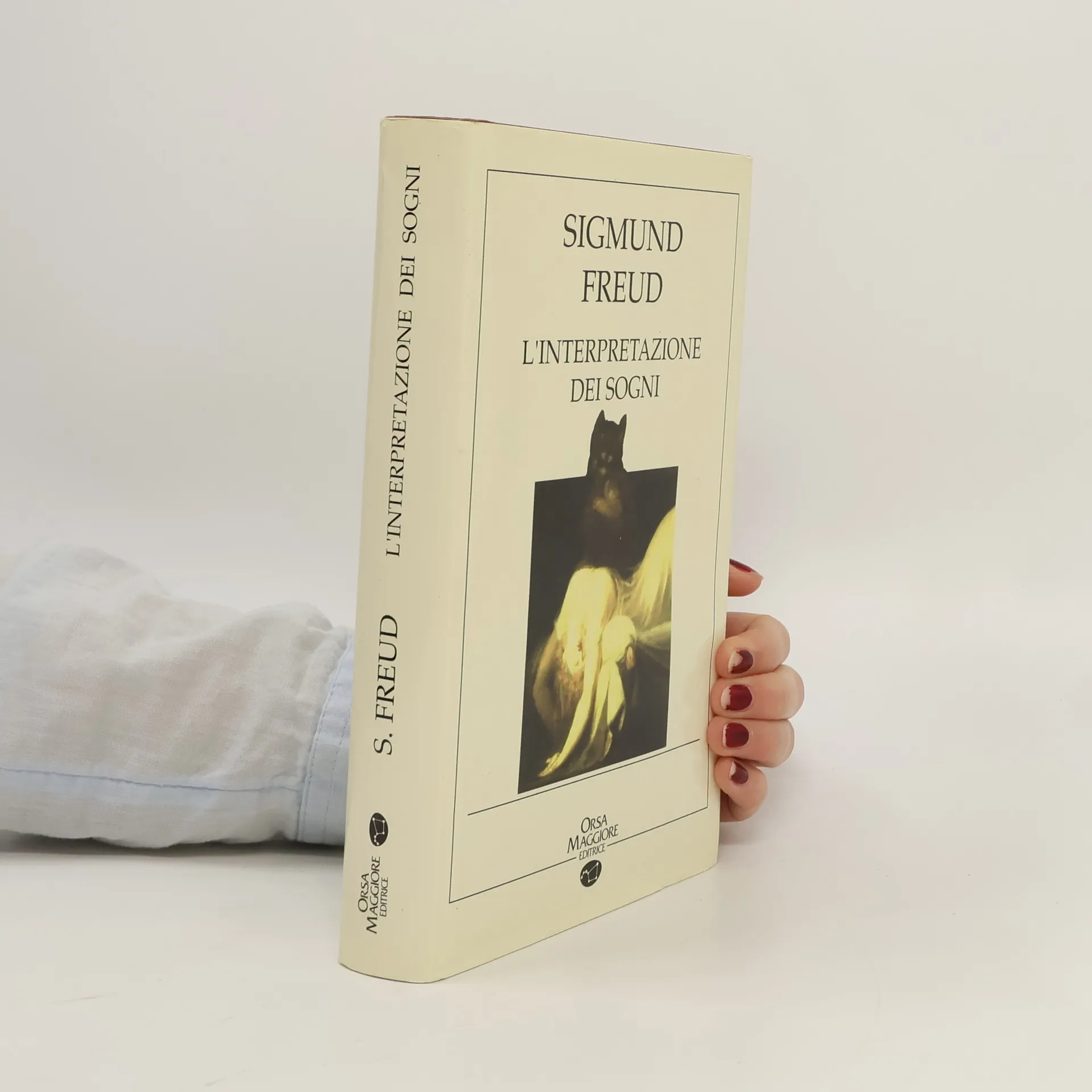
"La più valida delle mie scoperte", "intuizione che capita, se capita, una volta nella vita". Così Freud. L'enorme risonanza che l'opera ha suscitato e continua a suscitare gli ha dato ragione: chiunque voglia accostarsi allo studio della psicoanalisi, o anche solo rendersi conto di quale radicale cambiamento di prospettive essa abbia prodotto nella cultura moderna, non può prescindere dalla lettura di questo che è il suo libro più affascinante e sconvolgente.
Come sarebbe la vita umana se si potesse dare libera espressione agli istinti amorosi? Non è dato saperlo, perché la società e la civiltà impongono di volta in volta rigide limitazioni, ingabbiamenti, negazioni. Ricollegandosi alla rivoluzionaria teoria sulla libido infantile formulata nei Tre saggi sulla sessualità, Freud affronta qui i più delicati temi di natura sessuale e affettiva. L’analisi del comportamento amoroso dei nevrotici consente a Freud il passaggio all’indagine della sessualità “normale” e delle sue fasi evolutive. Le inibizioni nello sviluppo di queste fasi costituiscono il fondamento della malattia, mentre la coesistenza degli influssi di fissazioni e di successive frustrazioni legate al reale possono generare atteggiamenti non precisamente “normali” o autentiche patologie.
This volume contains Freud's speculations on various aspects of religion, on the basis of which he explains certain characteristics of the Jewish people in their relations with the Christians. From an intensive study of the Moses legend, Freud comes to the startling conclusion that Moses himself was an Egyptian who brought from his native country the religion he gave to the Jews. He accepts the hypothesis that Moses was murdered in the wilderness, but that his memory was cherished by the people & that his religious doctrine ultimately triumphed. Freud develops his general theory of monotheism, which enables him to throw light on the development of Judaism & Christianity.
Freud, nella sua analisi della psicologia delle masse, esplora il comportamento differente degli individui in gruppo rispetto alla loro condotta isolata. Sostiene che, nella massa, svanisce il senso di responsabilità, permettendo la manifestazione della vera personalità. Propone che la psicologia di massa possa essere paragonata a una forma di ipnosi, in cui il comportamento degli individui è influenzato come in uno stato ipnotico. Esamina il livello morale delle masse, dove le inibizioni individuali scompaiono e emergono istinti aggressivi. Tuttavia, la massa, sotto suggestione, può raggiungere risultati notevoli e una dedizione agli ideali. L'individuo è intellettualmente superiore al gruppo, rendendo cruciale valutare il leader della massa, il cui livello morale influisce sulla collettività. Freud cita la chiesa e l'esercito come esempi di masse organizzate, dove gli individui trovano difficile distaccarsi. Entrambi i gruppi sono guidati da un leader carismatico. Nei capitoli successivi, si concentra sulle relazioni familiari e sullo sviluppo del bambino verso il genitore, insieme alla teoria del prahordy, che ha avuto un impatto sulla storia umana. L'ideale ancestrale diventa un modello per la massa, e ogni individuo crea il proprio Io-Ideal seguendo vari esempi. Le teorie di Freud, inclusa quella politica, rimangono attuali, poiché i politici spesso sfruttano la suggestione di massa e rispondono ai desideri del pubblico
I Tre saggi sulla teoria della sessualità rappresentano per Freud un passo decisivo nella costruzione di una scienza psicoanalitica. Il concetto tradizionale di sessualità, legato alla riproduzione e alla genitalità, viene notevolmente rielaborato e ampliato attraverso una nuova teoria della libido. Essenzialmente dedicati alla sessualità di bambini e adolescenti, questi saggi rivoluzionano l'interpretazione dominante dell'epoca riguardo alle "aberrazioni" sessuali, cioè comportamenti sessuali diversi dalla normalità prevalente, dimostrando l'esistenza di una vera sessualità infantile da cui si radica e si "ritrova" la vita sessuale successiva. Quest'opera fondante, rigorosamente strutturata e argomentata, rappresenta anche un'importante intervento storico nell'universo culturale, sociale e politico dell'inizio del XX secolo. Freud fu accusato di pansexualismo, di ossessione e di perversione, con il libro che spiega la sua genesi come sintomo di un rapporto alienato con la questione della sessualità umana.
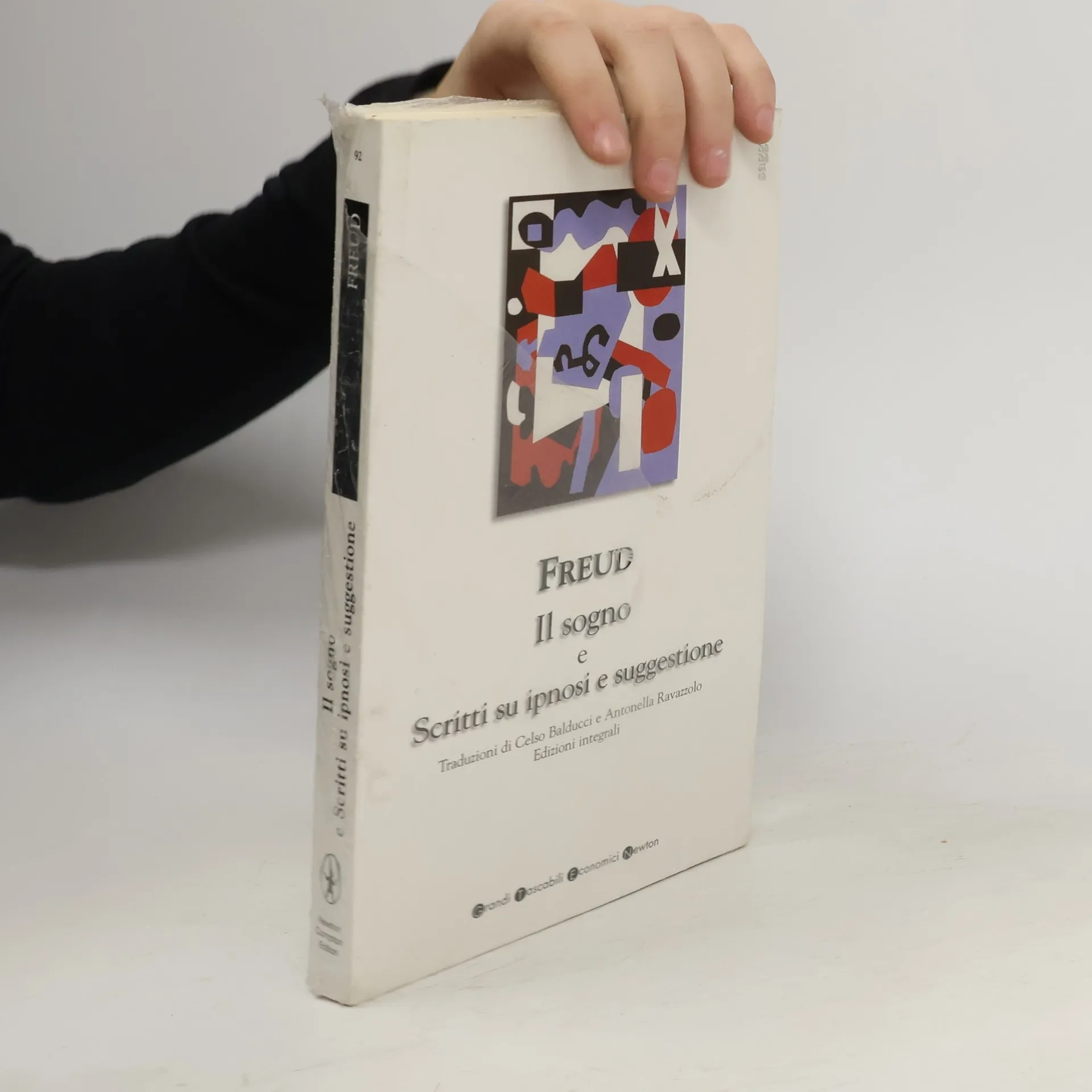
Questo volume raccoglie alcuni dei saggi che Sigmund Freud scrisse su quei fenomeni che riguardano la sfera più segreta e insondabile della personalità umana: i meccanismi del sogno e della suggestione ipnotica. Sono studi che coronano l'impostazione freudiana culminata ne L'interpretazione dei sogni e presentano al lettore una serie di profonde riflessioni. Alcune di essi, come Delirio e sogno nella Gradiva di Jensen, ebbero grande importanza per lo sviluppo della psicoanalisi.
In questo volume la teoria della psicoanalisi viene esaminata, come concezione e come pratica terapeutica, nei suoi diversi aspetti. Il metodo analitico vi è delineato sin dalle prime formulazioni ed è seguito nel suo sviluppo, attraverso le scoperte e le sistemazioni successive che Freud veniva elaborando sulla base dell'esperienza terapeutica e del rapporto con i malati. "La psicoanalisi è una combinazione degna di rilievo, in quanto non solo comprende un metodo di indagine della nevrosi, ma anche un metodo di cura fondato sull'eziologia in tal modo scoperta. [...] Non è figlia della speculazione, ma è il risultato dell'esperienza" (Sigmund Freud).
"Tutto ciò che è rimosso è destinato a restare inconscio; tuttavia è nostra intenzione chiarire fin dall'inizio che il rimosso non esaurisce tutta intera la sfera dell'inconscio... Il diritto di ammettere l'esistenza di una psiche inconscia e di lavorare scientificamente in base a questa ipotesi ci viene contestato da più parti. A nostra volta possiamo replicare che l'ipotesi è 'necessaria' e 'legittima', e che abbiamo parecchie prove dell'esistenza dell'inconscio". (Freud)
Freud definì la sua studio su Leonardo, pubblicato nel 1910, come "l'unica cosa carina" che avesse mai scritto. Il testo è incantato dal "sorriso affascinante e misterioso" della Mona Lisa. Alla fine, Freud ammette che i critici potrebbero liquidare l'opera come "romanzo psicoanalitico" e che lui stesso non sovrastima la certezza dei suoi risultati. Affascinato dal doppio genio di Leonardo, ricercatore e artista, Freud utilizza un ricordo d'infanzia del pittore per illuminare la sua produttività a rischio e l'omosessualità inibita, oltre a esplorare il mistero del sorriso "leonardesco". Al centro c'è il legame stretto di Leonardo con la madre eccessivamente affettuosa, che lo ha "baciato verso una precoce maturità erotica", mentre il padre era assente. Oltre a momenti narrativi, il testo offre significative esposizioni teoriche sui ricordi d'infanzia, le teorie sessuali infantili e la genesi di una certa omosessualità, nonché le condizioni della sublimazione. Janine Chasseguet-Smirgel delinea nella sua affascinante introduzione le più recenti teorie psicoanalitiche sulla creatività e sulla sessualità infantile, sviluppando una visione alternativa della doppia produttività di Leonardo rispetto a Freud.
Freud's discovery that the dream is the means by which the unconscious can be explored is undoubtedly the most revolutionary step forward in the entire history of psychology. Dreams, according to his theory, represent the hidden fulfillment of our unconscious wishes.
La scoperta di Freud che il sogno è il mezzo attraverso il quale l'inconscio può essere esplorato è senza dubbio il passo più rivoluzionario nella storia della psicologia. I sogni, secondo la sua teoria, rappresentano il soddisfacimento nascosto dei nostri desideri inconsci.
Nel 1884, qualche tempo dopo l’introduzione della cocaina negli Stati Uniti e in Europa, Sigmund Freud si interessò alle sue proprietà e ai suoi effetti somministrandola ai propri pazienti e facendone uso personalmente. Dopo un clamoroso insuccesso terapeutico, seguito da aspre polemiche, Freud interruppe le ricerche, ma dall’Interpretazione dei sogni sappiamo che la usava ancora nel 1895. Questo libro, che presenta al lettore gli scritti di Freud sulle esperienze con tale sostanza, è arricchito da articoli e saggi di altri ricercatori, tra cui quello del primo produttore di cocaina.
Nel 1901, un anno dopo la pubblicazione de L’interpretazione dei sogni, Freud decise di riadattare le sue teorie sui meccanismi della vita onirica per una fruizione più estesa e indifferenziata: Il sogno fu concepito proprio per divulgare anche tra i non specialisti gli esiti dei suoi studi. Freud rinunciava agli aspetti scientifici più complessi e ai modelli teorici più astratti per adottare un’impostazione semplice e schematica. Grazie a un linguaggio chiaro ed esaustivo riuscì a creare un’opera agile, immediata, adatta a tutti. Completano il volume i saggi L’impiego dell’interpretazione dei sogni in psicoanalisi (1911), Sogno e telepatia (1922), Osservazioni sulla teoria e pratica dell’interpretazione dei sogni (1923).
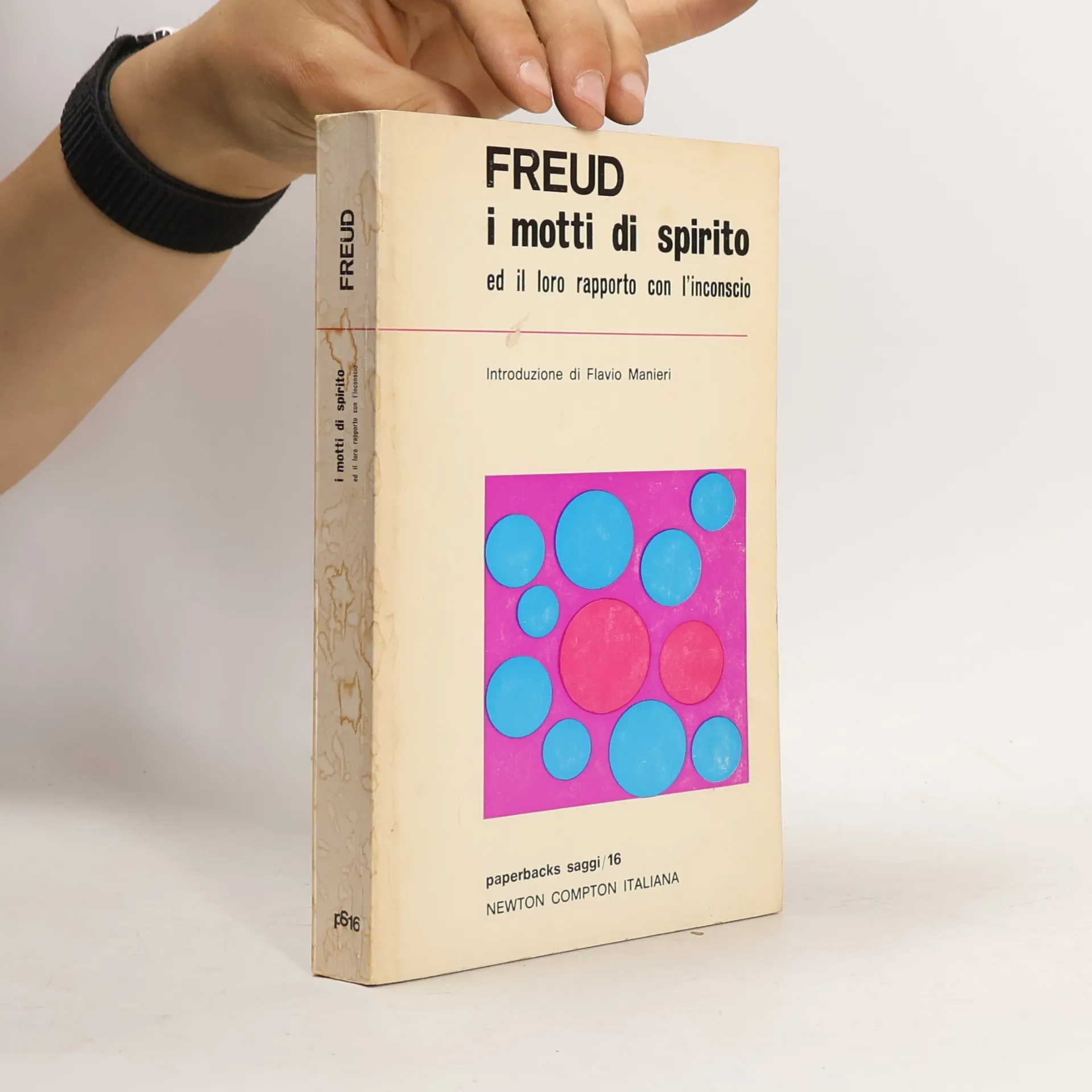
ed il loro rapporto con l'inconscio
e scritti 1913/1914
Dagli «Studi sull'isteria» (1892-95) Signorina Anna O. Signora Emmy von N. Miss Lucy R. Katharina... Signorina Elisabeth von R. Frammento di un'analisi d'isteria (Caso clinico di Dora) (1901) Analisi della fobia di un bambino di cinque anni (Caso clinico del piccolo Hans) (1908) Osservazioni su un caso di nevrosi ossessiva (Caso clinico dell'uomo dei topi) (1909) Osservazioni psicoanalitiche su un caso di paranoia (dementia paranoides) descritto autobiograficamente (Caso clinico del presidente Schreber) (1910) Dalla storia di una nevrosi infantile (Caso clinico dell'uomo dei lupi) (1914) Comunicazione di un caso di paranoia in contrasto con la teoria psicoanalitica (1915) Psicogenesi di un caso di omosessualità femminile (1920)
Milano, Mursia, 1963, 16mo brossura con copertina illustrata, pp. 233, rare sottolineature a matita nel testo e a margine (Il cammino, 1).
Signorina Anna O., Signora Emmy von N.
Miss Lucy R., Katharina..., Signorina Elisabeth von R.
Alcune concordanze nella vita psichica dei selvaggi e dei nevrotici
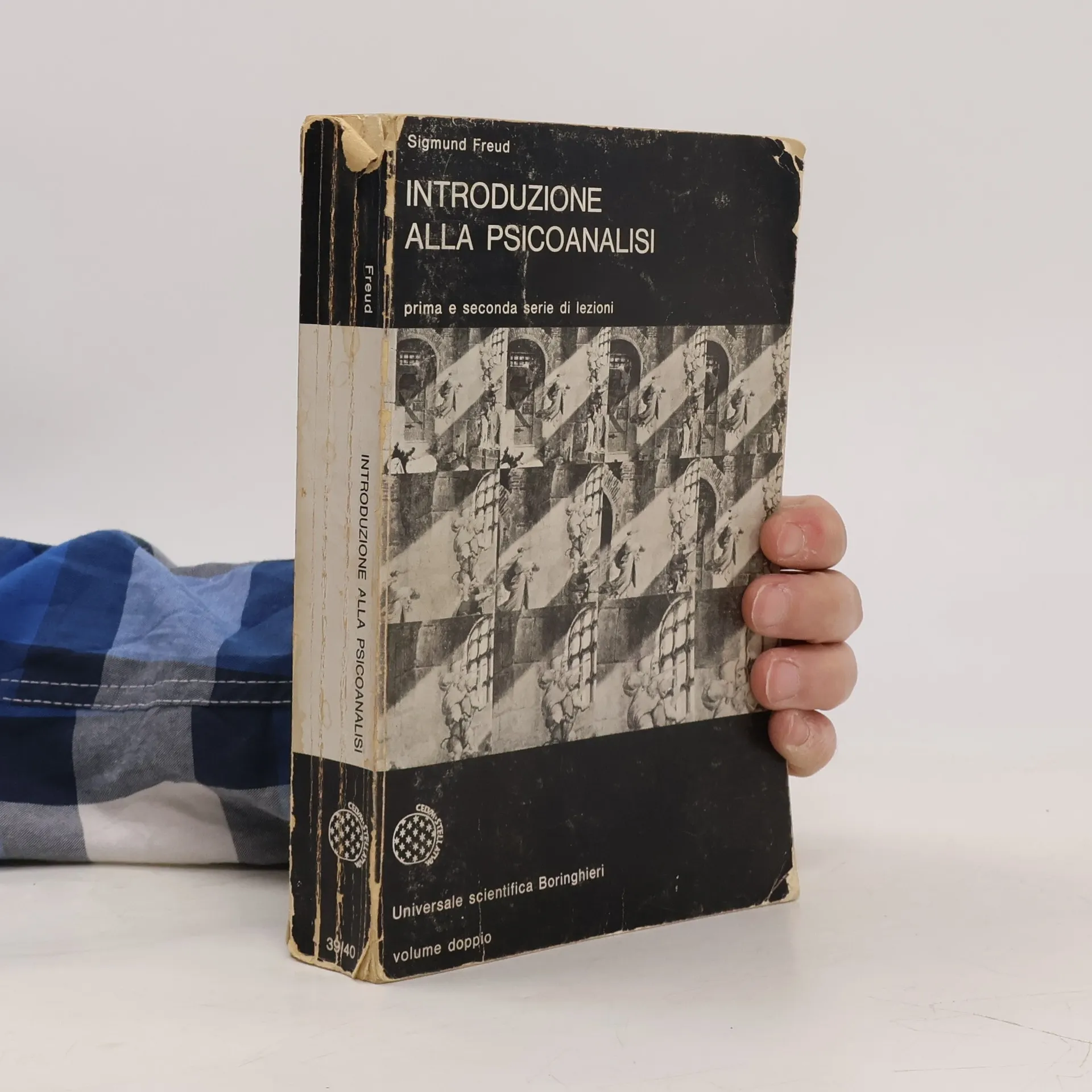
prima e seconda serie di lezioni
Chi è in grado di cogliere ciò che è maschile e ciò che è femminile? Lo può forse la biologia? O magari è la psicologia a spiegare la differenza sessuale? È corretto pensare la femminilità come passiva e la mascolinità come attiva? Il padre della psicoanalisi discute le risposte tradizionali a queste domande – come quella della bisessualità insita in ciascun essere umano – e si addentra nel “continente nero” della femminilità analizzando le tappe dello sviluppo della la relazione della bambina con la madre nella fase preedipica, la scoperta della castrazione e le possibili reazioni (l’inibizione sessuale o la nevrosi, il complesso di mascolinità, la femminilità normale), la vita della donna matura, la maternità.
The fourteenth volume of the standard edition of the complete psychological works of Sigmund Freud. schovat popis
The Standard Edition of the complete works of the father of psychoanalysis - the only definitive paperback edition on the market. Translated from the German under the General Editorship of James Strachey; in collaboration with Anna Freud; assisted by Alix Strachey and Alan Tyson.
s/t: Psychoanalysis Applied to Anthropology, Mythology, Folklore, Literature & Culture in General Essays written from 1907 through 1937. Being Collected Papers of Sigmund Freud, v. 9.
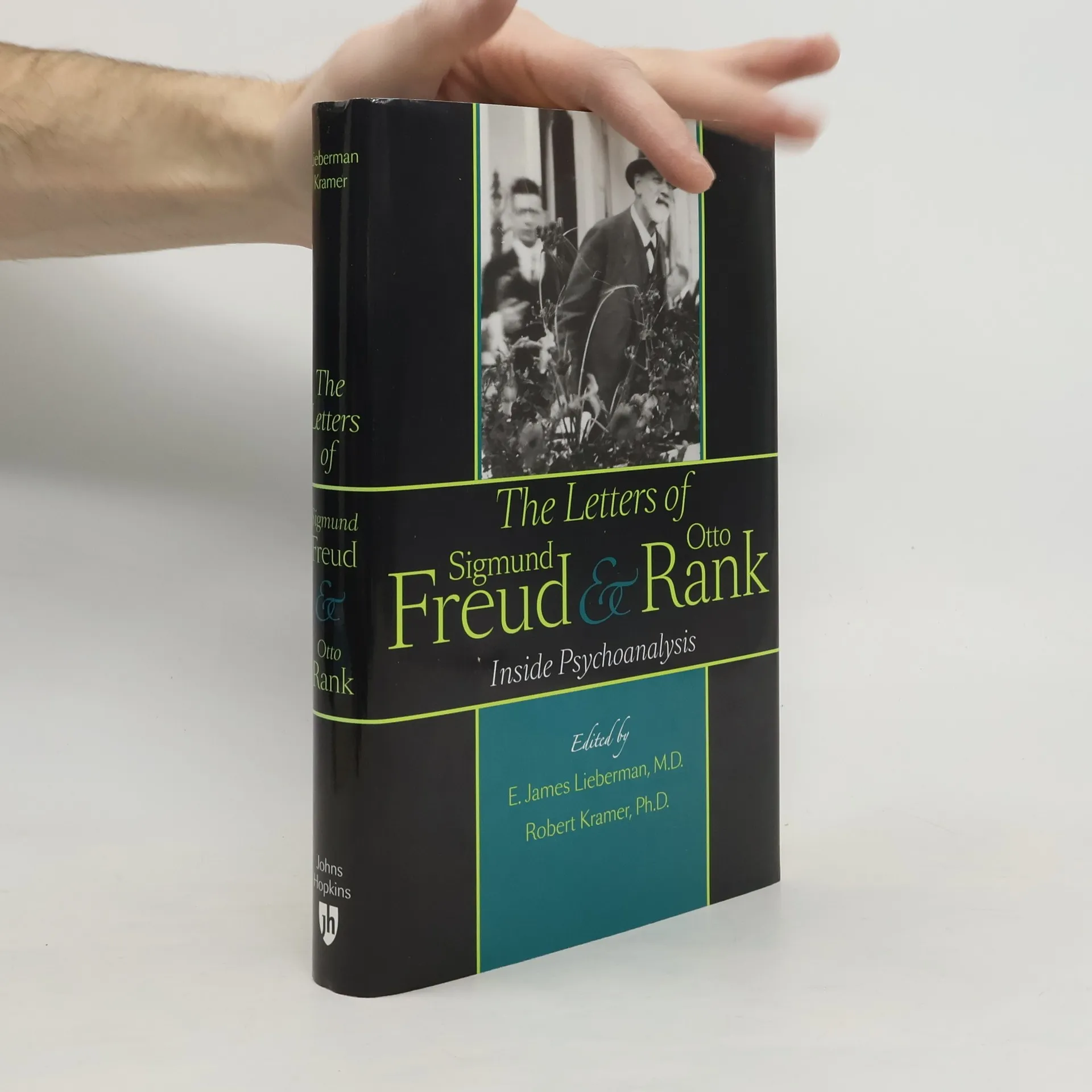
Sigmund Freud’s relationship with Otto Rank was the most significant of his professional life, with Freud regarding Rank as his most brilliant disciple. Their collaboration spanned psychoanalytic writing, practice, and politics; Rank served as the managing director of Freud’s publishing house and contributed two chapters to Freud's seminal work, The Interpretation of Dreams, marking the only instance of another name on its title page. This collection of 250 letters, compiled by E. James Lieberman and Robert Kramer, illuminates their twenty-year partnership and the eventual painful split. The correspondence, spanning from 1906 to 1925, reveals not only their professional insights but also their personal lives, including friendships, rivals, families, and travels. Notably, the letters document Rank’s growing independence, the father-son schism over his "anti-Oedipal" views, and their surprising reconciliation before their final separation. This candid correspondence offers a glimpse into how the pioneers of modern psychotherapy interacted with patients, colleagues, and each other, illustrating the development of psychoanalysis alongside early twentieth-century science, art, philosophy, and politics. This rich primary source serves as a powerful narrative of early psychoanalysis and its two most influential figures.
A new 2023 illustrated translation into modern American English from the original German manuscript of Freud's influential 1923 The Ego and the Id, where he describes his basic theories of consciousness. For broader context, a manuscript fragment titled "The Ego Split in the Defense Process" is includedThis edition includes an introduction by the translator on the philosophic differences between Carl Jung and Sigmund Freud, a glossary of Freudian Psychological terminology and a timeline of Freud’s life & works.
SIGMUND FREUDCOLLECTIONVOL. 2 - 7 BOOKS THE ORIGIN AND DEVELOPMENT OF PSYCHOANALYSIS BEYOND THE PLEASURE PRINCIPLE GROUP PSYCHOLOGY AND THE ANALYSIS OF THE EGO STUDIES ON HYSTERIA JOKES AND THEIR RELATION TO THE UNCONSCIOUS DELUSION AND DREAM REFLECTIONS ON WAR AND DEATHThis SECOND volume of the Freud Collection contains SEVEN classics of psychology and psychoanalysis by its father, Sigmund Freud. The books are among the first written by Freud, together for the first time in one comprehensive volume. These are the original authorized translations approved by the author, and are a wonderful study tool.The books included are:THE ORIGIN AND DEVELOPMENT OF PSYCHOANALYSIS BEYOND THE PLEASURE PRINCIPLE GROUP PSYCHOLOGY AND THE ANALYSIS OF THE EGO STUDIES ON HYSTERIA JOKES AND THEIR RELATION TO THE UNCONSCIOUS DELUSION AND DREAM REFLECTIONS ON WAR AND DEATH
Exploring the psychological dimensions of war and mortality, Freud delves into the human psyche's response to conflict and loss. He examines how these experiences shape individual and collective identities, reflecting on the interplay between instinctual drives and societal pressures. Freud's insights reveal the complexities of human emotions in the face of violence and death, offering a profound analysis of the impact of war on mental health and civilization. This work blends philosophy, psychology, and cultural criticism, making it a significant contribution to understanding human behavior in times of crisis.
SIGMUND FREUDCOLLECTIONVOL. 1 - SIX BOOKS 1. A General Introduction To Psychoanalysis (1920)2. Three Contributions To The Theory Of Sex (1905)3. Totem And Taboo (1913)4. Dream Psychology (1901)5. Leonardo Da Vinci (1910)6. Psychopathology Of Everyday Life (1904) (TRANSLATOR: G. Stanley Hall)This first volume of the Freud Collection contains Six amazing classics of psychology and psychoanalysis by its father, Sigmund Freud. The books are the main works of Freud, together for the first time in one comprehensive volume. These are the original authorized translations approved by the author, and are a wonderful study tool.The books included are:1. A General Introduction To Psychoanalysis2. Three Contributions To The Theory Of Sex3. Totem And Taboo4. Dream Psychology5. Leonardo Da Vinci6. Psychopathology Of Everyday Life
VOL. 3 - 4 BOOKS THE INTERPRETATION OF DREAMS ON APHASIA ON AN INTRODUCTION THE HISTORY OF THE PSYCHOANALYTIC MOVEMENT This THIRD volume of the Freud Collection contains FOUR classics of psychology and psychoanalysis by its father, Sigmund Freud, including one of his most important works, the Interpretation of Dreams, and his first published work, ON APHASIA. These are the original authorized translations approved by the author, and are a wonderful study tool. The books included THE INTERPRETATION OF DREAMS ON APHASIA ON AN INTRODUCTION THE HISTORY OF THE PSYCHOANALYTIC MOVEMENT
The diary entries of a young girl named Anna, penned between the ages of 11 and 14, offer a unique glimpse into her thoughts and experiences. Collected by Sigmund Freud in 1915, this work was presented to him by Anna's father, a patient of Freud's. The diary reflects the complexities of adolescence, revealing insights into the emotional and psychological development of a young girl during this transformative period.
Including 133 documents never before made public and 138 previously published only in part, this volume collects the complete correspondence of Freud to his closest friend during the period that saw the birth of psychoanalysis
Pre-Psycho-Analytic Publications andUnpublished Drafts (1886 - 1899)This collection of twenty-four volumes is the first full paperback publication of the standard edition of The Complete Psychological Works of Sigmund Freud in English'Hysteria' (1888)Papers on Hypnotism and Suggestion (1888-1892)Extracts from the Fliess Papers (1892-1899)Project for a Scientific Psychology (1895)
Collection of letters beginning in 1906, which shows the seven-year correspondence between Greud and Jung and documents the establishment of psychoanalysis in Vienna and Zurich and the spread of its ideas throughout the world