
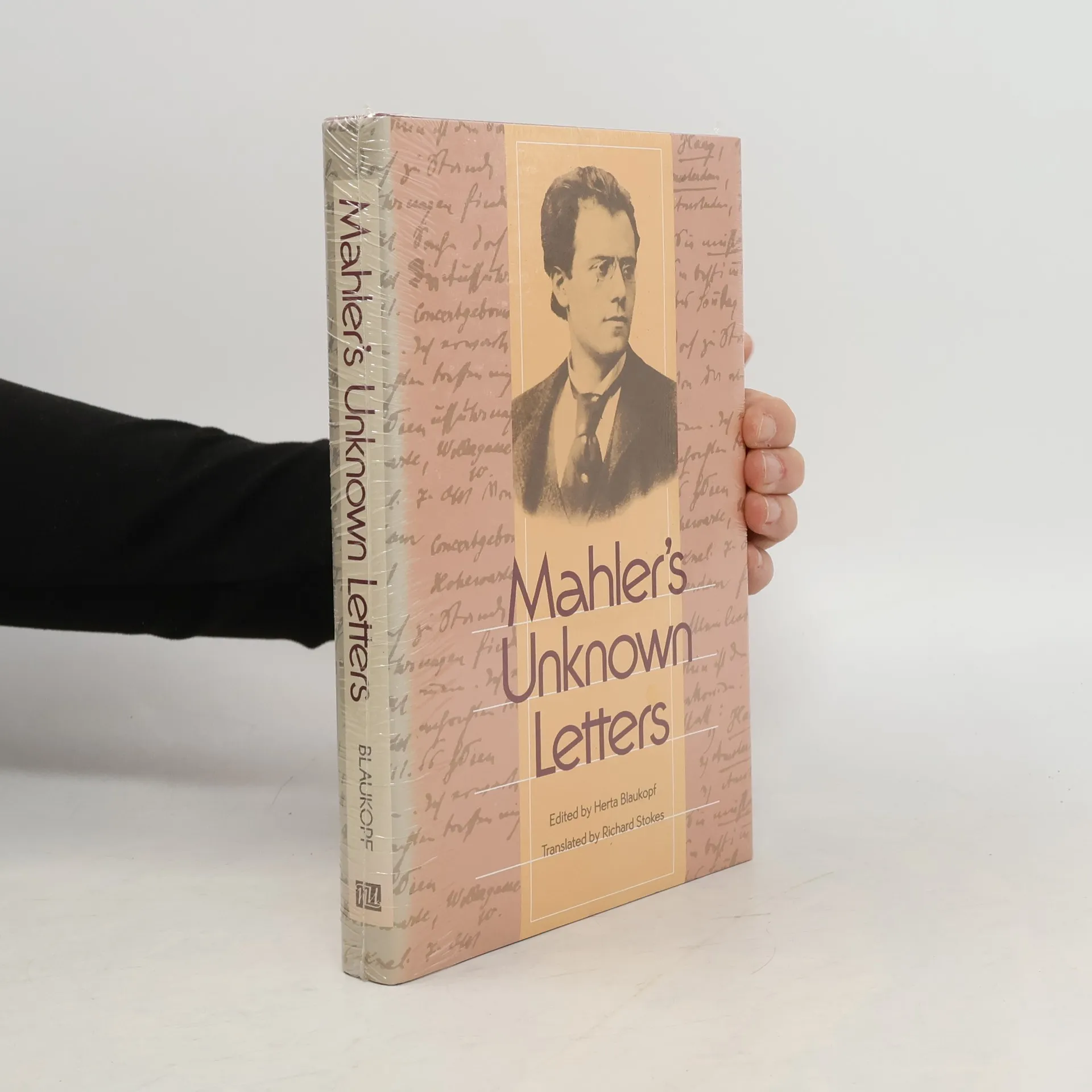

The 36 poets set by Wolf are each given their own chapter: a brief essay on
the poet is followed by a note on Wolf's connection with the writer, extracts
from letters that throw light on the Songs and convey his mood at the time of
composition, and the texts and translations.
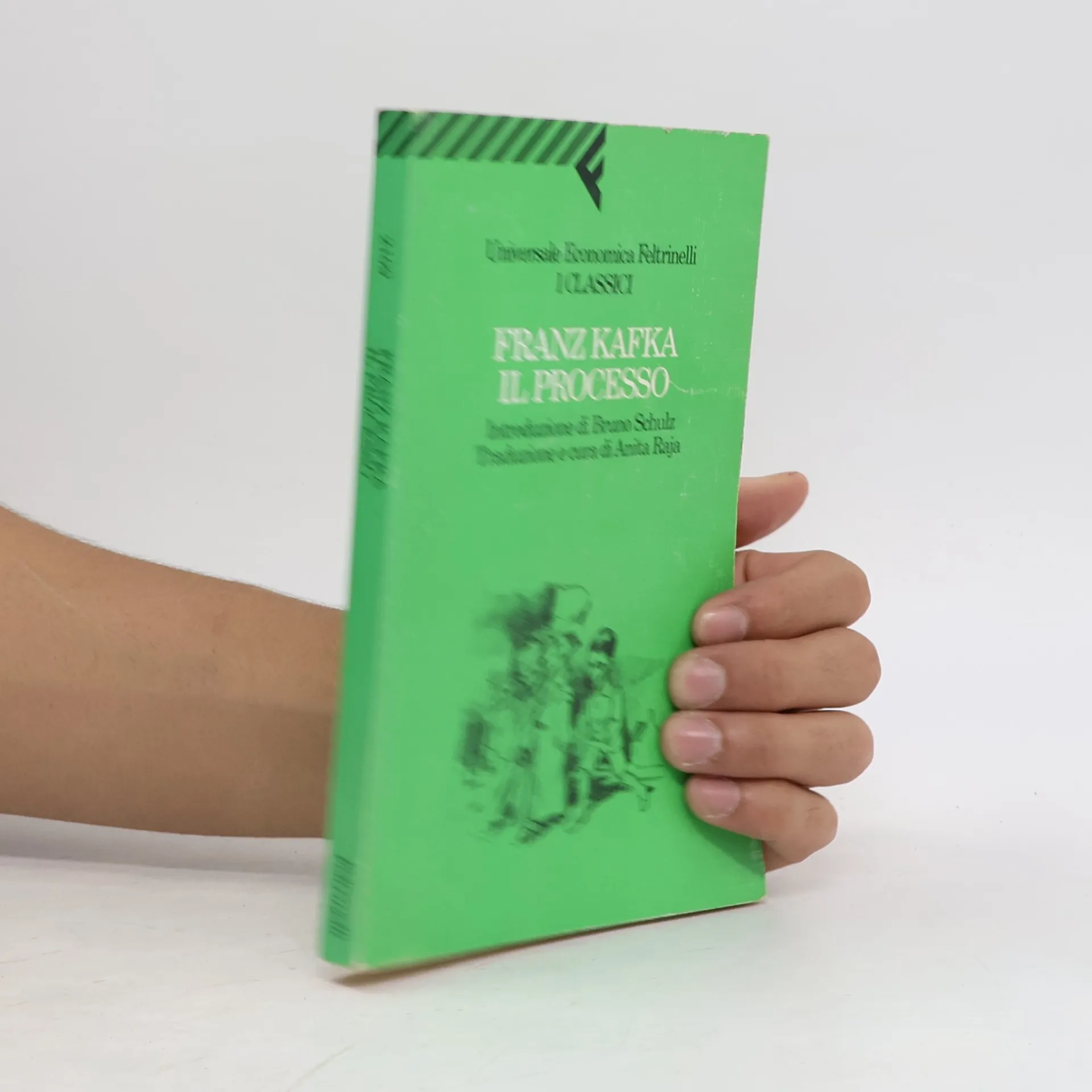
Josef K., condannato a morte per una colpa inesistente, è vittima del suo tempo. Sostiene interrogatori, cerca avvocati e testimoni, soltanto per riuscire a giustificare il suo delitto di "esistere". Ma come sempre avviene nella prosa di Kafka, la concretezza incisiva delle situazioni produce, su personaggi assolutamente astratti, il dispiegarsi di una tragedia di portata cosmica. E allora tribunale è il mondo stesso, tutto quello che esiste al di fuori di Josef K. è processo: non resta che attendere l'esecuzione di una condanna da altri pronunciata.
Millions compete for exposure on Google, Yahoo!, and MSN Live Search, but 97% of them fail to get results. Search advertising specialist Richard Stokes reveals why and provides solutions.
Alfred Brendel - internationally famous as the supreme interpreter of the piano music of Haydn, Mozart, Beethoven, Schubert and Liszt - is also a poet. Between concert engagements and recording sessions, he has found the time to write this collection of sardonic, wise, funny, and beautifully turned verses. Penetrating light is thrown on those parts of the author's endlessly subtle mind and sensibility which his devoted audiences can barely have guessed existed. The supernumerary finger of the book's title, the appearance of Brahms's smelly ghost, the war between the bearded and the beardless, the camel's loss of his humps, the appropriateness of laughter, the eventual appearance of Godot and the usefulness of identical twins are among the important subjects he tackles. With the help of Richard Stokes, Alfred Brendel has produced English versions of his original texts which go out to meet the reader with refreshing directness and wit.