The book explores the surge in diagnosed dissociative disorders, particularly multiple personality disorder (MPD), over the past twenty-five years, linking it to the prevalence of child sexual abuse. Philosopher Ian Hacking examines the moral and political implications of this epidemic, addressing the contentious debates around memory and the potential for false memories. Through this lens, he critically analyzes how society grapples with psychological trauma and the power dynamics involved in understanding and treating these complex issues.
Ian Hacking Libri
18 febbraio 1936 – 10 maggio 2023
Ian Hacking è Professore Emerito di Filosofia presso l'Università di Toronto, specializzato nella storia della scienza. Il suo lavoro si addentra nella storia e nella filosofia della scienza, in particolare nei campi della probabilità, della statistica, della psichiatria e della biologia. Hacking esplora come la conoscenza e i metodi scientifici plasmano la nostra realtà e la nostra comprensione del mondo. Il suo approccio si basa spesso su studi di caso storici per analizzare le implicazioni filosofiche dell'indagine scientifica.



This book combines detailed scientific historical research with characteristic philosophic breadth and verve.
The Emergence of Probability
- 244pagine
- 9 ore di lettura
Includes an introduction, contextualizing his book in light of developing philosophical trends.
Against Method
- 296pagine
- 11 ore di lettura
Paul Feyerabend’s globally acclaimed work, which sparked and continues to stimulate fierce debate, examines the deficiencies of many widespread ideas about scientific progress and the nature of knowledge. Feyerabend argues that scientific advances can only be understood in a historical context. He looks at the way the philosophy of science has consistently overemphasized practice over method, and considers the possibility that anarchism could replace rationalism in the theory of knowledge. This updated edition of the classic text includes a new introduction by Ian Hacking, one of the most important contemporary philosophers of science. Hacking reflects on both Feyerabend’s life and personality as well as the broader significance of the book for current discussions.
La struttura delle rivoluzioni scientifiche
- 251pagine
- 9 ore di lettura
The Structure of Scientific Revolutions is a landmark in intellectual history which has attracted attention far beyond its own immediate field. It's written with a combination of depth & clarity that make it an almost unbroken series of aphorisms. Its author, Th S. Kuhn, wastes little time on demolishing the logical empiricist view of science as an objective progression toward the truth. Instead he erects from ground up a structure in which science is seen to be heavily influenced by nonrational procedures, & in which new theories are viewed as being more complex than those they usurp but not as standing any closer to the truth. Science isn't the steady, cumulative acquisition of knowledge that is portrayed in the textbooks. Rather, it's a series of peaceful interludes punctuated by intellectually violent revolutions in each of which one conceptual world view is replaced by another. Preface Introduction: A role for history The route to normal science The nature of normal science Normal science as puzzle-solving The priority of paradigms Anomaly & the emergence of scientific discoveries Crisis & the emergence of scientific theories The response to crisis The nature & necessity of scientific revolutions Revolutions as changes of world view The invisibility of revolutions The resolution of revolutions Progress through revolutions Postscript: 1969
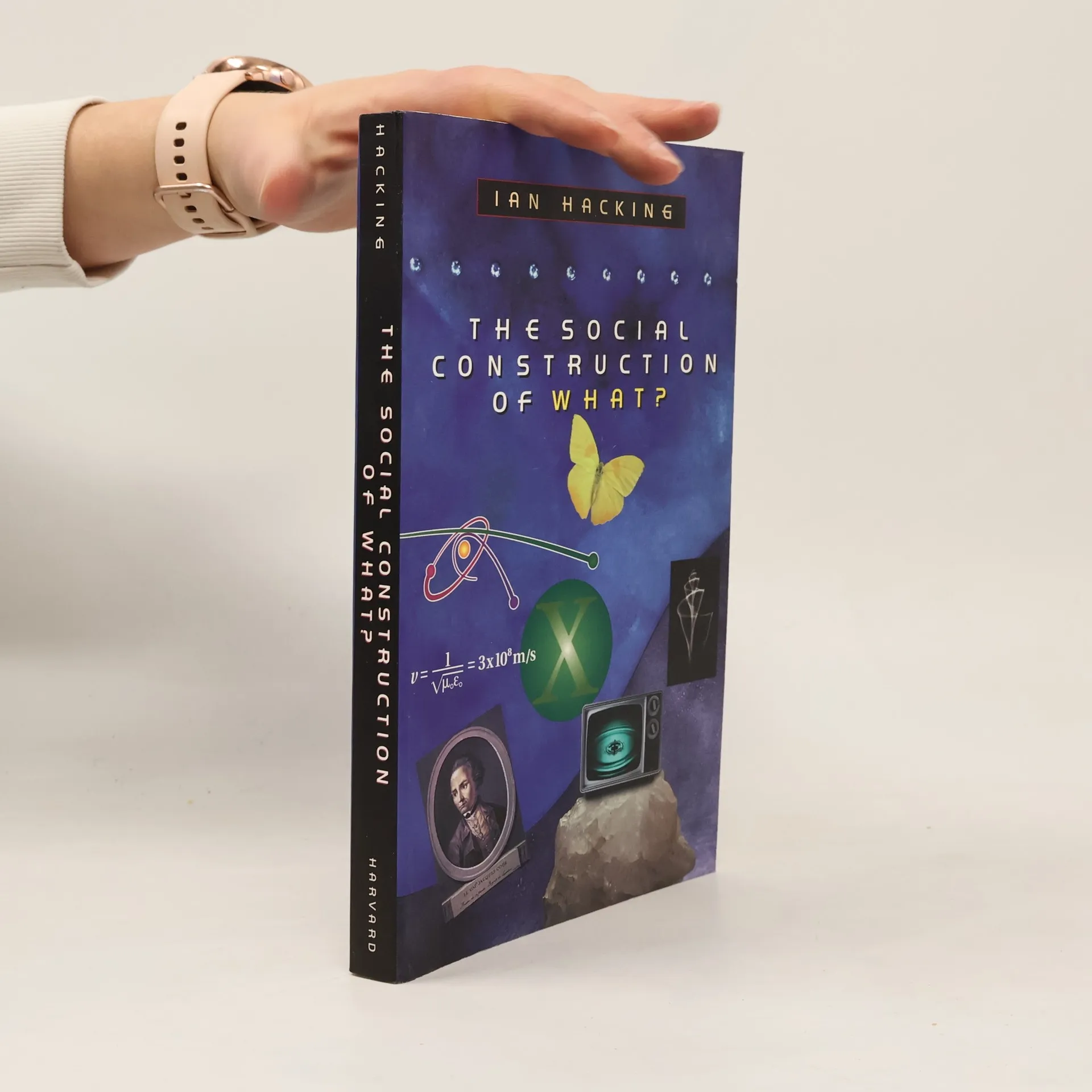
The Social Construction of What?
- 272pagine
- 10 ore di lettura
Often lost in the debate over the validity of social construction is the question of what is being constructed. Ian Hacking looks at the issue of child abuse, and examines the ways in which advanced research on new weapons influences not the content but the form of science. schovat popis
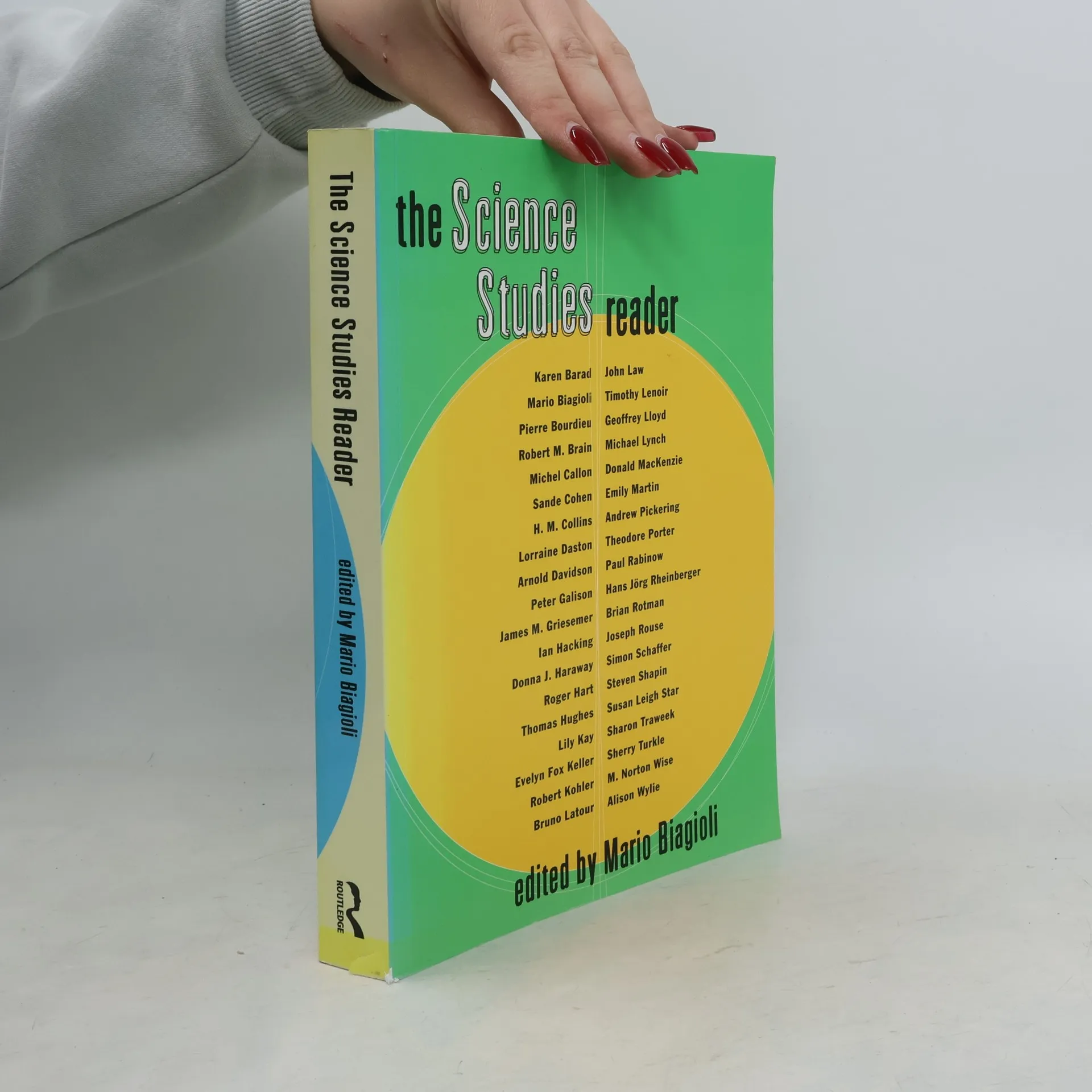
The Science Studies Reader
- 590pagine
- 21 ore di lettura
The Reader focuses on the practices of modern and contemporary science and technology located in different national and institutional settings, with some attention to non- Western contexts. By mapping some of the open questions and points of tension likely to occupy the field for years to come, the essays in the Reader cast fresh light on what "science" means at the end of the twentieth century.
Multiple Persönlichkeit
- 414pagine
- 15 ore di lettura
Vor allem in den USA, zunehmend aber auch in Europa mehren sich die »Multiplen Persönlichkeiten«: Menschen, die in sich mehrere, meist ganz verschiedene Persönlichkeiten entdecken. Erwachsene sprechen plötzlich mit der Stimme von Kindern, wechseln zwischen Persönlichkeiten von verschiedenem Charakter, Geschlecht, sexueller Neigung und Alter. Als Ursache werden traumatische Erfahrungen in der Kindheit angesehen, fast immer solche sexuellen Mißbrauchs. Ian Hacking hat diese Epidemie Multipler Persönlichkeiten zum Ausgangspunkt seines Buches gemacht. Dabei beleuchtet er nicht nur den gesellschaftlichen Kontext, er stellt sich auch die Frage, warum die Erklärung der vielfältigen »Ichs« Multipler Persönlichkeiten durch den Mechanismus selektiven Erinnerns einen so zentralen Stellenwert bekommen konnte.
Einführung in die Philosophie der Naturwissenschaften
- 477pagine
- 17 ore di lettura
Ein Buch für Philosophen und Wissenschaftler, dessen erster Teil (»Darstellen«) die wesentlichen wissenschaftstheoretischen Grundlagen und Ansätze behandelt (Objektivität, Realismus, Positivismus, Pragmatismus u. a.). Der zweite Teil (»Eingreifen«) bietet eine Einführung in die philosophischen Probleme des Experiments und der Beobachtung mit vielen Fallbeispielen aus Physik, Biologie, Chemie. Es zeigt sich, daß Experiment und Theorie voneinander unabhängig sein können. Das hat Folgen für ein adäquates Verständnis des wissenschaftlichen Realismus.
Die Bändigung des Zufalls
- 268pagine
- 10 ore di lettura
Sociálna konštrukcia - ale čoho?
- 356pagine
- 13 ore di lettura
Podtitul: Čo je a čo nie je sociálnou konštrukciou Jeden z najoriginálnejších súčasných filozofov vedy Ian Hacking v knihe rozoberá najzávažnejšie problémy v oblasti sociálnej konštrukcie reality. Ukazuje, že hoci od vydania priekopníckej knihy Petra I. Bergera a Thomasa Luckmana Sociálna konštrukcia reality (1966) uplynulo už takmer 40 rokov, dodnes nie je mnohým autorom – filozofom, sociológom, vedcom z rôznych odvetví – jasný ani len základný pojem. Hacking kritizuje najmä skutočnosť, že novú oblasť postihol údel viacerých pôvodne veľmi perspektívných myšlienok – stali sa módnymi, a tak sa ich zmocnili všetci, od odborníkov až po najväčších laikov. Výsledkom sú spory, ktoré sa niekedy označujú ako „kultúrne vojny“ či „vedecké vojny“. Kniha predstavuje súbor prednášok, ktoré mal autor po celom svete, tematicky ich spája reflexia vývinu názorov na problematiku sociálnej konštrukcie. Publikácia sa vyznačuje jasným výkladom, živým jazykom a nevšedným humorom.