Adrien Palladino Ordine dei libri (cronologico)


Mon nom est Conques
Un guide à la première personne de Soulages à Sainte Foy
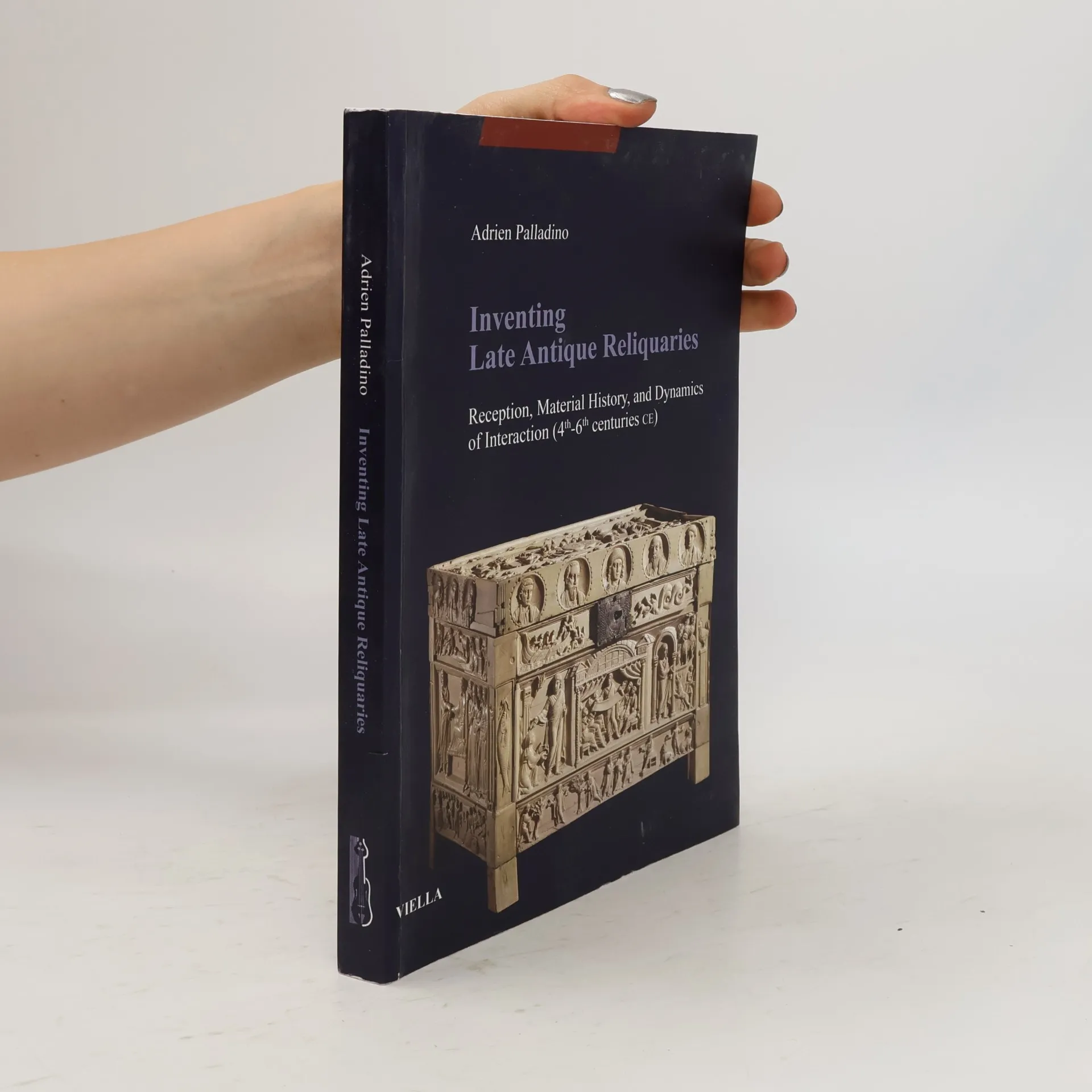
Studia Artium Medievalium Brunensia - 12: Inventing Late Antique Reliquaries
Reception, Material History, and Dynamics of Interaction 4th-6th Centuries CE
- 309pagine
- 11 ore di lettura
The cult of saints, their relics, and devotion to their shrines is a phenomenon born in Late Antiquity that durably shaped medieval and modern practices across a broad geographical and cultural area spreading first throughout the Roman Empire and beyond. How was the creation of vessels for the holy remains of saints implemented during a culturally heterogenous period? Indeed, how could boxes of various shapes, sizes, and materials become containers to shelter sacred matter? What materials could be used in reliquaries' making, and what images should adorn them? And how did reliquaries, with their geographical and social portability, contribute to the translocation of site-bound sanctity and the spread of saints' and shrines' networks across the Late Antique world? Tracing the medieval reliquary's "pre-history", this volume examines boxes bearing Christian images and patterns made between the fourth to the sixth century ce. It investigates how vessels adorned with images acquired meaning and power, exploring the dynamics of transformation that accompany both the creation of these objects and their long history of reuse, marginalization, and rediscovery.
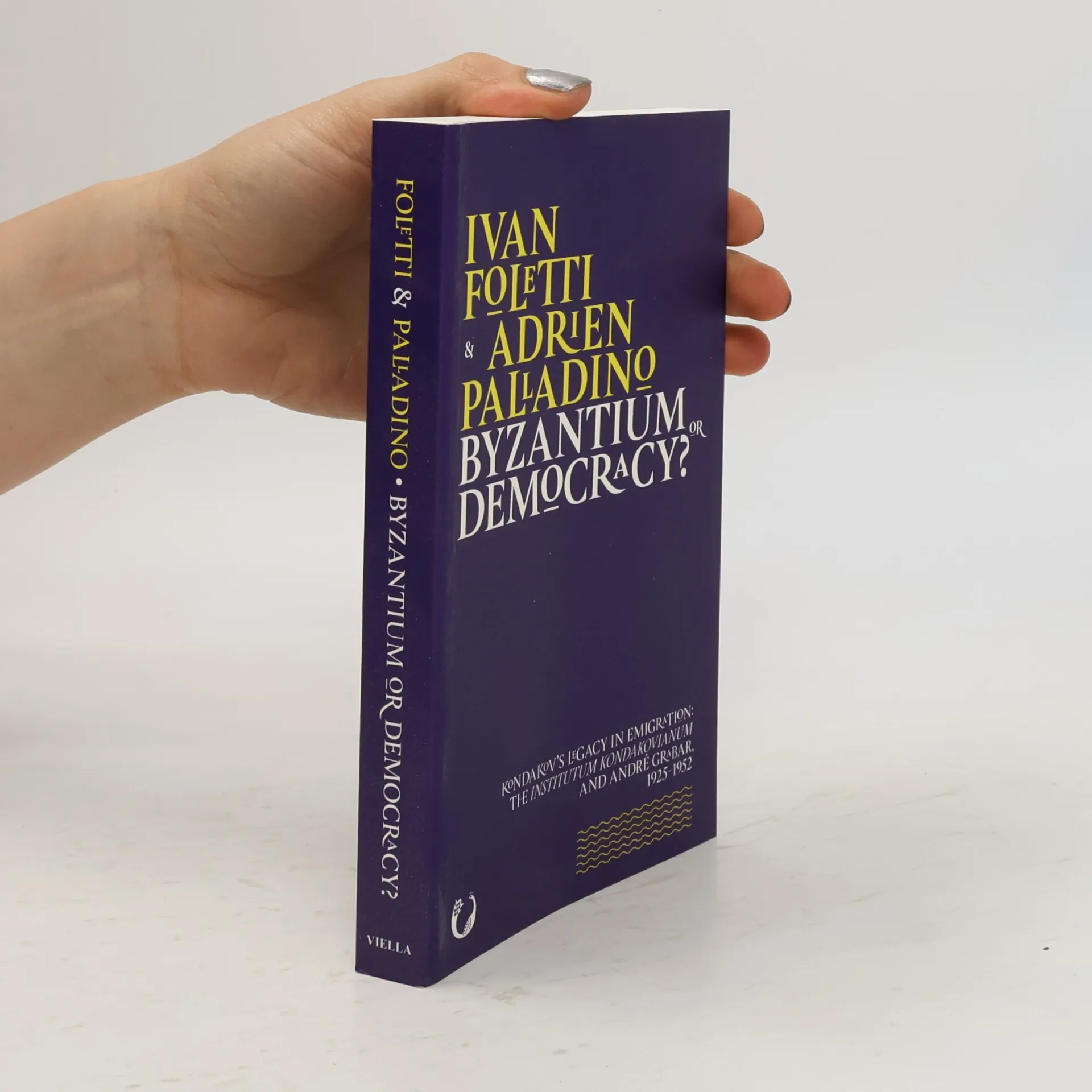
The notion of "Byzantium" has for centuries been associated with autocracy, totalitarianism, and suppression of freedom. It thus became the favored model for the Russian autocracy. In the nineteenth-century, Russian scholars working under Tsarist regimes were, either explicitly or tacitly, condoning and even supporting the ruling autocracy. After the Revolution of 1917, however, many of these effectively complicit intellectuals left Russia for Western democracies. This book shows how this experience affected the lives of intellectuals who fled and transformed their scholarship. Archival materials and writings from the time reveal how scholarship can move from aspiration to reality, as it did for the Russian emigres until the crash of 1929 and the rise of Nazism in Germany. But how is this relevant today? Because it shows how scholarship and science must be understood as part of history, and because it illustrates the power of hope. As studied and presented by emigres from Tsarist totalitarianism, "Byzantium" came to be a multinational screen onto which scholars projected not only frustrations but also dreams.
Inventing medieval Czechoslovakia 1918-1968 : between Slavs, Germans, and totalitarian regimes
- 200pagine
- 7 ore di lettura
Is it possible to "invent" the past? Through a series of studies, this volume explores the history of how this process occurred in Czechoslovakia within the period from about the end of the First World War until the 1960s. It focuses specifically on the re-invention of the "national" Middle Ages at the background of the meeting of different linguistic and ethnic groups - Czechs, Slovaks, Germans, and Russians - where one group would often negate, reshape, and ignore the point of view of the other, within an increasingly fractured political geography of the country. The presented case studies show how research on medieval artworks and objects could become a fertile ground for the creation of ideological tools and narratives. In this way, understanding the historiography of art history also contributes to redefining Central Europe as a place of transcultural encounters and dialogues, beyond historical ruptures.
Migrating art historians on the sacred ways
- 467pagine
- 17 ore di lettura
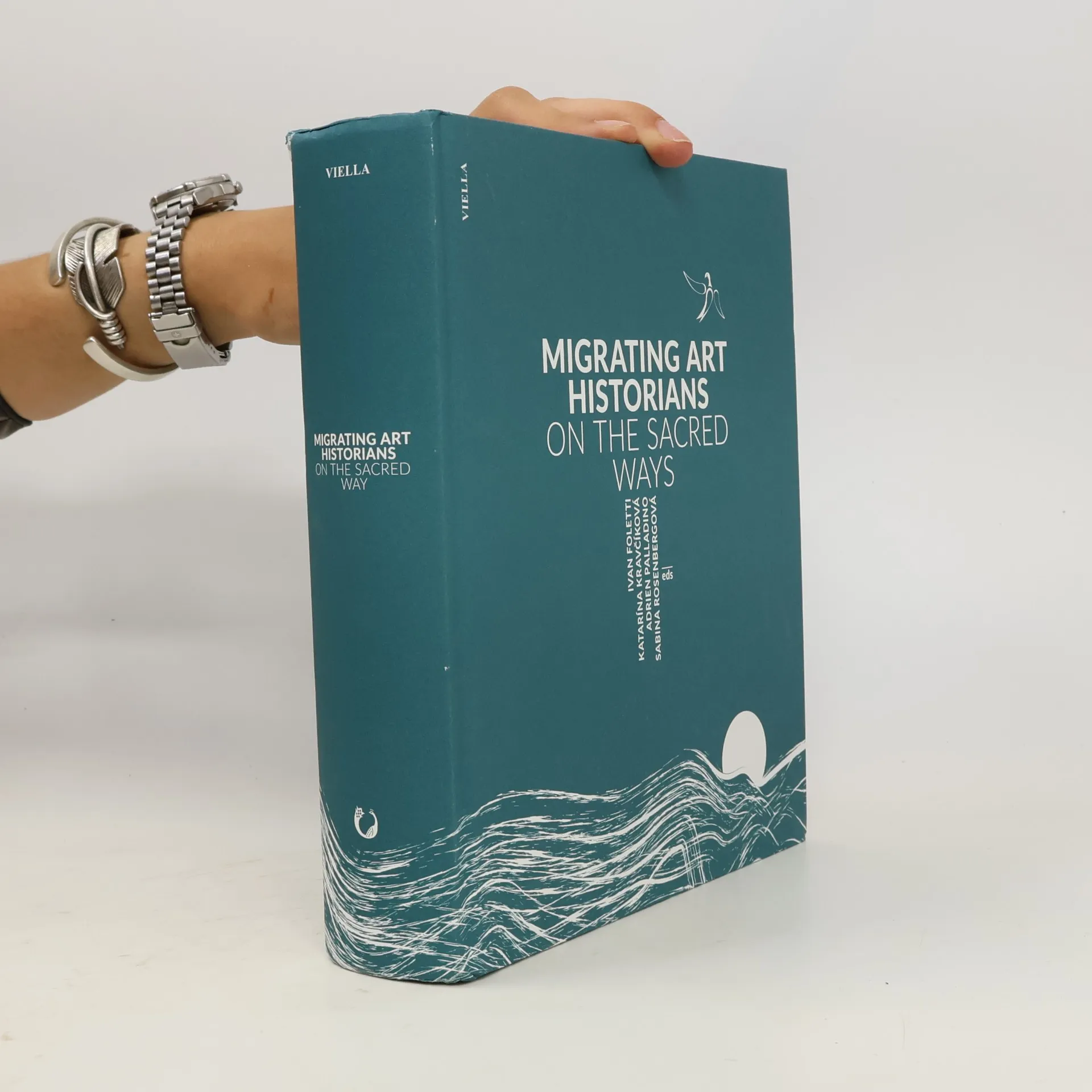
Is it possible to reconstruct the feeling of a medieval pilgrim walking towards the sacred? No, it is not. And yet, the experimental project Migrating Art Historians sought to delve into this impossibility. Journeying by foot over more than 1500km, twelve modern pilgrims - students and scholars from Masaryk University - reached some of the most impressive artistic monuments of medieval France. One year later, this book presents their intellectual, human, and art historical theoretical know-how, transformed by the experience of their bodies. In this context, exhausted and activated bodies became instruments asking new questions to medieval artworks and sources. Structured as a walk along pilgrimage routes, this book presents firstly the landscape, followed by liminal zones, before leading the reader inside medieval churches and ultimately towards the sacred. Original scientific art historical research combines with personal engagement. What emerges is the subject confronted with the experience of medieval art.
Plotinus and the origins of medieval aesthetics
- 128pagine
- 5 ore di lettura
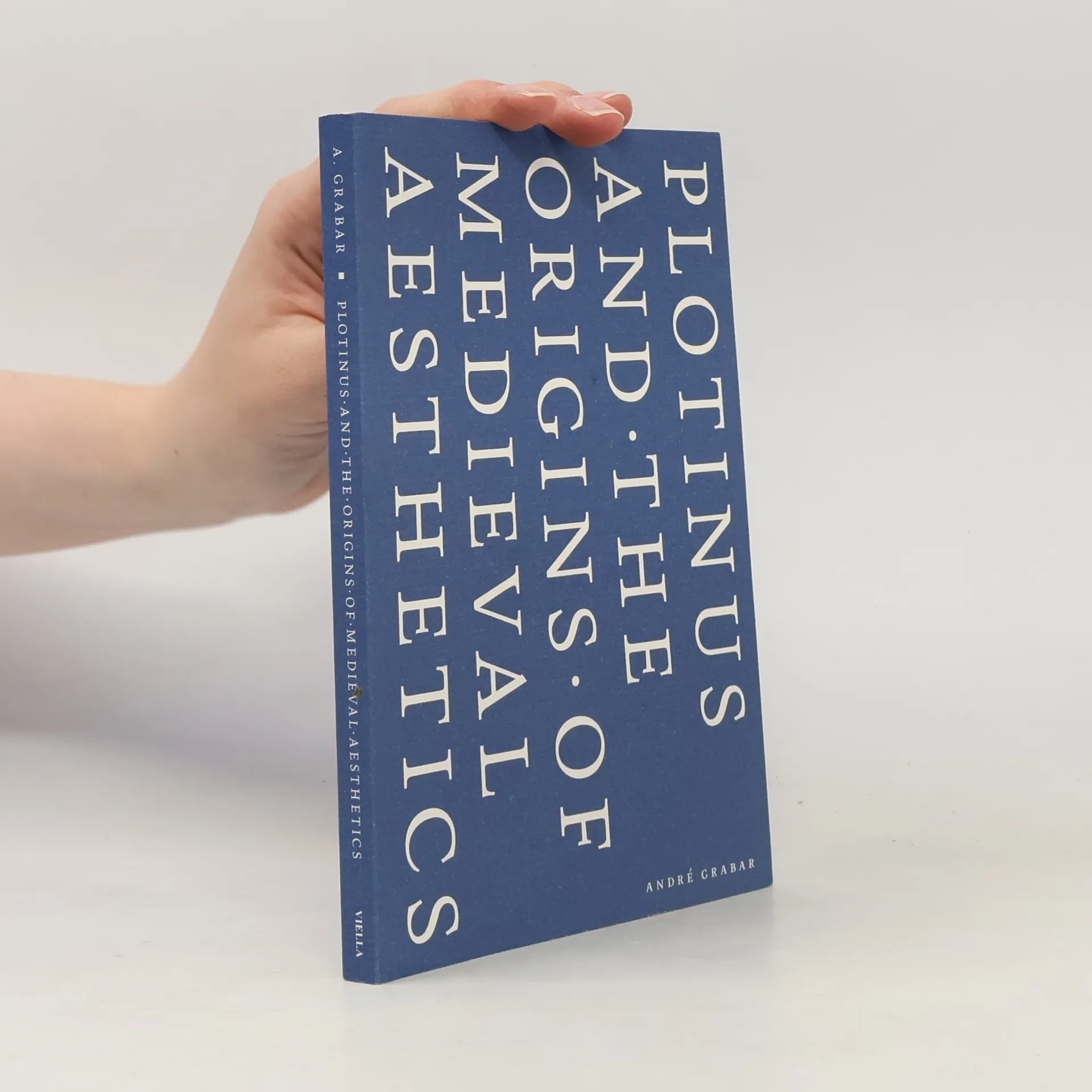
Plotinus and the Origins of Medieval Aesthetics, an iconic essay of byzantinist Andrâe Grabar, first published in 1945 in French, is here presented to the reader for the first time translated in English. It is preceded by an historiographical introduction by Adrien Palladino, presenting the genesis of the text, replacing it within the opus of the scholar, and assessing its relevance within the new horizons of the field of art history.
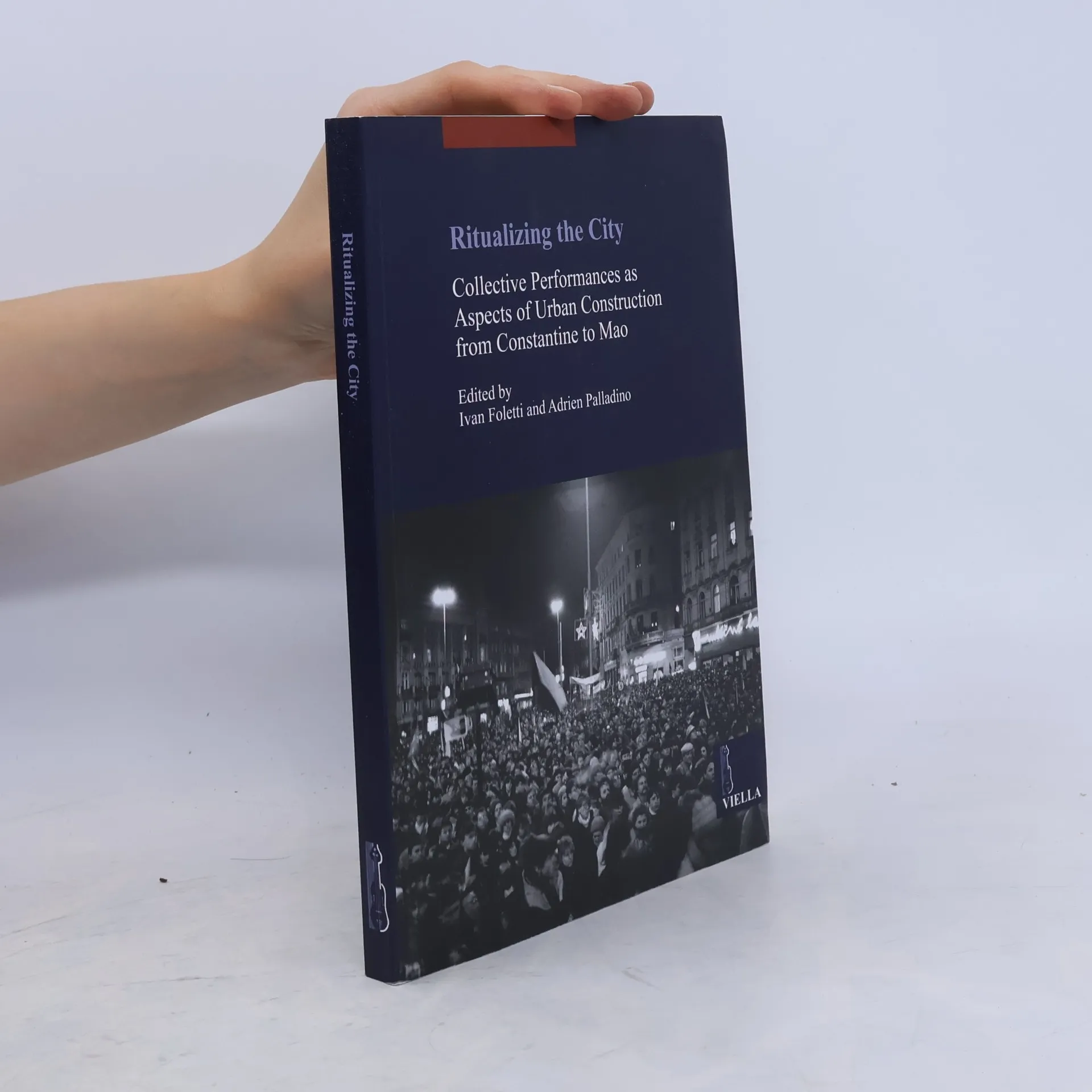
I Libri di Viella - 6: Ritualizing the City
Collective Performances as Aspects of Urban Construction from Constantine to Mao
- 228pagine
- 8 ore di lettura
The city has always been, and remains, the ideal place of collective rituality. It is the city that has hosted, since Antiquity, collective celebrations of victory, important religious ceremonies, but also ritual consecrations of the elite. Based on these essential notions, the aim of this book is to reflect on a specific the interaction between ritual and city space. Our wish is to understand, in a multidisciplinary and cross-epochal approach, how a collective liturgy, civic or religious, can unfold within the public space and transform it. In addition to sacred buildings and seizures of power, the square and the streets become in this sense important identity-shaping loci. Bringing places of power to the street or the square - which are by definition liminal spaces - means entering into a dialogue constructed between those who organise the ritual, those who perform it and those who witness it. It seems that it is in compromise between the different components of society that collective rituals can happen within the public space. Therefore, it is no surprise that the crucial question for this book is the way in which this same space is adapted to the requirements of the ritual, or, on the contrary, how the ritual adapts to the space.