

Mariana Mazzucato Libri
Mariana Mazzucato è un'economista di spicco focalizzata sull'economia dell'innovazione e del valore pubblico. Il suo lavoro esamina criticamente le dinamiche dei contributi dei settori pubblico e privato ed esplora come il valore viene realmente creato e catturato nell'economia globale. Mazzucato sfida il pensiero economico convenzionale, sostenendo un modello che dà priorità alla crescita sostenibile e inclusiva. Le sue intuizioni sono cruciali per comprendere le complessità del capitalismo e il ruolo vitale del settore pubblico nel promuovere l'innovazione.


The Value of Everything
- 384pagine
- 14 ore di lettura
Modern economies reward activities that extract value rather than create it. This must change to ensure a capitalism that works for us all. Shortlisted for the FT & McKinsey Business Book of the Year Award A scathing indictment of our current global financial system, The Value of Everything rigorously scrutinizes the way in which economic value has been accounted and reveals how economic theory has failed to clearly delineate the difference between value creation and value extraction. Mariana Mazzucato argues that the increasingly blurry distinction between the two categories has allowed certain actors in the economy to portray themselves as value creators, while in reality they are just moving around existing value or, even worse, destroying it. The book uses case studies-from Silicon Valley to the financial sector to big pharma-to show how the foggy notions of value create confusion between rents and profits, reward extractors and creators, and distort the measurements of growth and GDP. In the process, innovation suffers and inequality rises. The lesson here is urgent and sobering: to rescue our economy from the next inevitable crisis and to foster long-term economic growth, we will need to rethink capitalism, rethink the role of public policy and the importance of the public sector, and redefine how we measure value in our society.
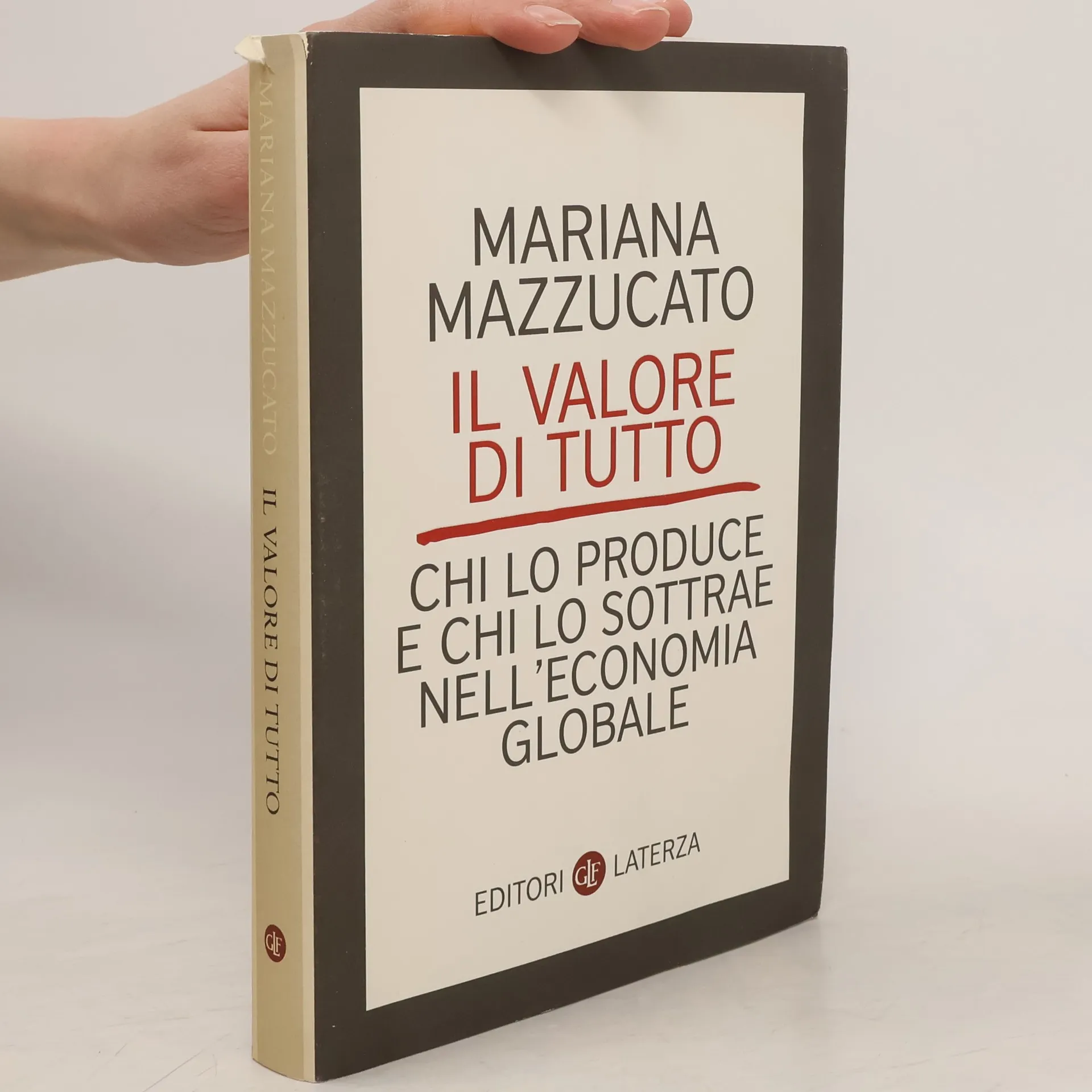
The value of everything. Making and taking in the global economy
- 256pagine
- 9 ore di lettura
A scathing indictment of our current global financial system, 'The Value of Everything' rigorously scrutinizes the way in which economic value has been accounted and reveals how economic theory has failed to clearly delineate the difference between value creation and value extraction. Mariana Mazzucato argues that the increasingly blurry distinction between the two categories has allowed certain actors in the economy to portray themselves as value creators, while in reality they are just moving around existing value or, even worse, destroying it.
Public Purpose
- 160pagine
- 6 ore di lettura
How governments can spur growth and innovation to solve their greatest challenges—from green energy to national security to building resilient health systems.Known around the world for challenging mainstream economics, economist Mariana Mazzucato believes, as the Financial Times writes, that “the public sector can and should be a cocreator of wealth that actively steers growth to meet its goals.” In Public Purppse, she calls on governments to create the economies we need today.Mazzucato's challenge leads off a debate on the revival of industrial policy—roughly defined as deliberate government action to re(shape) the economy. Industrial policy has fallen out of favor in recent decades as economists defer to free markets to produce innovation and growth. Yet today, thinkers across the political spectrum have begun expressing new interest in industrial policy as a way to address the most serious problems of our times: from national security and climate change, to the market's underfunding of public goods, to sluggish economic growth and labor market dysfunction.Public Purpose makes a compelling case for industrial policy—what it is, and why we need it now. Addressing investment, innovation, supply chains, and growth, it provides a robust vision of a renewed industrial policy, and what it can offer the US economy in the face of climate change and a global pandemic.
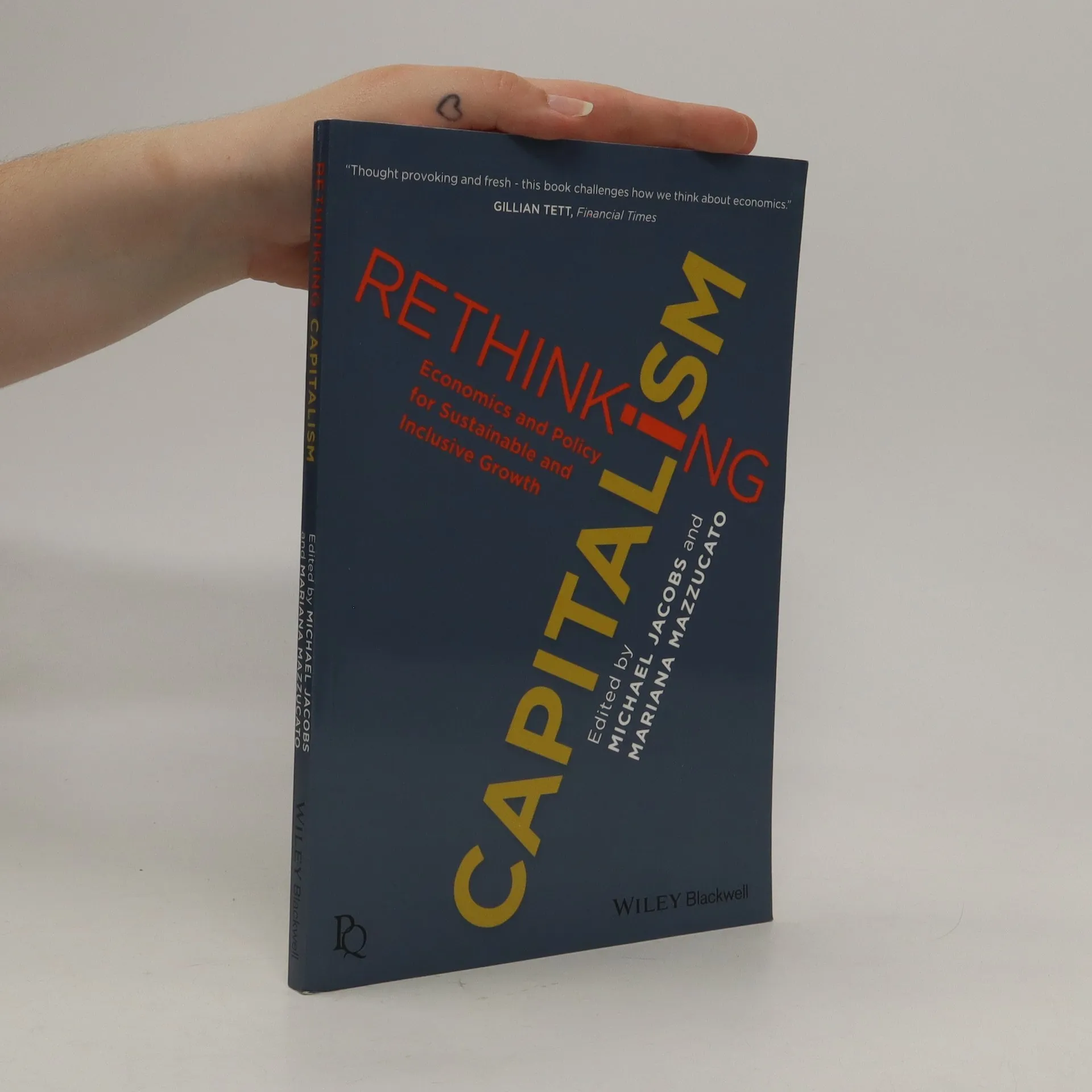
Rethinking capitalism : economics and policy for sustainable and inclusive growth
- 224pagine
- 8 ore di lettura
"Thought provoking and fresh - this book challenges how we think about economics.” Gillian Tett, Financial Times For further information about recent publicity events and media coverage for Rethinking Capitalism please visit http://marianamazzucato.com/rethinking-capitalism/ Western capitalism is in crisis. For decades investment has been falling, living standards have stagnated or declined, and inequality has risen dramatically. Economic policy has neither reformed the financial system nor restored stable growth. Climate change meanwhile poses increasing risks to future prosperity. In this book some of the world’s leading economists propose new ways of thinking about capitalism. In clear and compelling prose, each chapter shows how today’s deep economic problems reflect the inadequacies of orthodox economic theory and the failure of policies informed by it. The chapters examine a range of contemporary economic issues, including fiscal and monetary policy, financial markets and business behaviour, inequality and privatisation, and innovation and environmental change. The authors set out alternative economic approaches which better explain how capitalism works, why it often doesn’t, and how it can be made more innovative, inclusive and sustainable. Outlining a series of far-reaching policy reforms, Rethinking Capitalism offers a powerful challenge to mainstream economic debate, and new ideas to transform it.
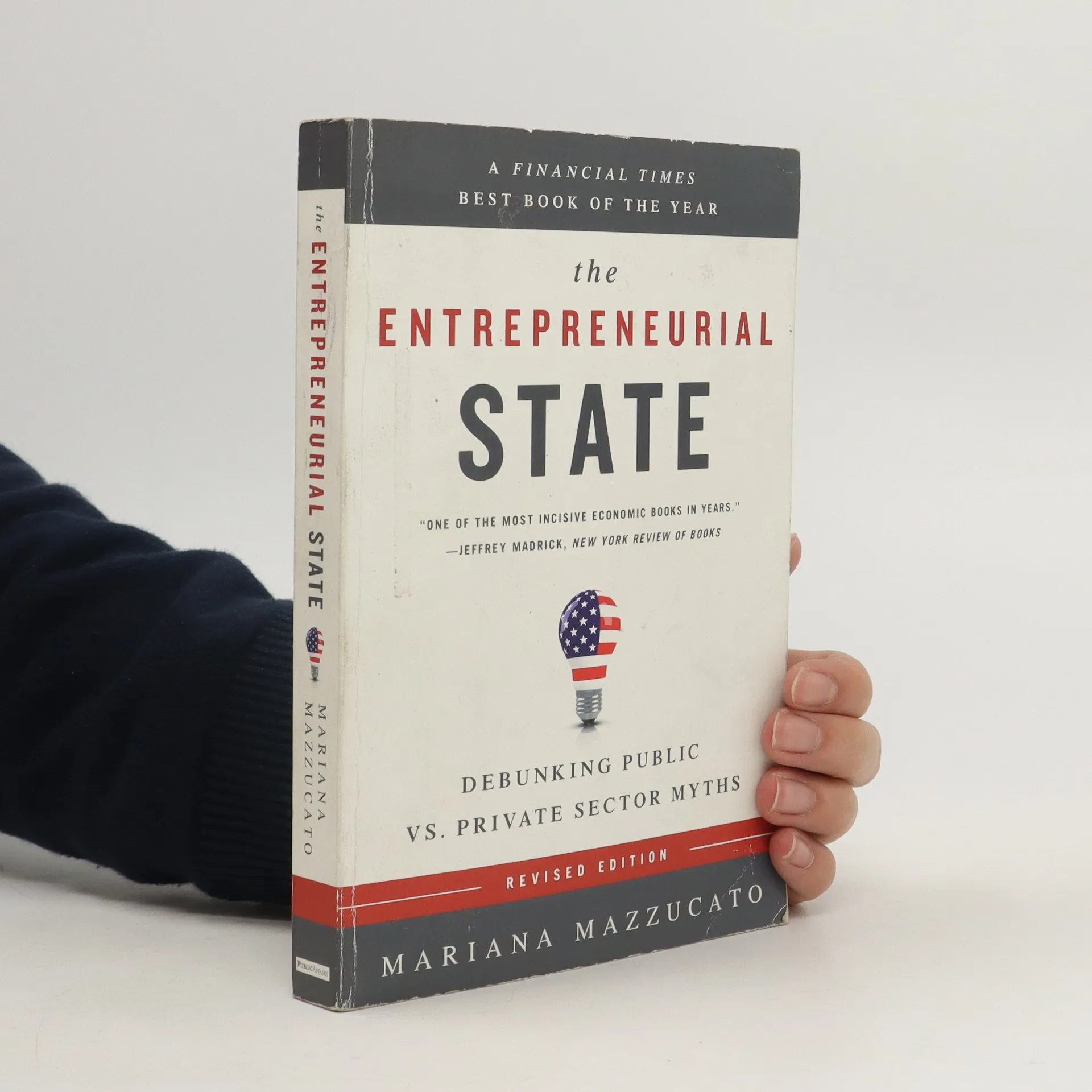
The Entrepreneurial State
- 260pagine
- 10 ore di lettura
Argues that the American government, often perceived as a hindrance to technology, has in fact been a great innovator, responsible for such breakthroughs as GPS, the Internet, and search engine algorithms
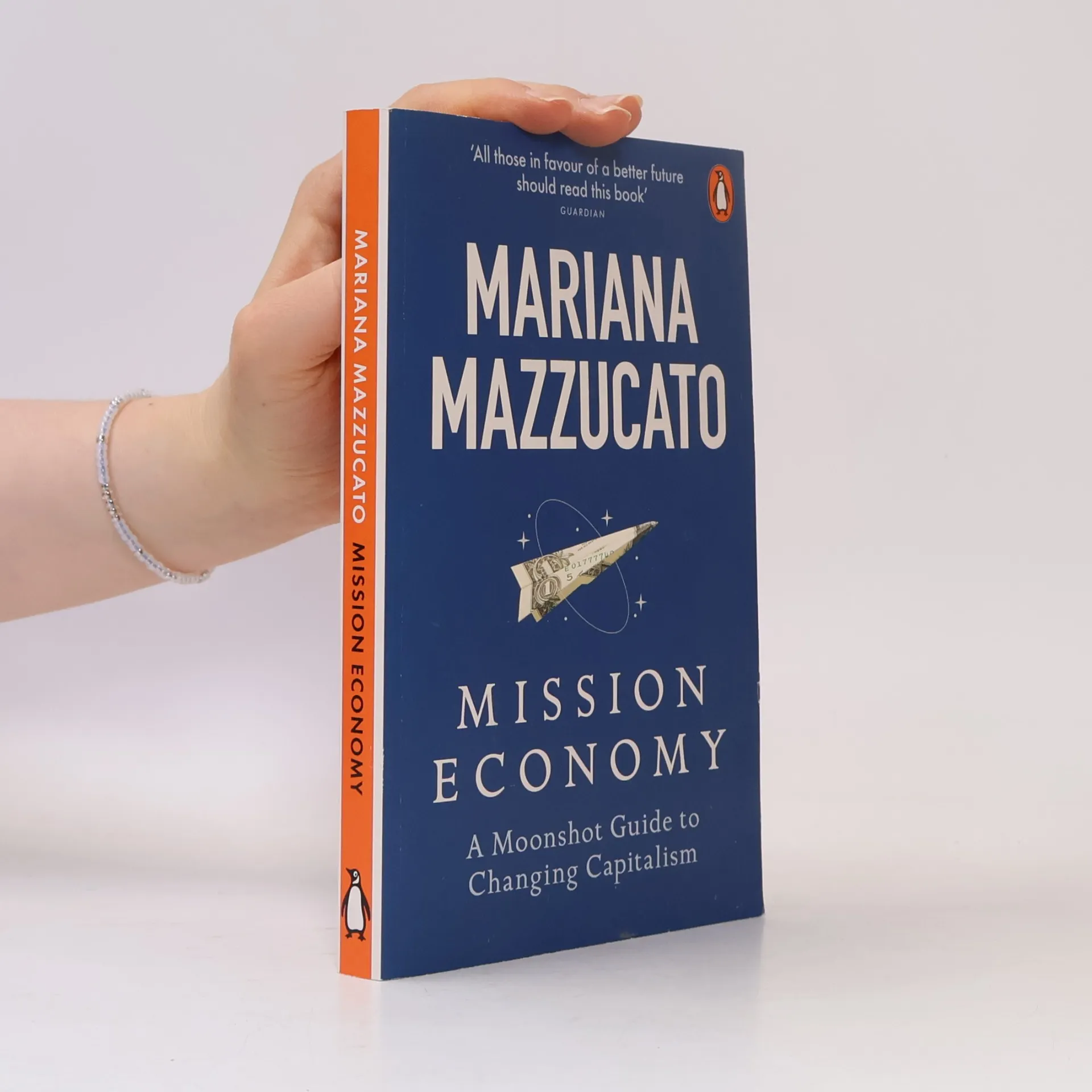
Mission Economy
- 272pagine
- 10 ore di lettura
The extraordinary efforts that took mankind to the moon 50 years ago were more than a scientific feat of aeronautics. They required new forms of collaboration between the public sector (notably, NASA) and private companies. This book asks- what if the same level of boldness - the boldness that set inspirational goals, took risks and explicitly recognized that this requires large spending but will be worthwhile in terms of long-term growth - was applied to the biggest problems of our time, climate change, disease and inequality, to name only a few? Mariana Mazzucato argues that applying innovation to societal goals and structuring government budgets more explicitly to the long-term, as the moon programme did, we can do government differently.
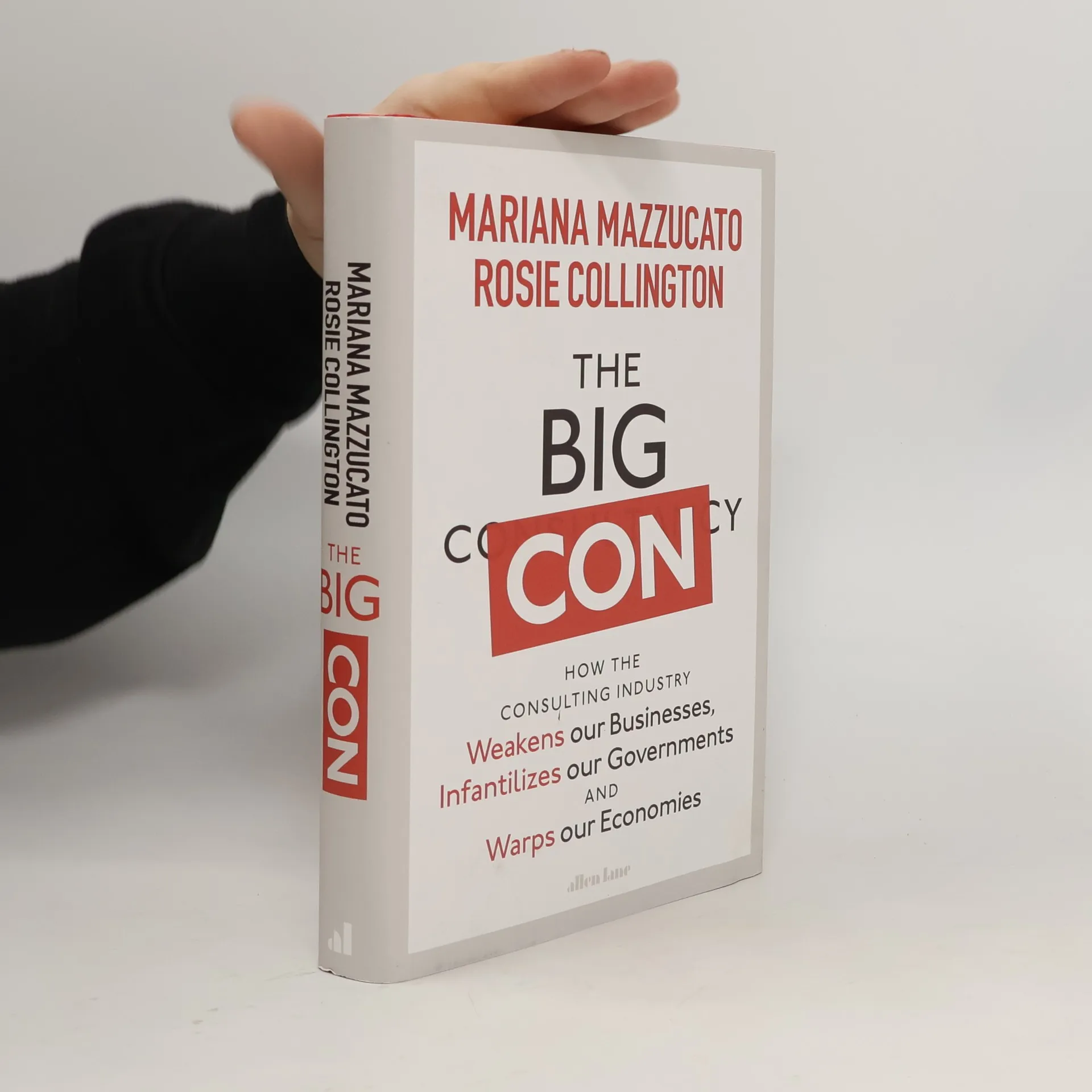
An entrenched relationship exists between the consulting industry and the management of business and government, which needs to change. Mariana Mazzucato and Rosie Collington reveal how reliance on firms like McKinsey and Deloitte stifles innovation, obscures accountability, and hinders efforts to combat climate change. The 'Big Con' illustrates the confidence trick played by the consulting industry on risk-averse governments and profit-driven companies. Emerging from the reforms of the 1980s and 1990s, it thrives on modern capitalism's challenges, including financialization and privatization. This situation is fueled by the significant power that large consultancies hold through extensive contracts and networks, presenting themselves as objective experts. Additionally, top graduates are often diverted from public service into consulting roles, further weakening governments and distorting economies. Mazzucato and Collington effectively debunk the myth that consultancies consistently add value. Through original research, they advocate for investment in collective intelligence within organizations and communities, calling for a new system where public and private sectors collaborate for the common good. It is crucial to recalibrate the role of consultants to create economies and governments that truly serve their purposes.
This timely investigation into the powerful consulting industry highlights the need for change in the entrenched relationship between consulting firms and the management of business and government. Mariana Mazzucato and Rosie Collington reveal how reliance on major companies like McKinsey, Boston Consulting Group, and Deloitte stifles innovation, obscures accountability, and hampers efforts to combat climate change. The authors describe the "Big Con," a confidence trick that exploits risk-averse governments and profit-driven firms, rooted in the neoliberal reforms of the 1980s and 1990s. This phenomenon thrives on the challenges of modern capitalism, including financialization and privatization, and is facilitated by the extensive influence of consultancies, which position themselves as objective experts. Ultimately, the Big Con undermines businesses, infantilizes governments, and distorts economies. Through compelling case studies, including the failures of HealthCare.gov and inadequate pandemic responses, Mazzucato and Collington expose the detrimental impact of consulting practices. Their rigorous scholarship and original research advocate for a new system where public and private sectors collaborate innovatively for the common good, offering an exhilarating intellectual journey into the core of the modern economy.