

In der Fortsetzung seiner Lebensgeschichte berichtet Hans J. Massaquoi davon, wie er sich nach seiner Emigration einen Platz in Amerika erkämpft, in einem demokratischen und freien Land, das zu dieser Zeit trotz des schönen Scheins auch von Rassismus geprägt ist. Wieder erfährt er Diskriminierung am eigenen Leib, doch nun ist er einer unter Millionen anderen Schwarzen, mit denen er gemeinsam kämpfen und sich solidarisieren kann. Als Mitarbeiter und schließlich Chefredakteur von »Ebony«, der größten schwarzen Zeitschrift Amerikas, findet er seine Berufung und seine Identität, nicht zuletzt dank seiner Begegnungen mit so herausragenden schwarzen Persönlichkeiten wie Martin Luther King, Malcolm X, Jesse Jackson, Muhammad Ali, Diana Ross und vielen anderen.
Hans J. Massaquoi Ordine dei libri (cronologico)
Hans-Jürgen Massaquoi fu un giornalista tedesco-americano i cui scritti esplorarono temi di identità, discriminazione e dualità culturale. Crescendo sotto il regime nazista, sperimentò in prima persona il grave impatto del pregiudizio, un'esperienza che plasmò profondamente la sua prospettiva e la sua voce narrativa. Il suo lavoro si addentra spesso nelle complessità del navigare attraverso molteplici eredità culturali, riflettendo il suo stesso doppio background tedesco-liberiano. Attraverso i suoi contributi letterari, Massaquoi offrì ai lettori potenti intuizioni sulla condizione umana e l'incessante lotta contro l'ingiustizia.




'Neger, Neger, Schornsteinfeger!', Textausgabe mit Materialien
- 287pagine
- 11 ore di lettura
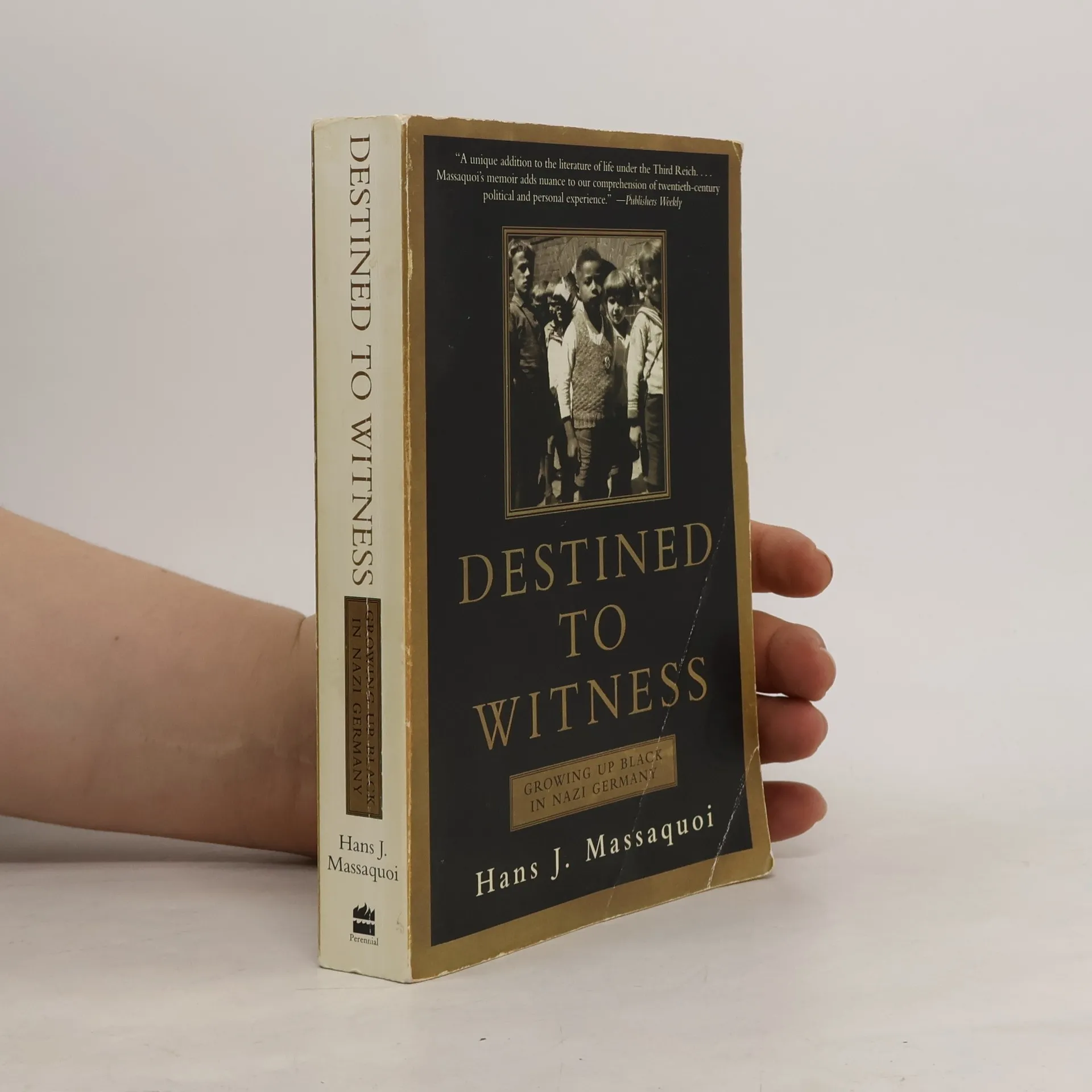
Destined to Witness
- 480pagine
- 17 ore di lettura
This is a story of the unexpected.In Destined to Witness, Hans Massaquoi has crafted a beautifully rendered memoir -- an astonishing true tale of how he came of age as a black child in Nazi Germany. The son of a prominent African and a German nurse, Hans remained behind with his mother when Hitler came to power, due to concerns about his fragile health, after his father returned to Liberia. Like other German boys, Hans went to school; like other German boys, he swiftly fell under the Fuhrer's spell. So he was crushed to learn that, as a black child, he was ineligible for the Hitler Youth. His path to a secondary education and an eventual profession was blocked. He now lived in fear that, at any moment, he might hear the Gestapo banging on the door -- or Allied bombs falling on his home. Ironic,, moving, and deeply human, Massaquoi's account of this lonely struggle for survival brims with courage and intelligence.