William H. McNeill Libri
L'opera di questo storico sostiene l'idea che il contatto e lo scambio tra civiltà siano le forze trainanti della storia umana. I suoi scritti esplorano tendenze a lungo termine e le influenze reciproche tra culture nel corso dei millenni. Analizza come le civiltà evolvano e si arricchiscano reciprocamente attraverso l'interazione, offrendo una prospettiva completa sulla storia mondiale. Il suo approccio enfatizza l'interconnessione globale e le dinamiche del progresso civilizzazionale.

Solzhenitsyn at Harvard
The Address, Twelve Early Responses, Six Later Reflections
- 143pagine
- 6 ore di lettura
When Aleksandr Solzhenitsyn gave the commencement address at Harvard University in 1978, many Americans expected to hear their country praised by this celebrated refugee from a totalitarian state. Instead they heard some sharply critical views of their legal system, their press, their popular culture, and even their national will. The forthright and controversial speech makes up Part One of this book. A sampling of the avalanche of comment that followed it is included in Part Two. In Part Three, six thoughtful scholars reflect on the ideas and judgments expressed by the great Russian writer.
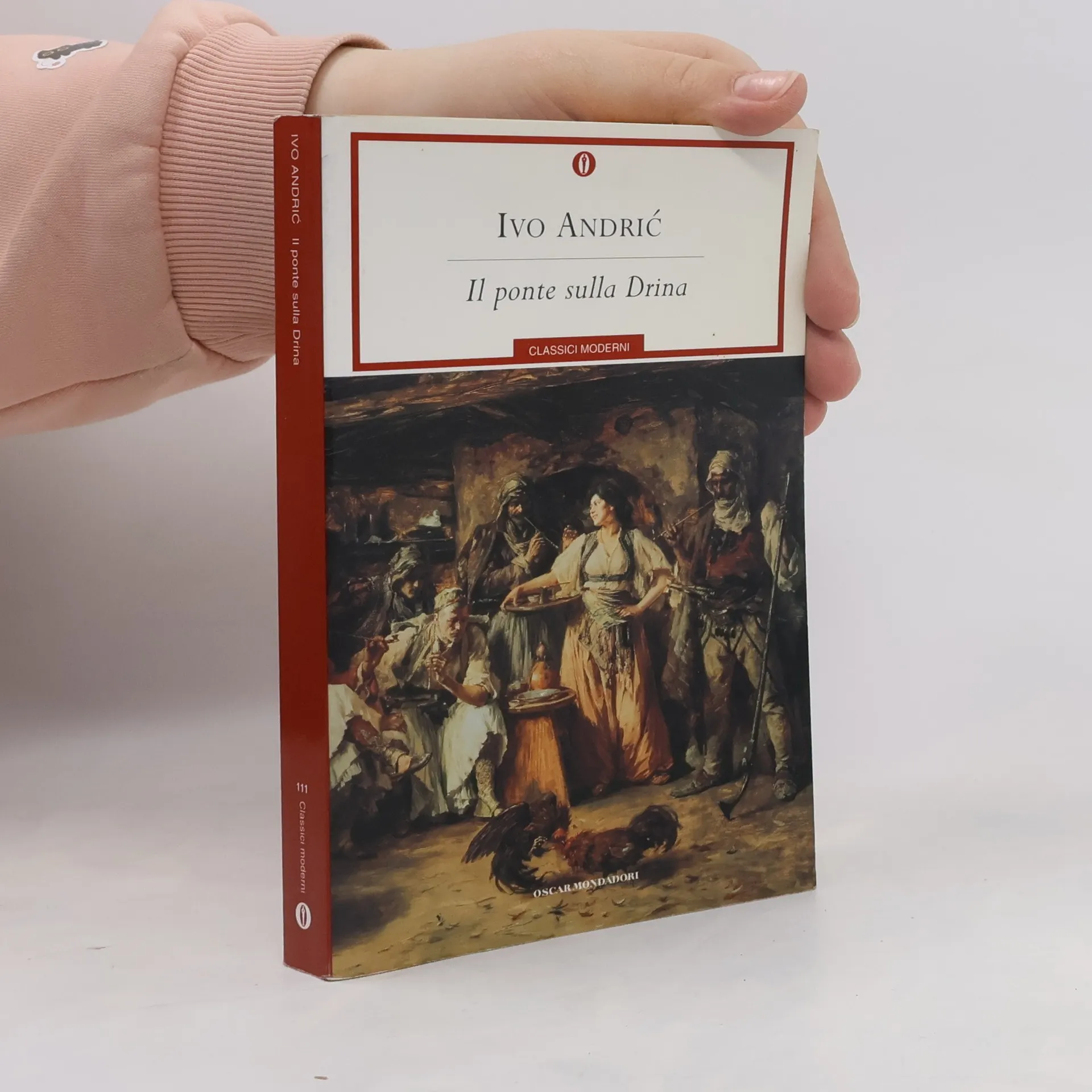
Il ponte sulla drina
- 402pagine
- 15 ore di lettura
Attraverso la storia del più famoso ponte della Bosnia, Andric ́ (1892-1975), premio Nobel per la letteratura nel 1961, evoca le vicende di questa regione dalla fine del XV secolo alla Prima guerra mondiale. Un grandioso romanzo epico che ha per sfondo una terra segnata da un destino tragico.
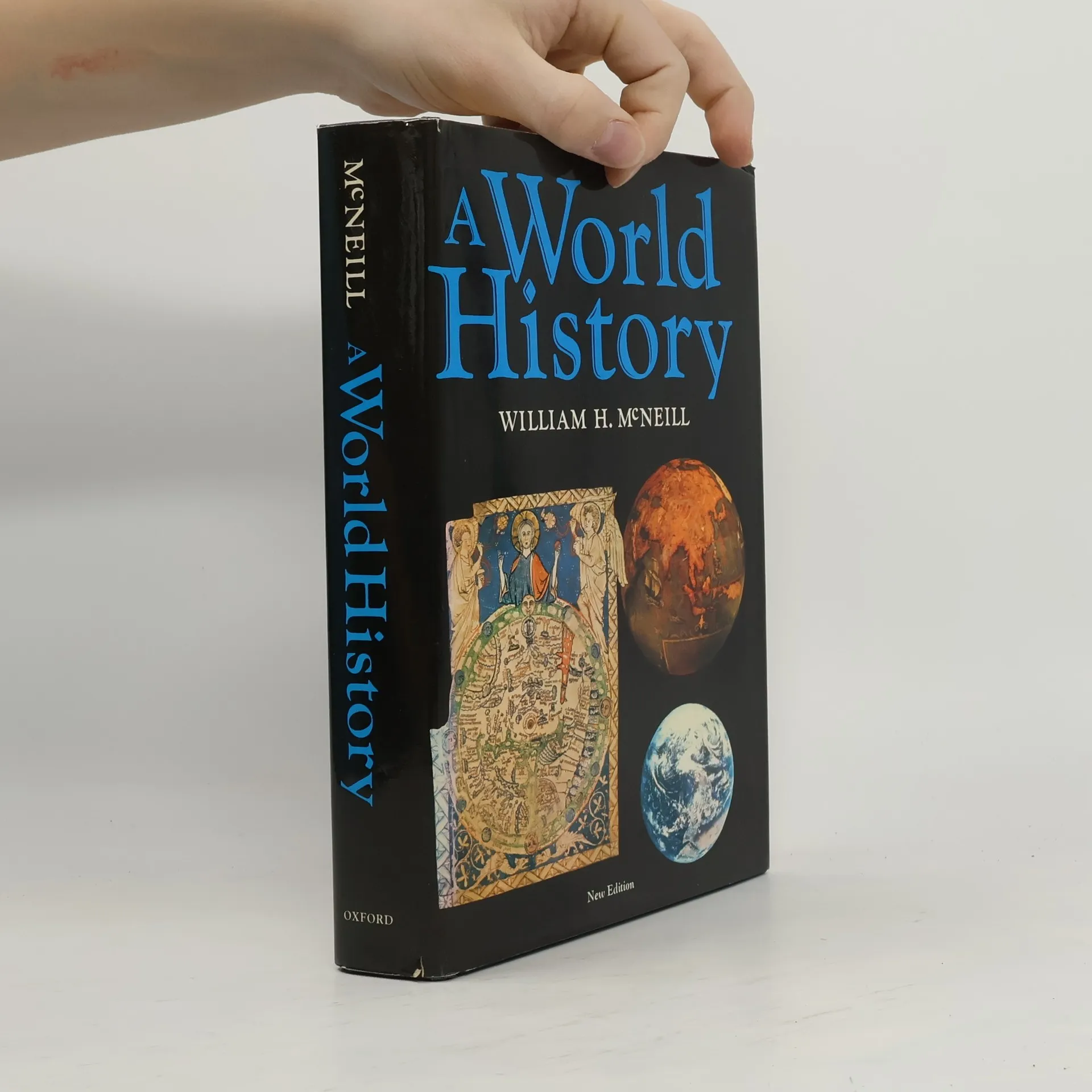
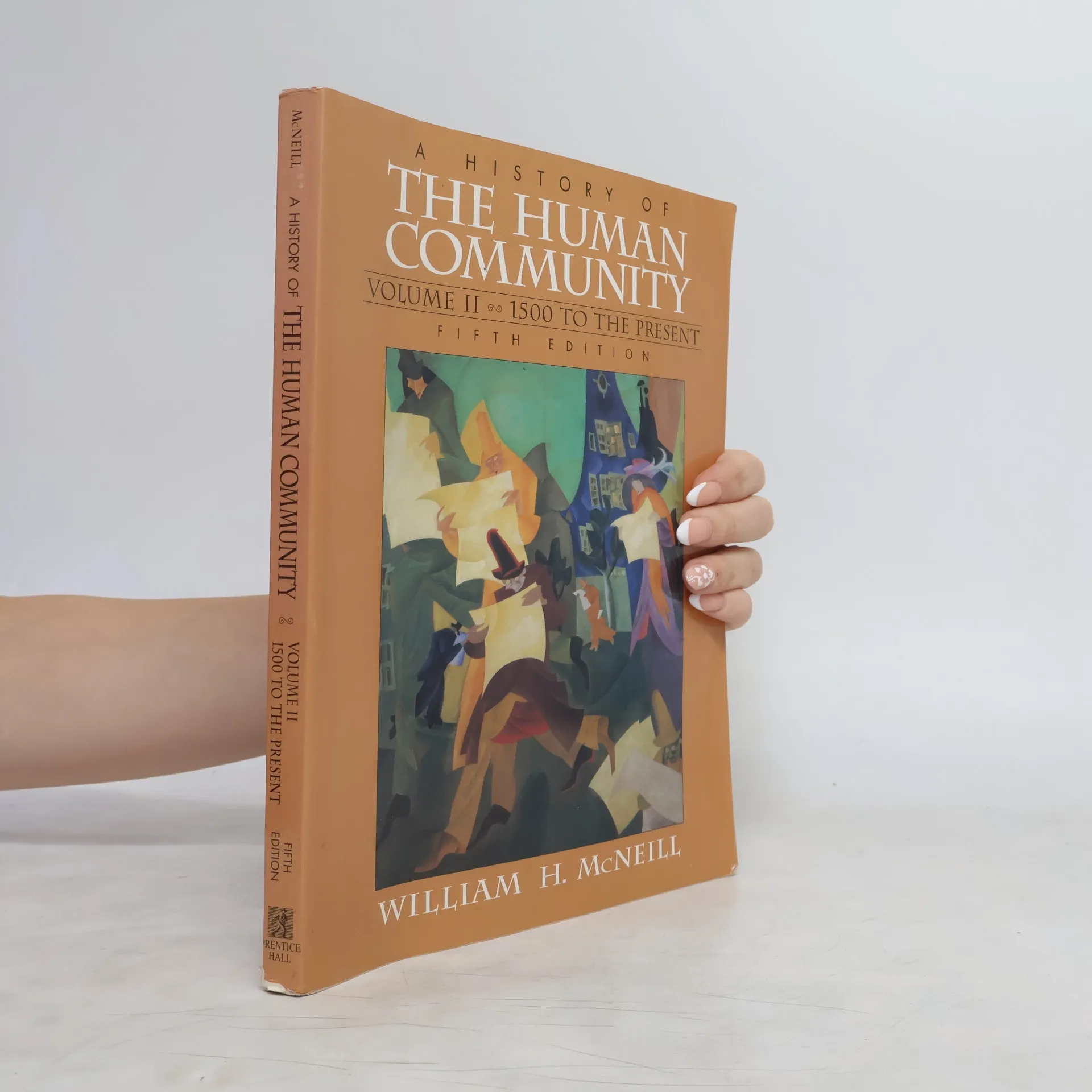
An intellectually and stylistically unified overview of world history, this text draws a global portrait of the human past—showing how each part of the world fits into the overall balance in each successive age.
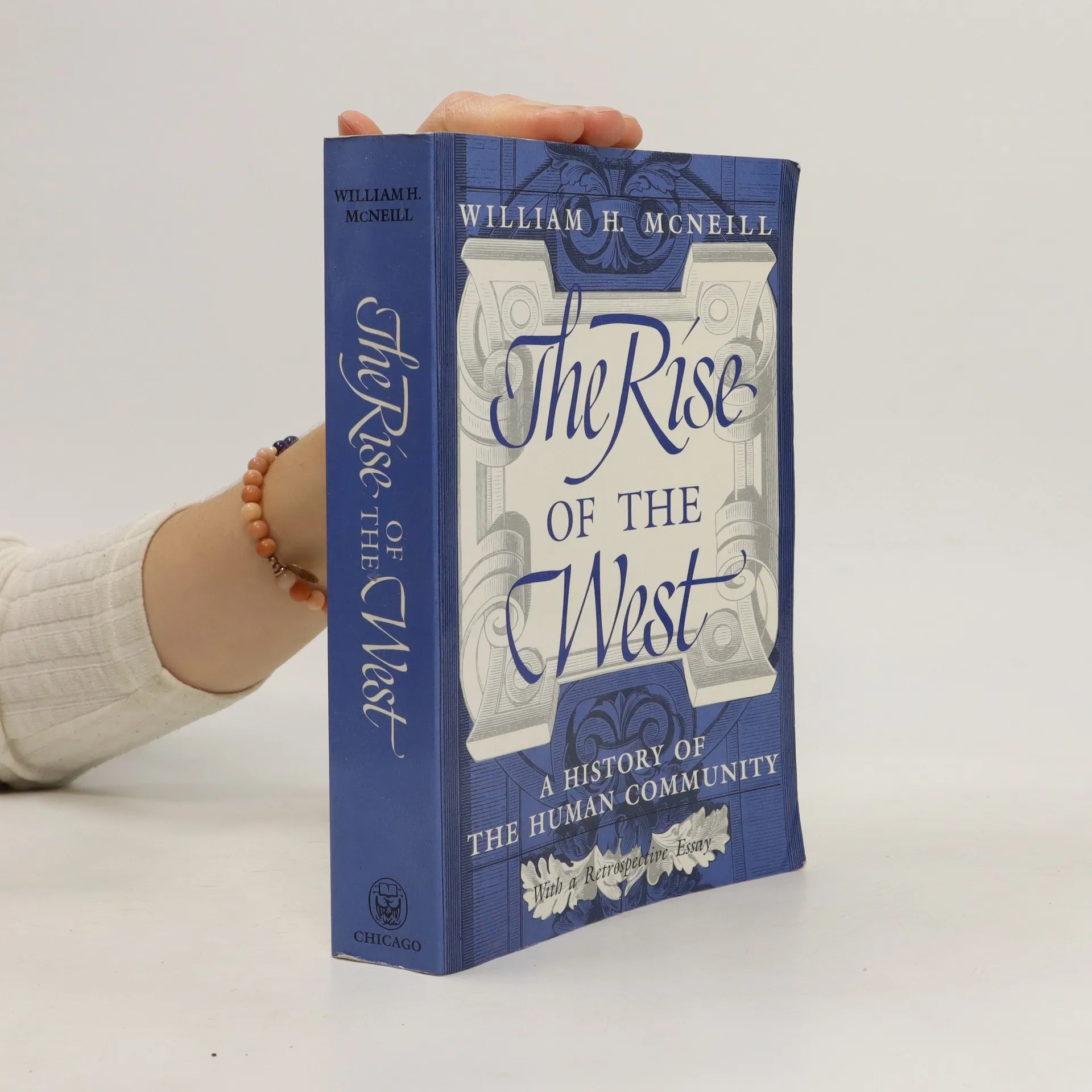
The Rise of the West
- 860pagine
- 31 ore di lettura
The Rise of the West, winner of the National Book Award for history in 1964, is famous for its ambitious scope and intellectual rigor. In it, McNeill challenges the Spengler-Toynbee view that a number of separate civilizations pursued essentially independent careers, and argues instead that human cultures interacted at every stage of their history. The author suggests that from the Neolithic beginnings of grain agriculture to the present major social changes in all parts of the world were triggered by new or newly important foreign stimuli, and he presents a persuasive narrative of world history to support this claim. In a retrospective essay titled "The Rise of the West after Twenty-five Years," McNeill shows how his book was shaped by the time and place in which it was written (1954-63). He discusses how historiography subsequently developed and suggests how his portrait of the world's past in The Rise of the West should be revised to reflect these changes. "This is not only the most learned and the most intelligent, it is also the most stimulating and fascinating book that has ever set out to recount and explain the whole history of mankind. . . . To read it is a great experience. It leaves echoes to reverberate, and seeds to germinate in the mind."—H. R. Trevor-Roper, New York Times Book Review
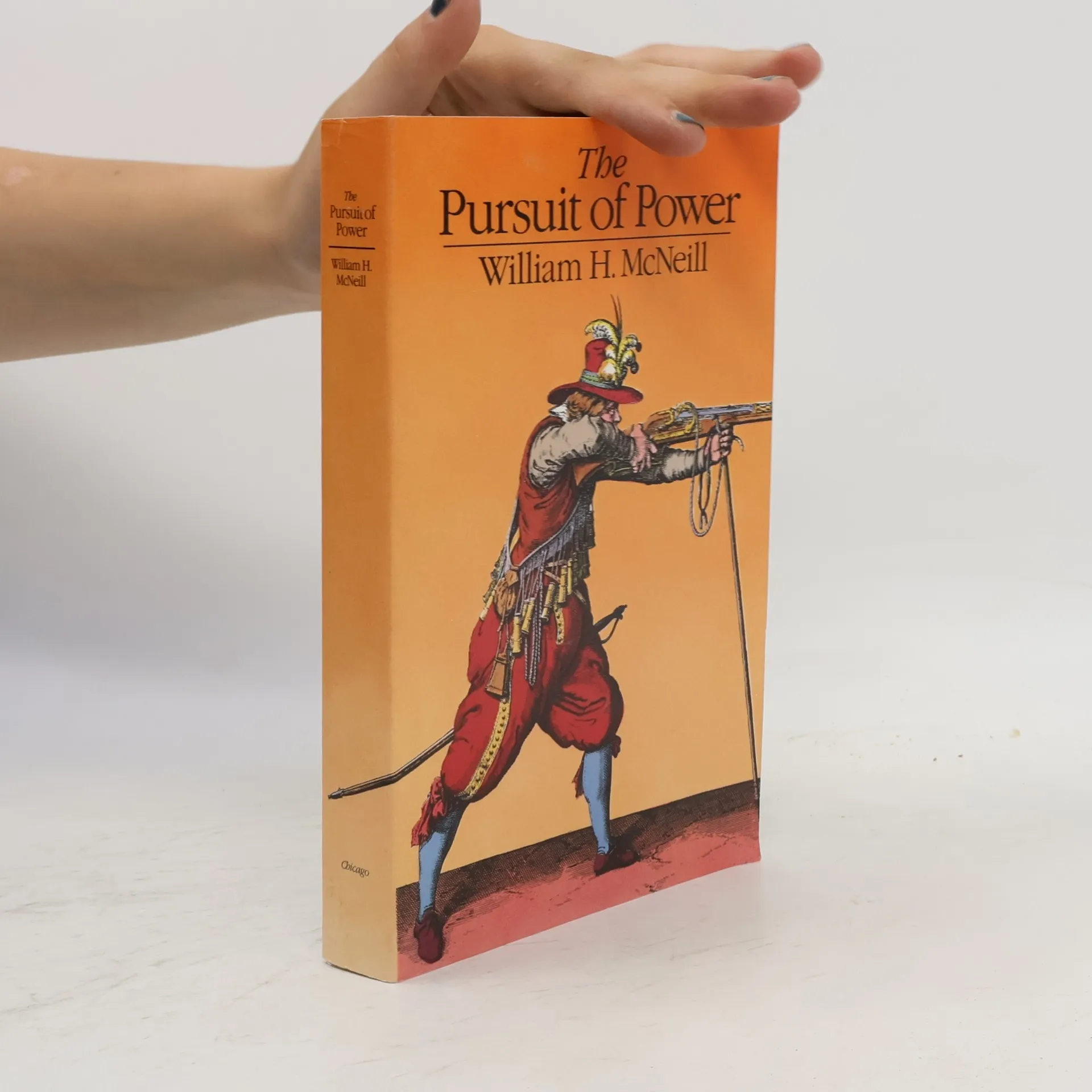
The Pursuit of Power
- 416pagine
- 15 ore di lettura
Shows the interrelatedness of technical, military, political, and economic history and examines the changes introduced by the industrialization of war
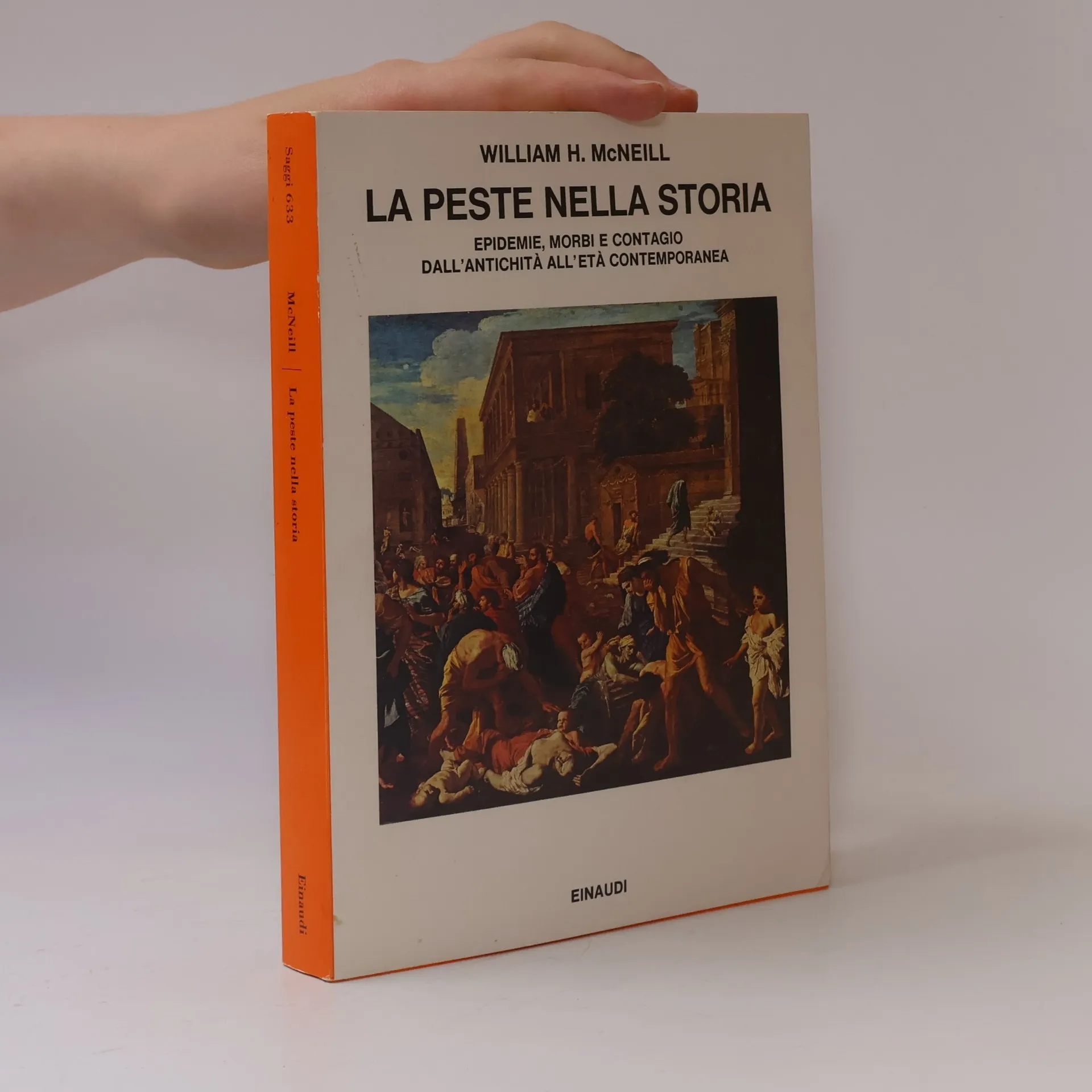
Upon its original publication, Plagues and Peoples was an immediate critical and popular success, offering a radically new interpretation of world history as seen through the extraordinary impact--political, demographic, ecological, and psychological--of disease on cultures. From the conquest of Mexico by smallpox as much as by the Spanish, to the bubonic plague in China, to the typhoid epidemic in Europe, the history of disease is the history of humankind. With the identification of AIDS in the early 1980s, another chapter has been added to this chronicle of events, which William McNeill explores in his new introduction to this updated editon.Thought-provoking, well-researched, and compulsively readable, Plagues and Peoples is that rare book that is as fascinating as it is scholarly, as intriguing as it is enlightening. "A brilliantly conceptualized and challenging achievement" (Kirkus Reviews), it is essential reading, offering a new perspective on human history.
Renowned historian William H. McNeil provides a brilliant narrative chronology of the development of Western civilization, representing its socio-political as well as cultural aspects. This sixth edition includes new material for the twentieth-century period and completely revised bibliographies. An invaluable tool for the study of Western civilization, the Handbook is an essential complement to readings in primary and secondary sources such as those in the nine-volume University of Chicago Readings in Western Civilization.
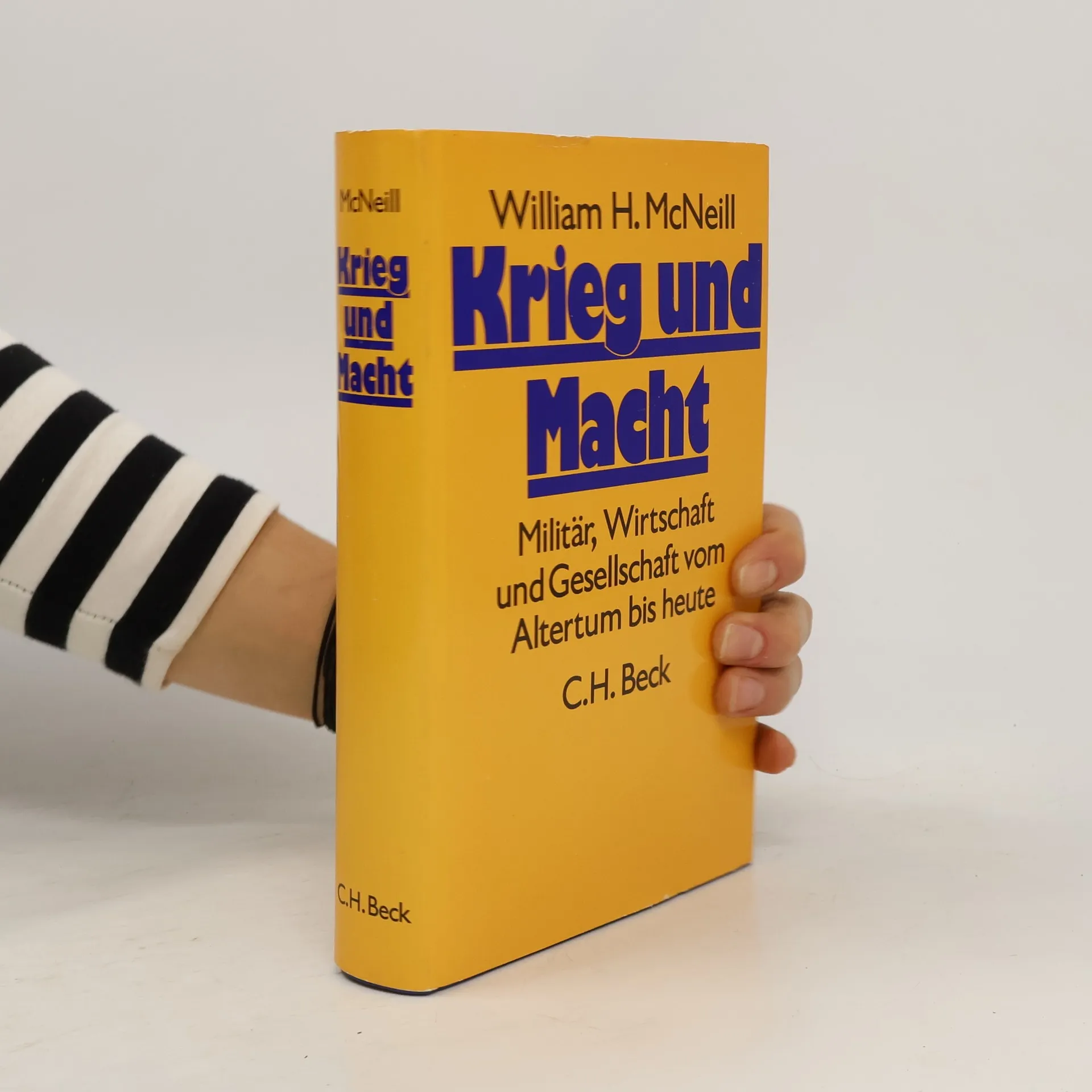
Krieg und Macht
- 411pagine
- 15 ore di lettura
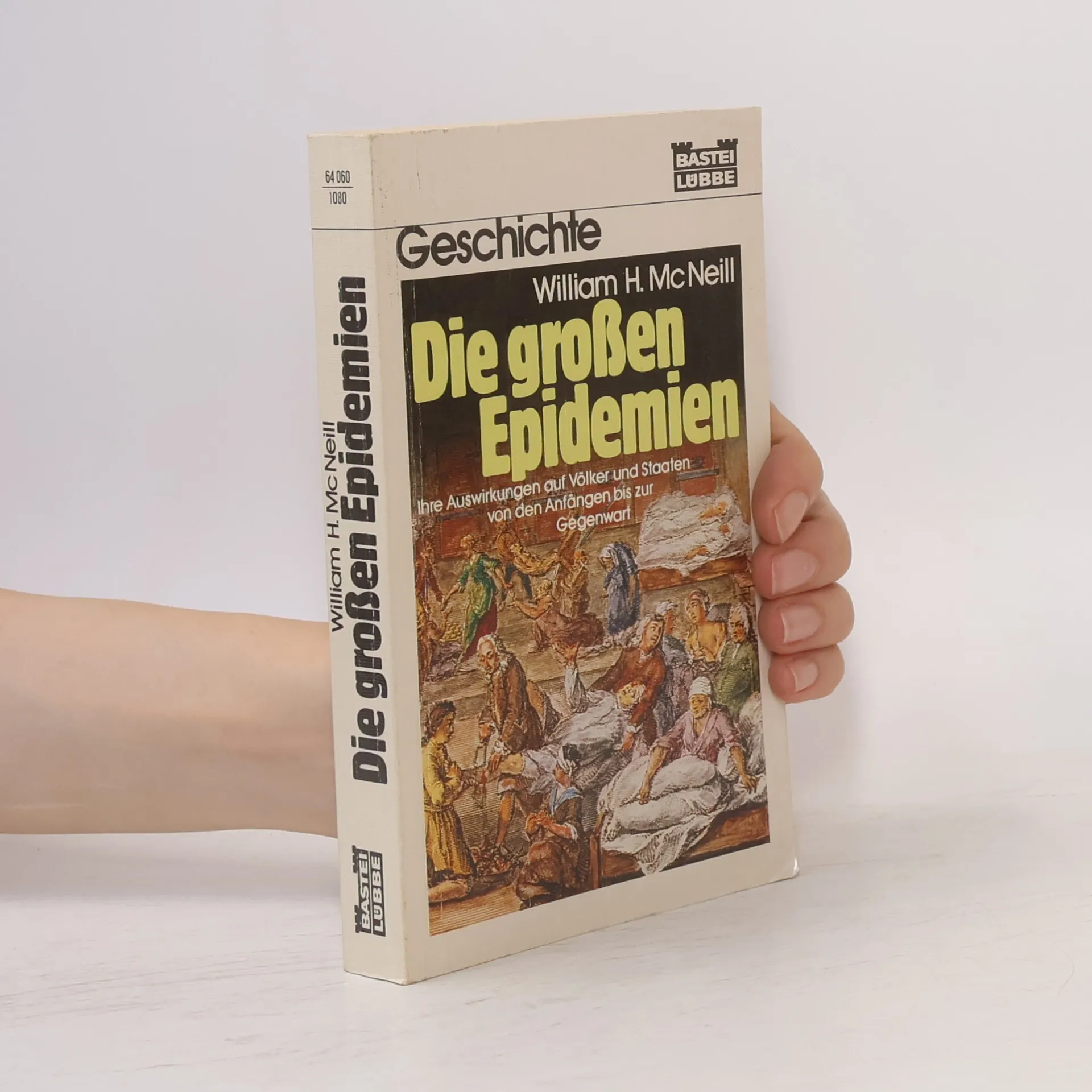
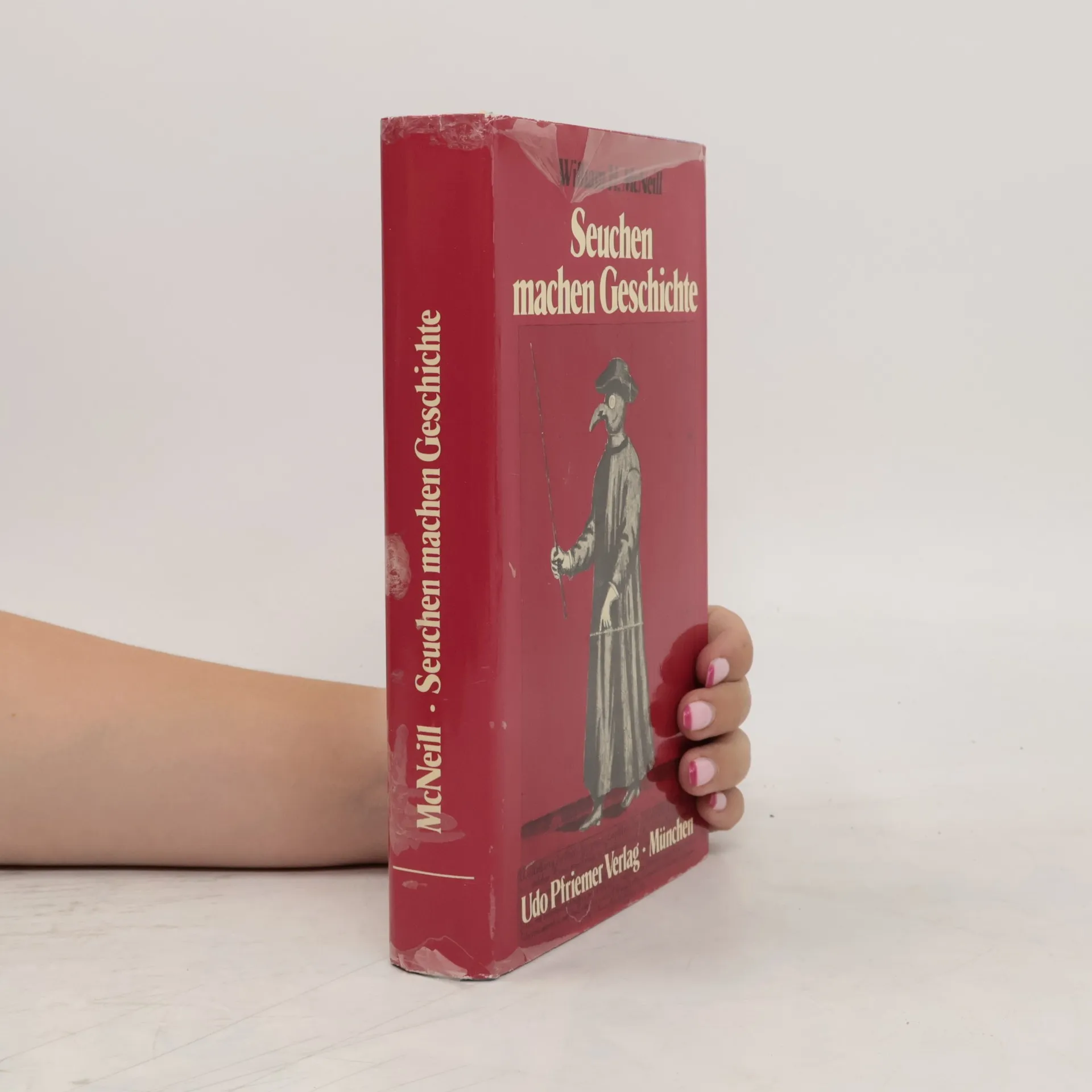
Seuchen machen Geschichte
- 334pagine
- 12 ore di lettura
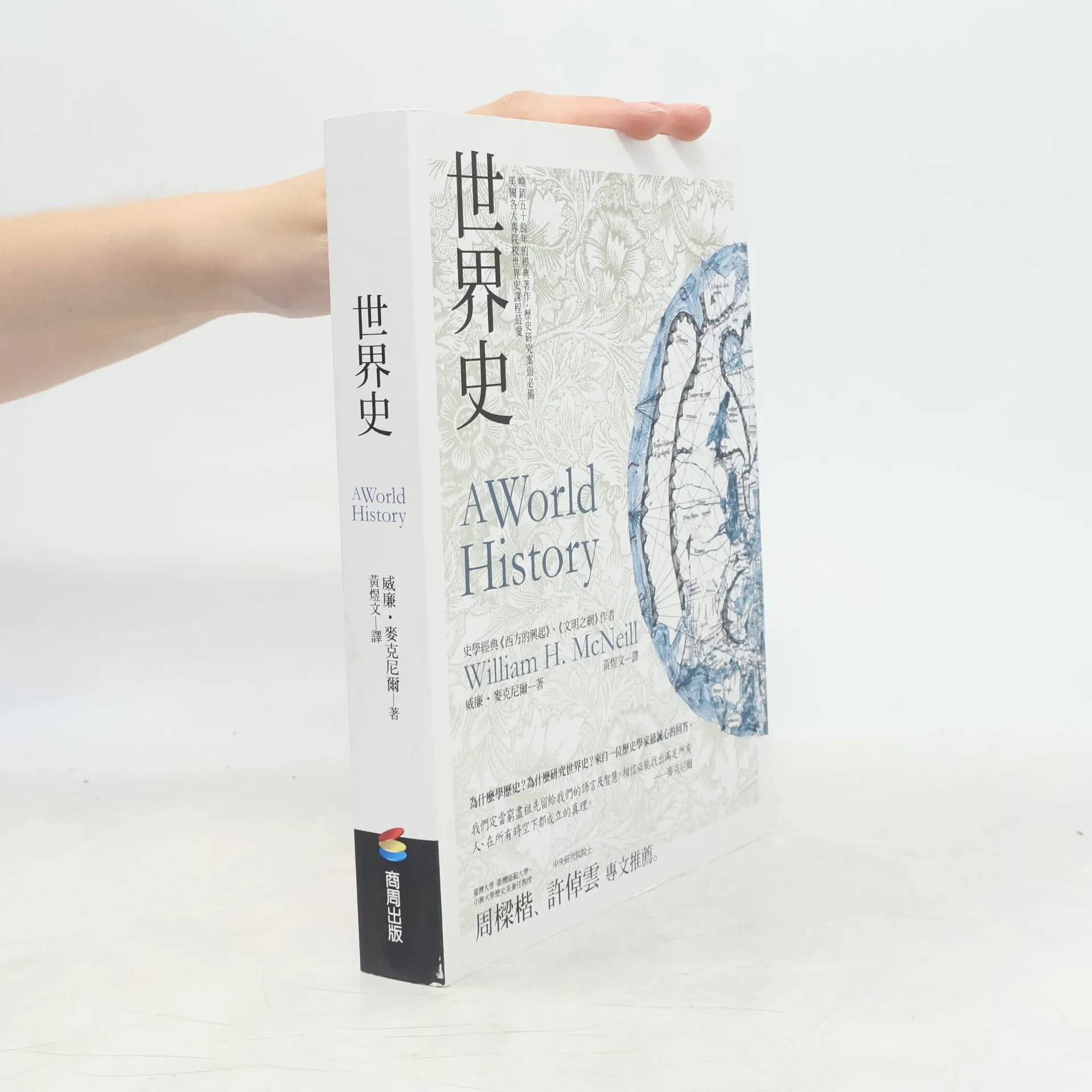
世界史 / A World History
- 600pagine
- 21 ore di lettura