

10 libri per 10 euro qui
Bookbot

Carolina De Robertis

    1 gennaio 1975

    Carolina De Robertis crea narrazioni che approfondiscono le intersezioni di migrazione, sessualità e identità culturale. La sua scrittura è caratterizzata da una profonda empatia e da una prosa lirica che illumina complesse connessioni umane e viaggi attraverso i confini. Avendo dedicato un decennio alla difesa dei diritti delle donne, il suo lavoro è intriso di una acuta comprensione delle questioni di giustizia sociale. De Robertis offre ai lettori storie avvincenti che esplorano le profondità dello spirito umano e le sfide sociali con una voce unica e risonante.

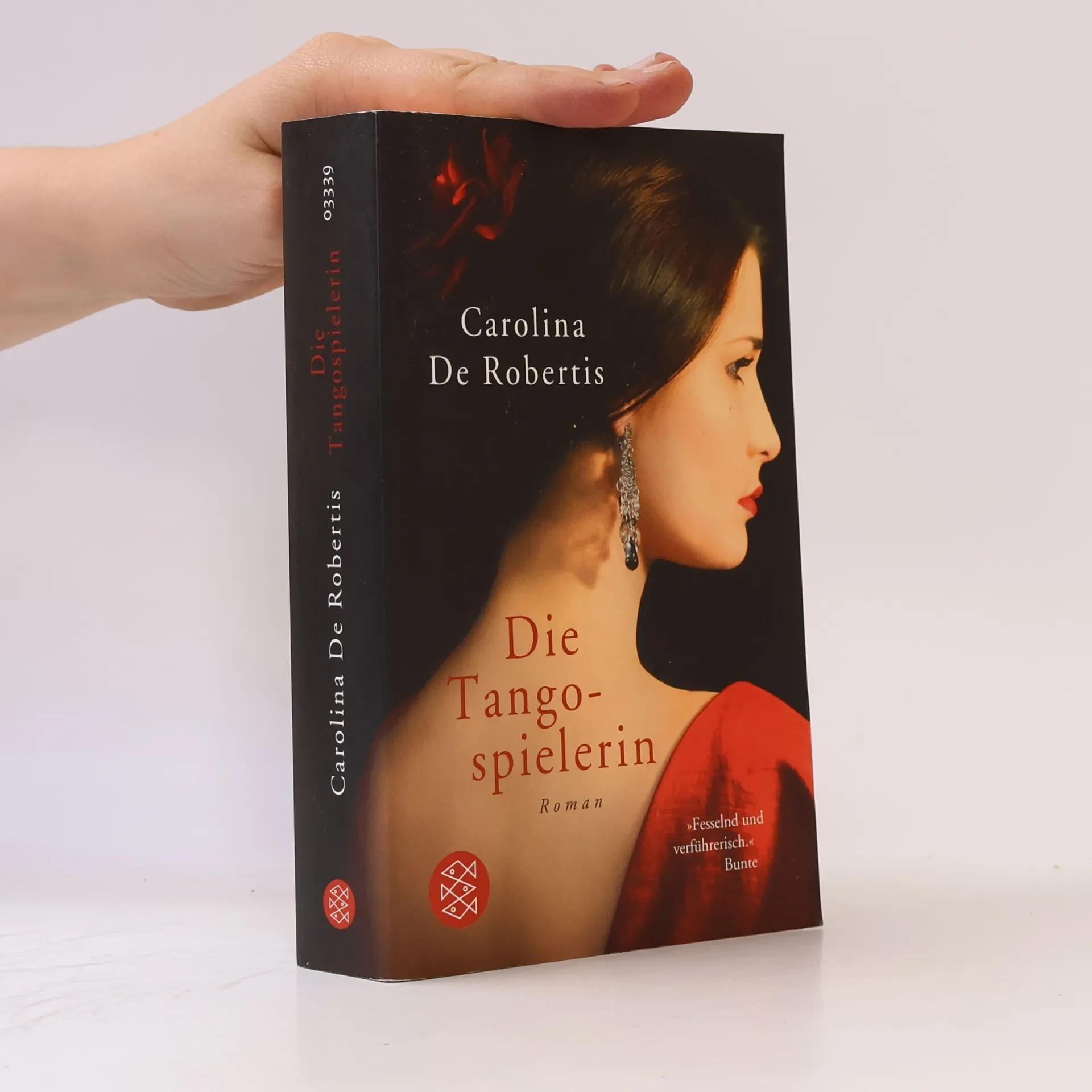
    Die Tangospielerin
    Perla
    The President and the Frog
    Perla, English edition
    Cantoras
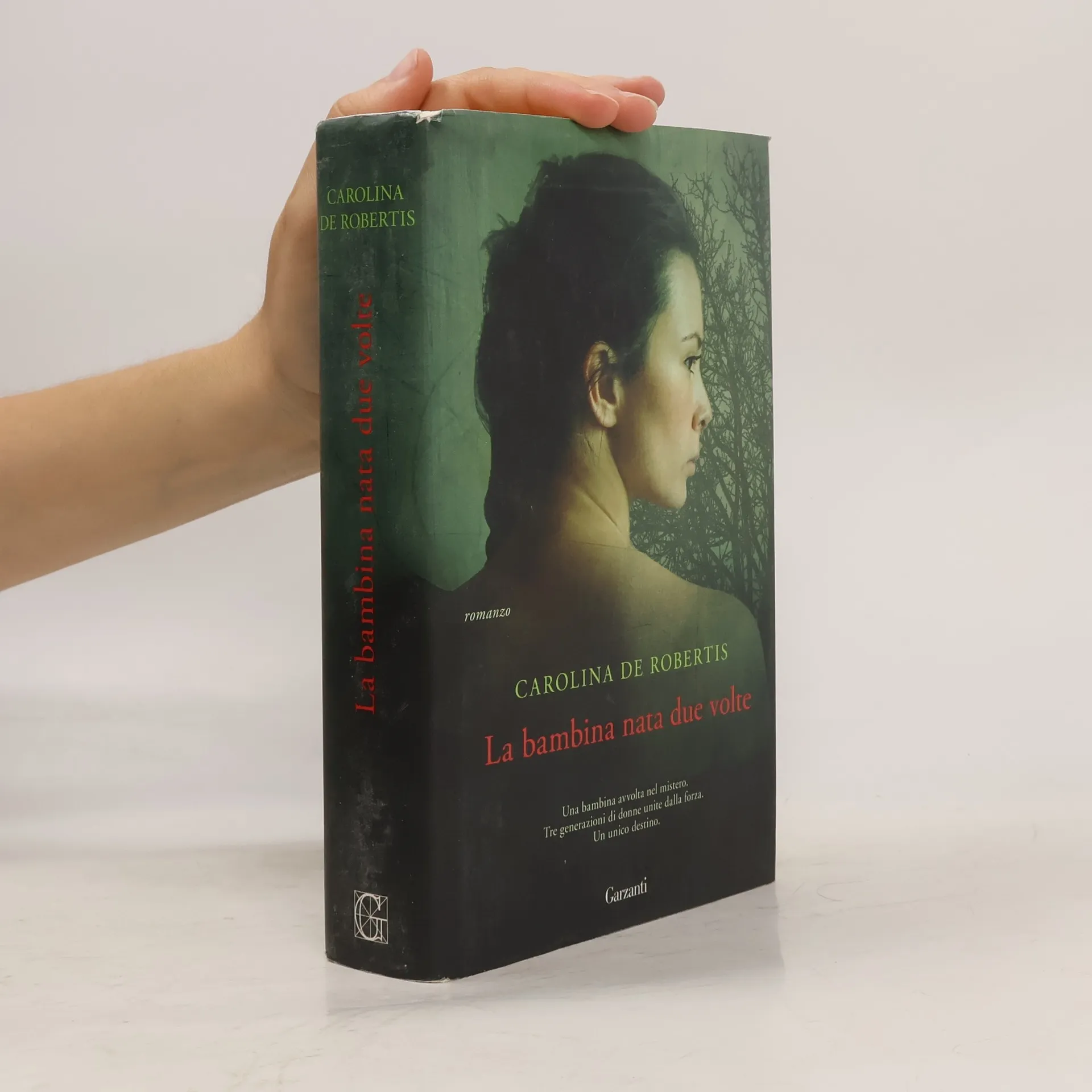
    La bambina nata due volte
    • 2022

      Exploring themes of justice and memory, the narrative follows a former Latin American president as he reflects on his legacy amidst global threats to democracy. Known as the Poorest President in the World, he shares his journey from guerrilla fighter to symbol of human rights, revealing a surreal secret: during his imprisonment, he conversed with a talking frog, contemplating revolution and national love. This innovative tale highlights the resilience of the human spirit, emphasizing that even the smallest voices can instigate change, blending humor and poignancy throughout.

      The President and the Frog
    • 2019

      Cantoras

      • 317pagine
      • 12 ore di lettura

      From the acclaimed author of The Gods of Tango comes a revolutionary novel about five diverse women who, amidst the Uruguayan dictatorship, bond as lovers, friends, and ultimately, family. In 1977 Uruguay, a military regime violently suppresses dissent, making homosexuality a perilous act. Yet, Romina, Flaca, Anita "La Venus," Paz, and Malena—five cantoras, or women who "sing"—miraculously find each other and discover an isolated cape, Cabo Polonio, home to a solitary lighthouse keeper and a few rugged seal hunters. They claim this sanctuary as their secret haven. Over 35 years, their lives oscillate between Cabo Polonio and Montevideo, their city of origin, returning together, in pairs, or alone, often accompanied by lovers. Throughout their journeys, the women face challenges from families, lovers, society, and one another as they strive to live authentically. This genre-defining novel is a breathtaking portrayal of queer love, community, and the resilience of the human spirit. De Robertis crafts a timeless and groundbreaking tale that illuminates the fire within us all and those who nurture it.

      Cantoras
    • 2017

      1913. Die junge Leda verlässt ihre süditalienische Heimat, um in Argentinien ein besseres Leben zu finden. Was sie dort findet, ist eine melancholische, wunderschöne Musik: der Tango. »Eine kühne Protagonistin, eine atemraubende Sprache, ein Roman, fesselnd bis zur letzten Seite.« San Franciso Chronicle Buenos Aires, 1913. Als die siebzehnjährige Leda in Argentinien ankommt, sucht sie vergebens nach ihrem Ehemann Dante. Sie muss erfahren, dass er tot ist. Alles, was ihr von ihm bleibt, ist die Truhe mit seinen Kleidern. Völlig auf sich gestellt, entdeckt sie eine wunderbare, tieftraurige Musik, die sie noch nie zuvor gehört hat. Es ist eine Musik, die ausschließlich Männern vorbehalten ist. Mit der Geige ihres Vaters, kurzen Haaren und im Anzug ihres Mannes schließt sie sich einer Tangogruppe an. Je berühmter die Musiker werden, desto schwieriger ist es für Leda, ihr Geheimnis zu bewahren. Da begegnet sie ihrer großen Liebe... Darf sie ihre wahre Identität enthüllen? Auch wenn sie riskiert, alles zu verlieren? Nach »Die unsichtbaren Stimmen« ist »Die Tangospielerin« wieder ein großer Roman von Erfolgsautorin Carolina De Robertis. Und eine Hommage an die Geburtsstunde des Tangos.

      Die Tangospielerin
    • 2013

      Die junge Perla wächst als Einzelkind wohlhabender Eltern in Buenos Aires auf. Ihre Mutter ist schön und elegant, jedoch unnahbar, während ihr strenger Vater, ein Marineoffizier, über seinen Beruf und die damit verbundenen Geheimnisse schweigt. Als Perla in der Schule ein Gedicht über die „Verschwundenen“ verfasst – Menschen, die während der Militärdiktatur verschwanden – wird sie von ihrem Vater mit Hausarrest bestraft. Trotz ihres Wissens um die dunkle Vergangenheit ihrer Eltern bleibt ihre Liebe zu ihnen bedingungslos. Alles ändert sich, als ein unerwarteter Besucher vor der Tür steht und Perla auf eine Reise zwingt, die sie dazu bringt, sich mit ihrer eigenen Geschichte auseinanderzusetzen. Der Roman beleuchtet einen der dunkelsten Momente in Argentiniens Geschichte und zeigt das Porträt einer jungen Frau, die schmerzlich nach ihren Wurzeln und ihrer Identität sucht. Die Erzählung behandelt zeitlose Themen und ist sowohl poetisch als auch herzzerreißend. Sie stellt die emotionalen Herausforderungen und die Suche nach Wahrheit und Selbstverständnis in den Vordergrund.

      Perla
    • 2012

      Perla, English edition

      • 256pagine
      • 9 ore di lettura

      A coming-of-age story, based on a recent shocking chapter of Argentine history, about a young woman who makes a devastating discovery about her origins with the help of an enigmatic houseguest. Perla Correa grew up a privileged only child in Buenos Aires, with a cold, polished mother and a straitlaced naval officer father, whose profession she learned early on not to disclose in a country still reeling from the abuses perpetrated by the deposed military dictatorship. Perla understands that her parents were on the wrong side of the conflict, but her love for her papá is unconditional. Yet when Perla is startled by an uninvited visitor, she begins a journey that will force her to confront the unease she has suppressed all her life, and to make a wrenching decision about who she is, and who she will become.

      Perla, English edition
    • 2009

      La bambina nata due volte

      • 400pagine
      • 14 ore di lettura

      Una bambina avvolta nel mistero. Tre generazioni di donne unite dalla forza. 1° gennaio 1900. Il primo giorno del secolo non è mai come gli altri, men che meno a Tacuarembo, minuscolo villaggio del Sudamerica. La folla è radunata intorno all'albero più grande del paese e non crede ai propri occhi: la piccola Pajarita è tornata. Rifiutata dal padre, era scomparsa pochi mesi dopo la nascita e l'avevano data per morta. Eppure ora è lì, in cima, appollaiata sopra un ramo sottile. Ha un anno ormai e negli occhi grandi, neri e vivaci, ha la stessa luce di quando è nata. Per alcuni si tratta di un miracolo, per altri è una strega, ma una cosa è certa: d'ora in poi per tutti Pajarita sarà «la bambina nata due volte», una ragazzina circondata di mistero, con un talento speciale per curare con le erbe. Un dono prezioso che anni dopo, ormai donna fiera e determinata, le permette di sopravvivere a Montevideo sola contro tutti, insieme ai propri bambini. Ma la figlia Eva, fragile e tremendamente testarda, non si accontenta di sopravvivere. Vuole realizzare un sogno, diventare poetessa. E per farlo fugge verso le luci di Buenos Aires, la città che scintilla delle promesse di Evita Perón. Eppure quelle luci rischiano di diventare solo un terribile abbaglio. E mentre i fermenti rivoluzionari attraversano con forza tutto il continente, spetta a Salomé, l'ultima discendente, restituire alle donne della sua famiglia e del suo paese quello che si meritano. Lo potrà fare solo lottando e ribellandosi, a costo, forse, di sacrificare il suo bene più grande. Dalle lussureggianti e incantate colline di Rio de Janeiro ai vicoli oscuri di Montevideo, dalle strade scintillanti di Buenos Aires fino alle piazze rivoluzionarie di Cuba, la storia di tre generazioni di donne indimenticabili intrecciata magnificamente al destino di un continente in continua lotta.

      La bambina nata due volte