

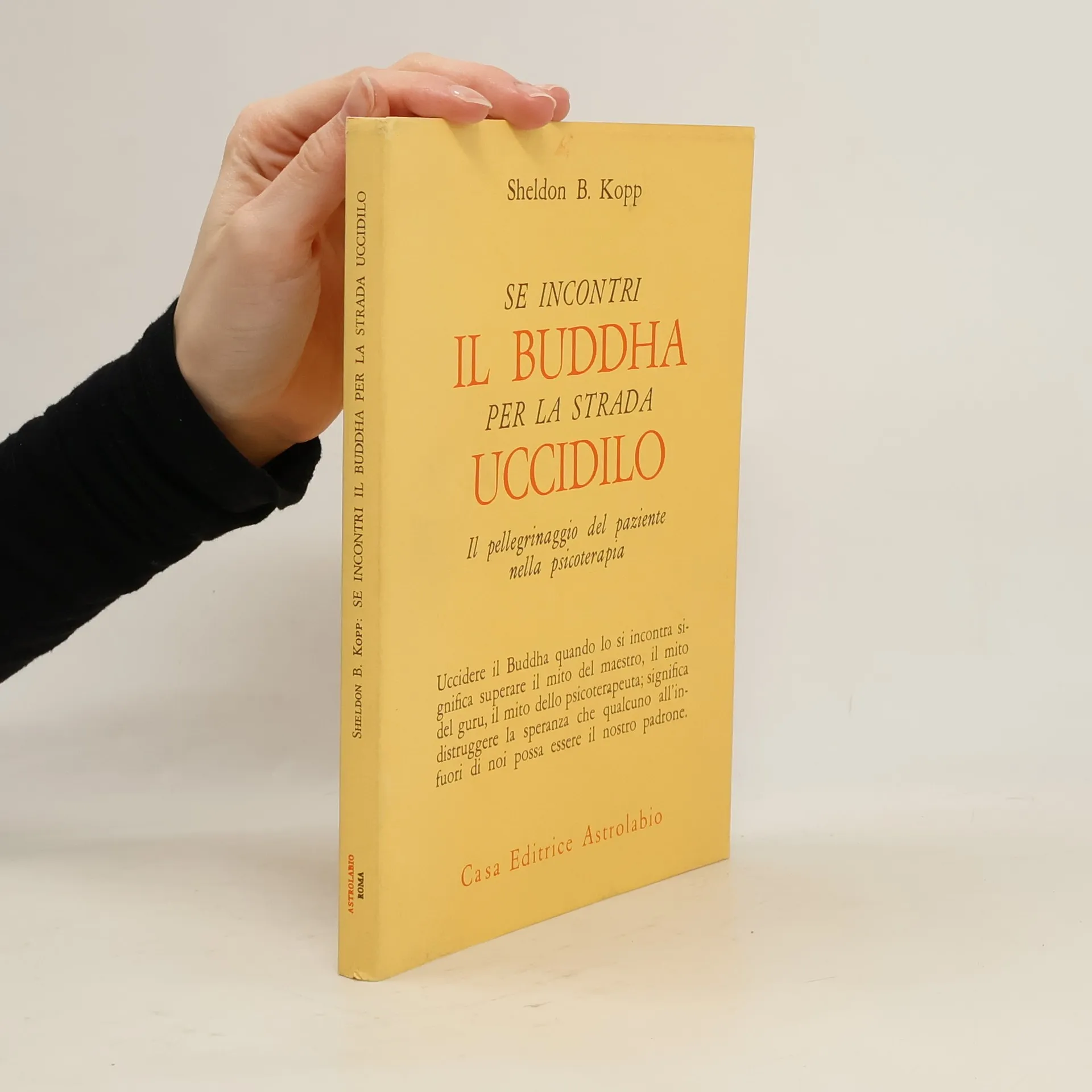
Uccidere il Buddha quando lo si incontra significa superare il mito del maestro, il mito del guru, il mito dello psicoterapeuta; significa rinunciare al ruolo di discepolo e distruggere la speranza che qualcuno all'infuori di noi possa essere il nostro padrone.

Contents:Part 1. Mirror, mask, and shadow. Where did you get that self?My own dark brotherBeside myselfSaints and sinnersPart 2. Severed selves. Double troubleA self of one's ownAshamed of myselfSelf-portraitPart 3. Hide and seekThe better halfYour craziness or mine?Part 4. All of me. Another whom we do not knowReturn to the borderland
Learning and Growing from the Experiences of Everyday Life
211pagine
8 ore di lettura
A psychologist draws upon parables, myths, and stories to illustrate the inspirational message that the experiences of everyday life, if viewed from the proper perspective, can be a source of personal growth and wisdom
A fresh, realistic approach to altering one's destiny and accepting the responsibility that grows with freedom.No meaning that comes from outside of ourselves is real. The Buddahood of each of us has already been obtained. We only need to recognize it.“The most important things that each man must learn no one can teach him. Once he accepts this disappointment, he will be able to stop depending on the therapist, the guru who turns out to be just another struggling human being.”Using the myth of Gilgamesh, Siddhartha, The Wife of Bath, Don Quizote . . . the works of Buber, Ginsberg, Shakespeare, Karka, Nin, Dante and Jung . . . a brilliant psychotherapist, guru and pilgrim shares the epic tales and intimate revelations that help to shape Everyman's journey through life.