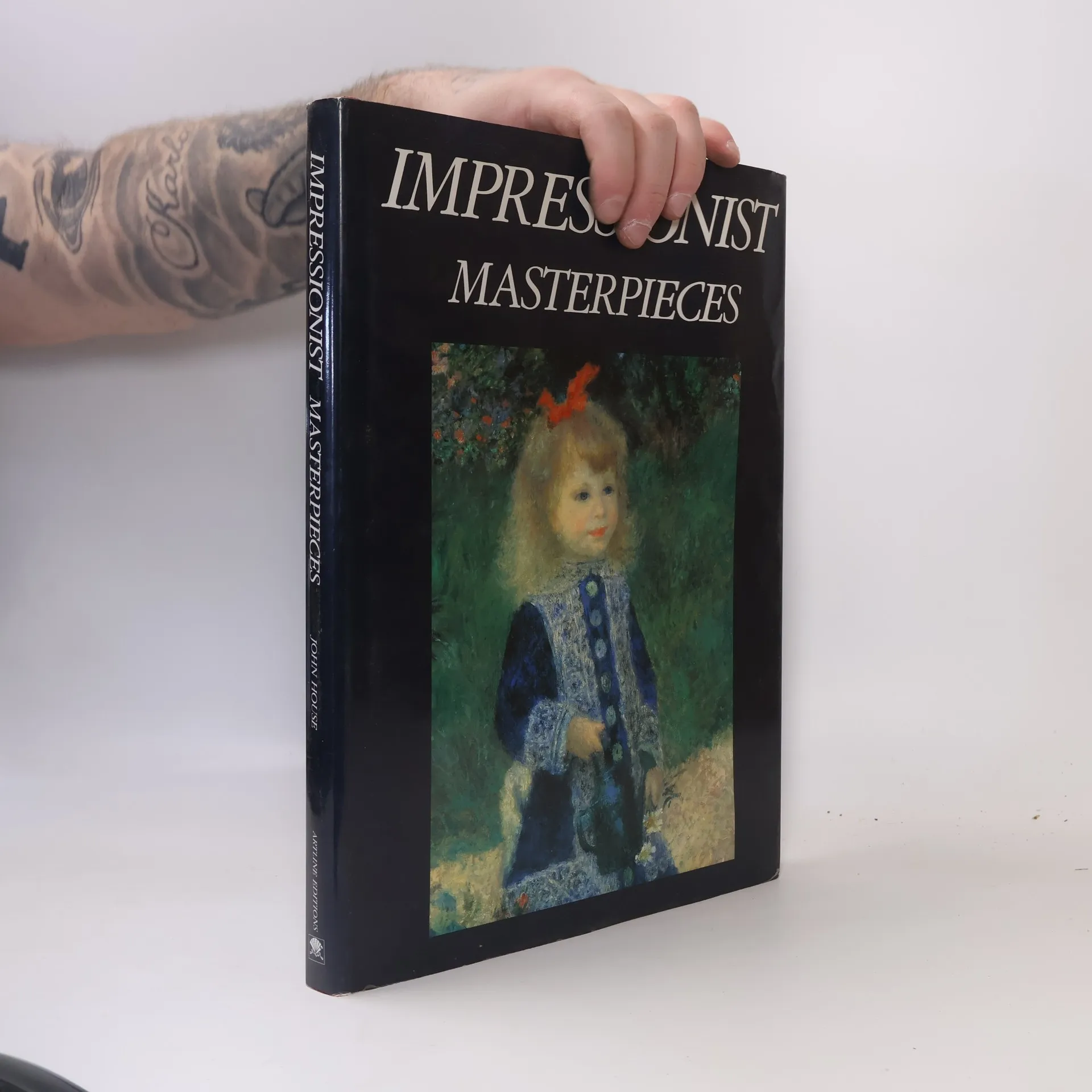
John House fu il decano degli storici dell'impressionismo. Lungi dall'essere superficiali o compiacenti, gli impressionisti furono rivelati negli scritti di House come acuti osservatori del cambiamento sociale. Invece di essere un movimento autonomo, furono mostrati come abili negoziatori di convenzioni e istituzioni artistiche. House svolse un ruolo essenziale nel trasformare lo studio accademico di questo periodo e presiedette allo sviluppo del suo apprezzamento pubblico attraverso le spettacolari mostre da lui curate.
Highlighting the first-ever exhibition of Paul Czanne's complete collection at The Courtauld Gallery, this catalogue celebrates the 75th anniversary of The Courtauld Institute of Arts. It features an exceptional array of seminal paintings, alongside rarely seen drawings and watercolors, showcasing the breadth of Czanne's artistic evolution throughout his career. The collection's significance is underscored by its quality and diversity, offering a comprehensive insight into one of the most influential artists in art history.
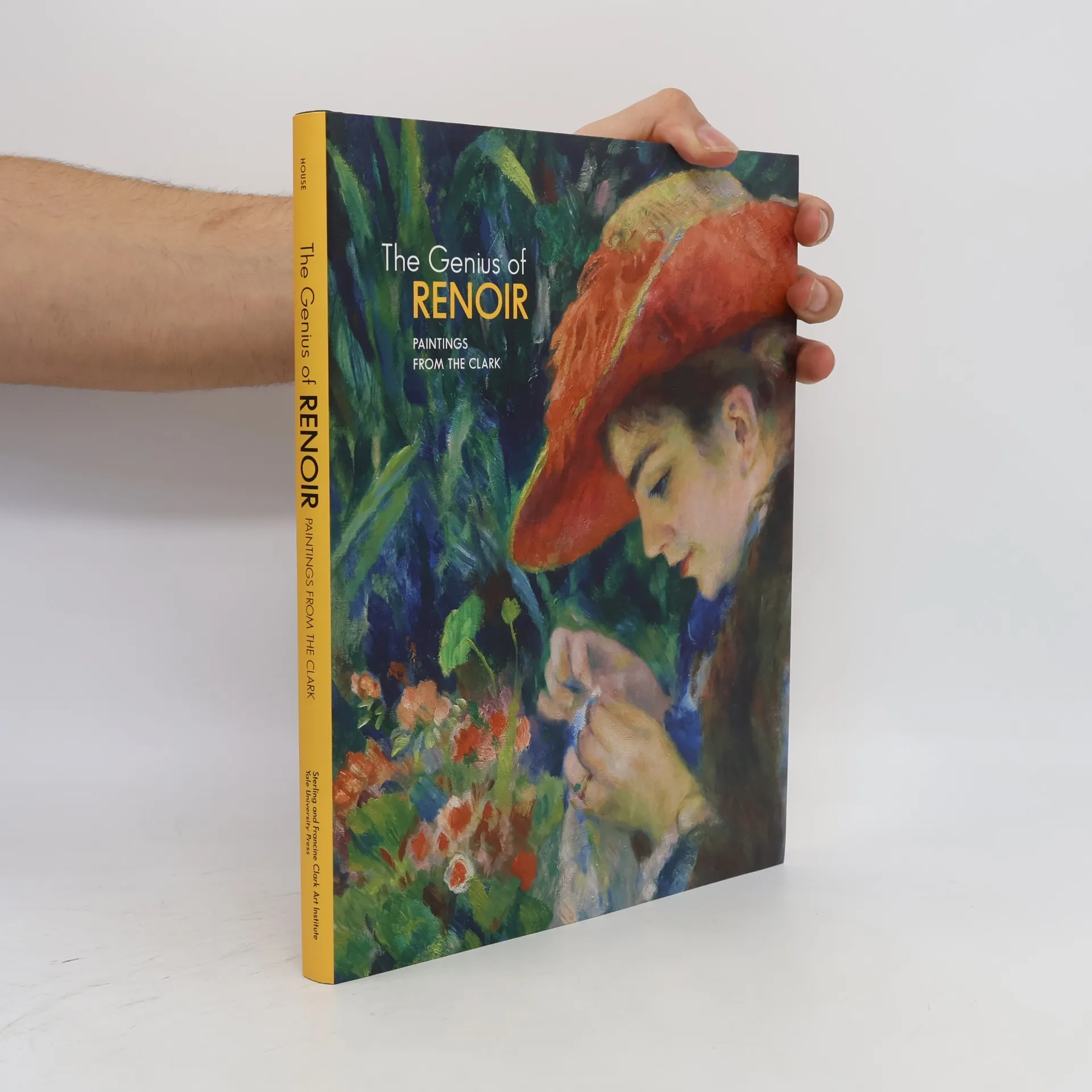
With a consuming enthusiasm for the paintings of Pierre-Auguste Renoir (1841-1919), art collector Sterling Clark assembled one of the greatest private collections of Renoir's work during the first half of the 20th century. Today the masterpieces he so admired form a vital part of the Impressionist holdings of the Sterling and Francine Clark Art Institute. The Genius of Renoir: Paintings from the Clark offers a fascinating, fresh look at the thirty-two Renoir paintings in the Clark collection, featuring beautiful digital color reproductions created especially for this volume. The book brings to light new and often revelatory scholarship concerning the importance of each work, both within Renoir's oeuvre and within the Clark collection. Among the richly varied paintings, encompassing portraits, landscapes, and still lifes, are such key works as Marie-Thérèse Durand-Ruel Sewing, A Box at the Theater (At the Concert), Onions, and Venice, the Doge's Palace. John House, a leading authority on Renoir, offers an in-depth analysis of each of the works in the collection, and curator-author James A. Ganz draws on extensive archival research on Sterling Clark's pursuits as an art collector and museum founder to illuminate this visionary and often enigmatic man.
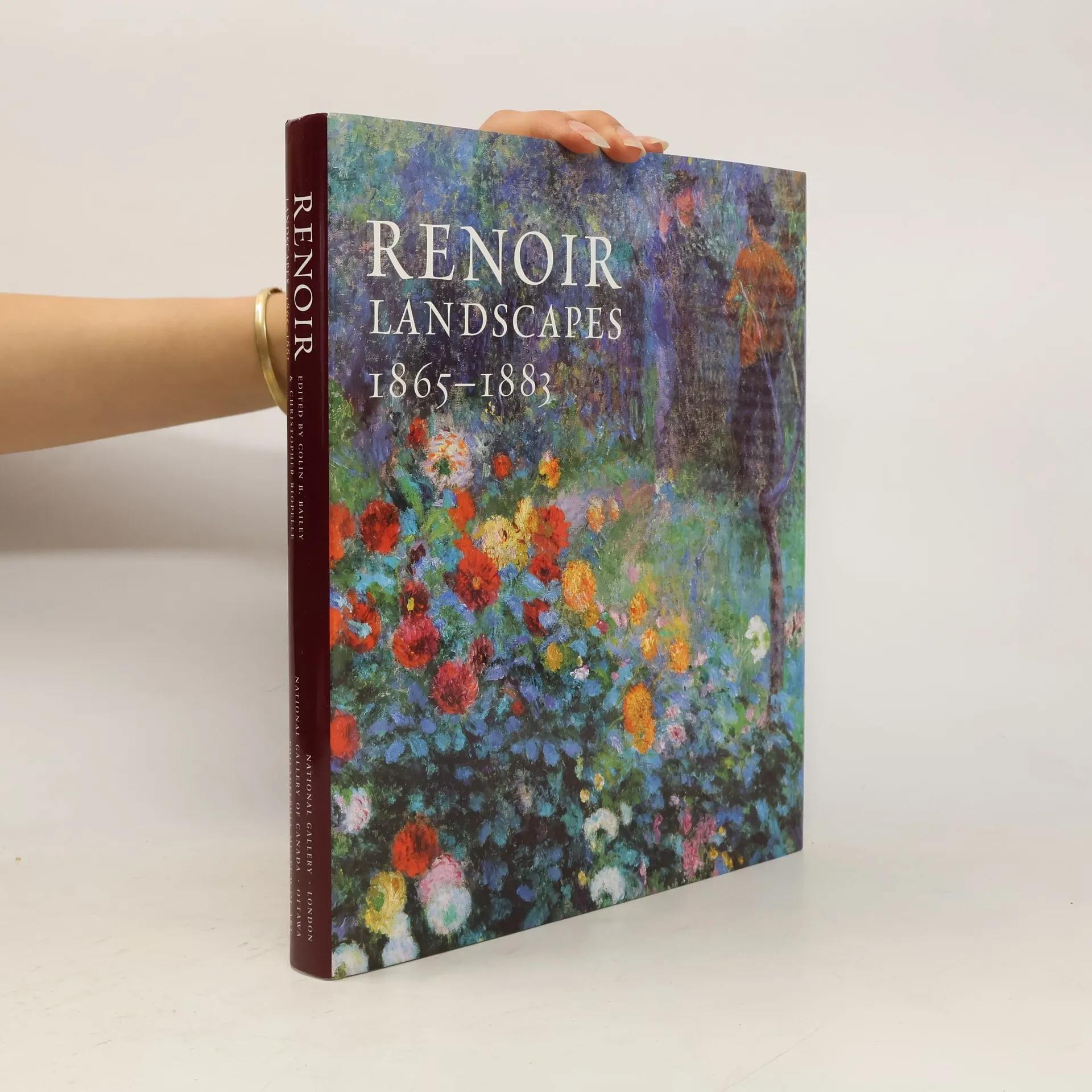
This stunning book, published to accompany a major touring exhibition, examines Renoir's landscape art in depth, demonstrating that he was one of the most audacious and original landscape artists of his age.
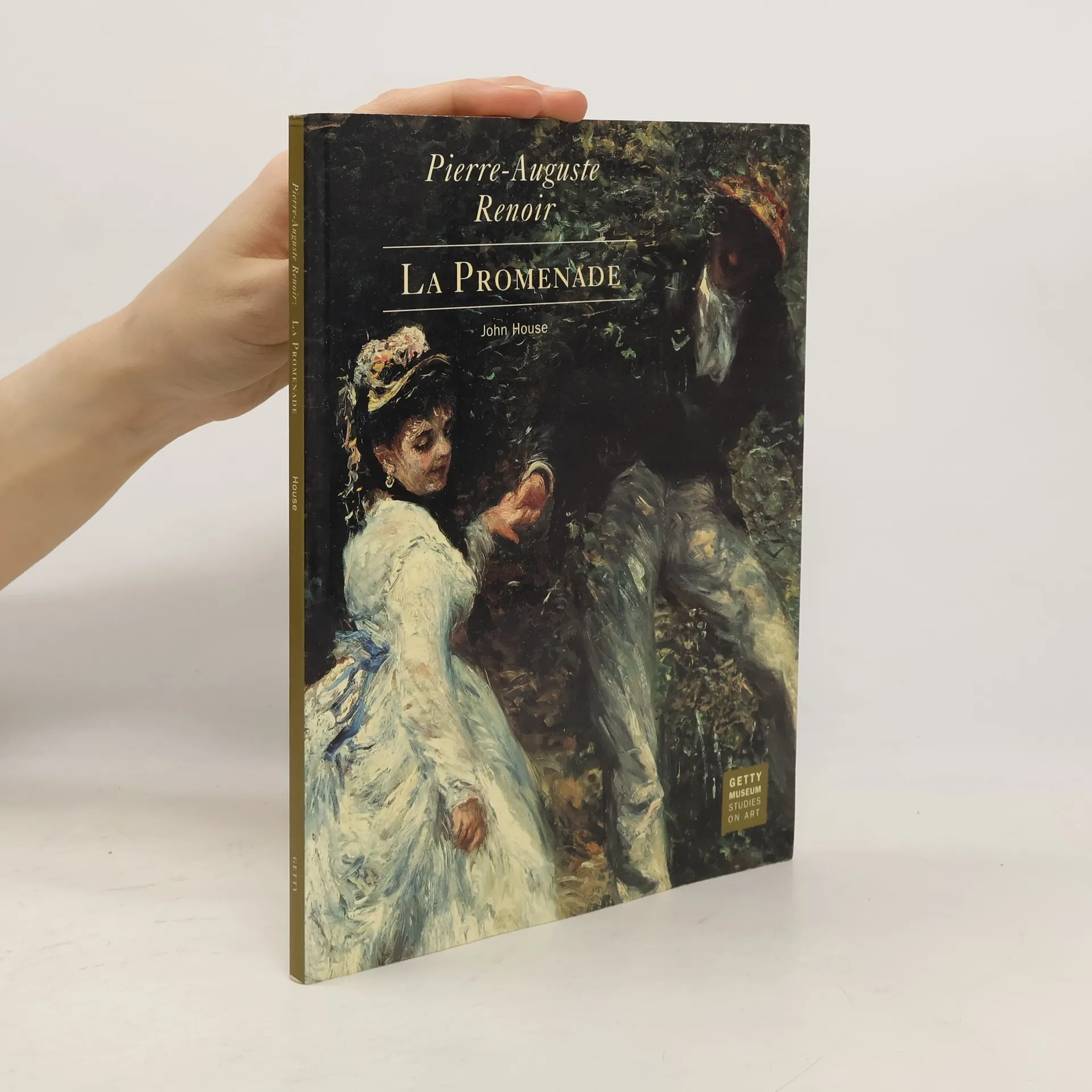
John House examines the many facets of the work and what it reveals about Renoir as a man and artist. He asks, "What did it mean to paint a picture like La Promenade in France in 1870, in the final months of Napoleon III's Second Empire?" The reader is invited to look at the canvas - and Impressionism - as a rejection of the idealist world of academic art and as a challenge to contemporary social norms.
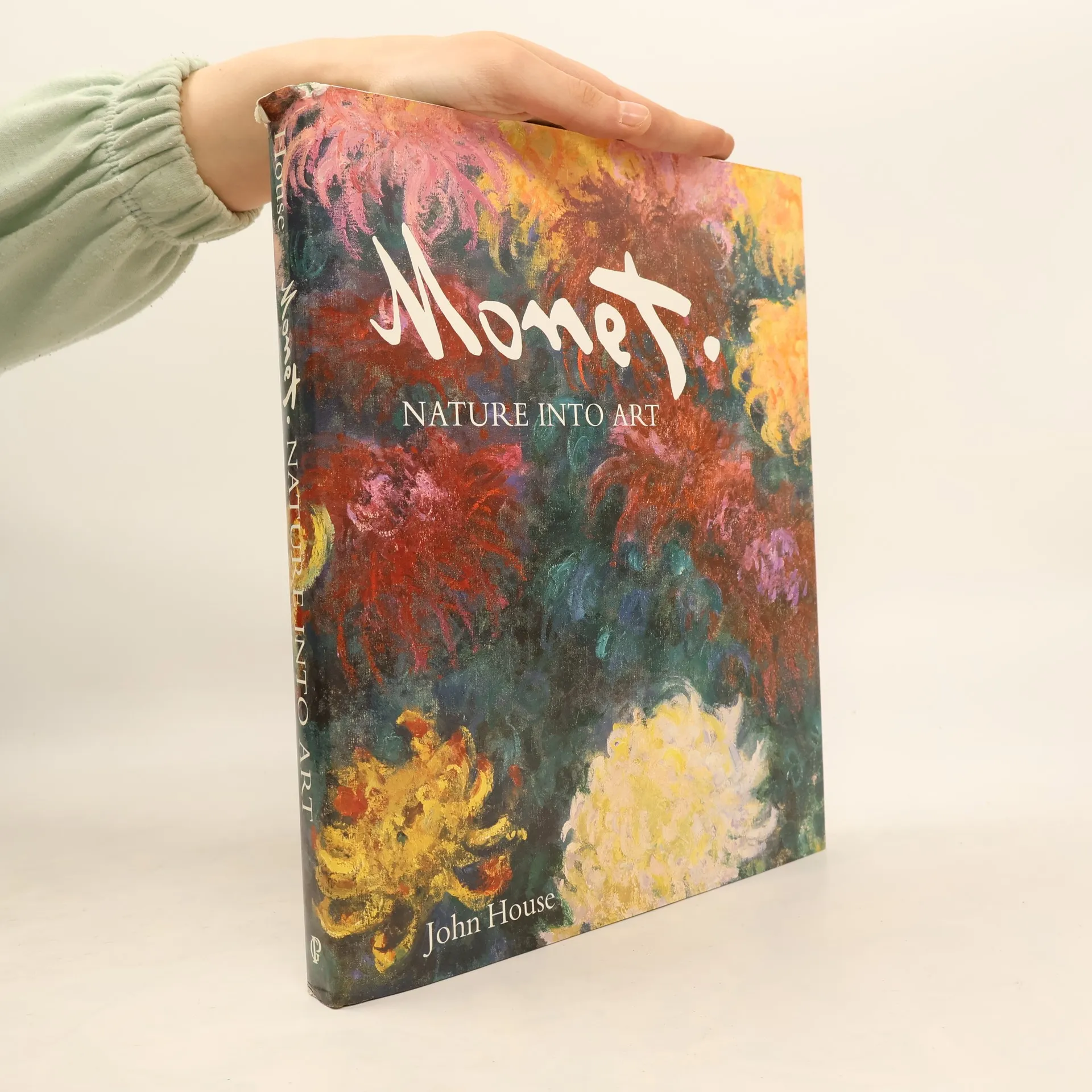
Analyzes the career of the artist responsible for the public image of Impressionism, focusing on the evolution in Monet's painting technique and execution and relating it to his ideas, experiences, and the contexts in which he worked
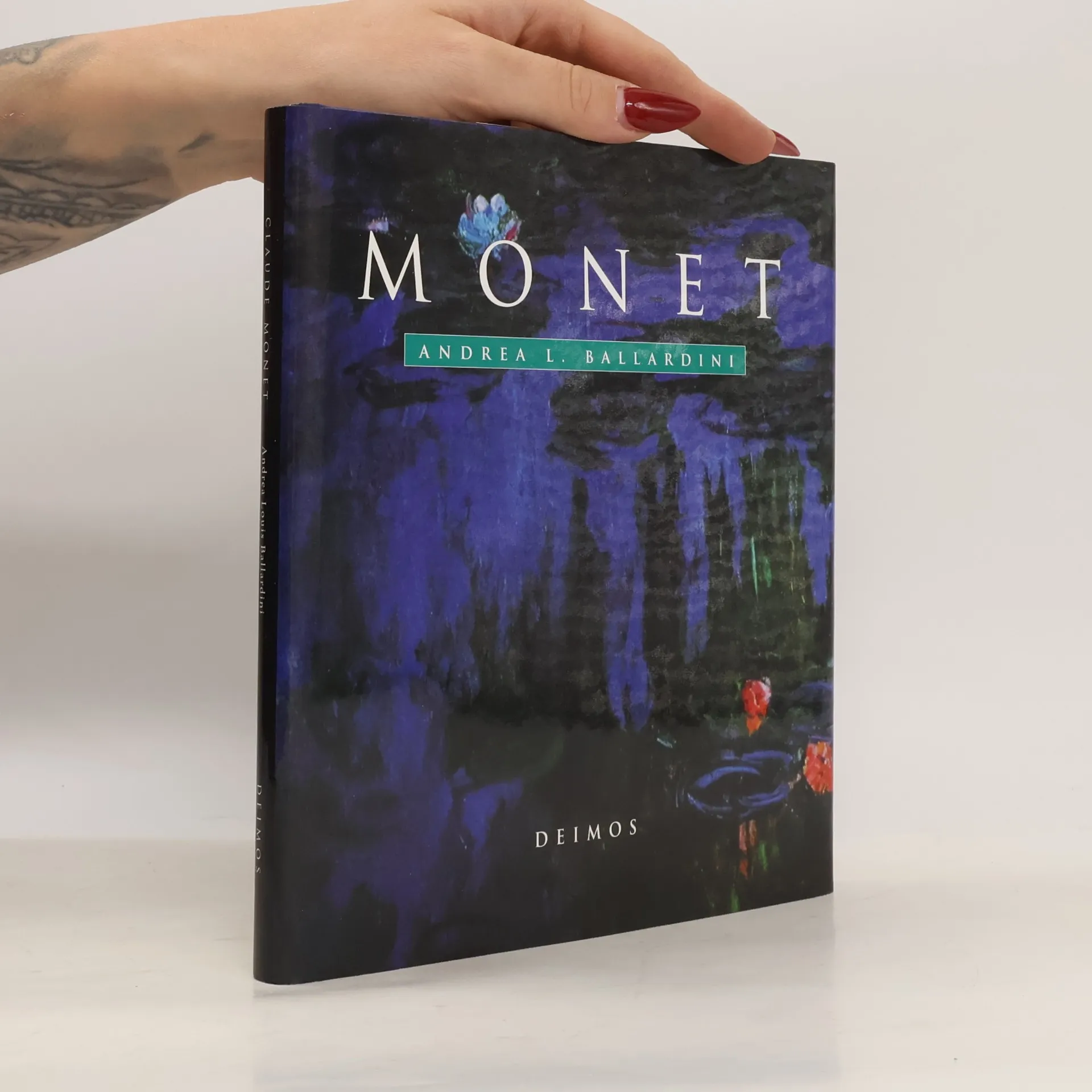
Un'esperienza artistica unica per tutti gli appassionati dell'impressionismo: le opere di Claude Monet vengono presentate in un elegante formato a leporello. Cinquanta opere della lunga e straordinaria carriera del padre dell'impressionismo illustrano la sua evoluzione artistica. Oltre ai temi urbani e moderni, la rappresentazione della natura è il cuore della sua pittura. La natura è stata oggetto della sua incessante ricerca, mantenendo sempre a mente ciò che era essenziale per lui: la verità delle sue emozioni. Dalla fedele riproduzione del paesaggio nei suoi inizi fino alla pittura gestuale delle ultime tele delle ninfee, questo volume ci permette di comprendere meglio l'evoluzione del suo lavoro. I temi delle opere di Monet (il mare, la Senna, i giardini, le stagioni, ecc.) vengono discussi insieme alle tecniche da lui utilizzate, come il trattamento della luce e del colore attraverso il pennello, l'uso di ripetizioni e serie per meglio rappresentare le variazioni atmosferiche, e la progressiva dissoluzione delle forme che lo rendono un precursore dell'astrazione.