


Bookbot

David Fraser

    30 dicembre 1920 – 15 luglio 2012

    Sir David Fraser, noto come "Razor Fraser", è un distinto autore le cui opere approfondiscono i complessi temi della guerra e del servizio militare. La sua vasta esperienza sul campo di battaglia, incluso il servizio durante la Seconda Guerra Mondiale e le crisi in Suez e Cipro, conferisce alla sua scrittura profonda profondità e autenticità. Fraser fonde magistralmente elementi di finzione e non finzione, offrendo ai lettori prospettive acute sul comportamento umano sotto pressione estrema. Il suo stile letterario è caratterizzato da precisione e narrazione avvincente, che attira i lettori nei dilemmi morali e strategici affrontati dai suoi personaggi.

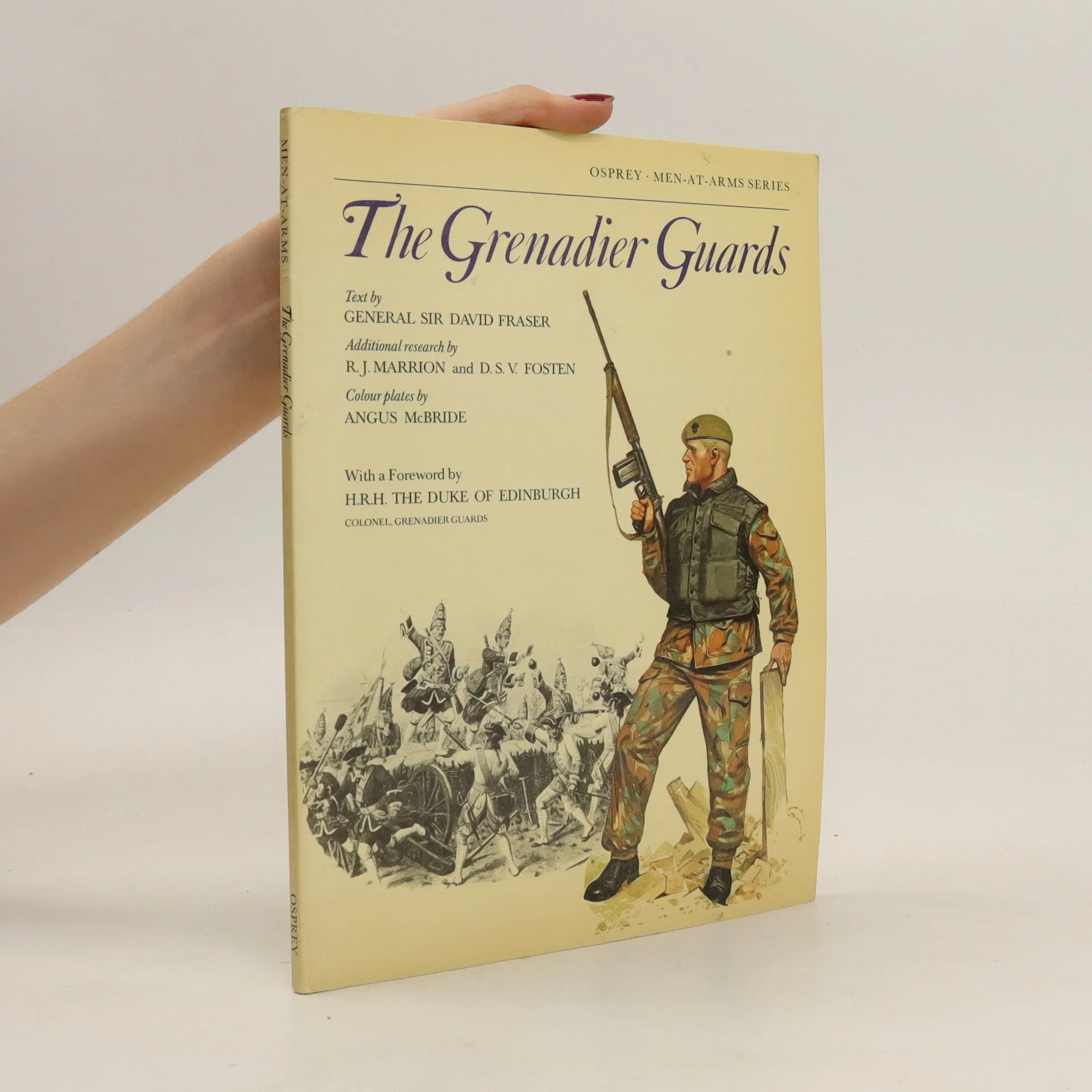
    The Grenadier Guards
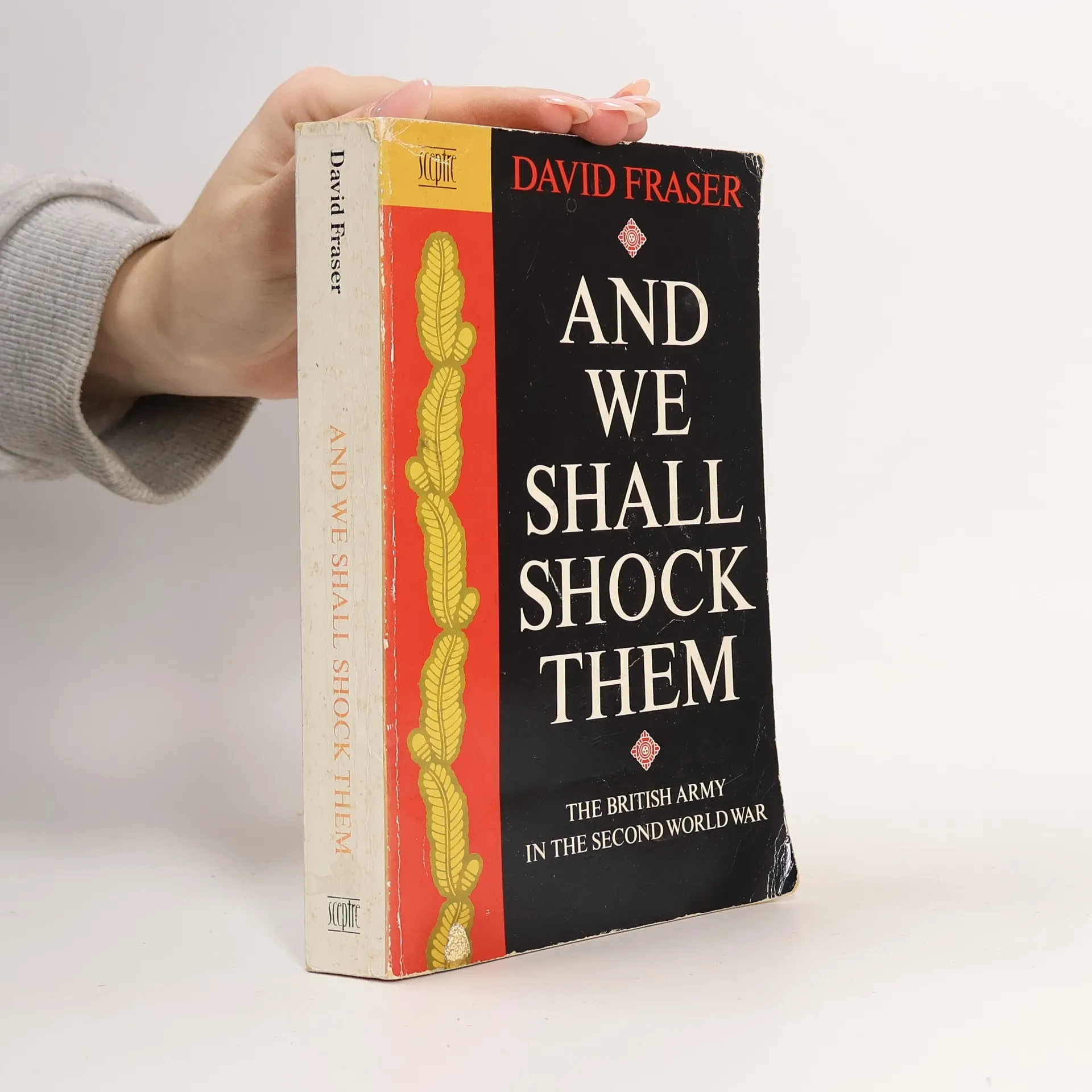
    And We Shall Shock Them
    A Land Fit for Criminals
    Fairest Isle
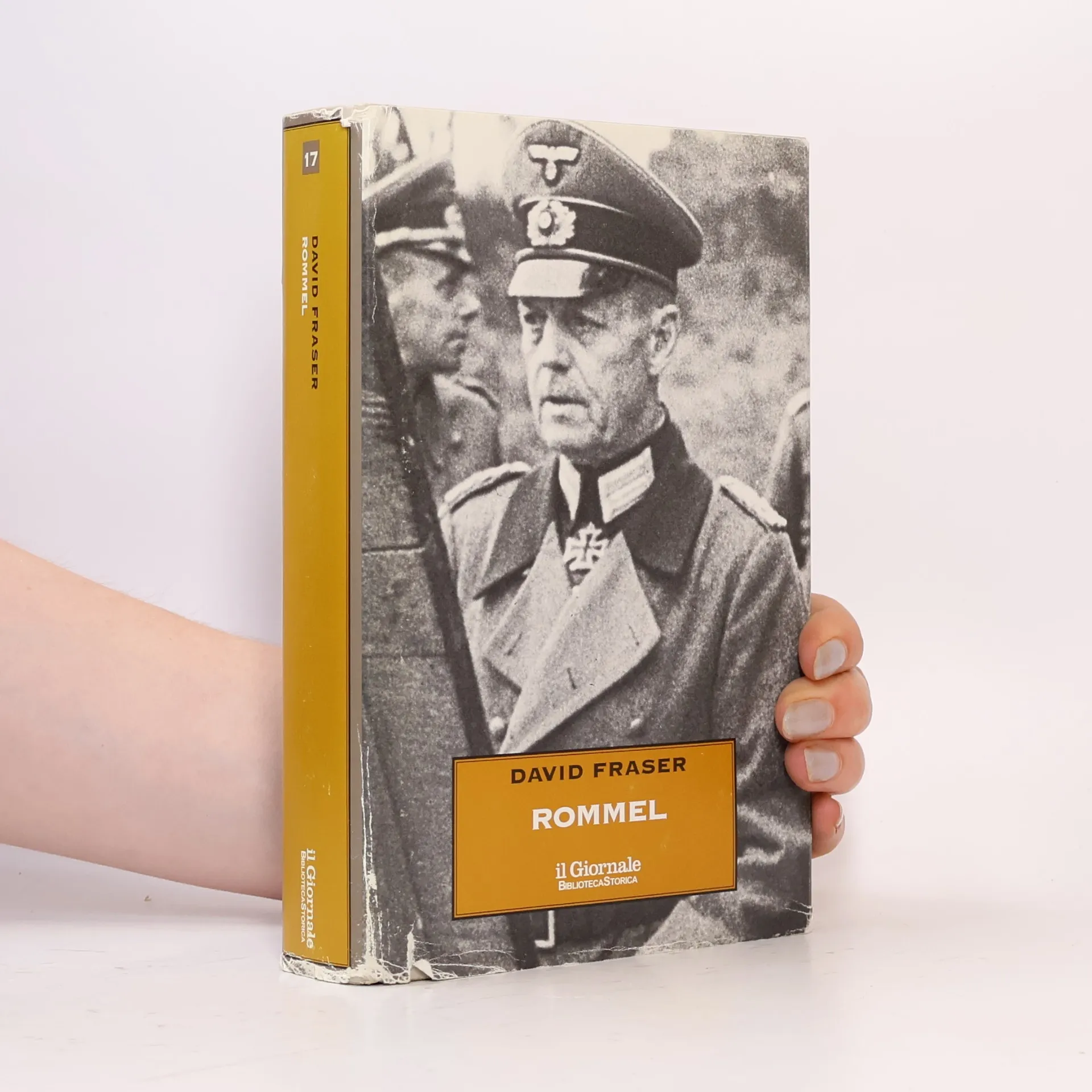
    Rommel. L'ambiguità di un soldato
    Rommel
    • A Land Fit for Criminals

      An Insider's View Of Crime, Punishment And Justice In The UK

      • 488pagine
      • 18 ore di lettura

      The book highlights the alarming crime rates in Britain, revealing that 132 million indictable crimes occur annually, with most going unrecorded. It discusses the rise in burglary, street crime, and escalating violence, which has instilled fear in the public, particularly among vulnerable groups like the elderly. This pervasive fear has led many to feel imprisoned in their own homes, while criminals operate freely, underscoring a troubling societal issue that demands attention.


      A Land Fit for Criminals2006
      4,4
    • Rommel

      • 576pagine
      • 21 ore di lettura

      Il generale britannico e storico militare David Fraser presenta una biografia di Rommel che esplora la vita del geniale stratega e tattico, nonché del popolare comandante. L'autore analizza in dettaglio l'atteggiamento di Rommel nei confronti del nazionalsocialismo e di Hitler, evidenziando la sua scetticismo riguardo al promettente trionfo finale e il suo vano tentativo di convincere il dittatore della disperata situazione militare. La narrazione offre un ritratto complesso di un uomo che, pur operando all'interno di un regime totalitario, cercava di mantenere la propria integrità e di affrontare le sfide del suo tempo. Con una prosa incisiva, Fraser invita il lettore a riflettere sulle contraddizioni di un leader militare che ha lasciato un'impronta indelebile nella storia.

      Rommel1994
      3,9
    • A Candle for Judas

      • 288pagine
      • 11 ore di lettura

      For Simon growing up in Gloucestershire after the war, a kind gesture to an old tramp proves an astonishing quirk of fate. This is a novel of corruption and political treachery in the cut-throat world of high finance, of greed masquerading as duty and of ambition disguised as the pursuit of peace.

      A Candle for Judas1989
    • The Grenadier Guards

      • 48pagine
      • 2 ore di lettura

      General Sir David Fraser tells the story of this famous regiment; their beginnings, customs, battles and traditions from their formation as "The Royal Regiment of Guards" in 1656 down to our own times. It is a remarkable story that includes Marlborough's campaigns (1702-1713) in the struggle against France, the battle of Waterloo (1815), the Crimean War (1853-1856), and of course two World Wars and beyond. Numerous photographs and illustrations populate Sir David's absorbing text, including eight full page colour plates by renowned military artist Angus McBride, with lengthy commentaries examining in detail the uniforms of the Grenadiers from 1865 to the 1970's.

      The Grenadier Guards1989
      3,4
    • And We Shall Shock Them

      The British Army in the Second World War

      • 429pagine
      • 16 ore di lettura

      The author brings to life every major campaign fought by the British Army in the Second World from the momentous defeats in France, Belgium and the Far East in the early stages of the war, through to the final victories against Germany and Japan in 1945. All aspects of the conflict are described, from grand strategy at the highest levels right down to the experience of infantry, gunners and tankers in the field as the British army battled its way through the war. The book shows how the seeds of World War II were sown at the end of the previous war, twenty-one years earlier, and how successive governments in the twenties and thirties failed to safeguard Britain from the building threat from Germany. It describes how by the beginning of the conflict Hitler's armies were superior in every respect. But as the catalogue of defeats mounted, the British army were learning hard lessons, and painfully acquiring the skills needed to turn the tables. It is therefore a story which moves from triumph to tragedy, and then upward again to triumph at the last.

      And We Shall Shock Them1983
      3,0