From the 1990s until just before his death, the legendary art critic and philosopher Arthur C. Danto carried out extended conversations about contemporary art with the prominent Italian critic Demetrio Paparoni. Art and Posthistory presents these rich dialogues and correspondence, testifying to the ongoing importance of Danto's ideas.
Arthur Coleman Danto Ordine dei libri (cronologico)
1 gennaio 1924 – 25 ottobre 2013
Arthur C. Danto è stato un distinto professore di filosofia e un influente critico d'arte. Il suo lavoro si è profondamente impegnato nella relazione tra arte e vita, esplorando l'arte in una prospettiva post-storica e offrendo saggi illuminanti all'avanguardia dell'estetica e della filosofia. Danto era noto per il suo acuto stile analitico e la sua capacità di collegare le innovazioni artistiche con questioni filosofiche più ampie. I suoi scritti hanno spesso sfidato le nozioni convenzionali di arte e del suo ruolo nella società.



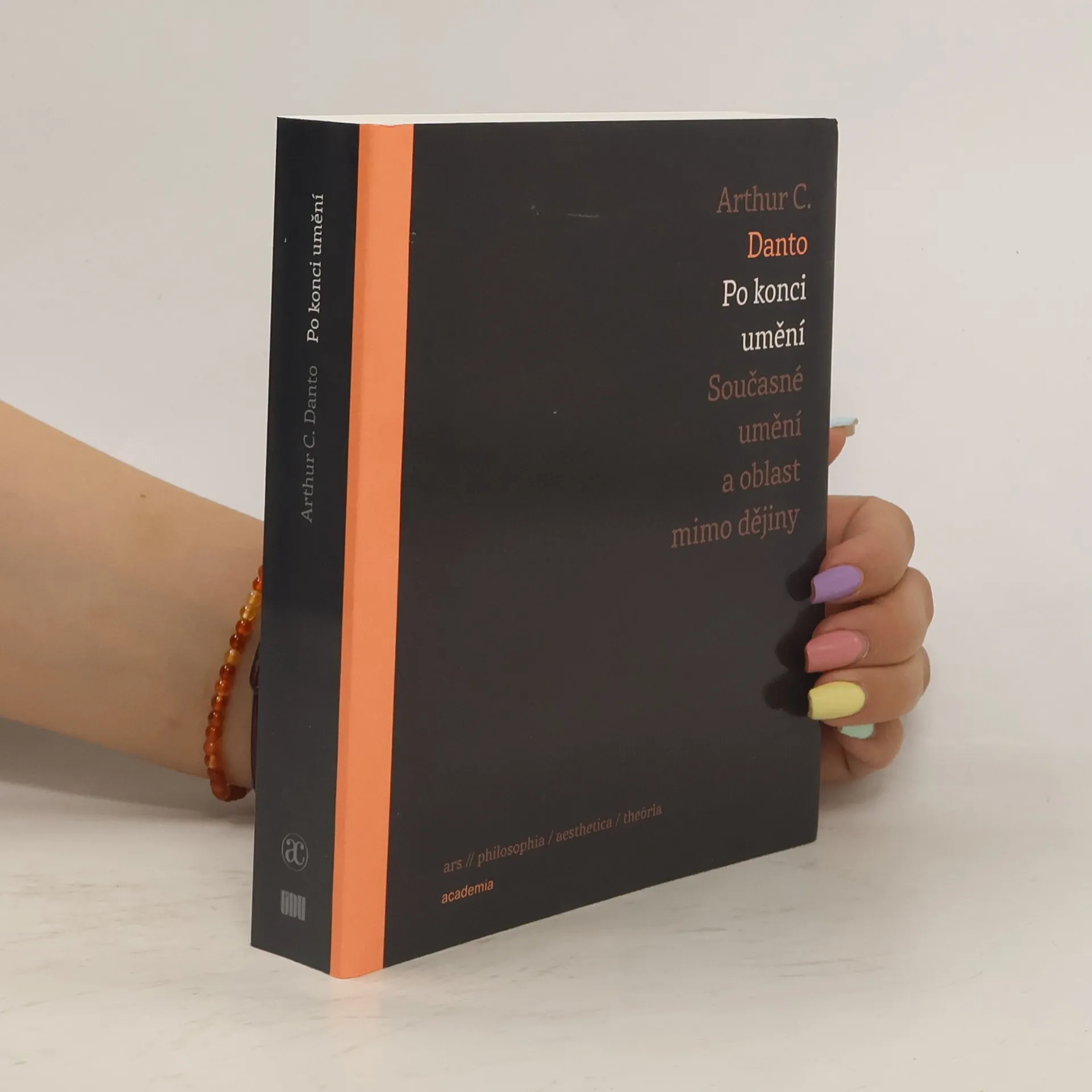
V knize, která vznikla na základě přednášek pronesených v rámci prestižního cyklu na počest A. W. Mellona, se americký filozof Arthur C. Danto vrátil k jedné z nejprovokativnějších tezí, které pronesl, totiž že umění dospělo ke konci. Tento konec v jeho pojetí neznamená, že se umění přestalo vytvářet, ale že v šedesátých letech 20. století opustilo tradiční dějiny založené na pokroku. Pokud tomu tak je, vyvstává otázka, jak o současném umění přemýšlet jinak než v pojmech tradičního narativu. Tato publikace představuje v určitém smyslu odpověď: uvažuje o úloze muzea, roli estetiky, nutnosti změnit charakter kritiky, a především o svobodě, kterou přinesl pluralismus umění.
The Philosophical Disenfranchisement of Art
- 248pagine
- 9 ore di lettura
In this acclaimed work, first published in 1986, world-renowned scholar Arthur C. Danto explored the inextricably linked but often misunderstood relationship between art and philosophy. In light of the book's impact -- especially the essay "The End of Art," which dramatically announced that art ended in the 1960s -- this enhanced edition includes a foreword by Jonathan Gilmore that discusses how scholarship has changed in response to it. Complete with a new bibliography of work on and influenced by Danto's ideas, The Philosophical Disenfranchisement of Art continues to be of interest to anyone who thinks seriously about art, as well as to philosophers, aestheticians, and art historians.
What Art Is
- 174pagine
- 7 ore di lettura
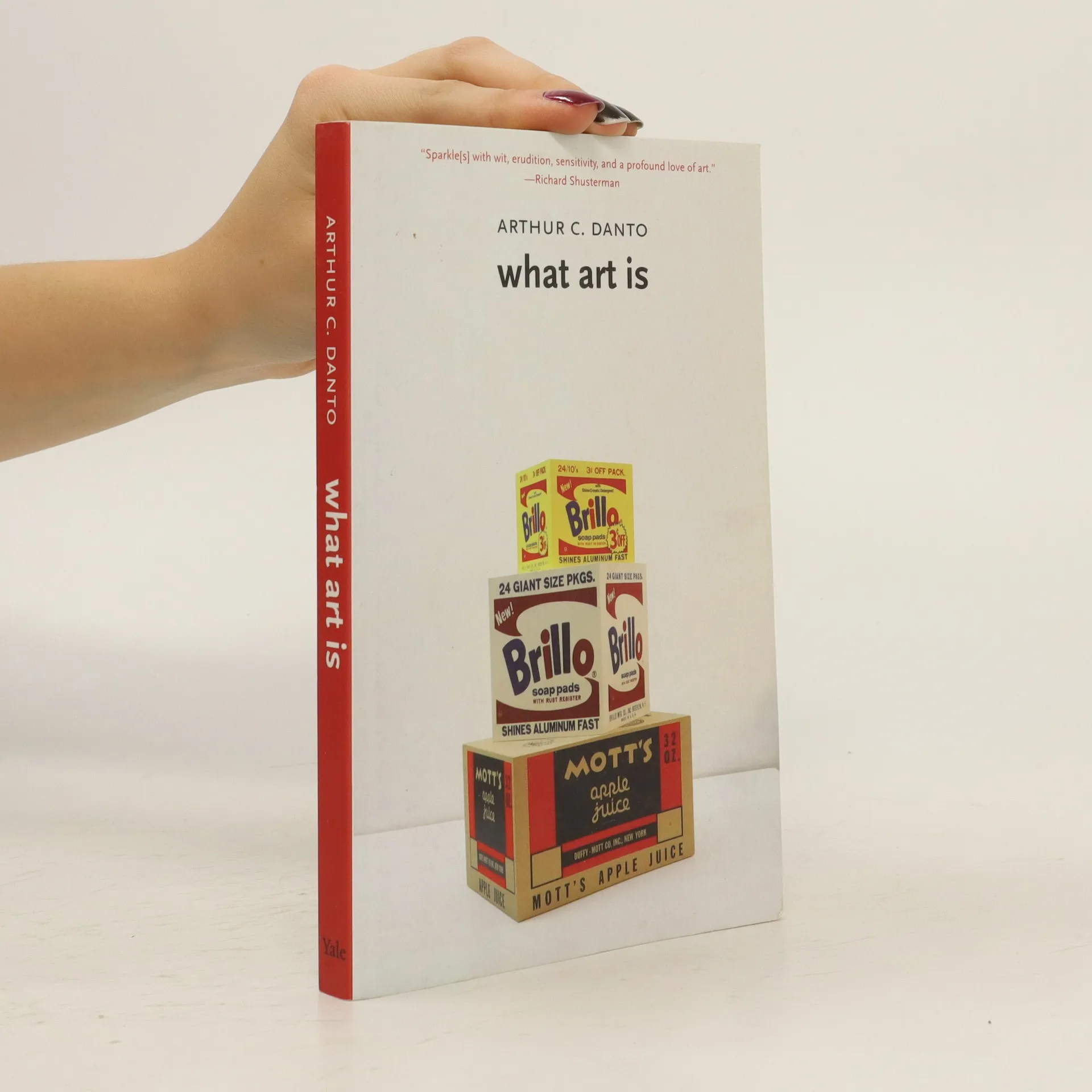
What is it to be a work of art? Part philosophical monograph and part memoiristic meditation, this book challenges the popular interpretation that art is an indefinable concept, instead bringing to light the properties that constitute universal meaning.
Real Cinema: Marina Abramovic The Artist Is Present
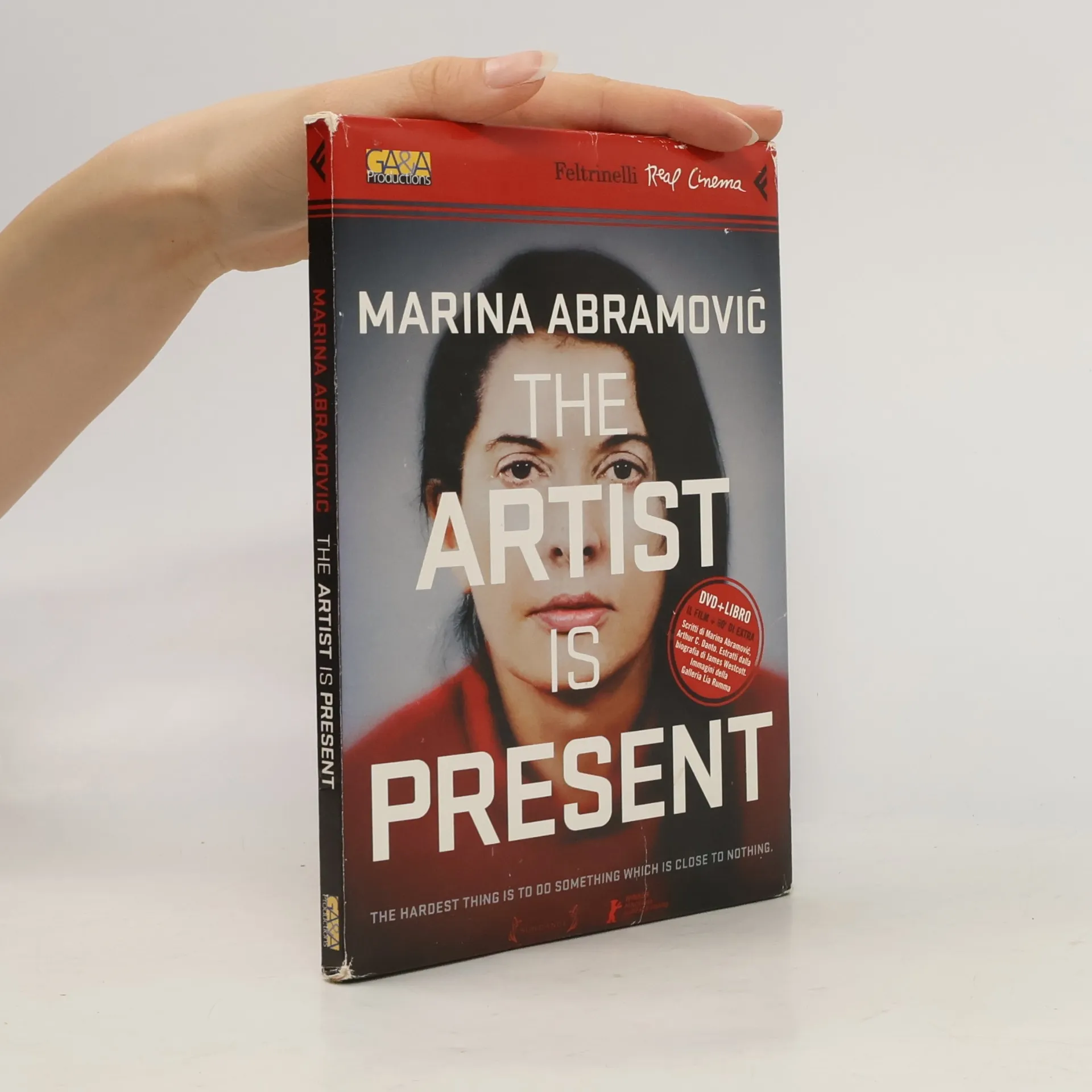
The Hardest Thing Is to Do Something Which Is Close to Nothing. DVD+Libro: Il film + 90' di extra. Scritti di Marina Abramović, Arthur C. Danto. Estratti dalla biografia di James Westcott. Immagini della Galleria Lia Rumma.
- 96pagine
- 4 ore di lettura
Zneužitie krásy, alebo, Estetika a pojem umenia
- 208pagine
- 8 ore di lettura
Prvý preklad textov svetoznámeho filozofa a kritika umenia Arthura C. Danta do slovenčiny. Autor v knihe vychádza z pojmu krásy, ktorý je pevne zakotvený v estetickej teórii a filozofii umenia a pýta sa na jeho relevantnosť vo vzťahu k dianiu na poli súčasného výtvarného umenia. Je možné vnímaťho a definovať ako krásne alebo sú potrebné iné formy prístupu? Erudované úvahy Danto ilustruje príkladmi a analýzami diel Marcela Duchampa, Andyho Warhola, Roberta Motherwella, Barnetta Newmana a ďalších „heretikov“. Pritom vychádza z tvrdenia, že moderní umelci majú legitímne právo odmietnuť krásu, na druhej strane zároveň podčiarkuje potrebu krásy v ľudskom živote, a preto aj v umení. Dantova pútavá filozofia umenia je napísaná pozoruhodným a prístupným jazykom a okrem odborníkov určite zaujme aj prívržencov súčasného umenia.
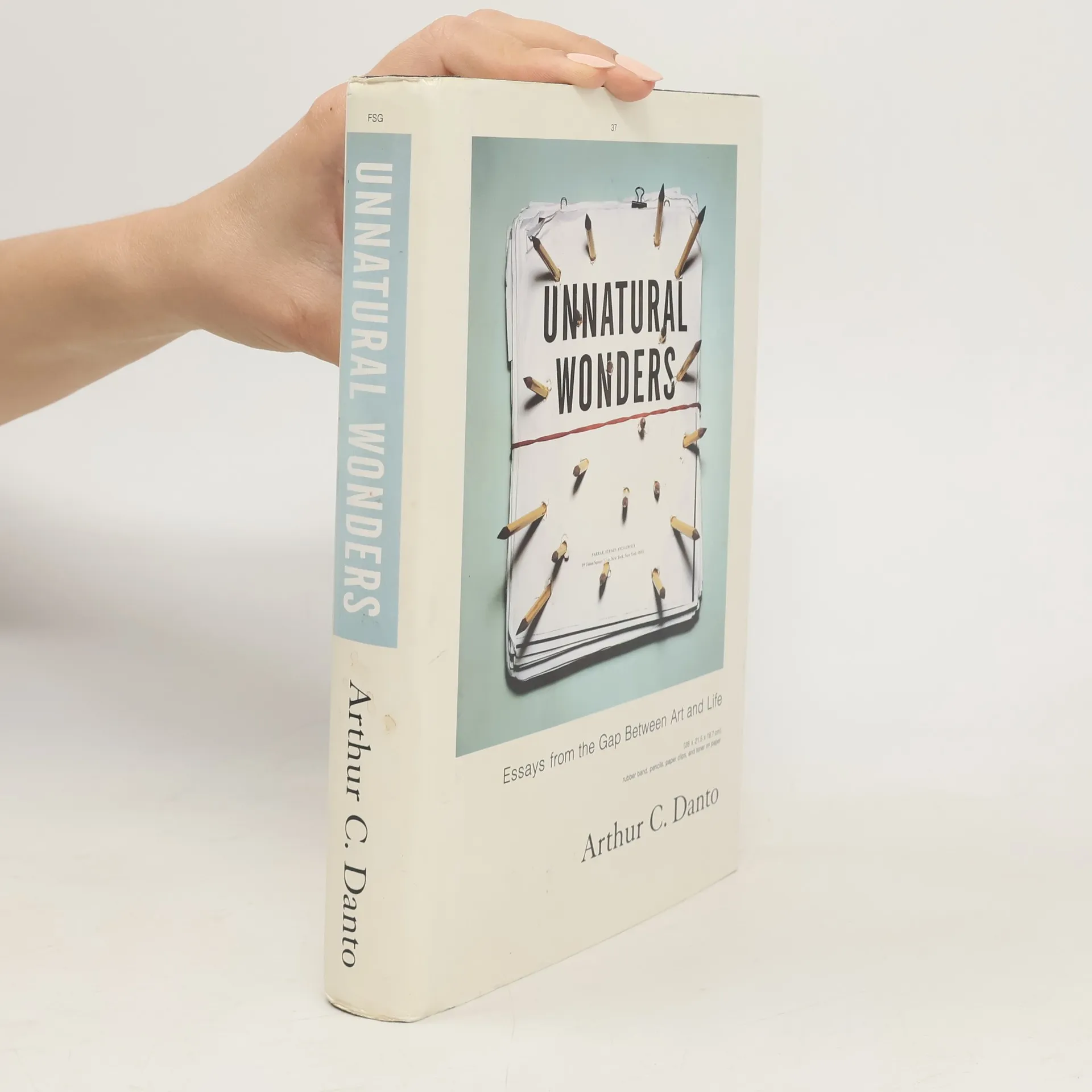
"Arthur C. Danto's five volumes of review essays form a chronicle of the art world in our time, and a running appraisal of the great variety of significant work made in our midst." "In this new book, Danto shows how work that bridges the gap between art and life is now the definitive work of our time: Damien Hirst's arrays of skeletons and anatomical models, Barbara Kruger's tchotchke-ready slogans, Renee Cox's nude portrait of herself presiding at the Last Supper. To the obvious question - is this stuff really art? - Danto replies with an enthusiastic yes, explaining, with a philosopher's clarity and an art lover's delight, how these "unnatural wonders" show us who we are."--BOOK JACKET.Title Summary field provided by Blackwell North America, Inc. All Rights Reserved
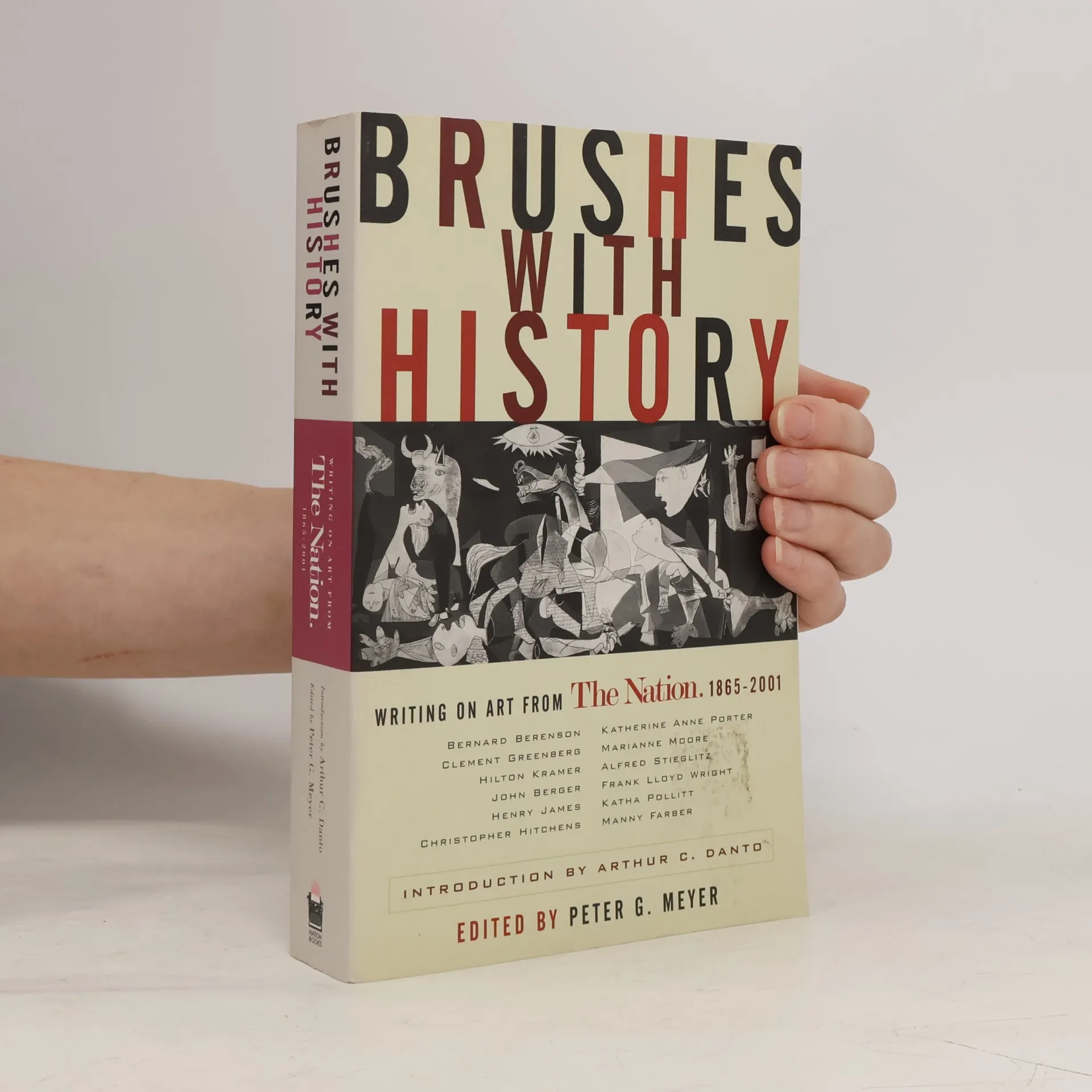
The Nation magazine, since its founding in 1865, began what has become, for better or worse, art criticism as a cultural institution in the United States. This eclectic collection features contributors like Christopher Hitchens on “degenerate art,” Heywood Broun on the Artists Congress of 1936, Katherine Anne Porter on children’s art, Marianne Moore on the death of Nation art critic Paul Rosenfeld, and Langston Hughes on “Negro Art.” The volume also includes contributions from many well-known Stuart Davis, Marsden Harley, Alfred Stieglitz, John Marin, Kenyon Cox, Guy Pene Du Bois, Louis Lozowick, and Frank Lloyd Wright. Celebrated writers on art such as Bernard Berenson, Clement Greenberg, Lawrence Alloway, Hilton Kramer, Max Kozloff, John Berger, and Arthur Danto give readers first-hand accounts of the debuts of artists ranging from John Singer Sargent to Jackson Pollock and Willem deKooning as well as the famous lawsuit between John Ruskin and James McNeill Whistler (reported by a youthful Henry James), the destruction of Diego Rivera’s Rockefeller Center murals and Richard Nixon’s views on art. More recently writers like E.L. Doctorow and Katha Pollitt have weighed in on the recent culture wars over arts funding and free expression.
Arthur Danto's work has always affirmed a deep relationship between philosophy and art. These essays explore this relationship through a number of concrete cases in which either artists are driven by philosophical agendas or their art is seen as solving philosophical problems in visual terms. The essays cover a varied terrain, with subjects including Giotto's use of olfactory data in The Raising of Lazarus; chairs in art and chairs as art; Mel Bochner's Wittgenstein drawings; the work of Robert Motherwell, Andy Warhol, and Robert Irwin; Louis Kahn as "Archai-Tekt"; and visual truth in film. Also featured are a meditation on the battle of Gettysburg; and a celebration of the Japanese artist Shiko Munakata, an essay that is partly autobiographical.Arthur C. Danto is one of the most original and multitalented philosophers writing today, a thinker whose interests traverse the boundaries of traditional understandings of philosophy. Best known for his contributions to the philosophy of art and aesthetics, Danto is also esteemed for his work in the history of philosophy, the philosophy of history, philosophical psychology, and action theory. These two volumes, each with an introduction by the author, contain essays spanning more than twenty-five years that have been selected to highlight the inseparability of philosophy and art in Danto's work. Together they present the thinking of Arthur C. Danto at his very best.
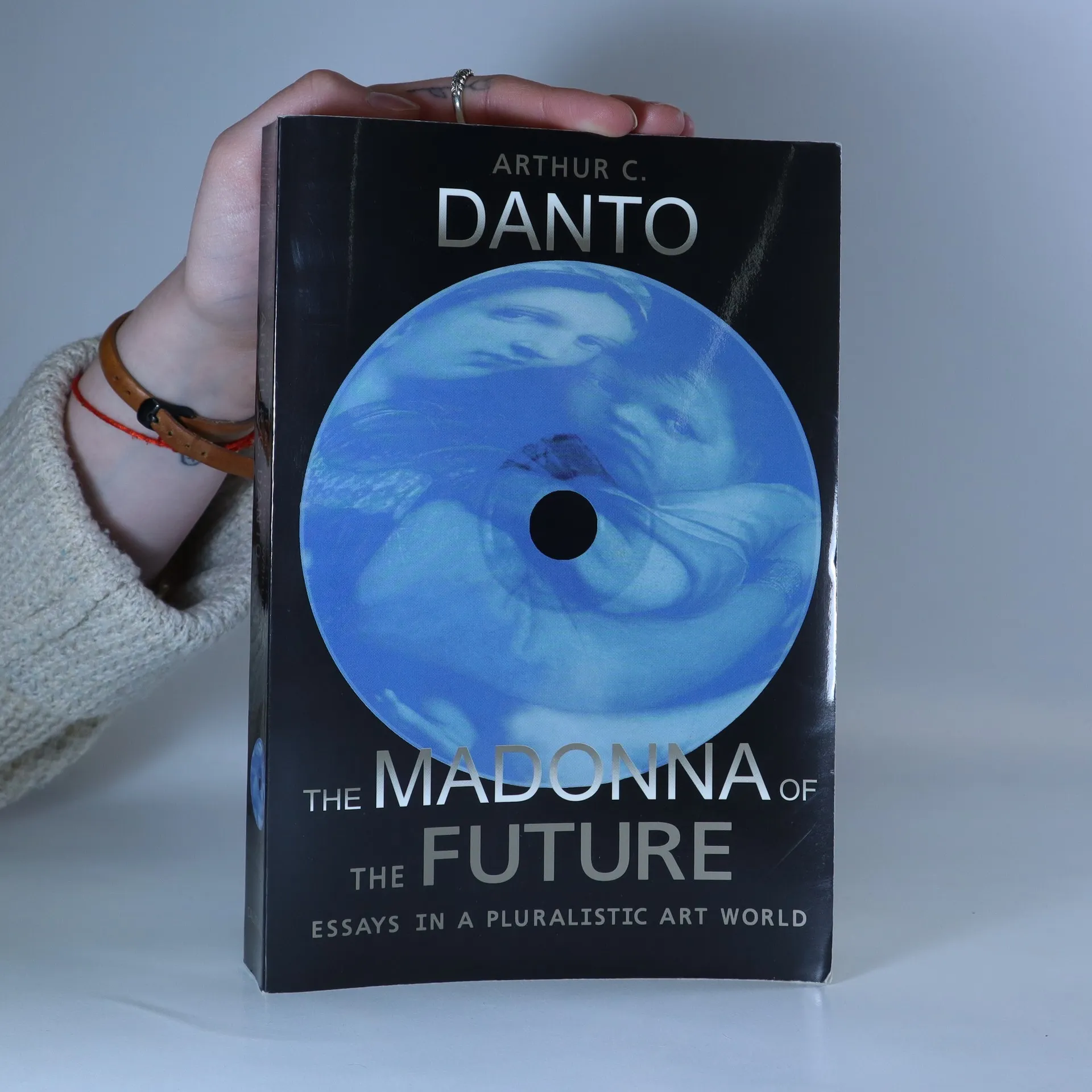
The Madonna of the future
- 480pagine
- 17 ore di lettura
The Madonna of the Future finds Danto at the point where all the vectors of the art world those of traditional painting, Pop art, mixed media, and installation art; those of art and philosophy; those of the specialist who brings theory to bear on the work and the viewer who appreciates it primarily visually.
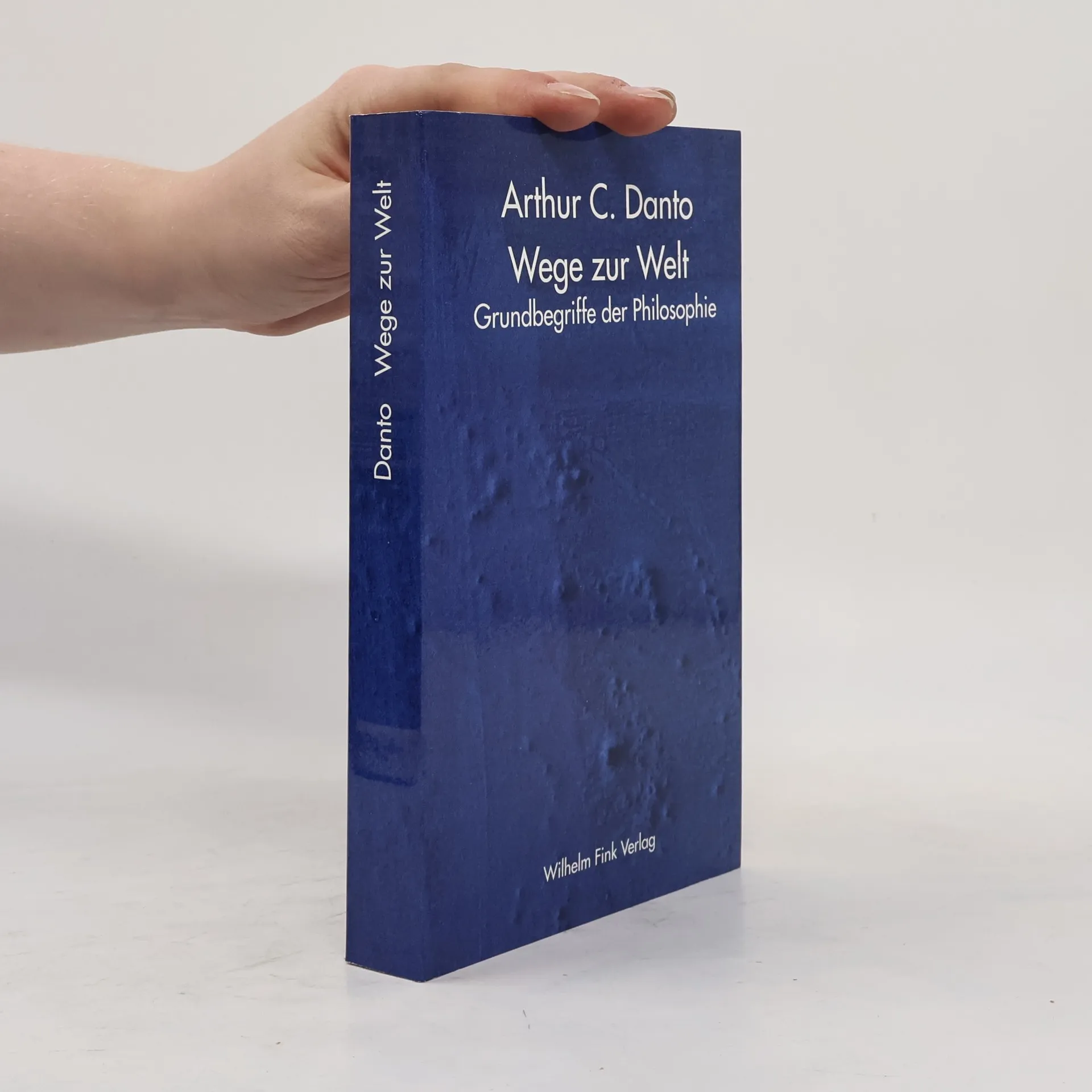
Wege zur Welt. Grundbegriffe der Philosophie.
- 324pagine
- 12 ore di lettura
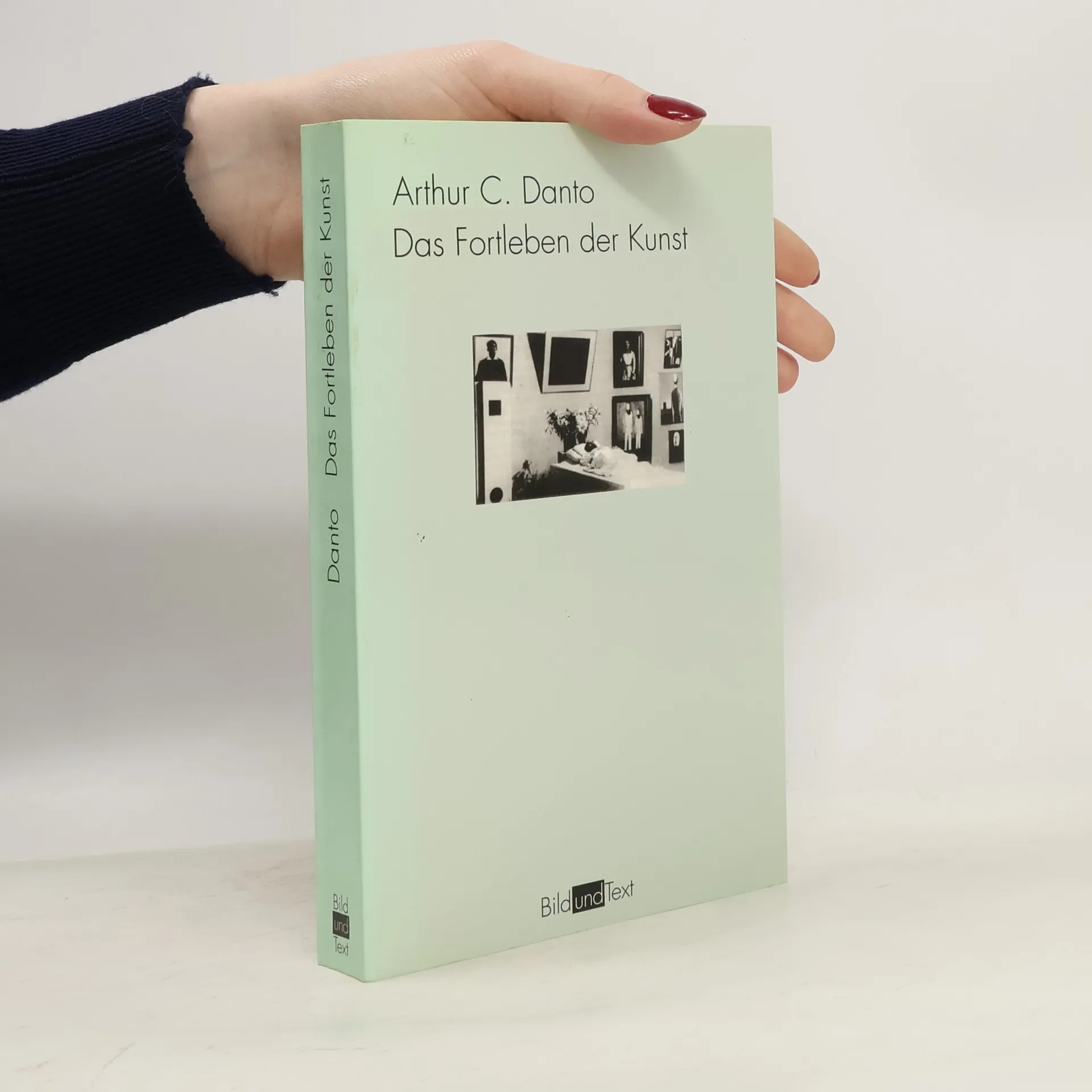
Das Fortleben der Kunst
- 303pagine
- 11 ore di lettura
Die Kunst ist laut Arthur Danto, Professor an der Columbia University und Kunstkritiker, immer noch tot. In dieser Sammlung von Dantos Mellon-Vorlesungen über die Schönen Künste aus dem Jahr 1995 hinterfragt Danto weiterhin traditionelle Auffassungen von Ästhetik und Philosophie im Hinblick auf zeitgenössische Kunst. Während er eine Vielzahl von kunstbezogenen Themen anspricht, bleibt der Fokus dieser Vorlesungen die Abweichung der zeitgenössischen Kunst von der großen Erzählung, die die Kunst im Laufe der Geschichte definiert hat.
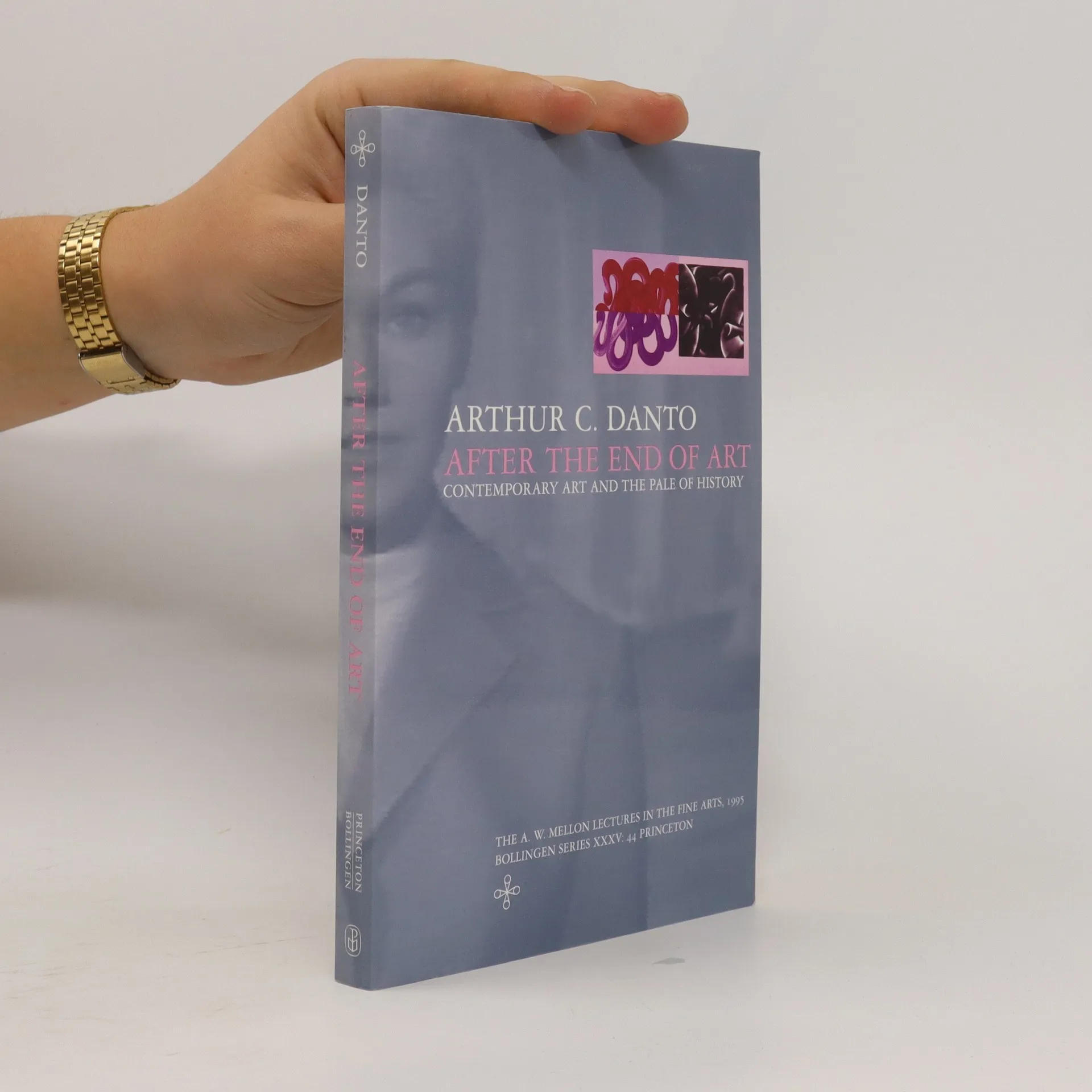
After the end of art : Contemporary Crt and the Pale of History
- 262pagine
- 10 ore di lettura
Over a decade ago, Arthur Danto proclaimed that art ended in the sixties, positioning himself at the forefront of a radical critique of contemporary art. This work presents Danto's comprehensive reformulation of his original insight, illustrating how art has diverged from the narrative course defined by Vasari during the Renaissance, particularly following the decline of abstract expressionism. He introduces a new type of criticism to help us navigate a posthistorical age, where artists may create works in the style of Rembrandt as visual puns, and where traditional theories struggle to differentiate between Andy Warhol's Brillo Box and its grocery store counterpart. Engaging in insightful discussions on pressing aesthetic and philosophical issues, Danto draws from his acute observations of today's art scene. Originally delivered as the Mellon Lectures on the Fine Arts, these writings explore art history, pop art, "people's art," the future of museums, and the critical insights of Clement Greenberg, who clarified modernism for audiences decades ago. Danto traces art history from a mimetic tradition to the modern era of manifestos, ultimately arguing that the advent of Pop art nullified previous historical understandings of art's means and ends. He contends that traditional aesthetics are inadequate for contemporary art, advocating for a philosophy of criticism that embraces the limitless possibilities of modern artistic expres
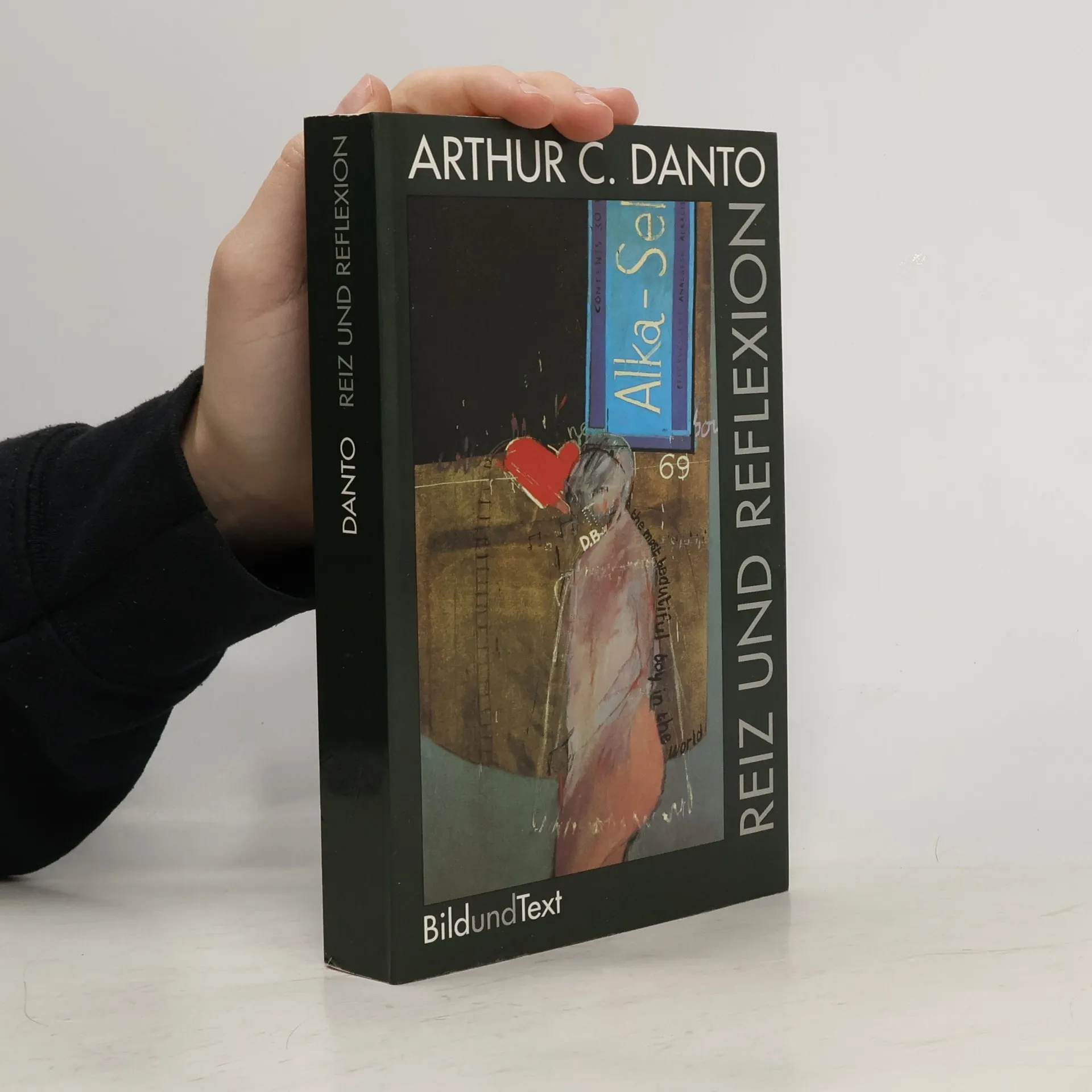
Reiz und Reflexion
- 409pagine
- 15 ore di lettura
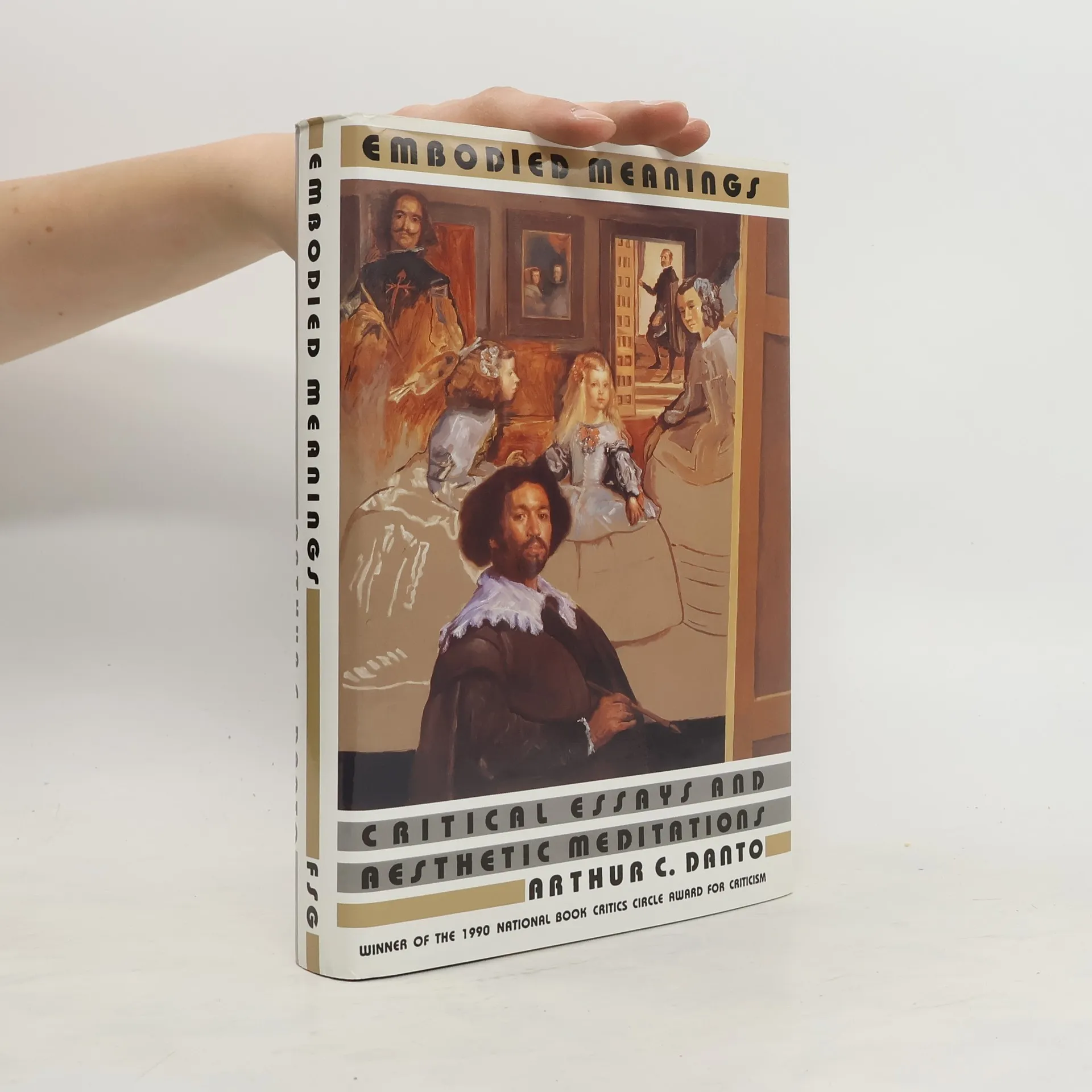
Embodied Meanings: Critical Essays & Aesthetic Meditations
- 397pagine
- 14 ore di lettura
Bound in the publisher's original quarter cloth and paper over boards, spine stamped in gilt.
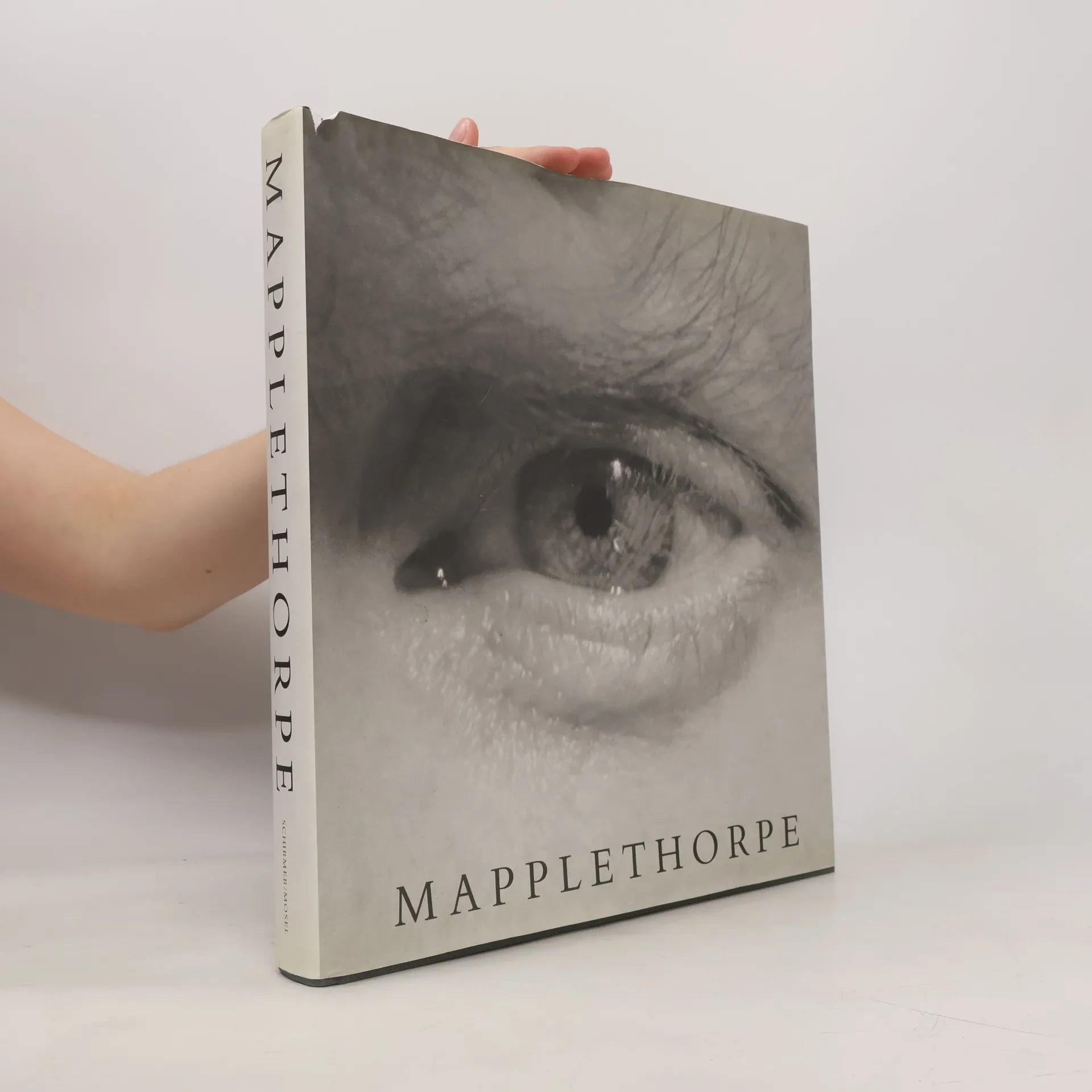
Robert Mapplethorpe
- 382pagine
- 14 ore di lettura
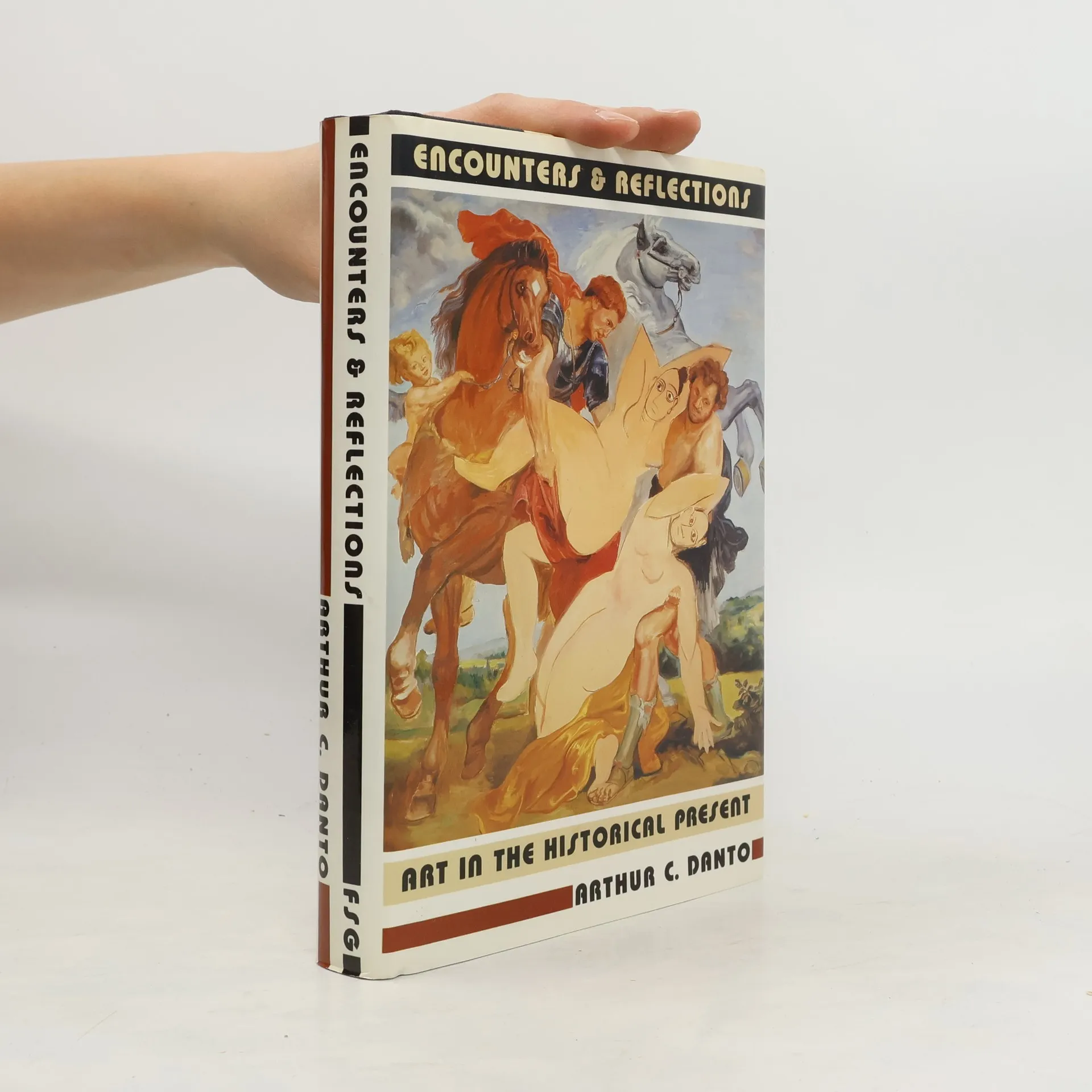
Since 1984, when he became art critic for The Nation, Arthur C. Danto, one of America's most inventive and influential philosophers, has also emerged as one of our most important critics of art. As an essayist, Danto's style is at once rigorous, incisive, and playful. Encounters and Reflections brings together many of his recent critical writings -- on artists such as Andy Warhol, David Hockney, and Robert Mapple-thorpe; and on the significance of issues like the masterpiece and the museum. The result is a spirited brief from the front lines of current aesthetic and philosophical debate
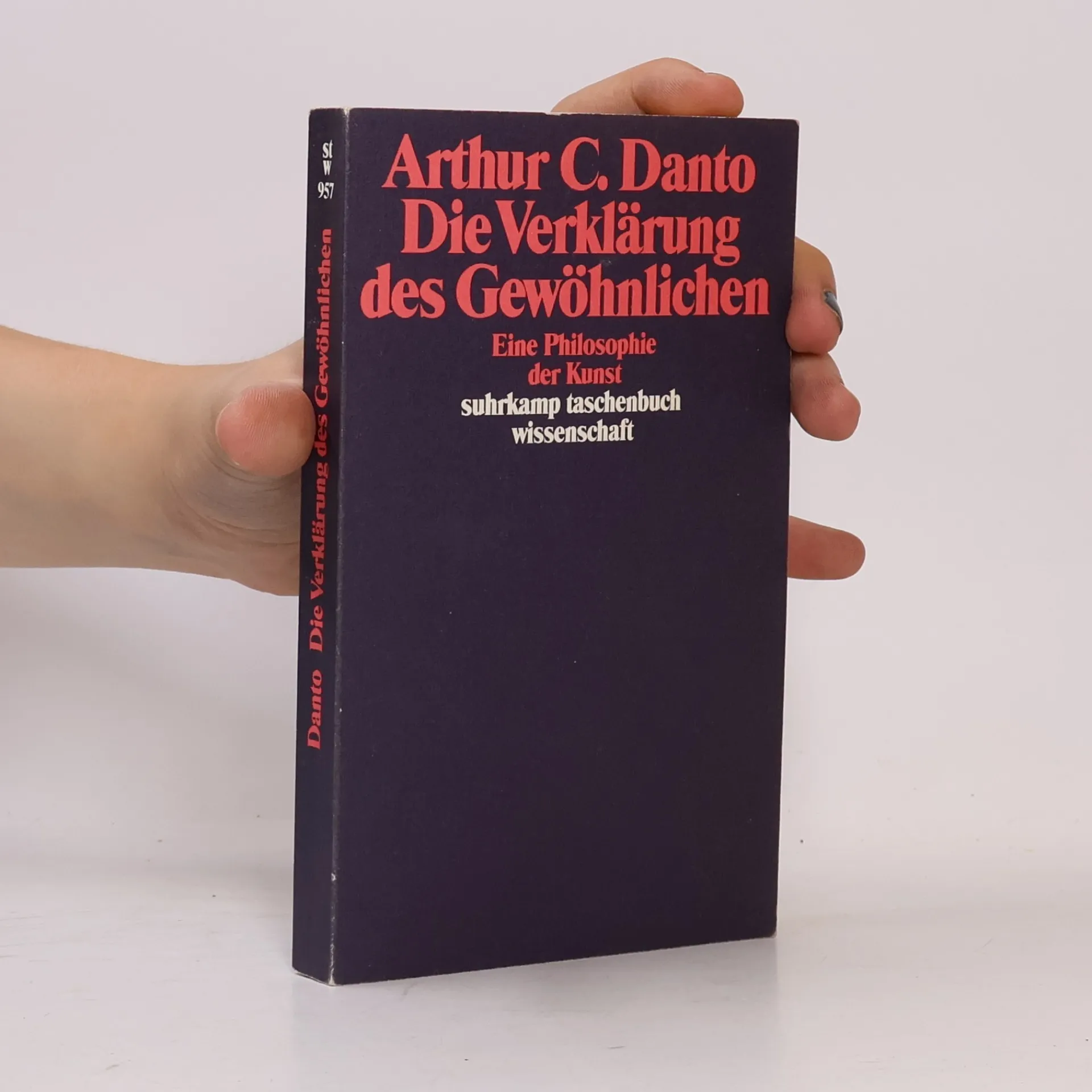
Die Verklärung des Gewöhnlichen
- 320pagine
- 12 ore di lettura
»Das ist Kunst. Das nicht.« Warum? Auf diese Frage gibt Danto eine Antwort, die - wiewohl hauptsächlich an Beispielen der Kunst des 20. Jahrhunderts entwickelt - auch für traditionelle Kunstwerke gilt und damit den Anspruch einer umfassenden Philosophie der Kunst stellen kann.
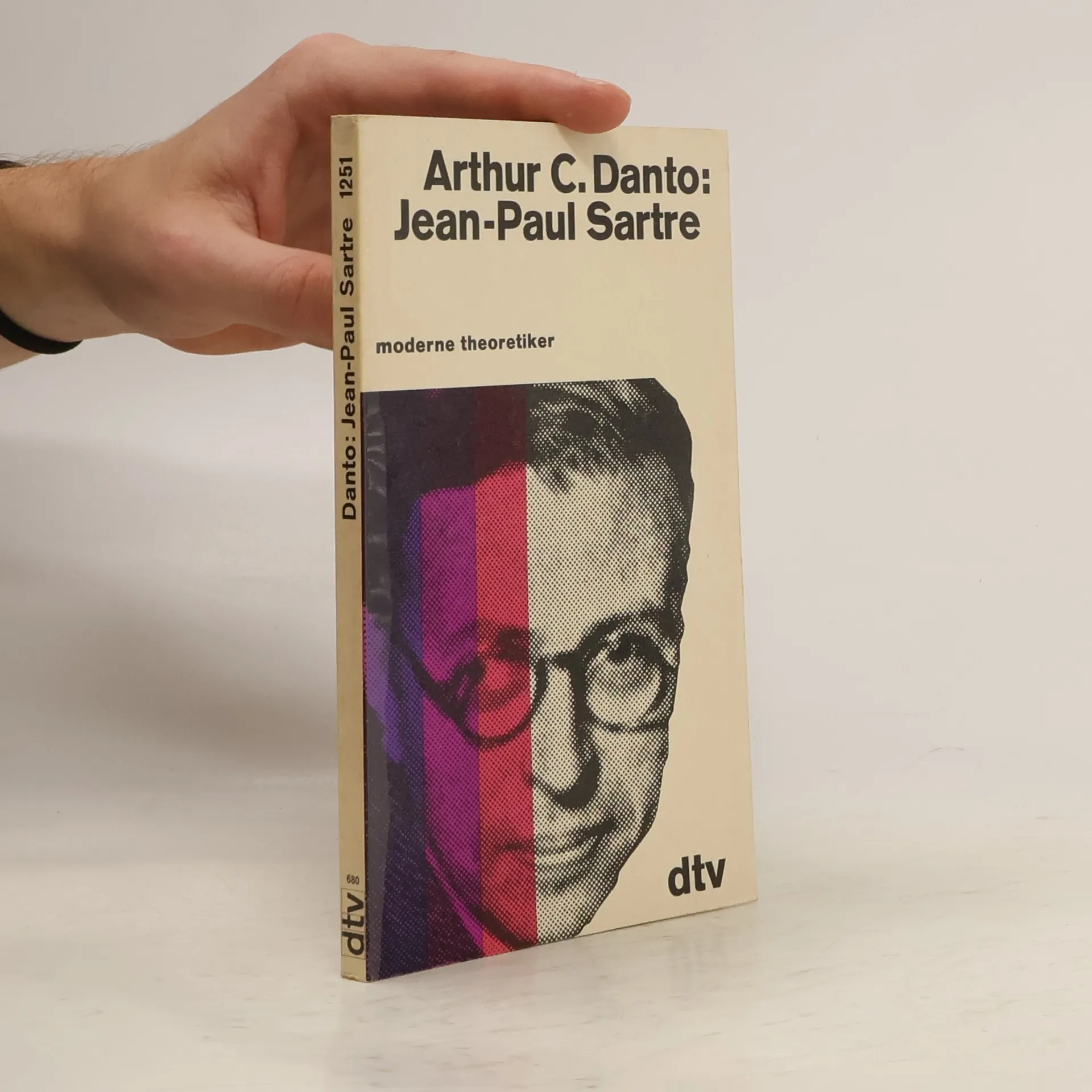
Jean-Paul Sartre
- 151pagine
- 6 ore di lettura
Jean-Paul Sartre: die intellektuelle und moralische Leitfigur einer ganzen Generation und ein Philosoph, der zu Lebzeiten seine Interpreten überforderte mit der Produktivität und Vehemenz seines Denkens. Deshalb herrscht noch heute ein bemerkenswerter Mangel an Gesamtdarstellungen zu Sartres Werk. Dantos Buch kann diesem Defizit abhelfen. Übersichtlich entwickelt er die Grundgedanken des Sartreschen philosophischen Systems.
Der Kreuzzug, der im dreizehnten Jahrhundert das Mittelmeer-Spanien eroberte, führte zur Dominanz einer fremden christlichen Minderheit über eine abweichende muslimische Mehrheit und eine ungewöhnlich große jüdische Bevölkerung. Professor Burns' Forschung zu zuvor ungenutzten Archivquellen offenbart die Spannungen und Interaktionen zwischen den drei religiösen Gesellschaften nach dem Kreuzzug. Eine Hauptquelle für die Forschung des Autors sind die revolutionären Papierregister von König Jaume dem Eroberer. Diese reichhaltigen und vernachlässigten Dokumente werfen neues Licht auf Jaumes pluri-ethnisches Königreich während seiner ersten Siedlungsgeneration. Die Kapitel, die jeweils eine Pionierarbeit für ihr Thema darstellen, sind radikal unterschiedlich in Thema und Ansatz, betreffen jedoch dasselbe Thema, die Symbiose der Kulturen im sich neu entwickelnden Königreich, und denselben Zeitraum, die Herrschaftszeiten von Jaume dem Eroberer und seinem Sohn, Pere dem Großen.