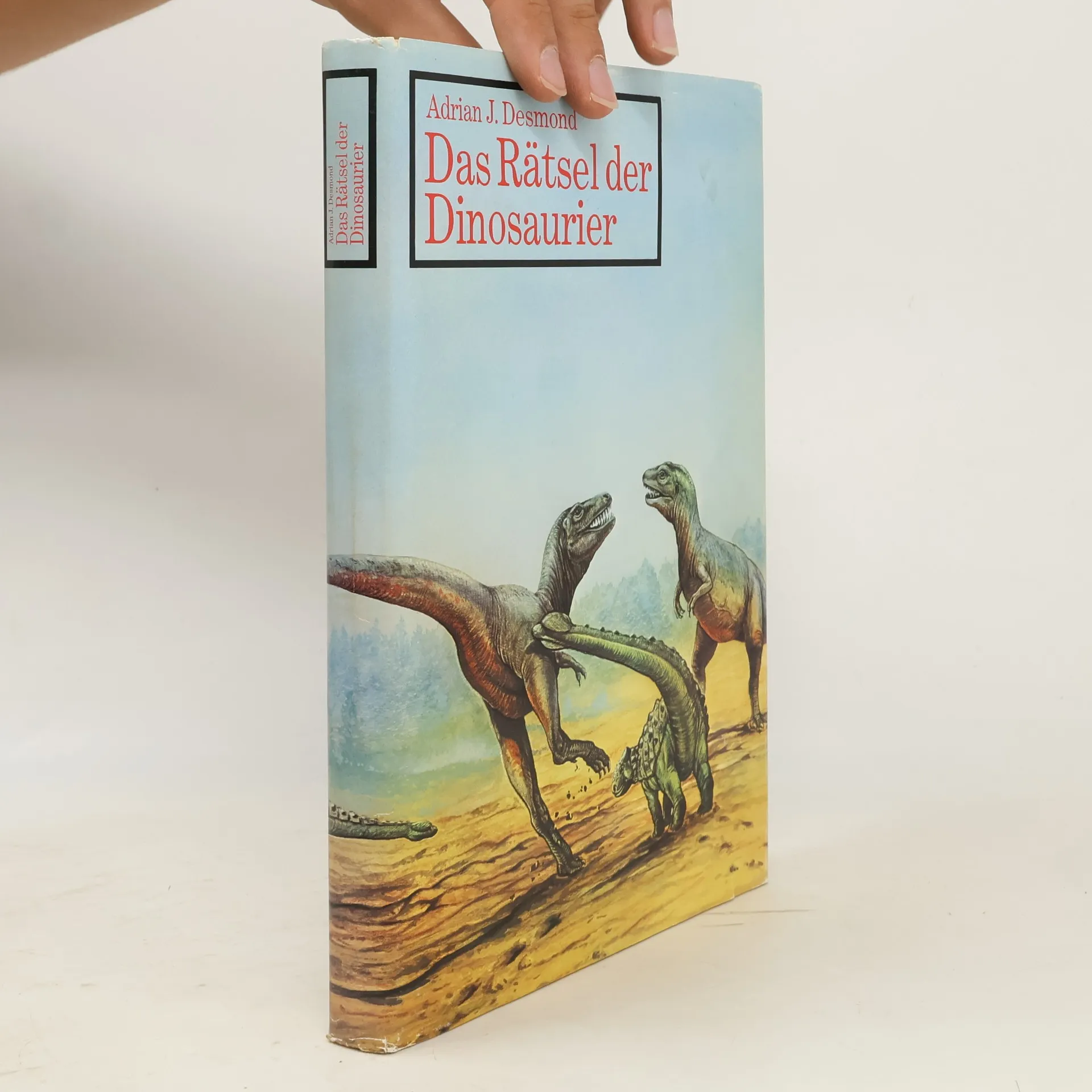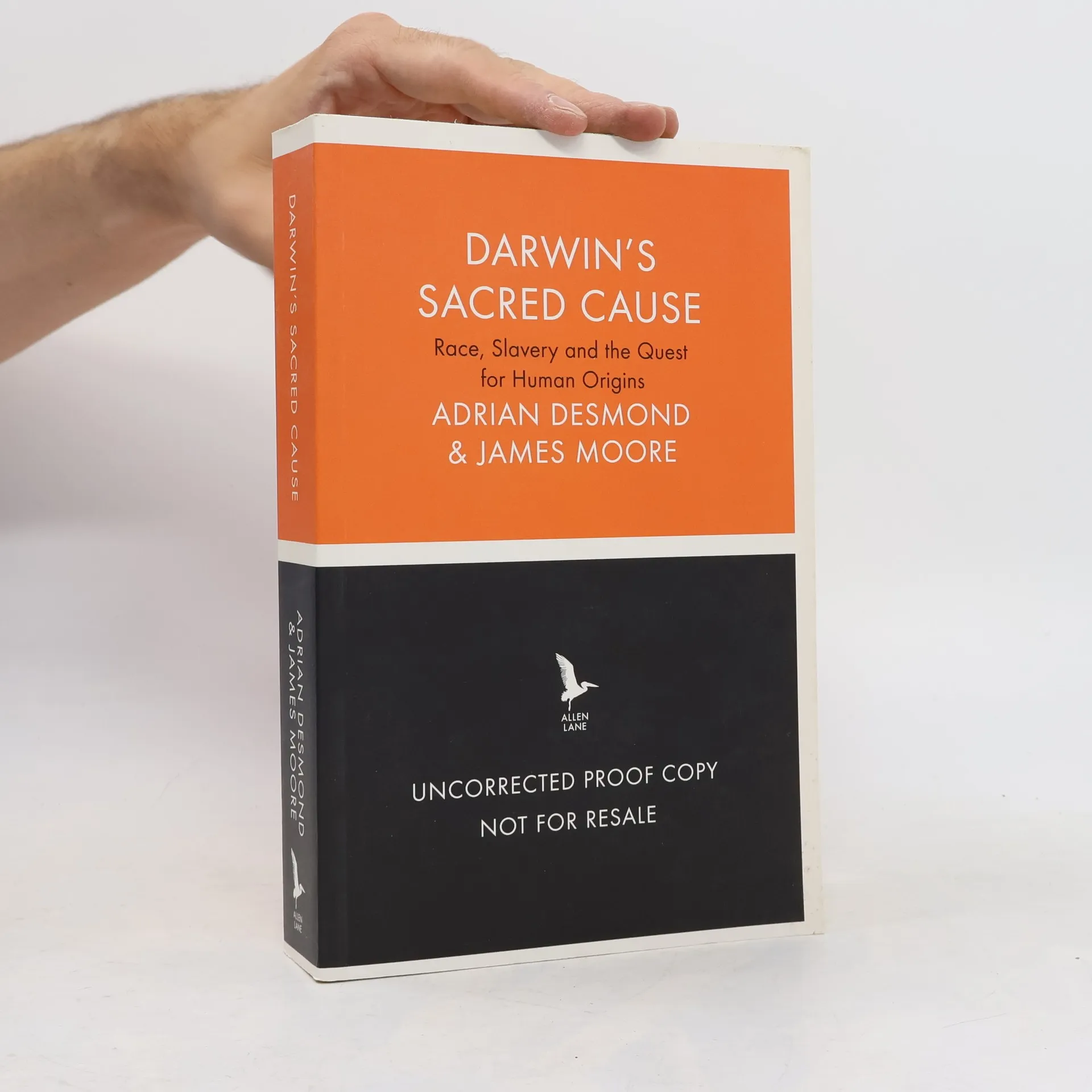
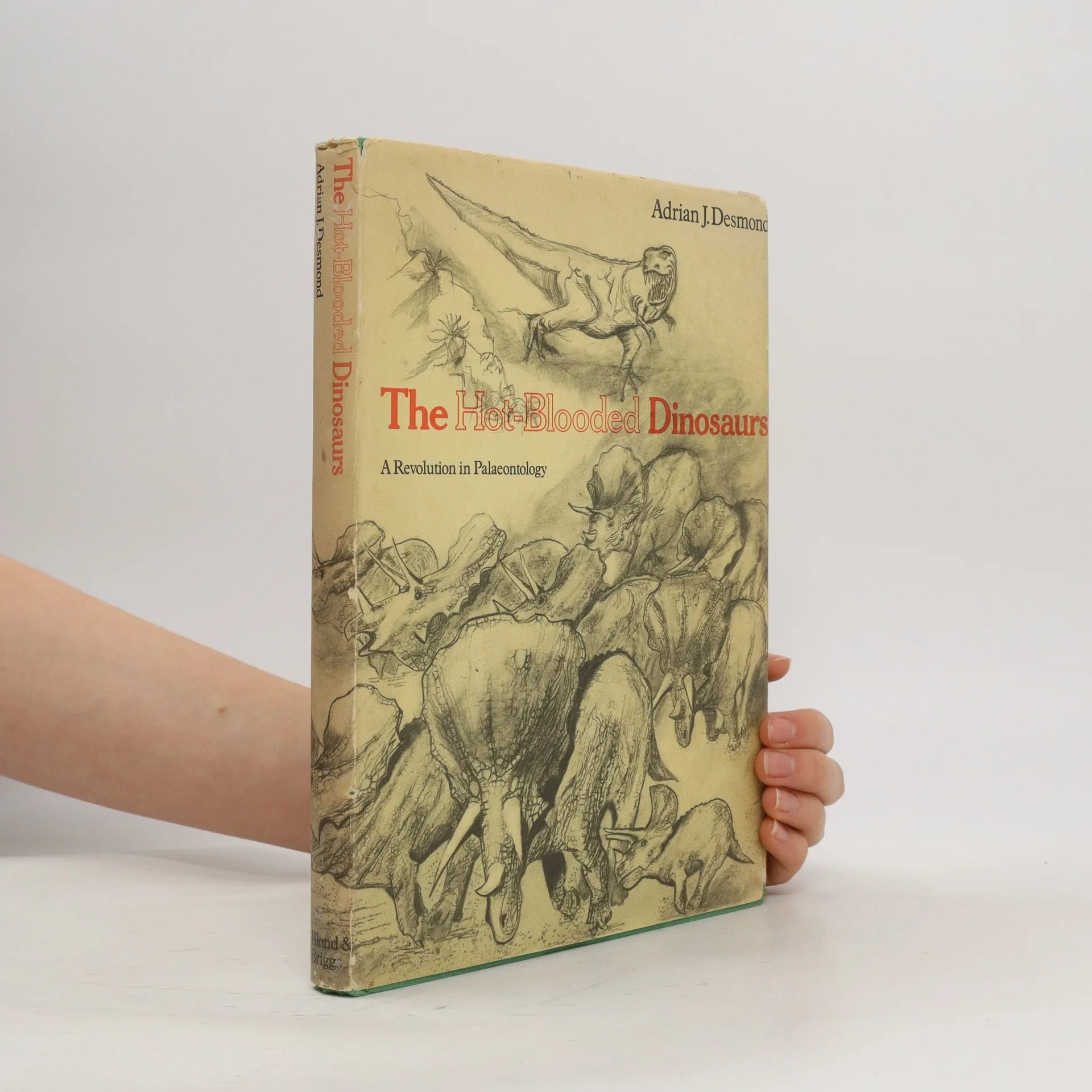

Adrian John Desmond è uno scrittore inglese focalizzato sulla storia della scienza. Il suo lavoro approfondisce i contesti sociali e filosofici più ampi delle scoperte scientifiche, in particolare nell'ambito della biologia evolutiva e della paleontologia. Attraverso la sua ricerca, illumina come il pensiero contemporaneo e gli ambienti culturali abbiano plasmato le idee scientifiche, e viceversa. Le sue analisi rivelano al lettore la loro affascinante interazione tra scienza e società.
Very definitive, very concise, and very interesting...From William Shakespeare to Winston Churchill, the Very Interesting People series provides authoritative bite-sized biographies of Britain's most fascinating historical figures--people whose influence and importance have stood the test of time.Each book in the series is based upon the biographical entry from the world-famous Oxford Dictionary of National Biography .
Charles Robert Darwin (Shrewsbury, 12 febbraio 1809 – Londra, 19 aprile 1882) è stato un naturalista britannico, celebre per aver formulato la teoria dell'evoluzione delle specie animali e vegetali per selezione naturale agente sulla variabilità dei caratteri (origine delle specie), per aver teorizzato la discendenza di tutti i primati (uomo compreso) da un antenato comune (origine dell'uomo) e per aver teorizzato la possibile esistenza di un antenato comune a tutte le specie viventi. Pubblicò la sua teoria sull'evoluzione delle specie nel libro L'origine delle specie (1859), che è rimasto il suo lavoro più noto. Raccolse molti dei dati su cui basò la sua teoria durante un viaggio intorno al mondo sulla nave HMS Beagle, e in particolare durante la sua sosta alle Isole Galápagos.
This is a biography of T.H. Huxley (1825-1895) - Darwin's bulldog - who led a far more fascinating and outgoing life than the reclusive Darwin. He did battle with God and Gladstone, sat on Royal commissions and campaigned for elementary education. He carried Darwin's fight to the public and outraged the old order with his talk of apemen and the material basis of life.
Hailed as the definitive biography, this monumental work explains the character and paradoxes of Charles Darwin and opens up the full panorama of Victorian science, theology, and mores. The authors bring to life Darwin's reckless student days in Cambridge, his epic five-year voyage on the Beagle, and his grueling struggle to develop his theory of evolution.Adrian Desmond and James Moore's gripping narrative reveals the great personal cost to Darwin of pursuing inflammatory truths—telling the whole story of how he came to his epoch-making conclusions.
Toen in de vorige eeuw de beenderen en skeletten van dinosauriërs werden gevonden, stond de wereld verstomd. Die sprakeloosheid maakte echter weldra plaats voor de klakkeloze veronderstelling dat dinosauriërs een soort koudbloedige hagedissen waren, met nauwelijks hersenen. Men zag ze als slome reuzendieren, dier pas in beweging kwamen wanneer de zon voor voldoende energie zorgde. Tegen dat beeld zet de schrijver van dit verhelderende boek zich af. In de laatste paar jaren hebben paleontologen van Harvard en Yale opzienbarende ontdekkingen gedaan. Sommige dinosauriërs bezaten wel degelijk een groot hersenvolume, zagen in stereo en konden hun 'vingers' gebruiken. Waarom deze superwezens zich desondanks op den duur niet konden handhaven, wordt in "De warmbloedige dinosauriërs" op overtuigende wijze verklaard. Desmond is een geboren verteller, die zijn wetenschappelijk verhaal doorspekt met kostelijke anekdotes. Deze omgekeerde 'science fiction' over de oertijd fascineert dan ook van begin tot einde.